
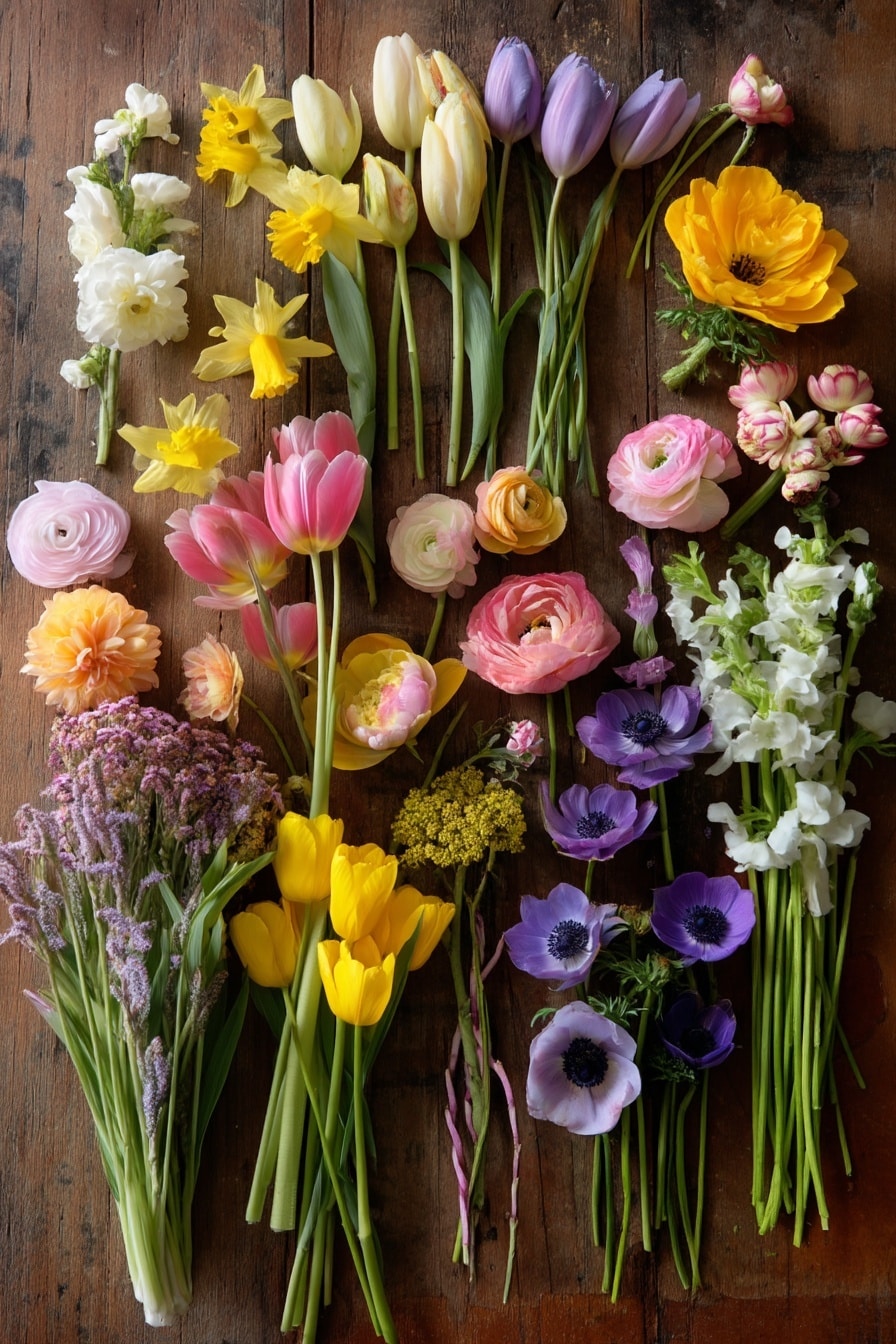
Spring flower arrangements bring the joy of the season indoors with vibrant colors, delicate fragrances, and fresh-cut blooms straight from the garden. One of the most rewarding ways to enjoy these seasonal displays is by growing your own cutting garden—a dedicated space filled with flowers specifically chosen for their beauty in vases.
Unlike ornamental beds designed for static beauty, a cutting garden is dynamic. It’s made for harvesting, allowing you to snip stems freely without compromising your landscape. With thoughtful planning, you can grow a continuous supply of blooms that brighten your home, boost pollinators, and support your creativity.
In this article, you’ll learn how to use a cutting garden to craft stunning spring flower arrangements all season long.
Table of Contents
Why Choose a Cutting Garden for Spring Arrangements

Creating spring flower arrangements from your own cutting garden offers both aesthetic and practical rewards. It gives you the freedom to snip fresh flowers whenever inspiration strikes, without leaving empty gaps in your decorative beds.
Key Benefits:
- Nonstop Blooms: A cutting garden can be planted for successive harvests, keeping your vases full throughout spring.
- Creative Flexibility: You can mix colors, textures, and flower types that suit your personal style.
- Pollinator-Friendly: Many spring bloomers attract bees and butterflies, enhancing the health of your entire garden.
- Budget-Friendly Decor: No more buying bouquets—your flowers come from just outside your door.
With a little planning, your garden becomes a living flower shop where everything is grown with intention.
Best Flowers to Grow for Spring Arrangements
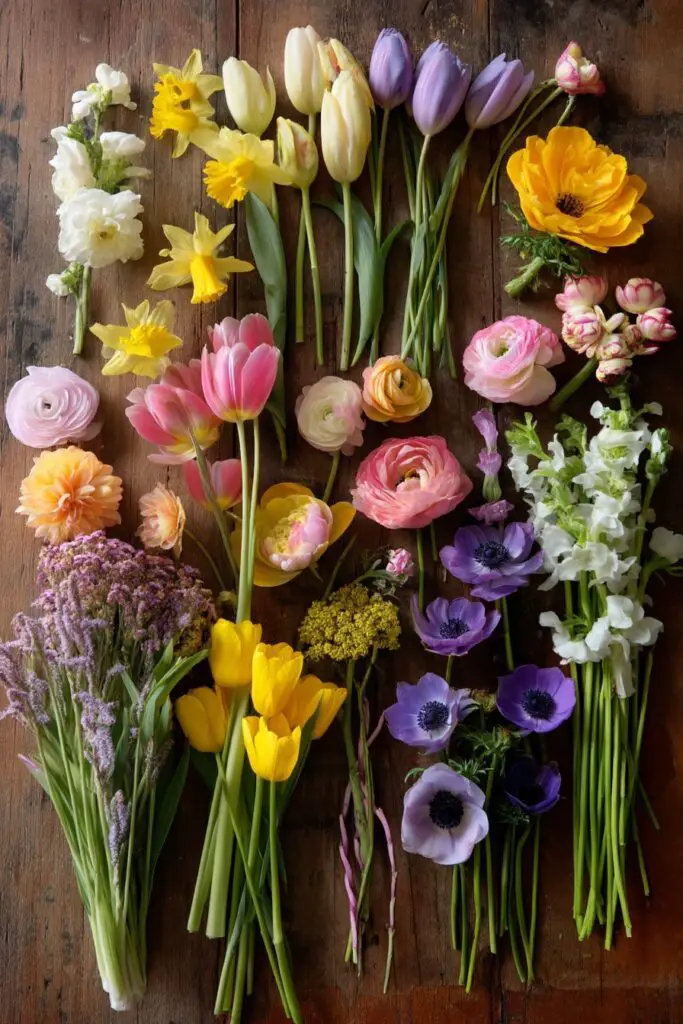
Choosing the right flowers is key to building a cutting garden that supports beautiful spring flower arrangements. Look for blooms that have strong stems, long vase life, and eye-catching color.
Top Picks for a Spring Cutting Garden:
- Tulips: A spring favorite with elegant form and vibrant hues
- Daffodils: Cheerful and classic, perfect for early spring bouquets
- Ranunculus: Full, layered blooms that add softness and romance
- Anemones: Bold centers and delicate petals bring drama to any mix
- Alliums: Structural and striking, they add height and contrast
- Snapdragons: Spiky and colorful, great for adding vertical interest
Plant a variety of shapes, sizes, and colors to give your arrangements depth and dimension throughout the season.
Tips for Harvesting and Arranging Your Flowers
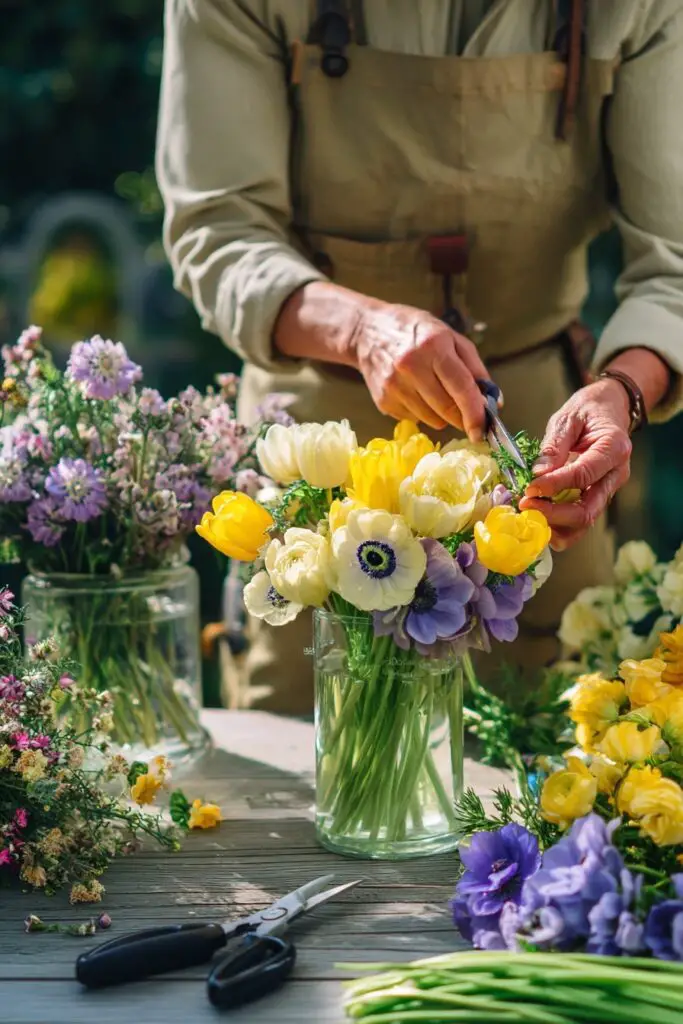
To create fresh and long-lasting spring flower arrangements, it’s important to harvest blooms correctly and handle them with care. A few simple techniques can dramatically extend vase life and keep your bouquets looking their best.
Harvesting Tips:
- Pick in the Morning: Flowers are most hydrated early in the day
- Use Clean, Sharp Shears: Prevents stem damage and reduces disease risk
- Choose Half-Open Blooms: They’ll open fully indoors, giving longer vase appeal
- Strip Lower Leaves: Keeps water cleaner and reduces bacterial growth
Arranging Tips:
- Start with greenery to form the base
- Group flowers in odd numbers for natural flow
- Vary bloom sizes and heights for depth
- Change water and trim stems every 1–2 days
With these techniques, your homegrown spring arrangements will be both artful and enduring.
Conclusion
A well-planned cutting garden brings the beauty of the outdoors into your home through seasonal spring flower arrangements. With the right mix of early bloomers, vibrant colors, and strong stems, you can enjoy a steady supply of fresh-cut flowers from the first signs of spring onward.
Harvesting from your own garden not only adds charm to your indoor spaces but also deepens your connection to the natural rhythms of the season. Whether you’re creating casual mason jar bouquets or more refined centerpieces, every arrangement starts with a single stem grown in your soil.