
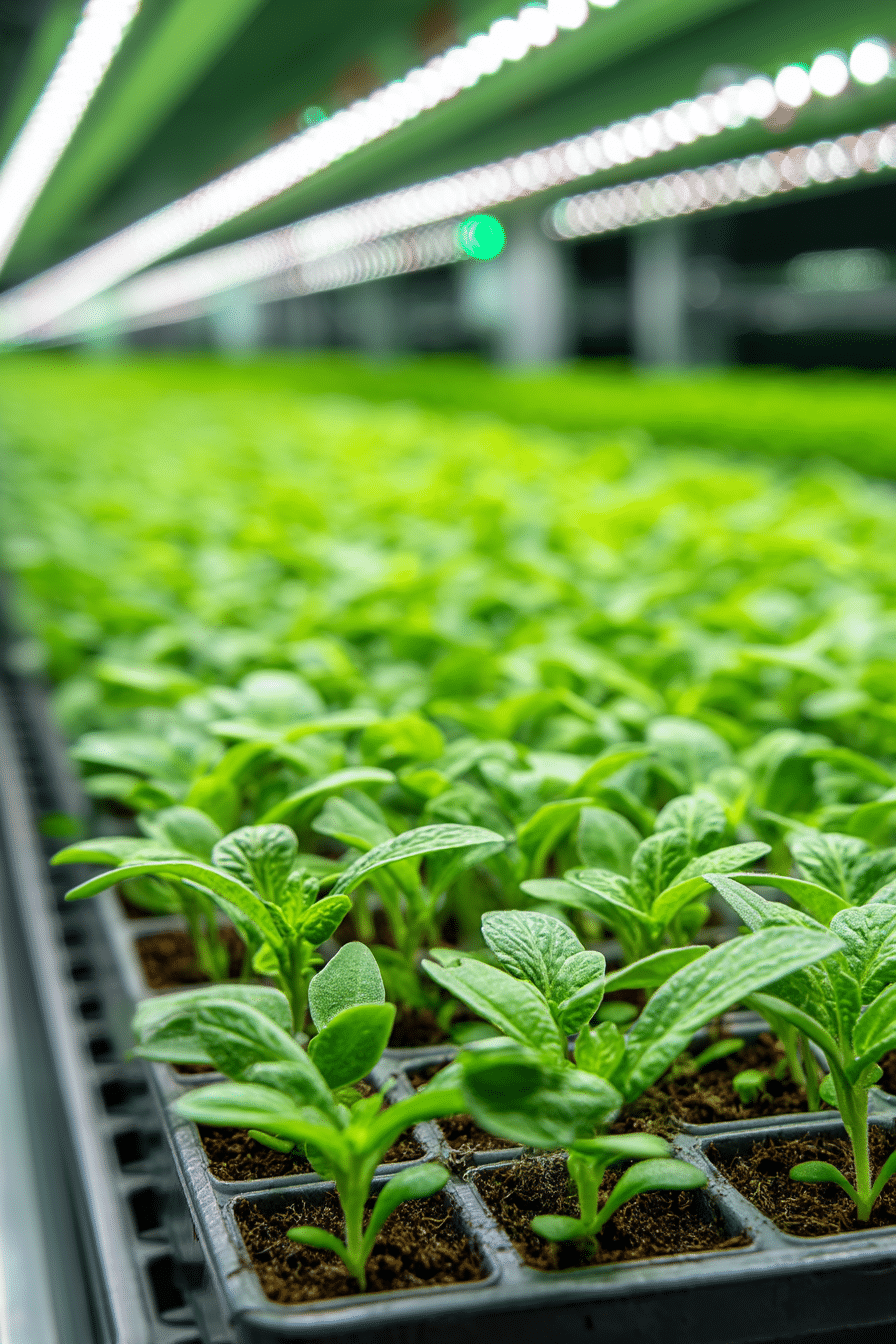
seed starting indoors is one of the most rewarding ways to get a head start on your garden season. By beginning seeds inside, you can extend your growing period, nurture fragile plants in a controlled environment, and ensure stronger seedlings when it’s time to transplant outdoors. Whether you’re gardening in a small apartment, a sunny spare room, or a dedicated greenhouse space, indoor seed starting gives you the flexibility to grow more successfully and with greater confidence.
In this comprehensive guide, we’ll walk through everything you need to know about seed starting — from choosing the right containers and lighting to timing your sowing and caring for seedlings as they grow. With the right setup and a bit of care, indoor seed starting can set the stage for a thriving garden long before the outdoor season begins.
Table of Contents
Why Start Seeds Indoors?

Starting seeds indoors gives gardeners greater control over plant development from day one. It’s especially helpful in regions with short growing seasons or unpredictable spring weather. By sowing seeds indoors, you can:
Advantages of Indoor Seed Starting
- Jumpstart the growing season: Start warm-season crops weeks before the last frost.
- Stronger seedlings: Controlled conditions allow for consistent warmth, moisture, and light.
- Greater plant variety: Access heirloom or specialty seeds not available as transplants.
- Cost-effective gardening: One packet of seeds can yield dozens of plants.
When to Start
- Check your USDA hardiness zone and use the last average frost date to determine when to start.
- Most vegetables like tomatoes, peppers, and broccoli need 6–8 weeks indoors before transplanting.
Use a planting calendar or chart specific to your region for precise timing. Starting too early or too late can affect seedling success.
Essential Supplies for Seed Starting Indoors
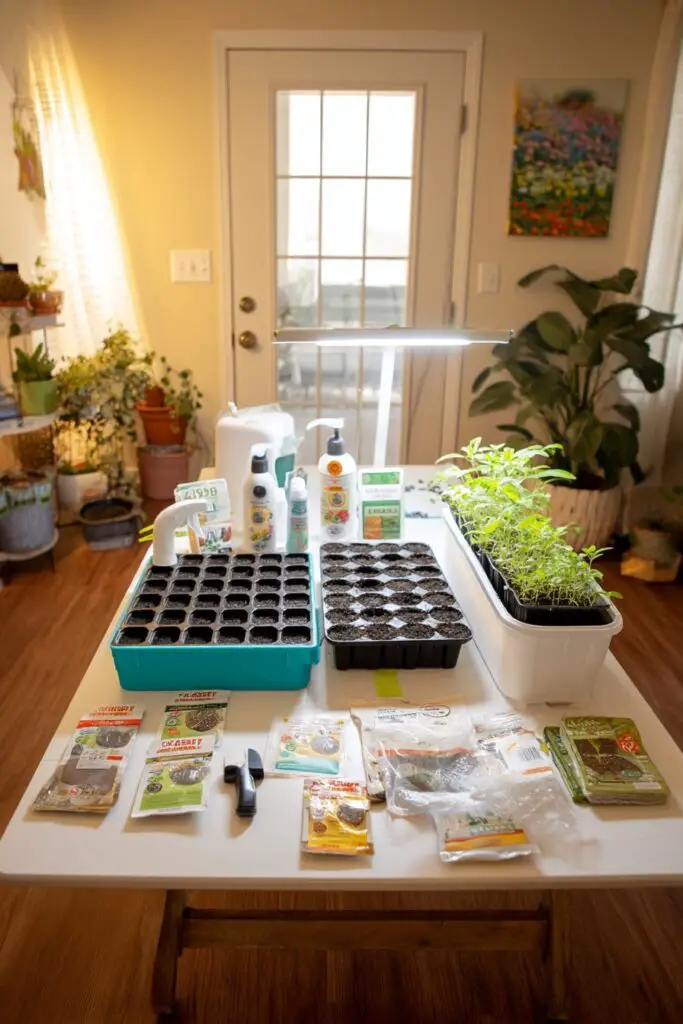
A successful seed starting setup doesn’t have to be expensive or complicated. With a few key supplies, you can create a nurturing environment for your seedlings to thrive.
Basic Equipment List
- Seed starting trays or containers: Use shallow trays, peat pots, or recycled containers with drainage.
- Seed starting mix: Lightweight, sterile, and designed for optimal germination—not regular potting soil.
- Labels and markers: Keep track of plant varieties and sowing dates.
- Dome lids or plastic wrap: Maintain humidity during germination.
- Grow lights: Essential if natural light is limited. Look for full-spectrum LED or fluorescent fixtures.
- Heat mat (optional): Speeds up germination, especially for warm-season crops like peppers and tomatoes.
Tips for Setup
- Place trays in a draft-free location with stable temperature (65–75°F).
- Use shelves or stands to maximize vertical space near windows or under grow lights.
- Water from the bottom when possible to prevent damping-off disease.
Starting with the right tools can dramatically improve your success rate and reduce common seed-starting frustrations.
How to Prepare and Sow Your Seeds
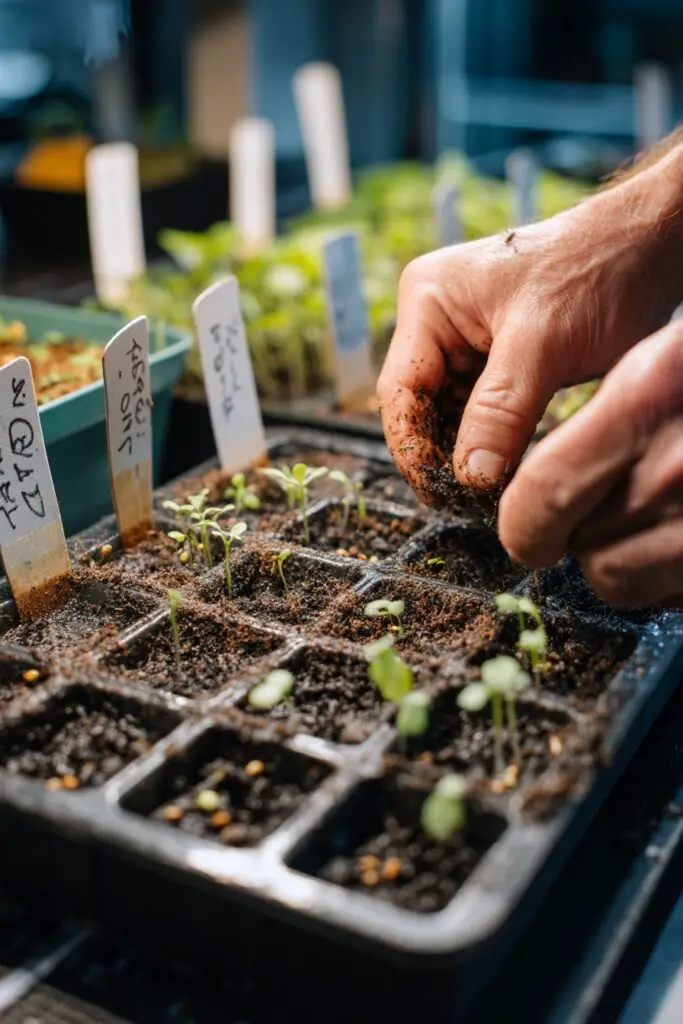
Proper preparation is key to making your seed starting efforts pay off. Before sowing, it’s important to understand your seeds’ individual needs and follow a consistent process for best results.
Step-by-Step Sowing Instructions
- Read the seed packet: It contains vital information about depth, spacing, and timing.
- Moisten the seed starting mix: It should be damp but not soggy before filling trays.
- Fill containers: Lightly press the mix into each cell or pot without compacting it too much.
- Sow seeds: Plant to the depth specified—generally 2–3 times the seed’s width.
- Label each variety: This prevents mix-ups and helps track growth progress.
- Cover and retain humidity: Use a humidity dome or clear plastic until germination.
- Provide warmth: Use a heat mat for faster germination if needed.
Pre-Soaking or Scarification
- Some seeds (like sweet peas or nasturtiums) benefit from pre-soaking for 12–24 hours before planting.
- Hard-coated seeds may need scarification—gently nicking the surface to encourage sprouting.
With proper sowing techniques, you’ll see germination rates improve and seedlings emerge stronger and more uniform.
Caring for Seedlings After Germination
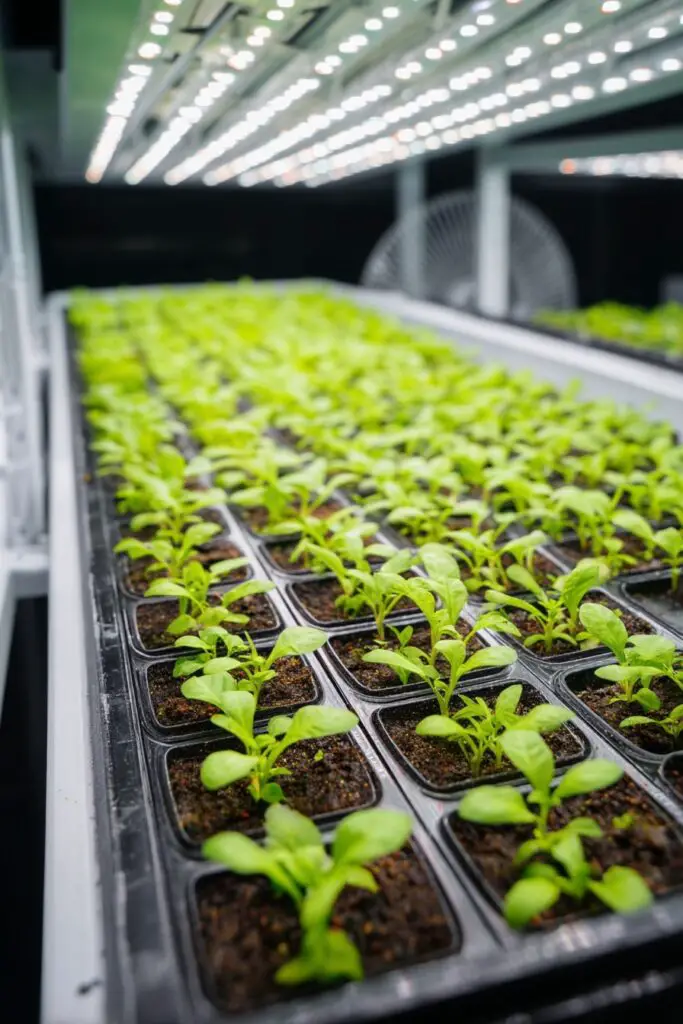
Once your seeds have sprouted, your focus shifts to keeping them healthy and strong. This stage of seed starting is crucial, as young seedlings are vulnerable to weak growth or disease if not managed properly.
Light Requirements
- Place seedlings under grow lights as soon as they emerge.
- Keep lights 2–4 inches above the seedlings and adjust as they grow.
- Aim for 14–16 hours of light per day using a timer for consistency.
- Insufficient light causes legginess (tall, weak stems).
Watering Techniques
- Water when the surface feels dry, but don’t let trays stay soggy.
- Use bottom watering when possible to avoid fungal problems like damping off.
- Ensure containers have drainage to prevent root rot.
Airflow and Hardiness
- Provide good airflow with a small fan to mimic natural conditions and reduce disease.
- Begin gentle brushing or fan movement daily to strengthen stems.
Feeding Seedlings
- After 2–3 weeks, begin feeding with a diluted liquid fertilizer (¼ strength).
- Choose organic or balanced fertilizers to encourage healthy root and leaf growth.
Caring for seedlings with attention and consistency builds strong, transplant-ready plants and prevents many common issues before they start.
Hardening Off and Transplanting Outdoors
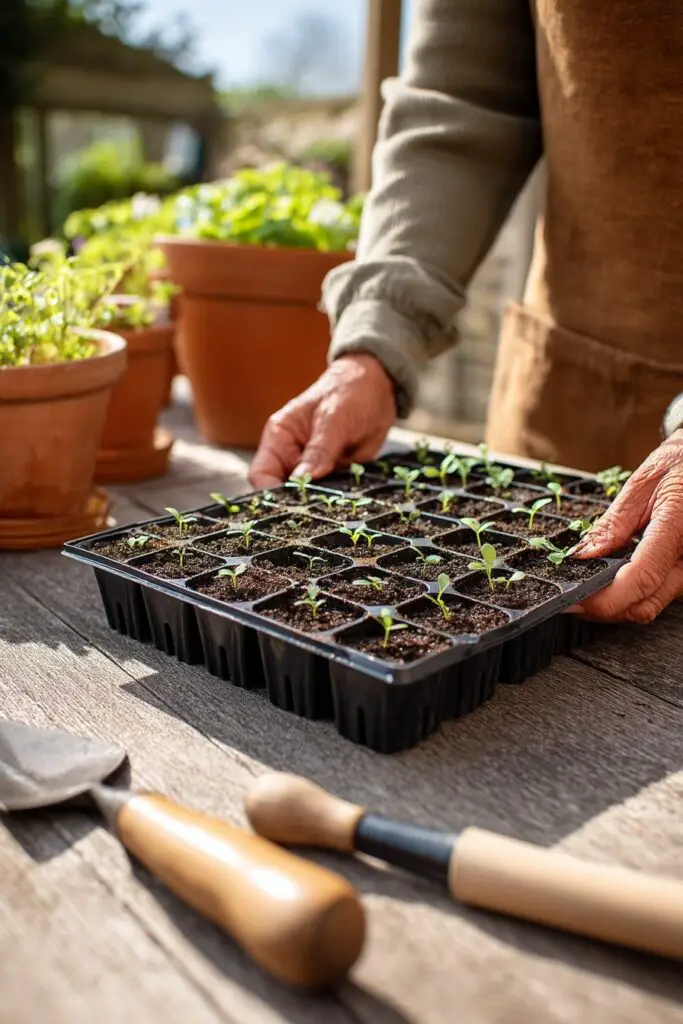
As your seedlings mature, it’s time to prepare them for life outside. This process, called hardening off, is essential for transitioning indoor-grown plants to the garden without shock or damage.
How to Harden Off Seedlings
- Start 7–10 days before your transplant date.
- Place seedlings outdoors in filtered sunlight for a few hours on the first day.
- Gradually increase sun exposure and outdoor time each day.
- Avoid exposing them to strong wind, full sun, or cold temperatures early on.
By the end of the hardening period, seedlings should tolerate full sun, wind, and nighttime temps close to their final outdoor environment.
Transplanting Tips
- Choose a cloudy or late afternoon day to minimize stress.
- Water seedlings well an hour before transplanting.
- Gently remove plants, keeping roots intact.
- Space according to seed packet recommendations and water them in thoroughly.
Transplanting is the final step of your indoor seed starting journey—and it marks the beginning of an abundant, homegrown harvest.
Conclusion
Seed starting indoors empowers gardeners to take control of their growing season, no matter their climate or experience level. From carefully selecting your supplies and sowing seeds, to nurturing seedlings and preparing them for the outdoors, each step plays a critical role in setting your garden up for success.
With a bit of planning and attention, you’ll be rewarded with robust, healthy plants ready to thrive once planted in your garden. Whether you’re growing vegetables, herbs, or flowers, the satisfaction of nurturing life from seed to harvest is unmatched.