
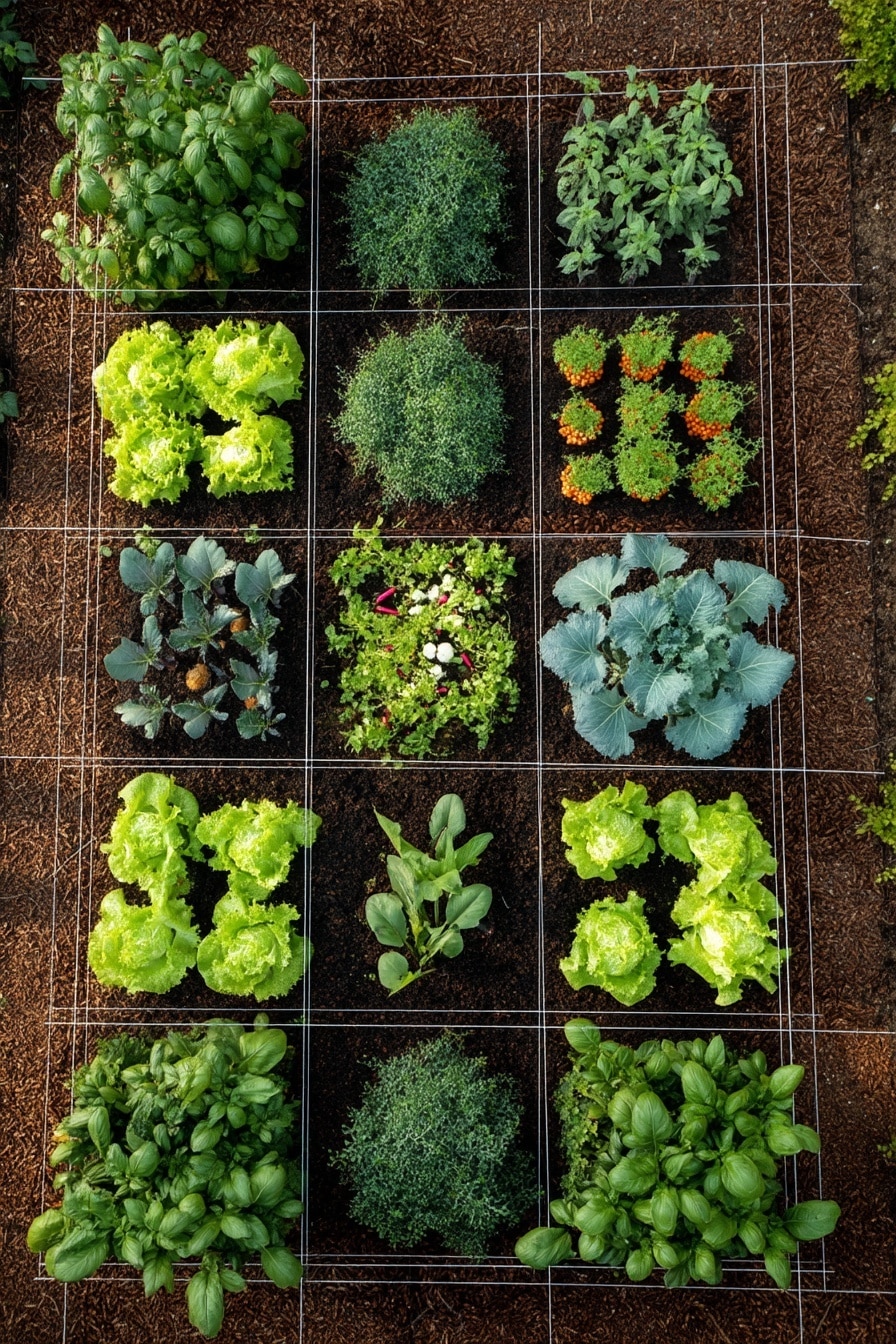
garden bed layout is the foundation of a productive and beautiful raised bed garden. Choosing the right garden bed layout early can make planting, watering, and harvesting easier while helping you make the most of your growing space. Whether you’re working with a small backyard, a patio, or a larger garden area, the layout you pick will influence accessibility, plant performance, and how enjoyable your gardening experience becomes.
In this article, we break down five popular raised bed garden layouts tailored to different spaces and needs, making it easier for you to match your gardening goals with a functional plan. Each layout has its own advantages, from maximizing sun exposure to creating a visually inviting garden focal point.
Table of Contents
1. Classic Rectangular Layout

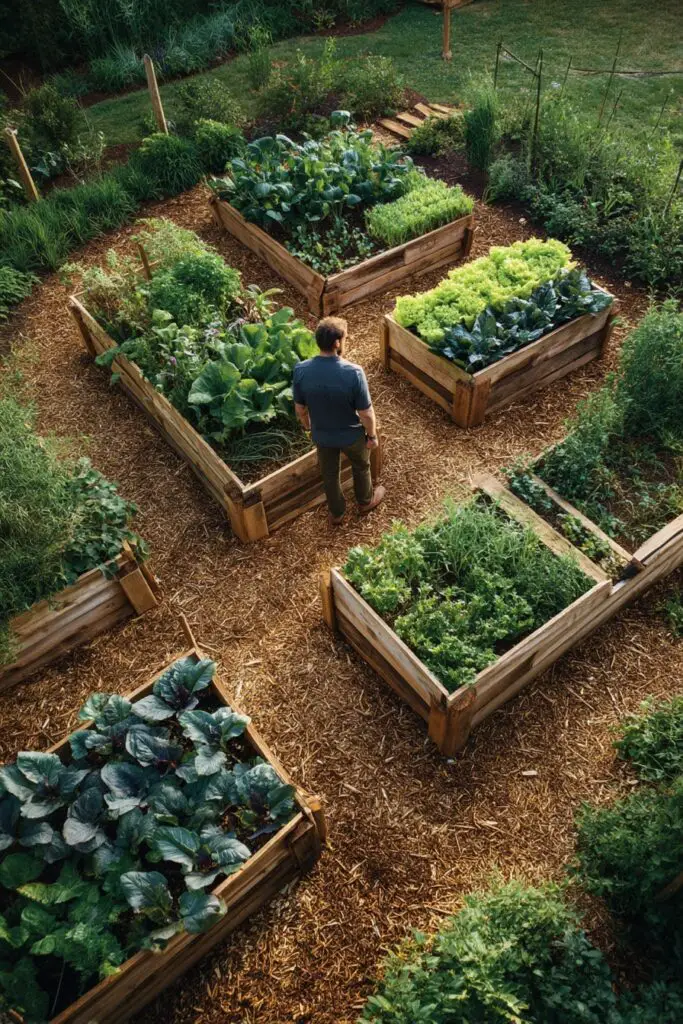
The classic rectangular garden bed layout is one of the most versatile and beginner-friendly options. This setup involves arranging garden beds in straight rows, often spaced evenly with walking paths in between. It works well for nearly any backyard size and offers straightforward access for planting, watering, and maintenance.
Best For
- Medium to large yards
- Traditional vegetable gardening
- Gardeners who want a clean, organized appearance
Benefits
- Simple to plan and build
- Easy to expand by adding more rows
- Offers ample space for companion planting and crop rotation
Things to Consider
- Uniform appearance might lack visual interest
- Can feel too rigid in highly decorative gardens
- May require more materials if scaling up
Maintain at least 18–24 inches between beds for foot traffic and tool access. Use mulch or gravel in the paths to suppress weeds and prevent soil compaction.
2. U-Shaped Garden Bed Layout
A U-shaped garden bed layout surrounds the gardener on three sides, offering easy access to every part of the bed from a central standing point. This design is especially effective for gardeners with mobility concerns or limited space, as it maximizes reachability.
Best For
- Small to medium gardens
- Gardeners with limited mobility
- Intensive planting in compact areas
Benefits
- Access all areas without stepping into the bed
- Maximizes growing space in a confined footprint
- Encourages efficient planting and harvesting
Things to Consider
- Slightly more complex to build than straight beds
- May need extra planning for irrigation layout
- Not ideal for very narrow spaces
To maintain accessibility, keep the inner width of each side of the “U” to no more than 2–3 feet. This ensures that all plants are within arm’s reach from the central pathway.
3. Keyhole Garden Layout
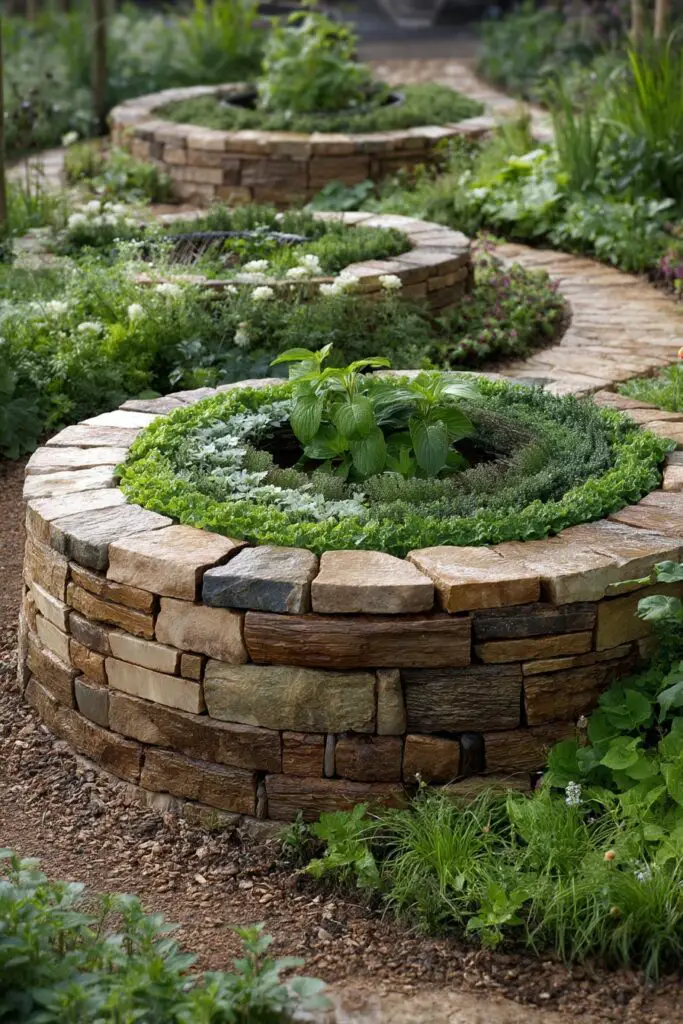
The keyhole garden layout features a circular or semi-circular bed with a central composting area and a path that allows gardeners to reach most of the plants with minimal movement. Originally developed for dry climates, this layout is a sustainable and space-efficient choice.
Best For
- Small gardens or drought-prone areas
- Gardeners seeking low-maintenance, eco-friendly options
- Anyone interested in composting and permaculture
Benefits
- Built-in compost core nourishes soil naturally
- Conserves water through central feeding
- Encourages sustainable gardening practices
Things to Consider
- Less conventional appearance may not suit formal gardens
- Central compost basket needs regular management
- Building the circular structure requires planning
The “keyhole” cut-out path gives you access to the center while also improving airflow. Using organic mulch around the pathway enhances moisture retention and reduces weeds.
4. Grid Garden Bed Layout
A grid garden bed layout divides each raised bed into square-foot sections, using string, wood, or metal dividers. This layout is a hallmark of square-foot gardening and is excellent for those who want an organized, high-yield garden in a small space.
Best For
- Urban or balcony gardeners
- Beginners who want a low-maintenance method
- Gardeners interested in growing a variety of crops in limited space
Benefits
- Maximizes productivity per square foot
- Easy to plan and rotate crops
- Ideal for tracking plant growth and succession planting
Things to Consider
- Beds must be shallow and well-drained for best results
- Not suitable for deep-rooted vegetables like potatoes
- Requires regular monitoring to avoid overcrowding
Stick to 4×4 foot or 4×8 foot raised beds with dividers for easy access and planning. This layout encourages efficient planting and reduces the risk of overplanting or neglecting sections.
5. L-Shaped Garden Bed Layout
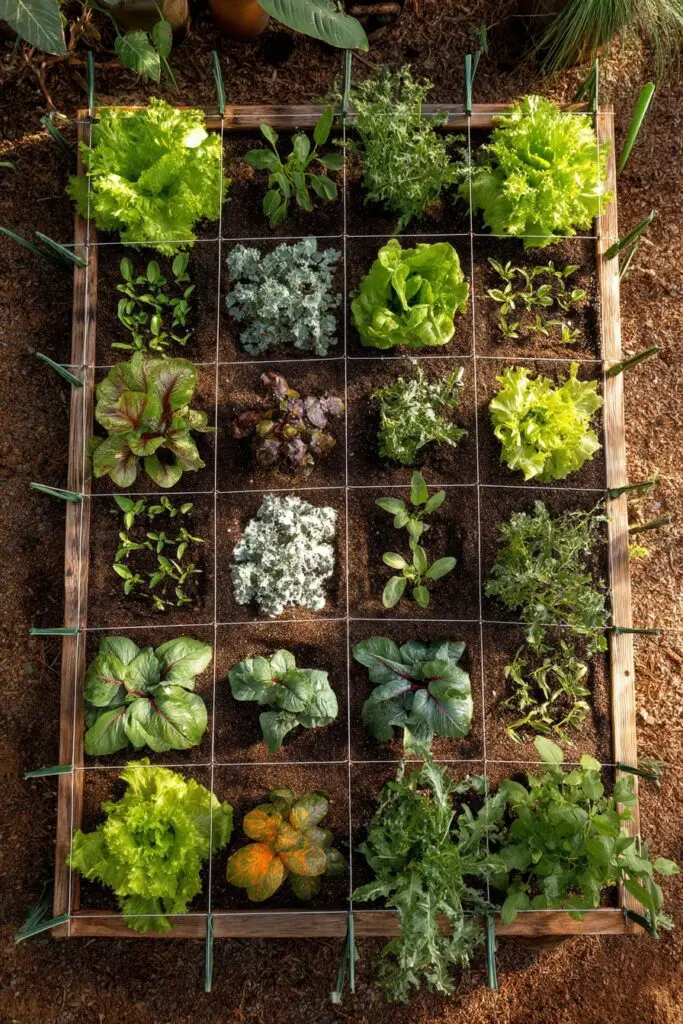
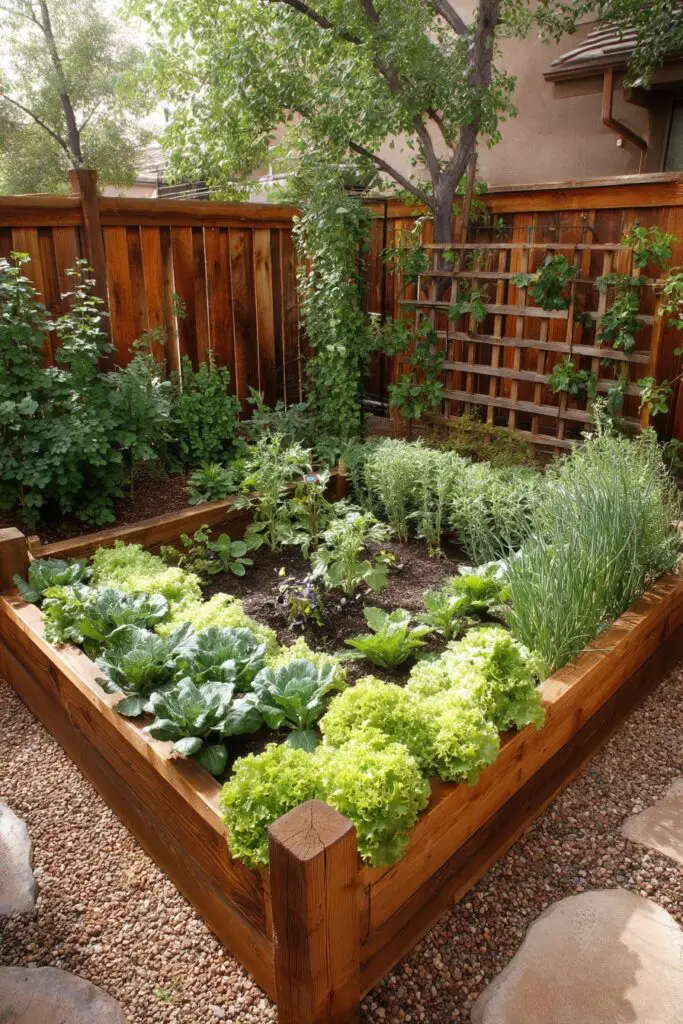
An L-shaped garden bed layout fits perfectly into corners or along fences, making it a smart choice for maximizing unused space. It offers a unique visual element while still being functional and accessible from two sides.
Best For
- Corner yards or patio spaces
- Gardeners who want a decorative yet productive layout
- Efficient use of underutilized areas
Benefits
- Makes the most of awkward or limited spaces
- Adds visual interest to the garden design
- Easily combined with trellises or vertical gardening
Things to Consider
- May require custom measurements and cuts
- Accessibility to the far corner can be limited
- Irrigation setup may be less straightforward
To enhance aesthetics, consider planting climbing vegetables or flowers along the inner or outer corner using trellises. Keep both arms of the “L” no wider than 3 feet to maintain access to all planting zones.
Conclusion
Choosing the right garden bed layout isn’t just about looks—it’s about functionality, space efficiency, and how enjoyable your gardening experience can be. Whether you’re drawn to the simplicity of a rectangular setup or the eco-conscious charm of a keyhole design, the best layout is the one that fits your gardening goals, space, and lifestyle.
Start by evaluating your available area, sunlight, and how much time you want to spend maintaining the beds. Then select a layout that supports those needs while leaving room for growth—literally and figuratively.