
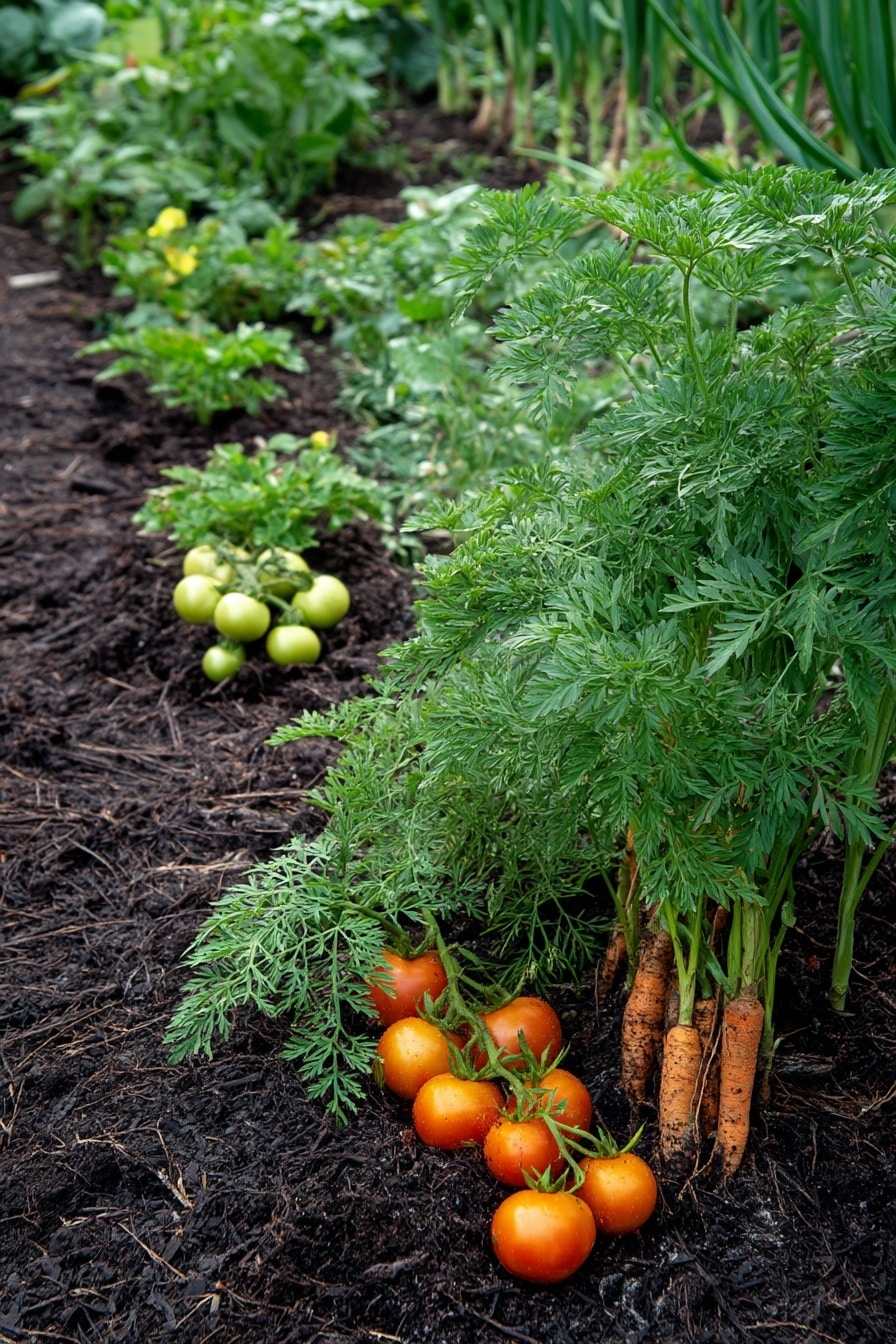
Companion planting is one of the simplest ways to grow a healthier, more productive garden without synthetic chemicals. By pairing vegetables, herbs, and flowers that thrive together, you can naturally deter pests, boost yields, and even improve soil conditions—all while making your garden more vibrant and diverse.
If you’re new to companion planting, the idea might seem overwhelming at first. But with a bit of planning and a few guiding principles, creating your own companion planting plan is easier than you think. This method has been trusted by gardeners for generations, and today, we’re breaking it down into six clear, manageable steps to help you build a garden that works in harmony—plant by plant.
Table of Contents
Step 1: Choose Your Garden Space

Before starting your companion planting plan, the first step is to decide where you’ll plant. Whether you’re working with raised beds, in-ground rows, or containers, understanding your growing space helps you make smart planting choices.
Measure your garden beds or plots so you know how much room you have. Take note of sun exposure, soil quality, and drainage. Plants that grow well together often need similar conditions, so grouping them by shared needs is key to a successful companion system.
Keep in mind the layout: will you use rows, blocks, or a more organic style? Sketching a rough map of your space makes the next steps much easier and helps you visualize how companion pairs will grow side by side.
Step 2: Pick the Plants You Love to Eat
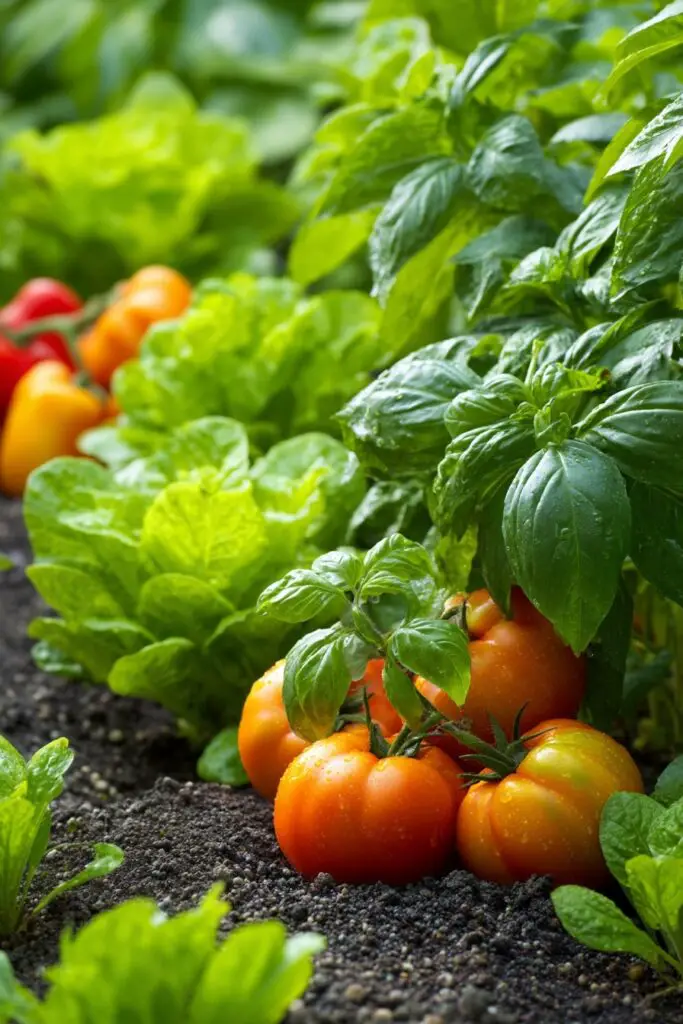
A great companion planting plan starts with crops you actually want to harvest. Focus on vegetables, herbs, and flowers your household enjoys. When you grow what you love to eat, you’ll stay more engaged throughout the season—and your garden will feel more rewarding.
Make a list of your top crops. Do you cook with a lot of tomatoes, lettuce, or basil? Do you snack on cucumbers or peppers? Start with these favorites.
Then, think about which plants naturally grow well together. For example, tomatoes pair beautifully with basil and marigolds, while carrots do well alongside onions and lettuce. Choosing beloved crops as your starting point ensures your garden is not only practical but also productive and personal.
Step 3: Group Plants by Their Relationships
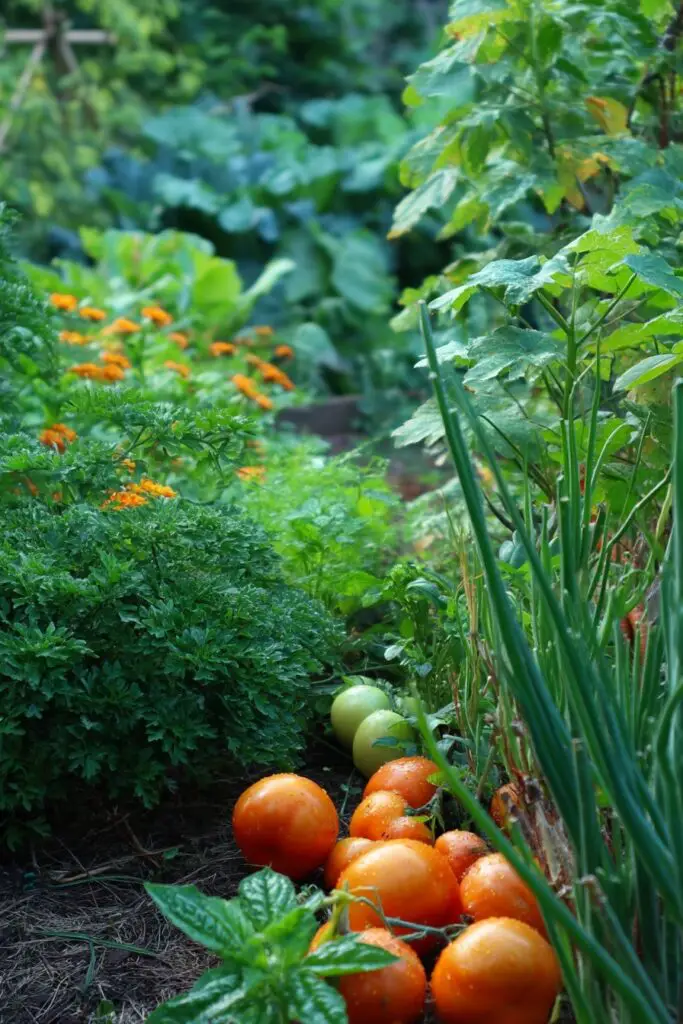
With your favorite crops in mind, the next step in companion planting is to group them by how well they support each other. Some plants act as natural pest repellents, while others boost flavor or improve soil nutrients for their neighbors.
Start by researching which combinations are known allies. Classic examples include:
- Tomatoes + Basil: Basil enhances tomato flavor and helps deter pests like hornworms.
- Carrots + Onions: Onions repel carrot flies, and both enjoy similar growing conditions.
- Beans + Corn + Squash: The “Three Sisters” method is a traditional and effective trio.
Avoid pairing plants that compete for the same resources or are prone to the same pests. For instance, don’t plant onions near beans—they inhibit each other’s growth. Organizing your crops into friendly groupings will make your companion planting layout more effective and resilient.
Step 4: Create a Rough Sketch of Your Garden Plan

Now that you’ve grouped your plants based on beneficial relationships, it’s time to lay out your companion planting plan visually. A simple hand-drawn sketch or digital layout can help you organize where each plant group will go within your garden space.
Use your earlier measurements and garden shape to place plant pairs and clusters logically. Make sure taller plants like tomatoes or corn won’t block sunlight from shorter ones. Space heavy feeders away from light feeders so soil nutrients are better balanced.
Include walking paths, trellises, and borders in your sketch to prevent overcrowding. This plan doesn’t have to be perfect—it just needs to give you a clear guide as you plant.
By mapping your companion planting combinations now, you’ll avoid confusion later and set yourself up for a healthier, better-organized garden.
Step 5: Add Flowers and Herbs for Function and Beauty
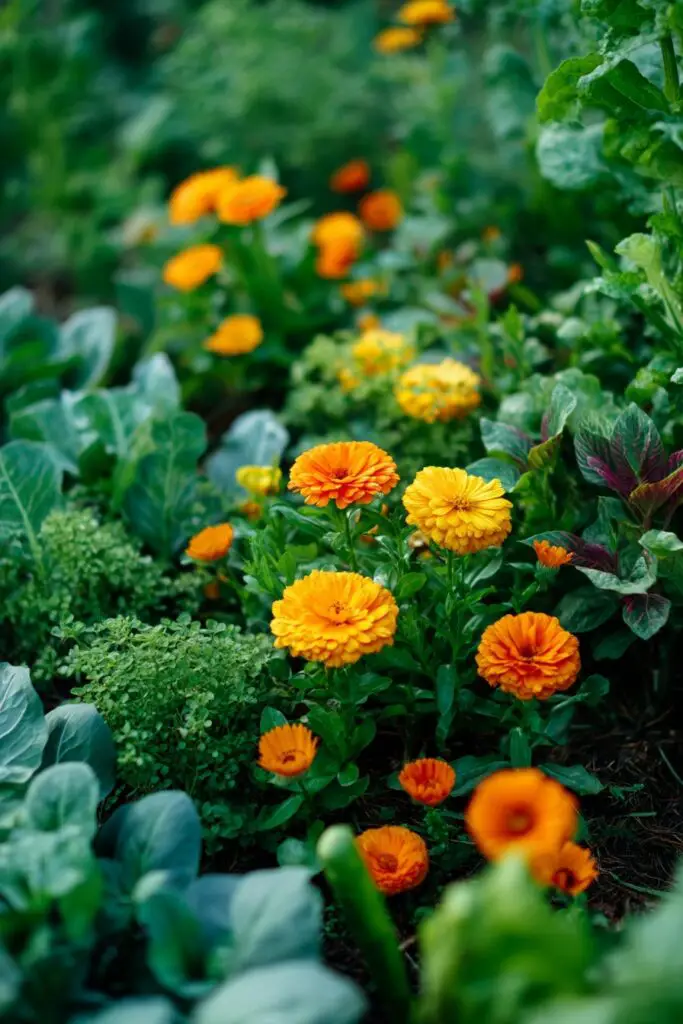
No companion planting plan is complete without the strategic use of flowers and herbs. These plants do more than just add color—they attract pollinators, repel harmful insects, and improve plant health across your garden.
Incorporate blooms like marigolds, nasturtiums, calendula, and alyssum. These flowers lure in beneficial insects like ladybugs and hoverflies while confusing or deterring common pests. Their presence supports vegetables by reducing the need for chemical intervention.
Herbs are just as powerful. Basil, dill, oregano, and thyme not only elevate your cooking—they also provide natural defenses. For instance:
- Basil wards off aphids and improves tomato growth
- Thyme repels cabbage worms and beetles
- Dill attracts pollinators and parasitic wasps
Tuck these companion plants among your crops to create a balanced, living ecosystem. It’s a practical and beautiful way to enhance your companion planting design.
Step 6: Rotate Your Plan Each Season
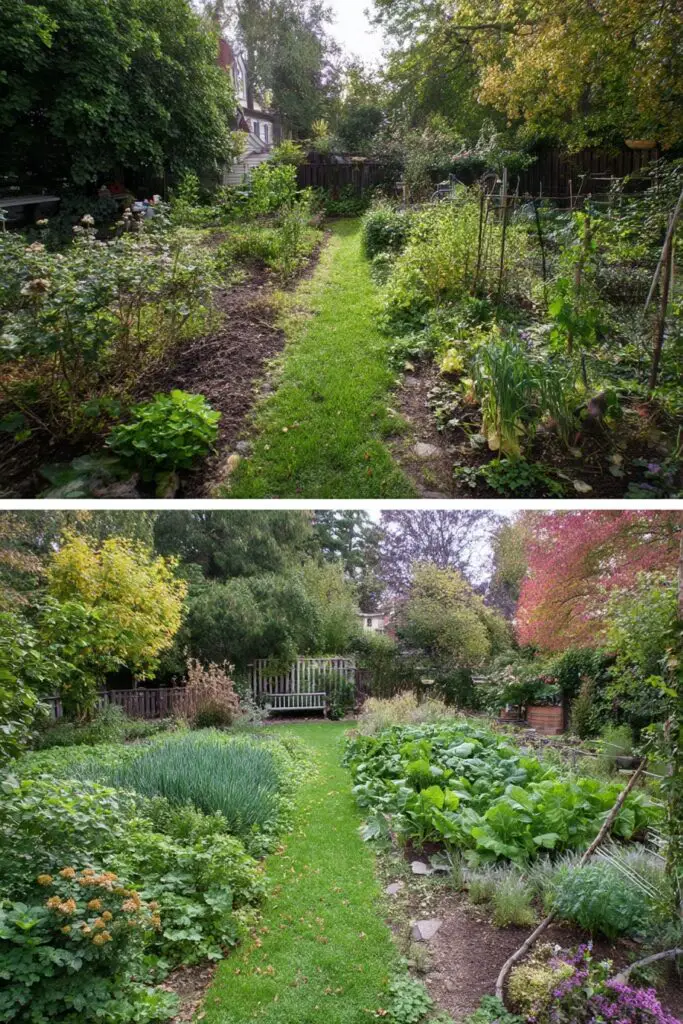
To maintain the long-term success of your companion planting strategy, it’s essential to rotate your crops each growing season. Crop rotation prevents the buildup of pests and diseases that target specific plant families and helps rebalance soil nutrients naturally.
Rearrange your plant groups so that heavy feeders follow nitrogen fixers like beans and peas, and pest-prone crops are moved away from where they were planted the previous season. Keep a garden journal or save your yearly sketches to track what you’ve planted and where.
Even your flower and herb companions benefit from slight changes in placement. Rotation strengthens your garden’s resilience, making each year more productive and reducing the need for external inputs.
Conclusion
Companion planting isn’t complicated—it’s thoughtful. By choosing plants you love, grouping them by compatibility, and intentionally planning their placement, you can grow a flourishing garden that supports itself naturally. Add flowers and herbs for beauty and balance, and rotate your crops for ongoing success. With these six simple steps, your garden will be more vibrant, healthier, and more rewarding than ever.