
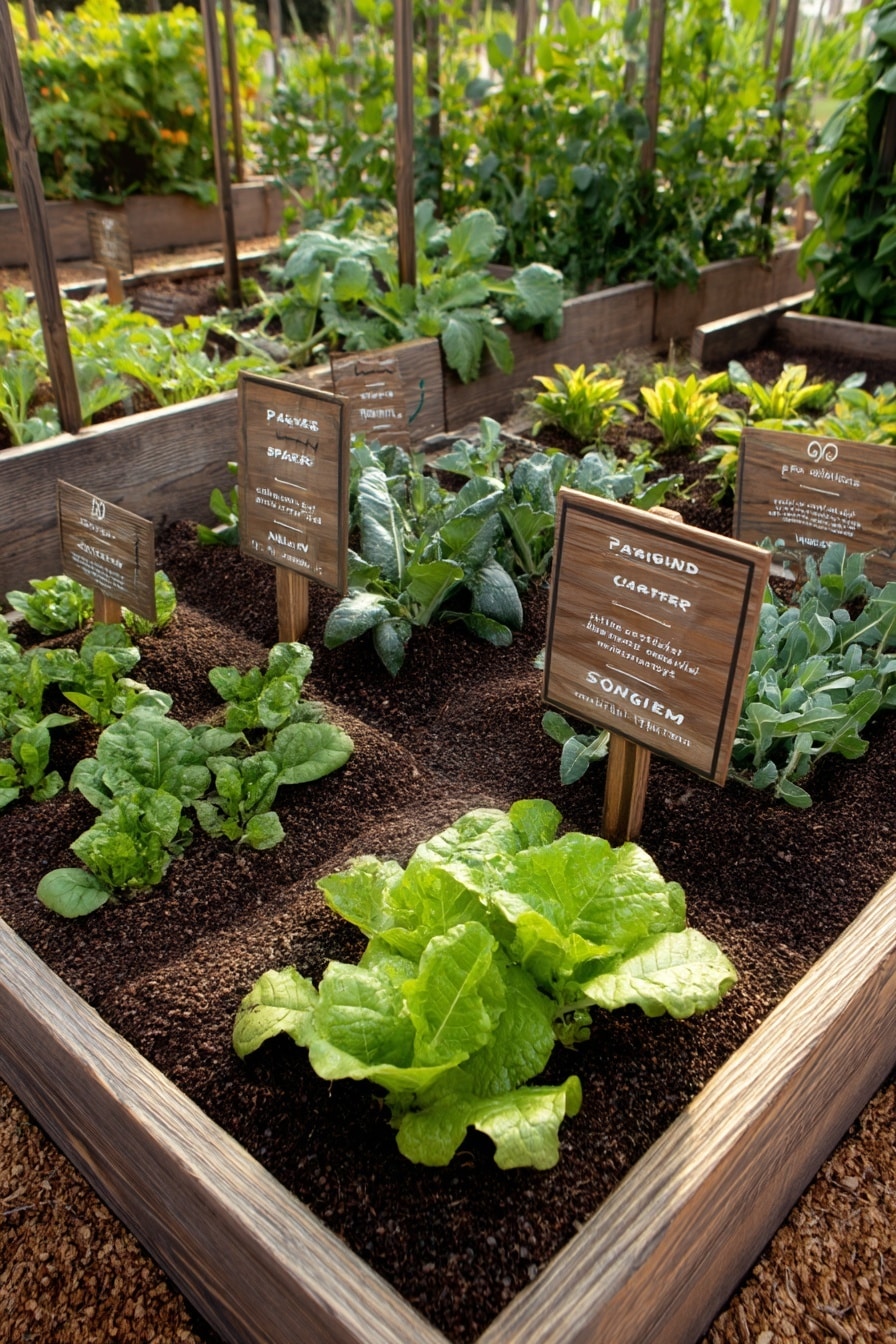
Square foot gardening is a simple yet powerful method for growing more food in less space. Developed by engineer Mel Bartholomew in the 1980s, this planting technique breaks garden beds into small, manageable square-foot sections—each tailored for specific crops.
Unlike traditional row planting, which often wastes space, square foot gardening maximizes every inch. It’s designed to make gardening easier, more efficient, and less time-consuming for beginners and experts alike.
Whether you’re working with a backyard plot or a balcony box, this method offers a clear system for organizing your plants, improving yields, and reducing effort. In this article, we’ll explore how square foot gardening works, its core benefits, and how you can set up your own grid-based growing bed.
Table of Contents
What Is Square Foot Gardening?

Square foot gardening is a raised bed planting method that divides the growing area into square-foot sections, typically within a 4×4-foot wooden frame. Each square acts as a mini-plot, hosting a specific number of plants based on their size and spacing needs.
Instead of planting in long rows, gardeners use a grid—made from string, wood slats, or plastic strips—to separate each square. This organization simplifies planning, improves space use, and minimizes overcrowding.
Mel Bartholomew designed the method to reduce the maintenance, waste, and inefficiencies of traditional gardening. By focusing on compact, high-yield growing, square foot gardening makes it easier to manage weeds, water, and harvest with less time and effort.
The Basic Layout and Grid System
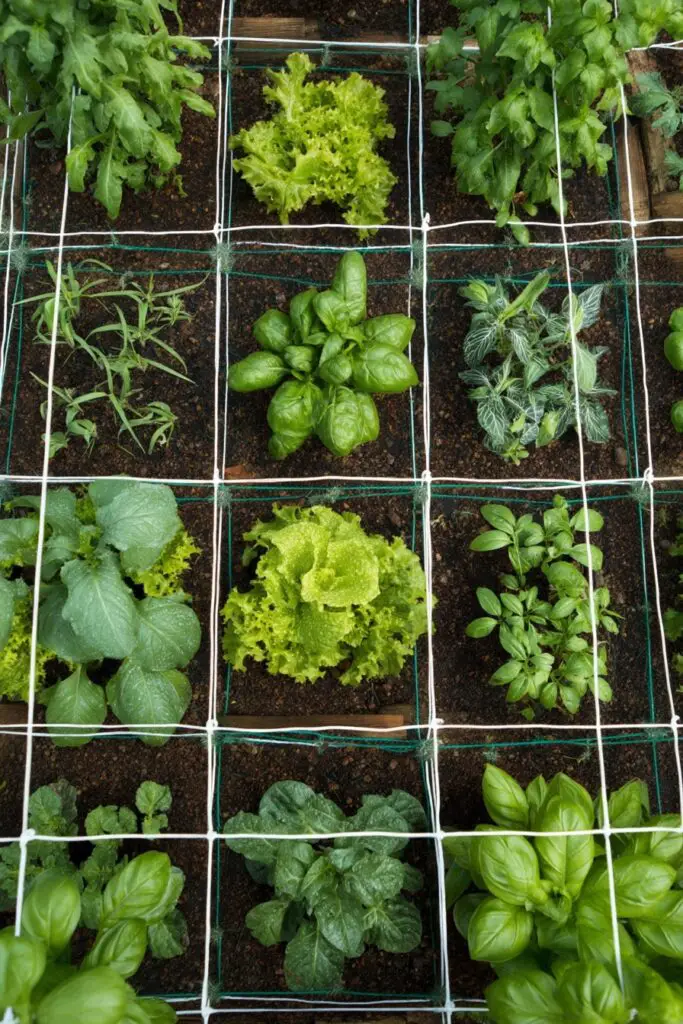
A typical square foot gardening setup starts with a 4-foot by 4-foot raised bed, giving you 16 square feet to work with. Each square foot is divided using a visible grid—made from thin wooden strips, plastic laths, or durable string—so that you can clearly see and plan what goes where.
How the Grid Works:
- Large plants like cabbage or broccoli: 1 per square
- Medium plants like leaf lettuce: 4 per square
- Small plants like carrots or radishes: 16 per square
- Vining plants like tomatoes or cucumbers: 1 per square with vertical support
This method removes the guesswork from spacing and prevents overcrowding. It’s ideal for gardeners who want maximum efficiency, especially in small spaces like patios, balconies, or narrow garden strips.
Soil Mix and Raised Bed Setup
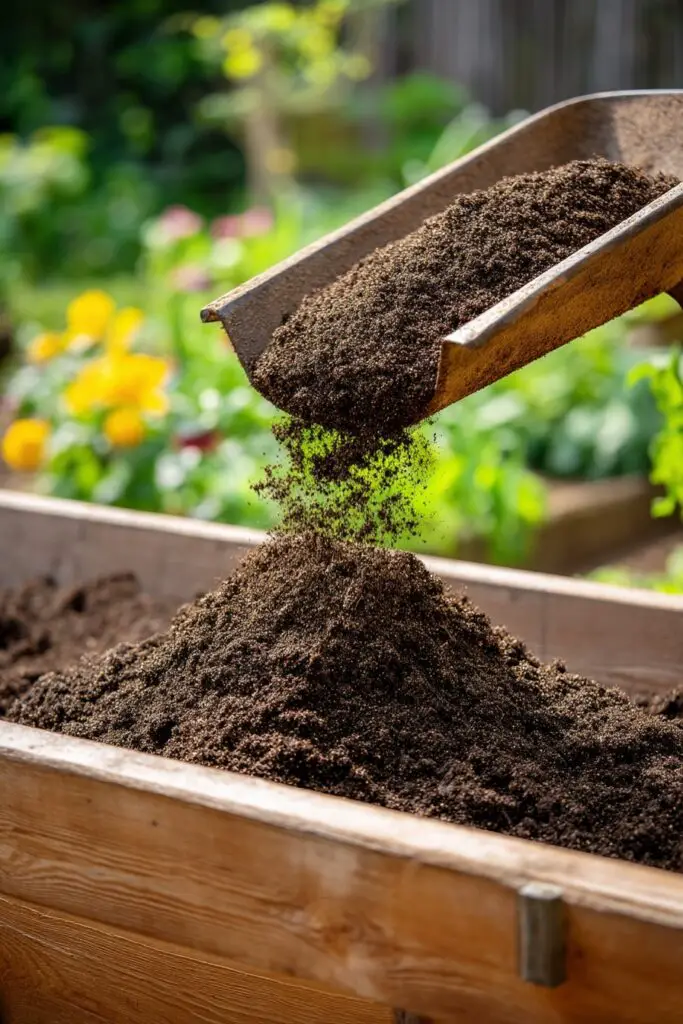
The foundation of a successful square foot gardening system is its unique soil mix—designed to be nutrient-rich, lightweight, and well-draining. Mel Bartholomew recommended a blend known as “Mel’s Mix”, which includes:
- 1/3 compost (from multiple sources for nutrient diversity)
- 1/3 peat moss (or coconut coir as a sustainable alternative)
- 1/3 vermiculite (for aeration and moisture retention)
This blend eliminates the need for native soil, making it perfect for raised beds in any location, even on concrete or decks.
Raised Bed Tips:
- Use untreated wood (cedar or pine) for a 6″ to 12″ deep frame
- Place beds in full sun
- Install a weed barrier underneath if needed
- Add a physical grid to maintain clear square-foot sections
With the right mix and structure, your garden becomes more productive and easier to maintain from day one.
Crop Rotation and Seasonal Planting
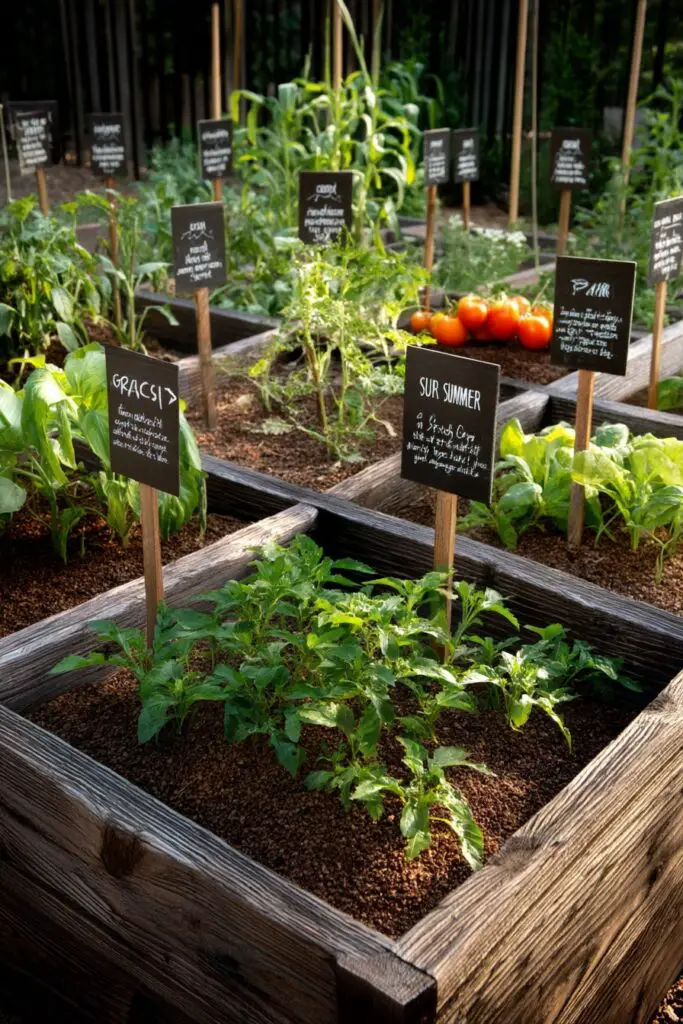
One of the smartest features of square foot gardening is how easily it supports crop rotation and seasonal adjustments. Since each square is its own micro-plot, you can change what you grow from one season to the next without disturbing neighboring plants.
How to Rotate and Replant Efficiently:
- Move heavy feeders like tomatoes or peppers to a different square each season
- Follow nutrient-draining crops with nitrogen fixers like beans
- Replace early spring crops (like spinach or lettuce) with summer vegetables (like peppers or bush beans)
Because you’re managing a small space with defined sections, it’s simple to track what was grown where. This helps maintain soil health, prevent pest buildup, and ensure every square stays productive year-round.
Benefits of Square Foot Gardening
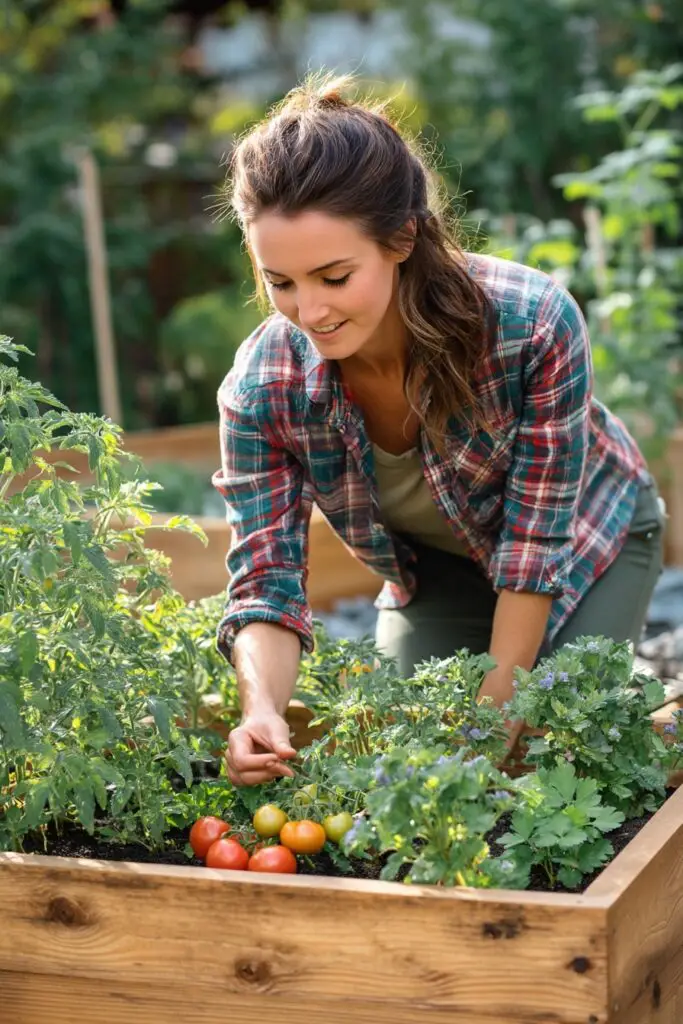
The square foot gardening method is popular for a reason—it simplifies the growing process while maximizing productivity. Whether you’re short on space, time, or experience, this approach removes many of the challenges that discourage new gardeners.
Key Benefits:
- Space Efficiency: Grow more in less space by organizing plants by size and spacing
- Less Weeding: Dense planting and compost-rich soil suppress weeds naturally
- Water Conservation: Smaller beds require less water, and targeted watering is easier
- Accessibility: Raised beds and defined layouts make it easier for all ages and abilities
- Simplified Planning: The square system eliminates guessing and crowding
It’s an ideal solution for urban gardens, school plots, and backyard growers who want more results with less effort.
Conclusion
Square foot gardening blends simplicity, structure, and efficiency into one easy-to-manage system. Originally engineered to solve common gardening frustrations, it remains one of the most beginner-friendly methods today. By dividing your bed into square-foot sections, you gain full control over plant spacing, soil quality, and crop rotation—without needing a large yard or a green thumb.
Whether you’re growing vegetables, herbs, or flowers, this method makes the most of limited space and time. From healthier harvests to fewer weeds, square foot gardening proves that smarter planning yields better results.