
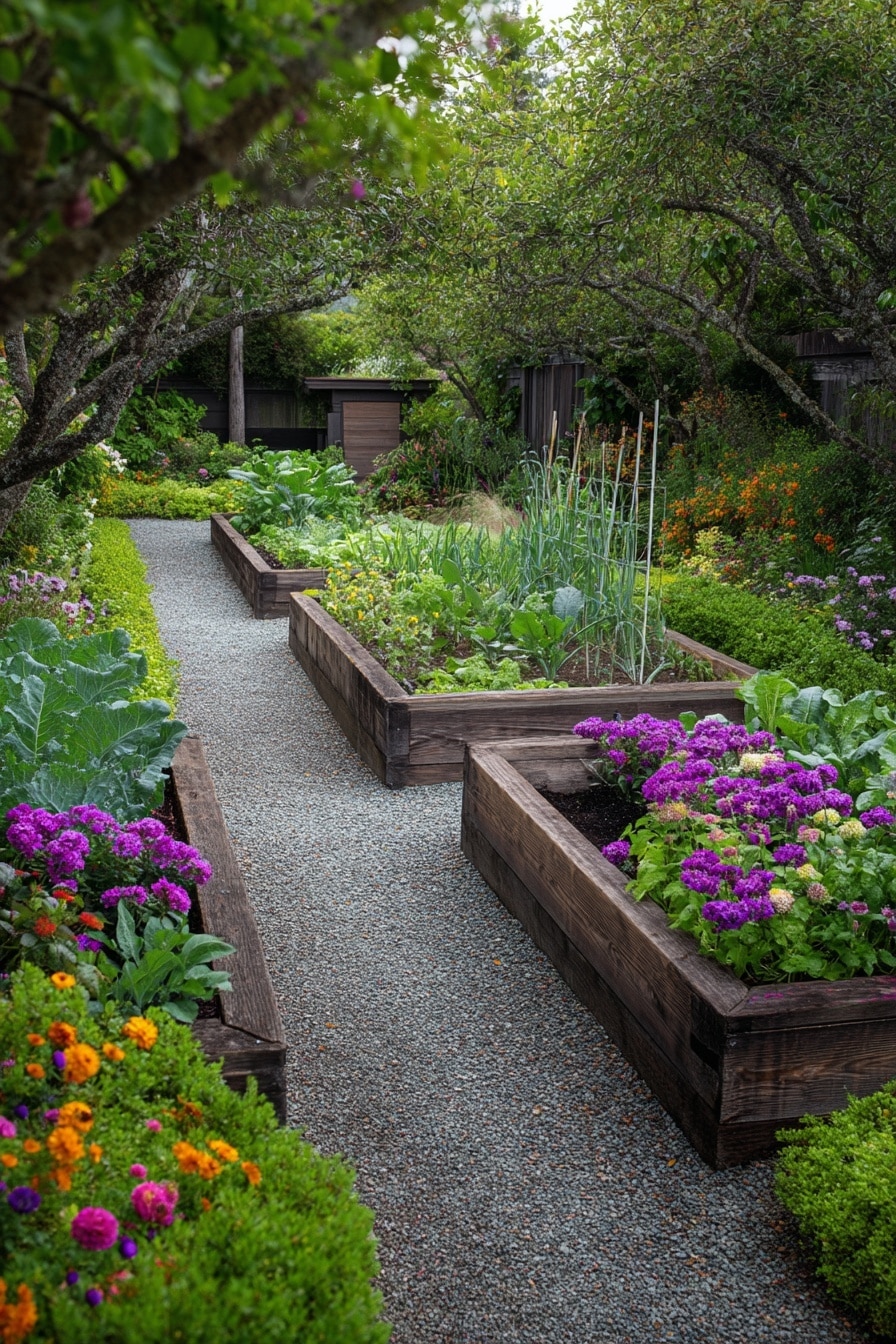
Raised bed garden methods have become a staple in modern home gardening—for good reason. Whether you’re a beginner planting your first crop or a seasoned grower aiming for healthier harvests, raised beds offer a cleaner, more efficient way to garden.
Unlike traditional in-ground plots, raised beds provide better soil control, improved drainage, and fewer weeds. They also make gardening more accessible, especially for those with mobility challenges or limited space.
From extending your growing season to boosting yields, the benefits of gardening in raised beds go far beyond convenience. In this article, we’ll cover six standout advantages of using a raised bed garden and how it can elevate your gardening experience.
Table of Contents
1. Better Soil Quality and Control

A raised bed garden gives you full control over the soil you use, which is one of its biggest advantages. Instead of struggling with compacted or poor native soil, you can create an ideal growing environment right from the start.
With raised beds, it’s easier to:
- Mix in compost, aged manure, or organic matter to improve fertility
- Adjust pH or nutrients based on what specific plants need
- Keep soil loose and well-aerated, encouraging strong root development
Additionally, because the soil is contained, it’s less likely to be contaminated by nearby pollutants or invasive weeds. Over time, this leads to healthier plants, fewer diseases, and a noticeable boost in harvest quality.
2. Improved Drainage
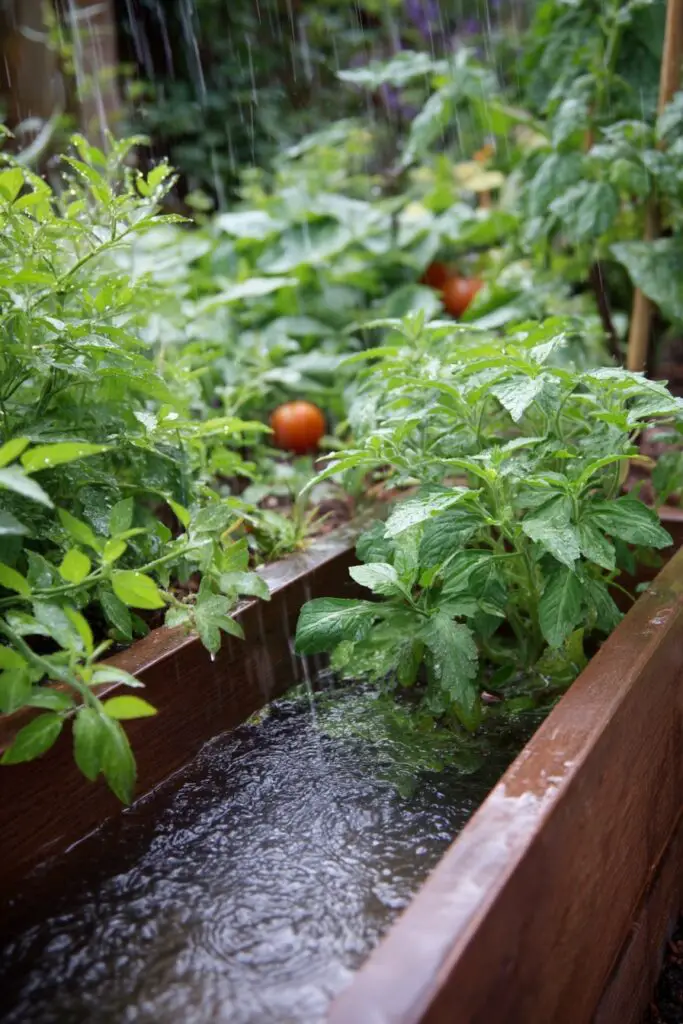
A raised bed garden naturally promotes better drainage than traditional in-ground plots. Because the soil is elevated and not compacted by foot traffic, water can flow more freely through the soil layers.
This drainage benefit helps:
- Prevent root rot and fungal diseases caused by waterlogged soil
- Maintain optimal moisture levels during heavy rain
- Create a more balanced environment for plant roots to absorb nutrients
Well-drained soil also warms up faster in the spring, giving your plants a healthy head start. Whether you’re growing vegetables, herbs, or flowers, consistent drainage ensures your plants thrive—not drown.
3. Easier Weed and Pest Control
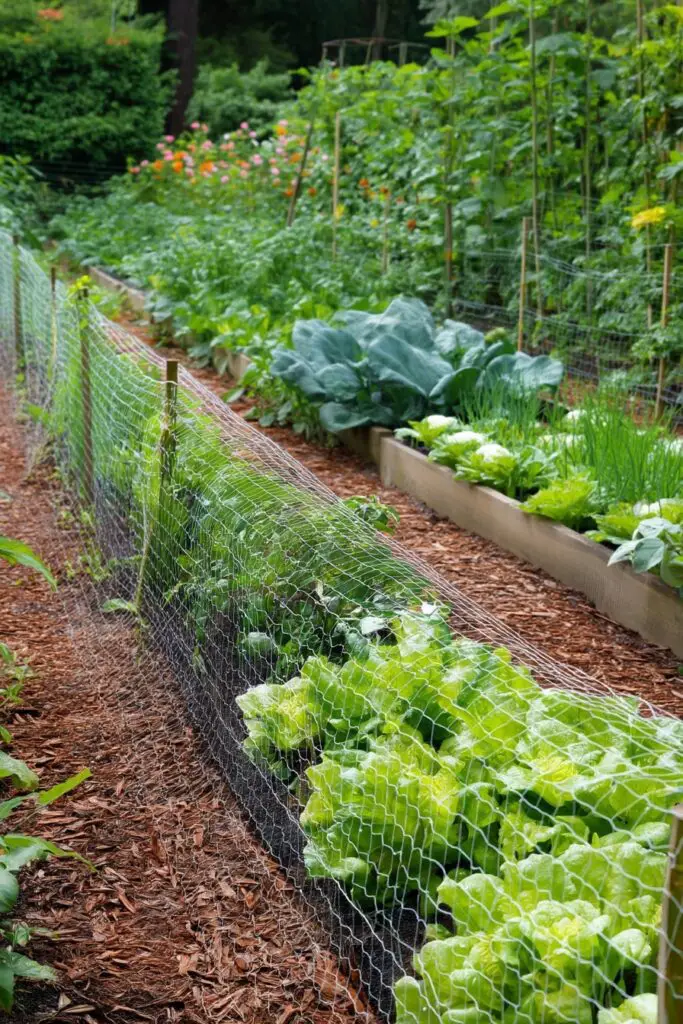
One of the most appreciated perks of a raised bed garden is the reduced struggle with weeds and pests. Because the soil in raised beds is freshly added and not native, it’s less likely to carry dormant weed seeds.
Benefits include:
- Fewer invasive weeds taking root
- Easier spotting and removal of weeds due to defined edges
- Option to add weed barriers or landscape fabric at the bottom during setup
Raised beds can also help deter pests like slugs, snails, and burrowing animals. With the addition of simple mesh covers or fencing, it becomes easier to protect your crops from common garden nuisances.
4. Accessibility and Comfort

A raised bed garden is especially valuable for gardeners who want to reduce strain on their bodies. With beds lifted off the ground—often 12 to 36 inches high—you can garden without excessive bending, squatting, or kneeling.
This increased comfort is ideal for:
- Seniors or those with limited mobility
- Gardeners recovering from injury or dealing with chronic pain
- Anyone looking for a more ergonomic gardening setup
Raised beds can also be built on tabletops or stands, allowing wheelchair users to garden comfortably. By raising the garden to your level, you make the growing process more enjoyable and sustainable for the long term.
5. Extended Growing Season
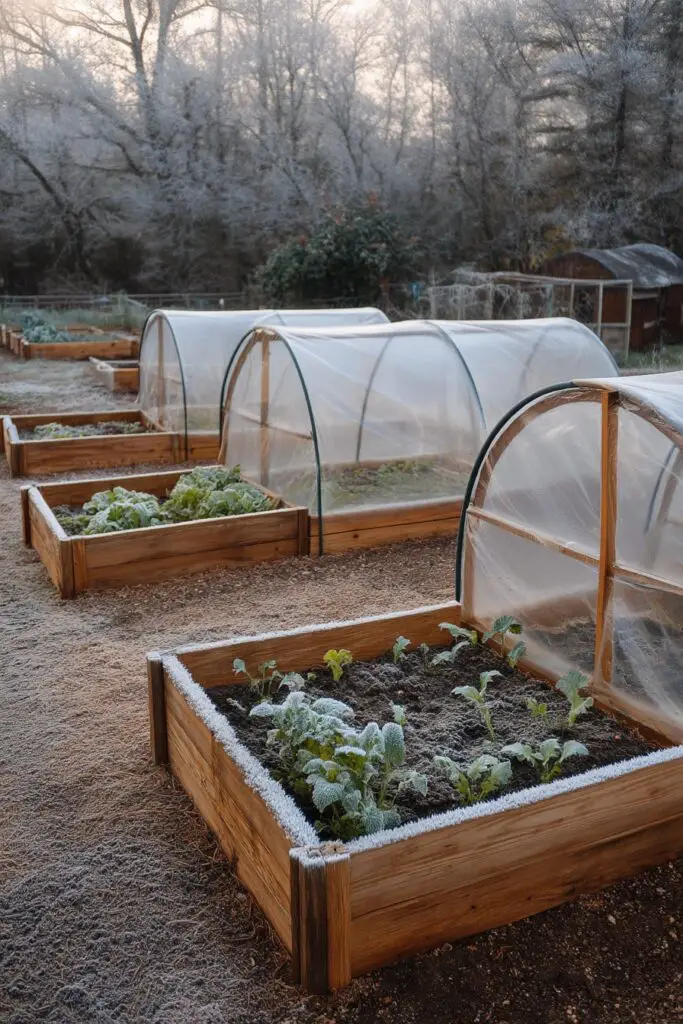
A well-built raised bed garden can help extend your planting and harvesting window. Because raised beds warm up faster in the spring and drain excess water more efficiently, you can often start planting earlier than in traditional ground plots.
Additional season-extending advantages include:
- Easier installation of row covers or hoop tunnels
- Better insulation for roots during cool nights
- Faster soil temperature increase after frost
With a few strategic adjustments, such as adding cold frames or greenhouse plastic, your raised beds can support crops well into fall—or even year-round in milder climates.
6. Enhanced Aesthetics and Organization
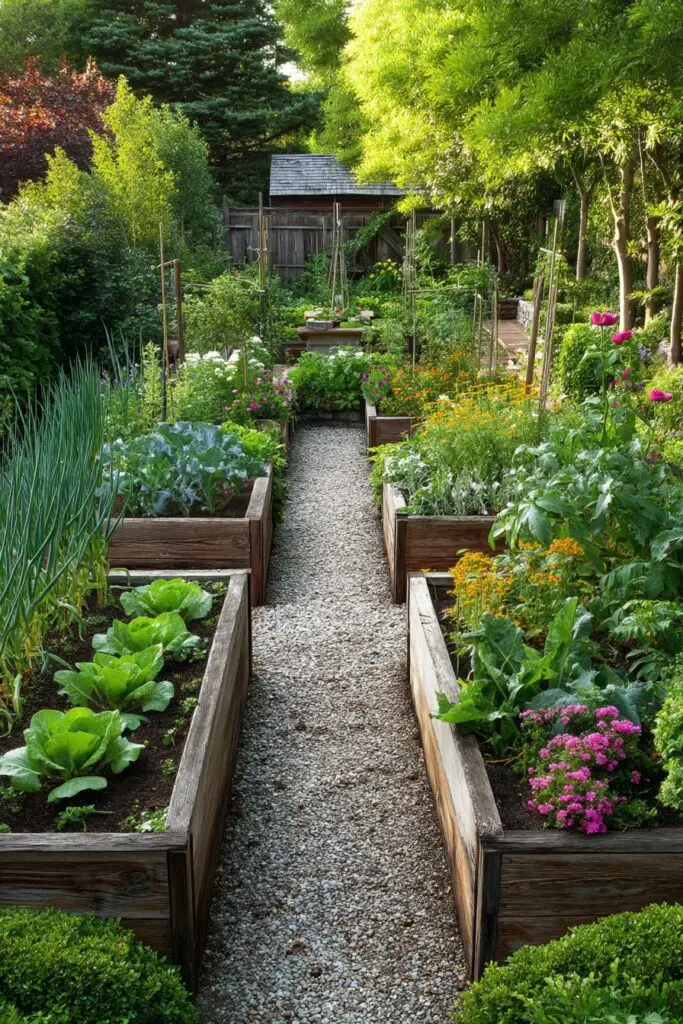
A raised bed garden adds structure, symmetry, and visual appeal to any outdoor space. Unlike sprawling in-ground gardens, raised beds offer clean lines and defined borders that make even small plots look intentional and tidy.
Why it improves your garden’s look and layout:
- Allows for symmetrical rows or creative geometric layouts
- Separates growing spaces for herbs, veggies, and flowers
- Reduces soil spillage onto paths, keeping walkways cleaner
Raised beds also simplify maintenance and crop rotation since each bed can be managed as its own mini ecosystem. The result is a garden that’s not only productive but also beautiful and easier to manage.
Conclusion
A raised bed garden offers more than just convenience—it creates the foundation for healthier plants, easier maintenance, and a more enjoyable gardening experience. Whether you’re improving soil quality, fighting off weeds, or adding aesthetic charm to your backyard, raised beds give you an edge that traditional gardens simply can’t match.
With benefits ranging from better drainage to extended growing seasons, investing in raised beds pays off in both beauty and harvest. As more gardeners seek efficiency and control in their outdoor spaces, raised bed gardening continues to be a smart, sustainable choice.