
Types of flowers play a crucial role in shaping the mood, meaning, and visual impact of any floral arrangement. Whether you’re planning a formal dinner, a product launch, or a cozy backyard gathering, understanding the various types of flower arrangements can help you choose the perfect display. From bold centerpieces to elegant minimalist styles, every floral design tells a story. In this article, we’ll walk through the most popular arrangement forms, explore their unique styles, and consider the moods they evoke—so you can make the best choice for your event or space.
Table of Contents
Centerpiece

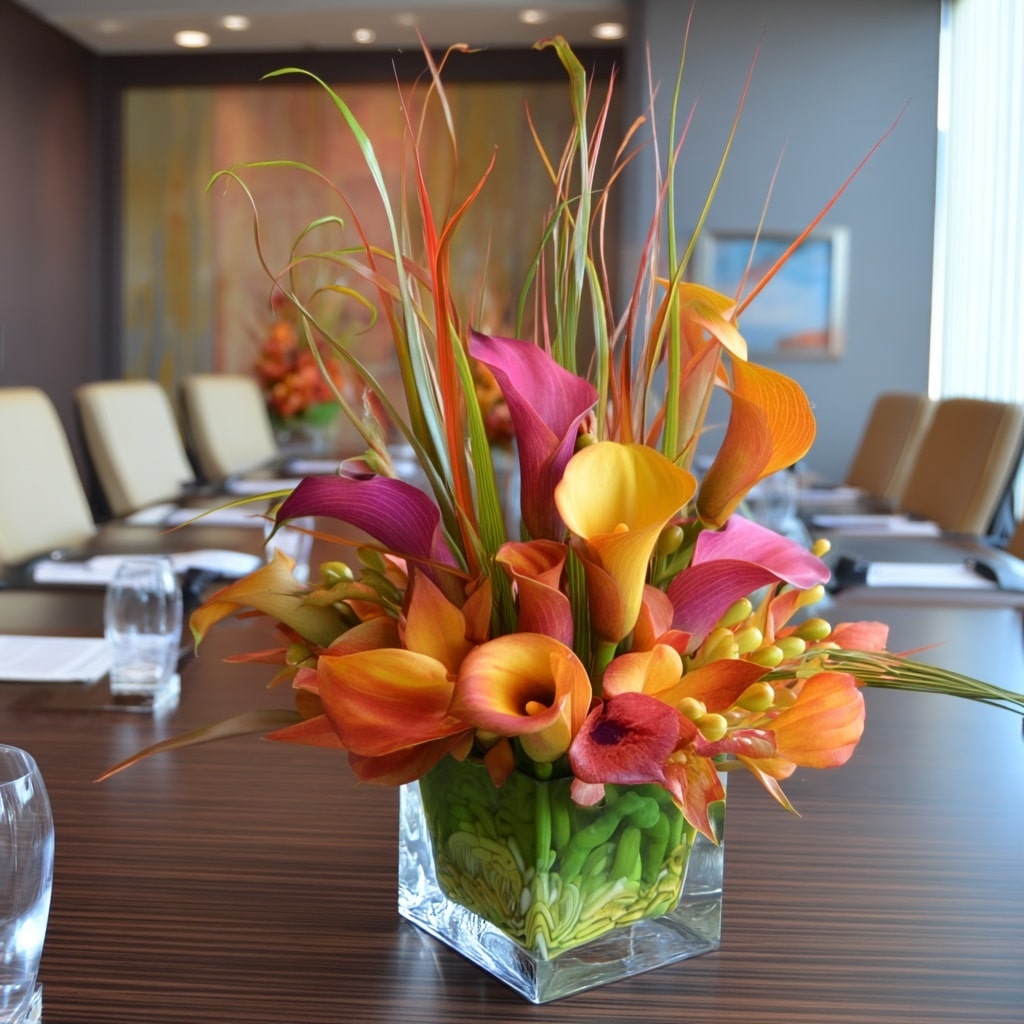
One of the most timeless types of flowers arrangements is the classic centerpiece. Designed to sit at the center of a dining or display table, these arrangements are often housed in low, square or round vases that allow easy conversation across the table. They are versatile, working well for weddings, corporate dinners, or even upscale home décor. Centerpieces often feature balanced, symmetrical designs with a variety of blooms and textures, making them a go-to for elegant floral storytelling. You can also adapt centerpieces to seasonal themes by switching out flower varieties or colors.
Bar Arrangement
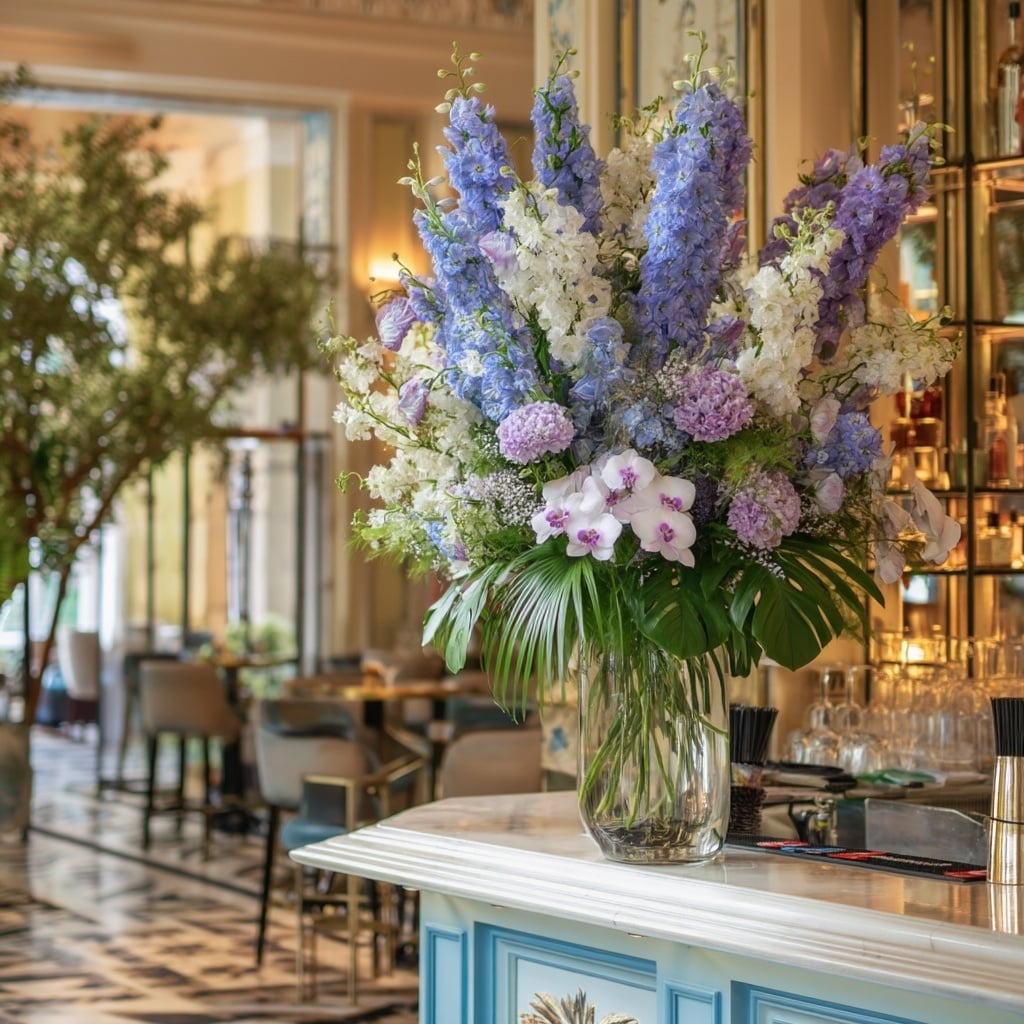
Taller and more dramatic than the traditional centerpiece, bar arrangements are built to command attention. These elevated designs are commonly placed at focal points like the bar, entrance, or mantel, where they add vertical interest and help guide the flow of an event space. They often feature types of flowers with long stems or bold shapes—such as snapdragons, delphiniums, or orchids—paired with lush greenery. These arrangements add instant sophistication and are great for areas with high ceilings or larger gatherings.
Bud Vase
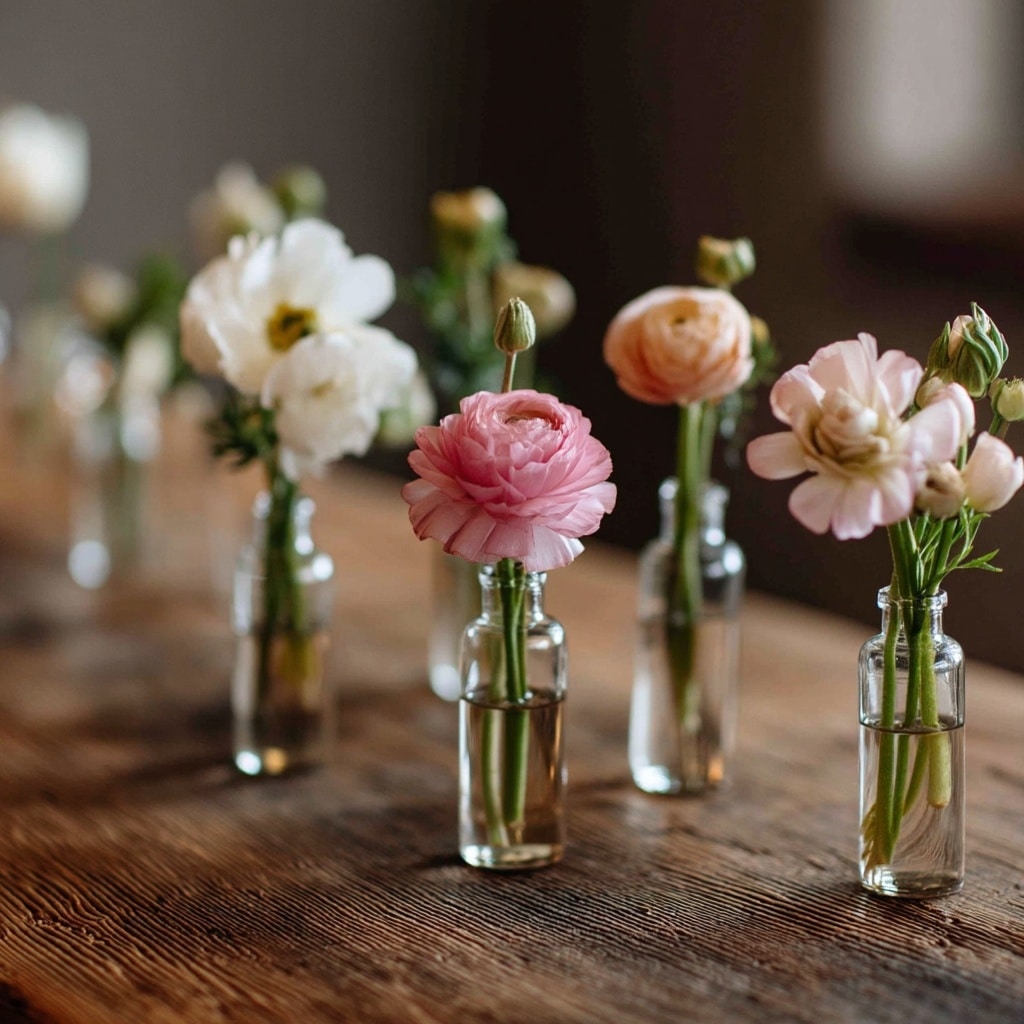
Bud vases offer a simple, charming way to highlight individual blooms or small groupings. These miniature arrangements are perfect for accenting a space, adding subtle color and texture without overwhelming a room. They work well alongside larger displays like centerpieces or bar arrangements, echoing the same color palette and mood. When working with different types of flowers, bud vases give each variety its own moment to shine—ideal for featuring seasonal favorites or delicate, meaningful blooms like sweet peas or ranunculus.
Long and Low
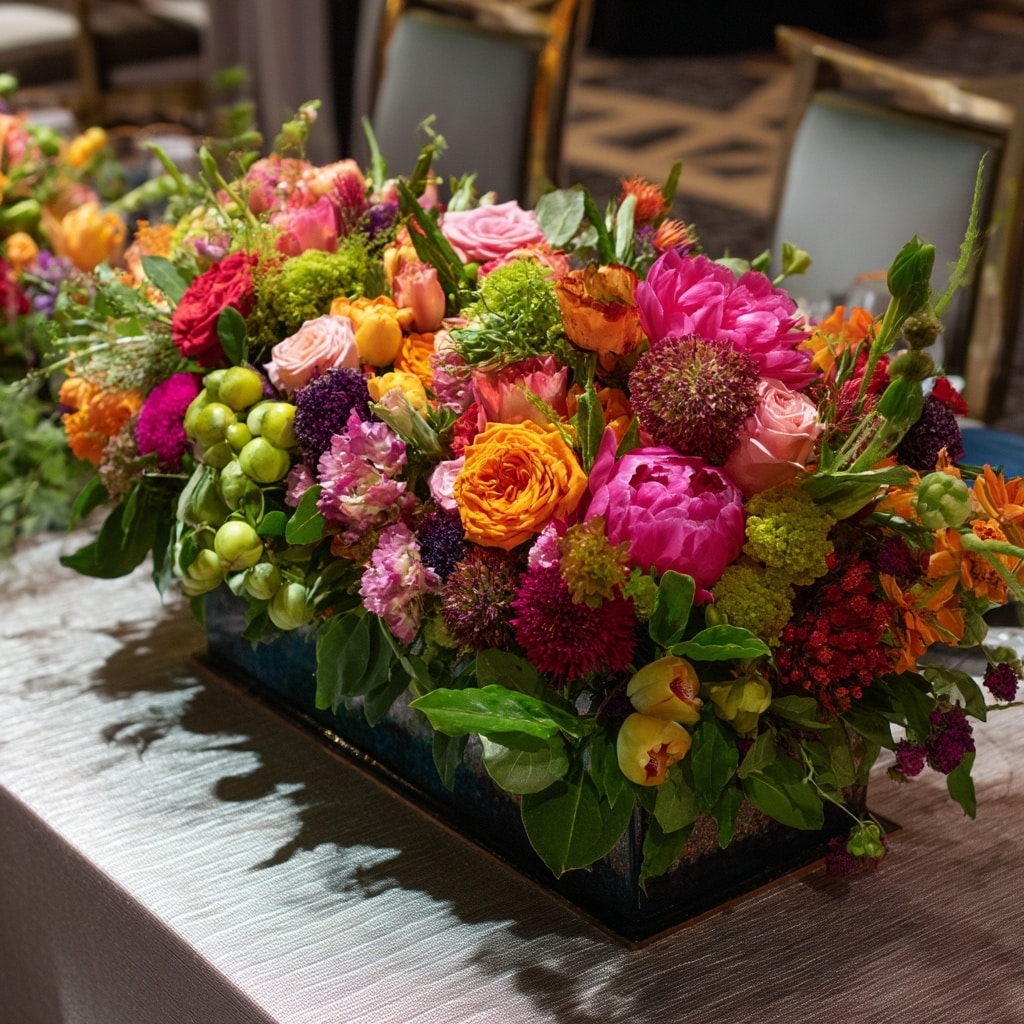
As the name suggests, long and low arrangements are wide, horizontal designs that sit close to the table surface. Often used for long banquet tables, these arrangements allow guests to interact freely across the table without obstruction. Their shape allows for generous use of different types of flowers, creating lush, flowing designs that feel full and immersive. Long and low arrangements are popular for formal dinners, weddings, and product displays, helping to create a cohesive visual story across the table length.
Styles of Flower Arrangements
Compact
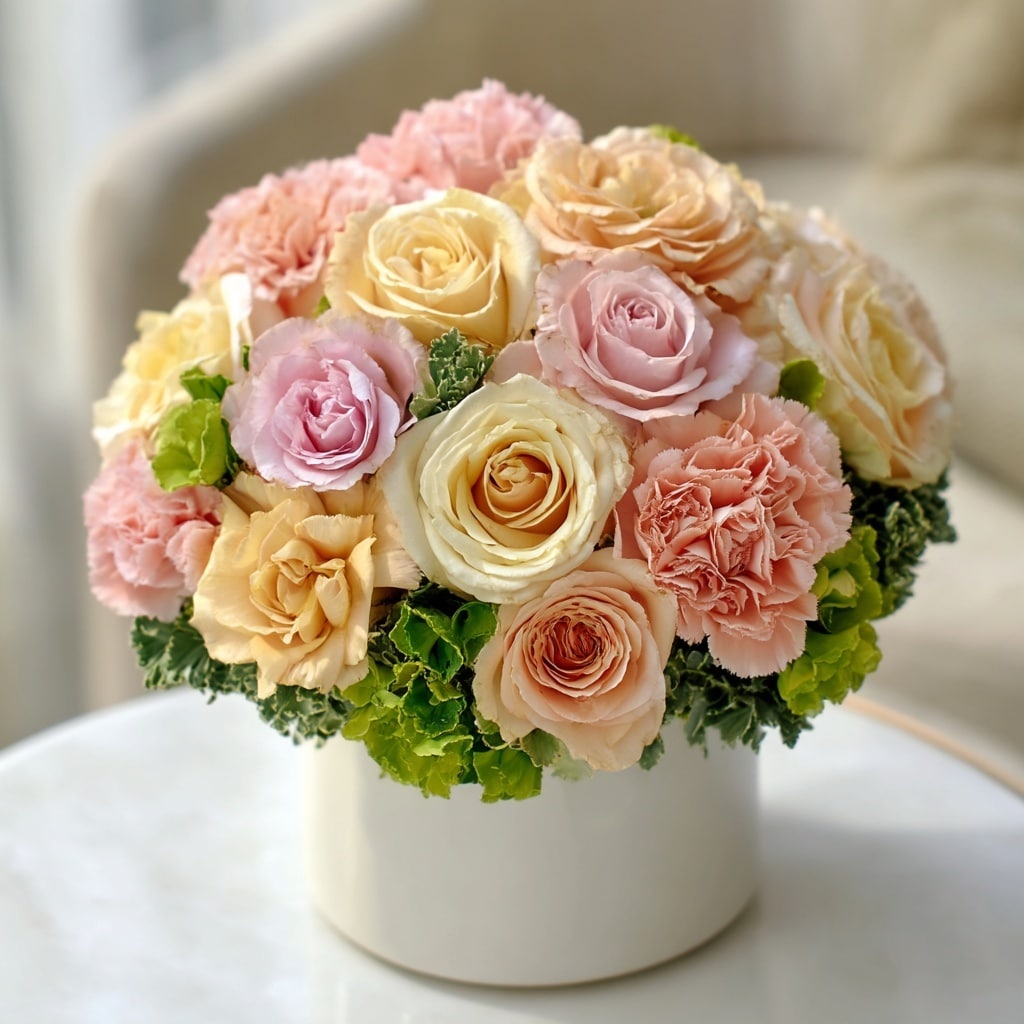
Compact flower arrangements are perfect when you want a clean, structured look. This style is defined by blooms that are arranged tightly together, usually in a dome or rounded shape, with all stems trimmed to a similar length. These arrangements are great for events where space is limited or a refined look is desired. Using certain types of flowers—like roses, carnations, or chrysanthemums—can enhance the symmetry and fullness of compact designs. They’re commonly used in corporate settings or formal dinners where minimal movement and balance are key.
Loose and Wild
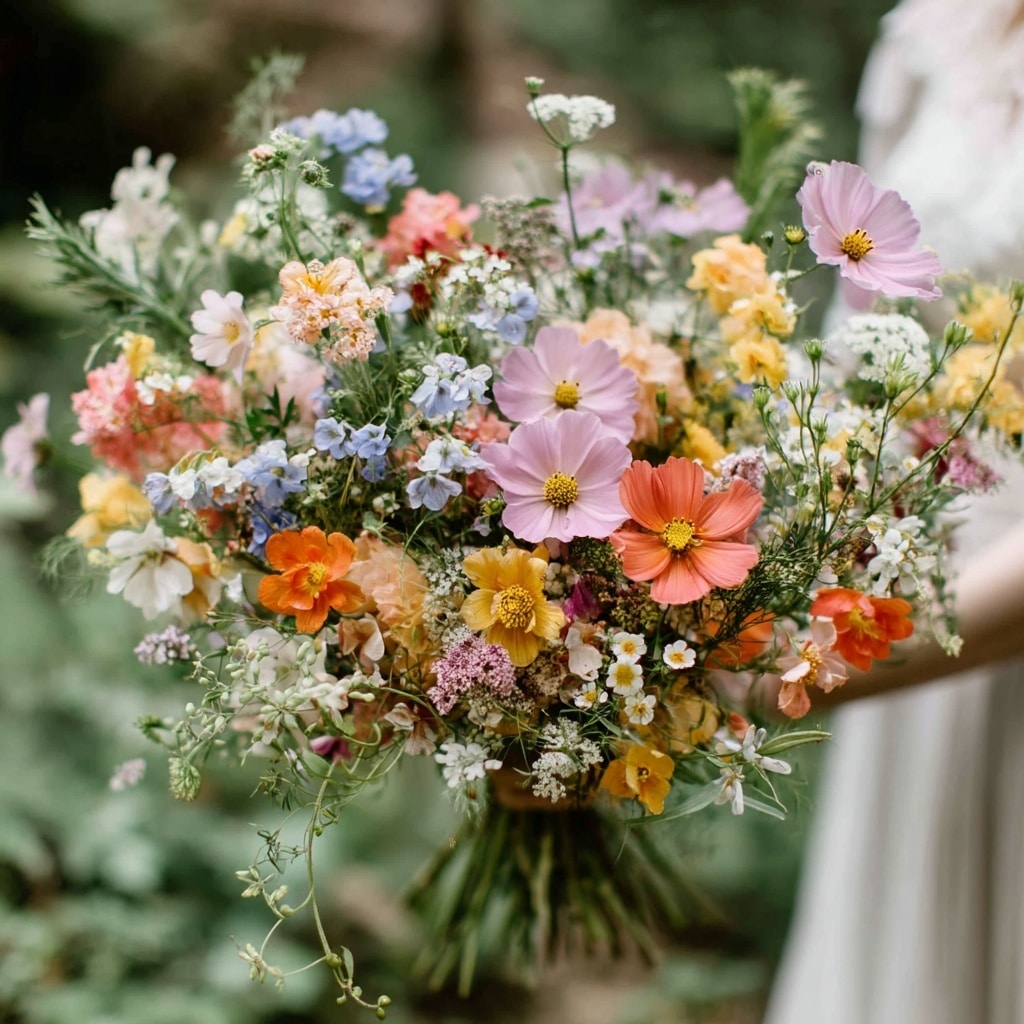
For a more natural and free-spirited feel, loose and wild arrangements are an excellent choice. These designs break away from symmetry and favor a flowing, organic look with different stem lengths and textures. Wildflower-style bouquets, garden-inspired centerpieces, and bohemian themes often rely on this type. It’s a great way to showcase seasonal types of flowers, including airy blooms like cosmos, lisianthus, or scabiosa. This style works beautifully in rustic weddings, outdoor events, or anywhere you want your flowers to feel fresh and unfussy.
Single Flower Type
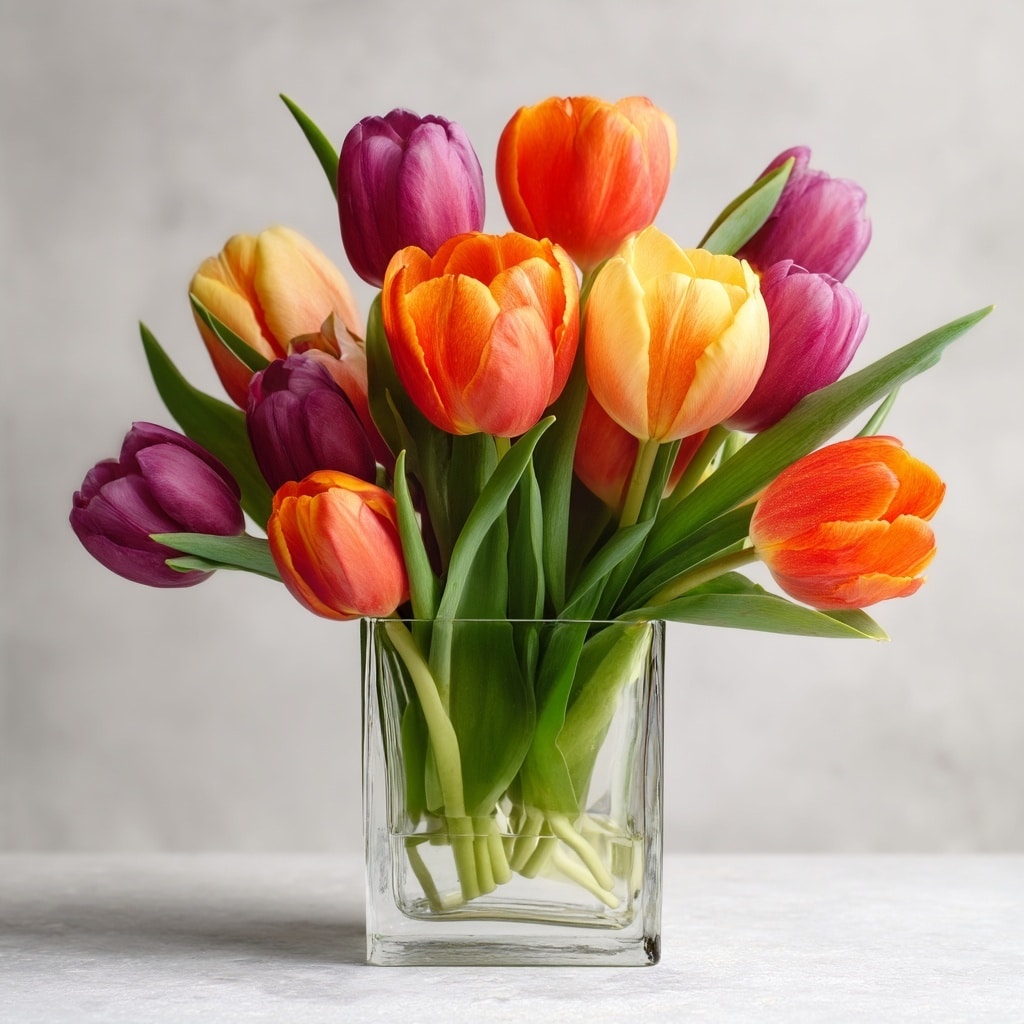
Using a single flower variety in an arrangement can create a powerful visual impact. Whether you’re highlighting tulips, peonies, or hydrangeas, focusing on just one type creates a unified, chic appearance. This approach simplifies design choices while elevating the elegance of your space. Depending on the event, this style can range from modern minimalism to bold and dramatic. By choosing a single variety, you’re also able to emphasize the natural form and color of your chosen types of flowers, allowing them to speak for themselves.
Minimalist
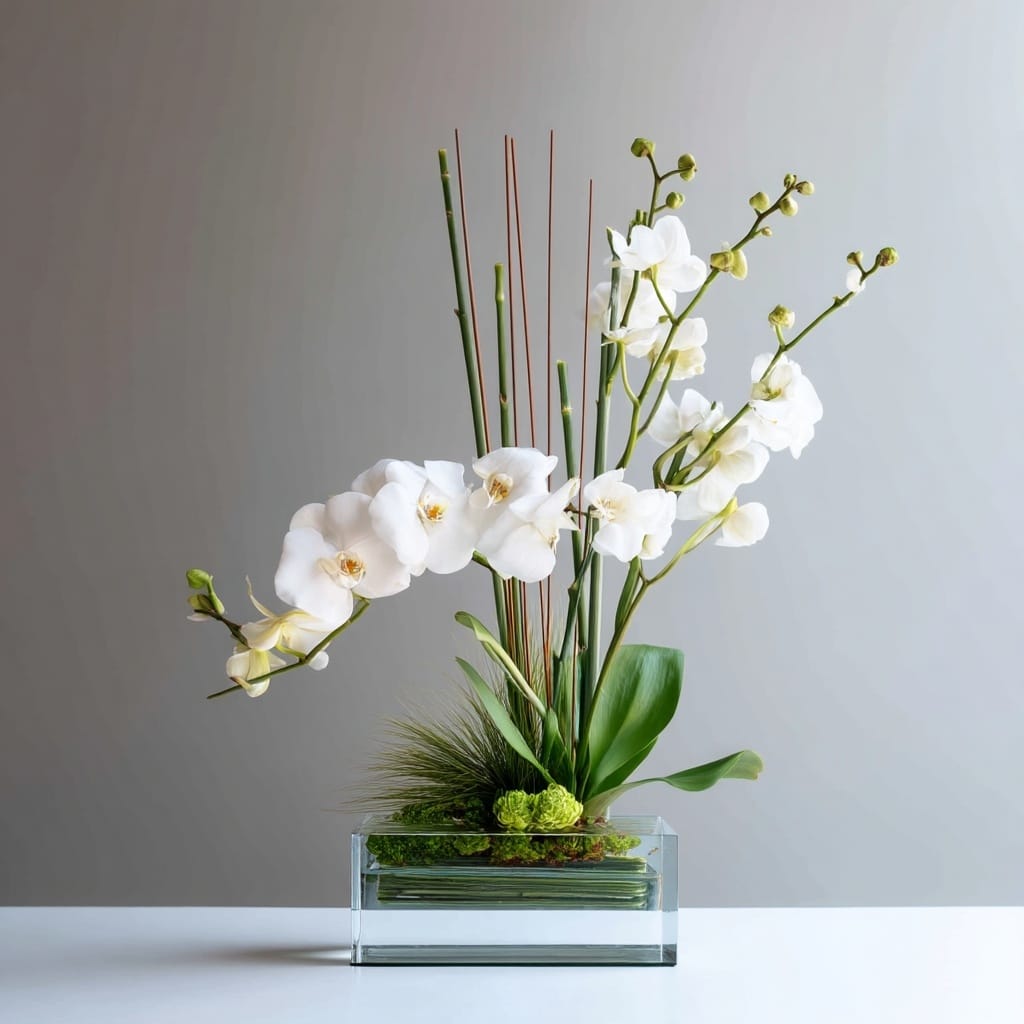
Minimalist arrangements embrace negative space and precision. Rather than filling a vase to the brim, the focus here is on a few carefully chosen blooms—sometimes just one or two stems—paired with thoughtful greenery or bare branches. This modern approach is great for art galleries, modern homes, or upscale branding events. The minimalist style works best with striking types of flowers, like anthuriums, orchids, or proteas, where the shape and structure of each bloom become the focal point.
Monochromatic
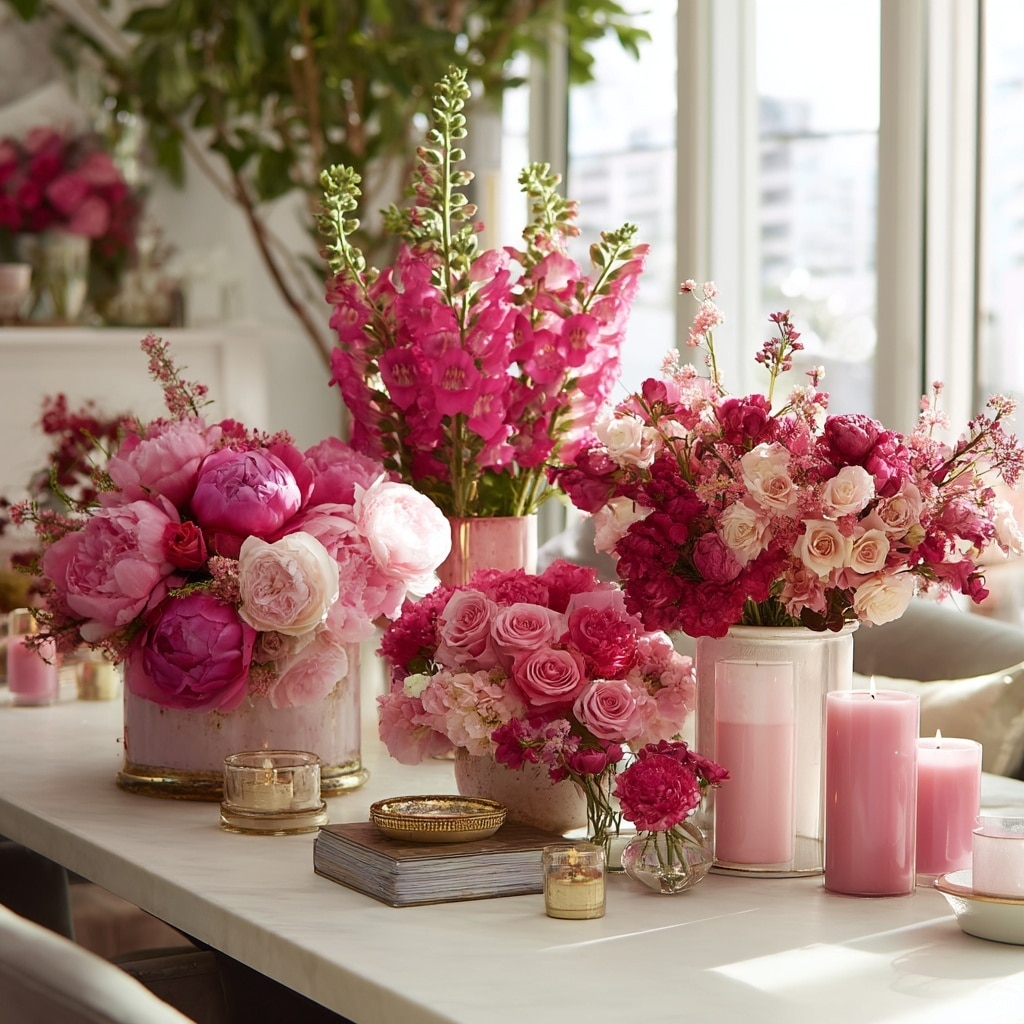
A monochromatic flower arrangement features blooms in varying shades of a single color. For example, you might see a design composed entirely of soft pinks or deep reds. This style is particularly useful when you’re working within a strict event color palette or trying to create a strong mood. Even with one hue, you can incorporate multiple types of flowers, such as mixing pink ranunculus with pink roses and pink snapdragons, to add texture and depth.
Neutral
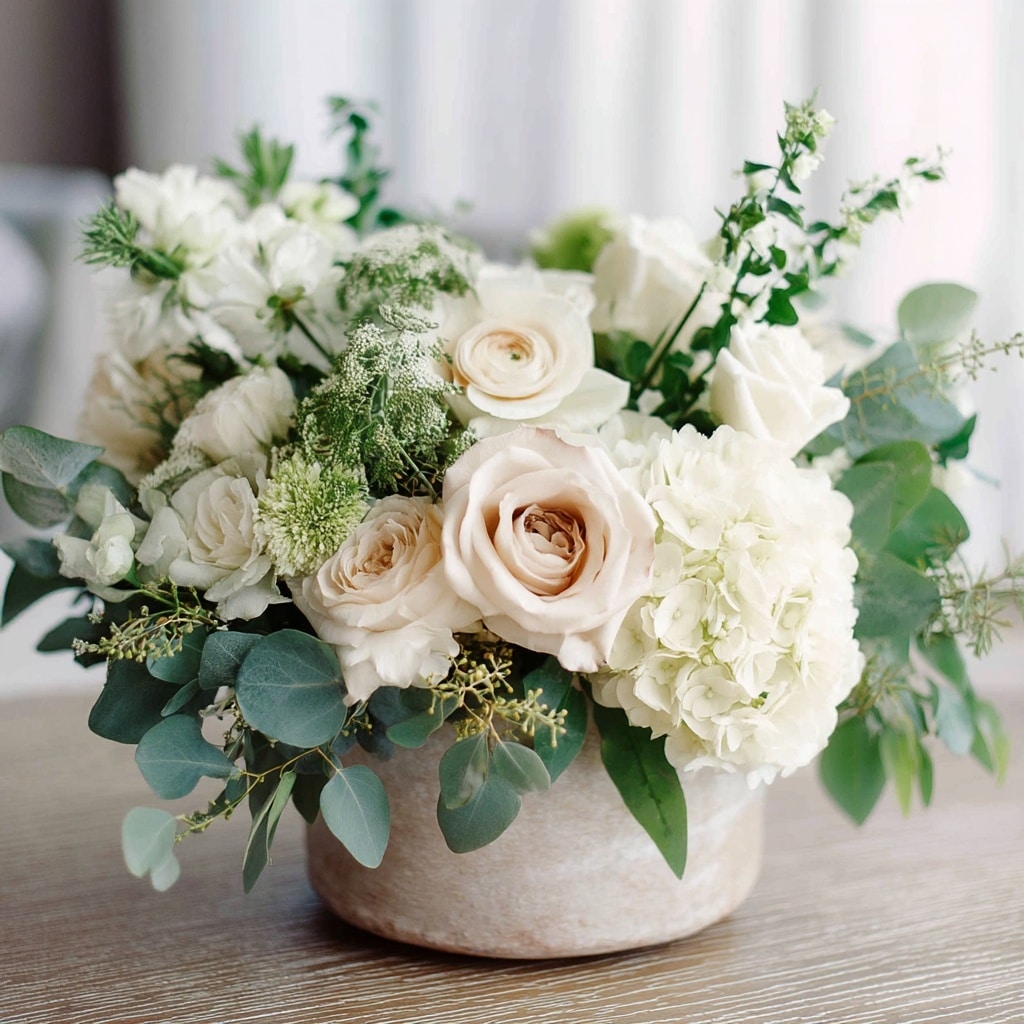
Neutral arrangements use soft tones—such as whites, creams, tans, and greens—for a subtle, earthy appearance. This style suits modern weddings, nature-inspired events, and minimalist interiors. You’ll often find types of flowers like white lilies, pale roses, and eucalyptus leaves in these designs. Neutral arrangements are versatile and calming, offering elegance without overpowering the space. They can also serve as a foundation to pair with bolder elements elsewhere in your décor.
Moods of Flower Arrangements
Corporate
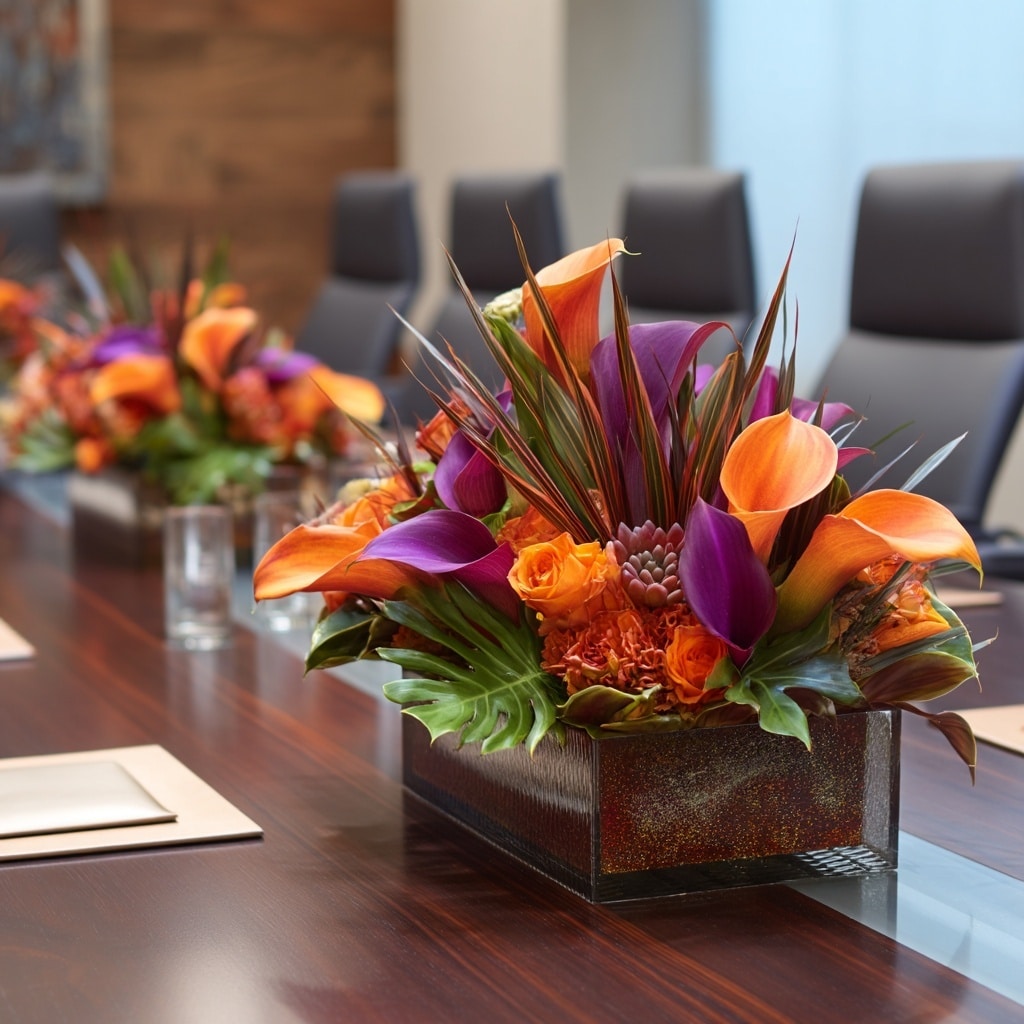
Corporate flower arrangements focus on clean lines, bold shapes, and purposeful design. They’re meant to elevate a professional space without distracting from branding or messaging. Commonly found on conference tables, podiums, or entryways, these arrangements often feature structured types of flowers like calla lilies, orchids, or anthuriums. Paired with contrasting colors and minimal greenery, they create a polished, confident presence that aligns with business objectives.
Dark
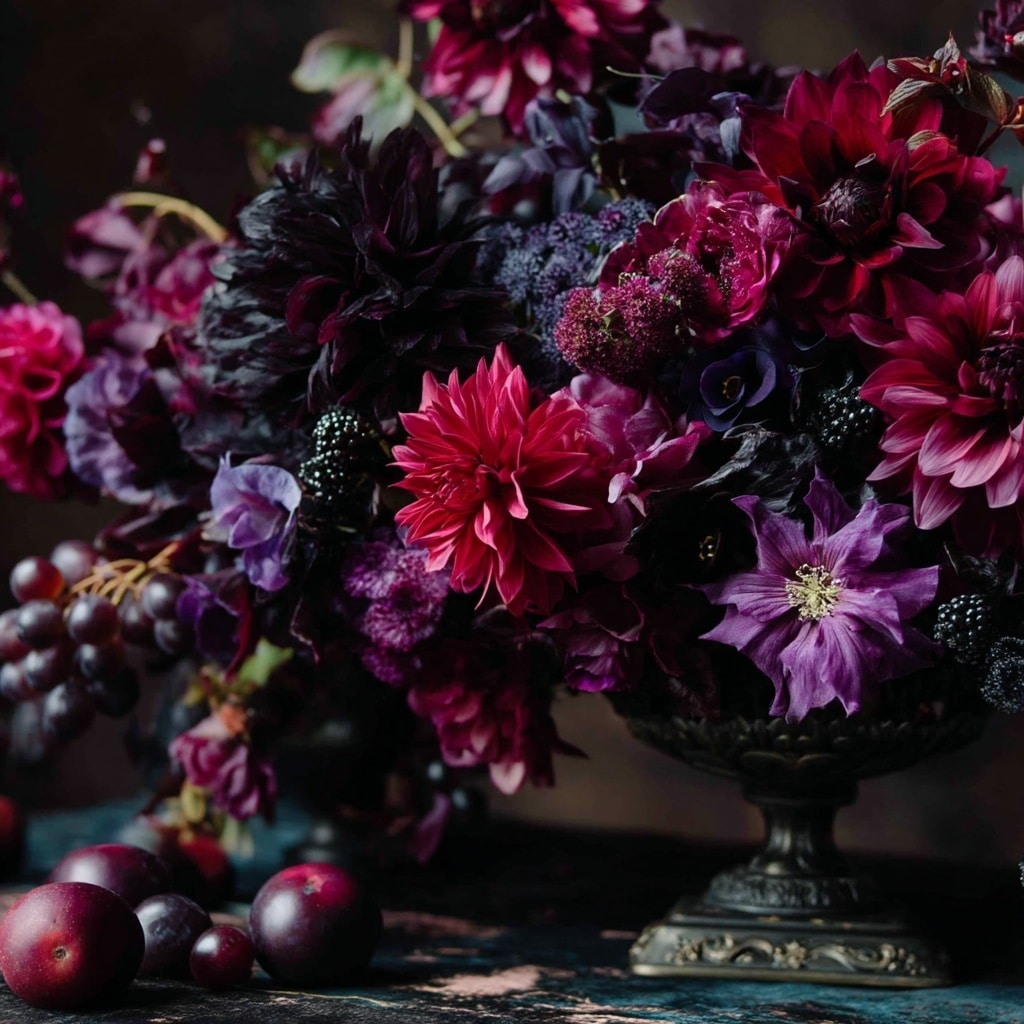
Dark-themed arrangements create a dramatic and moody atmosphere. With rich, deep-colored blooms such as burgundy dahlias, dark purple calla lilies, or nearly-black tulips, these displays add mystery and intensity. Often paired with unique textures like dark foliage or dried elements, this style suits evening events, gothic-themed weddings, or luxury parties. Among the bold types of flowers, balance is key—so the arrangement feels artful rather than overwhelming.
Feminine
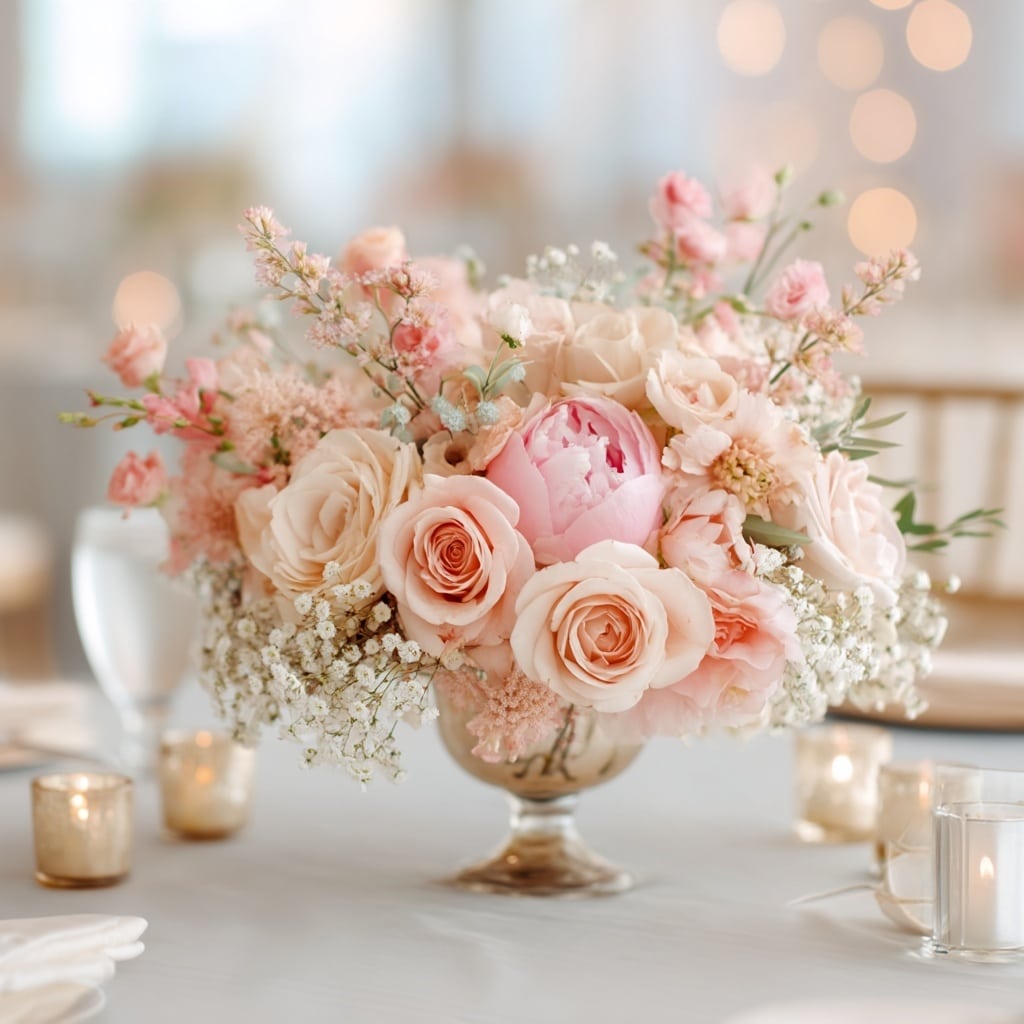
Soft and romantic, feminine arrangements are cheerful and lighthearted. Think pastel roses, peonies, ranunculus, and baby’s breath—all working together to evoke a delicate, airy charm. These arrangements often feature curving shapes, lush textures, and fragrant types of flowers that make them ideal for bridal showers, birthday parties, or boutique events. Their inviting tones—like pinks, lavenders, and soft whites—add warmth and approachability to any space.
Out-of-the-Box
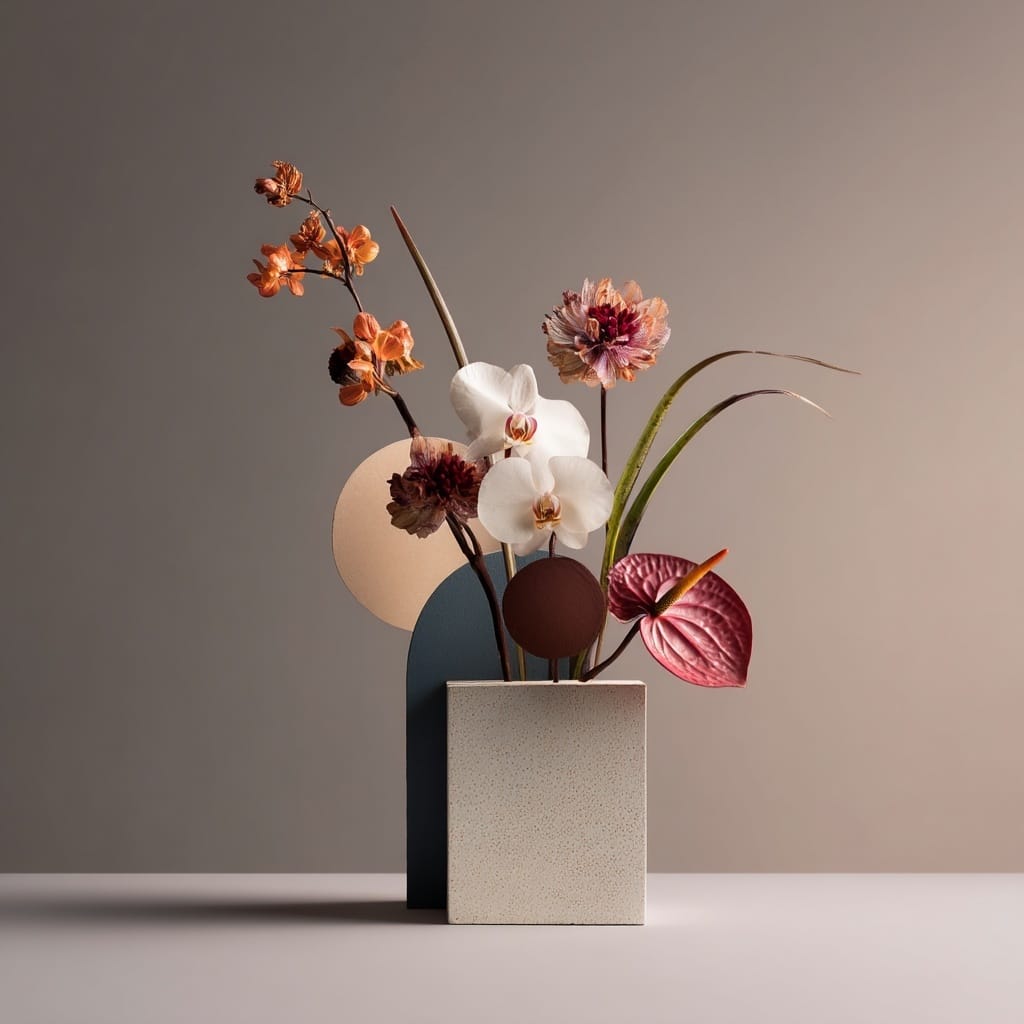
Out-of-the-box flower arrangements are all about creativity and surprise. These pieces might use unusual vases, asymmetrical forms, or even non-floral elements like feathers, fruit, or metallic accents. The key is originality. By choosing unexpected types of flowers—perhaps tropical blooms mixed with succulents or dried branches—you can create visual moments that guests remember. These are perfect for avant-garde installations or events that want to push the design envelope.
Romantic
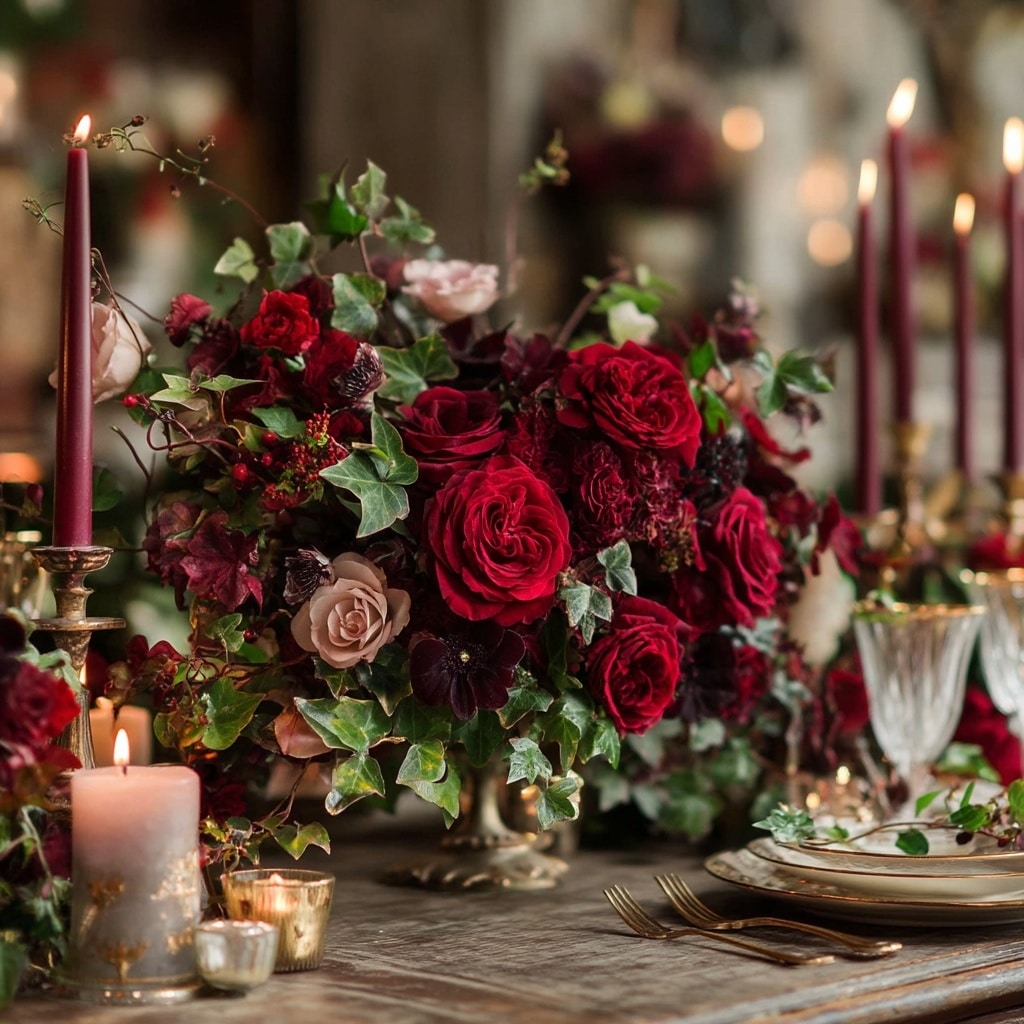
Romantic arrangements are lush, full, and softly lit—often placed near candlelight or in intimate corners of an event. They typically include deeply saturated blooms like red roses, garden roses, and amaranthus, blended with soft greenery like ferns or ivy. Lace ribbons and vintage-style containers complete the look. These types of flowers help create a dreamy, emotional ambiance for weddings, anniversaries, or upscale date-night events.
Rustic
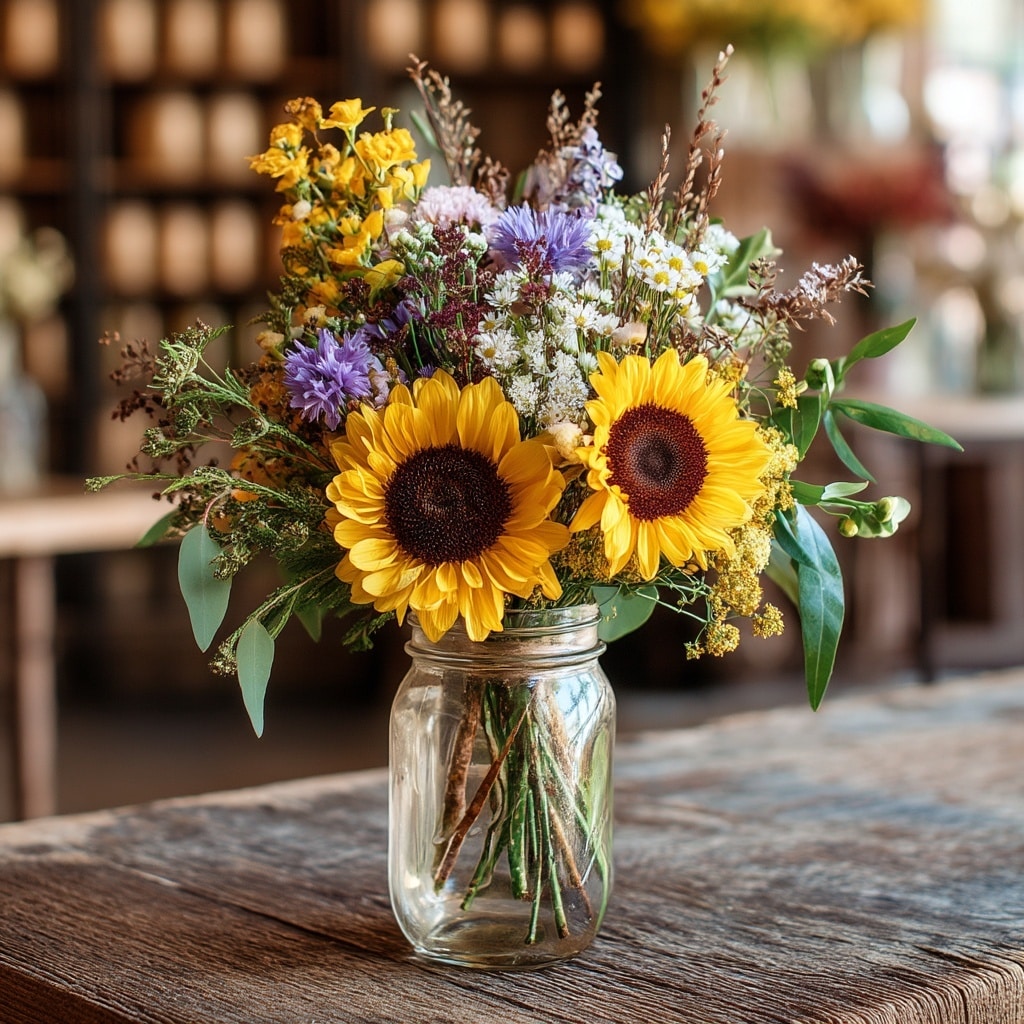
Rustic arrangements lean into the natural beauty of the outdoors. Wildflowers, sunflowers, thistles, and greenery like olive branches are common choices. These types of flowers are often paired with wooden boxes, mason jars, or bark-covered containers. Rustic styles evoke warmth, comfort, and a laid-back atmosphere—making them a favorite for barn weddings, outdoor picnics, and fall festivals.
Tropical
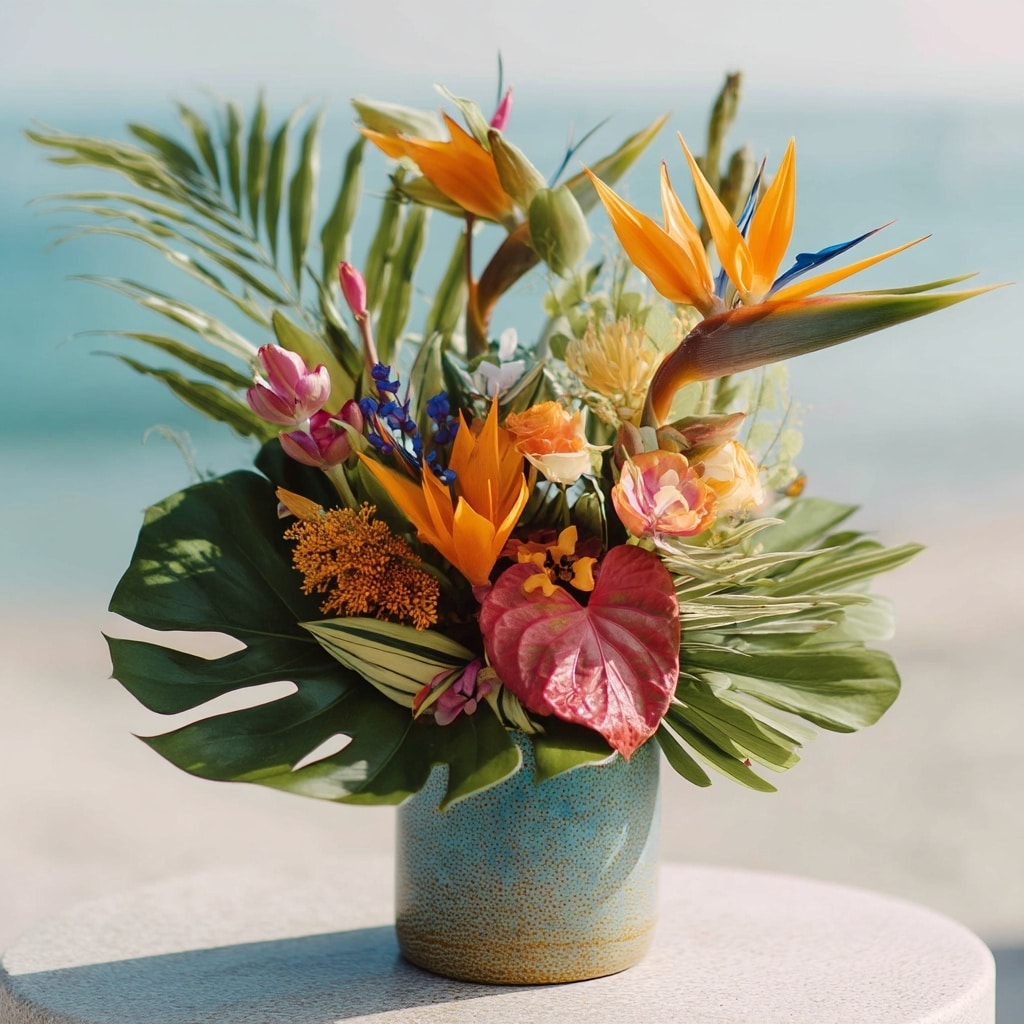
Tropical flower arrangements bring a vibrant, bold aesthetic. With striking types of flowers like birds of paradise, heliconia, or bright anthuriums, these displays are perfect for beach parties, destination weddings, or summer events. They often include large, fan-like leaves such as monstera or palm to frame the bright blooms. Tropical styles are visually powerful and instantly transport guests to a vacation-like mindset.
Conclusion
Understanding the many types of flowers and how they’re used in different arrangements can elevate any event or interior space. From structured centerpieces to whimsical wild styles, the design choices you make with flowers help communicate mood, personality, and intention. Whether you’re planning a corporate gala or a casual backyard dinner, choosing the right arrangement style—and the right types of flowers—will ensure your floral design feels thoughtful, cohesive, and unforgettable.