
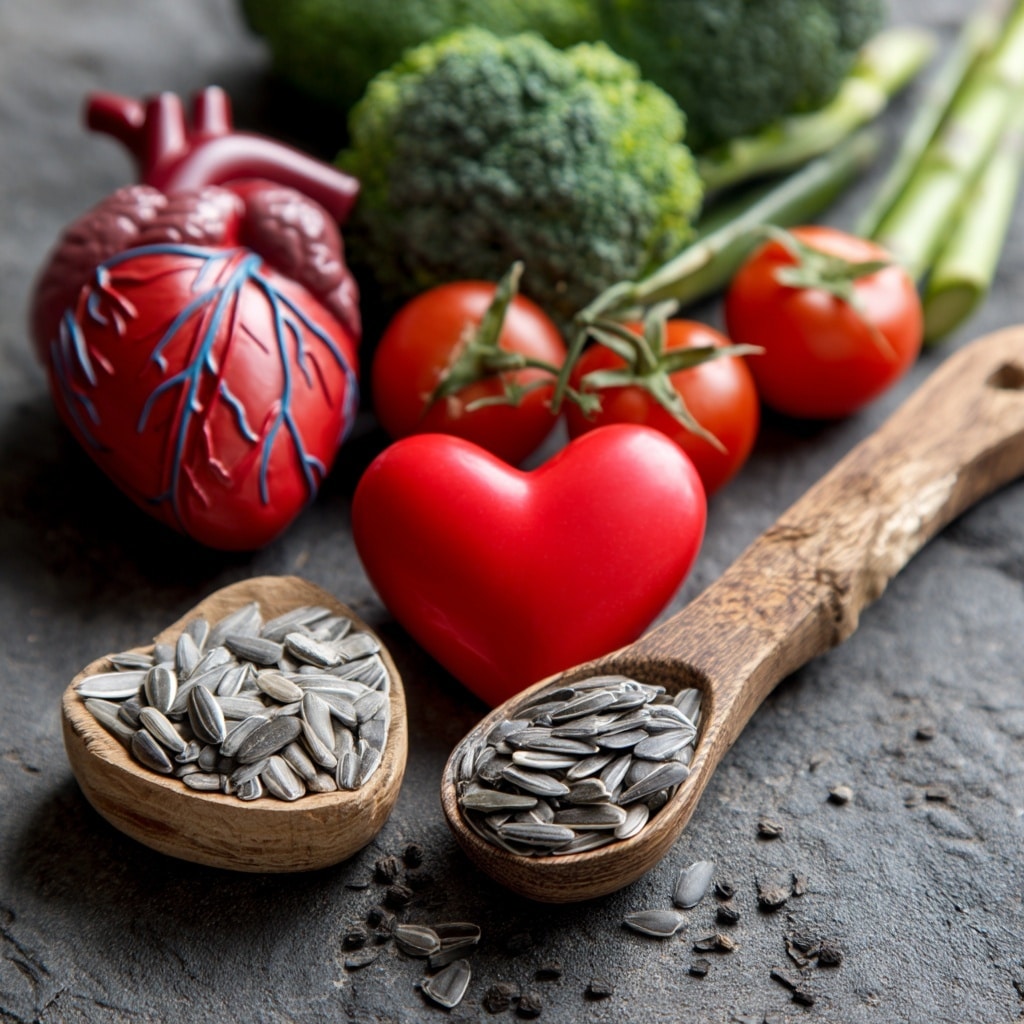
Sunflower seeds aren’t just a crunchy snack—they’re a powerful nutritional ally for your heart and immune system. Packed with essential nutrients like vitamin E, selenium, and healthy fats, these small but mighty seeds offer big health benefits. Whether you sprinkle them on a salad, blend them into a smoothie, or enjoy them straight from the bag, sunflower seeds can play a supportive role in maintaining a strong immune defense and a healthy cardiovascular system. Their natural anti-inflammatory properties, rich antioxidant content, and blood sugar–friendly compounds make them more than just a pantry staple—they’re a smart addition to your daily wellness routine.
Table of Contents
How Sunflower Seeds Support Your Immune System

A strong immune system starts with the right nutrients—and sunflower seeds deliver them in abundance. Rich in zinc, selenium, and vitamin E, these tiny seeds help fortify your body’s natural defenses against illness. Zinc plays a direct role in immune cell function and wound healing, while selenium supports antioxidant activity that reduces oxidative stress, a major contributor to inflammation and disease.
Sunflower seeds also offer natural antibacterial and antiviral properties, which help your immune system respond more effectively to infections. The combination of these nutrients makes sunflower seeds a smart snack, especially during cold and flu season or times of high stress, when immunity may be compromised.
If you’re looking for a plant-based way to nourish your immune system, a handful of sunflower seeds a day is a simple and effective choice.
How Sunflower Seeds Boost Heart Health
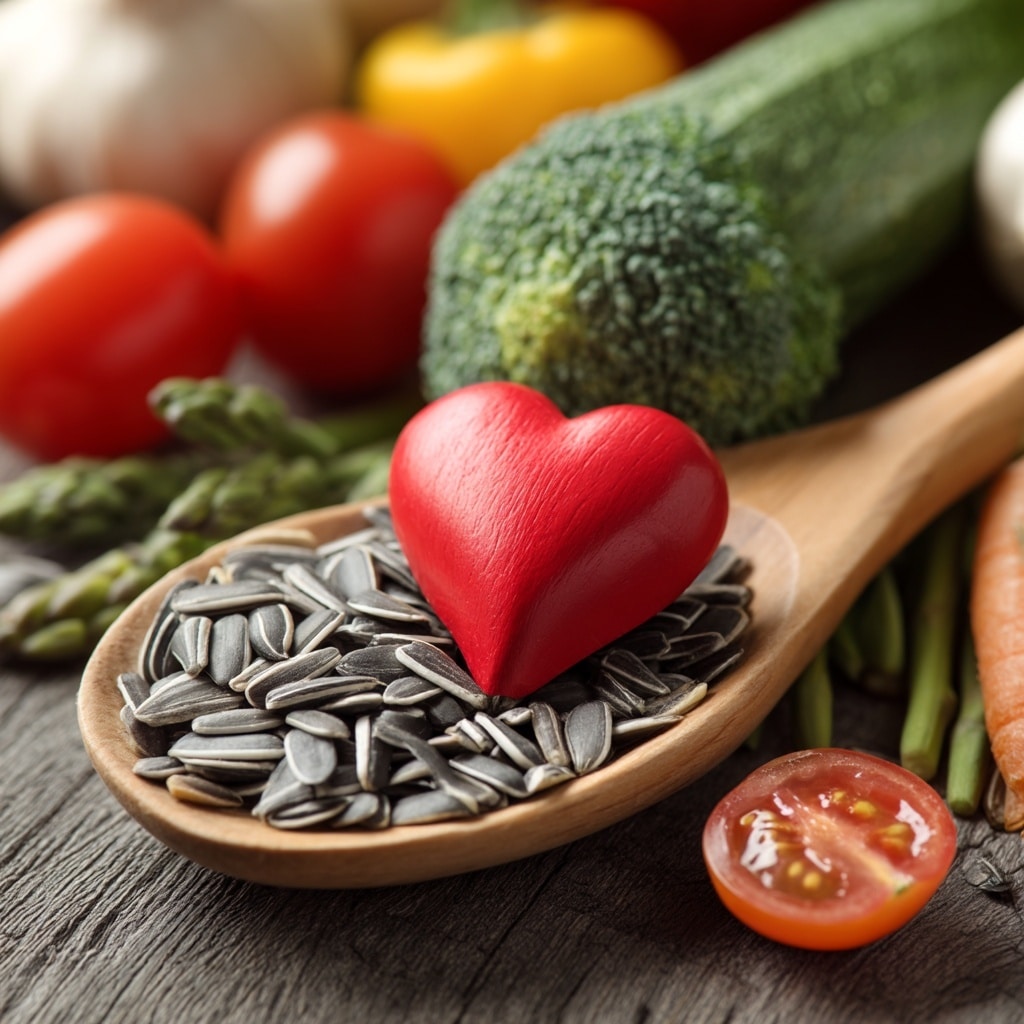
When it comes to heart-healthy eating, sunflower seeds are a natural standout. These seeds are loaded with healthy unsaturated fats, especially polyunsaturated fats, which can help lower bad cholesterol levels (LDL) while supporting good cholesterol (HDL). This balance is key to reducing the risk of heart disease.
They’re also an excellent source of vitamin E, a powerful antioxidant that helps prevent oxidative damage to your blood vessels—a major factor in atherosclerosis, or hardening of the arteries. Additionally, the fiber found in sunflower seeds helps regulate cholesterol absorption and supports healthy blood pressure levels.
One of the most underrated benefits? Their magnesium content, which plays a vital role in keeping your heart rhythm steady and your blood vessels relaxed.
Including sunflower seeds regularly in your diet—such as sprinkled on a salad or blended into hummus—can be a simple but impactful way to support cardiovascular health naturally.
Sunflower Seeds and Blood Sugar Control
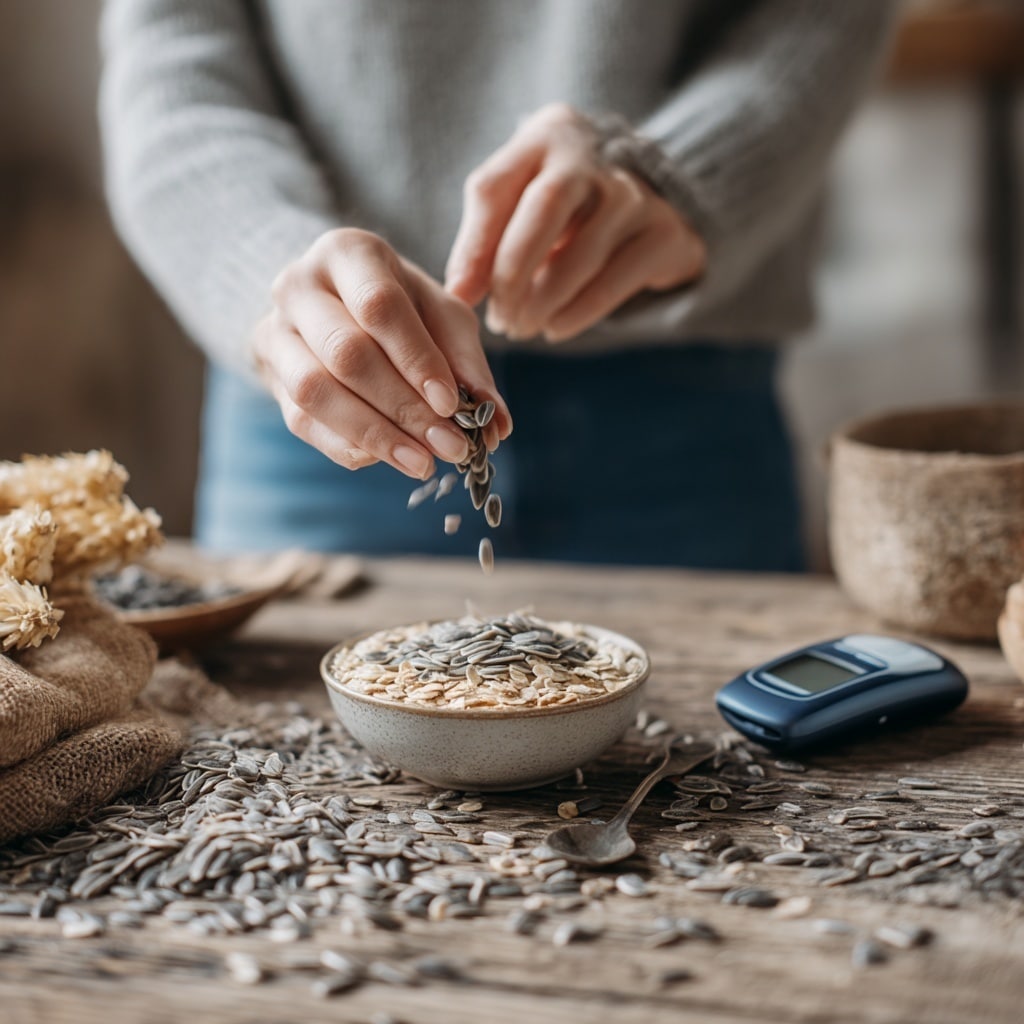
Keeping blood sugar levels stable is essential for long-term health, and sunflower seeds can play a helpful role in this process. These seeds contain compounds such as chlorogenic acid, a natural antioxidant shown to help regulate blood glucose levels and improve insulin sensitivity.
Their combination of fiber, healthy fats, and protein slows down the digestion of carbohydrates, helping to prevent spikes in blood sugar after meals. This makes them a smart snack option for people with type 2 diabetes or those looking to maintain balanced energy levels throughout the day.
Several studies have identified sunflower seeds as a valuable addition to a blood sugar–friendly diet. In fact, they’re often listed among the top seeds and nuts recommended for people managing metabolic conditions, thanks to their low glycemic impact and high nutrient density.
Whether eaten as a midday snack or added to yogurt or oatmeal, sunflower seeds support more than just your taste buds—they help support metabolic health, one bite at a time.
Can Sunflower Seeds Help with Weight Management?
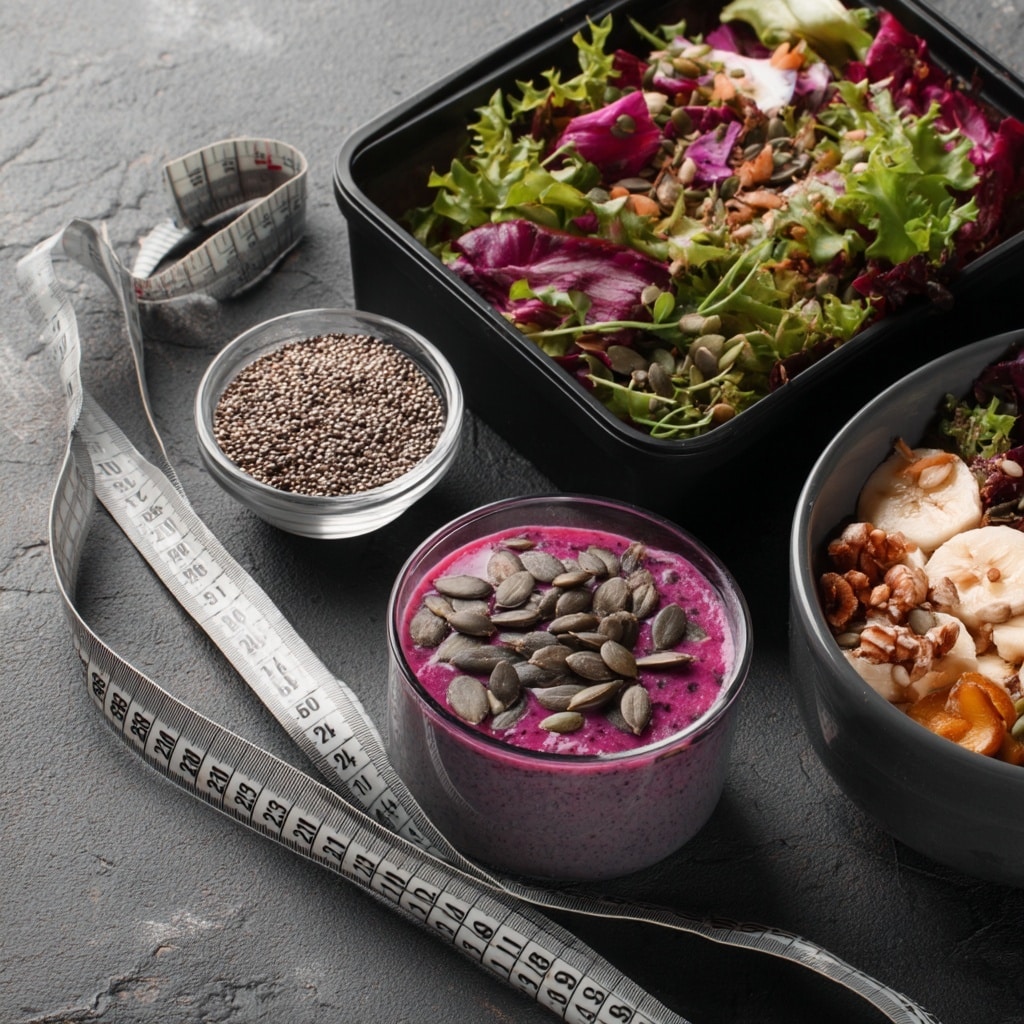
If you’re working toward maintaining or reaching a healthy weight, sunflower seeds can be a surprisingly effective ally. Thanks to their unique blend of protein, fiber, and healthy fats, they help keep you feeling fuller for longer—making it easier to avoid unnecessary snacking and manage portion sizes.
The fiber in sunflower seeds slows digestion and supports gut health, while the protein promotes satiety and muscle maintenance during weight loss. Meanwhile, their unsaturated fats provide long-lasting energy without spiking your blood sugar, which can help prevent energy crashes that often lead to overeating.
Some studies have even suggested that sunflower seed extract may support modest reductions in body weight, waist circumference, and BMI when used regularly in a balanced diet.
Unlike processed snack foods that are loaded with empty calories, sunflower seeds offer real nutritional value with every bite—making them an ideal choice for anyone focused on sustainable weight control.
Just be mindful of portion sizes and avoid heavily salted or flavored varieties to keep things heart- and weight-friendly.
Can Sunflower Seeds Help with Weight Management?
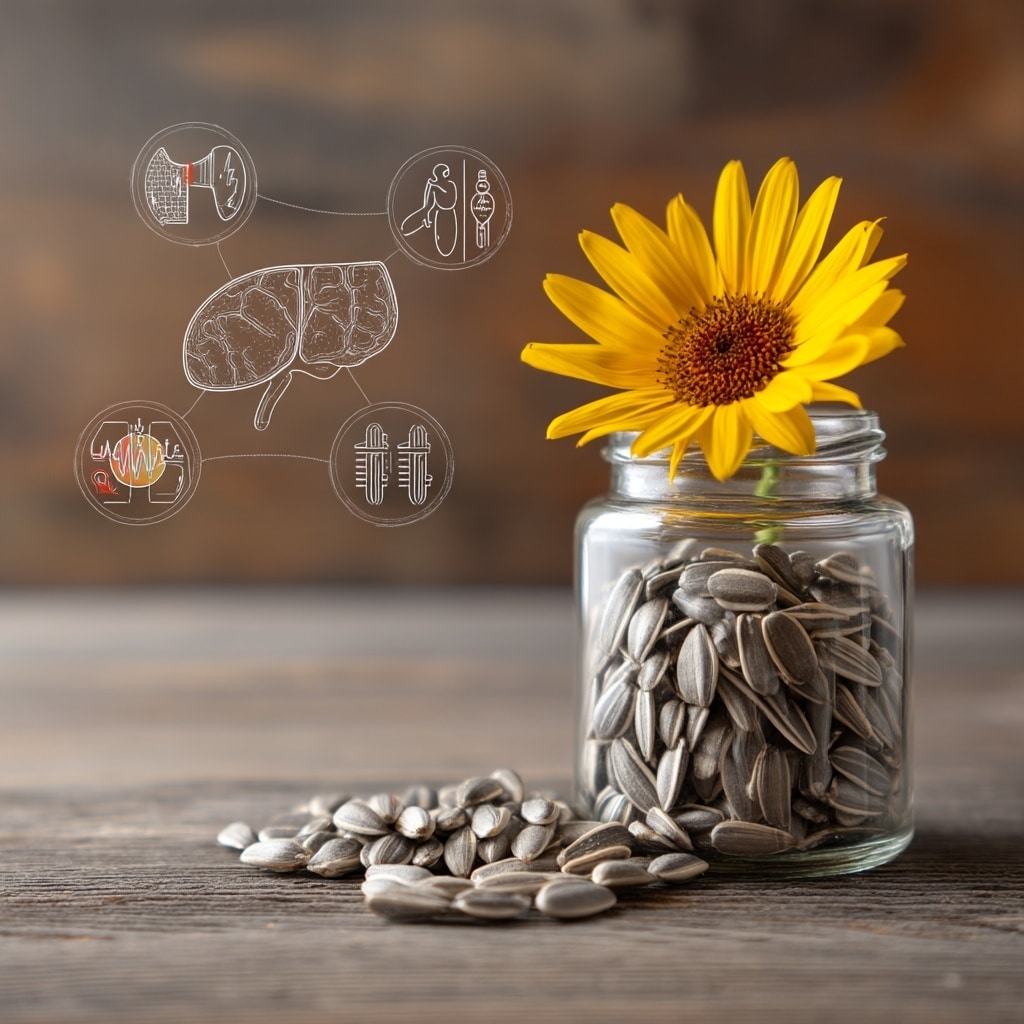
If you’re working toward maintaining or reaching a healthy weight, sunflower seeds can be a surprisingly effective ally. Thanks to their unique blend of protein, fiber, and healthy fats, they help keep you feeling fuller for longer—making it easier to avoid unnecessary snacking and manage portion sizes.
The fiber in sunflower seeds slows digestion and supports gut health, while the protein promotes satiety and muscle maintenance during weight loss. Meanwhile, their unsaturated fats provide long-lasting energy without spiking your blood sugar, which can help prevent energy crashes that often lead to overeating.
Some studies have even suggested that sunflower seed extract may support modest reductions in body weight, waist circumference, and BMI when used regularly in a balanced diet.
Unlike processed snack foods that are loaded with empty calories, sunflower seeds offer real nutritional value with every bite—making them an ideal choice for anyone focused on sustainable weight control.
Just be mindful of portion sizes and avoid heavily salted or flavored varieties to keep things heart- and weight-friendly.
Nutritional Breakdown of Sunflower Seeds
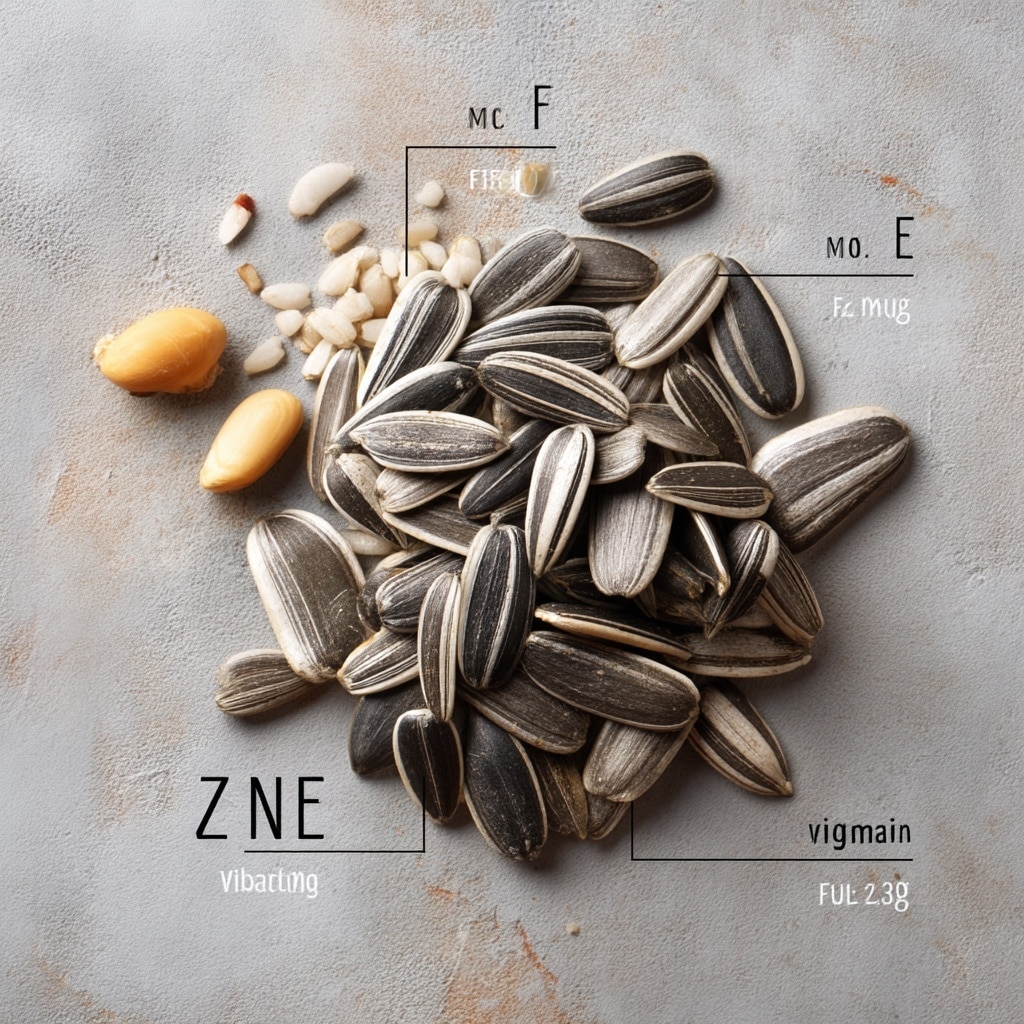
A small serving of sunflower seeds packs a powerful nutritional punch. Just one ounce (about ¼ cup, shelled) provides a variety of essential nutrients that support everything from immune function to heart and brain health.
Here’s what you get in a typical 1-ounce serving:
- Calories: 165
- Fat: 14.1 grams
- Mostly healthy polyunsaturated and monounsaturated fats
- Carbohydrates: 6.8 grams
- Fiber: 3.1 grams
- Protein: 5.5 grams
- Sodium: <1 milligram (unsalted)
In addition to these macronutrients, sunflower seeds offer a wide range of micronutrients, including:
- Vitamin E – Antioxidant that protects cells from damage
- Selenium – Supports immune health and thyroid function
- Magnesium – Essential for nerve and muscle function
- Zinc – Critical for immune defense and wound healing
- Folate – Supports red blood cell production and DNA synthesis
This nutrient-dense profile makes sunflower seeds more than just a snack—they’re a convenient way to meet your daily nutritional needs without added sugars or artificial ingredients.
Sunflower Seed Safety: What to Know Before You Snack
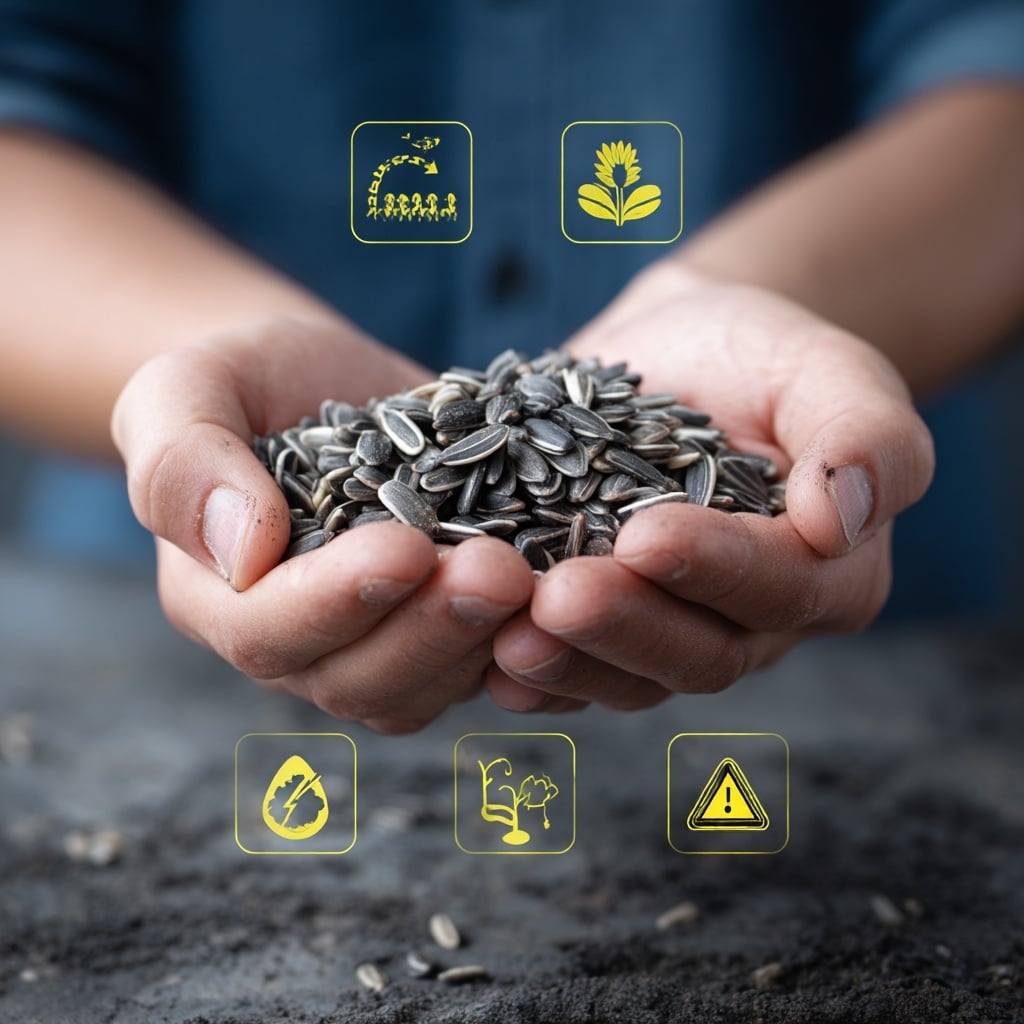
While sunflower seeds are a healthy choice for most people, there are a few things to keep in mind to get the benefits without the downsides.
🧂 1. Watch the Sodium
Flavored or salted sunflower seeds can contain excess sodium, which may counteract their heart-healthy benefits. To stay on the safe side, choose unsalted or lightly salted varieties and always check the label.
⚠️ 2. Avoid Overeating
They’re nutrient-dense—but also calorie-dense. A single ounce is a healthy serving. Eating large amounts, especially in the shell, can increase your risk of digestive discomfort or even intestinal blockages.
🌾 3. Check for Allergies
Though rare, some people may have a sunflower seed allergy. Cross-reactivity can occur in people allergic to mugwort pollen, so it’s best to consult a doctor if you’re unsure.
🦠 4. Be Cautious When Sprouting
Sprouting seeds at home can boost their digestibility, but doing it improperly may lead to bacterial contamination. Buy sprouted seeds from trusted sources or follow food safety guidelines closely.
By enjoying sunflower seeds in moderation and choosing the right preparation, you can safely add them to your daily routine for long-term health benefits.
How to Eat Sunflower Seeds: Simple, Tasty Ideas

Incorporating sunflower seeds into your diet is easy and delicious. Their mild, nutty flavor and satisfying crunch make them a natural addition to all kinds of meals—both sweet and savory.
Here are some easy, healthy ways to enjoy them:
🥗 Add to Meals:
- Sprinkle on salads for a crunchy, nutrient-packed topping
- Stir into oatmeal or overnight oats for texture and healthy fats
- Blend into smoothies for extra protein and vitamin E
- Top avocado toast or hummus with a spoonful for added nutrition
- Mix into grain bowls, rice, or roasted veggies for flavor and balance
🍞 Bake or Mix:
- Use in homemade granola, energy bites, or protein bars
- Add to muffins or breads for a heartier texture and nutritional boost
- Combine with other seeds and nuts for a DIY trail mix
✅ Choose Wisely:
Stick with unsalted, shelled sunflower seeds for the most versatility and least sodium. Roasted or raw versions both work, depending on your taste and recipe.
If you want to try something different, look for sprouted sunflower seeds, which may offer better digestion and enhanced nutrient absorption—just be sure they’re sourced safely.
Conclusion
Sunflower seeds may be small, but their health benefits are anything but. From strengthening your immune system to protecting your heart and supporting blood sugar control, these nutrient-rich seeds earn their place in any balanced diet. They’re easy to add to meals, affordable, and incredibly versatile—making it simple to enjoy their full range of nutritional perks every day.
Whether you’re aiming for better heart health, stable energy, or a stronger immune response, a handful of sunflower seeds might just be one of the healthiest habits you can start.