
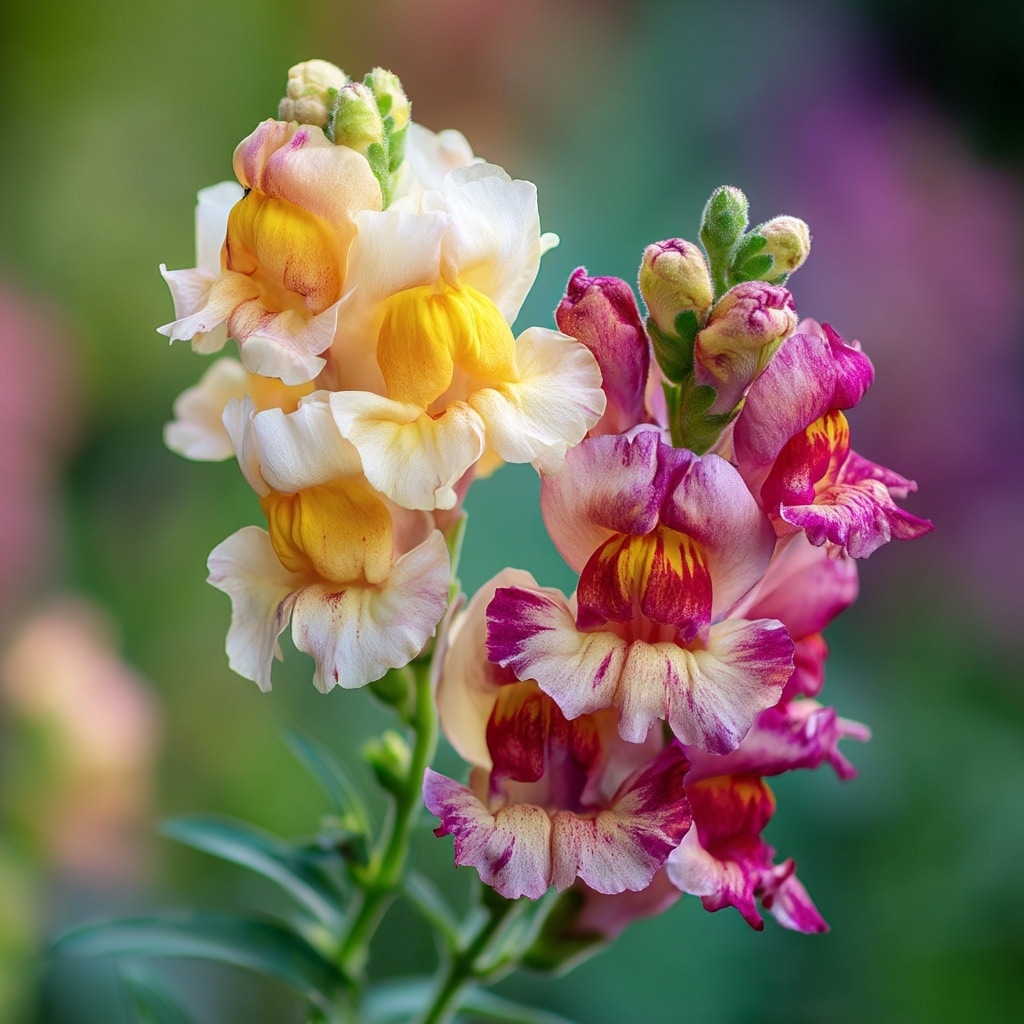
Snapdragon flowers are a staple in many gardens, loved for their bold colors and unique, jaw-like blooms that seem to come to life with a gentle squeeze. Whether you’ve grown them before or admired them in a neighbor’s yard, there’s something nostalgic and whimsical about these flowering plants.
But when it comes to growing snapdragon flowers, the terminology can quickly become overwhelming. What does it mean when a packet says “Group II”? How is a butterfly snapdragon different from the classic type? And what exactly is a “series,” anyway?
Understanding the different types, classifications, and naming conventions of snapdragon flowers isn’t just for commercial growers—it’s key for home gardeners who want healthy blooms that thrive throughout the growing season. In this guide, we’ll break down everything you need to know about snapdragon classifications, from flower forms to seasonal groupings, plant height, and the surprisingly detailed world of cultivar series.
Table of Contents
🌸 Flower Types

Snapdragon flowers come in two primary forms: single and double. Understanding their differences helps gardeners choose varieties that align with their aesthetic preferences and blooming goals.
Single-Flower Snapdragons
The classic snapdragon form is the single-flower type, easily recognized by its hinged “jaw” petals that resemble a dragon’s mouth. These flowers open and close when gently squeezed — a feature that delights children and adults alike.
Single-flower snapdragons tend to have a more traditional vertical shape. They often bloom earlier and are popular in both garden beds and cut flower arrangements. Varieties in the Aroma series are excellent examples of single-flowered cultivars, offering not just charm but also fragrance.
Double-Flower Snapdragons (Butterfly or Azalea Types)
Double-flower snapdragons are often referred to as butterfly or azalea types, due to their flatter, more open petal structure. These blooms lack the typical snap mechanism and instead resemble fluttering butterflies or ruffled azaleas.
Gardeners often appreciate the double-flower type for its lush appearance and longer blooming season. These varieties typically stay open longer than their single-flowered counterparts, making them a stunning choice for extended color in the garden. One popular series to look for is Bright Butterflies, known for vibrant, full blooms and a softer, more delicate look.
These two flower forms offer very different visual impacts — choosing the right one depends on your design goals, bloom timing preferences, and whether you’re looking to attract pollinators or just want show-stopping color.
🌿 Group Classifications of Snapdragon Flowers
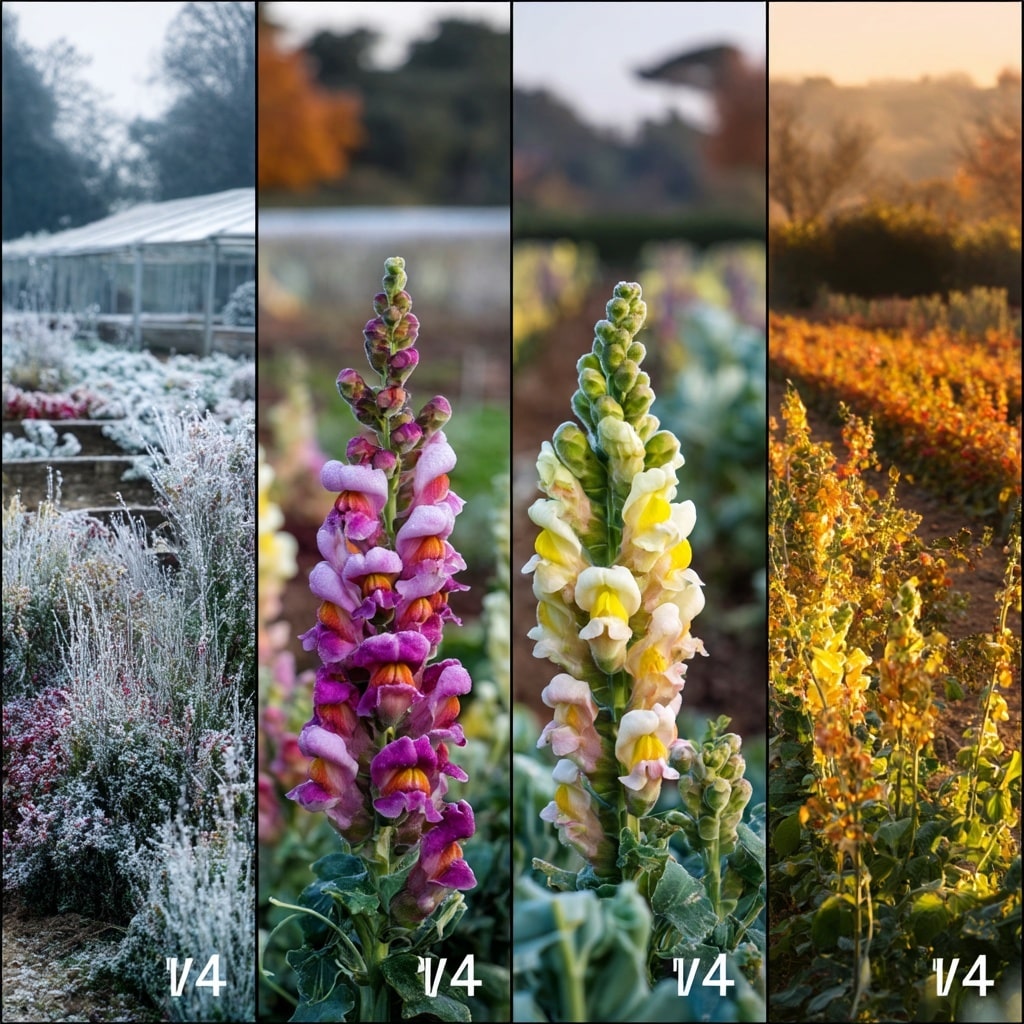
Snapdragon flowers aren’t just sorted by shape—they’re also grouped based on their ideal blooming season and light requirements. These groupings help both gardeners and commercial growers plan for optimal flowering throughout the year.
This isn’t a strict botanical classification, but rather a practical system based on how much daylight and warmth each group needs to thrive. By selecting varieties from different groups, you can enjoy continuous blooms from winter through summer.
Group I – Winter Bloomers
Group I snapdragon flowers are well-suited for cool-season growing. They flourish under low light and short days, making them ideal for winter gardens in USDA Zones 7 and above—or Zone 6 with some protection like frost cloth or tunnels.
- These are typically shorter plants with smaller flower heads, but they bloom quickly.
- Perfect for starting the growing season early in greenhouses or covered beds.
📌 Examples: Admiral, Chantilly, Alaska series
Group II – Early Spring Bloomers
Group II varieties prefer increasing daylight and moderate warmth. They’re ideal for early spring planting, when light is stronger than in winter but not yet at summer intensity.
- Medium-height plants with medium-sized blooms
- Can be started under frost cloth or in tunnels, then transitioned outdoors
📌 Examples: Cinderella, Costa, Little Darling series
Group III – Late Fall Bloomers
Group III snapdragons have a similar growth profile to Group II but are typically planted for autumn blooming. They thrive in the cooler temperatures of fall and provide color late in the season, just when most other annuals fade.
📌 Examples: Animation, Apollo series
Group IV – Summer Bloomers
If you’re gardening in a warm climate with long days, Group IV snapdragon flowers are for you. These varieties need intense sunlight and long daylight hours to grow tall and bloom fully.
- These are the tallest types and take the longest to mature.
- Avoid covering them with tunnels or frost cloth—they need full exposure to sunlight.
📌 Examples: Rocket, Opus series
📏 Height & Growth Habit of Snapdragon Flowers
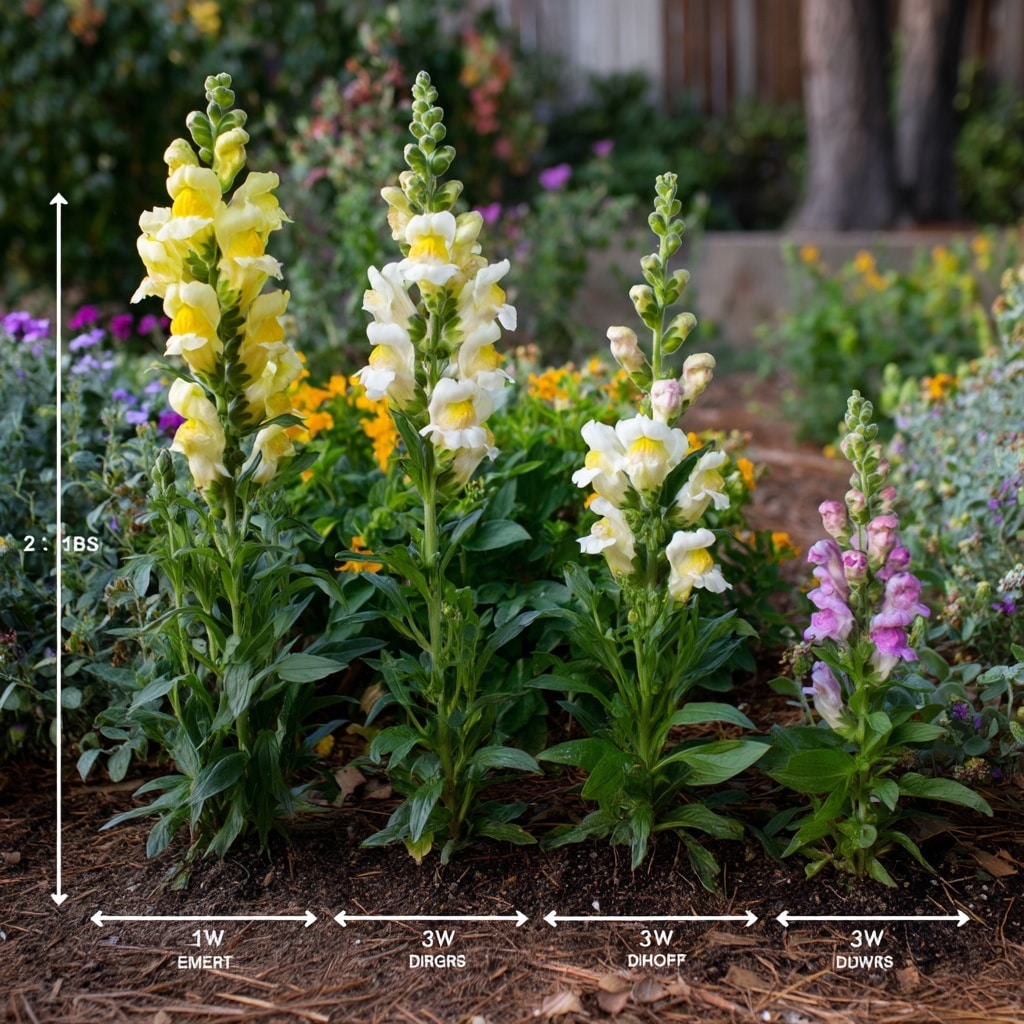
Snapdragon flowers aren’t just diverse in bloom time and type—they also vary significantly in size and structure. Understanding these growth habits helps gardeners plan flower beds, borders, and containers more effectively.
Snapdragons are generally grouped into four size categories based on their mature height: tall, intermediate, short, and dwarf. You’ll often see these terms used in seed packets or nursery tags.
Tall Varieties (24–36 inches)
Tall snapdragons are ideal for cut flower gardens, back borders, or as vertical accents in beds. These types often produce strong, straight stems and large flower spikes.
- May require staking or support to prevent bending, especially in windy areas.
- Suitable for large landscape plantings or florist arrangements.
📌 Examples: Admiral, Chantilly, Liberty series
Intermediate Varieties (12–24 inches)
These are versatile options that work well in both garden beds and larger containers. Intermediate snapdragons provide a good balance between height and bushiness, making them popular in mixed borders.
- Sturdy stems, moderate size
- Good choice for mid-layer plantings
📌 Often included in mixed garden packs
Short Varieties (9–12 inches)
Short snapdragons are perfect for edging, front borders, and window boxes. These compact plants maintain the iconic snapdragon flower shape while fitting neatly into small spaces.
- Require little to no staking
- Bloom profusely in tight clusters
📌 Examples: Floral Carpet, Magic Carpet
Dwarf Varieties (4–9 inches)
Also called miniature snapdragons, these pint-sized plants are ideal for containers, rock gardens, or planting in tight spaces.
- Stay low and compact
- Often used in mass plantings for colorful, low-maintenance displays
📌 Examples: Tahiti, Bells, Floral Showers, Montego series
Trailing Varieties
Not all snapdragon flowers grow upright. Some cultivars have a trailing growth habit, perfect for hanging baskets, window boxes, or cascading over walls.
- Provide a soft, draping effect
- Combine well with other trailing annuals
📌 Examples: Chandelier, Lampion, Luminaire series
💡 Garden Design Tip:
Mixing snapdragons of varying heights can add depth, contrast, and structure to your flower beds. Use tall types in the back, intermediates in the middle, and short or dwarf types up front for a well-balanced look.
🌼 Series & Cultivars Explained
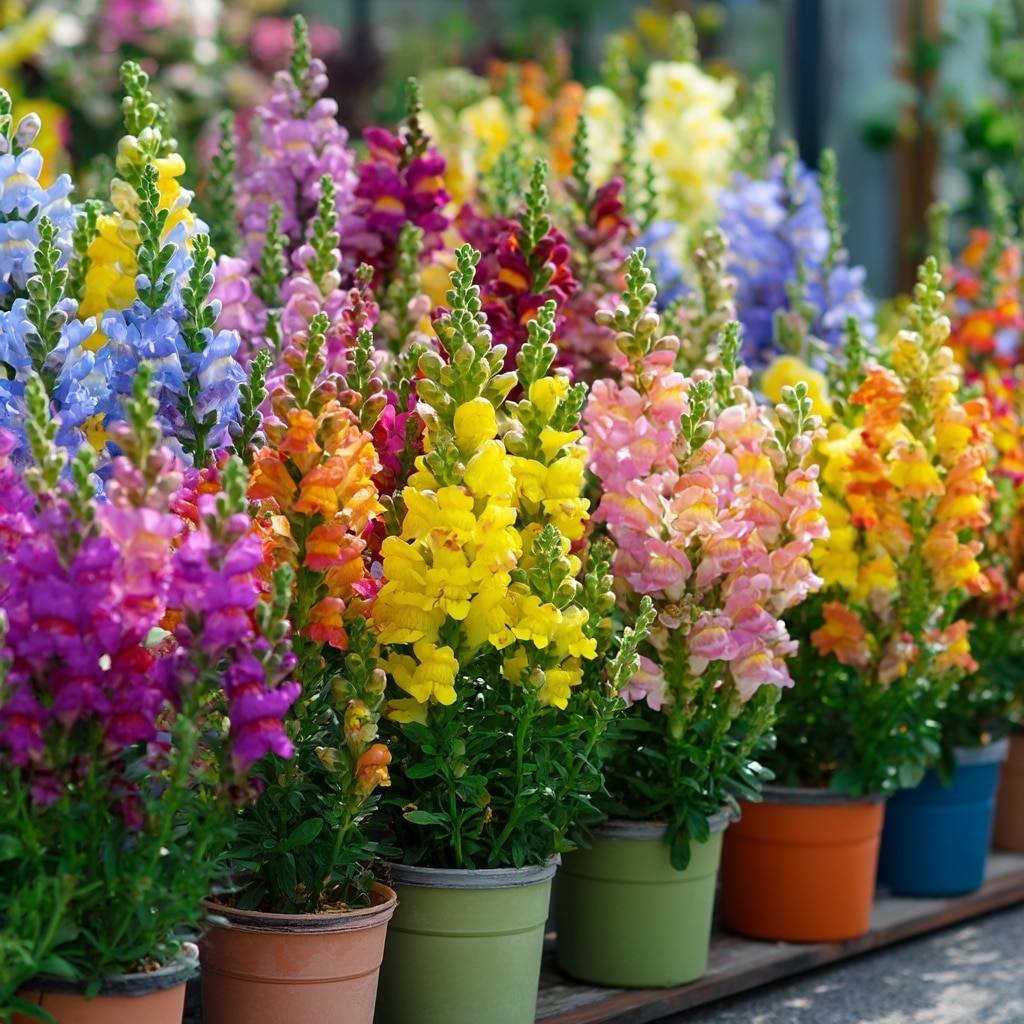
If you’ve ever browsed snapdragon flowers online or in a seed catalog, you’ve likely seen names like Rocket Series, Double Azalea Series, or Bright Butterflies. But what exactly does “series” mean in the world of snapdragons?
What Is a Series?
In gardening terms, a series is a group of snapdragon cultivars that are genetically similar—they grow to the same height, have the same flower shape, and thrive in the same conditions. The only major difference is color.
- For example, the Montego Series might include red, pink, yellow, and white varieties, but all will grow and behave the same in the garden.
- Think of it as a marketing term used by breeders to help gardeners find uniform options with color flexibility.
📌 Important:
While “series” is also a real botanical classification term (used to describe subgroups below genus), in this context, it’s purely commercial and unrelated to taxonomy.
Popular Snapdragon Flower Series
Here are some widely available and well-loved snapdragon flower series to look for:
- Aroma – Single-flowered, fragrant varieties
- Bright Butterflies – Double-flowered (aka butterfly style) with bold colors
- Tahiti, Montego, Floral Showers – Compact dwarf series, great for containers
- Rocket, Opus – Tall, summer-blooming Group IV options
- Chandelier, Lampion, Luminaire – Trailing series for baskets or edges
- Chantilly, Liberty, Admiral – Tall, early bloomers with strong stems
Each of these series offers consistency in height and performance, while giving you plenty of room to play with color.
What About Cultivars?
A cultivar is a cultivated variety of a plant with specific traits. While many cultivars belong to a series, some stand alone.
One standout example is ‘Black Prince’, a striking heirloom cultivar with deep purple flowers and dark green foliage. Unlike many hybrids, heirloom cultivars like this are often open-pollinated, making them a favorite for seed-saving gardeners.
You’ll also find hybrid cultivars, bred for features like improved disease resistance, bloom time, or color intensity. These may or may not belong to a series.
💡 Buying Tip:
When selecting snapdragon flowers, look beyond just the color. Consider the series and group classification to ensure the plant fits your climate, desired bloom time, and garden design.
🌺 Conclusion
Understanding the different types of snapdragon flowers—from bloom shapes to seasonal groups, height categories, and cultivar series—makes planning your garden easier and more rewarding. With so many varieties available, you can create continuous waves of color, from winter into summer, simply by selecting the right combination of groups and growth habits.
Whether you’re planting compact dwarf snapdragons in pots or tall, showy spikes in garden beds, knowing what each classification means ensures better results. And by mixing single and double blooms across a range of series, your garden will offer not just beauty, but year-round visual interest.
Planting snapdragon flowers isn’t just about color—it’s about timing, structure, and performance. Armed with this knowledge, you’ll be ready to confidently select the best varieties for your growing zone, garden size, and seasonal goals.