
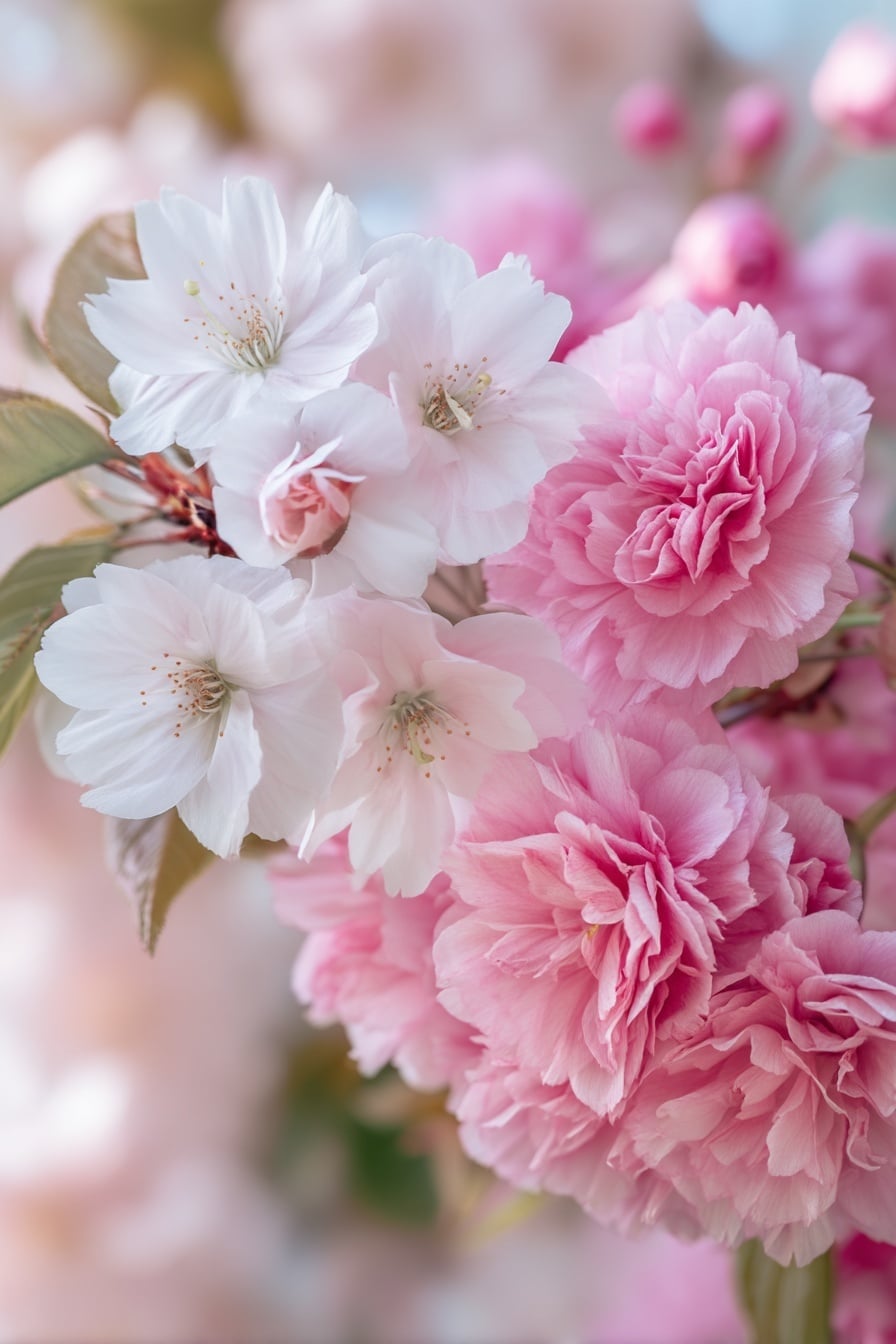
sakura flower has captured the hearts of people all over the world with its breathtaking spring blooms and deep cultural meaning. Often associated with Japanese cherry blossoms, this delicate flower symbolizes beauty, impermanence, and renewal each year when its petals burst into view across parks and streets. Whether you’re curious about sakura’s cultural roots, want to understand its varieties, or are thinking about growing one in your garden, this guide will walk you through everything you need to know.
Table of Contents
What Is the Sakura Flower?

The sakura flower refers to the blossoms of ornamental cherry trees, especially those cultivated in Japan with light pink or white flowers. These blossoms come from the Prunus genus within the Rosaceae family, and many varieties have been developed specifically for their spring display rather than for fruit production.
Unlike fruiting cherry trees, sakura cultivars are chosen for their abundant blooms and aesthetic appeal. The petals often have a subtle vanilla-like scent and are celebrated for their graceful shape and soft hues that range from pale pink to nearly white.
The Meaning Behind Sakura
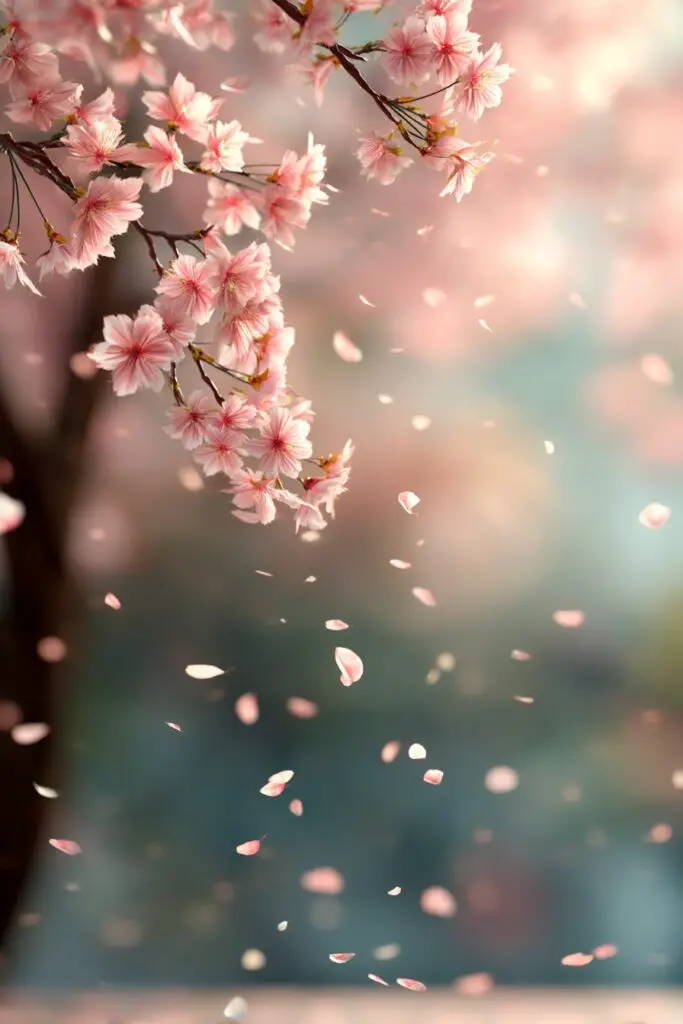
The sakura flower carries profound symbolism, particularly in Japanese culture. It is widely seen as a metaphor for the fleeting nature of life, reminding us of beauty’s impermanence and the importance of cherishing each moment. This idea is tied to a concept known as mono no aware, a sensitivity to ephemera that is deeply embedded in Japanese art, poetry, and philosophy.
Beyond impermanence, sakura also represents renewal and hope. Its seasonal return each year signals the end of winter and the beginning of spring, marking fresh starts and new possibilities for many people
Hanami: The Tradition of Flower Viewing
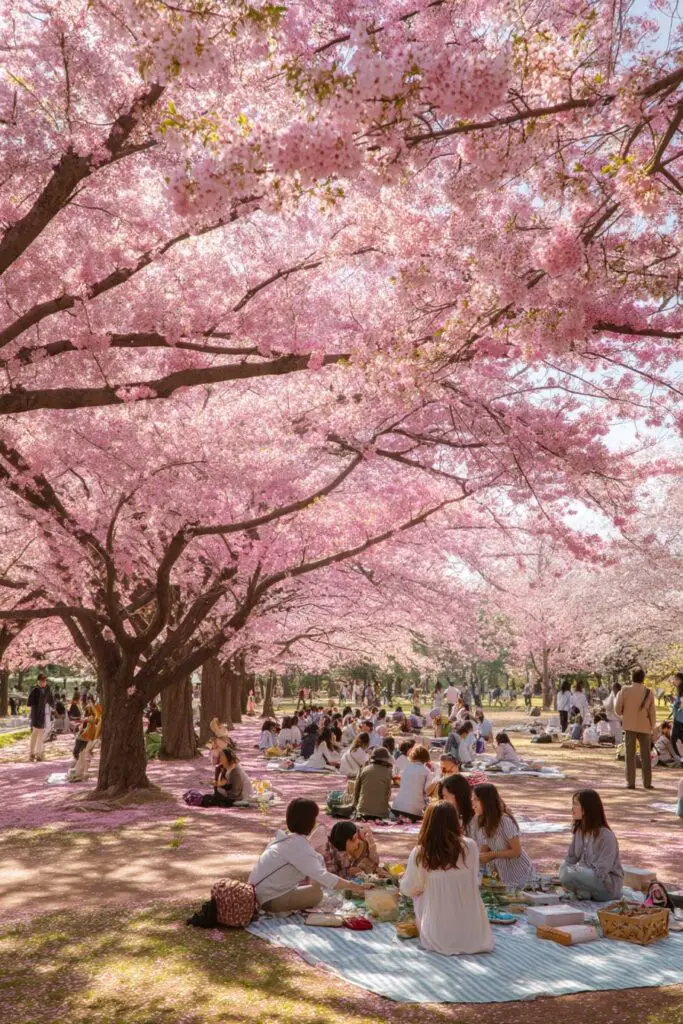
One of the most famous cultural practices associated with sakura is hanami, which means “flower viewing.” During cherry blossom season, people gather under blooming sakura trees for picnics, celebrations, and shared moments with family and friends.
Hanami dates vary by region and weather patterns, but in Japan, the main viewing period typically falls between late March and early May. This tradition has deep historical roots dating back centuries and remains a cornerstone of spring festivities today.
Popular Sakura Varieties
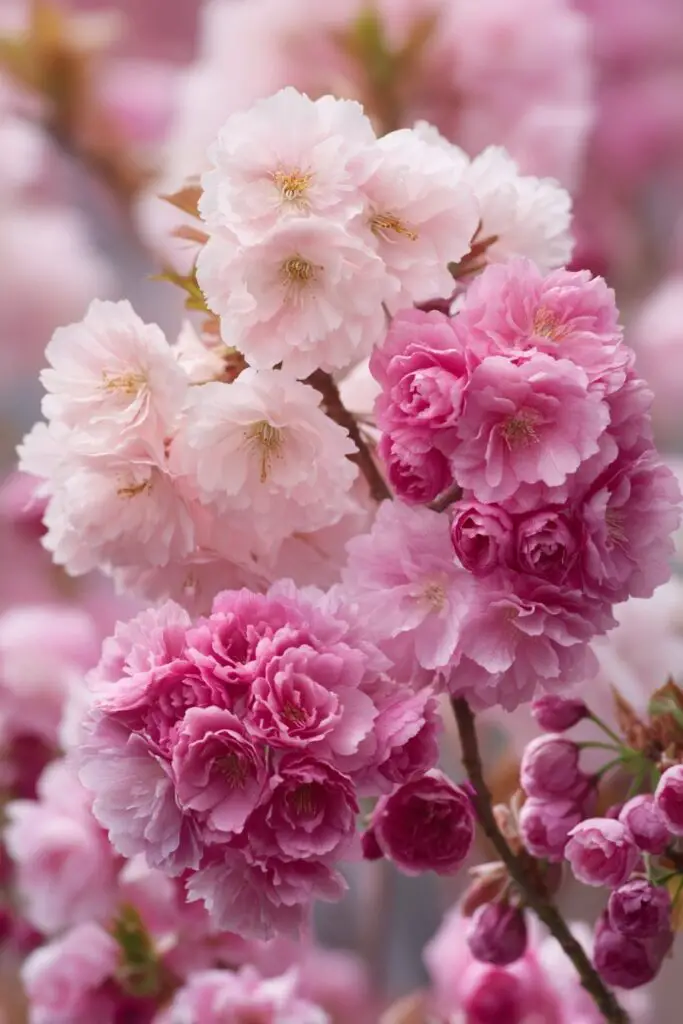
There are hundreds of sakura varieties, each with its own bloom shape, color, and flowering pattern. One of the most well-known is Somei Yoshino, which starts as pale pink buds and often appears nearly white at full bloom. Another striking variety is Kanzan, known for its dense clusters of vibrant pink blossoms.
Other cultivars may exhibit slightly different hues, petal counts, or growth habits, giving gardeners options based on their aesthetic preferences and climate conditions.
Growing Sakura in Your Garden
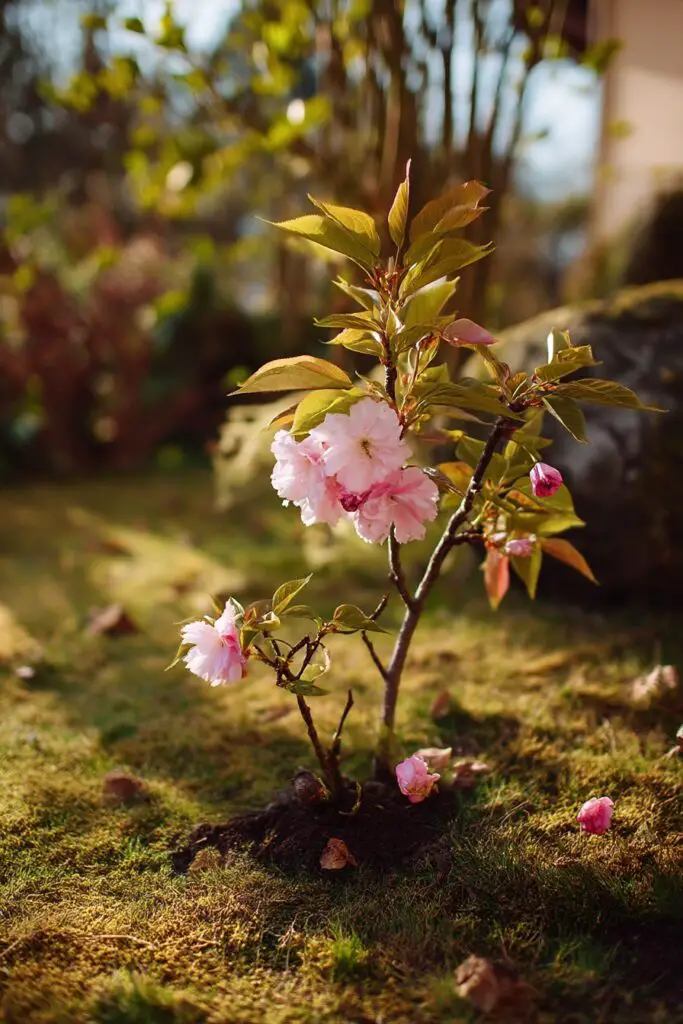
If you’d like to grow a sakura flower tree in your garden, it’s important to choose a variety that suits your climate and space. These ornamental cherries generally thrive in full sun and well-drained soil, where they can develop strong roots and produce stunning spring blooms.
While sakura trees prefer outdoor conditions, some dwarf or container-friendly varieties can be grown in large pots with proper winter care. Pruning after flowering and avoiding overwatering are key to maintaining tree health and encouraging repeat blooms in subsequent seasons.
Sakura in Art, Culture, and Daily Life
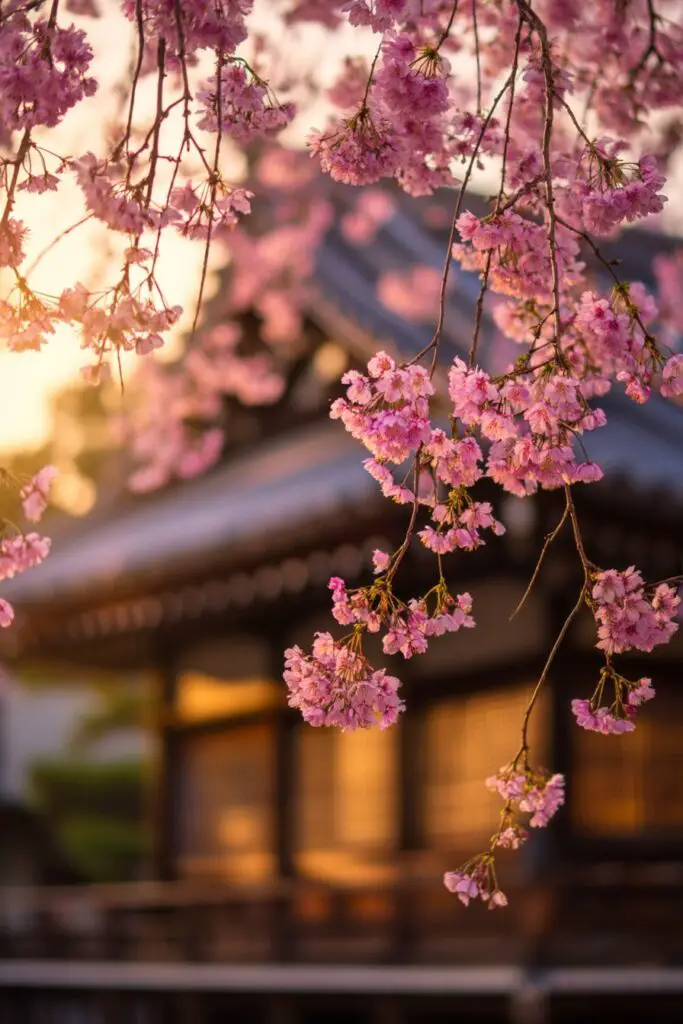
The sakura flower is more than just a garden tree — it’s woven into art, literature, and everyday life. In Japan and beyond, sakura imagery appears in poetry, paintings, and celebrations, often as a metaphor for beauty, hope, and the cycle of life.
Festivals, postcards, and traditional crafts frequently feature sakura motifs, and the flower’s cultural significance continues to resonate internationally each spring as people gather worldwide to admire its fleeting beauty.
Conclusion
From its role in ancient traditions to its presence in modern gardens, the sakura flower remains a timeless symbol of grace, renewal, and the delicate nature of life. Whether admired beneath its branches during hanami or planted in a garden to greet spring each year, sakura inspires a sense of wonder and calm in all who pause to appreciate its beauty.