
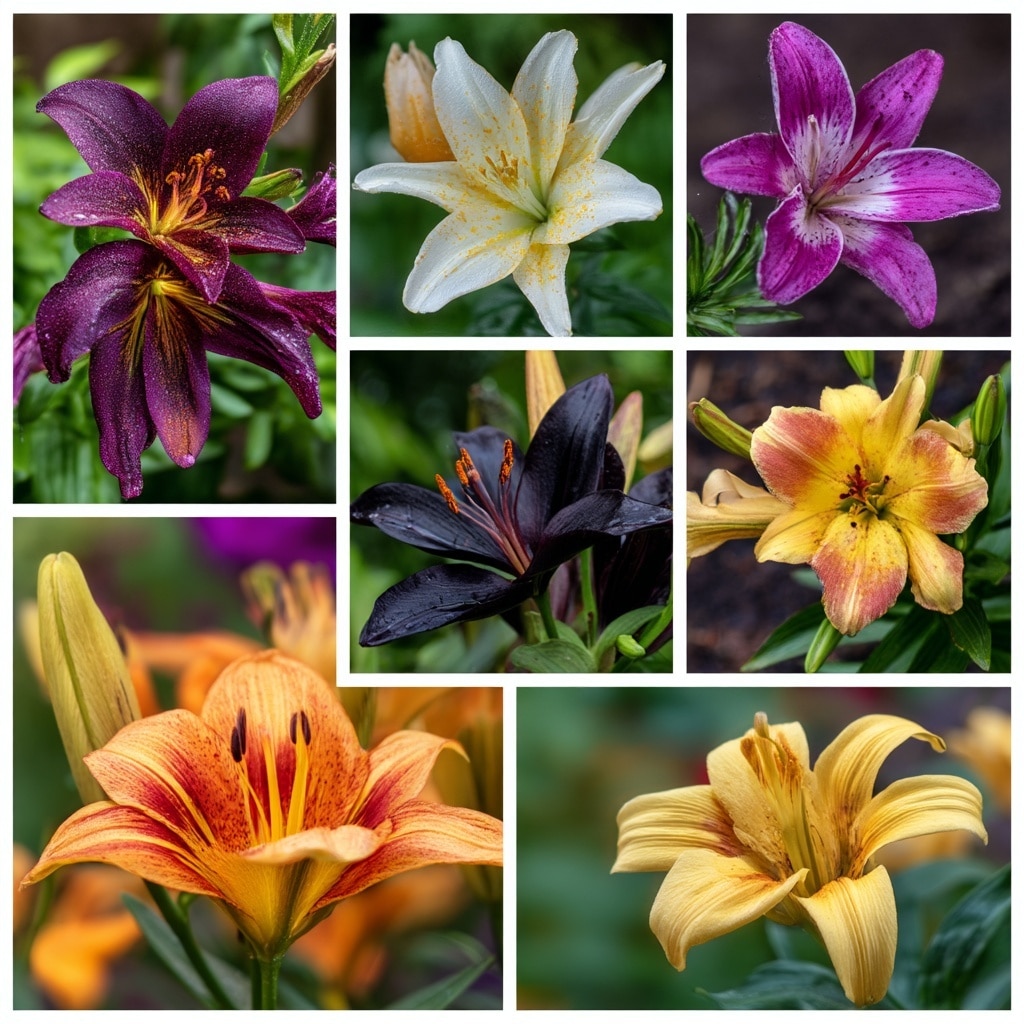
Lily flower lovers are often drawn to its graceful elegance, soft fragrance, and stunning diversity of colors. Whether blooming in a garden bed or arranged in a vase, lilies hold a timeless beauty that captivates flower enthusiasts and gardeners alike. But beyond their visual appeal, lily flowers carry deep meanings rooted in culture, history, and personal symbolism. From ancient myths to modern bouquets, these flowers continue to bloom with significance, offering messages of love, renewal, and remembrance across generations.
Table of Contents
Lily Flower Meaning & Symbolism

The lily flower is more than just a beautiful bloom — it’s rich with meaning. Across different cultures and throughout history, lilies have symbolized purity, renewal, and deep emotional connections. These flowers are often associated with fresh starts, making them a meaningful choice for weddings, new baby gifts, and other life transitions.
In many traditions, the lily flower represents rebirth and transformation. Its clean lines and elegant petals evoke a sense of clarity and grace, which is why it’s often included in memorial arrangements or healing ceremonies. For those looking to express heartfelt sympathy, a bouquet of white lilies gently conveys comfort and hope.
Beyond solemn moments, lilies also embody life’s joys and milestones. Whether you’re honoring an accomplishment, celebrating love, or simply brightening someone’s day, the lily flower communicates sincerity and thoughtfulness in a way few flowers can.
Lily Flower in Religion & Mythology
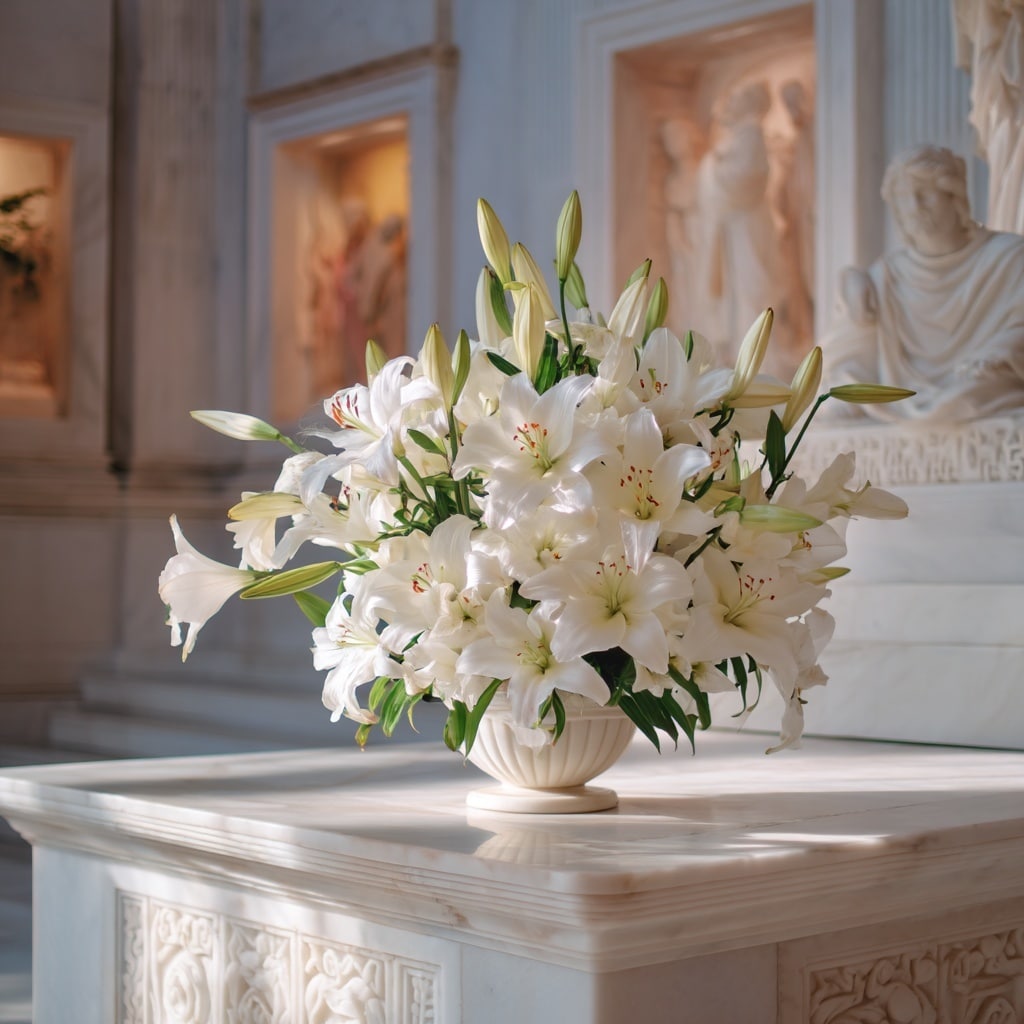
Throughout history, the lily flower has held sacred and symbolic significance in religious and mythological stories across cultures.
In Christian traditions, the white lily is often linked with the Virgin Mary, symbolizing purity, chastity, and divine grace. It’s also seen during Easter celebrations, representing resurrection and hope, honoring the belief in Jesus Christ’s rebirth. Some even believe lilies first grew in the Garden of Eden, said to have sprung from Eve’s tears — a poignant symbol of remorse and spiritual renewal.
In Greek mythology, the lily is connected to Hera, the queen of the gods. Legend tells that the lily flower was born from a few drops of her milk, giving the bloom its sacred essence. The Romans, on the other hand, believed the goddess Venus envied the lily’s purity so much that she added a pistil to the center, giving it a touch of sensuality.
These stories reveal how the lily flower bridges both the divine and the earthly, balancing innocence with power, and beauty with meaning.
Lily Flower Colours & Their Meanings
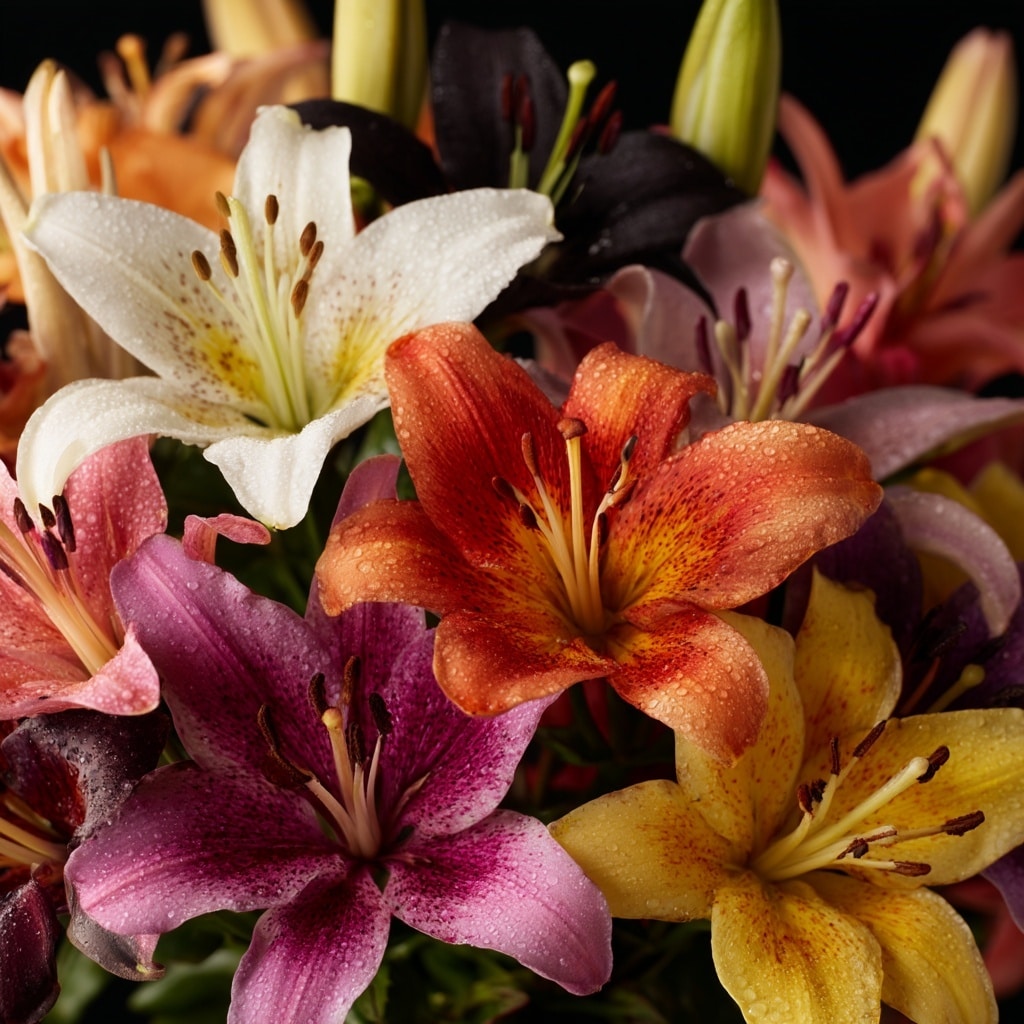
Color plays a powerful role in the message a lily flower sends. Each shade carries its own emotional weight, making it easy to match lilies with the right mood or occasion. Whether you’re gifting or gardening, knowing the meaning behind each color can turn a simple bloom into a thoughtful gesture.
White Lily
Symbolizing purity, peace, and renewal, white lilies are often seen at weddings, baptisms, and funerals. They express a sense of serenity and are widely used in sympathy bouquets to honor those who have passed.
Orange Lily
Vibrant and full of life, orange lilies radiate confidence, warmth, and respect. They make a bold gift for someone celebrating a personal achievement or milestone, such as a graduation or a new home.
Red Lily
More fiery than romantic roses, red lilies are linked with passion, desire, and devotion. Ideal for anniversaries or Valentine’s Day, these blooms speak the language of deep, heartfelt love.
Pink Lily
Gentle and affectionate, pink lilies express admiration, gratitude, and affection. They’re perfect for Mother’s Day, birthdays, or to show appreciation to someone special in a platonic or familial way.
Yellow Lily
As sunny as their color suggests, yellow lilies represent friendship, optimism, and happiness. These cheerful flowers are great for brightening someone’s day, especially if they’ve been feeling under the weather.
Purple Lily
A regal choice, purple lilies stand for dignity, pride, and admiration. They’re an elegant way to congratulate someone on a professional or academic success.
Black Lily
Though not truly black, these deep purple or maroon lilies symbolize mystery, elegance, and power. Striking in appearance, they’re best suited for dramatic floral arrangements or when you want to make a bold impression.
Using the right lily flower color lets your bouquet speak volumes, even without words.
Lily Flower History & Origins
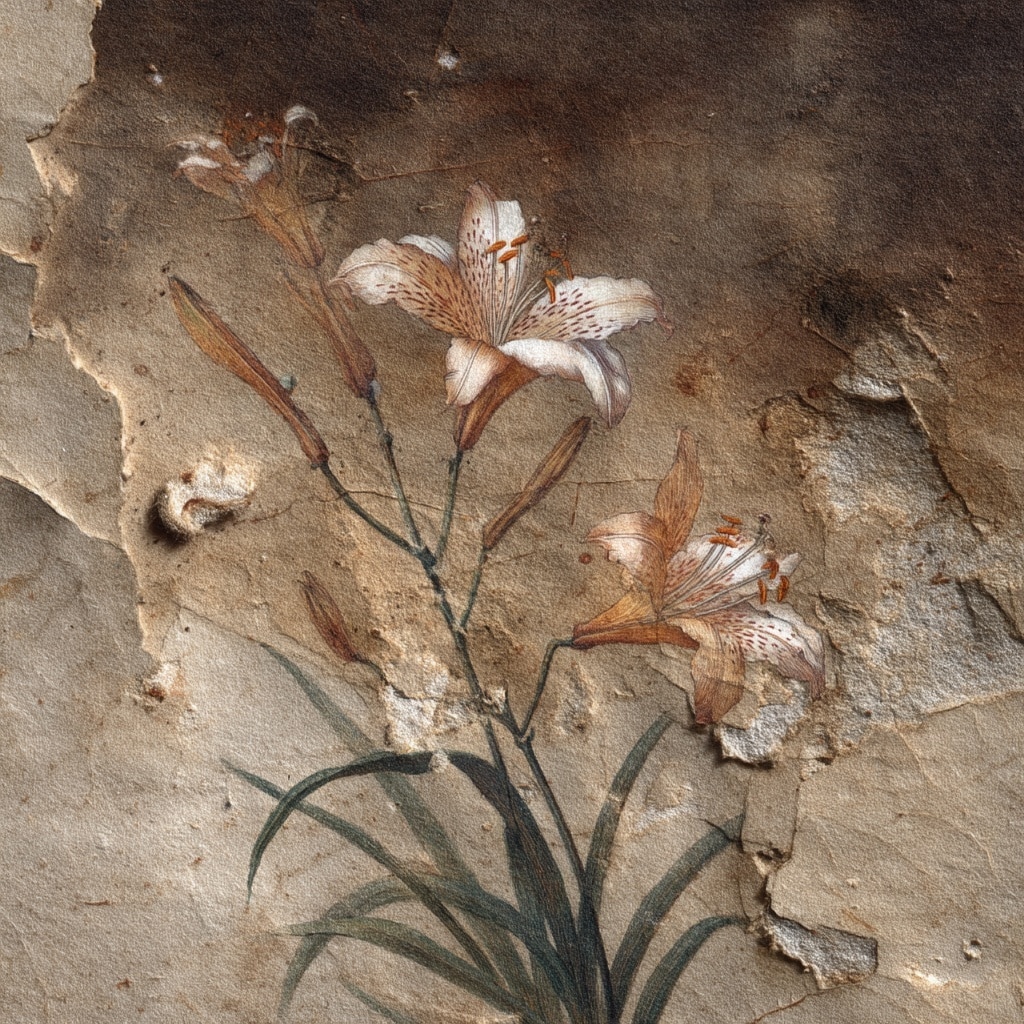
The lily flower has a history as rich as its beauty. Dating back thousands of years, lilies have appeared in ancient art, religious rituals, and medicinal practices across civilizations.
Archaeologists have found images of lilies in Minoan frescoes from Crete, painted as early as 1580 B.C. This early depiction shows how deeply lilies were admired, not just as garden plants but as cultural icons. In Ancient Rome and Greece, lilies were prized both for their symbolism and practical uses — from perfumes to healing salves.
Most wild lilies originated in temperate regions of the Northern Hemisphere, particularly in Asia, Europe, and North America. Countries like China, Japan, and Turkey have native lily species that have been cultivated for centuries. Today, The Netherlands is the world’s leading producer of lilies, shipping millions of stems globally each year.
Historically, lilies were rare and reserved for the elite. That changed in the mid-20th century, when Dutch horticulturist Jan de Graaff developed hardier hybrids. These new varieties made the lily flower more accessible to home gardeners and florists alike, helping spread its popularity around the world.
From sacred temples to modern patios, the lily’s legacy continues to grow — one bloom at a time.
Lily Flower Hybrids & Common Types
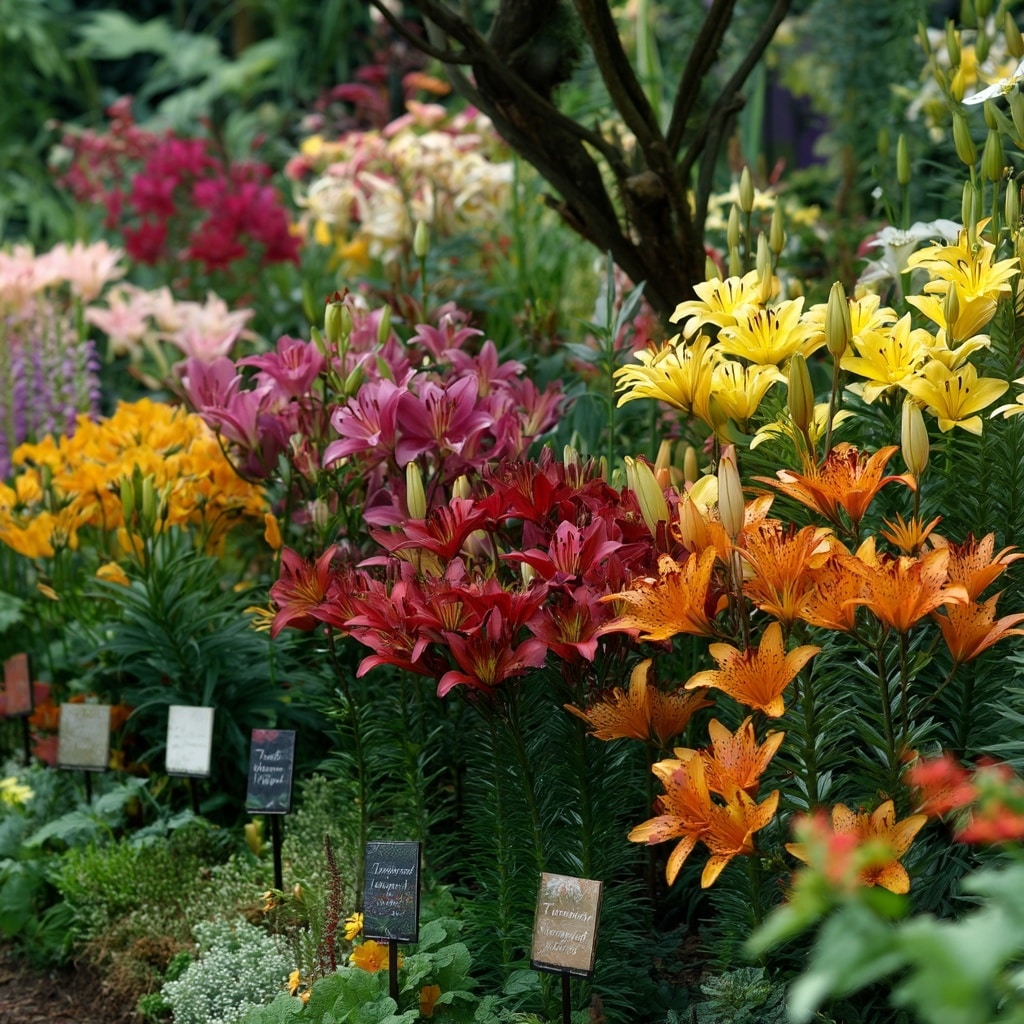
Thanks to years of careful breeding, the lily flower now comes in a wide array of hybrids that are more vibrant, diverse, and garden-friendly than their wild ancestors. These hybrids are categorized into divisions based on their genetic background, blooming season, and physical traits. Knowing the types can help gardeners choose the best lilies for their space, style, and climate.
Asiatic Lilies (Division I)
- Among the easiest lilies to grow, Asiatic varieties are hardy and come in nearly every color except blue.
- They typically have no fragrance, making them great for those sensitive to scents.
- Ideal for beginners or anyone seeking reliable blooms in early summer.
Oriental Lilies (Division VII)
- Known for their large blooms and strong fragrance, Oriental lilies bloom later in the season.
- Favorites like the Stargazer lily fall under this group.
- Perfect for adding fragrance and drama to a garden or bouquet.
Trumpet & Aurelian Lilies (Division VI)
- These lilies feature trumpet-shaped flowers and tall stems.
- They often have a sweet scent and come in pastel and golden shades.
- Good for adding vertical height to borders or arrangements.
Longiflorum Lilies (Division V)
- Best known for the Easter lily, these pure white blooms have a refined elegance.
- They are slightly more delicate but highly valued in religious ceremonies and formal bouquets.
Martagon Lilies (Division II)
- Recognized by their turk’s cap-shaped blooms, Martagon lilies are great for woodland gardens.
- They offer a more natural, wildflower look and can bloom with dozens of flowers per stem.
Candidum Hybrids (Division III)
- Includes many European varieties such as the Madonna lily.
- These have a historical reputation for their use in both gardens and ancient medicine.
Each hybrid group brings its own unique charm, but they all share the unmistakable elegance of the lily flower — making it easy to find a type that fits your garden style or gift-giving needs.
Flowers Called Lilies (That Aren’t Actually Lilies)
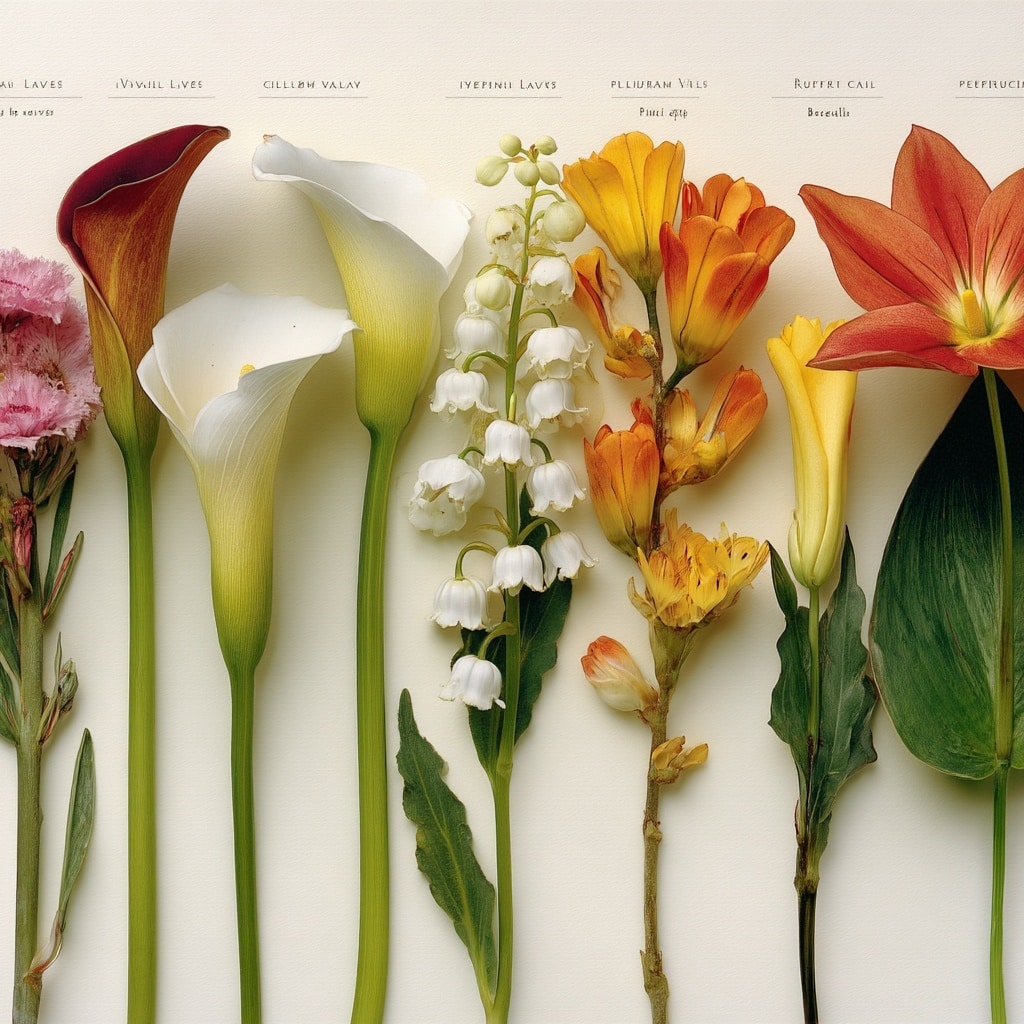
While many flowers are commonly referred to as “lilies,” not all of them belong to the Lilium genus — the only group that produces true lily flower species. These imposters may share similar names or appearances, but botanically, they come from entirely different plant families.
Here are some well-known non-lilies often mistaken for true lilies:
Calla Lily
- Belongs to the Zantedeschia genus.
- Known for its sleek, trumpet-shaped flowers and is often used in weddings and elegant arrangements.
Lily-of-the-Valley
- A fragrant woodland plant in the Convallaria genus.
- Despite the name, it’s not a true lily and is actually related to asparagus.
Peruvian Lily (Alstroemeria)
- Native to South America, this long-lasting flower is a florist favorite.
- It features freckled petals and a lily-like appearance but belongs to the Alstroemeriaceae family.
Water Lily
- These floating blooms come from the Nymphaeaceae family.
- Their aquatic habitat and structure are completely different from the garden-growing lily flower.
Gymea Lily
- Native to Australia and part of the Doryanthes genus.
- Known for its dramatic, tall flower stalks, but not related to true lilies.
Even tulips, though not called lilies, are distant cousins within the broader Liliaceae family.
Understanding the distinction helps gardeners and flower lovers choose the right plant for their landscape or occasion — and prevents surprises when it comes to care needs or seasonal blooms.
Medicinal Uses of the Lily Flower
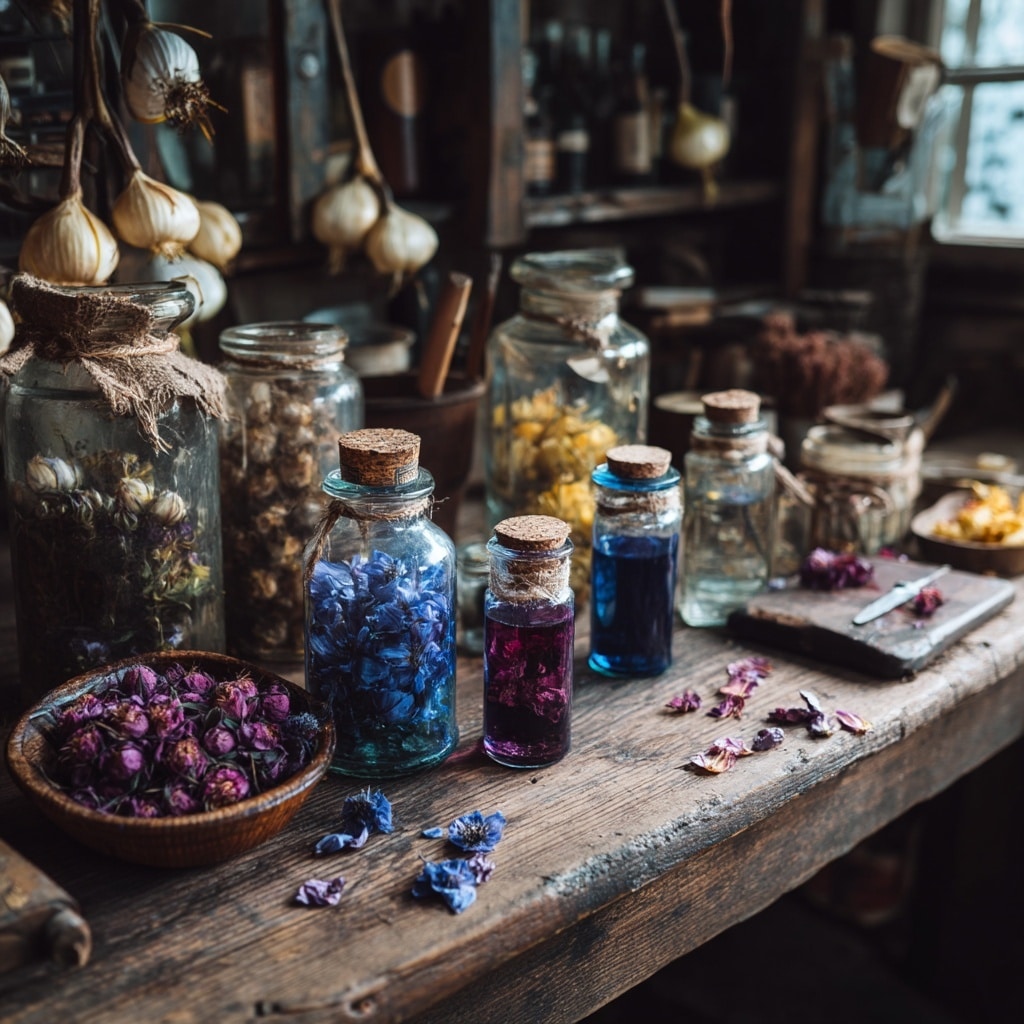
Beyond its ornamental value, the lily flower has long been used in traditional medicine. Ancient civilizations prized lilies not just for beauty, but for their believed healing properties — many of which are still explored in herbal and natural remedies today.
Historically, bulbs from certain lily species, especially the Madonna lily (Lilium candidum), were used to create soothing ointments for burns, ulcers, and skin irritations. These ointments were popular in Anatolia and ancient Greece, where lily extracts were believed to support tissue repair and reduce inflammation.
In Chinese medicine, dried lily bulbs are thought to promote calmness and nourish the lungs. They’ve been used to treat dry coughs, reduce anxiety, and support heart health. Some remedies even include lily tea as a tonic for skin and aging, claiming it helps reduce wrinkles and improve complexion.
Additional uses in folk medicine include:
- Easing childbirth contractions
- Reducing mouth inflammation (as part of a mouthwash)
- Soothing eye conditions like sensitivity or conjunctivitis
- Supporting healthy circulation and heart rhythm
While some of these applications stem from centuries of anecdotal use, it’s important to remember that lilies are not a substitute for medical treatment. Always consult a healthcare professional before using lily flower preparations in any therapeutic way.
Are Lily Flowers Edible?
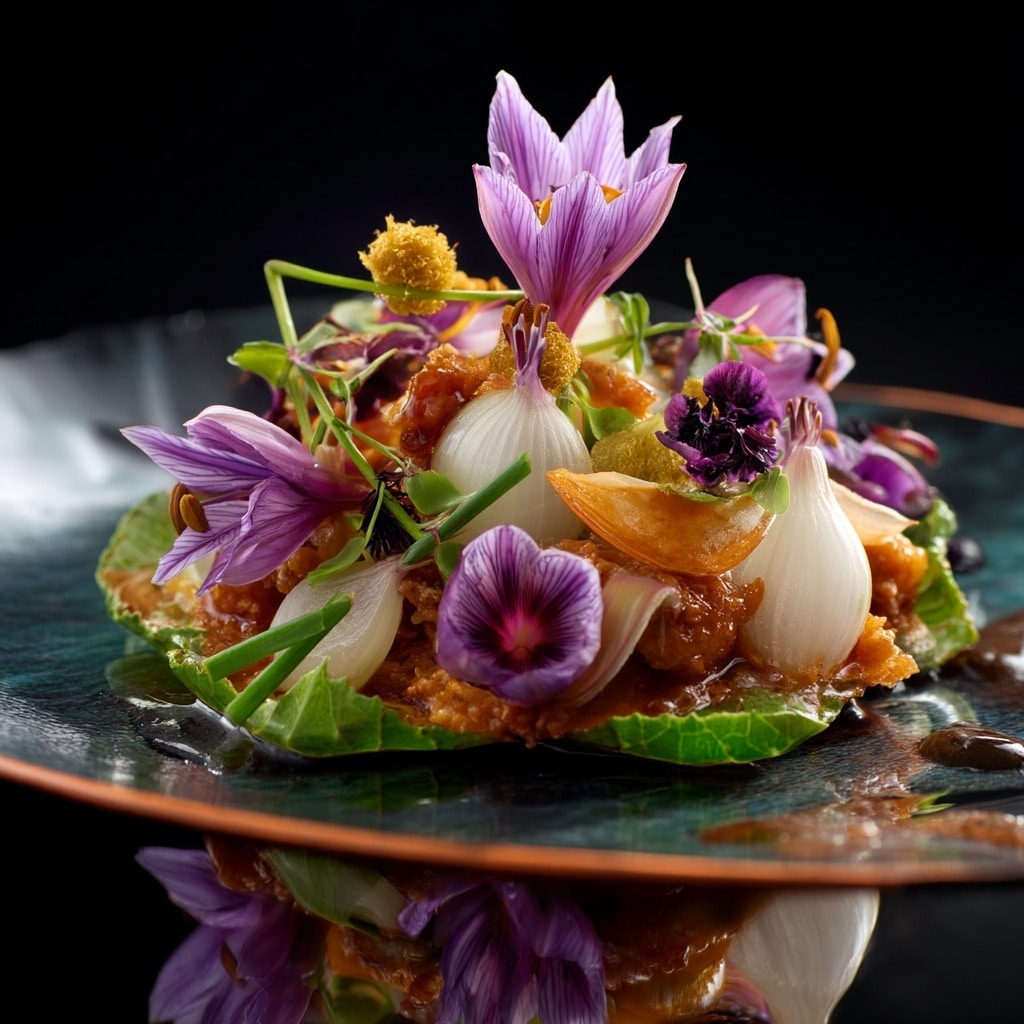
Surprisingly, the lily flower is not just a feast for the eyes — in many cultures, it’s also a part of the actual menu. True lilies from the Lilium genus are entirely edible, and all parts of the plant — petals, bulbs, shoots, and leaves — can be safely consumed if grown organically and free of pesticides.
In Asian cuisines, particularly Chinese cooking, dried lily bulbs are used as flavor enhancers in soups, stir-fries, and steamed dishes. They’re not only valued for their mild, slightly sweet taste but are also believed to promote digestive health and calm the spirit.
Popular culinary uses include:
- Adding lily petals to salads for color and texture
- Mixing shoots and buds into broths or hot pots
- Creating herbal teas from dried petals or bulbs, especially for skincare and anti-aging
One well-loved recipe is Hakka-style steamed chicken with dried lilies, which combines the plant’s gentle flavor with savory ingredients for a nourishing meal.
Important note: Only consume lily flowers that are specifically grown for eating. Never eat lilies from bouquets or florists, as they may have been treated with harmful chemicals. When in doubt, source your edible lilies from reputable growers or specialty markets.
So yes, the lily flower can delight your palate as well as your garden — just handle with care and awareness.
Are Lily Flowers Toxic to Pets?
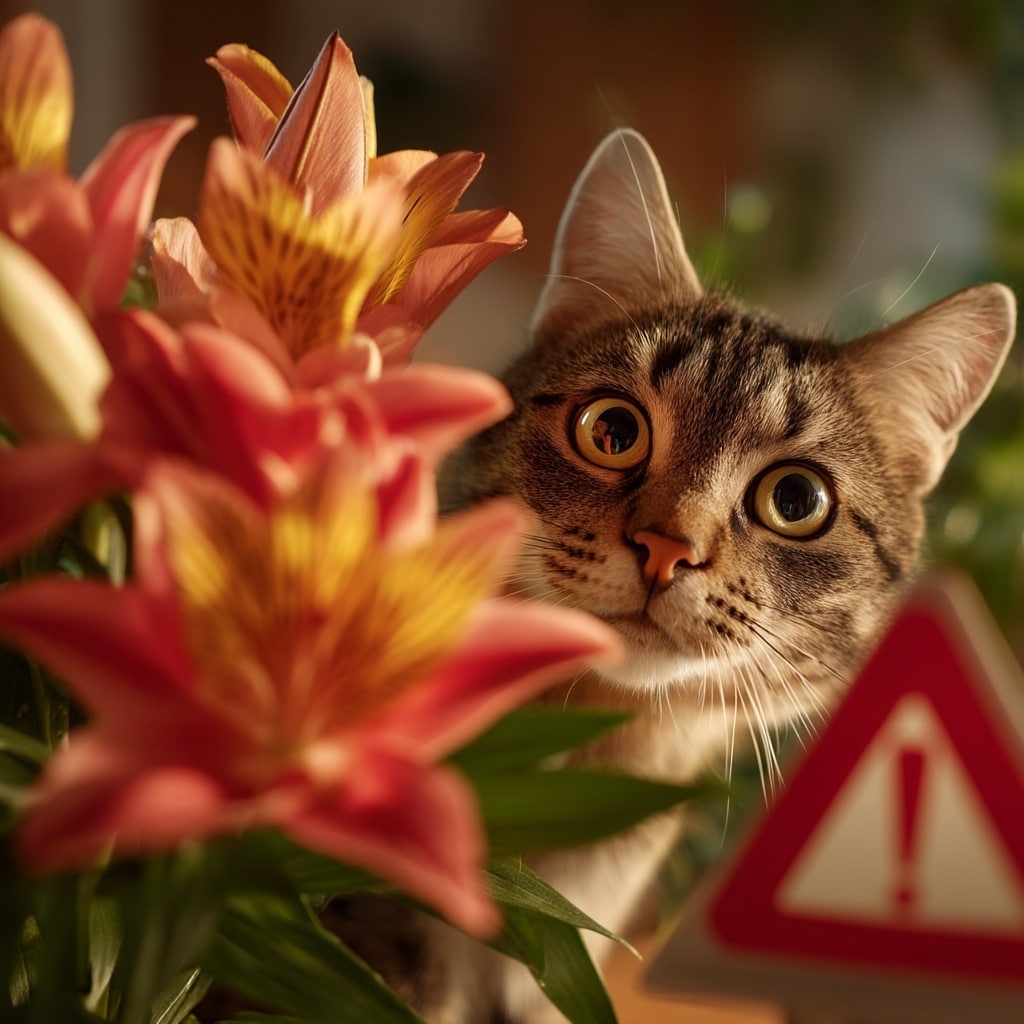
While the lily flower is edible and safe for humans when properly grown, it’s a completely different story for pets — especially cats. In fact, true lilies (Lilium species) are considered extremely toxic to felines. Even a small exposure, such as licking pollen off their fur or drinking vase water containing lilies, can lead to acute kidney failure.
All parts of the lily — petals, stems, leaves, pollen, and even the water they sit in — pose a risk to cats. Symptoms of poisoning can begin within hours and include vomiting, lethargy, and loss of appetite. If left untreated, lily toxicity can be fatal.
Here’s what you need to know:
- Immediate veterinary attention is crucial if your cat comes into contact with a lily.
- Dogs and horses may also experience discomfort or toxicity, though typically less severe than in cats.
- Keep lily bouquets, planters, and garden beds out of reach or opt for pet-safe alternatives if you live with animals.
As beautiful as the lily flower is, it’s vital to think about safety before bringing it into a home with pets. When gifting lilies, always check whether the recipient has cats — better safe than sorry.
Popular Hybrid Lily Varieties
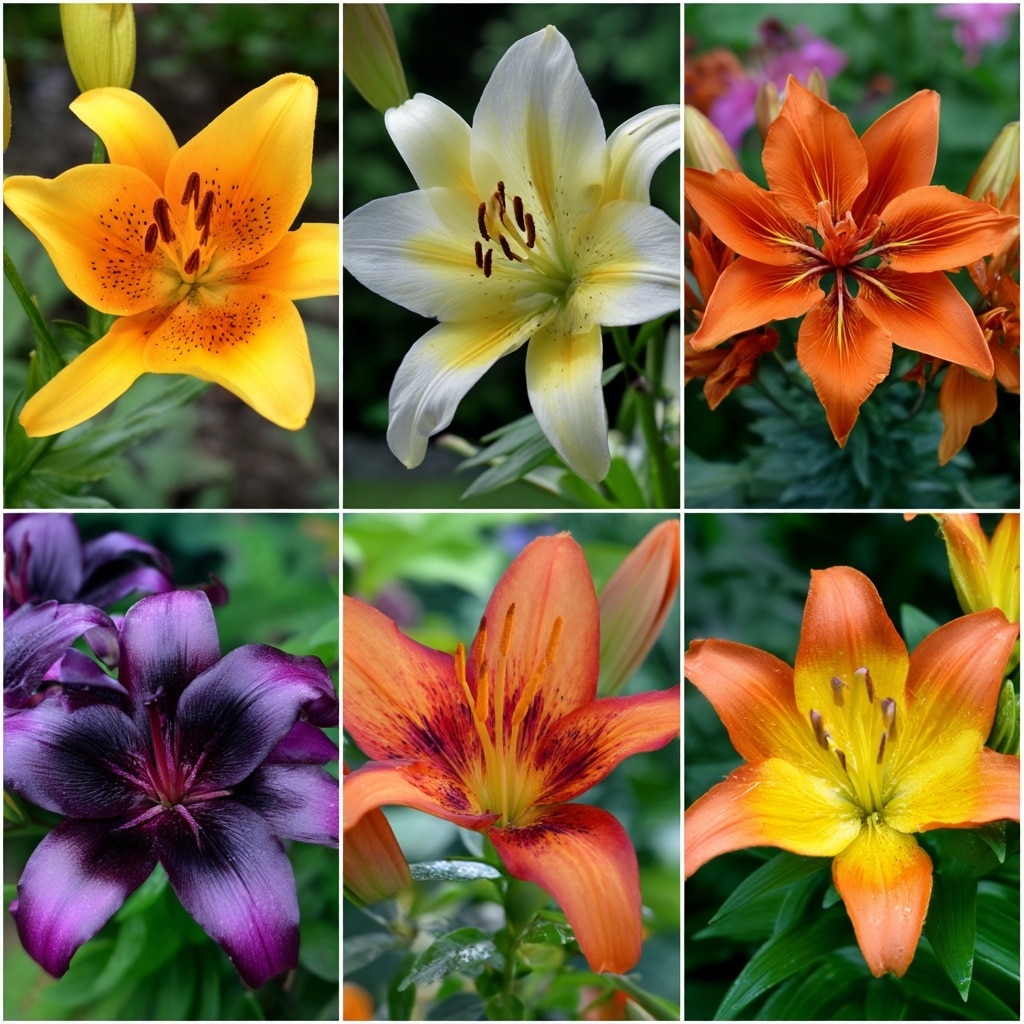
Modern hybridization has given rise to a stunning array of lily flower varieties, each with its own unique color, fragrance, and bloom style. These hybrids have made lilies more accessible and adaptable to gardens around the world. Whether you’re planting a show-stopping bed or assembling a bouquet, these varieties offer something for every taste.
Stargazer (Oriental Hybrid)
- One of the most iconic lilies, Stargazer blooms in vivid pink with white edges.
- Known for its strong fragrance and upward-facing petals.
- A popular choice for romantic gifts and dramatic garden displays.
Casablanca (Oriental Hybrid)
- Features large, milky white flowers with a heady perfume.
- Often used in weddings and formal events for its timeless elegance.
Magic Star (Double Oriental Lily)
- Unique with double-layered, ruffled petals and no pollen — less mess, same beauty.
- A luxurious choice for bouquets and allergy-sensitive homes.
Red Eye (Oriental Hybrid)
- Boasts bold, fire-red petals with white accents.
- Offers a captivating scent and intense visual impact.
Vermeer (Asiatic Hybrid)
- Soft pastel pink petals fading into white centers.
- A delicate and feminine addition to any floral arrangement.
Black Charm (Asiatic Hybrid)
- Deep, almost-black burgundy blooms with a glossy finish.
- Ideal for adding depth and contrast to gardens or bouquets.
Pearl Mixed Lily (Asiatic Hybrid)
- Offers a blend of soft pink, yellow, and white blooms in one plant.
- Adds cheerful variety and is perfect for sunny borders.
Orange Marmalade (Martagon Hybrid)
- Displays vivid mandarin-orange blooms with recurved petals.
- Up to 30 blossoms per stem — great for woodland or cottage gardens.
Manitoba Morning (Martagon Hybrid)
- Striking pink-red petals with creamy yellow centers.
- Can bloom up to 50 flowers per stem, creating a chandelier effect.
Arabian Knight (Martagon Hybrid)
- Two-toned with rich mahogany and golden hues.
- Downward-facing blooms add drama and elegance.
Fairy Morning (Martagon Hybrid)
- Whimsical pink blossoms that fade to peach.
- Often described as looking like “dancing fairies.”
Whether you’re seeking fragrance, color variety, or garden height, these hybrids ensure the lily flower remains one of the most beloved perennials in modern horticulture.
How to Care for Lily Flowers
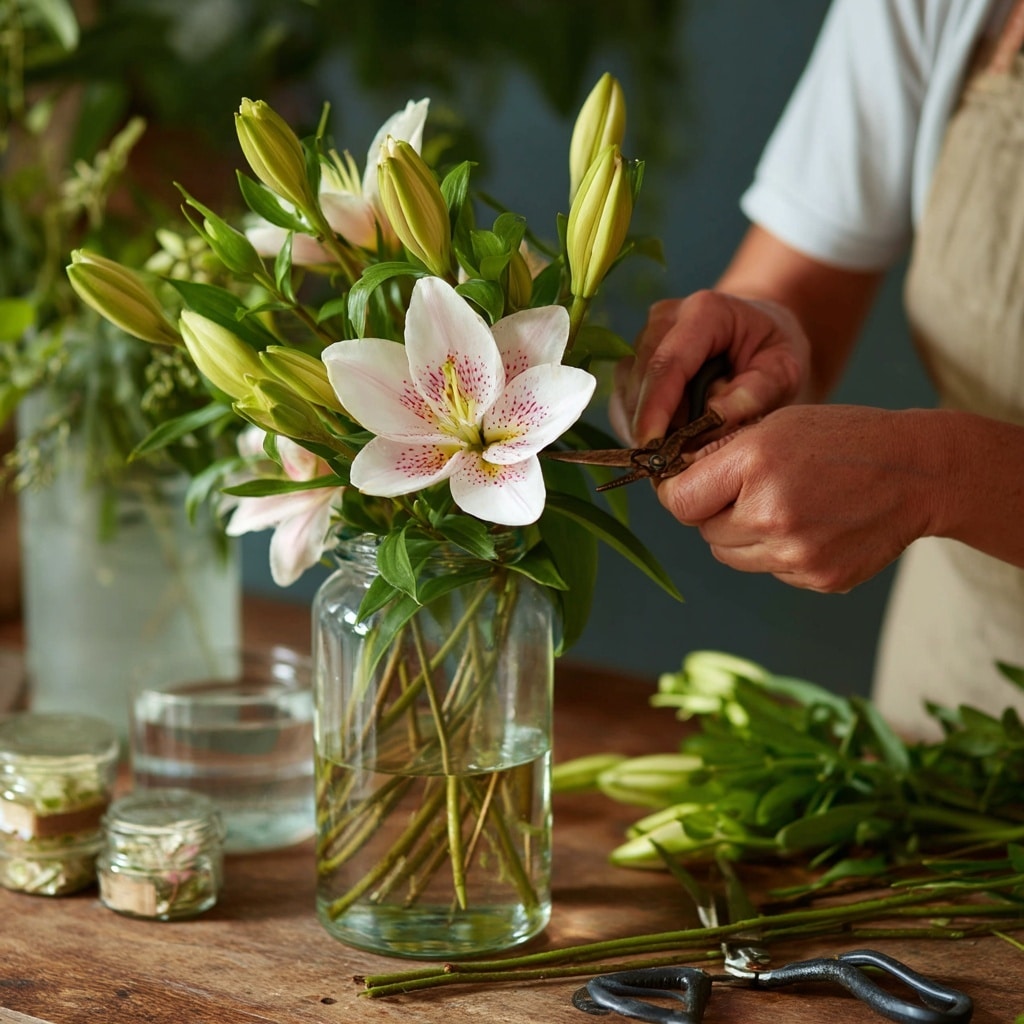
Proper care helps the lily flower thrive — whether you’re nurturing them in a garden bed or arranging them in a vase. Thankfully, lilies are relatively low-maintenance, but a few key steps can keep them looking their best for weeks.
For Cut Lilies (Bouquets & Arrangements):
- Start with clean, lukewarm water. Fill your vase and let the stems drink as you prepare them.
- Trim the stems at a 45-degree angle while submerged in water to prevent air bubbles and promote water uptake.
- Remove any leaves below the waterline to prevent rot and bacterial growth.
- Add flower food or a homemade mix of lemon juice, sugar, and a small amount of bleach to keep the water fresh.
- Once blooms open, you can trim off the anthers (pollen-holding parts) to avoid staining furniture and fabrics.
- Place the vase away from direct sun, heaters, or air conditioning for longer-lasting flowers.
- Change the water every 2–3 days and retrim stems if needed.
For Garden Lilies:
- Choose a sunny spot with well-drained soil.
- Plant bulbs in early spring or fall, about 4–6 inches deep depending on the variety.
- Water regularly, but avoid overwatering — lilies dislike soggy roots.
- Add mulch to retain moisture and protect from heat.
- Stake taller varieties to prevent bending or breaking in wind.
- After blooming, allow the leaves to yellow and die back naturally. This helps the bulb store energy for next year.
With just a little care, your lily flower display can be a vibrant, fragrant feature in your home or garden for many seasons.
Why Gift a Lily Bouquet?
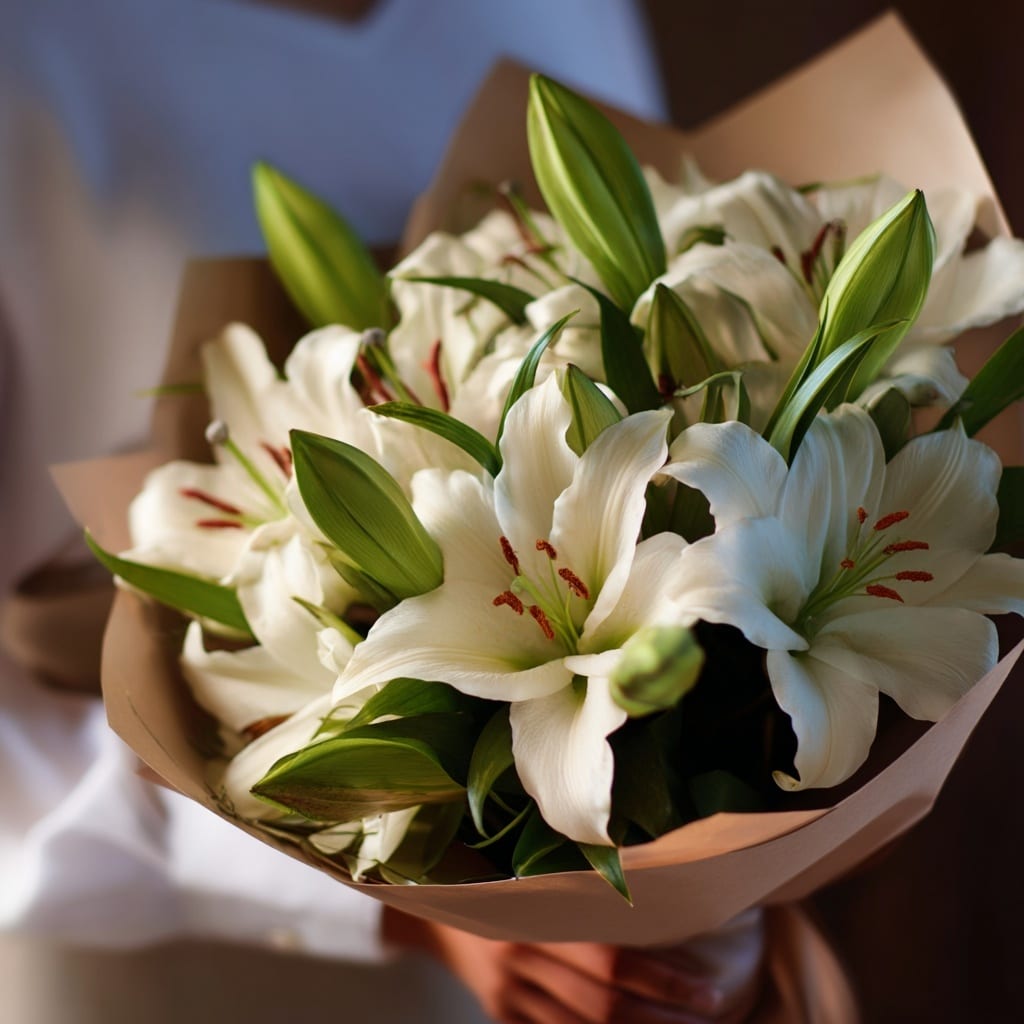
A bouquet of lily flowers is more than a beautiful gesture — it’s a thoughtful, symbolic gift that suits nearly every meaningful occasion. Thanks to their wide range of colors and rich meanings, lilies allow you to express specific emotions in a deeply personal way.
Here’s why lilies make an excellent gift choice:
✅ For Sympathy & Remembrance
- White lilies are the traditional go-to for funerals or moments of loss.
- They express purity, peace, and hope — offering comfort without needing words.
✅ For Love & Romance
- Red or pink lilies are a romantic alternative to roses.
- Their large blooms and strong fragrance make them ideal for Valentine’s Day, anniversaries, or declarations of love.
✅ For Celebrations
- Purple and orange lilies convey pride, excitement, and admiration — perfect for graduations, promotions, or housewarmings.
- Yellow lilies are ideal for cheering up a friend or celebrating friendship.
✅ For Special Occasions
- Mother’s Day: Pink lilies show appreciation and affection.
- Christmas: A mix of red and white lilies adds festive charm.
- New baby or wedding: Cream or white lilies symbolize new beginnings and joy.
Before sending, always check if the recipient has pets — especially cats, as lilies are highly toxic to them. If in doubt, opt for a safer alternative or a digital floral gift card.
With their elegance, symbolism, and fragrance, the lily flower is a timeless way to express care and emotion across all of life’s milestones.
Conclusion
The lily flower is more than just a pretty bloom — it’s a powerful symbol woven through centuries of tradition, myth, and human emotion. Whether you’re admiring it in the garden, sending a bouquet to a loved one, or discovering its culinary or medicinal potential, lilies offer a unique blend of beauty and meaning.
From bold hybrid varieties to subtle white classics, every lily flower has a story to tell. As you explore this stunning bloom, let its elegance remind you of life’s many transitions — and the quiet strength that lies in fresh starts.