
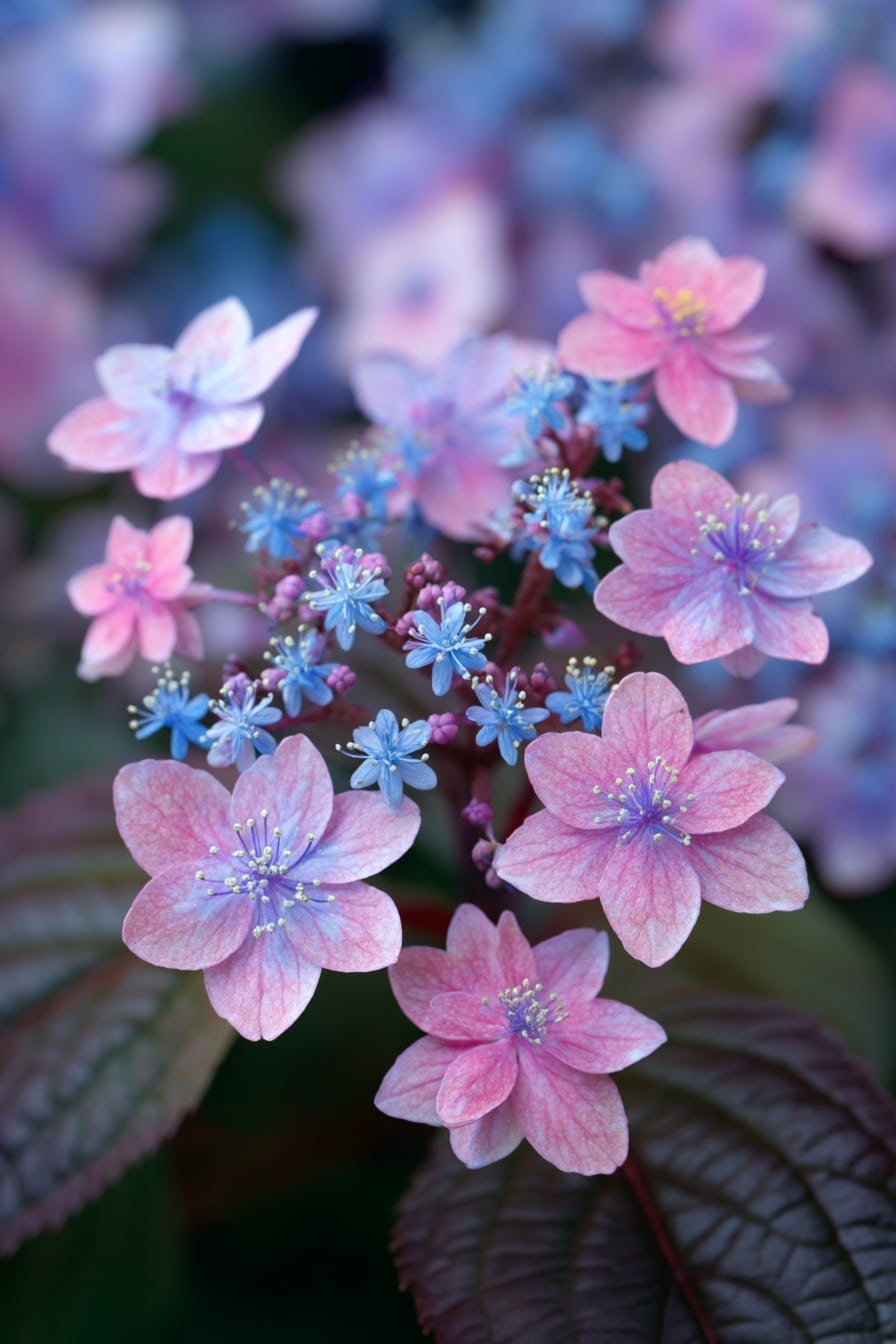
Hydrangeas are one of the most beloved flowering shrubs in home gardens, admired for their bold blooms, wide variety of colors, and long-lasting seasonal appeal. Whether you’re looking to brighten up a shaded corner, add texture to a mixed border, or bring elegance to a trellis or wall, hydrangeas offer endless design potential.
With several species that thrive in different climates and conditions, choosing the right type of hydrangeas can elevate the look and feel of your entire landscape. Let’s take a closer look at six distinctive varieties that add both beauty and botanical interest to gardens of all sizes.
Table of Contents
1. Bigleaf Hydrangeas (Hydrangea macrophylla)

Bigleaf hydrangeas are perhaps the most iconic and widely recognized variety, known for their lush, rounded flower heads that bloom in shades of blue, pink, or even purple. These shrubs typically grow between 3 to 6 feet tall and wide, making them ideal for foundation plantings, borders, or standalone features.
There are two main flower types: mophead, with large globe-shaped blooms, and lacecap, which has flat clusters surrounded by larger outer florets. Bigleaf hydrangeas thrive in partial shade and require well-drained, moisture-retentive soil.
Their bloom color is influenced by soil pH: acidic soils yield blue flowers, while alkaline conditions bring out pink tones—an appealing trait for gardeners seeking dynamic, adaptable color in their landscape hydrangeas.
2. Mountain Hydrangeas (Hydrangea serrata)
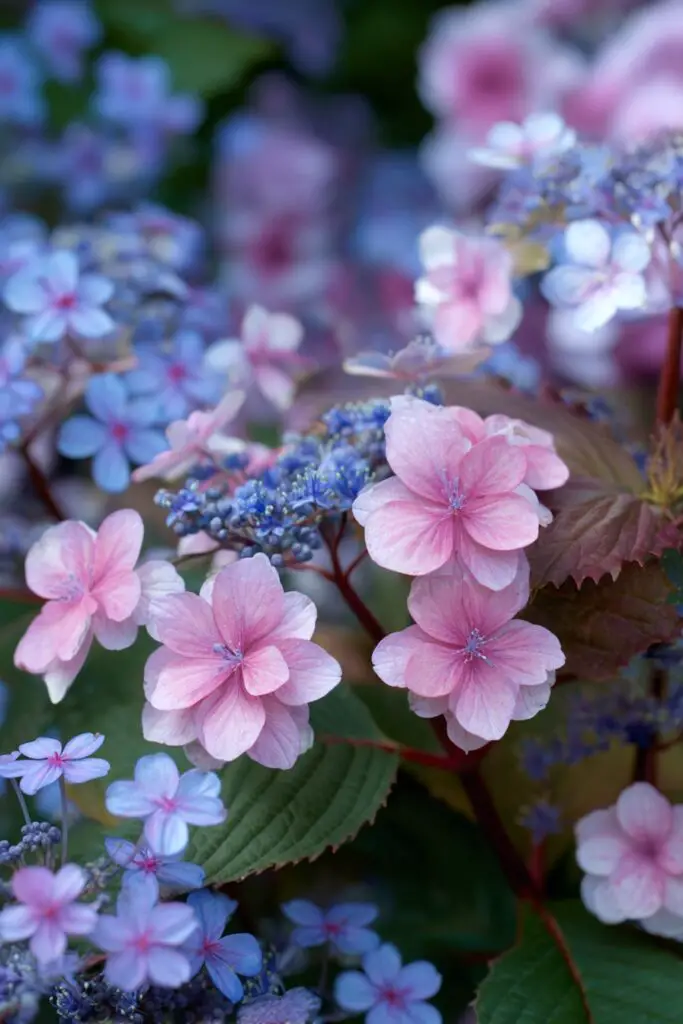
Mountain hydrangeas are closely related to bigleaf varieties but are more compact and cold-hardy, making them perfect for smaller gardens or cooler climates. Native to mountainous regions of Korea and Japan, these shrubs offer delicate lacecap blooms and finely textured foliage.
They typically grow 2 to 4 feet in height and are ideal for borders, cottage gardens, or mixed shrub plantings. Their blooms appear in soft shades of pink, lavender, or blue depending on soil pH, just like bigleaf varieties.
Mountain hydrangeas bloom on old wood, so pruning should be minimal to avoid cutting off next year’s flowers. Their size and subtle elegance make them an excellent choice for gardeners seeking low-key yet refined hydrangeas for smaller spaces.
3. Panicle Hydrangeas (Hydrangea paniculata)
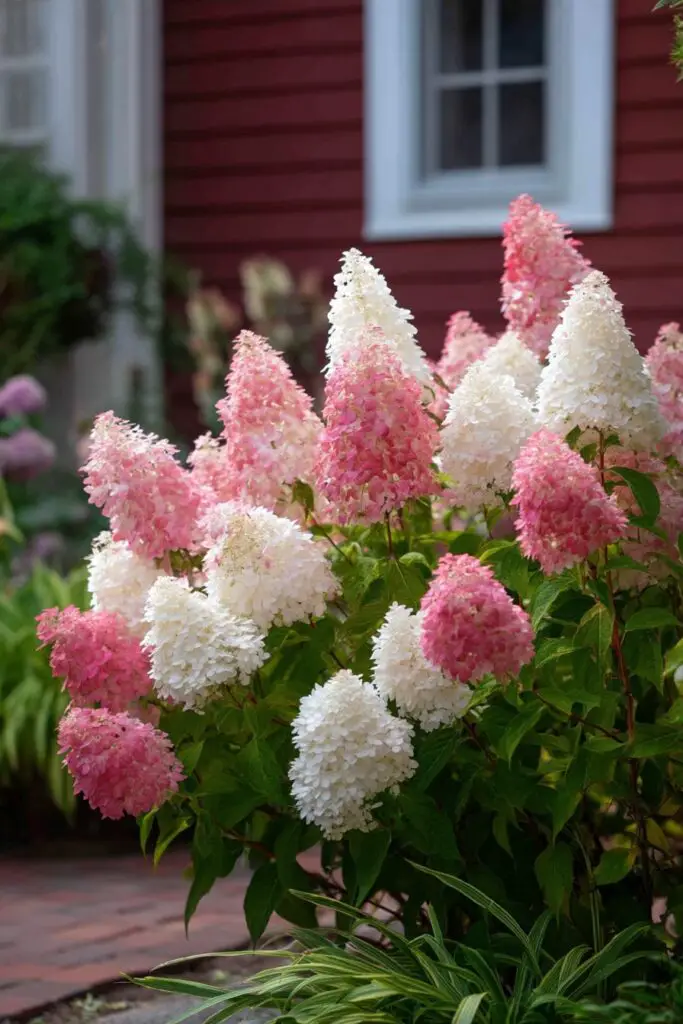
Panicle hydrangeas stand out with their elongated, cone-shaped flower clusters and impressive adaptability. They thrive in full sun to partial shade and are far more tolerant of heat and pruning than many other types.
These hydrangeas bloom in mid to late summer with creamy white flowers that gradually turn pink or even deep rose as the season progresses. Some cultivars, like ‘Limelight’ and ‘Pinky Winky,’ are prized for their color transitions and upright growth habits.
Panicle hydrangeas can grow anywhere from 6 to 15 feet tall, depending on the variety and pruning. Their sturdy stems and dramatic blooms make them a striking anchor plant in large garden beds or along property lines. They are among the most reliable hydrangeas for sunny spots.
4. Smooth Hydrangeas (Hydrangea arborescens)
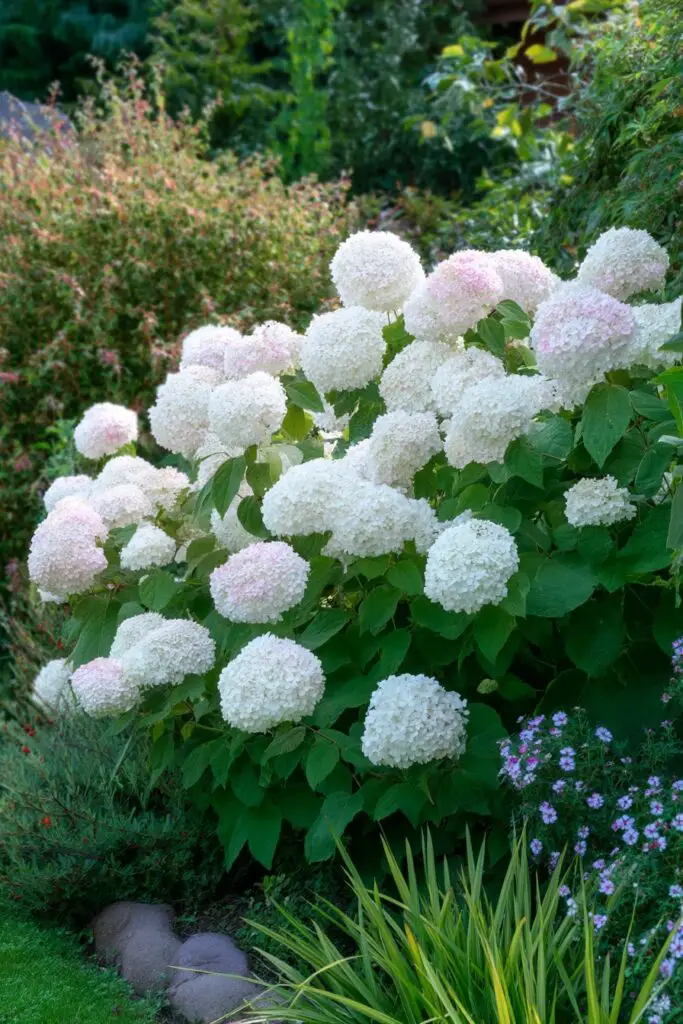
Smooth hydrangeas are native to the eastern United States and are prized for their resilience, making them an excellent option for gardeners in a variety of climates. They bloom on new wood, which means they flower reliably each year—even after harsh winters or heavy pruning.
One of the most well-known cultivars is ‘Annabelle,’ celebrated for its massive, round white flower heads that can reach up to 12 inches across. These blooms emerge in late spring or early summer and often continue through fall with proper care.
Smooth hydrangeas grow to about 3 to 5 feet tall and perform best in partial shade with rich, well-drained soil. Their bold presence and dependable blooming habit make them standout hydrangeas for low-maintenance, high-impact garden borders.
5. Oakleaf Hydrangeas (Hydrangea quercifolia)
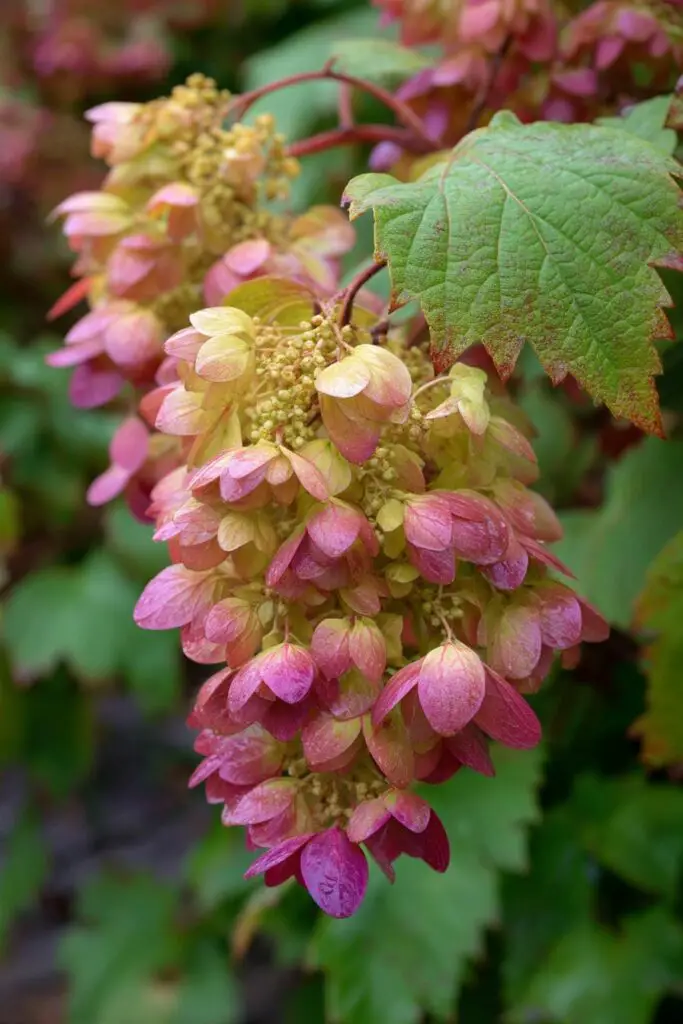
Oakleaf hydrangeas bring four-season appeal to the garden with their distinctive foliage, cone-shaped blooms, and rich fall color. Named for their lobed leaves that resemble those of oak trees, these native U.S. shrubs provide visual interest long after the flowers have faded.
They typically bloom in early summer with large white panicles that gradually blush pink as the season progresses. In autumn, the foliage turns vibrant shades of red, orange, and burgundy, adding dramatic color to any landscape.
Oakleaf hydrangeas grow between 4 and 8 feet tall and thrive in part shade with well-drained soil. They’re ideal for woodland gardens, sloped terrain, or as a bold accent in shaded borders. These hydrangeas offer texture, seasonal variety, and natural elegance in every setting.
6. Climbing Hydrangeas (Hydrangea anomala subsp. petiolaris)
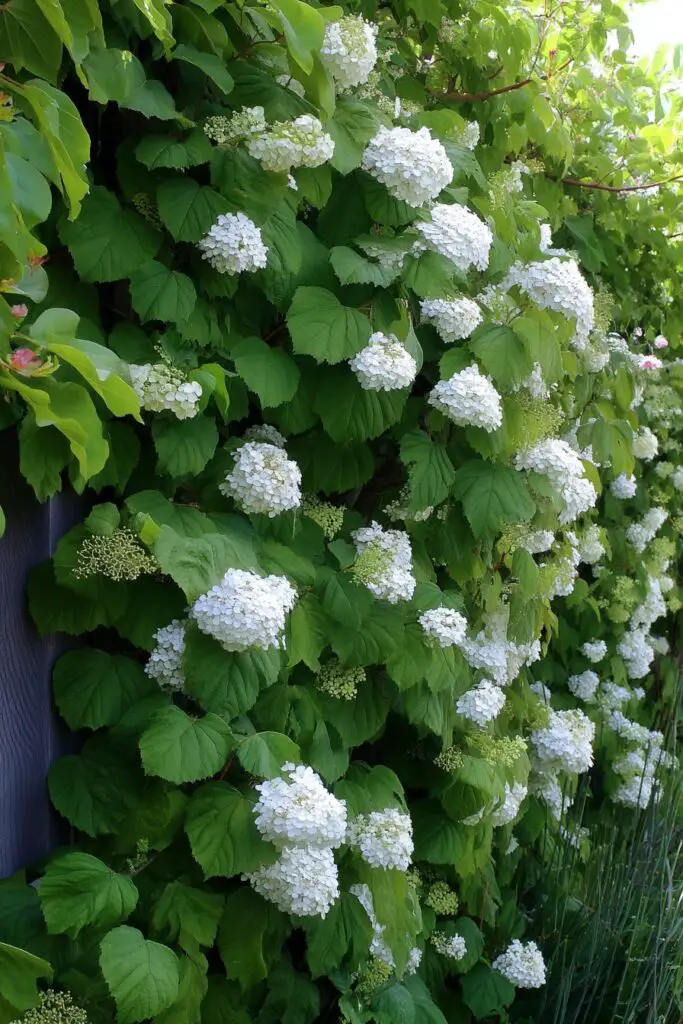
Climbing hydrangeas bring vertical charm to gardens by covering walls, fences, trellises, and even trees with their woody vines and delicate blooms. These slow starters eventually become vigorous climbers, reaching heights of 30 to 50 feet when fully established.
Their large, flat clusters of white flowers appear in late spring to early summer, standing out beautifully against the deep green, heart-shaped foliage. Over time, the bark develops a cinnamon-toned, exfoliating texture, adding winter interest.
Climbing hydrangeas prefer partial to full shade and moist, well-drained soil. They’re an excellent solution for softening blank vertical spaces or enhancing architectural features. As far as hydrangeas go, few varieties offer the same vertical impact and timeless elegance.
Conclusion
Hydrangeas bring versatility, color, and character to any garden. From compact mountain varieties to grand, climbing types, each one offers unique attributes that enhance outdoor spaces throughout the year.
When selecting hydrangeas, consider your garden’s light, soil, and climate conditions. With the right care and placement, these flowering shrubs can become long-term staples in your landscape—rewarding you with season after season of show-stopping blooms.