
Japanese flowers hold deep meaning throughout the year, but during the New Year season, their symbolism becomes especially powerful. In Japan, homes and public spaces bloom with elegant floral arrangements that reflect hope, happiness, and renewal. These aren’t just decorations — each plant is chosen with care, rooted in centuries-old beliefs and traditions. As the New Year approaches, the choice of greenery is far from random. From evergreen pine to delicate plum blossoms, each of these seven traditional plants plays a special role in welcoming a prosperous year ahead. Whether you’re new to Japanese customs or looking to add cultural depth to your own celebration, understanding the meaning behind these Japanese flowers can add a beautiful layer of intention to your seasonal decor.
Table of Contents
1. Fukujyuso (Japanese Buttercup)

Among the most cheerful Japanese flowers seen during the New Year is the bright yellow Fukujyuso, also known as the Japanese buttercup. Its golden petals often bloom in mid to late winter, standing out against the stark backdrop of the season. Even though it naturally flowers in February, greenhouse-grown varieties are brought into homes and florists earlier to mark the start of the year.
The name Fukujyuso itself contains the characters for “good fortune” (fuku) and “longevity” or “celebration” (ju), making it an ideal symbol of happiness for the season. In the language of flowers, or hanakotoba, Fukujyuso represents eternal joy and blessings. This makes it a favored bloom in New Year displays for households seeking warmth, brightness, and positivity in the months ahead.
2. Matsu (Pine)
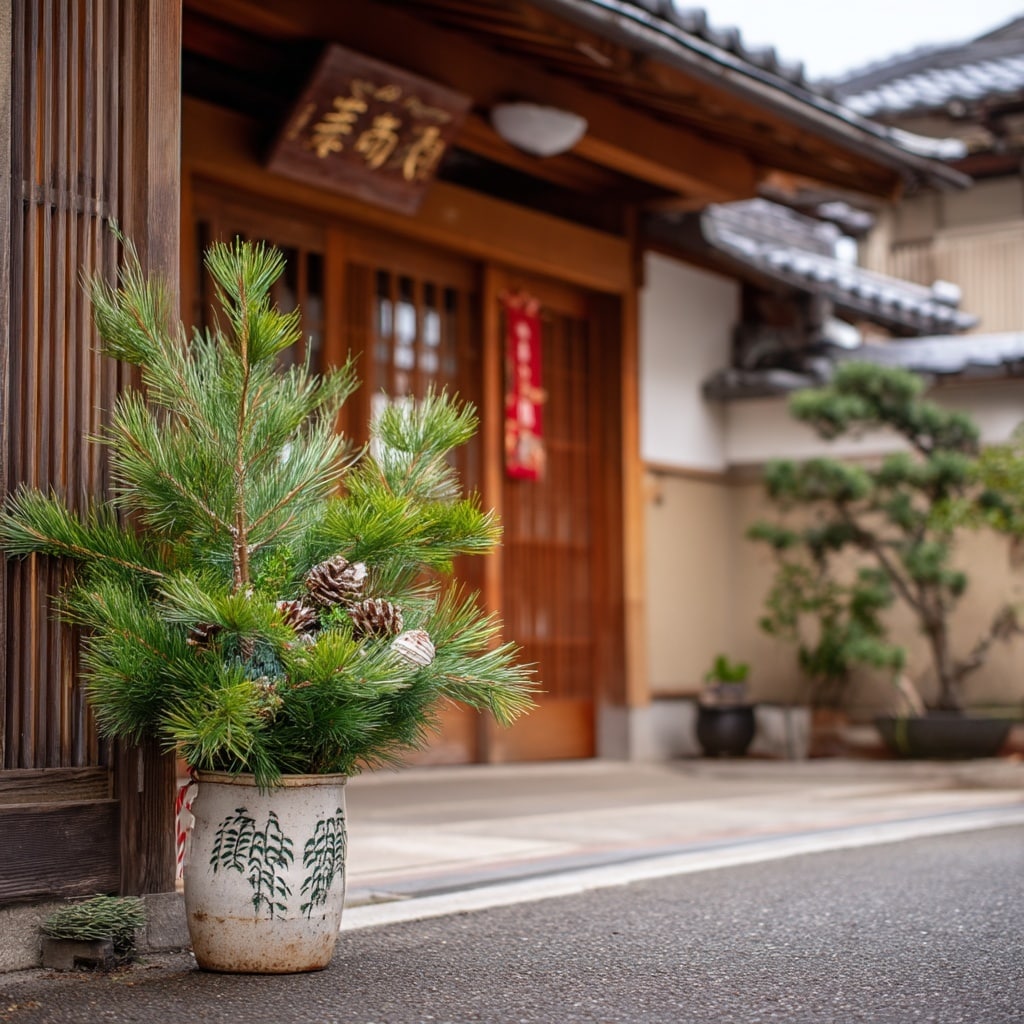
No discussion of Japanese flowers and plants for New Year would be complete without matsu, the pine tree. As an evergreen, pine remains vibrant throughout the harshest seasons, making it a strong emblem of endurance and longevity in Japanese culture. Its presence in kadomatsu — decorative arrangements placed at doorways — serves a sacred purpose: to guide the toshigami (New Year deity) into the home.
Pine has been revered in Japan since ancient times, often symbolizing youth, vitality, and fertility. Its long life span — with some trees living thousands of years — strengthens its association with good fortune and resilience. In hanakotoba, pine stands for perpetual youth and protection against misfortune, which is why it’s an essential part of the New Year’s traditional plant trio alongside bamboo and plum.
3. Take (Bamboo)
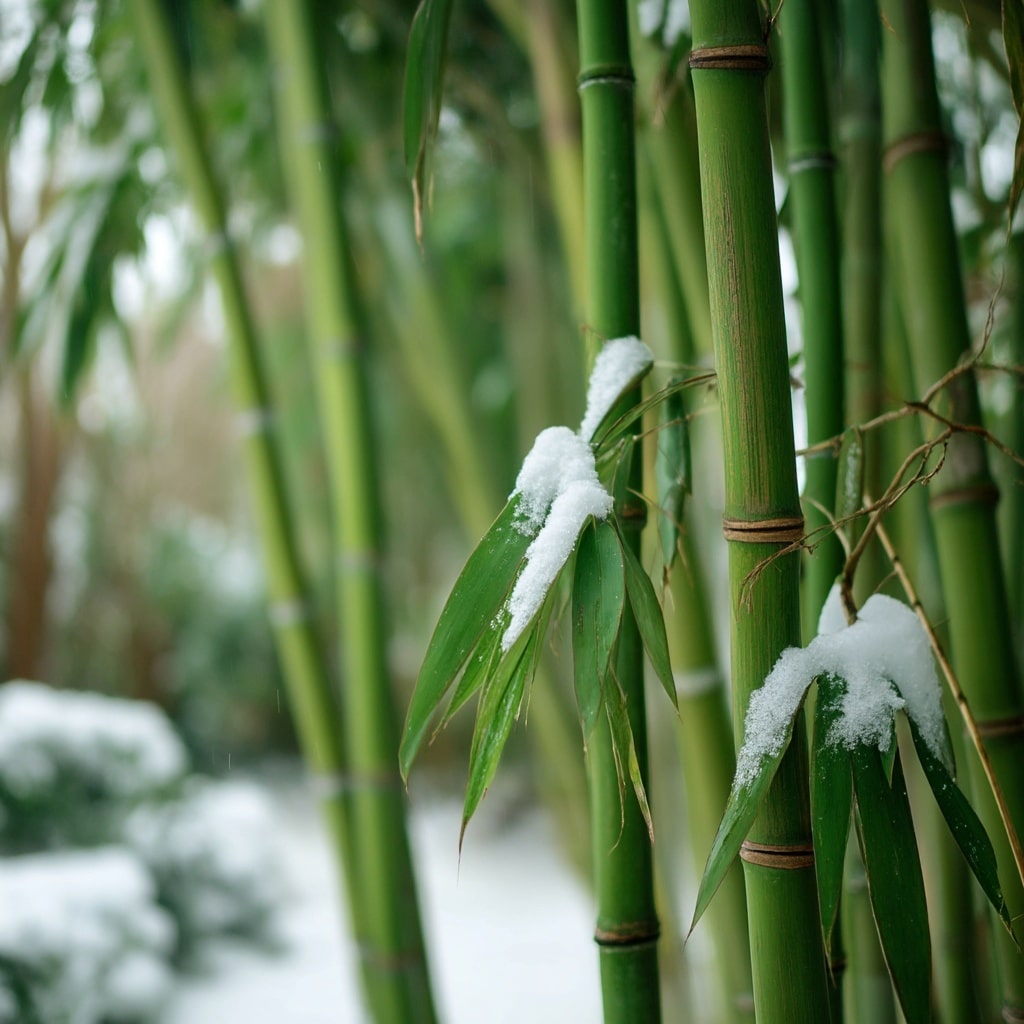
Among the most admired Japanese flowers and plants during the New Year is take, or bamboo. Tall, flexible, and enduring, bamboo is known for its rapid growth and unyielding strength — qualities that make it a cherished symbol of resilience in Japanese culture. Alongside pine and plum, it forms the trio known as the “Three Friends of Winter,” representing perseverance through harsh conditions.
Bamboo features prominently in kadomatsu arrangements, often standing at the center. Its upright form and hollow stem are seen as a symbol of honesty and spiritual clarity. In hanakotoba, bamboo represents faithfulness and constancy. Because it remains green even through the coldest months, it’s also associated with prosperity and long life — values deeply aligned with the hopes of a fresh start in the New Year.
4. Senryo (Glabrous Sarcandra Herb)
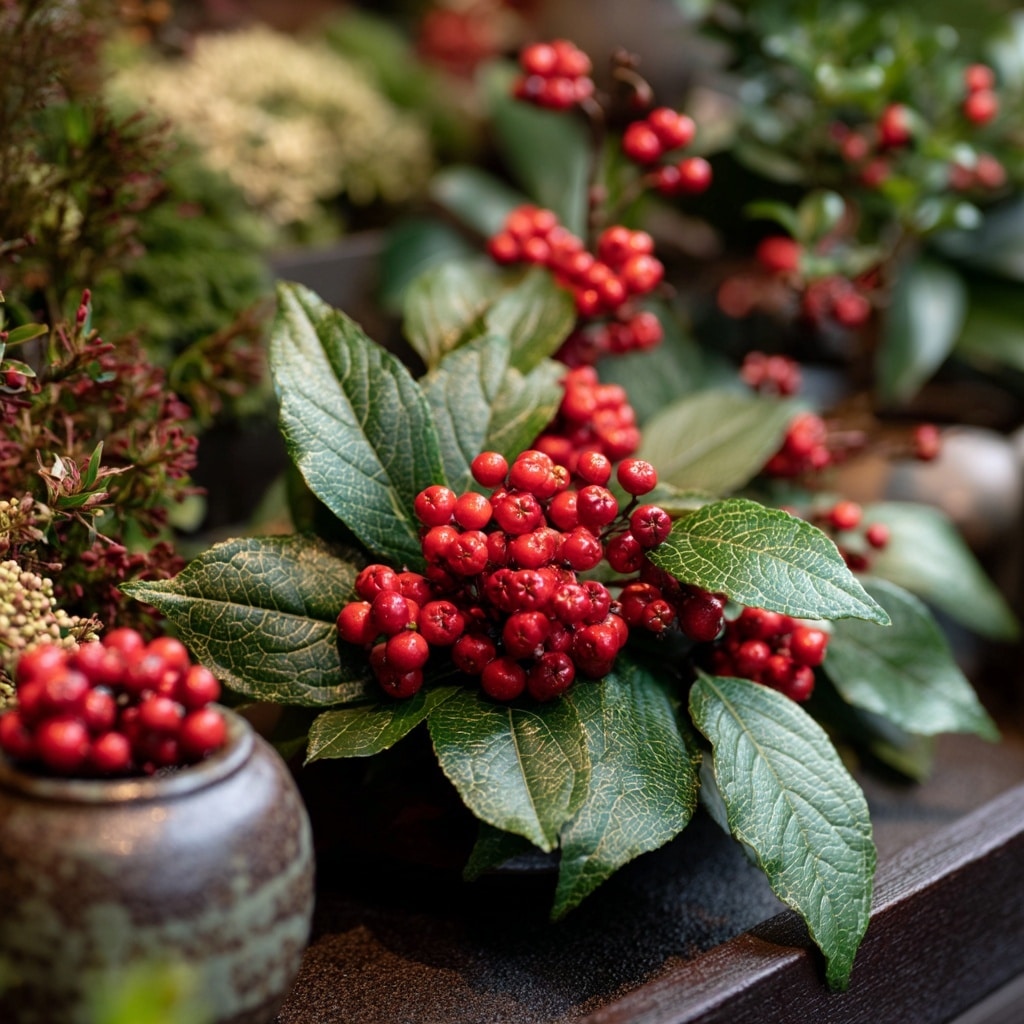
Bright red berries and lush green leaves make senryo a festive favorite among Japanese flowers and plants displayed during the New Year. Beyond its vibrant appearance, senryo carries powerful symbolism. Its name, which translates to “a thousand coins,” hints at its association with wealth and business prosperity — two things everyone hopes for at the start of a new year.
Often featured in seasonal flower arrangements or grown in pots near doorways, senryo is believed to attract abundance and good fortune. In hanakotoba, it symbolizes celebration, profit, and financial growth. The berry clusters grow directly from the tops of the stems, unlike its close relative manryo, whose berries hang beneath. This small detail distinguishes senryo and enhances its reputation as a lucky plant for ushering in success and joyful beginnings.
5. Kiku (Chrysanthemum)
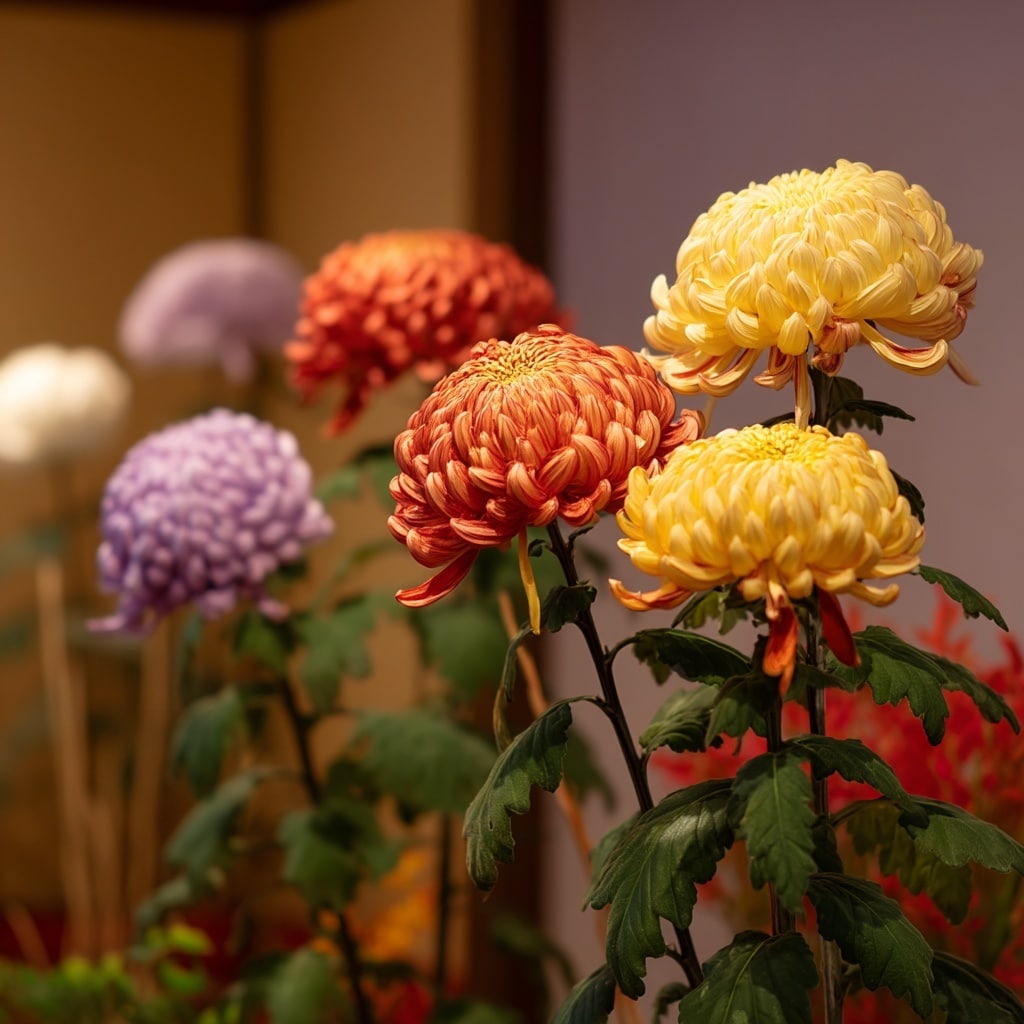
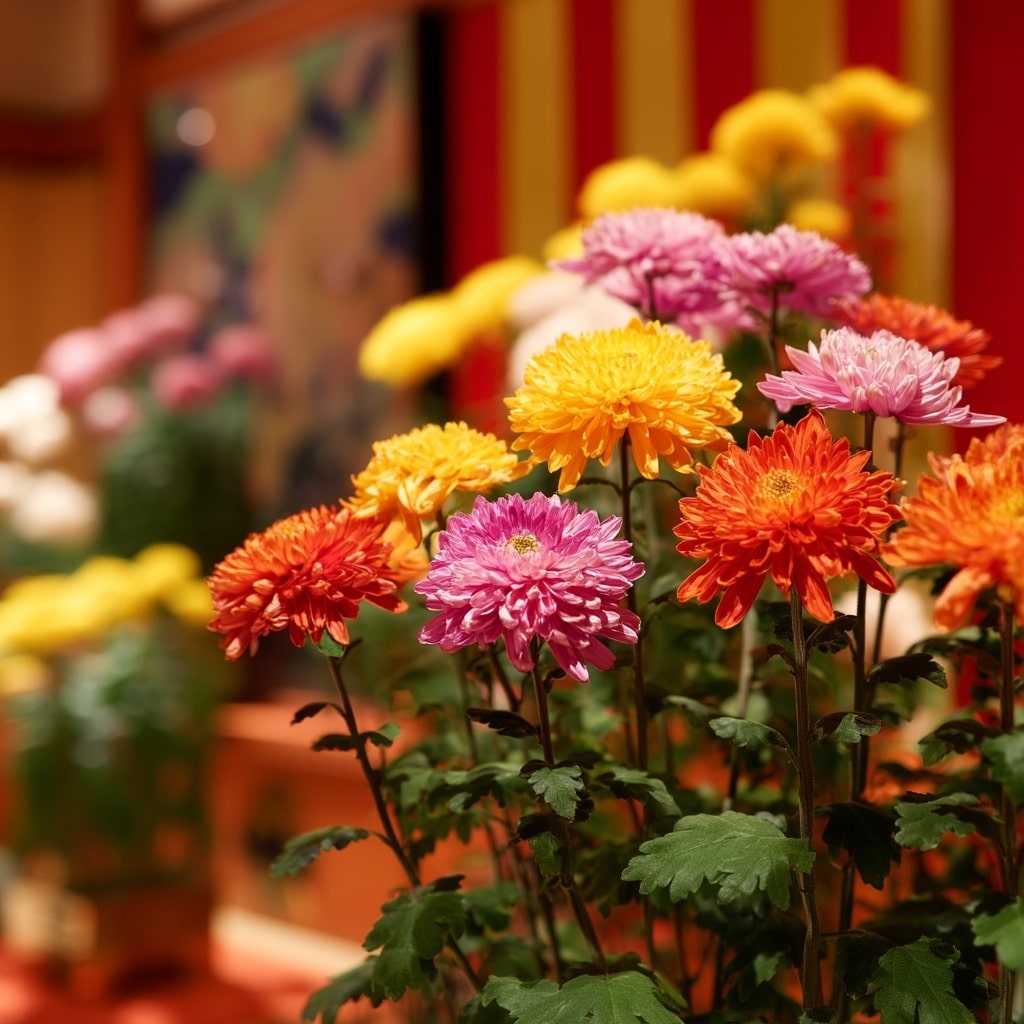
Among all Japanese flowers, kiku, or chrysanthemum, holds a uniquely royal status. Known as the symbol of the Japanese imperial family, the chrysanthemum represents nobility, virtue, and longevity. These beautiful, long-lasting blooms appear in many sizes and colors — from dainty sprays to dramatic, pom-pom-style blossoms — making them a striking addition to New Year’s floral displays.
In hanakotoba, kiku stands for rejuvenation and purity. Their inclusion in osechi ryori (traditional New Year cuisine), where turnips are cut into chrysanthemum shapes called kikuka-kabu, shows just how deeply embedded this flower is in Japanese celebration culture. There’s even an old saying: kiku wo kazaru to, fuku ga kuru — “when you decorate with chrysanthemums, good fortune will come.” For the New Year, kiku isn’t just beautiful — it’s a floral wish for a year filled with grace and good luck.
6. Nanten (Heavenly Bamboo)
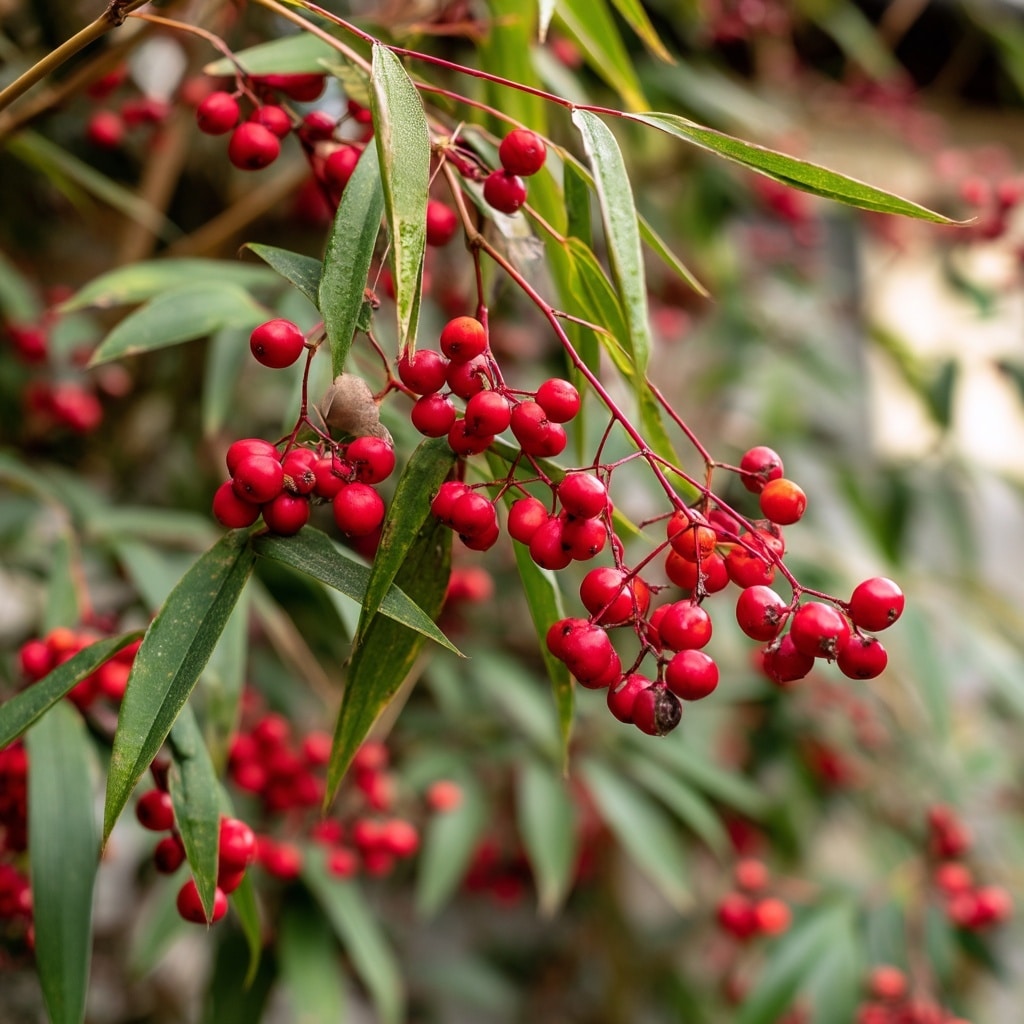
While it may not be a flower in the traditional sense, nanten, or heavenly bamboo, is an essential part of seasonal displays that include Japanese flowers and symbolic plants. With its bright red berries and slender green leaves, nanten is more than just ornamental — its name carries layered meaning. The word nanten combines nan (hardship) and ten (to turn or change), symbolizing the transformation of misfortune into good luck.
You’ll often find nanten placed near entrances or within kadomatsu, serving both as a visual highlight and a spiritual safeguard. It aligns with year-end customs like osouji (deep cleaning), where families aim to clear out negativity before the year ends. In hanakotoba, nanten represents hope, renewal, and the ability to overcome challenges — all essential values as one year ends and another begins with fresh potential.
7. Ume (Plum Blossoms)
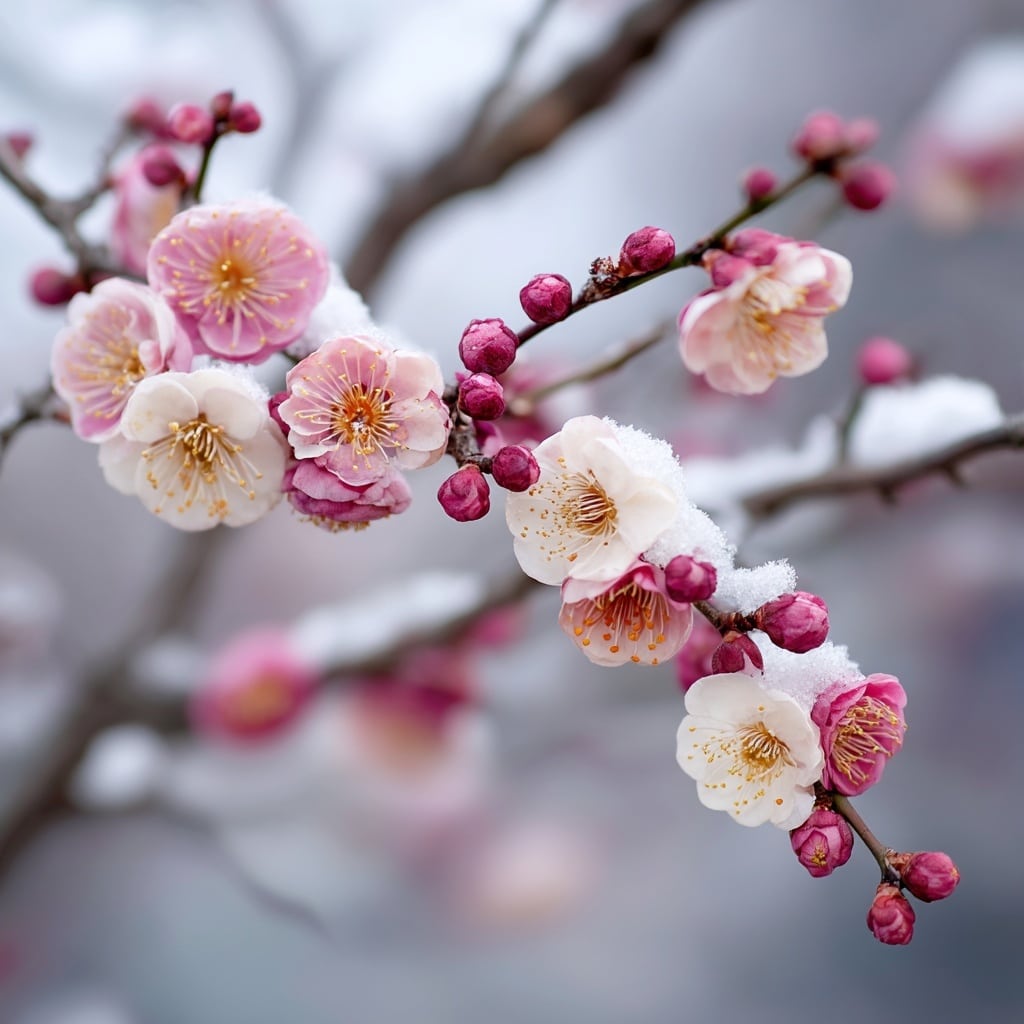
Rounding out the list of traditional Japanese flowers for the New Year is ume, the beloved plum blossom. Though often overshadowed by cherry blossoms in spring, ume has its own deep cultural roots — especially in winter. These delicate, five-petaled blooms begin flowering in the coldest months, often while snow still lingers on the ground. Because of this, they’ve long symbolized endurance, integrity, and quiet strength.
Historically revered since the Nara period, ume was once more celebrated than sakura. It’s one of the Three Friends of Winter, alongside pine and bamboo, highlighting its role in seasonal art and design. In hanakotoba, plum blossoms represent perseverance and renewal — themes that align beautifully with New Year traditions. Whether pink, white, or red, ume brings a sense of elegance and resilience to arrangements that mark the beginning of a fresh chapter.
Conclusion
In Japan, welcoming the New Year isn’t just about fireworks or food — it’s also about filling spaces with meaning. Each of these Japanese flowers and plants holds a unique message of hope, prosperity, and resilience. Whether it’s the vibrant red of senryo berries, the evergreen strength of pine and bamboo, or the quiet bloom of plum blossoms in winter, these natural elements are more than decorations — they’re symbols of renewal and intention.
If you’re planning your own New Year celebration or simply want to bring more meaning into your seasonal decor, consider adding these traditional plants to your space. They not only honor centuries of Japanese tradition but also inspire a hopeful and grounded start to the year.