
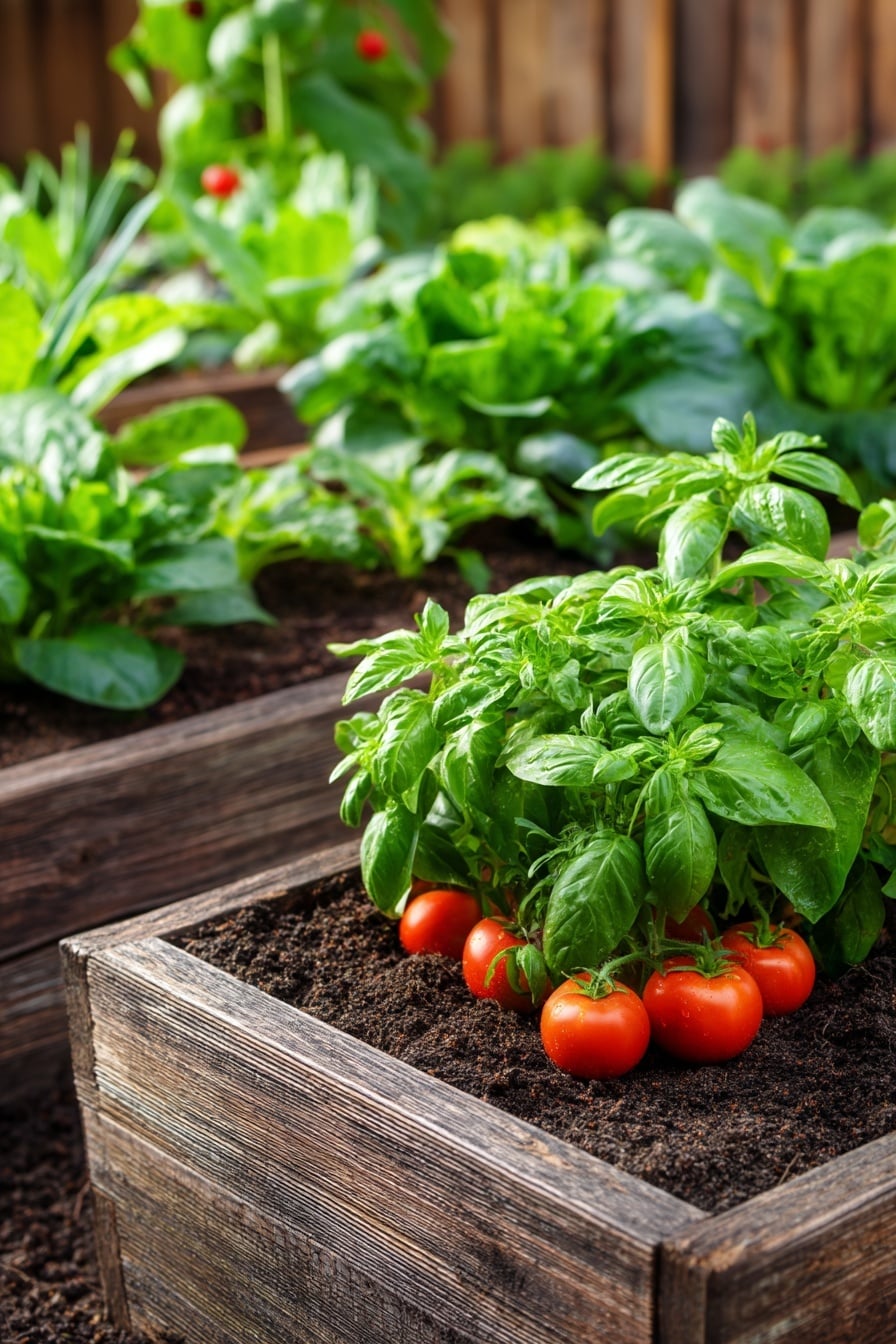
Garden boxes are one of the easiest and most efficient ways to grow plants in limited outdoor space. Whether you have a small backyard, patio, balcony, or courtyard, garden boxes provide a controlled environment that helps plants grow healthier and more productively. Many gardeners prefer garden boxes because they improve soil quality, simplify planting, and keep growing areas organized.
Unlike traditional in-ground gardens, garden boxes elevate the planting area and allow you to manage soil, moisture, and plant spacing more effectively. With the right design and plant choices, garden boxes can support vegetables, herbs, and ornamental plants while adding structure and beauty to your landscape.
This guide explains the benefits of garden boxes and shows how they can be used to create a productive and attractive garden space.
Table of Contents
1. Why Garden Boxes Are Ideal for Modern Gardening

Many gardeners turn to garden boxes because they simplify many aspects of plant care. These raised structures allow better control over the growing environment compared to traditional ground planting.
Garden boxes help prevent soil compaction and allow gardeners to customize the soil mix for specific plants.
Key advantages of garden boxes
- Improved soil drainage
- Easier weed control
- Better plant organization
- Reduced bending and easier maintenance
- Protection from soil contamination
Because the soil inside garden boxes can be customized, gardeners can grow a wide variety of plants successfully.
2. Choosing the Right Materials for Garden Boxes

The durability of garden boxes depends largely on the materials used to build them. Selecting strong, weather-resistant materials ensures the structure lasts for many growing seasons.
Wood is a popular choice because it blends naturally with garden landscapes. Cedar and redwood are especially valued for their resistance to moisture and insects.
Common materials used for garden boxes
- Cedar or redwood lumber
- Treated wood for outdoor durability
- Metal or galvanized steel
- Recycled composite boards
Each material has its own advantages. Wooden garden boxes create a warm natural appearance, while metal boxes offer modern style and long-term durability.
3. Best Plants to Grow in Garden Boxes

One of the greatest advantages of garden boxes is their versatility. Many different types of plants thrive in raised garden spaces.
Vegetables, herbs, and flowers all grow well in garden boxes when provided with healthy soil and adequate sunlight.
Popular plants for garden boxes
- Lettuce and leafy greens
- Tomatoes and peppers
- Basil, parsley, and other herbs
- Carrots and radishes
- Marigolds and other ornamental flowers
These plants grow efficiently in confined spaces and are well suited to container-style gardening systems.
4. Designing a Garden Layout with Garden Boxes

Careful planning can turn garden boxes into an attractive feature of your landscape. Their structured shape helps create neat, organized garden layouts.
Boxes can be arranged in rows, grids, or geometric patterns depending on the available space.
Layout ideas for garden boxes
- Parallel rows for vegetable production
- Square arrangements for compact gardens
- Tiered garden boxes for sloped yards
- Mixed plant boxes combining herbs and flowers
A thoughtful layout not only improves productivity but also enhances the visual appeal of the garden.
5. Maintaining Healthy Garden Boxes

Proper care keeps garden boxes productive and attractive throughout the growing season. Regular maintenance helps plants stay healthy and reduces common gardening problems.
Since garden boxes hold a limited amount of soil, nutrients must be replenished regularly.
Essential garden box maintenance
- Add compost or organic fertilizer each season
- Water consistently, especially during warm weather
- Remove weeds early to prevent spreading
- Rotate crops to maintain soil health
Healthy soil management ensures that garden boxes continue producing strong plants year after year.
Conclusion
Garden boxes provide a practical and flexible solution for gardeners who want productive growing spaces without the challenges of traditional ground gardening. Their structured design improves soil control, simplifies maintenance, and allows plants to thrive in small areas.
Whether used for vegetables, herbs, or ornamental plants, garden boxes can transform patios, backyards, and courtyards into organized and productive garden environments. With thoughtful design and proper care, they offer a long-lasting way to enjoy gardening at home.