
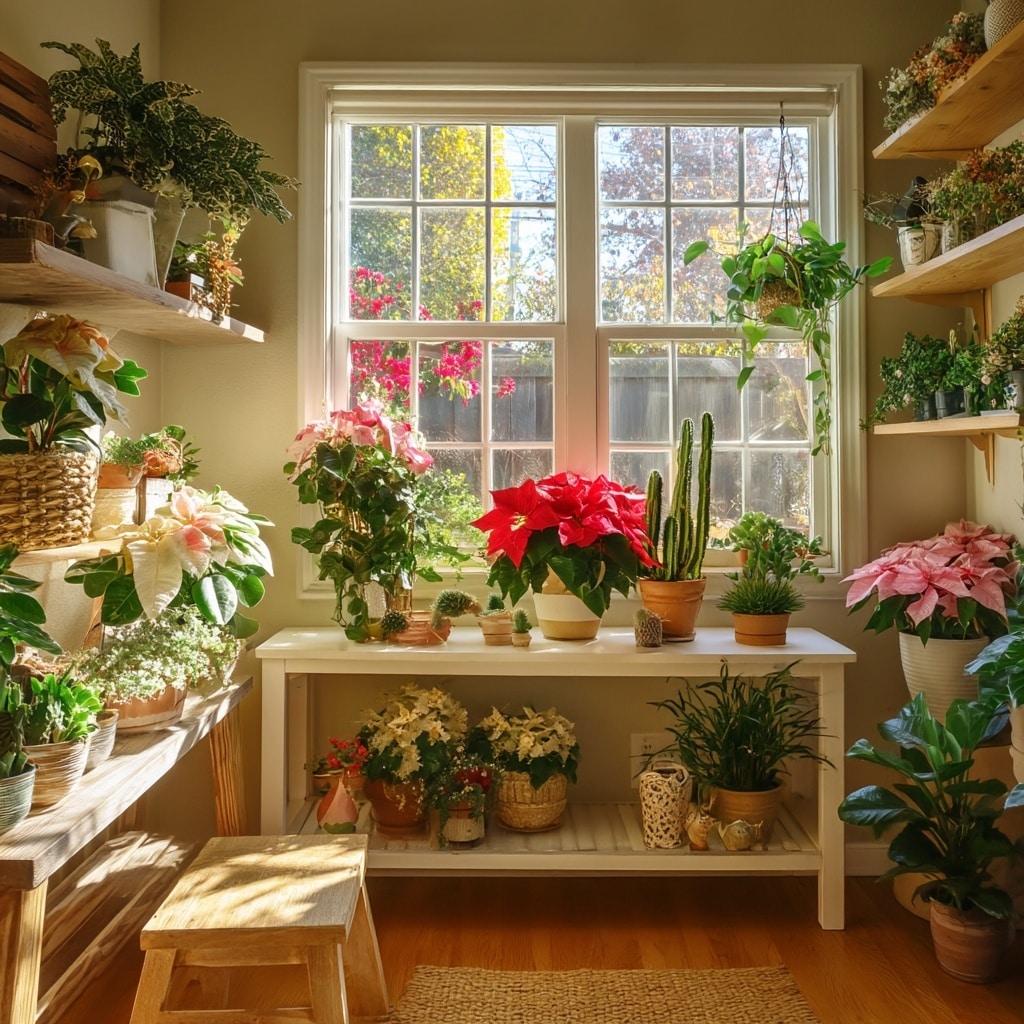
Different types of flowers bring life, color, and personality to any garden, balcony, or home. With so many varieties to choose from, it can feel overwhelming to decide which blooms best match your taste, climate, and style. Whether you’re a seasoned gardener or just starting out, understanding the characteristics of various flower types can help you plant with confidence and creativity. From timeless roses to exotic hibiscus, each flower offers something unique—be it vibrant color, fragrance, or resilience. This guide will walk you through the most popular flower types, organized by color, use, and setting, so you can make the best choices for your garden or home.
Table of Contents
Common Flowers

Some flowers are household names for a reason—they’re easy to grow, visually stunning, and widely available. These different types of flowers have stood the test of time and remain garden favorites across the world.
🌹 Roses
Roses are perhaps the most iconic flower of all. Known for their romantic symbolism and wide color range—red, pink, white, yellow, and even near-black—they thrive in well-drained soil with plenty of sun. Some varieties bloom once a season, while others bloom repeatedly from spring through fall.
🌼 Chrysanthemums
Often called “mums,” chrysanthemums are second only to roses in popularity. These fall-blooming flowers come in vibrant shades like yellow, purple, white, and red. Their layered, bushy blooms make them ideal for borders and containers.
🌷 Tulips
Tulips are classic springtime flowers, prized for their bold colors and smooth, cup-shaped petals. Available in nearly every color imaginable, they grow from bulbs planted in the fall and bloom in early to mid-spring.
🌸 Carnations
With their ruffled edges and clove-like scent, carnations are long-lasting flowers that grow well in full sun. They come in shades of red, pink, white, yellow, and purple, and are commonly used in floral arrangements due to their strong stems.
🌺 Gerbera Daisies
These cheerful flowers are known for their bright, bold hues—ranging from yellow and orange to deep red and pink. Gerberas are technically clusters of tiny flowers that look like one large bloom, making them visually striking and ideal for cut flower gardens.
🌴 Hibiscus
Perfect for warm climates, hibiscus plants feature large, showy blooms in colors like red, peach, yellow, and white. Though tropical in origin, many hardy varieties can also thrive in temperate zones with enough sun and moisture.
Different Types of Flowers by Color
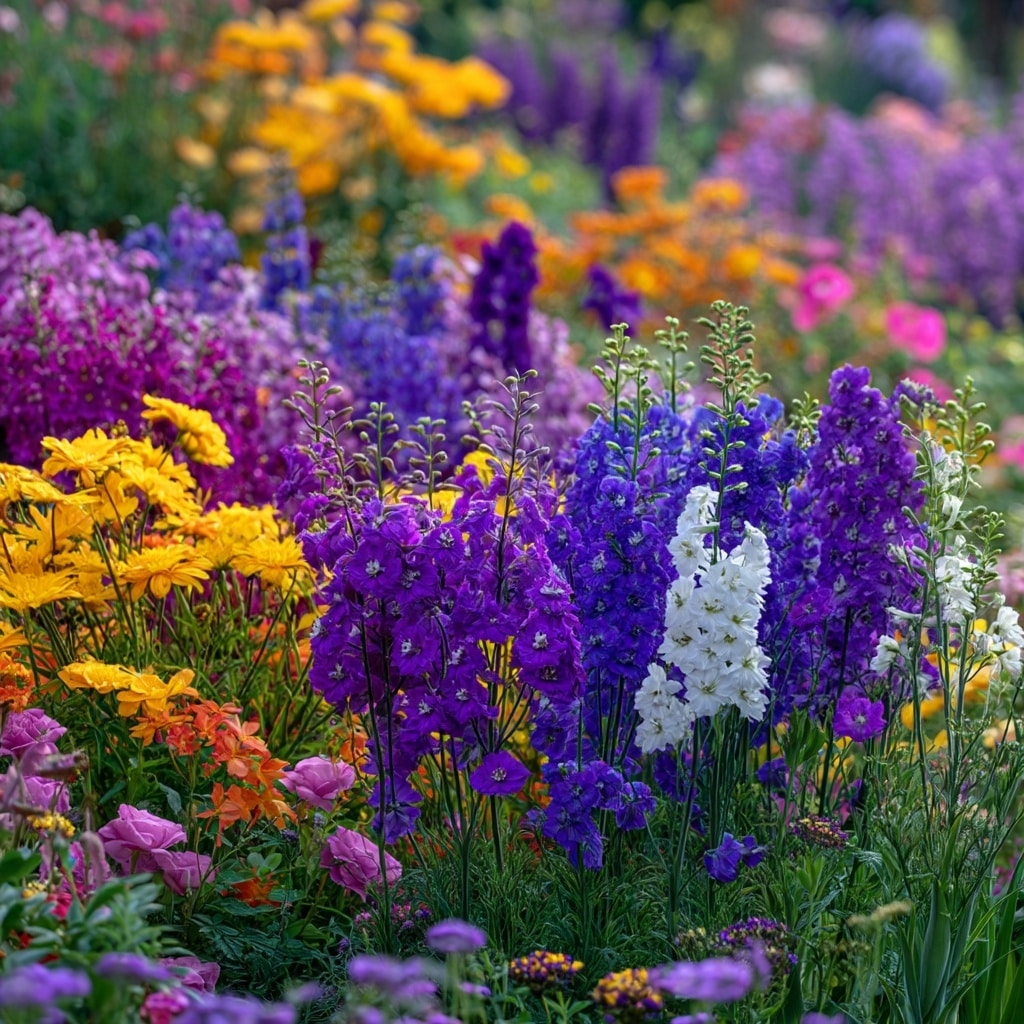
Color plays a big role in how flowers shape the feel of your garden. Whether you’re aiming for calm and cool tones or warm, energetic hues, these different types of flowers by color can help you design the perfect palette.
💜 Purple Flowers
Purple flowers bring a sense of calm and elegance to garden spaces. They’re often associated with creativity and tranquility.
- Asters – Daisy-like blooms with purple petals and a yellow center. They flower from late summer into fall.
- Lavender – Famous for its aroma and long, thin stems topped with purple clusters. A great choice for borders or fragrant corners.
- Lilacs – Known for their light purple tones and heavenly scent, lilacs bloom in late spring and attract pollinators.
- Clematis – These climbing flowers range in purple shades and thrive on trellises and fences, blooming from early summer to fall.
🔵 Blue Flowers
Blue is one of the rarest flower colors, offering a cool contrast to warmer tones.
- Hydrangeas – Depending on soil pH, these lush blooms can turn a brilliant blue. Great for borders and cottage gardens.
- Cornflower – Also called bachelor’s button, this flower features vivid blue petals and a long blooming season.
- Iris – Elegant flowers with blade-like leaves and intricate violet-blue petals, blooming in spring.
- Gentians – Small, star-shaped flowers in deep violet-blue, ideal for rock gardens.
- Delphiniums – Towering spikes of blue flowers that add height and drama to garden beds.
💛 Yellow Flowers
Yellow flowers bring brightness and cheer, often symbolizing joy and friendship.
- Sunflowers – Tall and eye-catching, these iconic blooms follow the sun and make great summer focal points.
- Daffodils – A spring favorite with trumpet-shaped yellow blooms. They’re among the first signs of warmer weather.
- Pansies – Cool-season charmers that come in many colors, including bright yellow and bi-color varieties.
- Primroses – Low-growing yellow blooms that often appear in early spring.
- Black-eyed Susan – Resembling mini sunflowers, these hardy blooms thrive from midsummer through early fall.
🧡 Orange Flowers
Orange flowers inject warmth and energy into your garden and pair well with purples and blues.
- Marigolds – Hardy and pest-repelling, marigolds bloom prolifically from spring to fall in vibrant orange hues.
- California Poppy – Known for its silky orange petals, it’s drought-tolerant and self-seeding.
- Bird of Paradise – A tropical beauty with bright orange and blue petals shaped like a bird in flight.
- Daylilies – Versatile perennials with trumpet-like orange flowers that bloom repeatedly through summer.
💚 Green Flowers
Though less common, green flowers offer subtle beauty and a fresh, earthy look.
- Bells of Ireland – Towering stalks with bell-shaped green calyxes that are actually leaf-like structures.
- Hellebores – Winter bloomers with rose-like green flowers, often mixed with burgundy or purple hues.
🤍 White Flowers
White flowers are timeless and versatile. They bring contrast and elegance to gardens of all sizes.
- Gardenias – Creamy white and deeply fragrant, they thrive in partial shade and warm climates.
- Calla Lilies – Sleek, trumpet-shaped flowers often used in wedding arrangements.
- Lily of the Valley – Tiny bell-shaped flowers that bloom in clusters, famous for their sweet scent.
- Jasmine – Known for its powerful fragrance, jasmine is a popular choice for borders and climbing trellises.
💗 Pink Flowers
Pink flowers add softness and romantic charm, making them a favorite among many gardeners.
- Peonies – Lush, full blooms in shades of blush and deep pink. These perennials are springtime showstoppers.
- Hyacinths – Fragrant pink clusters that bloom in early spring and perform well in containers.
- Dahlias – With layered, spiky petals, dahlias bloom in midsummer and come in bold pinks and other vibrant shades.
- Azaleas – These shrub-like flowers bloom in mid to late spring with vivid pink blossoms that attract pollinators.
🔴 Red Flowers
Red is the color of passion and energy. These bold flowers make strong focal points.
- Zinnias – Easy-to-grow annuals with rich red hues, thriving in warm weather until the first frost.
- Poppies – Famous for their deep red color and delicate petals, they bloom in late spring.
- Cockscomb – Uniquely textured with velvety folds, this red flower blooms from midsummer into fall.
- Red Sunflowers – A twist on the classic yellow variety, these add dramatic flair to summer gardens.
Different Types of Flowers for Your Garden
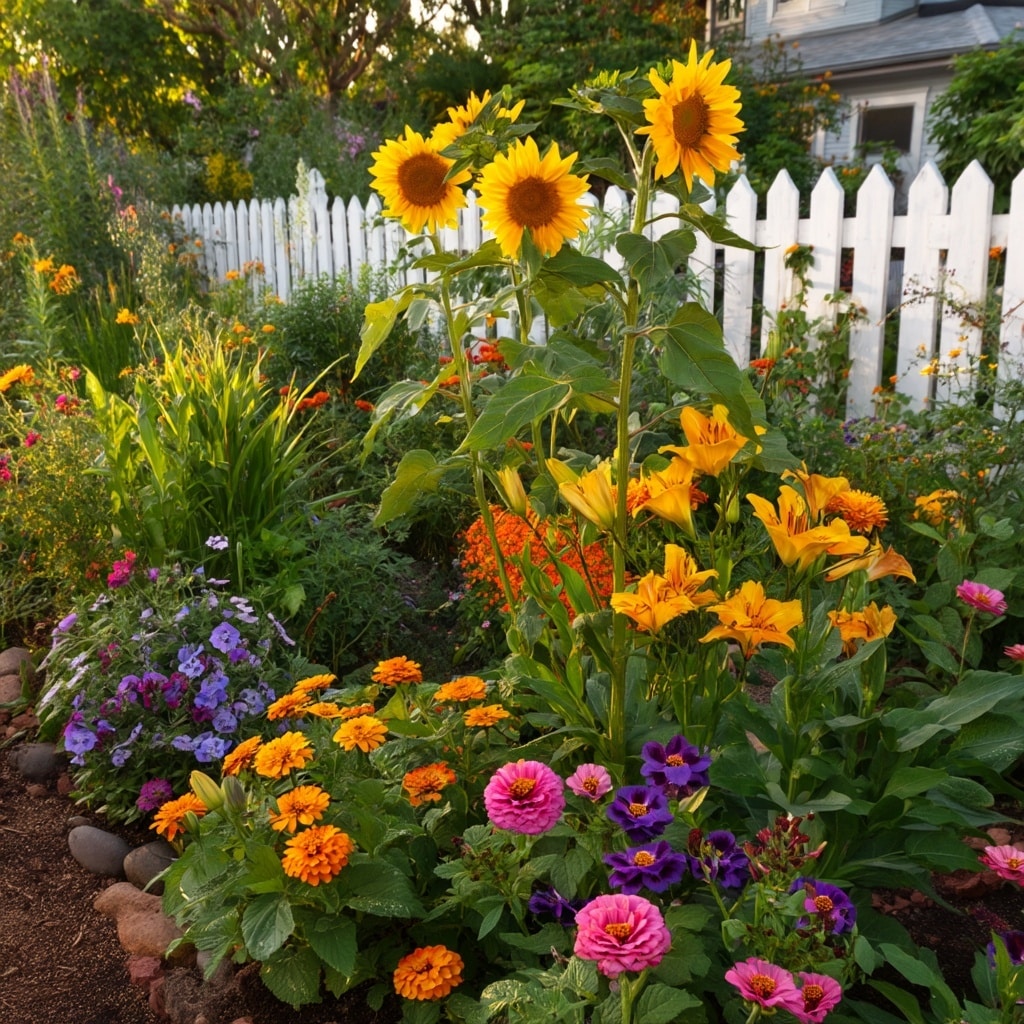
Creating a thriving garden starts with choosing the different types of flowers that suit your environment and lifestyle. Whether you’re working with full sun, shade, rich soil, or something more challenging, there are flowers for every condition and every gardener.
🌞 Easy-to-Grow Flowers for Beginners
These flowers are low-maintenance and forgiving—perfect for new gardeners or anyone who prefers a simpler routine.
- Marigolds – Pest-resistant and drought-tolerant, they bloom all season long with little fuss.
- Sunflowers – Hardy, fast-growing, and great for kids or first-time gardeners.
- Daffodils – Once planted, these bulbs come back year after year with minimal care.
- Pansies – Cool-weather annuals that tolerate light frosts and bloom early in the season.
- Daylilies – Tough perennials that can thrive in a variety of soil types.
❄️ Flowers That Thrive in Cool Weather
Live in a colder region? These blooms can handle chillier temps and shorter growing seasons.
- Calendulas – Also known as pot marigolds, they bloom through light frosts.
- Snapdragons – Available in many colors, they bloom early and can withstand cool spring days.
- Geraniums – Though often grown as annuals, they can survive cooler conditions and make great container plants.
- Petunias – Known for long bloom times, they tolerate spring chills and come in dozens of varieties.
- Cyclamen – Ideal for winter interest, especially in mild climates.
☀️ Flowers for Hot, Dry Climates
These heat-lovers are drought-tolerant and perfect for xeriscaping or areas with intense summer sun.
- Zinnias – Bold and colorful, they thrive in dry conditions and poor soil.
- Cosmos – Delicate-looking but surprisingly tough, cosmos grow easily from seed.
- Lantanas – Great for pollinators and blooming in relentless heat.
- Moss Rose (Portulaca) – A succulent-like annual that stores water in its leaves and tolerates extreme drought.
- Black-eyed Susans – These golden flowers bloom reliably through the hottest parts of summer.
🌿 Shade-Tolerant Flower Options
Not every garden space gets full sun—but that doesn’t mean it can’t bloom beautifully.
- Impatiens – A shade garden staple, available in soft pastels and bright colors.
- Begonias – Versatile in both shade and sun, begonias thrive in containers or flower beds.
- Astilbe – Feathery plumes in pink, white, or red that brighten up darker corners of the garden.
- Lily of the Valley – Delicate white bells with a sweet scent, ideal for woodland gardens.
Best Flowering Houseplants
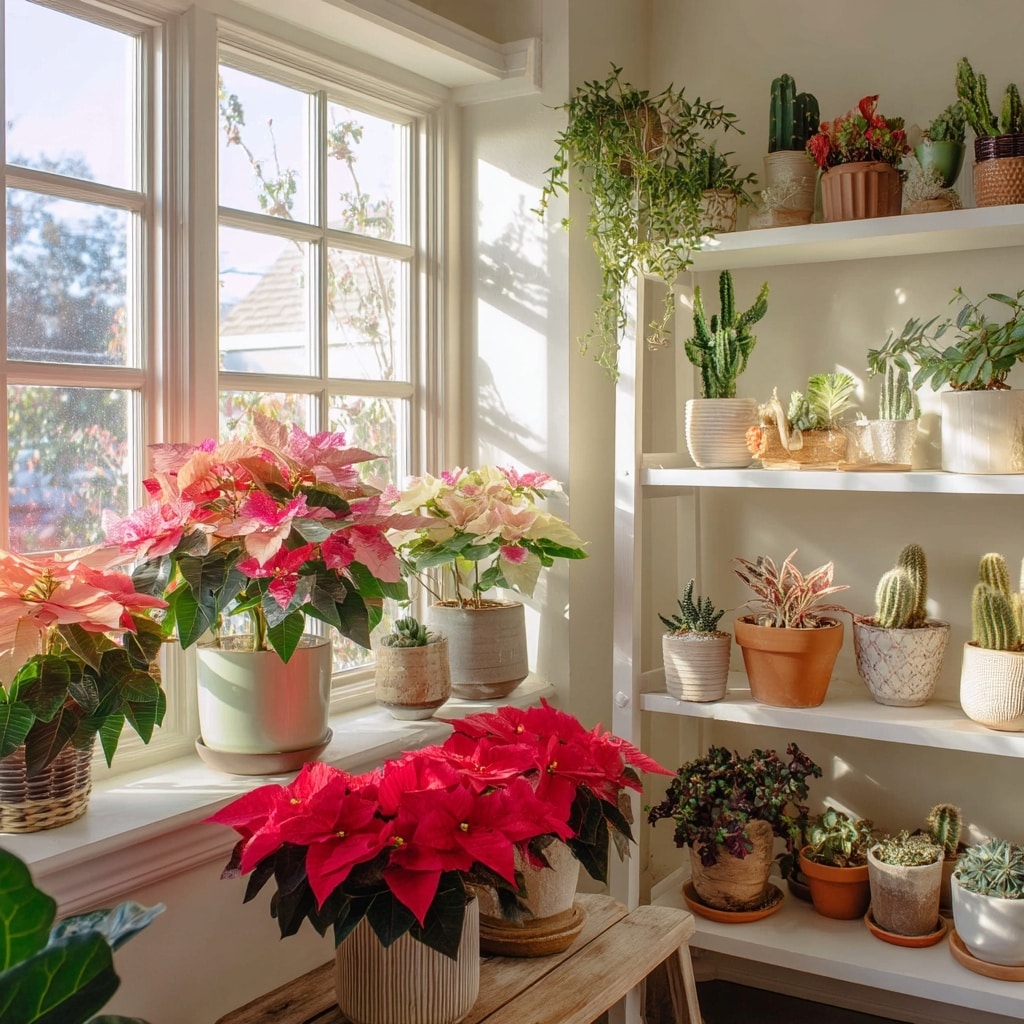
Not every flower needs to grow in an outdoor garden. Many different types of flowers thrive indoors, bringing beauty and brightness into homes year-round. Flowering houseplants are perfect for small spaces, colder climates, or anyone who enjoys greenery inside the home.
🌺 Poinsettias
A holiday classic, poinsettias are best known for their bright red bracts (which many mistake for flowers). Though often associated with Christmas, they can thrive year-round with proper care. Keep them in bright, indirect light and avoid overwatering.
🌸 African Violets
Compact and cheerful, African violets bloom in shades of purple, pink, and white. These fuzzy-leaved plants prefer filtered light and consistently moist—but not soggy—soil. They’re ideal for windowsills and small pots.
🌼 Begonias
Begonias are incredibly versatile, thriving both indoors and out. Flowering varieties like the Rieger begonia produce vibrant blooms in red, yellow, pink, and white. They prefer partial light and well-drained soil.
🤍 Peace Lilies
Known for their glossy leaves and white, sail-like flowers, peace lilies are low-maintenance and excellent at purifying indoor air. They bloom best in indirect light and prefer humid conditions.
🌵 Desert Cacti (Flowering Varieties)
Some types of desert cacti produce beautiful blooms in shades of orange, red, and pink. These tough plants need plenty of sunlight and very little water. They’re a great choice for beginners or forgetful waterers.
Why Grow Indoor Flowering Plants?
- Year-round blooms in the right conditions
- Add color to rooms with limited natural views
- Improve indoor air quality
- Great for small spaces, apartments, or offices
With the right care, these indoor-friendly different types of flowers can bring joy and beauty to your space throughout the year.
💐 Top 10 Most Popular Wedding Flowers
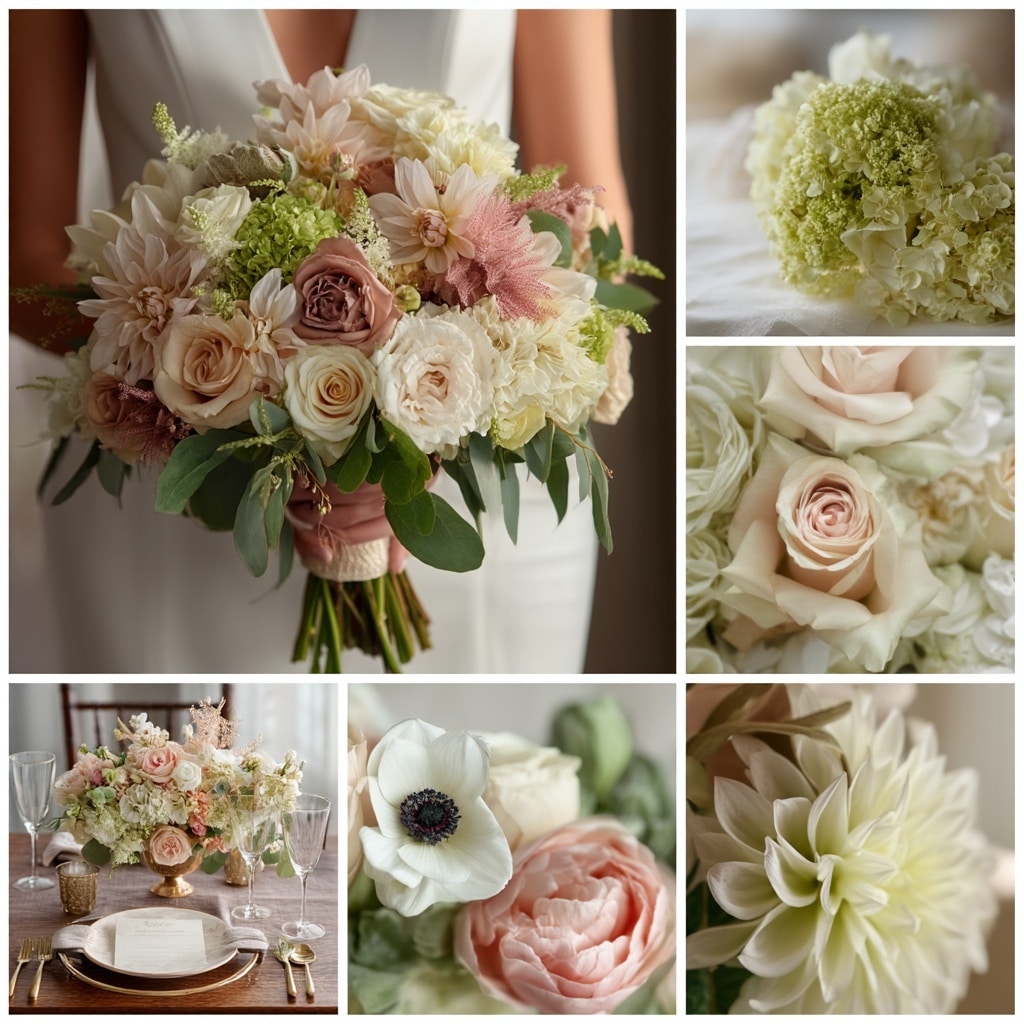
These flowers are widely chosen for their beauty, symbolism, and ability to hold up well in bouquets and arrangements.
- Roses – A universal symbol of love, roses come in every color and variety, from traditional white to vibrant shades like coral and deep red.
- Peonies – Beloved for their lush, full blooms and soft scent. They’re highly sought after but also among the most expensive.
- Anemones – Distinct with their black centers and white petals, anemones add a modern and artistic flair.
- Dahlias – With intricate petal structures, dahlias offer drama and come in a wide spectrum of colors.
- Lilacs – Fragrant and romantic, these soft purple blooms work beautifully in spring weddings.
- Ranunculus – Layers of delicate petals make ranunculus a dreamy addition to any bouquet.
- Sweet Peas – Known for their ruffled petals and soft pastels, they add a vintage, feminine touch.
- Hydrangeas – Perfect for filling out bouquets, these fluffy flowers are available in blue, white, and pink.
- Tulips – A spring wedding favorite, tulips bring sleek elegance in dozens of colors.
- Orchids – Exotic and graceful, orchids are often used for tropical or upscale events.
🌸 Other Wedding Flower Options
For couples looking to add a personal or seasonal twist, there are plenty of additional flowers to consider:
- Calla Lilies – Sleek and modern with sculptural beauty.
- Sunflowers – Bright and bold for rustic or summer weddings.
- Gerbera Daisies – Cheerful and colorful with strong stems.
- Carnations – Budget-friendly and available in many shades.
- Lavender – Ideal for rustic, boho, or country-style weddings.
Tips for Choosing Wedding Flowers
- Seasonality – Choose flowers that are in season to reduce cost and increase freshness.
- Color Matching – Align floral choices with your wedding palette.
- Symbolism – Select flowers that carry personal or cultural meaning.
- Longevity – Go for varieties that hold up well without wilting, especially for warm weather ceremonies.
Choosing from the Different Types of Flowers
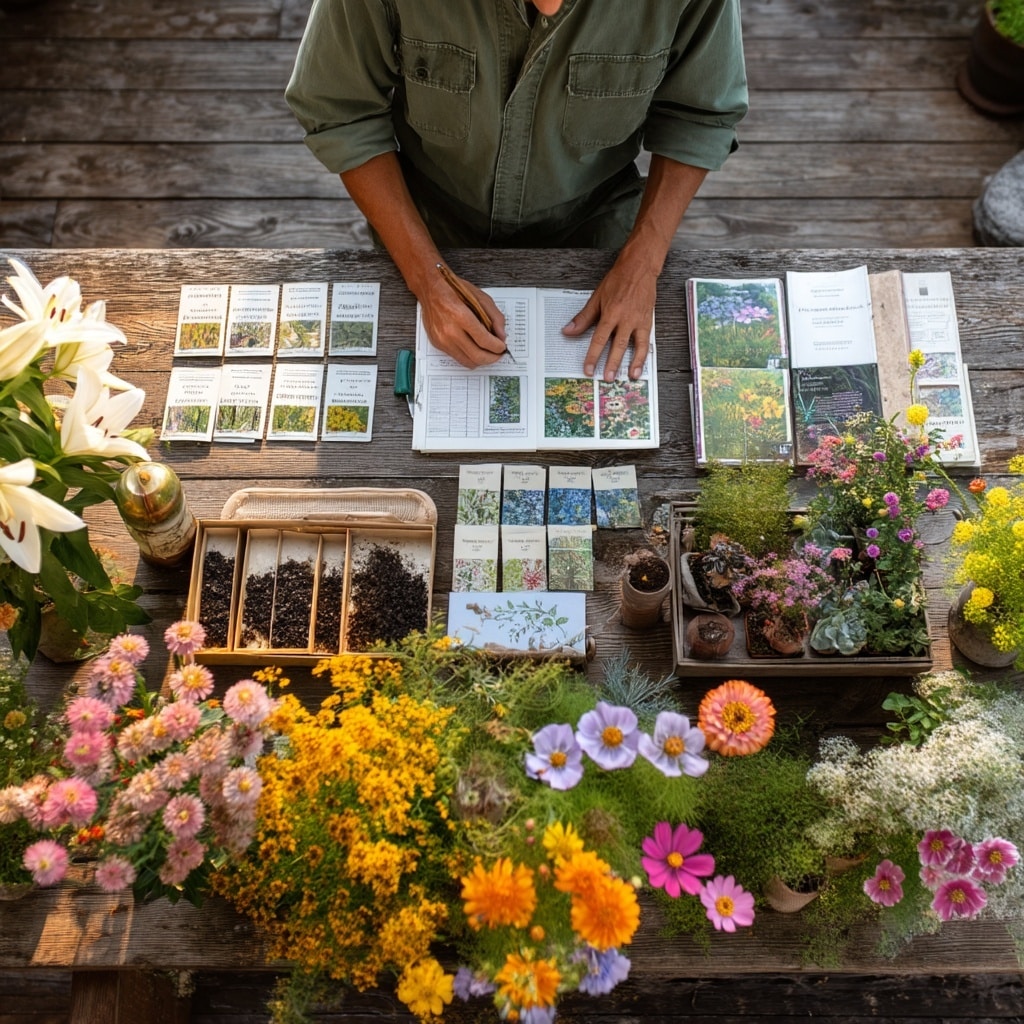
With so many different types of flowers available, narrowing down your choices can be overwhelming. But choosing the right flowers becomes much easier when you consider a few key factors. Whether you’re planning a garden, a bouquet, or an indoor display, your selections should reflect both your environment and personal style.
🌈 1. Consider Color Preferences
Color is often the first thing people notice. Choose flowers that reflect your favorite shades or those that complement each other well. Soft pinks and whites create a romantic feel, while bright oranges and yellows bring warmth and energy. For contrast, try pairing cool tones (like blues and purples) with pops of bold red or sunny yellow.
🏡 2. Match to Your Environment
Flowers thrive best when planted in conditions that match their needs.
- Sunny gardens: Choose sun-loving varieties like marigolds, zinnias, and sunflowers.
- Shady areas: Go with impatiens, hostas, or begonias.
- Dry climates: Opt for drought-tolerant choices like cosmos, lantanas, or moss rose.
- Cool climates: Look for flowers that can tolerate early frosts or mild summers, such as pansies or calendulas.
🌸 3. Think About Bloom Time
If you want color throughout the growing season, choose flowers that bloom at different times. Combine early bloomers like daffodils and hyacinths with mid-season favorites like peonies and tulips, and finish with late bloomers like chrysanthemums and asters.
💕 4. Prioritize Personal Favorites
Gardening is personal, and your space should reflect what you love. If you’re passionate about roses or fascinated by exotic orchids, let that passion guide your choices—even if they require a bit more care. The joy of seeing your favorites bloom is always worth the effort.
🌼 5. Mix Function with Beauty
Some flowers do more than just look good.
- Attract pollinators: Plant coneflowers, bee balm, or lavender.
- Repel pests: Use marigolds or chrysanthemums.
- Cut flowers: Grow zinnias, dahlias, and snapdragons for long-lasting bouquets.
Conclusion
Choosing from the many different types of flowers is both exciting and rewarding. Whether you’re building a backyard garden, planning a wedding, or simply brightening up your windowsill, there’s a flower for every space, season, and style. By understanding bloom times, growing conditions, and your own personal preferences, you can create a floral experience that brings beauty and joy throughout the year. Start simple, stay curious, and let your garden grow with you.