
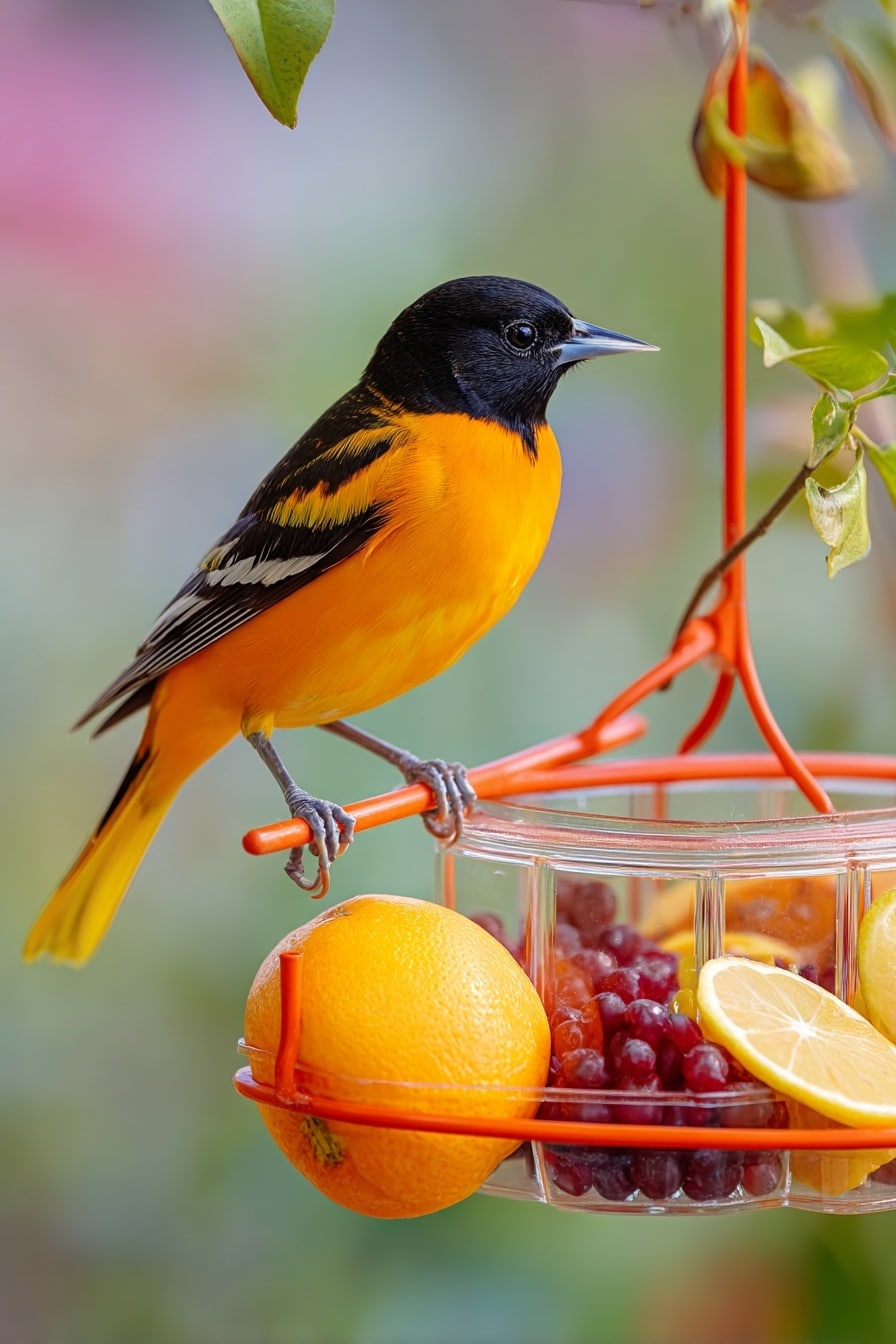
Bird feeder setups are one of the most rewarding ways to invite wildlife into your yard while supporting local bird populations. Whether you’re a seasoned bird watcher or just starting to appreciate the joy of backyard birds, the right feeder makes all the difference. With so many types available—from simple platforms to nectar feeders—knowing which bird feeder suits your space and the species you want to attract can turn your garden into a vibrant, feathered haven. This guide will help you choose the best bird feeder style to match your goals and garden.
Table of Contents
What Is a Bird Feeder?

A bird feeder is a device designed to hold food for wild birds, allowing you to attract and observe them in your own outdoor space. Feeders come in various shapes and sizes, each tailored to different types of birds and feeding behaviors.
Why Use One?
- Provides essential food, especially during harsh seasons
- Encourages biodiversity in your yard
- Offers an up-close view of bird behavior and beauty
Common Feeder Features
- Drainage holes to prevent soggy seed
- Perches or platforms for resting and feeding
- Weather guards to shield food from rain and snow
- Materials that resist rust, mildew, and chewing
A well-placed bird feeder can become a centerpiece of your garden, supporting both nature and your own enjoyment.
Platform Bird Feeders
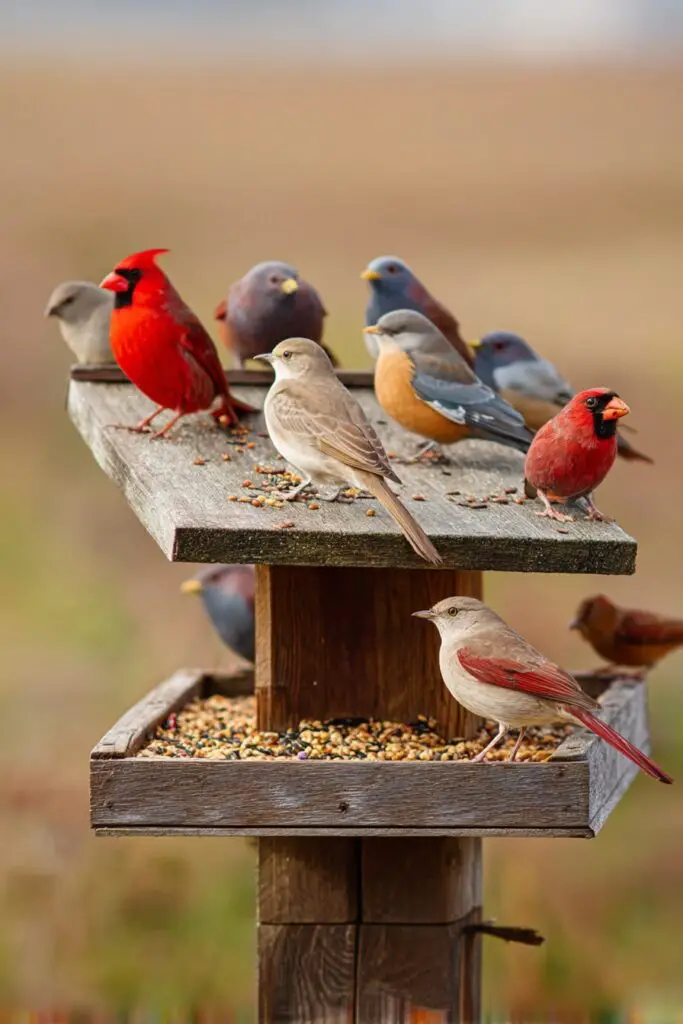
Platform bird feeders are some of the most versatile and inclusive designs you can use. They consist of a flat, open surface where seed is spread, allowing a wide variety of birds to comfortably perch and feed.
Benefits
- Attracts both small and large birds, including cardinals, jays, and doves
- Accommodates all types of feed: seed, fruit, nuts, or suet cakes
- Easy to clean and refill
Things to Consider
- Lack of cover means feed is exposed to weather and may spoil quickly
- Can invite squirrels or unwanted critters if not elevated or protected
- Best used with a mesh bottom for proper drainage
If you’re aiming for maximum visibility and variety, a platform bird feeder is a solid choice.
Tube Bird Feeders
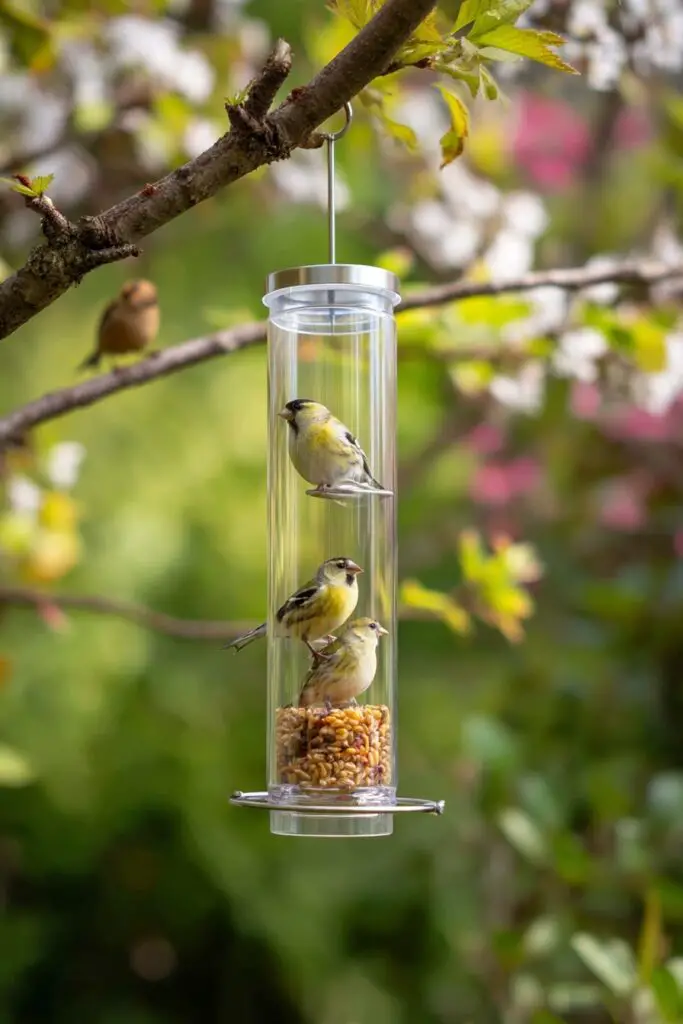
A tube bird feeder is a cylindrical feeder with multiple feeding ports and perches, designed primarily for smaller songbirds. It’s one of the most popular and effective styles for backyard bird feeding.
Benefits
- Ideal for finches, chickadees, sparrows, and titmice
- Keeps seed cleaner and drier than open feeders
- Ports allow multiple birds to feed at once without crowding
Customization Options
- Choose between small port sizes for nyjer seed or larger ports for sunflower seeds
- Some models include squirrel-proof designs with metal cages or locking tops
- Available in various sizes to control how often you need to refill
Tube feeders offer a neat, efficient way to support small birds while minimizing waste and mess.
Hopper Bird Feeders
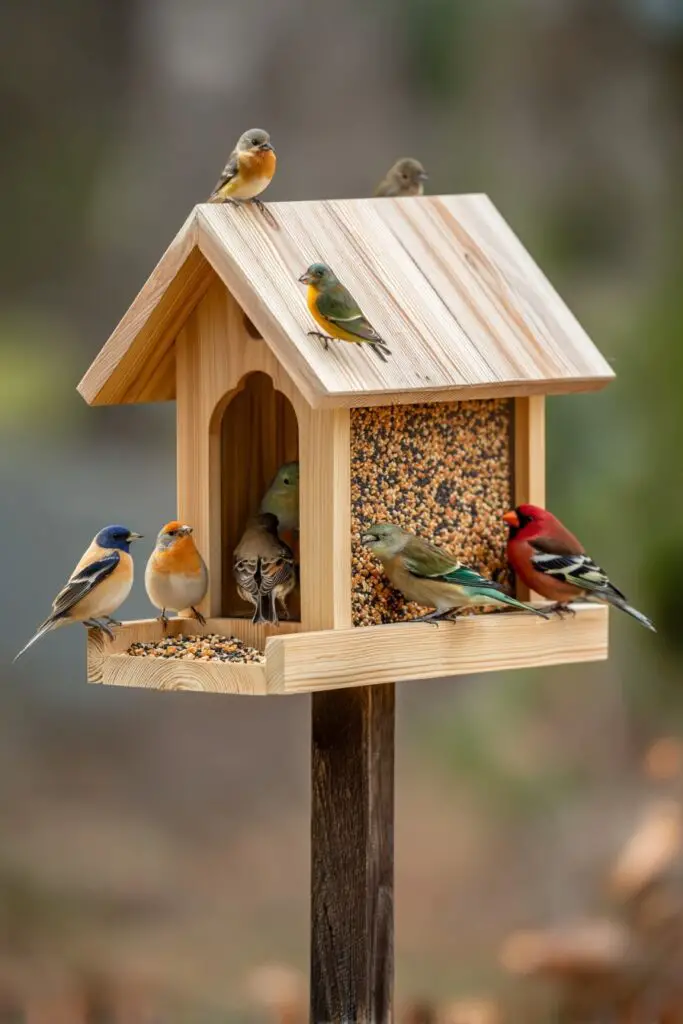
The hopper bird feeder combines storage and feeding in one sturdy structure. Shaped like a small house or barn, it holds a generous amount of seed that’s gradually dispensed as birds feed from the base.
Benefits
- Attracts a wide range of birds including cardinals, grosbeaks, and finches
- Large capacity means less frequent refilling
- Roof design helps keep seed dry and protected from the elements
Design Tips
- Choose models with clear sides to easily monitor seed levels
- Mount on a pole or hang with a baffle to deter squirrels
- Clean regularly to prevent mold buildup in hidden corners
Hopper feeders are ideal for those who want a classic look and high volume seed distribution in their bird feeder setup.
Suet Bird Feeders
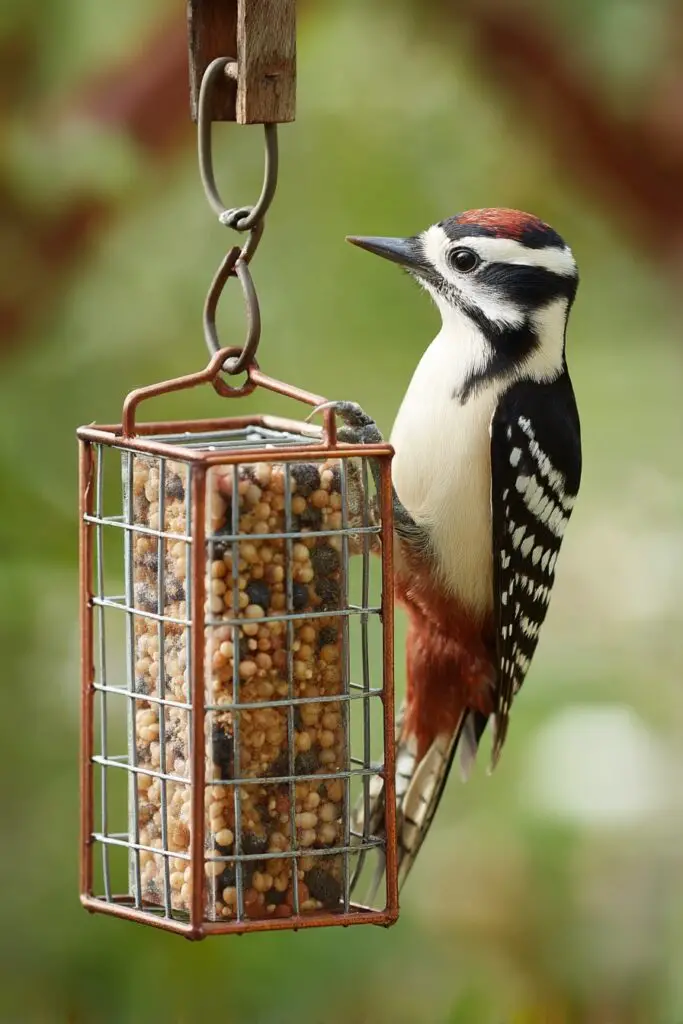
A suet bird feeder offers high-energy nutrition that’s especially valuable in colder months. Suet is a fat-based food that attracts insect-eating birds who may not visit traditional seed feeders.
Birds You’ll Attract
- Woodpeckers
- Nuthatches
- Wrens
- Chickadees
Feeder Types
- Cage-style suet feeders hold square suet cakes securely
- Tail-prop feeders support woodpeckers’ natural feeding stance
- Upside-down feeders discourage larger birds like starlings from dominating the feed
Placement Tips
- Hang in a shaded area to keep suet from melting in the sun
- Offer plain suet or blends with seeds, berries, or insects
- Keep feeders clean and check for spoilage during warm weather
Including a suet feeder in your bird feeder plan supports a broader range of birds, especially those needing fat-rich meals.
Nectar Bird Feeders
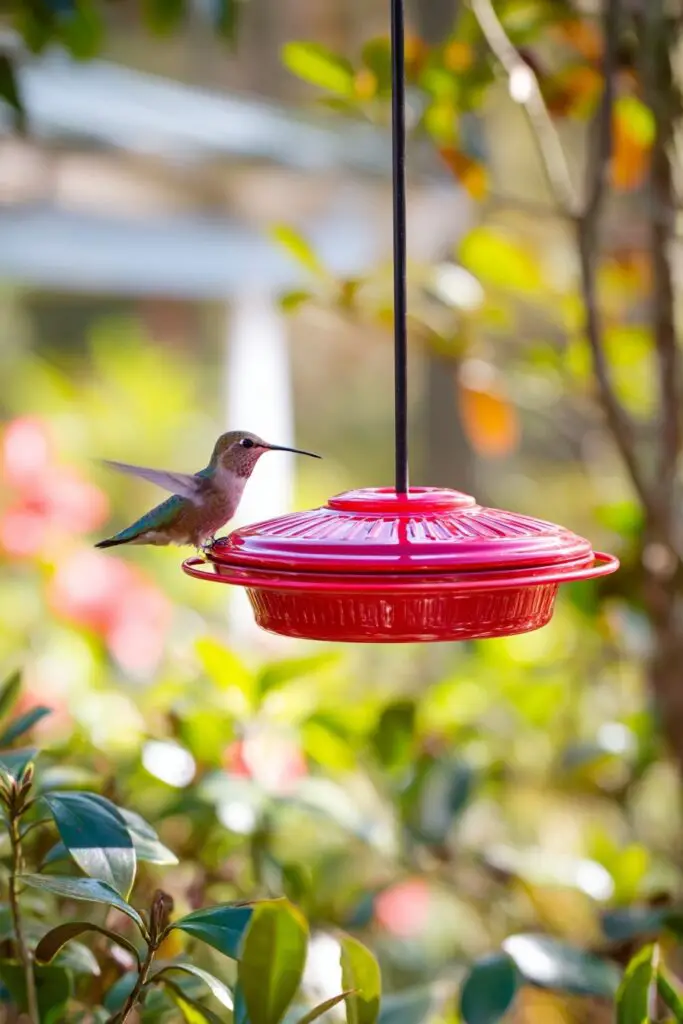
A nectar bird feeder is designed to attract hummingbirds and other nectar-feeding species by offering a sugar-water solution. These feeders add motion, color, and energy to your garden space.
Ideal For
- Hummingbirds
- Orioles (in some cases)
- Occasionally bees and butterflies
Best Practices
- Use a mix of 1 part white sugar to 4 parts water — never use honey, dyes, or artificial sweeteners
- Clean every 2–3 days (daily in hot weather) to prevent mold and fermentation
- Position in partial shade to slow spoilage and maintain freshness
Design Features
- Look for red accents to catch hummingbirds’ attention
- Choose models that are easy to disassemble for thorough cleaning
- Built-in bee and ant guards help protect the nectar
Adding a nectar bird feeder brings life and color to your garden and supports one of nature’s most fascinating pollinators.
Oriole Bird Feeders
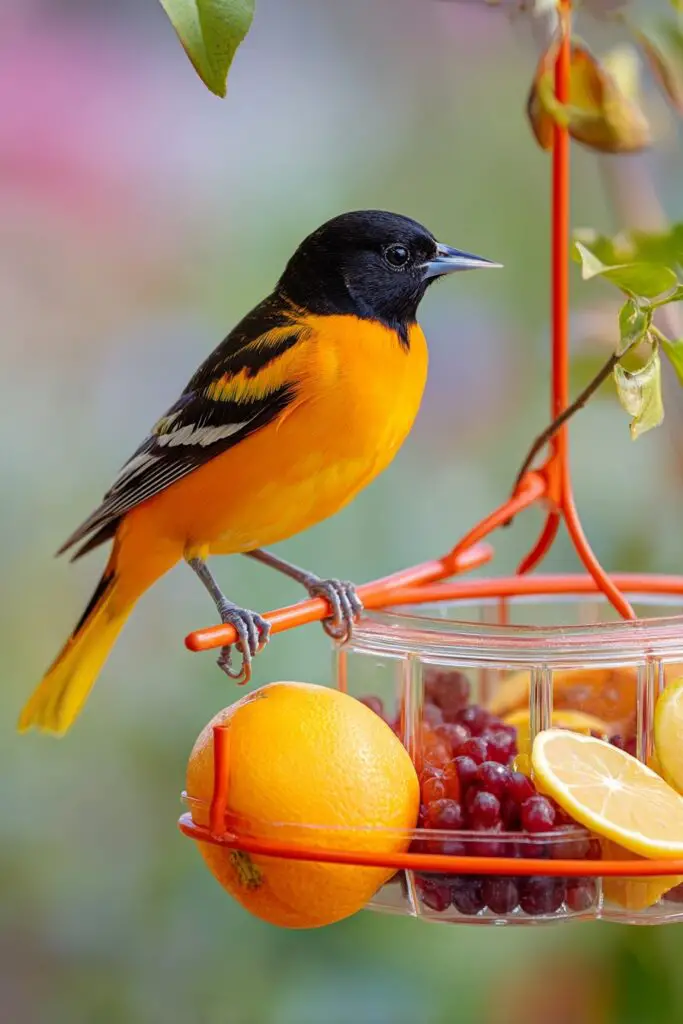
An oriole bird feeder is specially designed to attract these brightly colored birds with their preferred diet of fruit, jelly, and nectar. Orioles have different feeding habits than hummingbirds or seed-eaters, so a dedicated feeder helps meet their unique needs.
What to Offer
- Orange halves skewered on feeder spikes
- Grape jelly placed in small trays
- Oriole nectar (similar to hummingbird nectar but offered in larger ports)
Feeder Features
- Bright orange color to attract orioles from a distance
- Separate compartments for nectar, jelly, and fruit
- Easy to clean and refill
Placement Tips
- Hang in a quiet area, ideally near trees or shrubs
- Put out feeders in early spring to attract migrating orioles
- Keep ants and bees away with built-in guards or a moat
Including an oriole bird feeder adds vibrant color and song to your garden and supports these seasonal favorites during their migration and breeding seasons.
Let me know when to continue to the final section:
Conclusion
Adding a bird feeder to your outdoor space invites beauty, movement, and natural harmony into your everyday life. Whether you’re offering seed, suet, nectar, or fruit, each feeder type serves a unique purpose and attracts different species. By choosing the right feeders and maintaining them properly, you can create a backyard haven that supports local wildlife and brings joy to your day. With a little effort and the right setup, your garden can become a year-round gathering spot for birds of all kinds.