
Blue flowers bring a sense of calm and elegance to any garden. Whether you’re working with full sun, dappled shade, or a challenging corner that needs a splash of color, these serene bloomers can transform ordinary spaces into eye-catching, peaceful retreats. From the soft sky-blue hues of spring to the deep indigos of summer and fall, blue flowers offer year-round beauty that feels both refreshing and timeless.
In this guide, we’ll cover a wide range of easy-care blue flowers for gardens, thoughtfully grouped by season to help you plan a landscape that blooms beautifully from spring to fall.
Table of Contents
Why Blue Flowers Belong in Every Garden

Blue flowers have a unique ability to evoke emotion in the landscape. Unlike the more common warm-toned blooms, blue flowers add depth, contrast, and a touch of serenity to garden beds and borders. They naturally complement a wide variety of colors—pairing beautifully with pinks, whites, purples, and even fiery oranges. This versatility makes them an essential element in any well-balanced garden design.
One of the reasons blue flowers are so beloved is their rarity. True blue blooms are uncommon in nature, making them stand out among traditional garden palettes. Their cool tones can make small gardens feel larger and more peaceful, while their softness balances bold, dramatic hues in larger spaces.
Whether you’re planting for pollinators, looking to soften hardscape lines, or simply want a tranquil corner to relax in, blue flowers bring a refreshing calm that few other colors provide. With options for sun, shade, wet, or dry conditions, there’s a blue flower for nearly every corner of the garden.
Planning a Seasonal Garden With Blue Flowers
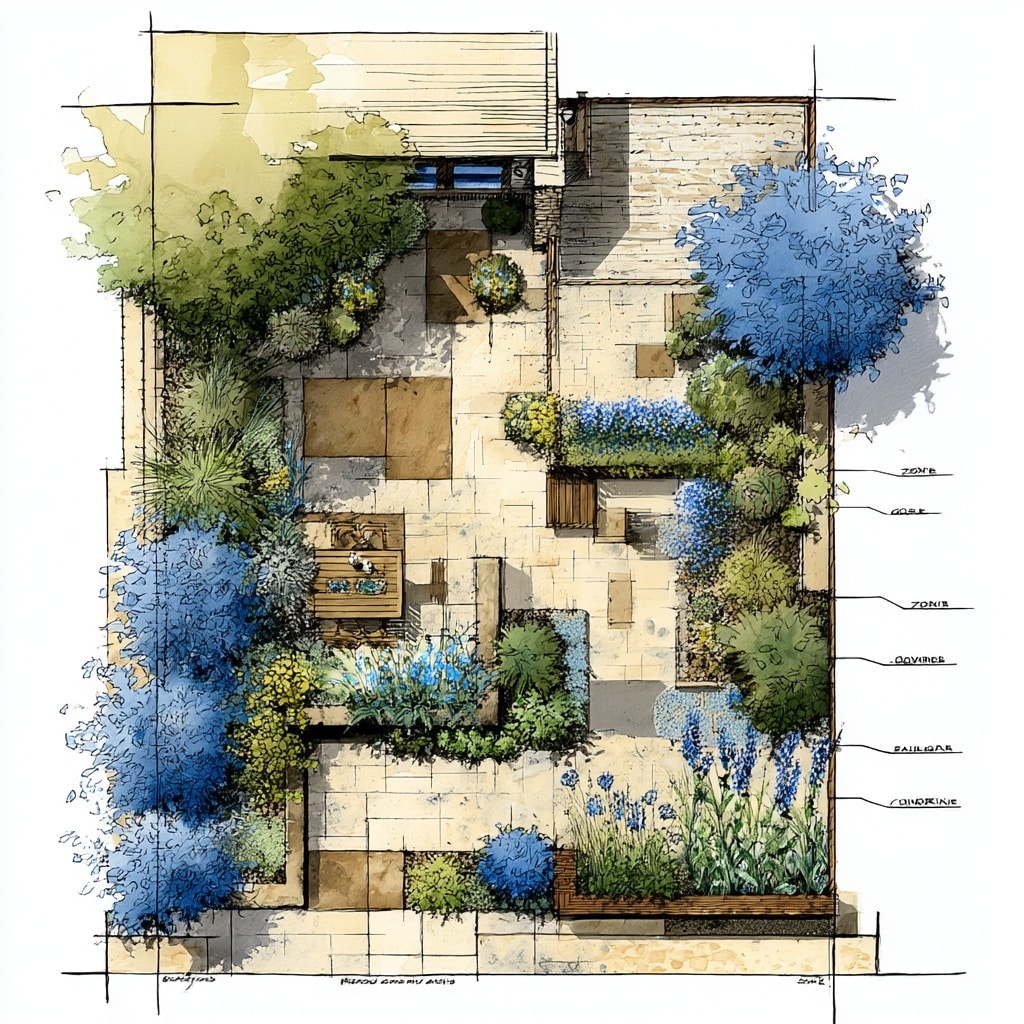
Creating a garden that thrives from early spring through late fall starts with understanding your growing conditions. To make the most of blue flowers throughout the year, it’s essential to match the right plants to the right spots. Fortunately, there are many blue blooms that suit a range of environments—from full sun to shady woodland areas.
Know Your Hardiness Zone
Before selecting plants, identify your USDA hardiness zone. This helps you determine which blue flowers are perennial in your region and which may need to be treated as annuals. For example, hydrangeas thrive in Zones 3–9, while agapanthus performs best in Zones 7–9.
Understand Your Soil
Healthy soil is the foundation of a successful garden. Conduct a simple soil test to check pH and nutrient levels. Some blue flowers, like hydrangeas, actually change color depending on the acidity of the soil. Most varieties prefer well-draining, moderately fertile ground. Amending with compost can help balance texture and fertility.
Track Sunlight Exposure
Observe your garden’s light patterns throughout the day. Full sun areas receive 6 or more hours of direct sunlight. Part shade offers 4–6 hours, while full shade gets less than 4. Many blue flowers, such as brunnera or Virginia bluebells, thrive in shady conditions, while others like salvia or delphinium require full sun for best blooms.
Design for All-Season Bloom
To enjoy blue flowers from spring through fall, choose varieties that bloom in staggered seasons. Include a mix of early spring bulbs, midsummer perennials, and late-season bloomers. Aim to have at least three types of blue flowers blooming in each season, with varied heights and textures for added visual interest.
Next, we’ll look at specific blue flower varieties for each season—and how to use them to fill your garden with consistent color and charm.
The Best Blue Flowers for Spring
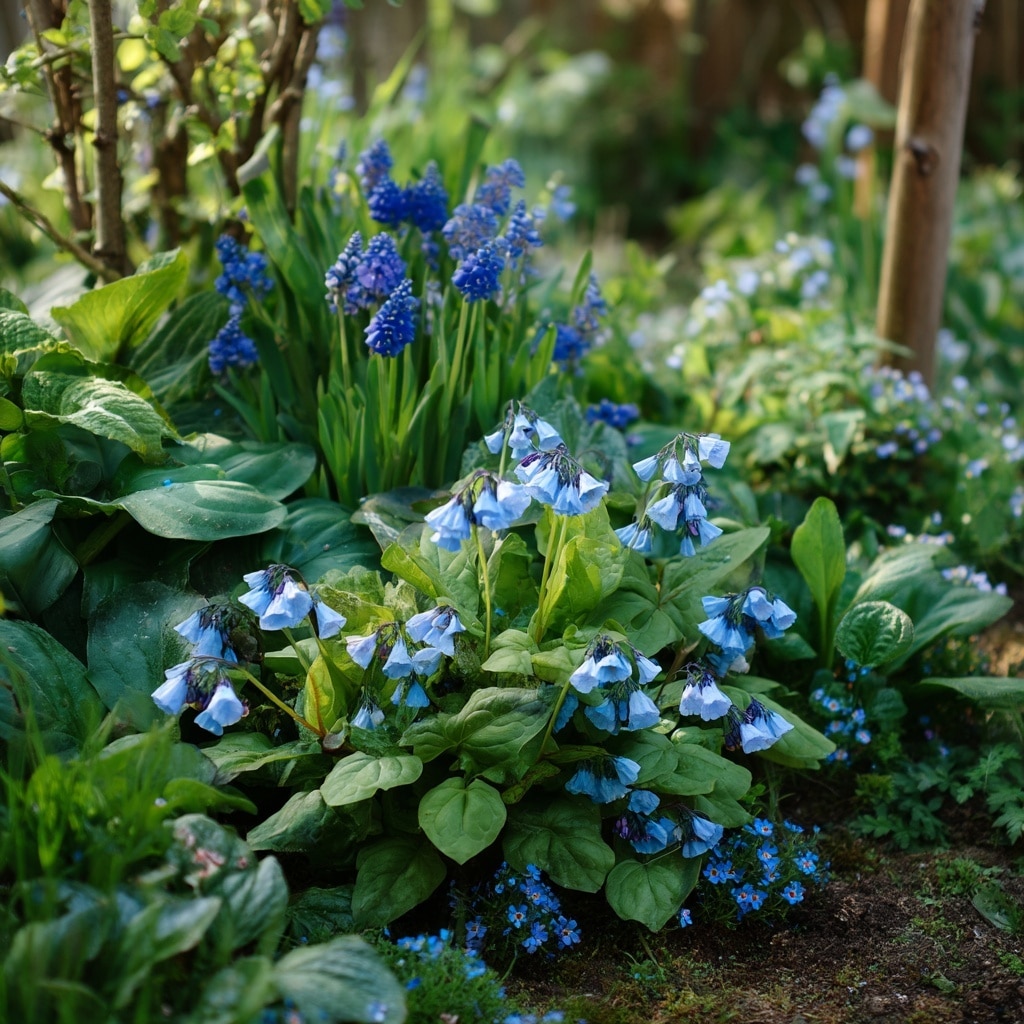
Spring is the season of fresh beginnings, and there’s no better way to welcome it than with a wave of blue flowers. These early bloomers offer soft, cool tones just as the garden awakens, bringing a sense of calm and color to your landscape after winter’s gray. Here are some of the most reliable blue flowers to plant for a striking spring display:
🌸 Virginia Bluebells (Mertensia virginica)
A woodland classic, Virginia bluebells erupt with bell-shaped blooms in soft lavender-blue. Perfect for part-shade areas, they prefer moist, rich soil and naturalize beautifully over time. Plant them under deciduous trees, where they’ll shine before the canopy fills in.
🌿 Brunnera (Brunnera macrophylla)
Often called “false forget-me-nots,” brunnera produces tiny sky-blue flowers atop heart-shaped silver-green leaves. It thrives in cool, shaded spots with moist soil and adds long-lasting foliage interest even after blooming.
💧 Forget-Me-Nots (Myosotis sylvatica)
These charming, low-growing blue flowers are a spring staple in cottage gardens. Ideal for borders and containers, they self-seed readily and bloom best in partial shade with consistently moist soil. Their delicate clusters make a perfect partner to daffodils and tulips.
🌼 Spanish Bluebells (Hyacinthoides hispanica)
Great for naturalizing under shrubs or along woodland edges, these starry blue flowers bloom early and tolerate shade well. Once established, they multiply easily and create a carpet of color each spring.
🌾 Grape Hyacinths (Muscari spp.)
Compact and fragrant, grape hyacinths produce bold, indigo-blue flower spikes. They thrive in full sun to part shade and make excellent companions to other spring bulbs. Plant en masse for a striking visual effect.
🌱 Lungwort (Pulmonaria spp.)
This underused gem features speckled foliage and clusters of blue-violet flowers. Lungwort loves dappled sun and moist, well-drained soil. It’s a wonderful choice for woodland gardens or shaded foundation beds.
💜 Iris (Iris germanica, I. sibirica)
Irises offer structural beauty with their sword-like leaves and velvety blue blooms. Bearded iris prefers full sun and well-drained soil, while Siberian iris tolerates more moisture and partial shade. Plant different varieties for staggered blooming.
🌸 Windflowers (Anemone blanda)
These daisy-like blue flowers pop up early and thrive in light shade with well-drained soil. Use them to fill in between spring bulbs or as a soft ground cover under shrubs and perennials.
The Best Blue Flowers for Summer
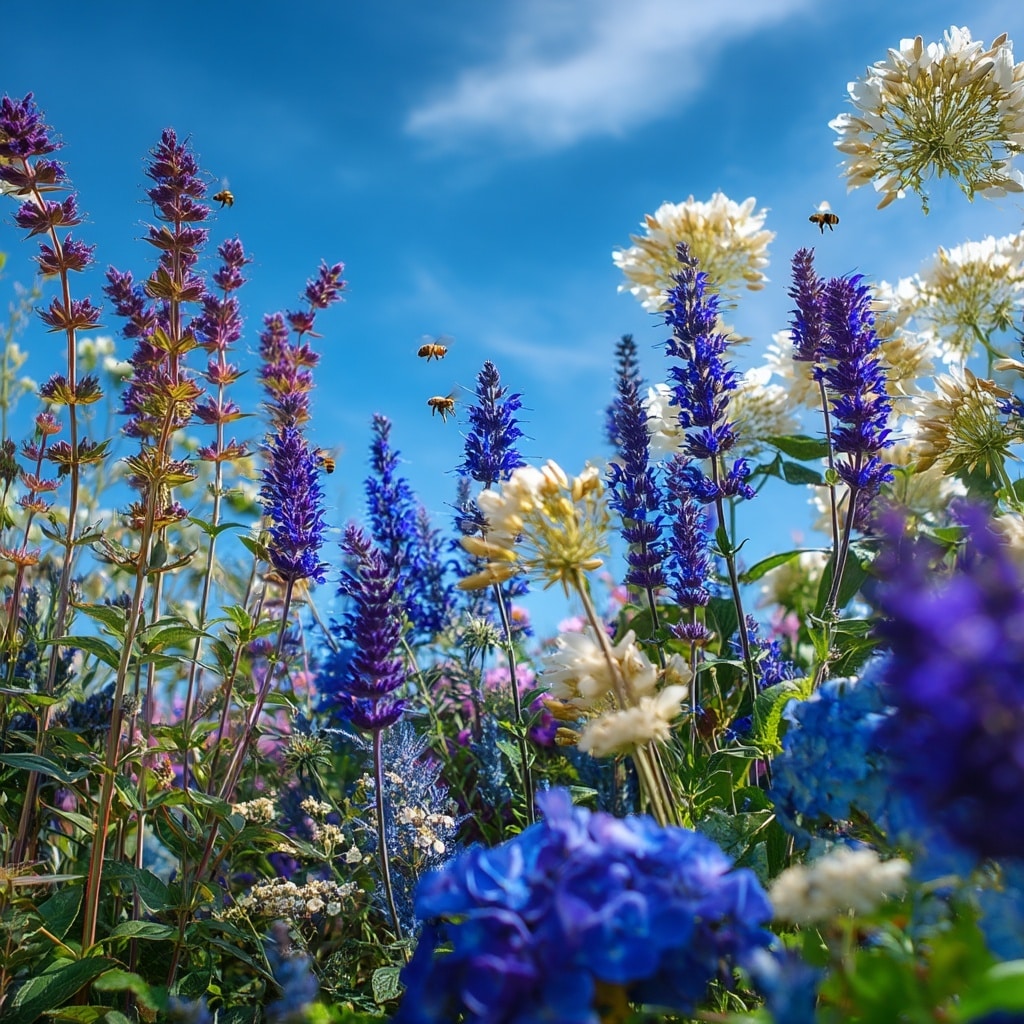
As spring fades and temperatures rise, your garden doesn’t have to lose its cool. With the right summer-blooming blue flowers, you can carry that tranquil, soothing vibe straight through the heat of the season. These plants thrive in full sun, offer bold hues, and attract pollinators — making them perfect additions to beds, borders, and containers.
🔷 Delphinium (Delphinium spp.)
These towering beauties are a summer showstopper. Their spires of deep blue flowers reach skyward and are loved by butterflies and bees alike. Delphiniums prefer rich, well-drained soil and full sun. Stake tall varieties early to prevent flopping in summer storms.
🌿 Salvia (Salvia nemorosa, S. farinacea)
Salvia is one of the most reliable blue flower performers for sunny spots. Its upright spikes bloom repeatedly with proper deadheading and require very little maintenance. Plus, it’s a magnet for hummingbirds and pollinators.
💙 Hydrangeas (Hydrangea macrophylla, H. serrata)
With varieties like Endless Summer and Nikko Blue, hydrangeas bring lush clusters of pastel to bold blue flowers. They prefer morning sun and afternoon shade with consistently moist, well-drained soil. Acidic soil enhances their blue tones—test and amend as needed!
🌟 Borage (Borago officinalis)
This herbal charmer offers edible, star-shaped blue flowers that attract bees like crazy. Borage is easy to grow from seed, loves the sun, and helps repel pests from vegetable beds. It’s a must-have for eco-conscious gardeners.
🌼 Globe Thistle (Echinops ritro)
With steel-blue spherical blooms and silvery foliage, globe thistle adds sculptural elegance. It thrives in dry, sunny areas and is highly deer- and drought-resistant. Plant it alongside echinacea or bee balm for a bold contrast.
🌿 Morning Glory (Ipomoea spp.)
Morning glories climb fences, trellises, and arbors with twirling blue trumpets that unfurl at sunrise. While beautiful, they can self-seed aggressively, so manage them carefully. Full sun and good drainage are essential for vigorous growth.
🌸 Lobelia (Lobelia erinus)
A favorite for containers and hanging baskets, lobelia cascades gracefully with its electric blue blooms. It thrives in cool temperatures and appreciates partial shade in hot climates. Keep soil moist for best performance.
🌊 Bacopa (Sutera cordata)
In warmer regions, this trailing blue flower provides season-long color in containers. Snowstorm Blue from Proven Winners is a reliable choice. Bacopa prefers part sun and consistently moist soil—avoid letting it dry out.
The Best Blue Flowers for Fall
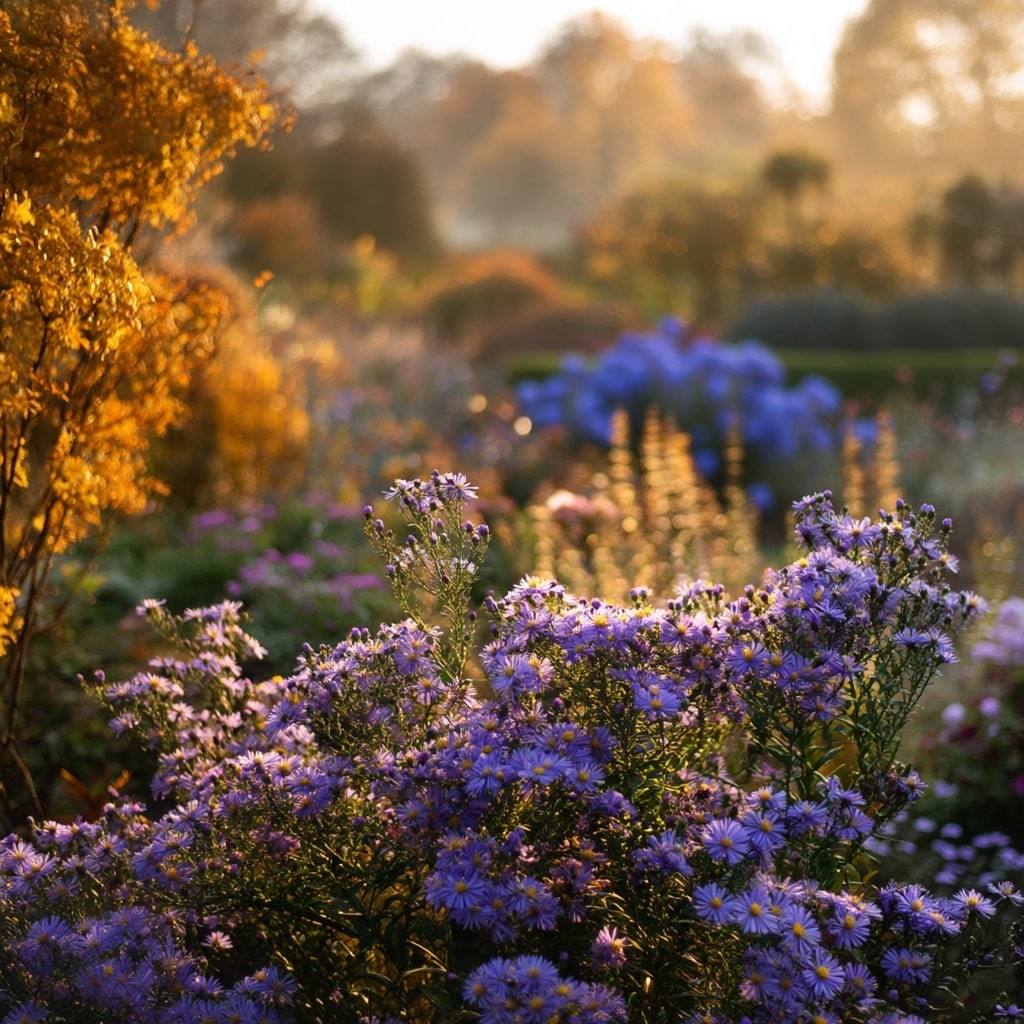
As summer fades and warm autumn colors take over, blue flowers can provide a much-needed contrast to the reds, oranges, and yellows of the season. While fewer in number, these late bloomers are just as impactful — offering vibrant color when most plants are winding down. They also play a critical role in supporting pollinators preparing for winter.
💜 Asters (Aster spp.)
Asters are a fall garden staple. Their daisy-like blue to violet blooms arrive just as many summer perennials finish, making them an essential bridge into autumn. Plant them in full sun with well-drained soil, and cut them back by mid-summer to encourage a more compact habit.
🔵 Caryopteris (Bluebeard)
This small shrub produces airy clouds of periwinkle-blue flowers in late summer and early fall. It’s a favorite among bees and butterflies, and it thrives in full sun with well-drained soil. Caryopteris is drought-tolerant and blends beautifully with ornamental grasses and warm-toned perennials.
🌺 Rose of Sharon (Hibiscus syriacus ‘Blue Chiffon’)
Though not truly blue, ‘Blue Chiffon’ varieties feature lavender-blue blooms that persist well into fall. This tall, hardy shrub is easy to grow, deer-resistant, and pollinator-friendly. Plant it in full sun and prune in early spring to encourage strong growth and heavy blooming.
Even as the days shorten, these fall-blooming blue flowers keep your garden looking fresh and alive. They offer both beauty and function—attracting pollinators, filling late-season gaps, and providing a calming contrast to autumn’s fiery tones.
How to Design a Blue Flower Garden That Blooms All Season
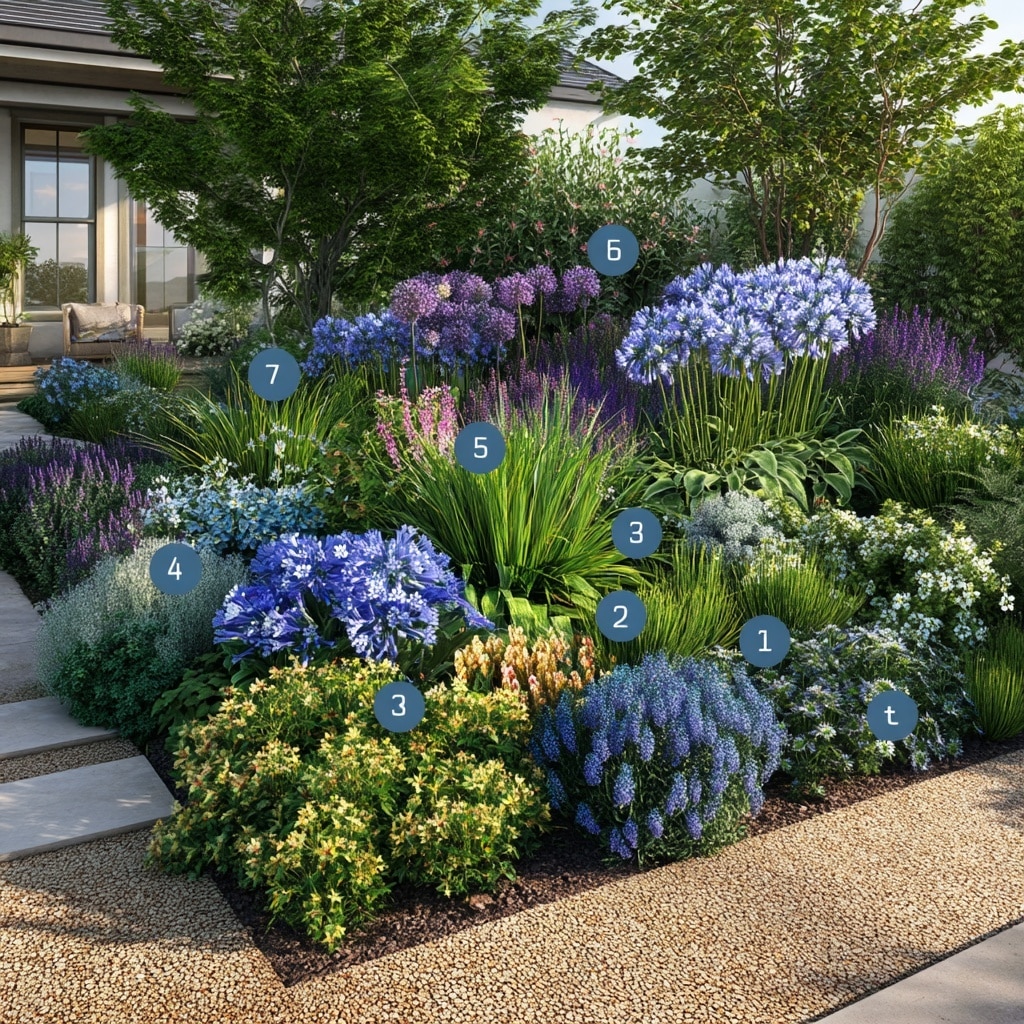
The magic of a truly beautiful blue flower garden lies in continuity—making sure something is always blooming from early spring through late fall. With thoughtful planning, you can create a landscape that evolves in layers, textures, and shades of blue all season long.
🌱 Plan for Bloom Succession
Start by choosing at least three blue flowers for each season: spring, summer, and fall. This ensures there’s always something in bloom. Here’s a quick sample combo to get you started:
- Spring: Virginia Bluebells, Brunnera, Forget-Me-Nots
- Summer: Salvia, Delphinium, Hydrangea
- Fall: Asters, Caryopteris, Rose of Sharon
By layering bloom times, your garden stays vibrant and engaging for months—no empty gaps, just continuous beauty.
☀️ Match the Right Plant to the Right Place
Each variety of blue flowers has its preferences for sun, soil, and moisture. Some, like globe thistle, thrive in dry, sunny beds. Others, like lungwort, prefer shade and damp soil. Pay attention to these needs when placing plants to avoid stress and poor performance.
- Full Sun: Delphinium, Salvia, Globe Thistle
- Part Shade: Brunnera, Hydrangeas
- Full Shade: Virginia Bluebells, Lungwort
Use a garden journal or simple sketch to map out sunlight patterns and soil types across your garden.
🎨 Mix in Companion Colors
Don’t be afraid to blend your blue flowers with other calming hues. Soft pinks, silvers, whites, and even purples help break up the blue while keeping the overall mood peaceful. Use warm colors like yellow or coral as occasional accents to create contrast and keep the garden from looking too cool or flat.
🪴 Don’t Forget Containers and Edges
Many blue flowers—like lobelia, bacopa, and forget-me-nots—perform beautifully in pots and along pathways. Use them to soften hardscape areas, fill gaps in beds, or bring color closer to seating areas and porches.
Final Thoughts on Growing Blue Flowers
Whether you’re designing a calm, meditative retreat or simply want to bring balance to bold borders, blue flowers deserve a place in every garden. From the soft, nodding bells of spring to the bold spikes and blooms of summer and fall, these cool-toned classics offer year-round charm with surprisingly low effort.
The key is thoughtful planning: stagger your bloomers across the seasons, match each plant to its preferred conditions, and blend textures and heights for visual interest. With so many easy-care blue flowers for gardens available, you can fill every corner—sunny or shady—with serene beauty and pollinator-friendly color.
So go ahead—make room for a little more blue. Your garden (and your peace of mind) will thank you.