
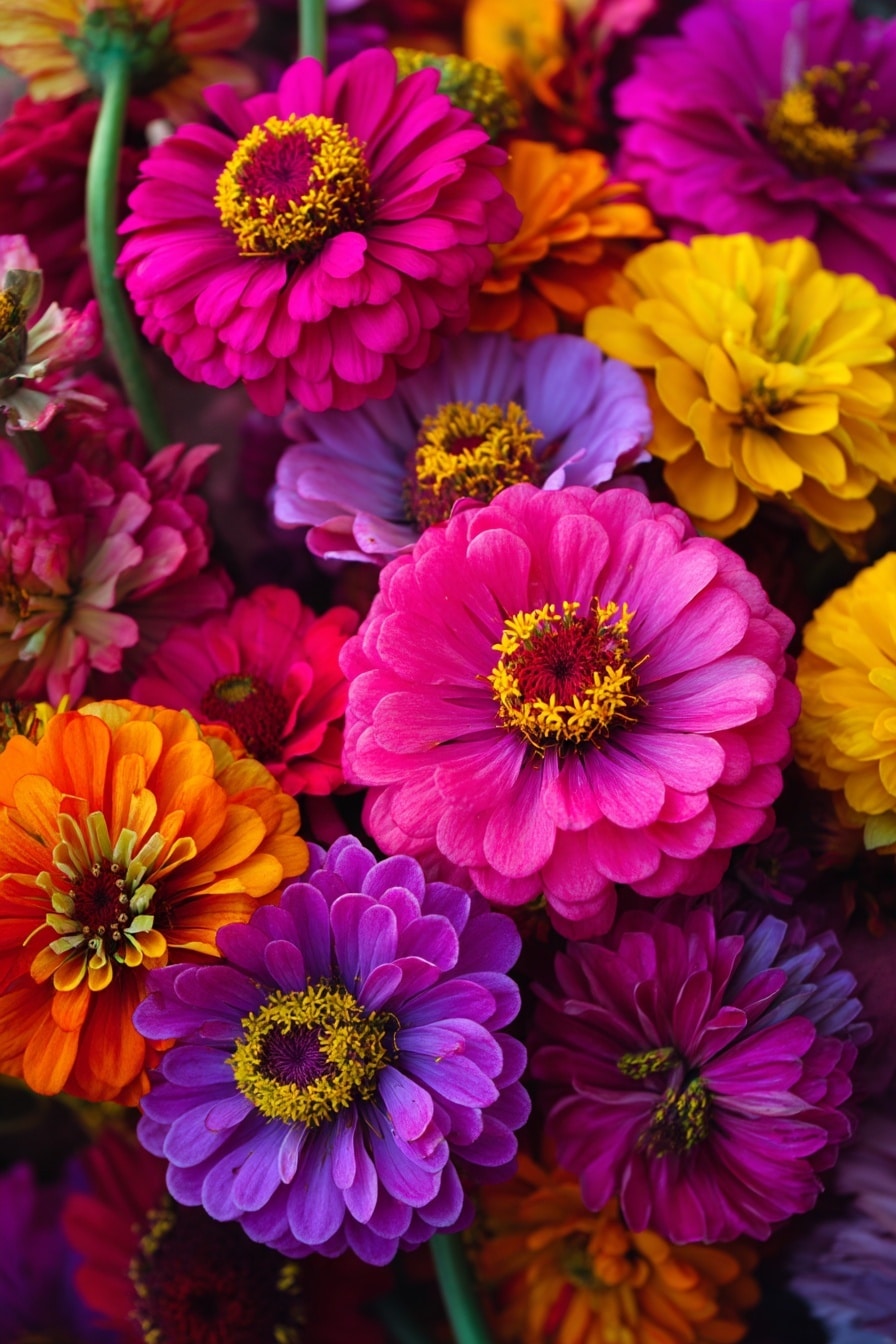
Cut flower garden enthusiasts know there’s nothing quite like stepping outside and snipping fresh blooms straight from your own yard. More than just a pretty space, a cut flower garden is designed with harvesting in mind—offering beauty outdoors and color indoors all season long. Whether you’re working with a small backyard, a raised bed, or a sunny balcony, growing flowers specifically for cutting brings continuous joy, sustainability, and an endless supply of homegrown bouquets.
Table of Contents
What Is a Cut Flower Garden?

A cut flower garden is a dedicated space designed specifically for growing blooms that are meant to be harvested and brought indoors. Unlike traditional flower beds created for visual impact in the landscape, this garden’s main goal is production over presentation.
Think of it as a flower farm in miniature—planned and planted with the same practicality as a vegetable garden. Every flower grown is meant to be snipped at peak bloom, arranged in a vase, and enjoyed inside your home.
This doesn’t mean your garden won’t be beautiful. In fact, it may be more vibrant than ever. But the purpose shifts—from decoration in place to abundance for the picking.
Whether you’re growing a few rows in your backyard or setting up raised beds, the cut flower garden transforms your planting strategy into something functional, fragrant, and flourishing.
Where to Plant a Cut Flower Garden
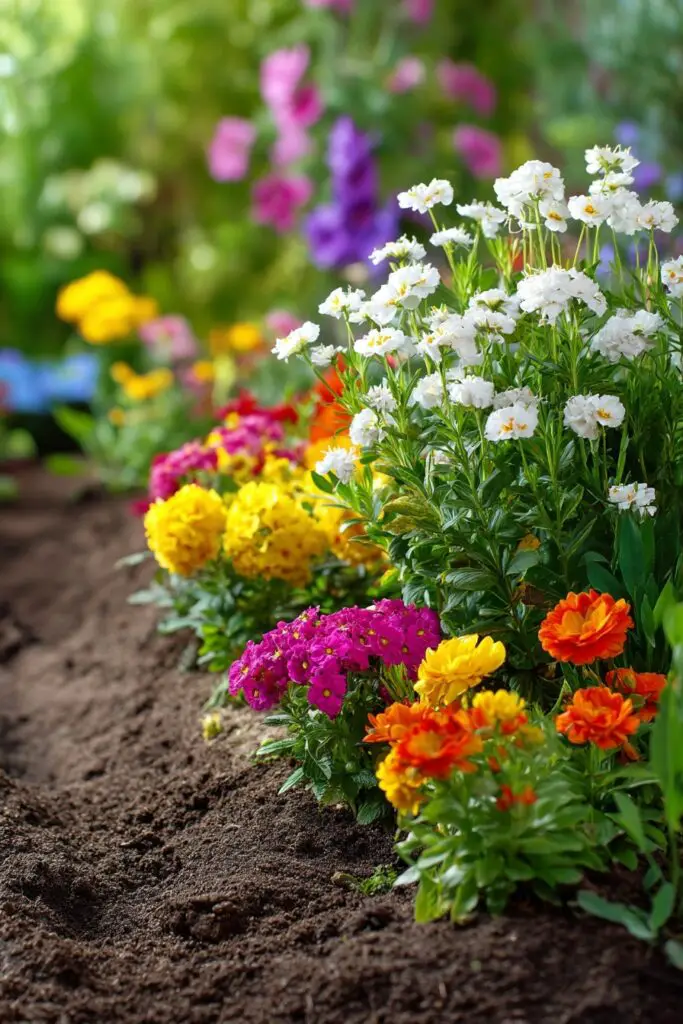
Choosing the right location is key to the success of your cut flower garden. Most flowers grown for cutting thrive in full sun, so aim for a spot that gets at least six hours of direct sunlight each day.
In addition to sunlight, consider wind exposure. A sheltered area protected from strong gusts helps prevent your flower stems from toppling over or drying out too quickly. If your yard tends to be breezy, plant a hedge or install a simple windbreak to protect your blooms.
Don’t have much ground space? You can still grow a productive cut flower garden in containers on a sunny balcony or deck. Many popular cut flowers adapt well to pots, as long as they have enough room and good drainage.
Before planting, check the soil conditions. Some flowers prefer dry, sandy soils while others do best in richer, loamy ground. Adjust your planting choices based on your specific site conditions to give your blooms the best chance to thrive.
How to Set Up a Cut Flower Garden

Designing your cut flower garden with harvesting in mind makes a big difference in both ease and yield. Instead of wide, decorative beds, focus on narrow rows or rectangular plots that allow easy access from all sides.
Choose a bed width that lets you comfortably reach the center without stepping on the soil—usually 3 to 4 feet wide is ideal. Create clear pathways between rows so you can walk through, water, weed, and harvest without damaging plants.
Raised beds are a popular option, especially if your native soil is poor or drains poorly. They also reduce bending and make maintenance easier—perfect for anyone with mobility limitations.
One more helpful tip: separate annuals from perennials. Annual flowers will need to be replanted each season, while perennials return year after year. Grouping them accordingly keeps your layout organized and planting more efficient.
With a little planning and structure, your cut flower garden can become a high-yield, low-fuss source of seasonal color.
Ideal Size and Layout
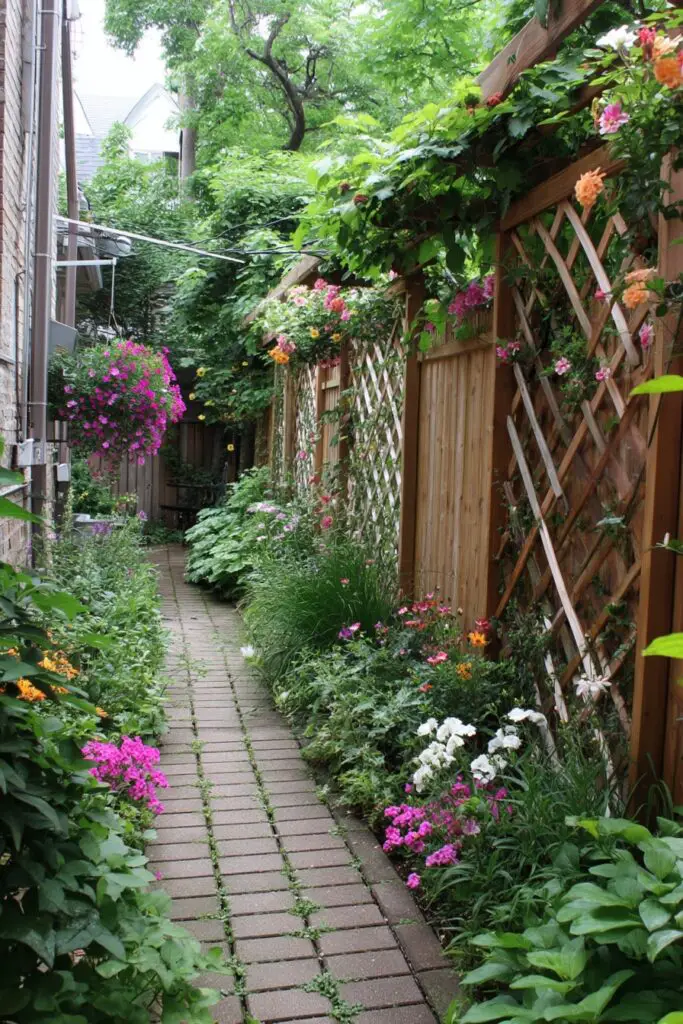
You don’t need a massive plot to create a successful cut flower garden. In fact, with smart spacing and the right plant choices, even a small garden can produce armloads of blooms throughout the season.
Start by using tall, long-stemmed plants that can be spaced closely together. This maximizes yield per square foot and creates a lush look. For tighter spaces, choose vining flowers like sweet peas or climbing nasturtiums—they can grow vertically on trellises, saving room on the ground.
If you’re working with limited space, consider:
- Raised beds for better drainage and structure
- Container gardens on balconies or patios
- Vertical trellises to support climbers and increase airflow
The goal is to grow as many cut-worthy flowers as possible in your available area. By focusing on density, access, and sun exposure, your cut flower garden will be both space-smart and surprisingly productive.
Combining Flowers and Vegetables
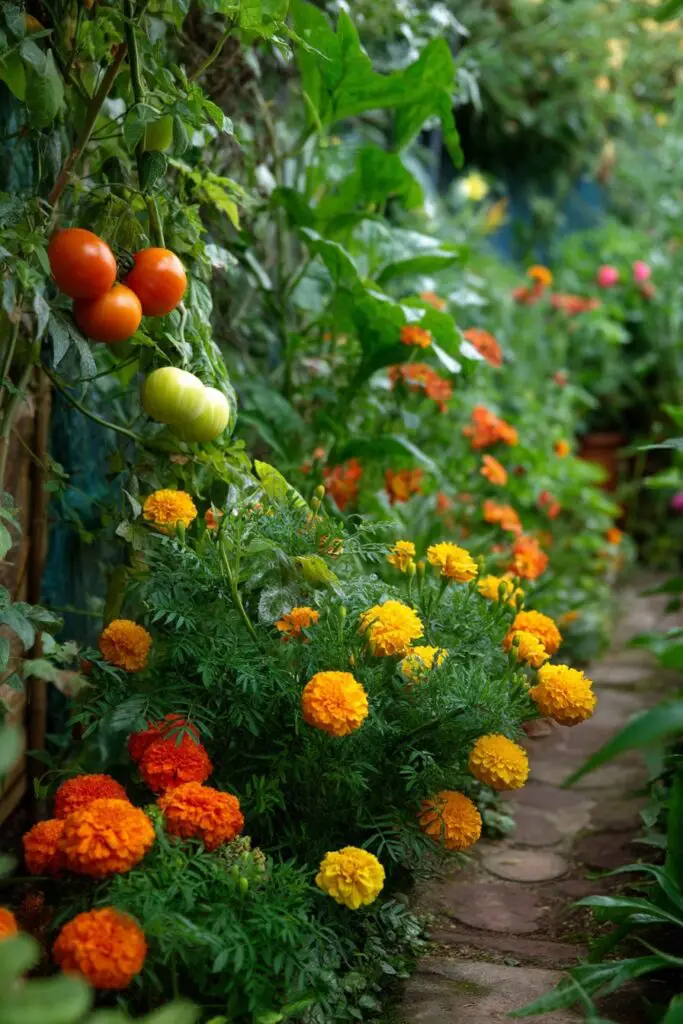
Your cut flower garden doesn’t need to be separate from your vegetable patch—in fact, combining the two can create a thriving, visually stunning, and eco-friendly growing space.
As long as the plants have similar sunlight, soil, and watering needs, many flowers and vegetables grow happily side by side. And it’s not just about looks—flowers can serve a functional purpose in the veggie garden:
- Marigolds help repel pests like tomato hornworms and aphids
- Calendula attracts pollinators and beneficial insects
- Nasturtiums act as sacrificial plants, drawing pests away from crops
- Lavender and dill provide nectar for pollinators while deterring harmful bugs
This method of companion planting enhances biodiversity, improves pest control, and increases pollination, which benefits your entire garden.
So if space is limited—or you just love a colorful vegetable bed—integrating a cut flower garden into your edible garden is a smart, natural choice.
What Makes a Good Cut Flower?
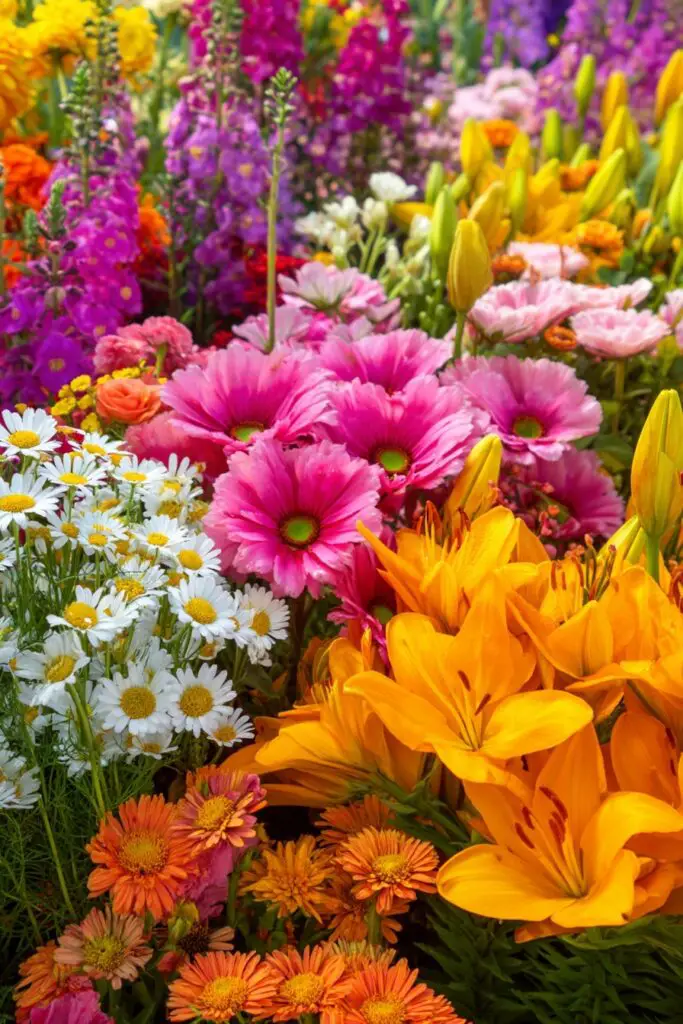
Not all blooms are suited for bouquets—some wilt quickly, while others lack sturdy stems. A successful cut flower garden is built around varieties known for their vase life, stem strength, and steady production.
Here’s what to look for when choosing plants:
- Strong stems: They support the flower and make arranging easier
- Long-lasting blooms: Flowers that stay fresh in a vase for days
- High yield: Plants that produce multiple flowers over a long season
- Reblooming habit: “Cut-and-come-again” varieties give you more for less effort
- Fragrance: Scented flowers like sweet peas or lavender add another layer of beauty
- Color and form: Think about textures, bloom shapes, and color combinations that will work well together in arrangements
Some flowers, like zinnias and sunflowers, check nearly every box. Others may be less productive but add unique visual or sensory appeal. Don’t be afraid to mix in greenery and fillers, such as dusty miller or basil, to round out your harvest.
A well-chosen mix brings variety, charm, and a constant supply of cuttable beauty to your garden and home.
Design Tips for a Productive Cut Flower Garden
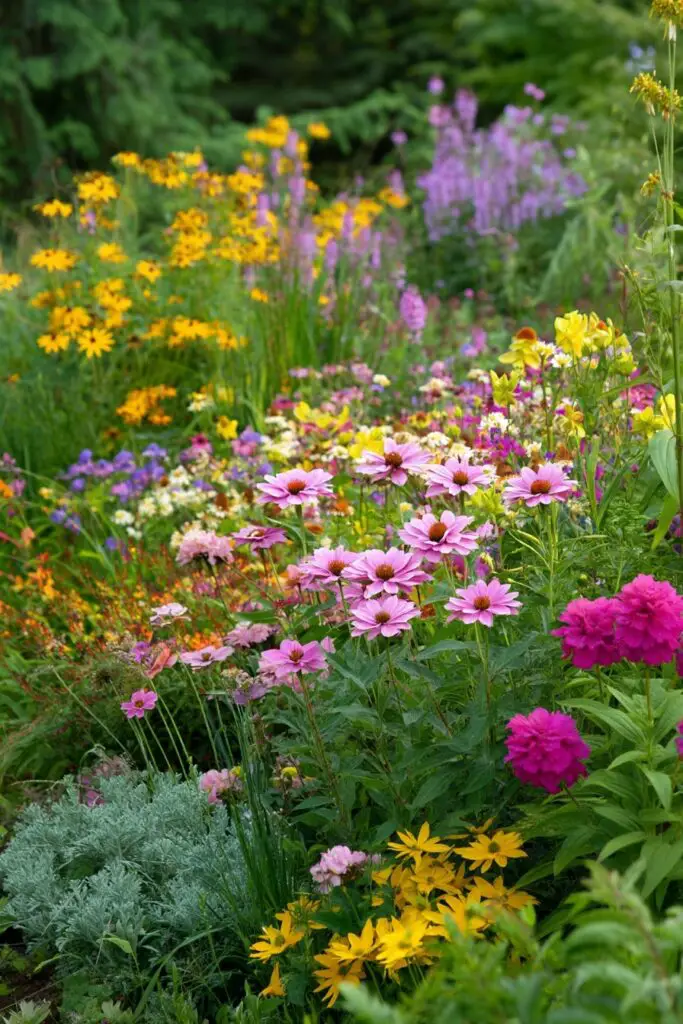
A thriving cut flower garden isn’t just about what you grow—it’s also about how you grow it. With thoughtful planning, you can keep your vases full from early spring through late fall. Here are proven tips to boost your garden’s beauty and productivity:
🌼 Plan for Continuous Blooms
Grow flowers that bloom in different seasons. Start with spring bulbs like daffodils and tulips, then mix in summer powerhouses like zinnias and cosmos, and finish with fall favorites like rudbeckia and asters.
For winter interest, plant shrubs like winterberry or grow dryable flowers like celosia and gomphrena for off-season arrangements.
🔁 Grow Cut-and-Come-Again Flowers
Choose varieties that produce more blooms the more you cut, like zinnias, cosmos, and snapdragons. These are ideal for small spaces where every plant needs to work hard.
🌱 Use Succession Planting
For annuals that don’t rebloom well, try staggering plantings every 3–4 weeks. This ensures a steady supply of flowers instead of one overwhelming flush.
🎨 Mix Textures and Colors
Include a range of bloom shapes and sizes—spikes (salvia), globes (allium), and flat umbels (yarrow). Mix bold colors with soft pastels or go for elegant monochromatic palettes using light and dark shades of the same hue.
🌿 Don’t Forget the Foliage
Balance flowers with filler plants and foliage like eucalyptus, rosemary, or dusty miller. Foliage adds structure to arrangements and helps flowers stand out.
🌻 Go Native
Native flowers like bee balm, black-eyed Susan, and coneflowers are not only easy to grow, they also support local pollinators and wildlife—an eco-friendly bonus for your cut flower garden.
Top Recommended Flowers for Cutting Gardens
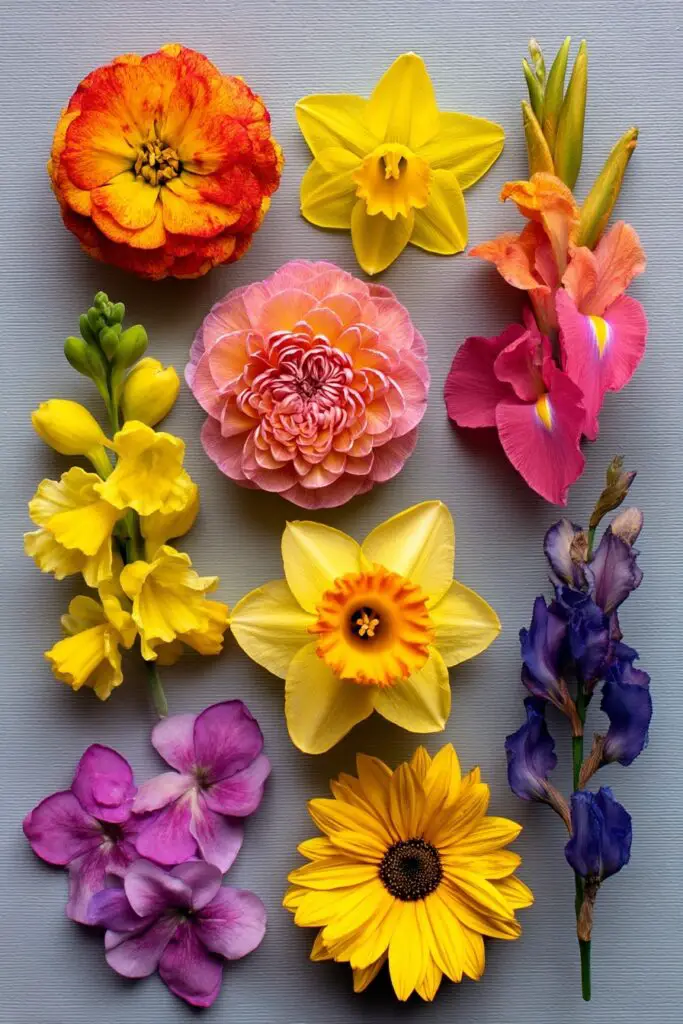
Choosing the right flowers is the foundation of a productive cut flower garden. These tried-and-true favorites offer long vase life, vibrant colors, and reliable blooms throughout the season.
🌼 Daffodil (Narcissus)
- Type: Bulb
- Zones: 4–8
- Bloom Time: Early to late spring
One of the earliest signs of spring, daffodils bring cheerful color to garden beds and vases. Harvest them just before the buds fully open for the longest-lasting arrangements.
🌸 Zinnia (Zinnia spp.)
- Type: Annual
- Bloom Time: Late spring through frost
Zinnias are the ultimate cut-and-come-again flower. They thrive in sun, come in a wide array of colors, and keep producing new blooms all season when cut regularly.
🌺 Sweet Pea (Lathyrus odoratus)
- Type: Annual
- Bloom Time: Early spring to early summer
Famous for their fragrance and delicate blooms, sweet peas are a must for scented bouquets. Grow them up a trellis for better air circulation and vertical beauty.
🌿 Gladiolus (Gladiolus x hortulanus)
- Type: Bulb
- Zones: 8–10
- Bloom Time: Early summer through frost
Glads bring dramatic height and structure to your arrangements. With long flower spikes and a variety of colors, they’re bold and elegant.
🌹 Rose (Rosa spp.)
- Type: Shrub
- Zones: Varies (commonly 4–11)
- Bloom Time: Spring through summer
Classic and romantic, roses are a staple in any cut flower garden. Look for long-stemmed varieties with strong fragrance for the best results indoors.
🌻 Black-Eyed Susan (Rudbeckia spp.)
- Type: Perennial
- Zones: 3–9
- Bloom Time: Midsummer through frost
These native wildflowers are low-maintenance, drought-tolerant, and produce buckets of golden blooms ideal for informal arrangements and rustic charm.
Conclusion
Creating a cut flower garden is one of the most rewarding ways to bring beauty, fragrance, and color into your life—both outdoors and indoors. With the right layout, plant selection, and care strategies, even a small space can yield a steady stream of blooms for vases, gifts, or simple daily joy.
Whether you’re starting with a few zinnias or planning full beds of seasonal showstoppers, a cut flower garden offers the perfect blend of purpose and pleasure.