
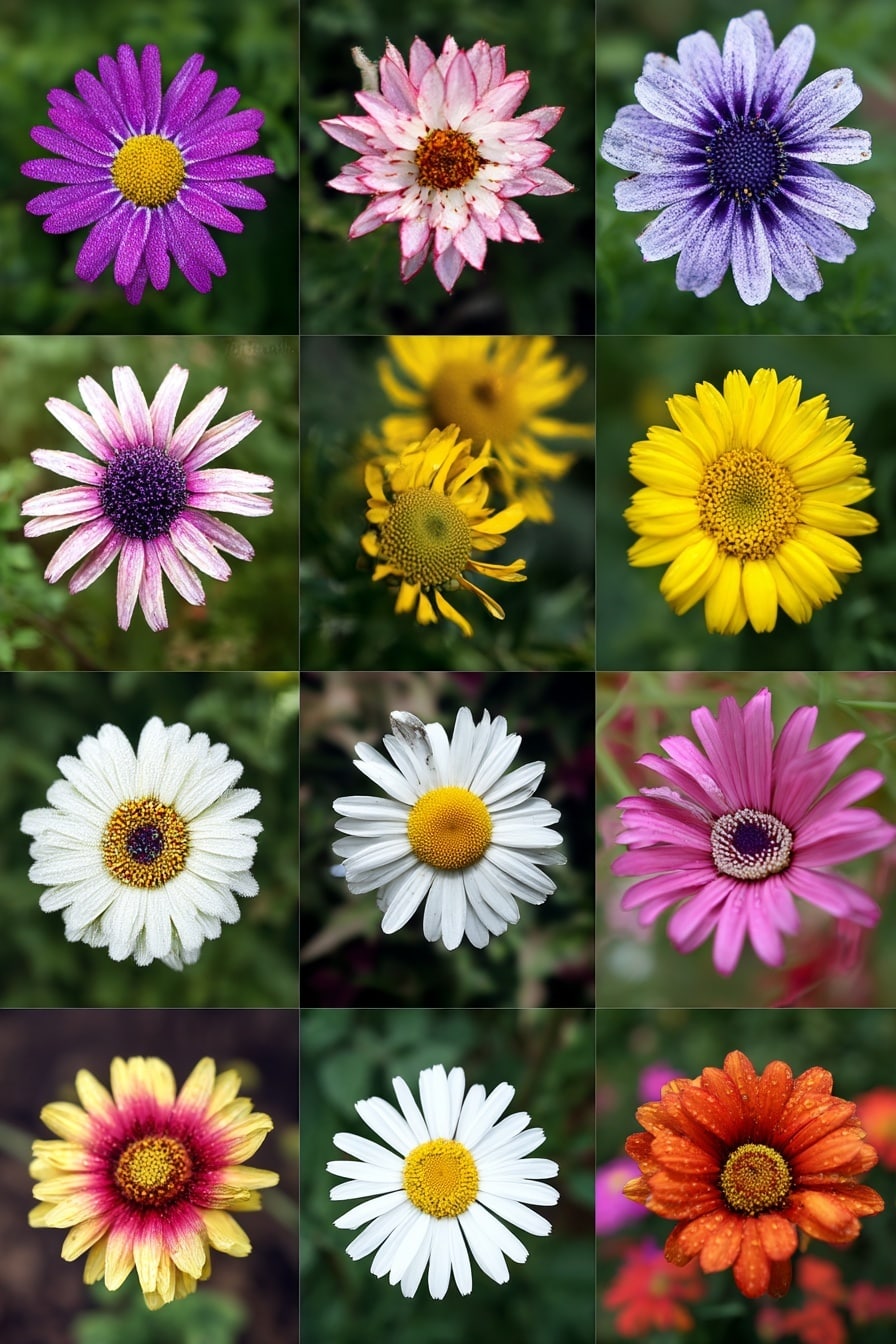
Daisy flower is a name that brings a smile to many faces. Whether woven into childhood memories or blooming brightly in garden beds, these charming flowers have long symbolized joy, purity, and new beginnings. While they may seem simple at first glance, there’s much more to the daisy than meets the eye. From their color meanings and historical roots to their unexpected medicinal uses and vibrant varieties, daisies are a fascinating part of the botanical world that deserve a closer look.
Table of Contents
What Does the Daisy Flower Mean?

The daisy flower carries a bouquet of positive meanings, many of which have endured through centuries. Traditionally, daisies are known to represent purity, innocence, joy, and new beginnings—making them a timeless choice for both personal reflection and thoughtful gifting.
In the Victorian era, when flowers were often used to send coded messages, daisies were symbols of loyalty and secrecy. Giving someone a small bouquet of daisies meant, “Your secret is safe with me.” Even today, they maintain this gentle symbolism, often chosen to express heartfelt emotions without extravagance.
Because the daisy flower opens with the sun and closes at dusk, it’s also become a symbol of hope and renewal—a subtle reminder of fresh starts and brighter days ahead. Whether blooming in wild fields or nestled in garden beds, their cheerful appearance brings warmth and optimism wherever they grow.
Daisy Flower Symbolism by Colour
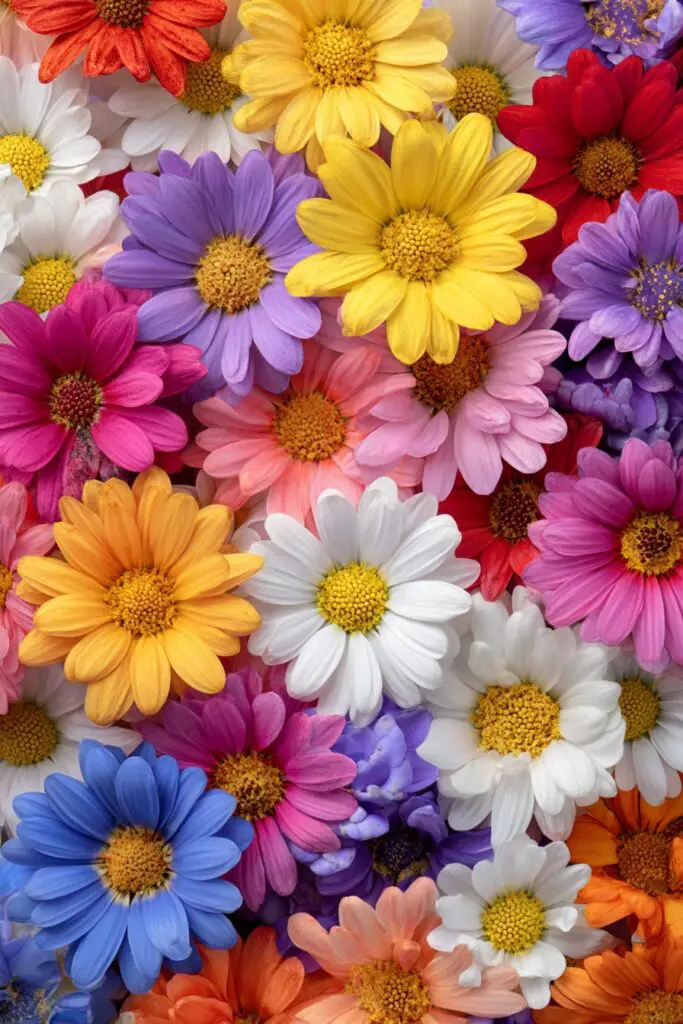
Different colors of the daisy flower convey unique emotions and messages. From vibrant hues to soft pastels, each shade adds depth to the daisy’s meaning and offers something special for every occasion.
White Daisy Flower
White daisies are the most classic variety, often associated with purity, innocence, and spiritual clarity. They’re a gentle choice for baby showers, weddings, or as a symbol of peaceful intentions.
Yellow Daisy Flower
Bright and cheerful, yellow daisies represent joy, friendship, and well wishes. Like a warm ray of sunshine, they’re ideal for lifting spirits or sending positive energy to someone in recovery.
Pink Daisy Flower
Soft pink daisies are symbolic of romantic affection, platonic love, and gentleness. These blooms are perfect for expressing gratitude to close friends, mothers, or anyone who brings calm and love into your life.
Orange Daisy Flower
The bold orange daisy flower stands for enthusiasm, playfulness, and healing energy. These are great for energizing a space or giving as a cheerful pick-me-up.
Red Daisy Flower
Red daisies speak the language of deep love and passion. Less traditional than red roses but equally romantic, they’re an expressive choice for anniversaries or long-standing relationships.
Purple Daisy Flower
Purple daisies blend elegance with emotion, symbolizing peace, spontaneity, and thoughtfulness. In deeper shades, they also convey royalty and pride, making them a graceful yet bold gesture.
Blue Daisy Flower
Rare and intriguing, blue daisy flowers are connected to loyalty, trust, and honesty. If you want to reaffirm a strong bond or send a message of integrity, these blooms make a quiet but powerful statement.
Where Did the Daisy Flower Originate?
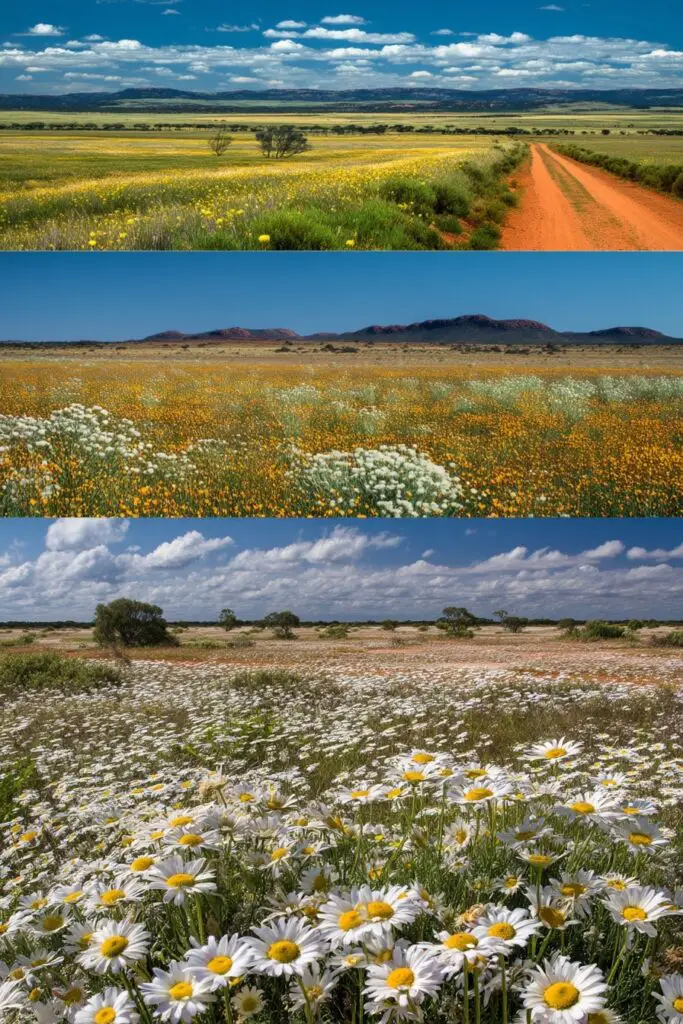
The daisy flower is one of the most widespread and adaptable blooms on Earth, with different varieties tracing their roots to regions across the globe. Its story isn’t tied to a single origin—it’s a truly international flower family.
The classic English daisy (Bellis perennis) is native to Western and Central Europe, where it thrives in meadows and lawns. The ox-eye daisy, another familiar type, has origins in both Europe and parts of Asia.
Gerbera daisies, known for their bold colors and long vase life, were first discovered in South Africa, while the delicate Rhodanthe, also called the pink paper daisy, is a proud native of Australia.
From grassy European hillsides to African plains and the wilds of the Australian outback, daisy flowers have adapted to climates around the world. Today, they can be found blooming on every continent except Antarctica—a testament to their resilience, beauty, and global appeal.
Etymology: The Origin of the Name “Daisy”

The name daisy flower has charming roots in the English language. It originates from the Old English phrase “day’s eye,” a poetic nod to how the flower behaves throughout the day.
This nickname refers to the flower’s natural rhythm—daisies open their petals with the sunrise and close them as the sun sets. Their daily cycle of blooming mirrors the eye of the day opening and shutting, which inspired both the name and the well-known saying, “fresh as a daisy.”
That simple daily gesture adds to the flower’s symbolic meaning of renewal, simplicity, and natural beauty. It also helps explain why the daisy flower has remained such a beloved bloom throughout generations.
Daisy Flowers in Mythology
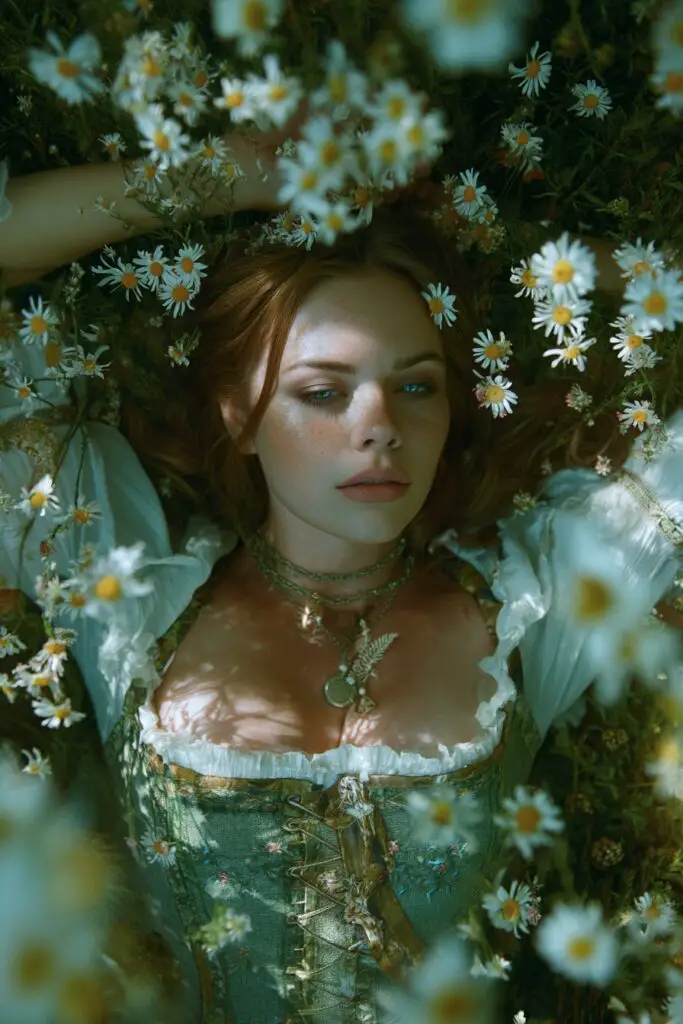
The daisy flower holds a special place in folklore and mythology, where it has long been a symbol of love, loss, and divine comfort across different cultures.
Celtic Beliefs
In Celtic mythology, daisies were believed to be heaven-sent gifts of healing. When a child passed away, it was said that God would scatter daisies across the earth to comfort the grieving parents—turning sorrow into softness. This touching belief deepened the flower’s association with innocence, rebirth, and peace.
Norse Mythology
To the Norse, the daisy flower was sacred to Freya, the goddess of love, fertility, and motherhood. Because of this connection, daisies became associated with childbirth, nurturing, and feminine strength. They were often used to symbolize transitions into motherhood or new life phases.
Roman Legend
An ancient Roman myth tells of a woodland nymph named Belides. To escape the unwanted attention of the god Vertumnus, she transformed herself into a daisy. This story adds a layer of meaning tied to modesty, protection, and personal autonomy.
These myths show that the daisy flower is more than a cheerful bloom—it’s deeply symbolic, representing emotional strength, sacred transitions, and the enduring power of quiet beauty.
Medicinal Uses of the Daisy Flower

While the daisy flower is most commonly admired for its charm and color, it also has a long history of use in folk and herbal medicine.
In the 18th century, healers used daisy preparations to treat a variety of conditions, from wounds and bruises to inflammation and pain. Even King Henry VIII was said to rely on daisies for treating stomach issues, gout, and eye ailments.
Modern herbalists still explore the use of daisies for coughs, muscle pain, and urinary health, although such applications should always be approached with caution. Some use daisy infusions or teas for mild anti-inflammatory or soothing properties, but it’s essential to consult a qualified healthcare provider before using any flower medicinally.
The daisy flower proves that beauty and usefulness can go hand in hand—it’s a reminder of how nature’s simplest blooms often carry the most surprising benefits.
Are Daisy Flowers Edible?

Yes—certain types of daisy flower are not only edible but also surprisingly versatile in the kitchen. The common English daisy (Bellis perennis) can be used to add a subtle, peppery flavor to dishes like salads, soups, sandwiches, and even herbal teas. Their slightly nutty taste offers both color and character to any plate.
For more adventurous cooks, daisy flowers have even been made into wine or dessert garnishes, adding visual appeal and a botanical twist to culinary creations.
Other edible members of the daisy family include calendula, chamomile, sunflower, and dandelion—many of which are well-known for their medicinal or soothing qualities.
⚠️ Important: Always ensure that your flowers are grown specifically for consumption. Avoid picking daisies from roadsides, public parks, or bouquet arrangements, as they may be treated with pesticides or exposed to pollutants.
The daisy flower, it turns out, is more than just garden décor—it’s a lovely little bloom that can delight your palate just as much as your eyes.
Popular Types of Daisy Flowers
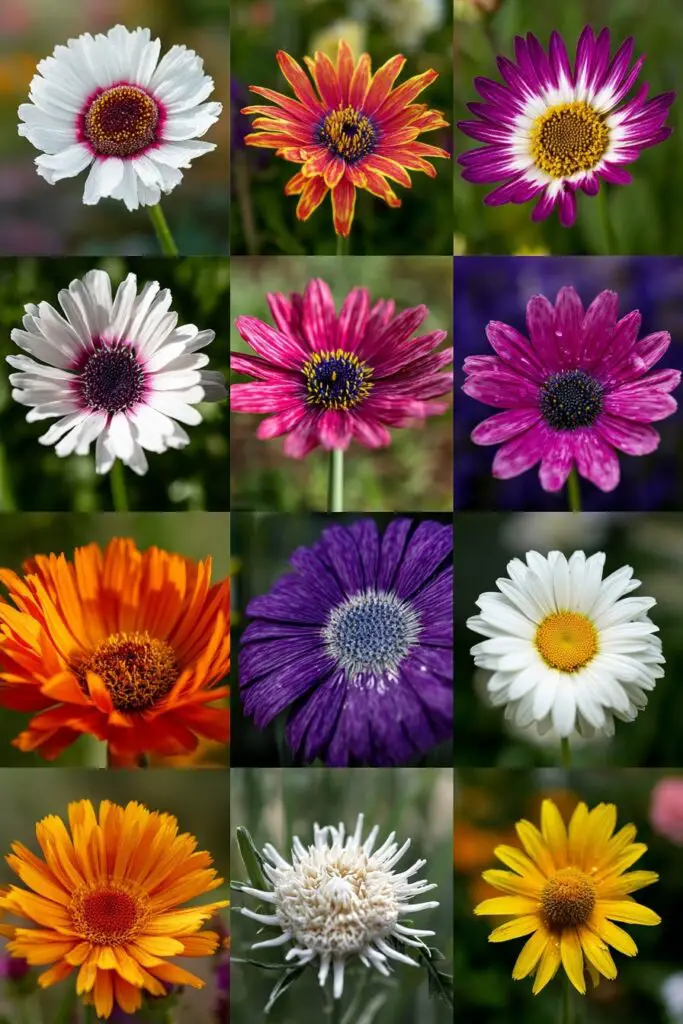
The daisy flower family is vast and colorful, with many varieties offering unique shapes, sizes, and personalities. Here are some of the most popular types of daisies you’ll find in gardens and bouquets around the world.
Cape Daisy (Osteospermum)
Also known as the African daisy, the Cape daisy is known for its bold colors and long vase life. These flowers bloom in a wide range of hues, including purple, orange, fuchsia, and yellow, often with striking color gradients in the center. Cape daisies are ideal for sunny gardens and floral arrangements alike.
Gloriosa Daisy (Rudbeckia hirta)
Often called the black-eyed Susan, the Gloriosa daisy is beloved for its dark center and golden-yellow petals. These bi-colored blooms attract bees and butterflies, making them a great choice for pollinator-friendly gardens. They’re hardy, easy to grow, and can reach up to 90cm tall.
Shasta Daisy (Leucanthemum × superbum)
The Shasta daisy resembles the classic English daisy but is larger and more robust. With bright white petals and a bold yellow center, Shastas can grow over 90cm and thrive in garden beds. They’re also popular as cut flowers, lasting over a week in a vase with proper care.
Gerbera Daisy (Gerbera jamesonii)
The Gerbera daisy flower is a floral favorite, especially in bouquets and arrangements. Known for its oversized blooms and vibrant color palette, it comes in pink, red, yellow, orange, and white. Gerberas are cheerful, long-lasting, and make excellent gifts for birthdays, celebrations, or recovery.
Australian Paper Daisy (Rhodanthe)
Native to Australia, the paper daisy—also known as the strawflower or everlasting daisy—is valued for its dried flower appeal. These blooms retain their beauty for weeks and come in pastel shades of pink, yellow, and white, often with sunny yellow centers. They’re ideal for dried floral crafts and native gardens.
How to Care for Daisy Flowers
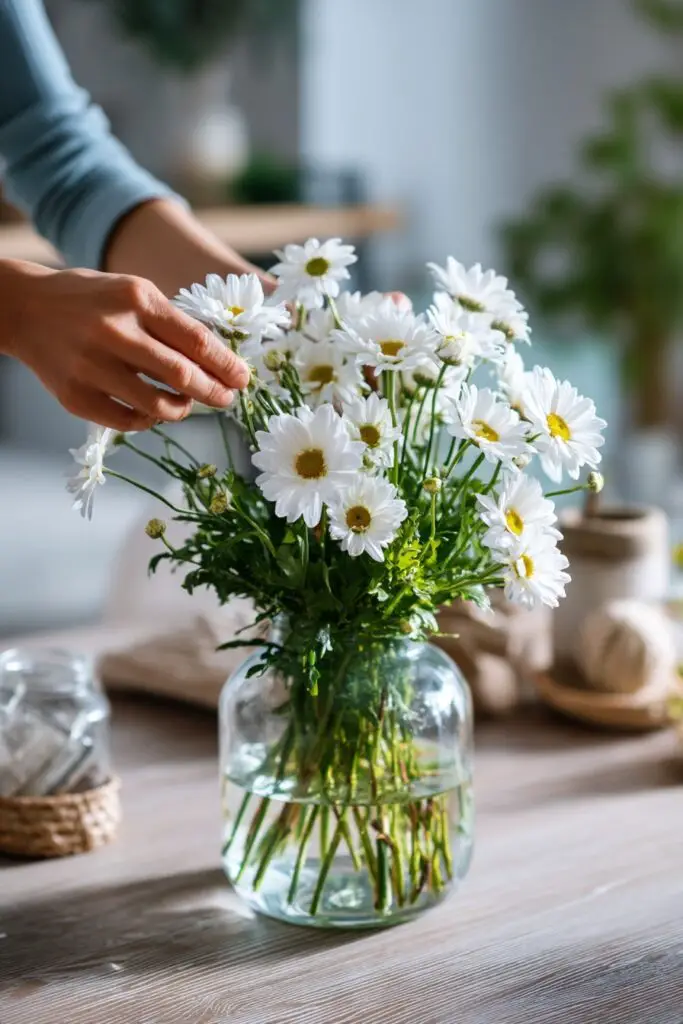
With the right care, the daisy flower can thrive indoors and out, bringing lasting joy to your home or garden. Whether you’ve picked fresh blooms or planted them yourself, a little attention goes a long way in keeping daisies vibrant and healthy.
🌼 Vase Care for Cut Daisy Flowers
To keep cut daisies fresh and perky for up to 12–14 days, follow these simple steps:
- Trim the stems at a 45-degree angle to increase water absorption
- Remove lower leaves to prevent rot and bacterial growth below the waterline
- Use clean, cool water and add flower food if available
- Change the water every 2 days, especially if it starts to look cloudy
- Re-trim the stems every couple of days to help maintain hydration
- Avoid direct sunlight or heat, which can cause the blooms to wilt faster
🌱 Garden and Pot Care Tips
If you’re growing daisies in your garden or in containers, keep these guidelines in mind:
- Choose a sunny spot—daisies love full sunlight
- Ensure the soil is well-draining to prevent root rot
- Water regularly, but allow the top layer of soil to dry between waterings
- Deadhead spent blooms to encourage more flowering
- Divide clumps every few years to keep the plants healthy and vigorous
A little routine care keeps your daisy flowers blooming beautifully and brightening your space season after season.
Occasions to Gift a Daisy Flower
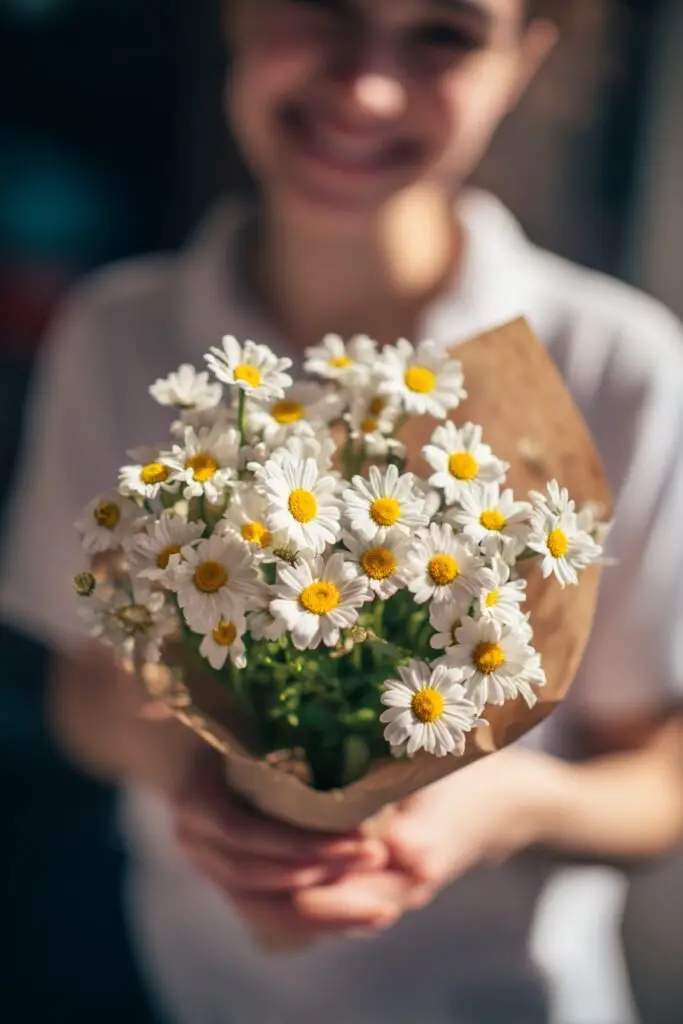
The daisy flower isn’t just pretty—it’s meaningful. With its symbolism of innocence, joy, and fresh beginnings, it’s a thoughtful gift for a variety of occasions, both big and small.
🎁 When to Give Daisy Flowers:
- Birthdays in April: The daisy is April’s official birth flower, making it a perfect birthday bouquet for friends or family born that month.
- Baby Showers: With their pure and gentle meaning, daisies are a sweet gesture to celebrate a new life on the way.
- 5th Wedding Anniversaries: Daisies are traditionally associated with this milestone, symbolizing lasting love and loyalty.
- Weddings: Their innocence and optimism make them a beautiful choice for bridal bouquets or wedding decor.
- Get Well Soon Wishes: Bright and uplifting, a bunch of cheerful daisies can boost the spirits of someone recovering or going through a rough patch.
- Just Because: Sometimes the best reason to give flowers is no reason at all. A vase of daisy flowers can turn an ordinary day into something special.
Whether you’re expressing love, gratitude, encouragement, or simply sharing joy, the daisy flower speaks from the heart in the most effortless way.
Conclusion
The daisy flower may seem simple, but its meanings, origins, colors, and uses make it anything but ordinary. From ancient mythology to modern medicine, from cheerful bouquets to edible garnishes, this humble bloom continues to charm gardeners and flower lovers alike.
Whether you’re planting them in your backyard, gifting them to someone special, or admiring their symbolic beauty, daisy flowers remain timeless reminders of joy, innocence, and new beginnings.