
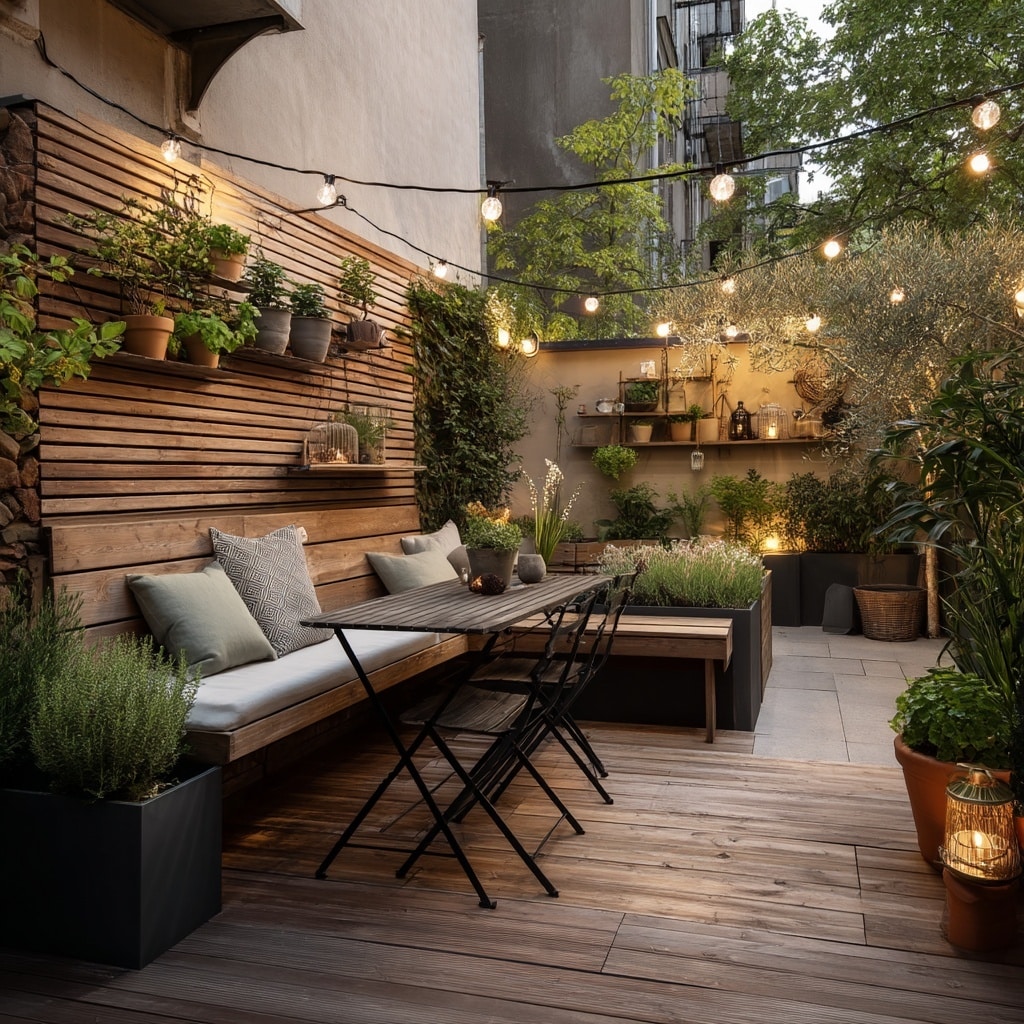
Planning a garden in a compact space doesn’t mean compromising on beauty or function. Small garden plans can be just as exciting, creative, and rewarding as designing a larger plot — often more so. With smart layouts, the right plant choices, and space-saving design elements, even the tiniest outdoor area can become a lush, relaxing retreat.
Whether you’re working with a narrow backyard, a petite patio, or an urban courtyard, the key to success lies in maximizing every inch without making it feel crowded. Thoughtful boundaries, clever focal points, and vertical planting are essential tools in creating the illusion of space and ensuring your garden meets your needs — from outdoor dining to quiet relaxation.
Table of Contents
1. Be Inspired to Find Your Style

The first step in creating effective small garden plans is deciding on the overall style that reflects both your personality and your practical needs. This isn’t just about choosing plants — it’s about shaping an atmosphere that makes your outdoor space feel like an extension of your home.
A great way to start is by gathering inspiration. Visit local gardens, browse gardening books, or walk through neighborhood parks. Events like the RHS Chelsea Flower Show are full of small garden displays designed by experts, offering real-world examples of how limited space can be transformed with creativity and thoughtful design.
Once you’ve explored different aesthetics — whether it’s a cozy cottage garden, a sleek urban balcony, or a playful family-friendly zone — begin building a mood board. Use it to experiment with color palettes, paving styles, outdoor seating, and plant combinations. This process will help you visualize how different elements come together and ensure that your small garden plans feel cohesive and intentional.
Tip: Stick with one or two key themes and avoid overcomplicating the look. A clear visual identity will help your small garden feel more spacious and serene.
2. Survey and Measure Your Plot
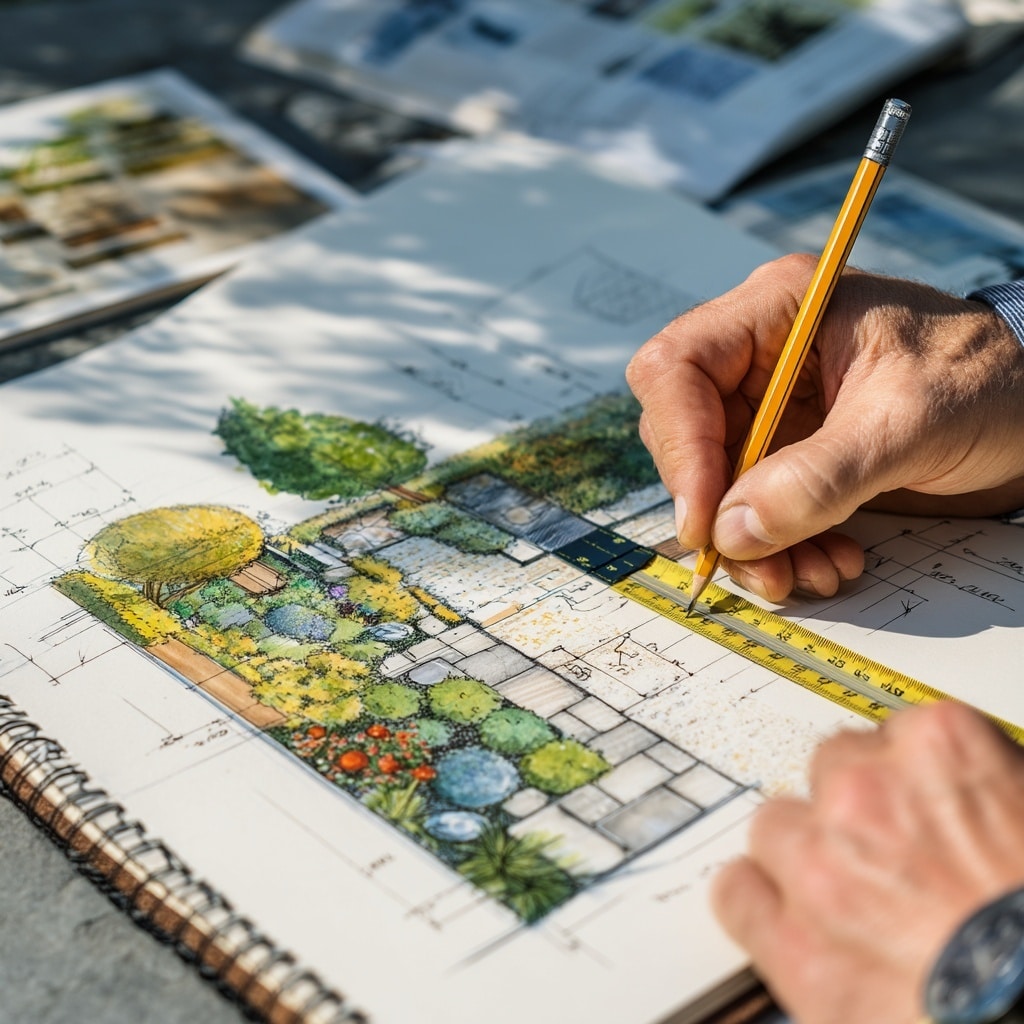
Once your vision is clear, it’s time to evaluate the space you have. One of the most important foundations of successful small garden plans is understanding exactly what you’re working with — from dimensions to sun exposure to problem areas.
Start by walking around your garden at different times of the day. Take note of where the sun hits in the morning and afternoon, how the shadows fall, and whether certain areas feel damp, dry, or uneven. If water tends to pool in one corner, or if a particular wall blocks most of the light, these are details that should shape your layout and planting choices.
Make a list of what you want from the space — do you need seating, storage, privacy, or a spot for entertaining? Then create a simple sketch of your garden, marking boundaries, fixed elements like sheds or fences, and noting sunlight zones.
Accurate measurements are vital, especially when space is tight. Don’t guess — use a measuring tape to record the length and width of your space, as well as any existing hardscaping. These figures will help ensure your small garden plans for limited space are realistic and functional.
Also, consider how your garden will evolve through the seasons. Will you want year-round greenery, or is your goal a bold burst of summer color? Thinking ahead helps avoid rework later on.
3. Pick Out Your Small Garden Layout Ideas
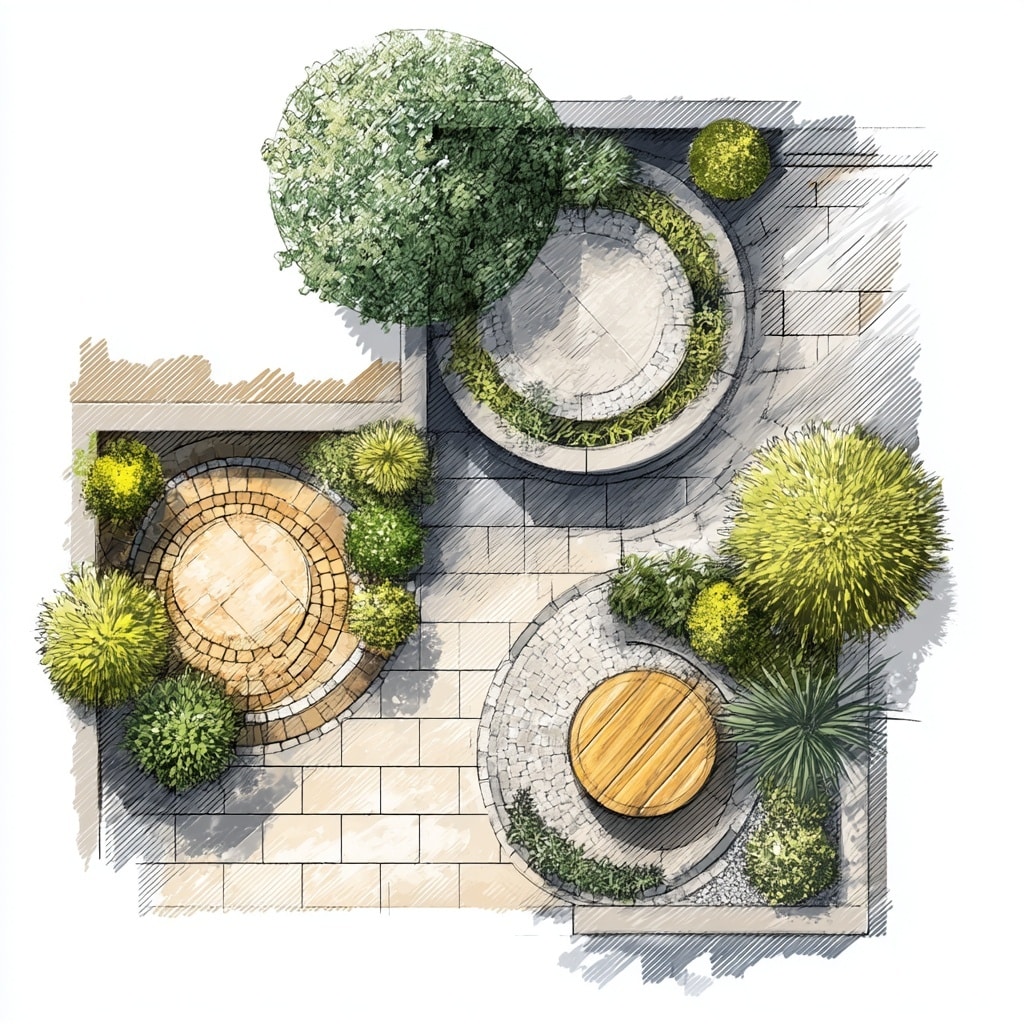
When working with limited square footage, a well-defined layout is what brings small garden plans to life. The structure of your garden doesn’t need to be complex — in fact, the simplest layouts often make the strongest visual impact.
There are three classic shapes to consider for a small garden: rectangular, circular, and diagonal. Each offers a different way to guide the eye and maximize space. A rectangular layout creates a clean, formal look that works well with modern designs. Circular paths or beds soften hard edges and are perfect for cozy, organic gardens. Diagonal lines, on the other hand, create dynamic energy and can make a narrow garden appear wider.
Also consider the overall style. Formal gardens rely on symmetry, straight lines, and balance. Informal gardens embrace curves, asymmetry, and a more relaxed planting style. Both can work beautifully in small spaces — it all depends on the mood you want to create.
Whatever layout you choose, make sure it complements your garden’s dimensions. Avoid cluttering the space with too many divisions. Instead, focus on flow — how you’ll move through the garden, where you’ll sit, and what views you’ll enjoy from each angle.
This stage is where small garden plans for limited space start becoming reality — defining structure before adding softness with plants and textures.
4. Put Your Plan to Paper
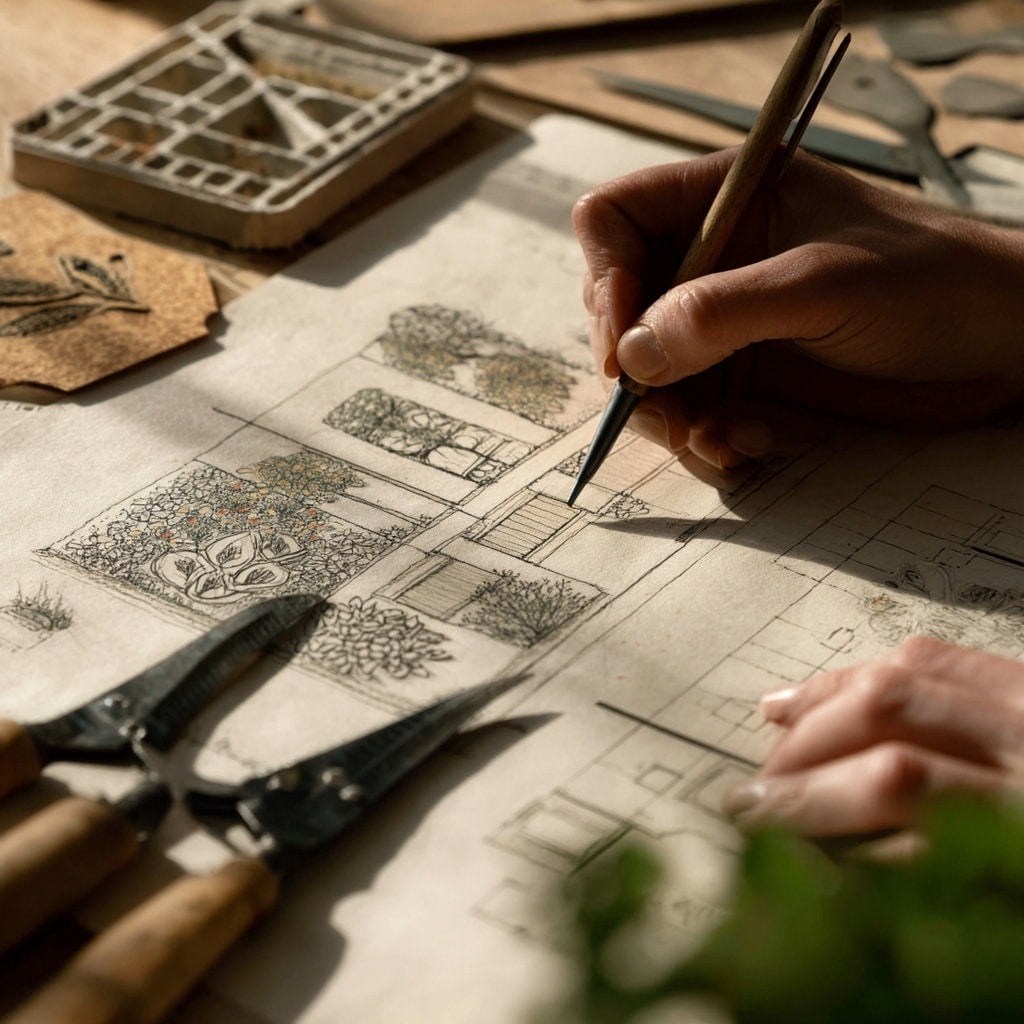
Before lifting a shovel or buying a single plant, take time to map your ideas visually. Sketching out your small garden plans on paper allows you to experiment, make changes, and spot potential issues before they become costly or time-consuming mistakes.
Start by drawing a scaled outline of your garden. Include permanent features like walls, fences, sheds, or patios. Then, begin layering in elements such as planting beds, seating areas, and walkways. Use cutouts on tracing paper or garden design apps to test different arrangements. This hands-on approach helps you visualize space and proportion far better than just imagining it.
If you’re more digitally inclined, there are plenty of free and paid garden planner tools online that let you input exact dimensions. These tools offer 3D modeling, sun path tracking, and drag-and-drop features — incredibly helpful for making the most of tight spaces.
Your sketch should also include plant groupings, lighting placement, and key focal points. Remember: the best small garden plans for limited space don’t just look good on day one — they anticipate growth, seasonal changes, and how you’ll use the space throughout the year.
By taking this step seriously, you’re laying a strong foundation that ensures your small garden is both beautiful and functional.
5. Create Beautiful Boundaries
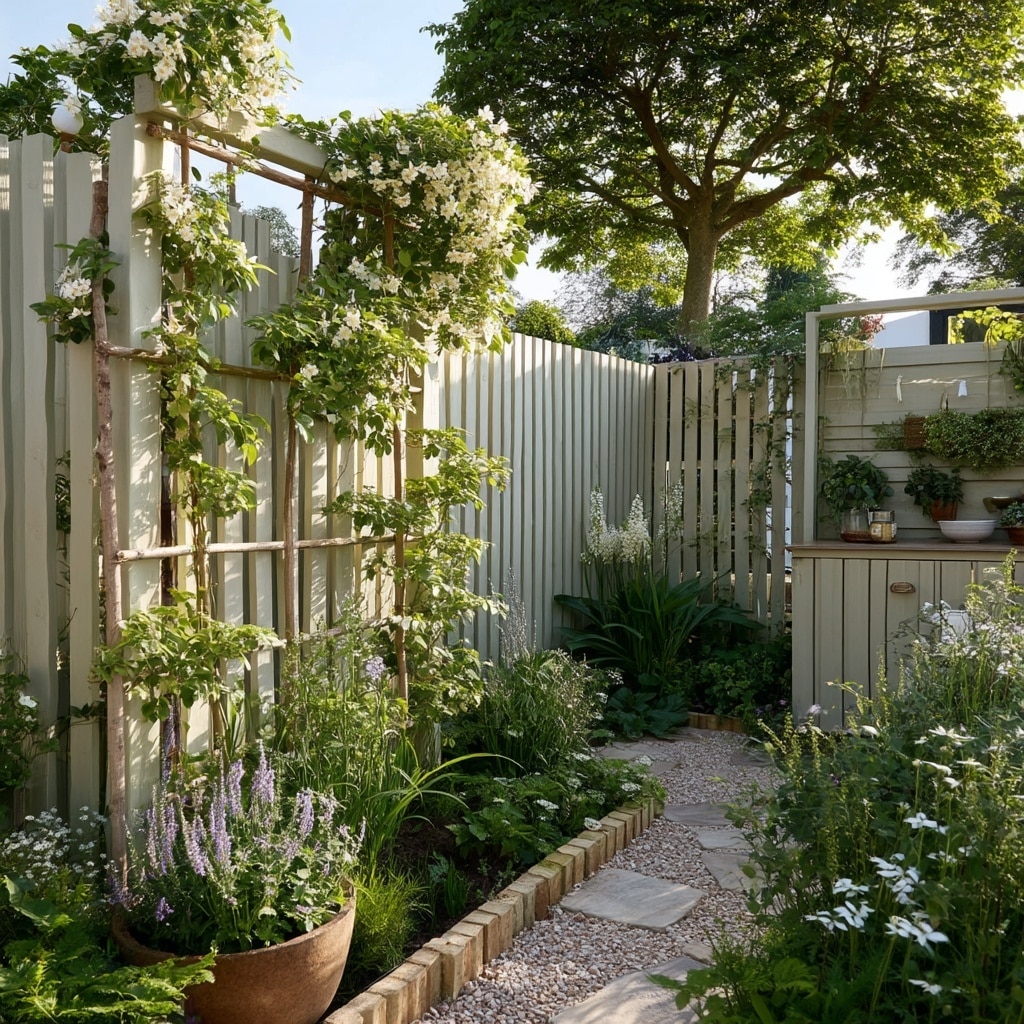
In small spaces, boundaries matter just as much as what’s planted within them. The edges of your garden define its shape, but they also influence how open or enclosed it feels. When developing small garden plans, paying attention to walls, fences, and borders can make a huge difference in how spacious your garden appears.
Instead of treating fences as necessary barriers, turn them into design features. Slatted wood panels allow light and air to flow through while still offering privacy. Painted fencing in light or bold colors can brighten the space or help your planting stand out. If your garden has a nice view beyond its boundaries, consider lower fencing to let the landscape flow seamlessly outward.
Trellises, pergolas, and arches are great additions too — they add vertical interest, create height, and give climbing plants somewhere to grow. These elements are especially helpful in small garden plans for limited space, as they draw the eye upward and create the illusion of more room.
You can also blend hard boundaries with planting. For example, grow flowering vines up a fence or use narrow hedges to soften hard lines. The goal is to make the borders feel intentional, not restrictive.
Remember, in a small garden, every inch matters — and your boundaries are part of the design, not just the backdrop.
6. Prepare a Planting Plan
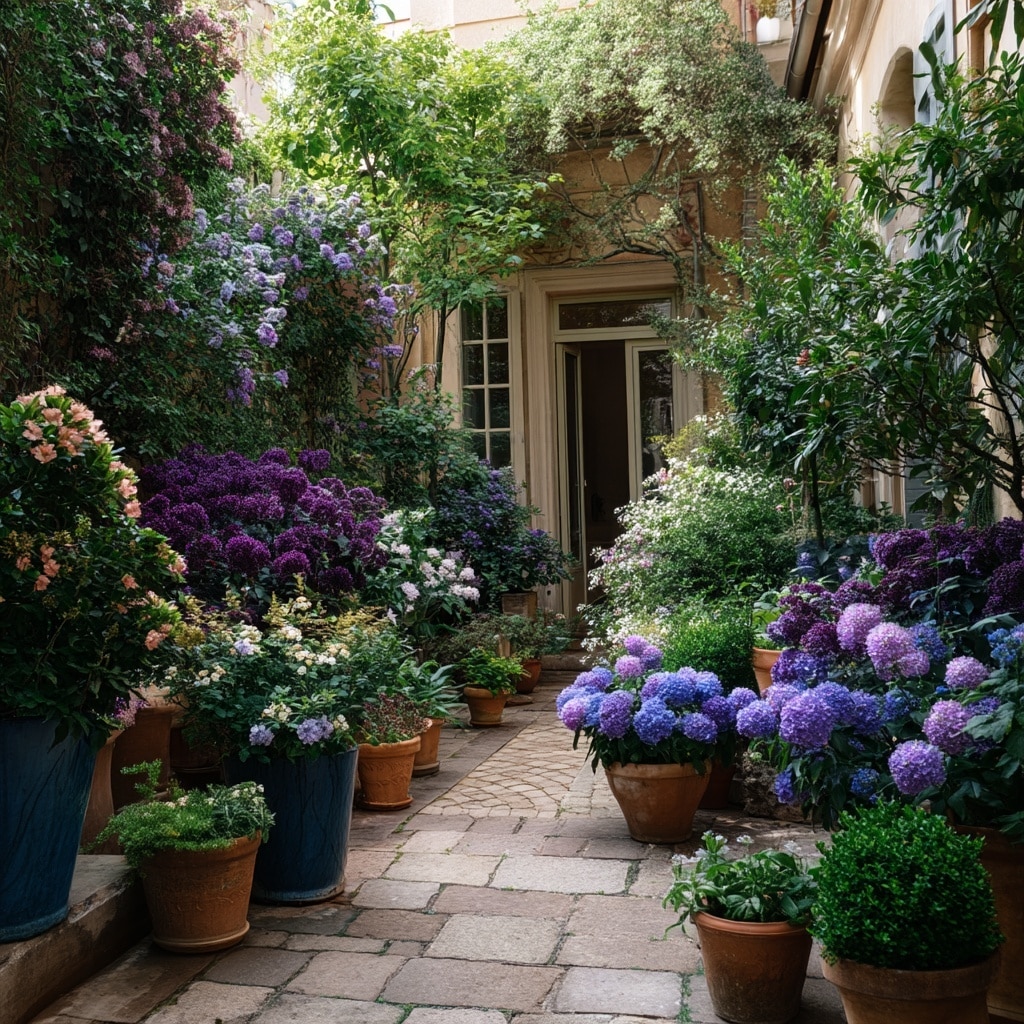
Now comes the part that brings your garden to life — the plants. A thoughtful planting plan is at the heart of all successful small garden plans, blending structure, texture, and color without overwhelming the space.
Start by considering the essentials: sun exposure, soil type, and drainage. These factors will determine what plants will thrive in your garden, not just survive. Group plants with similar needs together to simplify care and boost overall health.
In small gardens, less is more. Rather than cramming in too many varieties, focus on a limited palette of plants that work well together. This creates a cohesive, uncluttered look and makes maintenance easier. Stick to one or two main colors, and echo those tones in features like cushions, pots, or painted furniture for visual harmony.
Use vertical space to your advantage. Climbing plants like jasmine, clematis, or ivy can cover fences and pergolas, freeing up ground space. Raised planters or wall-mounted containers also help add layers and dimension.
When crafting small garden plans for limited space, consider movement and flow. Plant soft, arching grasses near paths, or allow trailing plants to spill gently from raised beds. These touches make the space feel alive and inviting.
Most importantly, aim for year-round interest. Combine evergreen shrubs with seasonal blooms to ensure there’s always something to enjoy, no matter the month.
How Do You Design a Small Garden?
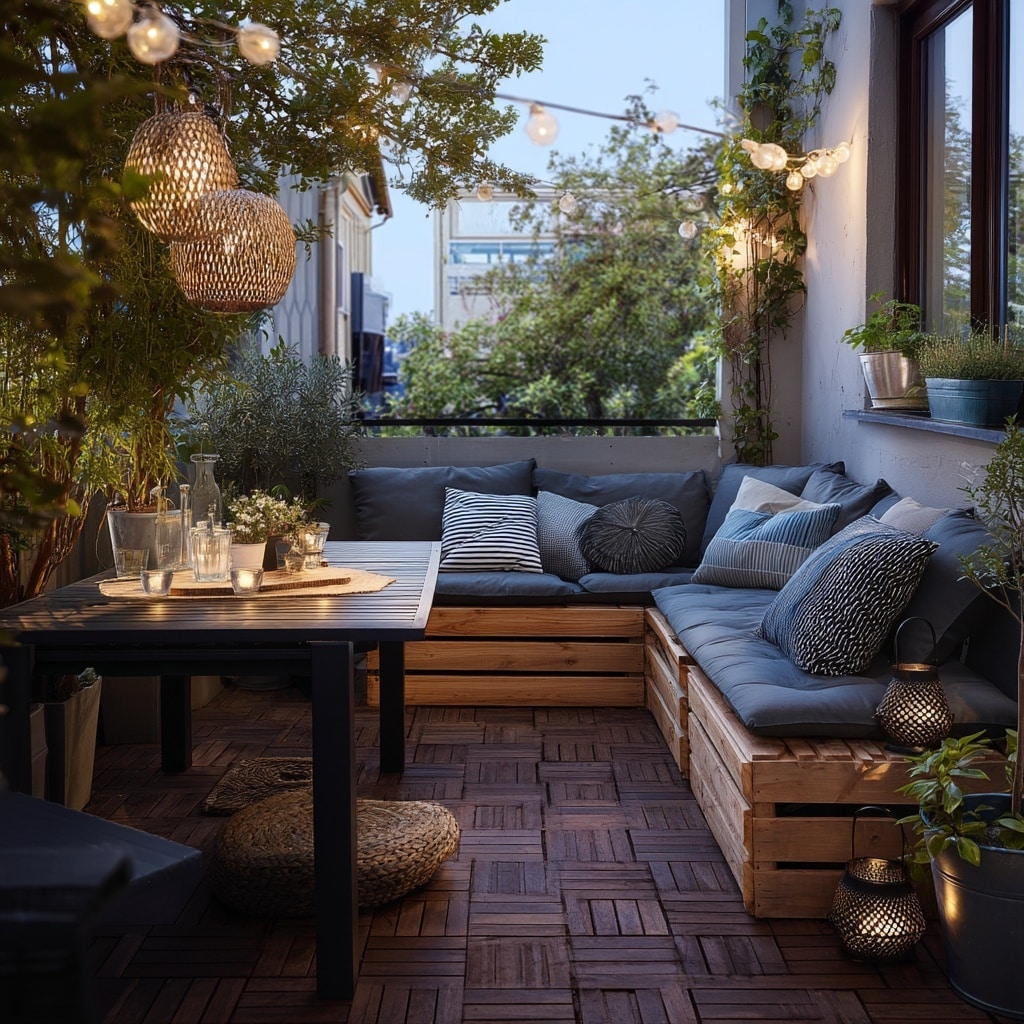
Designing a small garden is all about balance — creating a multifunctional, beautiful space that doesn’t feel cramped. Good small garden plans take into account not just how the garden looks, but how it works for your lifestyle.
Think of your garden as an outdoor room. What will you use it for most — relaxing, entertaining, gardening, or dining? From there, design flexible zones that can serve more than one purpose. For example, a bench with hidden storage can double as seating and a place to stow tools or cushions. A bistro table can be used for morning coffee or evening meals without taking up much space.
When it comes to furniture, size and shape matter. Choose pieces that are proportionate to your space. Folding chairs, stackable stools, or slimline loungers are all ideal options. Modular sets work especially well in small garden plans for limited space, as they can be moved around or reconfigured based on your needs.
Create a focal point — something that draws the eye and gives the garden depth. It might be a small tree, a water feature, a sculpture, or a colorful planter. This adds character and helps break up the space visually, making it feel more dynamic.
Ultimately, a well-designed small garden is one that supports how you live while offering moments of joy and relaxation every time you step outside.
How Do You Make a Small Garden Look Nice?
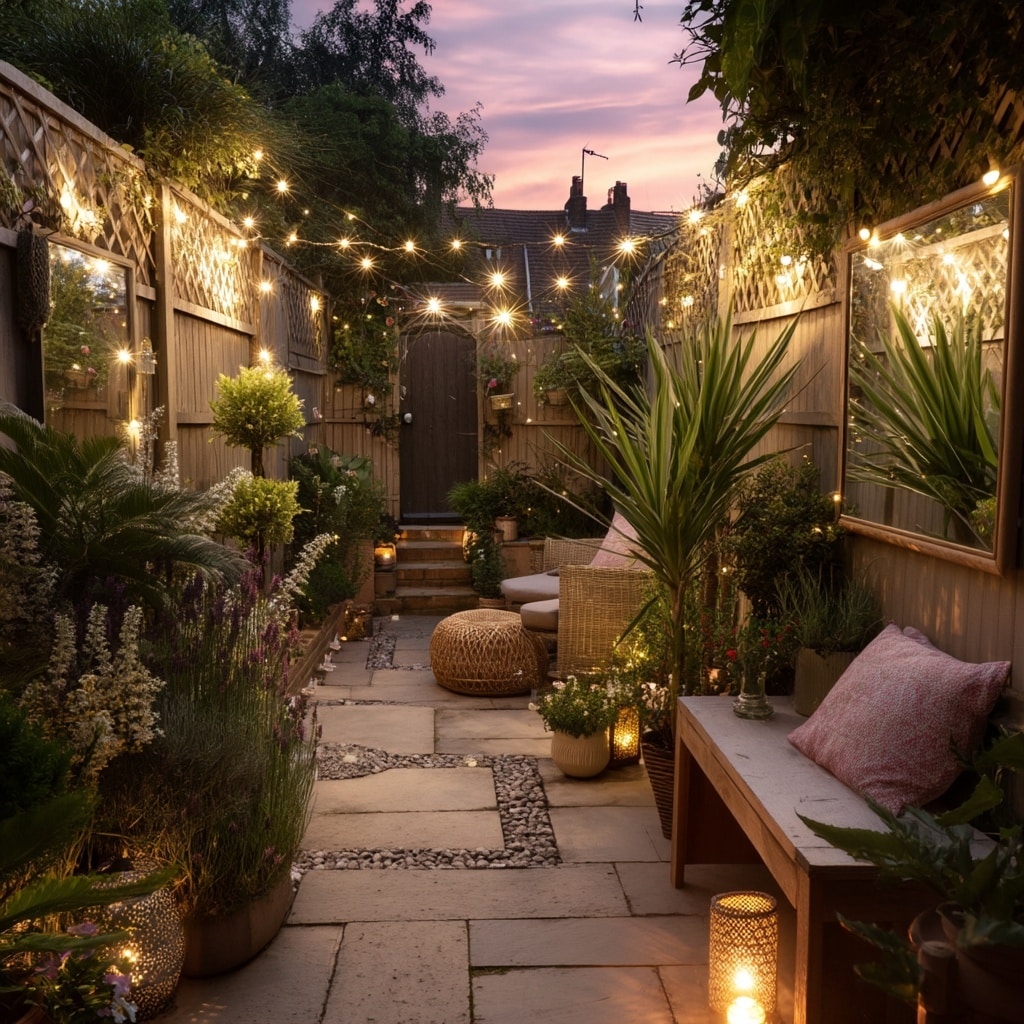
Making a small garden visually appealing is all about using smart tricks that maximize space while adding charm and personality. The best small garden plans don’t rely on size — they focus on clever design choices that create balance and depth.
One of the easiest ways to make a small garden look bigger is through optical illusions. Use mirrors on fences or walls to reflect greenery and light, creating the impression of more space. Vertical elements like tall trellises or climbing plants also guide the eye upward, which helps stretch the visual height of the garden.
Layering your lighting is another simple but effective technique. String lights overhead, solar lanterns along paths, and tea lights on tables can instantly elevate a small outdoor space and give it a warm, welcoming glow. This is especially important for small garden plans for limited space, where lighting can define areas and make the garden usable well into the evening.
Color and texture also play a big role. Light-colored walls or paving will brighten up darker corners, while contrasting foliage — think silvery greens next to deep purples — adds interest without overcrowding the garden. Repeating a few key plants or materials throughout helps tie everything together and avoids visual clutter.
With a few thoughtful design decisions, even the smallest garden can become a truly inviting space.
What Are the Best Plants for a Small Garden?
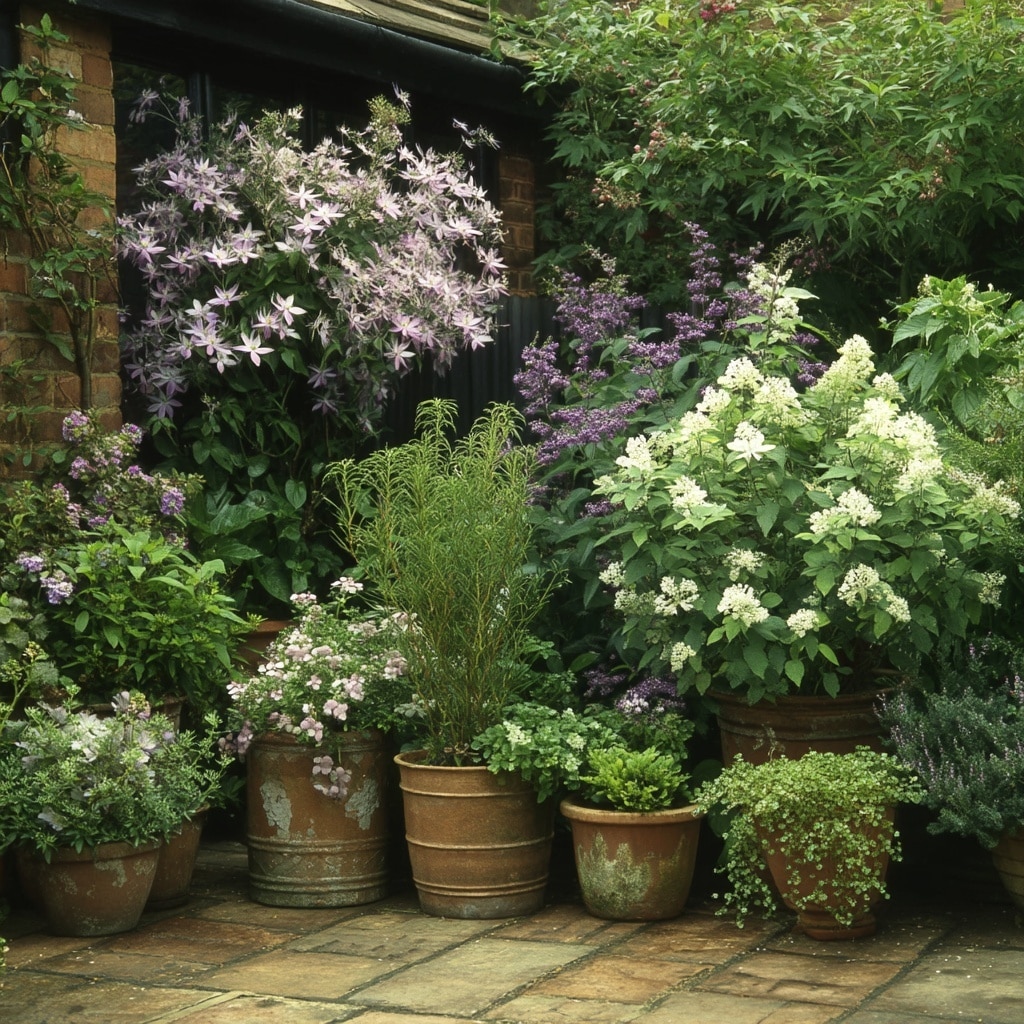
Choosing the right plants is essential to getting the most out of your space. With small garden plans, every plant needs to work harder — offering structure, beauty, or multi-season appeal without overwhelming the layout.
Instead of packing the garden with lots of small pots or random varieties, go for fewer, larger statement pieces. Tall planters with narrow trees, such as ornamental cherries or columnar yews, provide vertical height without taking up much floor space. These trees also draw the eye upward, helping to make your garden feel taller and more expansive.
Climbers like clematis, honeysuckle, and star jasmine are excellent for covering walls, trellises, or arches. They bring lush texture and fragrance while freeing up precious ground space — a perfect strategy for small garden plans for limited space.
When it comes to flowers, choose varieties that are long-flowering, compact, and low-maintenance. Options like bidens, coreopsis, or tagetes add bold color with minimal upkeep. Pair them with hardy shrubs like hydrangeas, cornus, or vitex to anchor your planting and provide year-round interest.
Herbs and edibles also work well in small gardens. Consider mixing in rosemary, thyme, or basil into your planting scheme — they look good, smell wonderful, and are useful in the kitchen.
Finally, remember that repetition is your friend. Using a few plants in multiples rather than lots of one-offs gives your garden rhythm and unity, making even a tiny plot feel intentional and polished.
Conclusion
A well-designed small garden proves that size isn’t everything. With the right small garden plans, you can transform even the most compact space into a functional, stylish, and peaceful outdoor retreat. From choosing a layout that suits your lifestyle to selecting plants that offer impact without clutter, every decision matters.
By focusing on clear structure, vertical planting, and smart use of color, lighting, and boundaries, your small garden can feel expansive and inviting all year round. Whether it’s a morning coffee corner, a space for herbs and blooms, or an evening relaxation zone, your small garden has the potential to become your favorite room — just outdoors.