
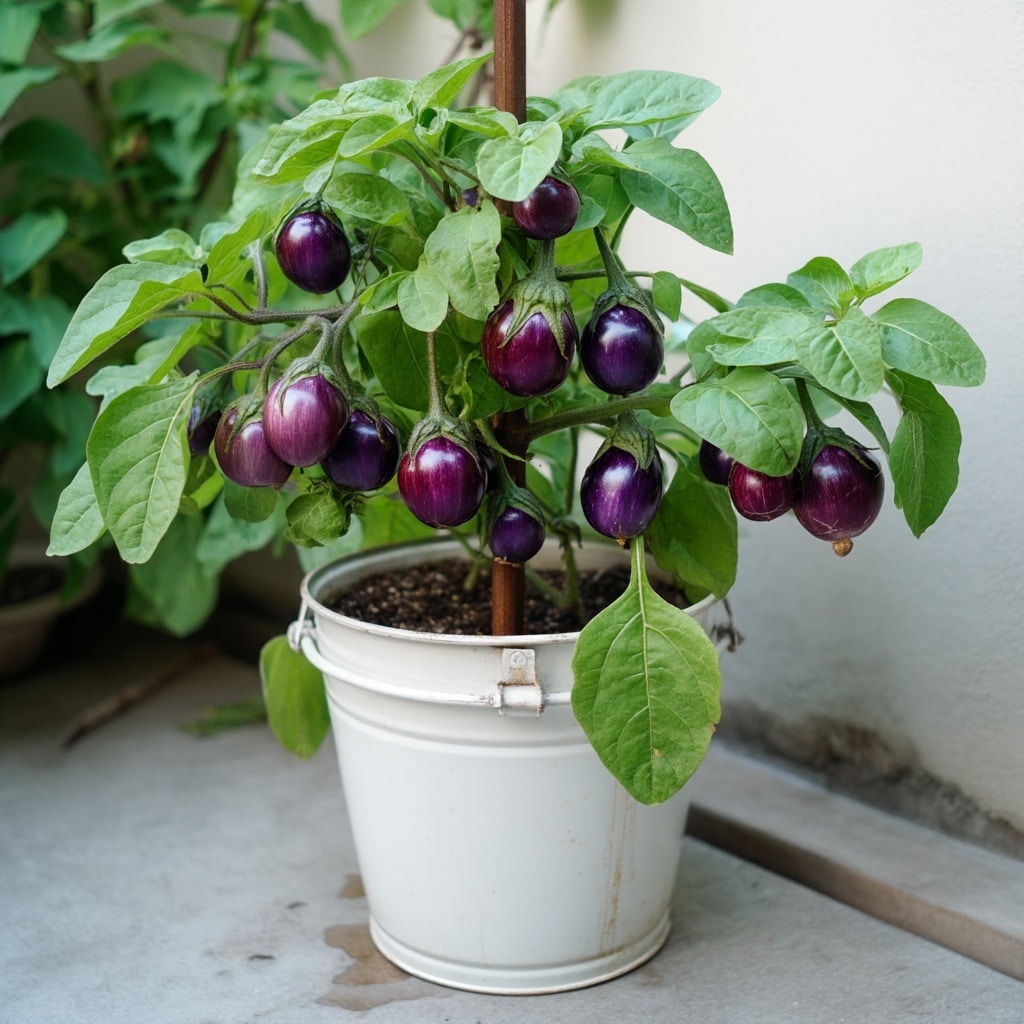
Bucket gardening 5 gallon setups are one of the most underrated ways to grow a productive garden, even in the smallest of spaces. Whether you’re working with a tiny balcony, a sunny stoop, or a patio corner, a few simple 5-gallon buckets can transform your space into a thriving mini-farm. These buckets are the perfect size to support a surprising number of fruits and vegetables, giving deep root systems enough room to stretch while still being easy to move and manage.
Beyond their size, 5-gallon buckets are incredibly affordable—often free if repurposed from bakeries or restaurants. They’re lightweight, durable, and easy to customize for drainage or mobility. With a bit of planning and the right plant choices, your bucket garden can yield fresh, homegrown produce all season long.
In this guide, we’ll share 15 fruits and veggies that grow beautifully in buckets, along with practical tips to help each one thrive. Whether you’re a beginner or a seasoned grower, you’ll find smart strategies to make the most of your vertical and container space.
Table of Contents
Essential Bucket Gardening Tips Before You Plant

Before jumping into bucket gardening 5 gallon style, there are a few key setup considerations that can make or break your success. These simple adjustments ensure your plants stay healthy, hydrated, and productive throughout the growing season.
1. ✅ Add Drainage Holes
No plant likes soggy roots. Drill several holes into the bottom of each 5-gallon bucket to allow excess water to escape. This is especially important after heavy rains or deep watering sessions. For plants that prefer drier conditions, consider drilling a few extra holes around the lower sides of the bucket as well.
Tip: If placing buckets on a solid surface like concrete, raise them slightly on bricks or wooden slats to improve drainage flow.
2. ☀️ Choose the Right Color Buckets
Color plays a role in regulating soil temperature:
- Dark-colored buckets (like black) absorb heat and are better suited for cooler months or early spring/fall planting.
- Light-colored buckets (like white or pale gray) reflect sunlight and stay cooler, making them ideal for hot summer conditions.
Choosing the right color can prevent heat stress or cold stunting, depending on your local climate.
3. 📍 Strategic Placement Matters
Sunlight and airflow are crucial in bucket gardening 5 gallon setups:
- Most veggies need at least 6–8 hours of sun. Position your buckets in a spot with maximum light exposure.
- Avoid crowded layouts. Leave space between buckets to allow airflow, reduce disease, and give plants room to grow.
You can also move buckets as needed—one of the major perks of container gardening!
4. ♻️ Use Food-Safe Buckets
Always use buckets that previously held food-grade items. Avoid containers that once stored chemicals or paint. Local bakeries, restaurants, and delis often give away clean food-safe buckets for free.
Bonus: Look for lids too—they’re helpful for stacking or storing tools and soil.
5. 🌱 Choose the Right Soil Mix
Standard garden soil is too dense for buckets. Use a light, well-draining potting mix. A great blend includes:
- 2 parts potting soil
- 1 part perlite or coarse sand
- A few handfuls of compost for added nutrients
For moisture retention in hot climates, mixing in coconut coir or peat moss helps keep the soil from drying out too fast.
15 Fruits & Veggies That Thrive in 5-Gallon Buckets
Let’s dive into the core of bucket gardening 5 gallon success—choosing the right crops. Below are 15 fruits and vegetables that not only tolerate container life but thrive in 5-gallon buckets when given the right care.
1. Tomatoes
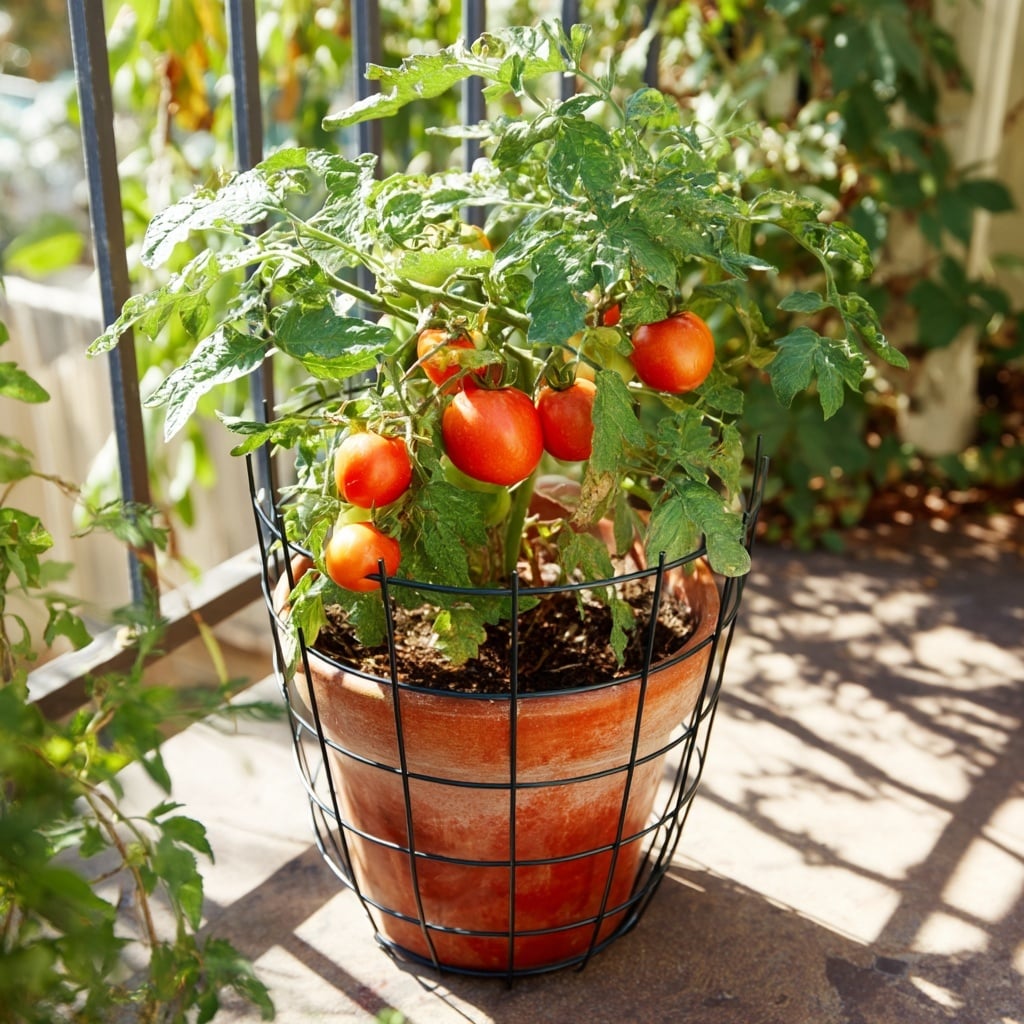
Tomatoes are a container garden favorite—and for good reason. They grow deep roots and love the warmth buckets can provide. Choose compact or determinate varieties for best results, or use cages or stakes to support vining types.
- How many per bucket: 1 plant
- Soil needs: Rich, well-drained, with added compost
- Pro tip: Try upside-down growing with hanging buckets if space is tight. Mulch with comfrey leaves for extra nutrition and moisture retention.
2. Peppers
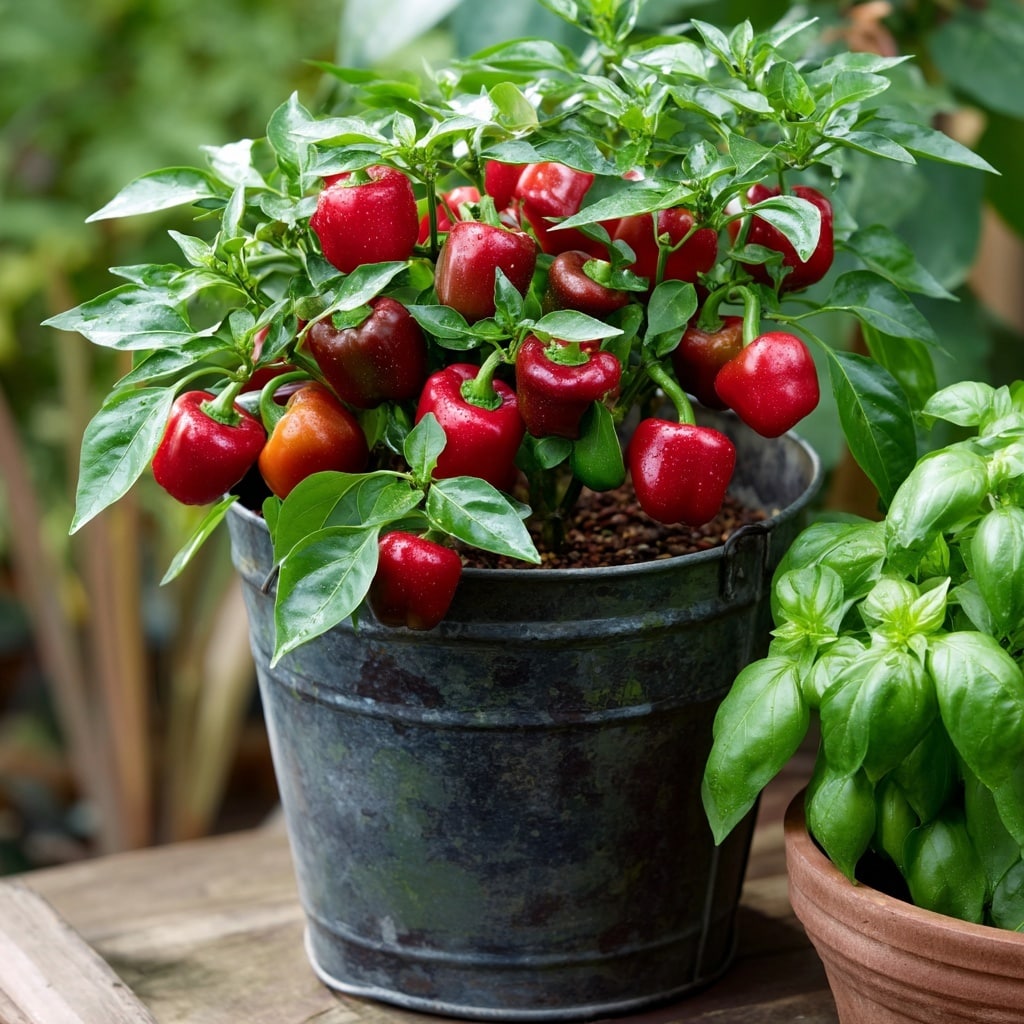
From sweet bells to fiery hot chilis, peppers are well-suited to bucket gardening. They prefer warm roots and high humidity—perfect for sunny balconies or patios.
- How many per bucket: 1 standard plant or 2–3 dwarf varieties
- Humidity tip: Mist leaves during dry spells or cluster buckets together to maintain moisture.
Pair with basil or oregano in the same bucket for natural pest control and better flavor.
3. Eggplant
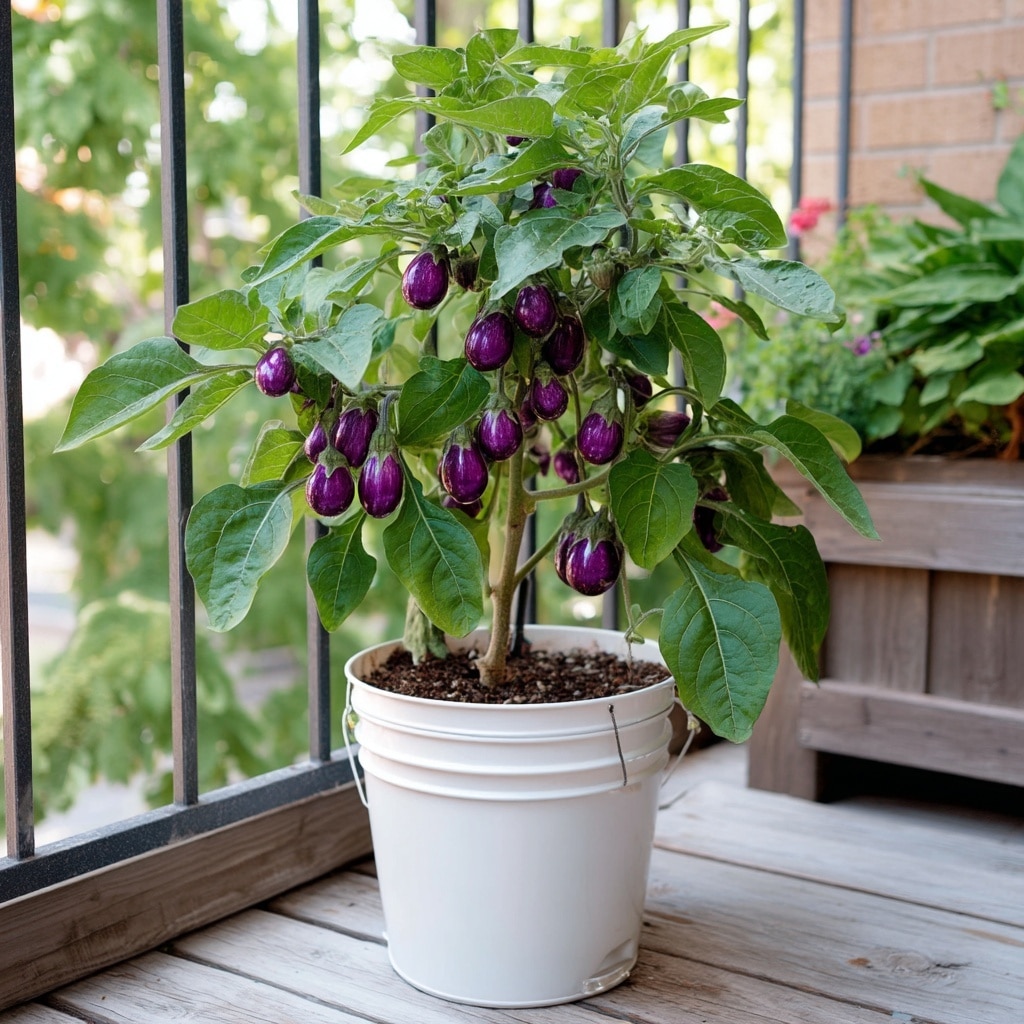
Another heat-loving nightshade, eggplant produces beautifully in buckets. Choose dwarf types like ‘Fairy Tale’ or ‘Little Finger’ for optimal container growth.
- How many per bucket: 1 plant
- Support: Use stakes or cages once fruit begins to form
- Soil mix: 2 parts potting soil + 1 part sand for drainage
4. Zucchini
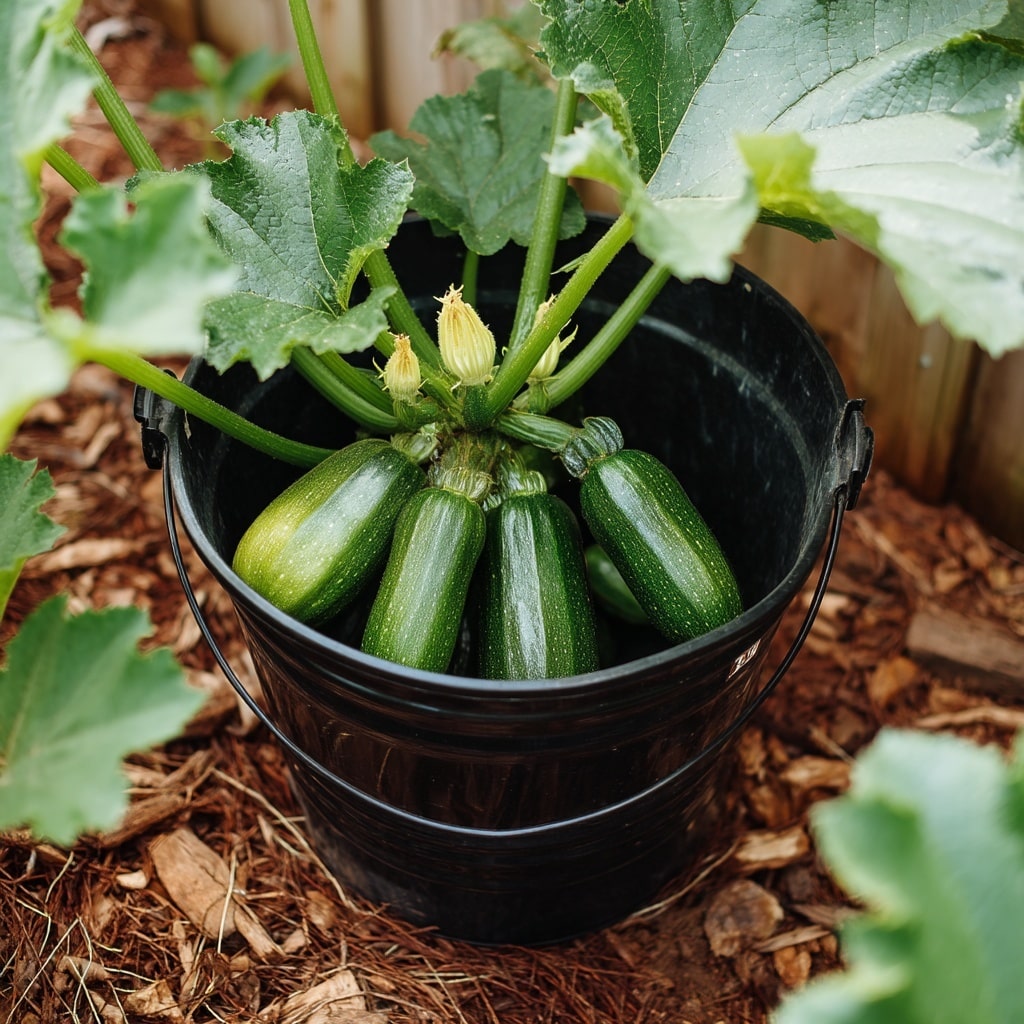
Zucchini loves room to grow, but many varieties can still thrive in a 5-gallon bucket if you water and feed regularly.
- How many per bucket: 1 plant
- Nutrient needs: Heavy feeder—apply organic fertilizer bi-weekly
- Drainage: Essential to prevent root rot in this thirsty crop
5. Cucumbers
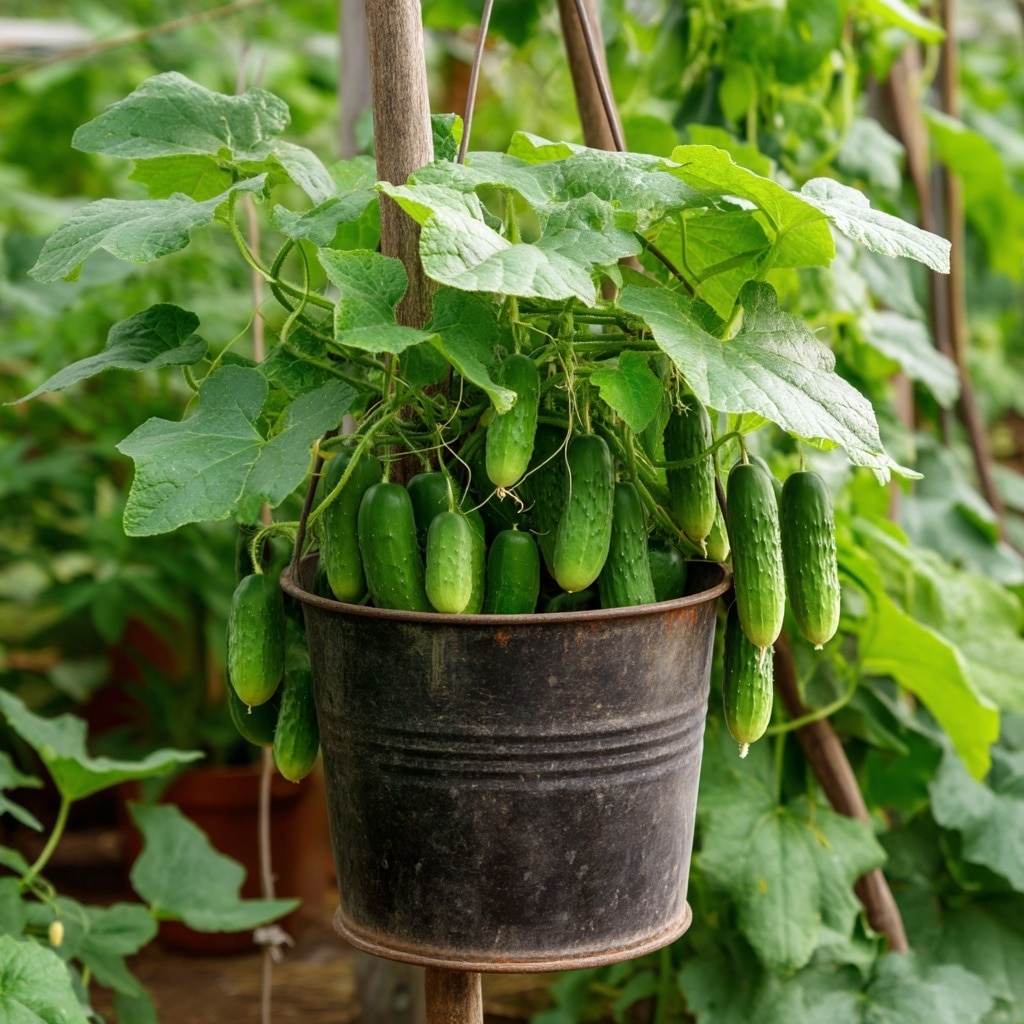
Cucumbers need support to climb, but with a trellis or cage, they’ll flourish in buckets. Bush varieties like ‘Bush Champion’ or ‘Salad Bush’ are best.
- How many per bucket: 1–2 bush types
- Planting tip: Direct sow or use biodegradable pots to avoid transplant shock
6. Lettuce & Other Leafy Greens
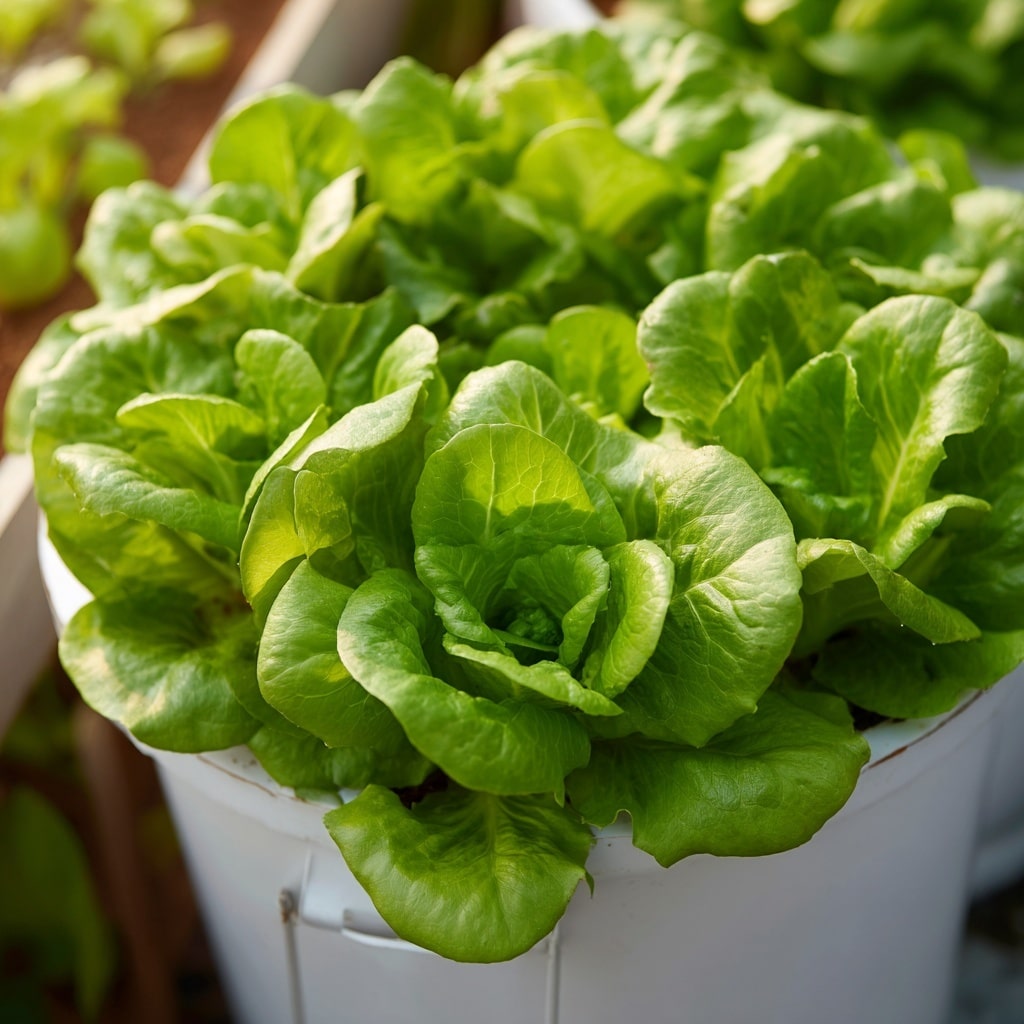
Leafy greens are ideal for bucket gardening 5 gallon setups. They don’t require deep soil, grow quickly, and are perfect for “cut-and-come-again” harvesting.
- Great choices: Loose-leaf lettuce, arugula, spinach, mustard greens, Asian greens, Swiss chard
- How many per bucket: Sow densely, then thin as needed
- Soil tip: Use a compost-rich mix and feed monthly with nitrogen-rich fertilizer
Bonus idea: Drill holes in the bucket sides to grow leafy greens vertically and maximize harvest in tight spaces.
7. Kale, Broccoli & Other Brassicas
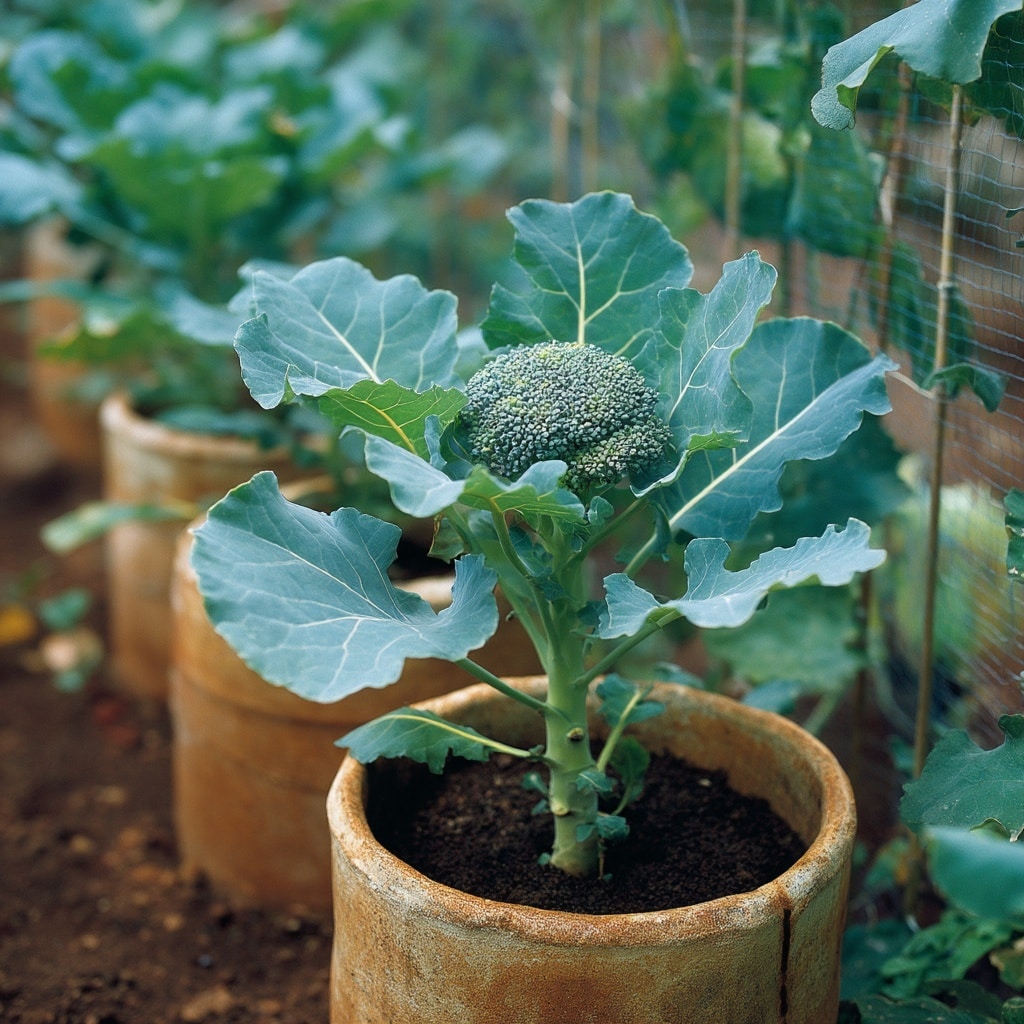
Brassicas love space, and a 5-gallon bucket gives them just enough. These nutrient-dense greens perform well in cooler seasons and can be moved to shade or shelter during temperature swings.
- Best choices: Kale, broccoli, cauliflower, kohlrabi
- How many per bucket: 1 large plant or 2–3 smaller ones like kohlrabi
- Fertility needs: Heavy feeders—add compost, mulch, and a nitrogen-rich liquid feed
Protect with mesh or row covers to keep cabbage worms and birds at bay.
8. Onions & Alliums
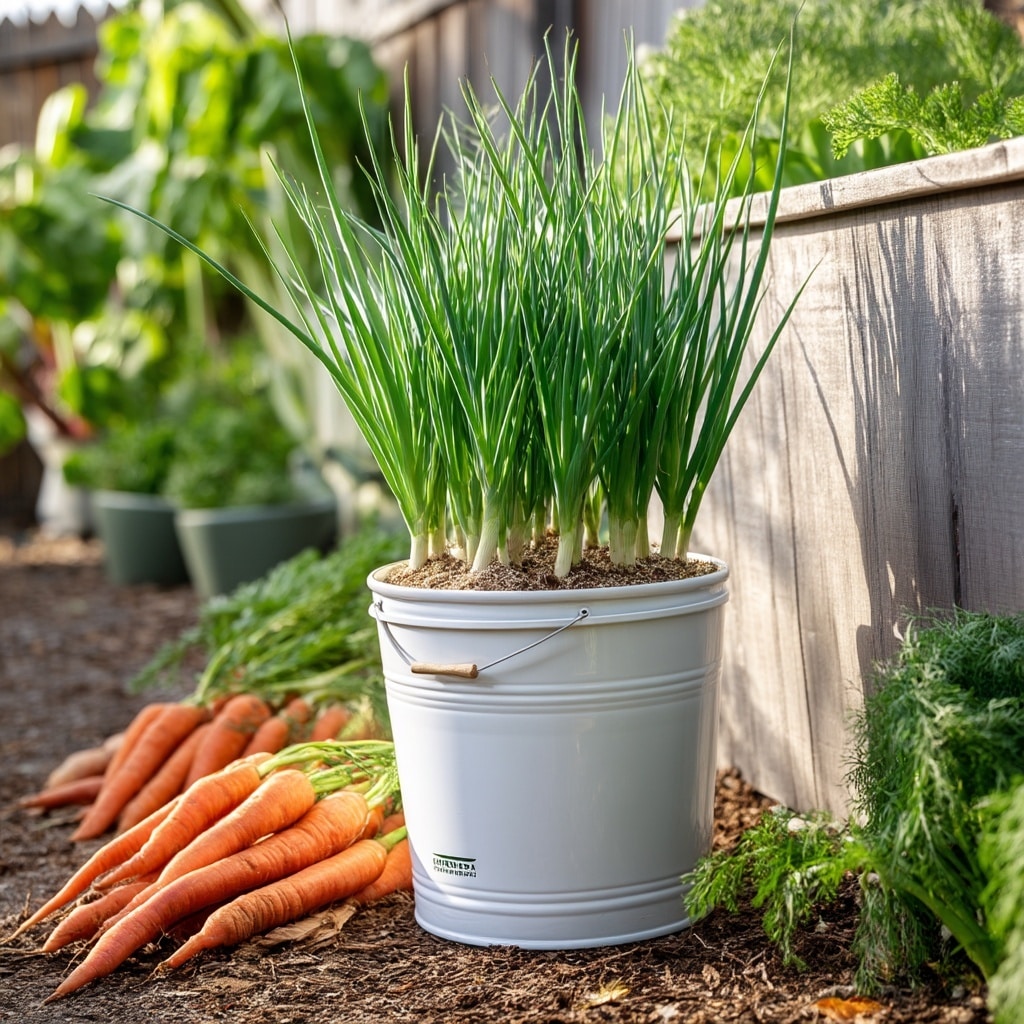
While bulb onions take up space, you can still grow several in a bucket—or focus on smaller alliums like scallions, bunching onions, and chives.
- How many per bucket: 3–5 bulbs or a clump of scallions
- Planting tip: Companion plant scallions around other crops (like carrots or lettuce) to deter pests
Try perennial onion varieties in buckets for a multi-season harvest with little effort.
9. Carrots & Root Vegetables
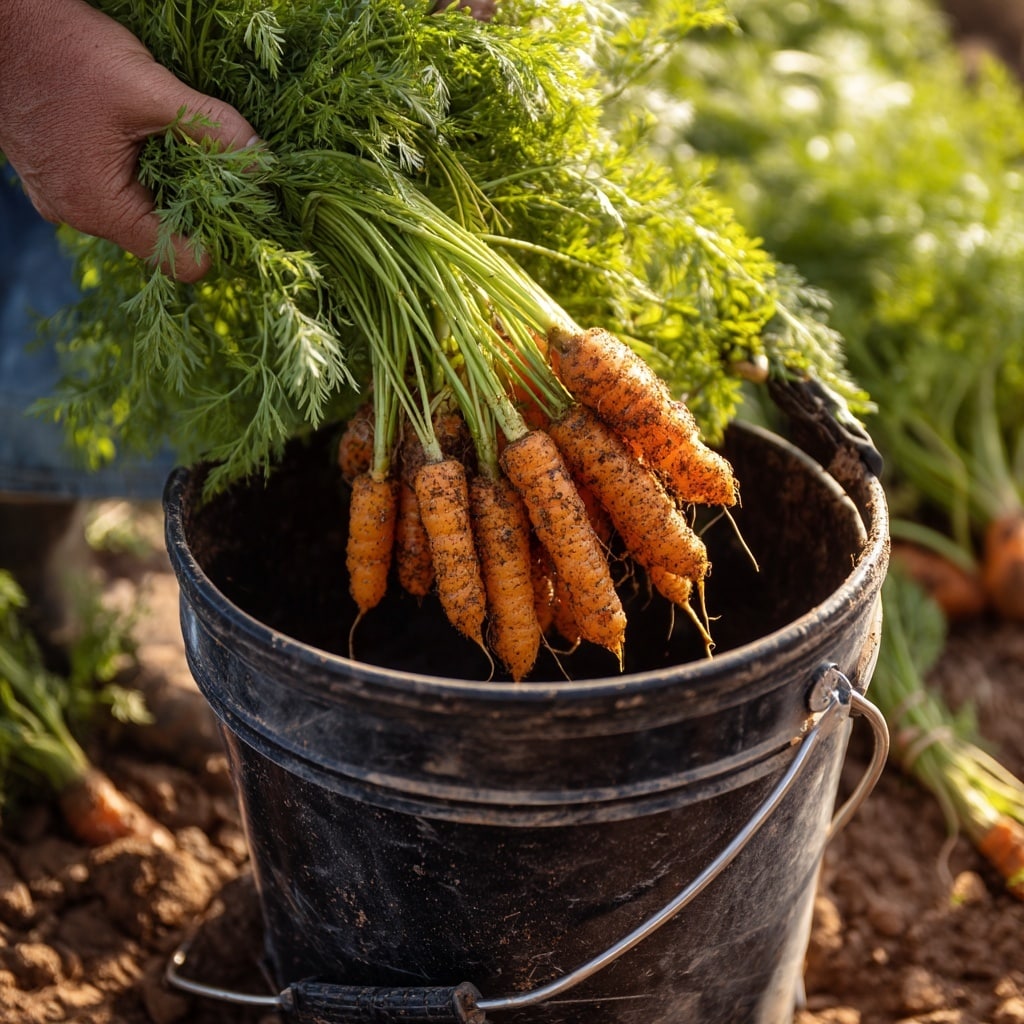
A deep 5-gallon bucket is perfect for growing long-rooted vegetables, provided the soil is light and fluffy.
- Great options: Carrots, parsnips, beets, radishes
- How many per bucket: Thin to 10–12 carrots or 4–6 beets per bucket
- Soil mix: Blend potting mix with sand for better drainage and root development
Succession sow every 2–3 weeks for a continuous harvest.
10. Potatoes
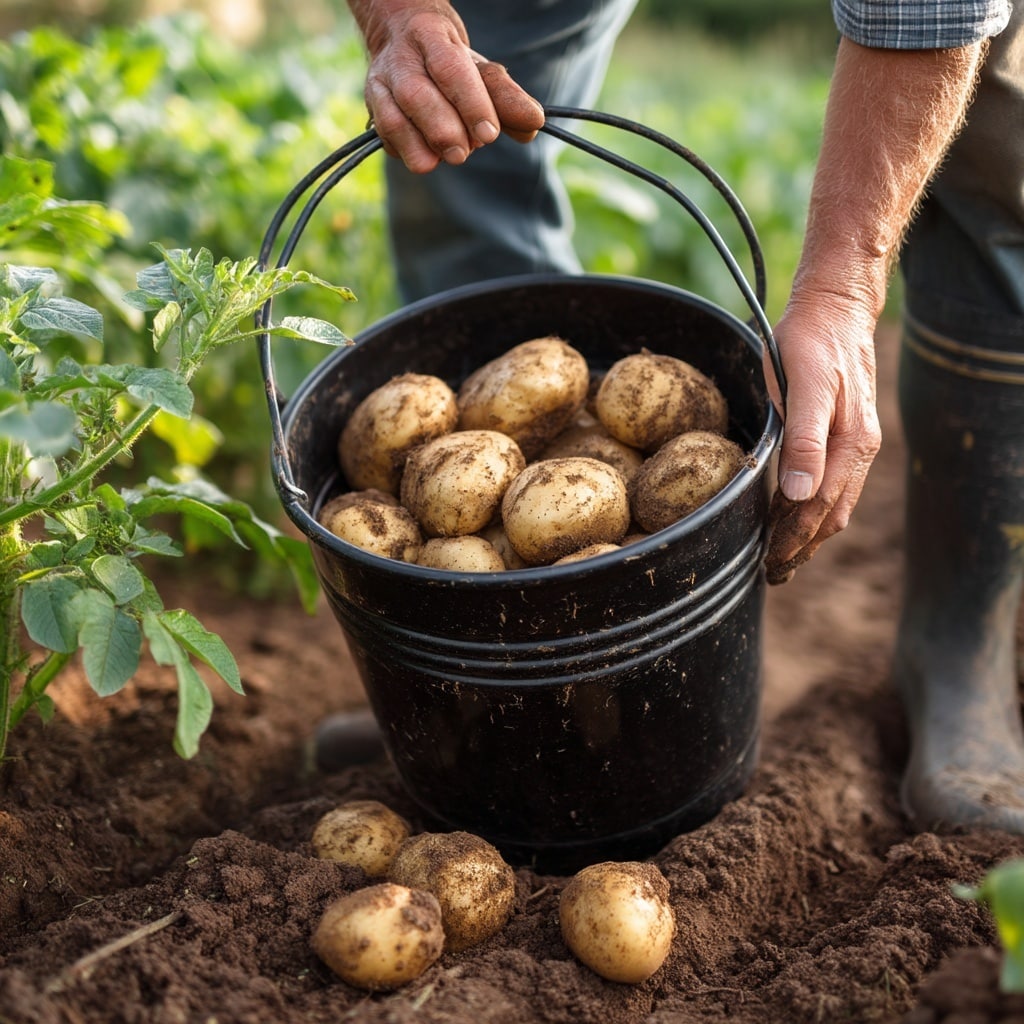
Believe it or not, a single potato plant can yield a surprising crop in a 5-gallon bucket if planted correctly.
- How many per bucket: 1 seed potato
- Planting tip: Start with 1/3 full bucket; add more soil (“hill up”) as the plant grows
- Feeding: Comfrey mulch and liquid fertilizer promote larger tubers
Water deeply—potatoes are especially thirsty during tuber development.
11. Peas
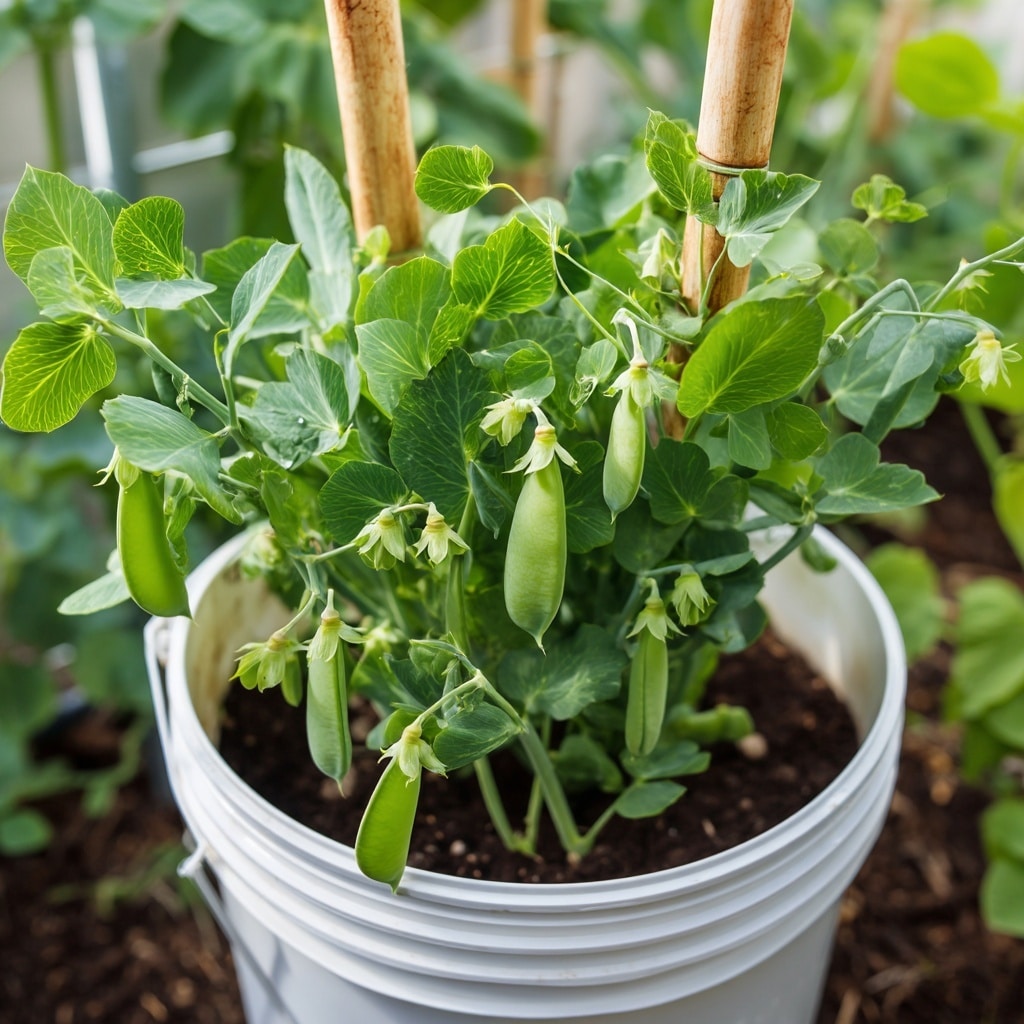
Peas are compact, nitrogen-fixing plants that perform well in 5-gallon buckets—especially bush or dwarf varieties. With a simple support stick or small trellis, they’ll happily climb and yield sweet pods for weeks.
- How many per bucket: 6–8 seeds, spaced 2 inches apart
- Support: Insert twiggy sticks or mini trellis
- Water needs: Keep soil consistently moist but not soggy
After harvesting, leave the roots in the soil to enrich it with nitrogen for the next crop.
12. Beans
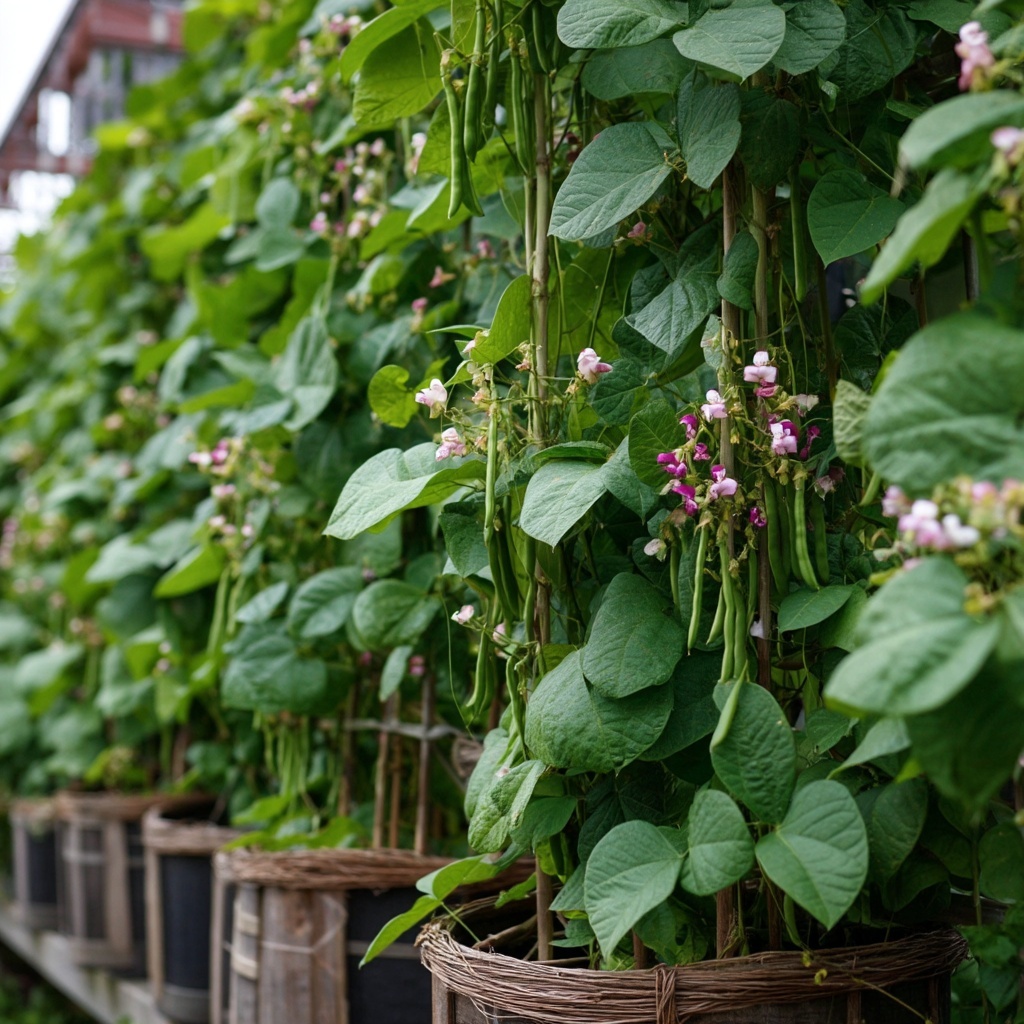
Both bush and pole beans are bucket-friendly and great for vertical growing. Pole beans especially make good use of vertical space when grown up a trellis, teepee, or fence.
- How many per bucket: 1 bush bean or 2–3 pole beans with support
- Soil: Rich, with good drainage
- Watering: Consistent moisture is key when flowers and pods are forming
Arrange buckets in rows with vertical supports between them to create a living wall of beans in small spaces.
13. Strawberries
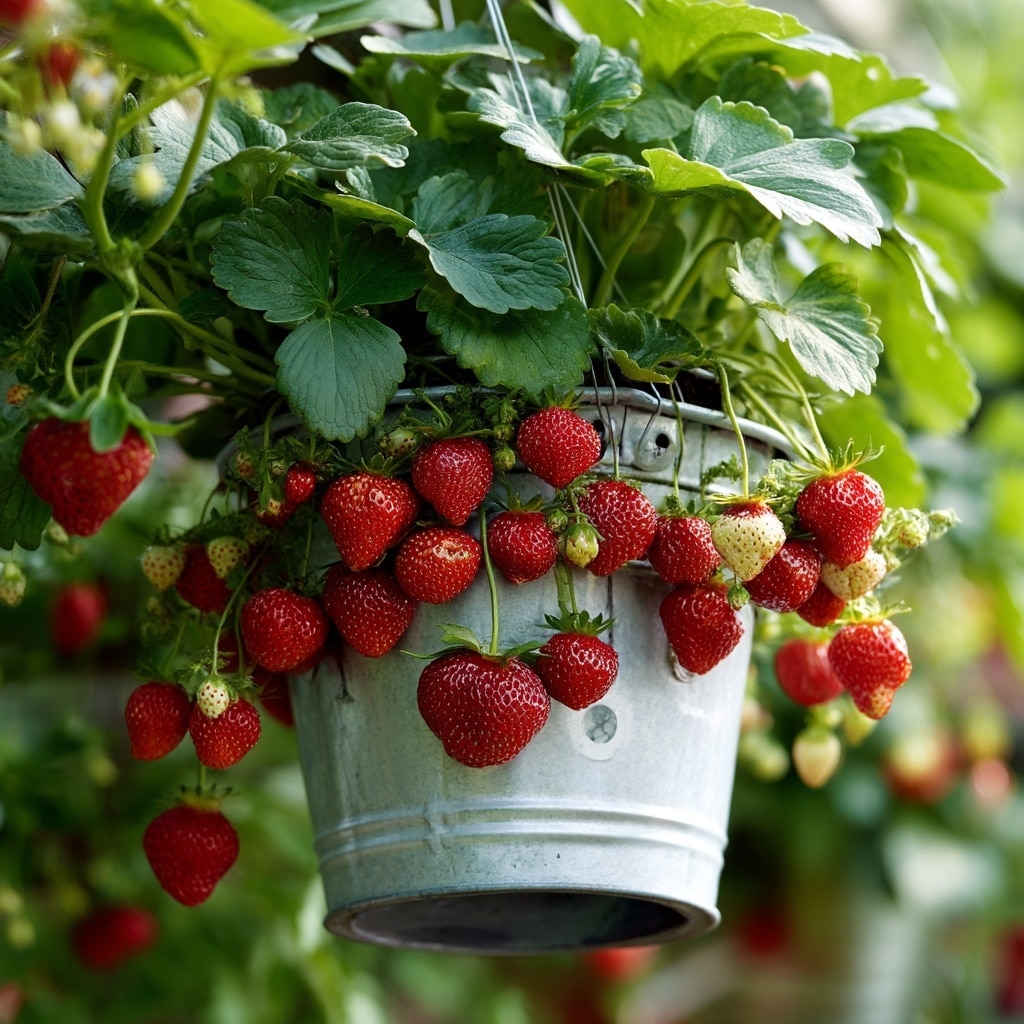
Strawberries thrive in containers and can be grown horizontally or vertically. You can cut holes into the sides of your bucket to plant multiple tiers of berries—or stack buckets into a tower.
- How many per bucket: 3–4 plants, or more if using vertical planting holes
- Feeding: Add potassium-rich fertilizer during flowering
- Sunlight: Needs full sun for best berry production
Pair with herbs like thyme or borage in the same bucket for natural pest protection.
14. Blueberries
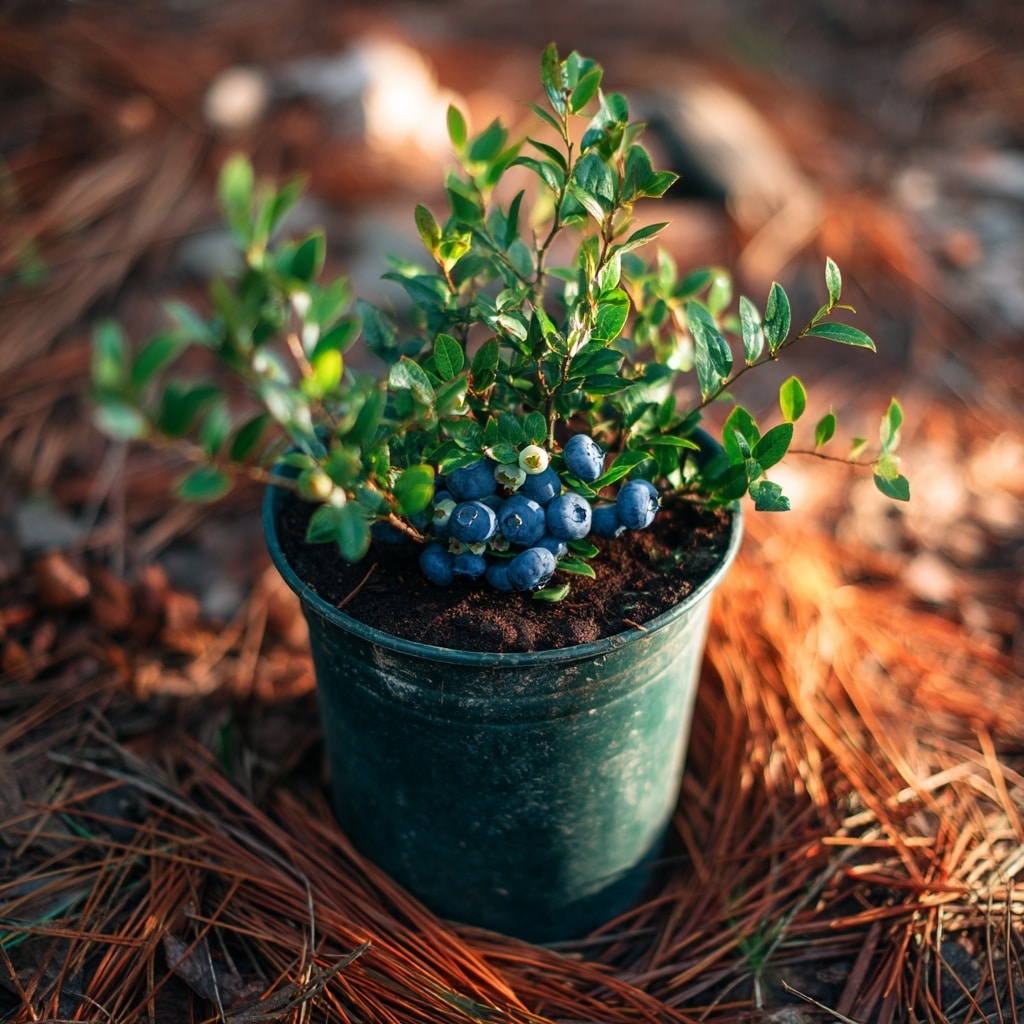
Blueberries are perfect for buckets because they need acidic soil, which is easier to manage in containers. Look for dwarf or patio varieties like ‘Top Hat’ or ‘Jelly Bean’.
- How many per bucket: 1 dwarf shrub
- Soil pH: 4.5–5.5 (ericaceous mix)
- Care: Use rainwater when possible—tap water may raise pH over time
Apply pine bark mulch to retain moisture and maintain acidity.
15. Raspberries
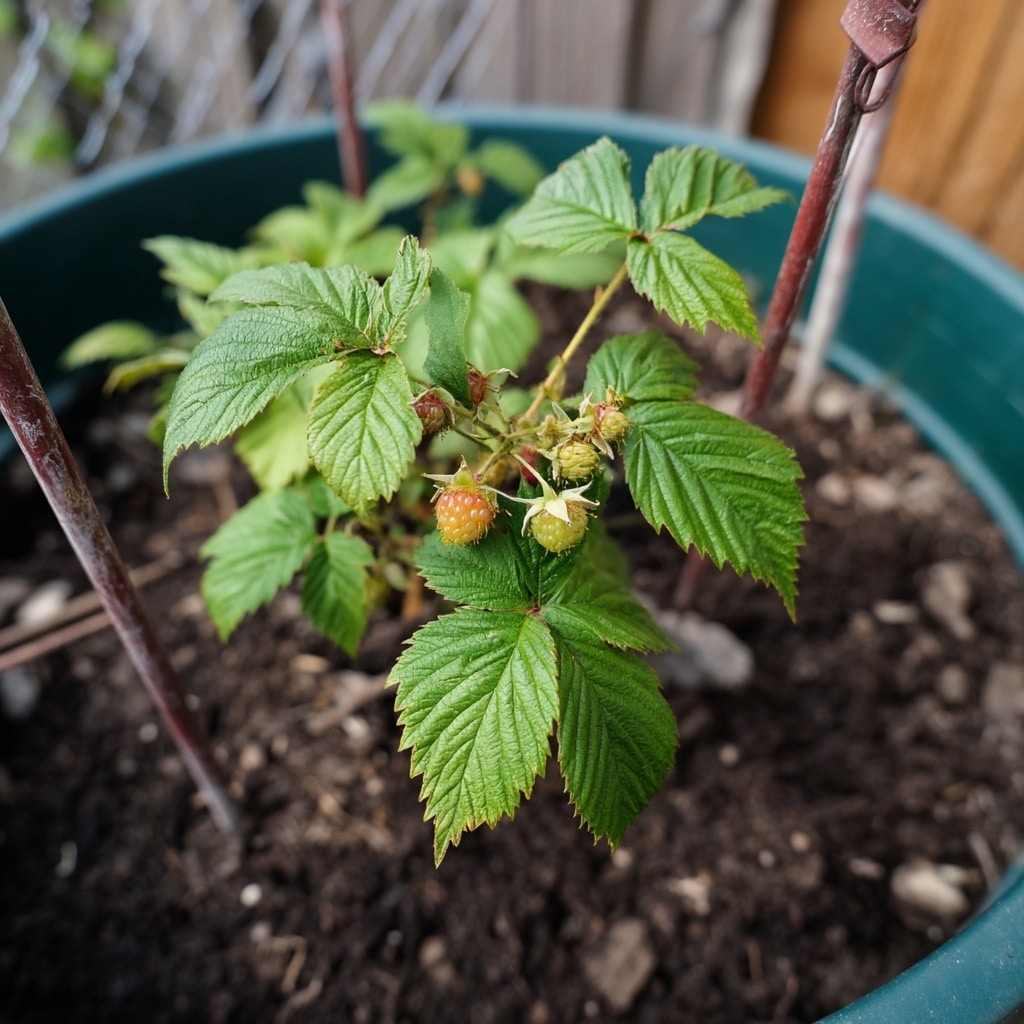
Yes, even raspberries can grow in a bucket! Use a dwarf variety such as ‘Raspberry Shortcake’, which grows just 2–3 feet tall and doesn’t require staking.
- How many per bucket: 1 cane per bucket
- Support: Add a central stake if needed
- Feeding: Compost-rich soil and annual pruning will keep it productive
Mulch deeply to keep roots cool and moist during warm months.
🌿 Conclusion
Bucket gardening 5 gallon setups are a smart, space-efficient way to grow fresh food—even if you don’t have a traditional garden. With just a few buckets, some good soil, and a sunny corner, you can enjoy homegrown tomatoes, leafy greens, berries, root veggies, and more right at your doorstep.
These low-cost containers are surprisingly versatile, perfect for beginners and seasoned gardeners alike. By choosing the right plants and giving each one the care it needs, your 5-gallon bucket garden can produce more than you ever thought possible.
So whether you’re tight on space or just looking for a flexible, movable garden, give bucket gardening a try—your harvest (and taste buds) will thank you!