
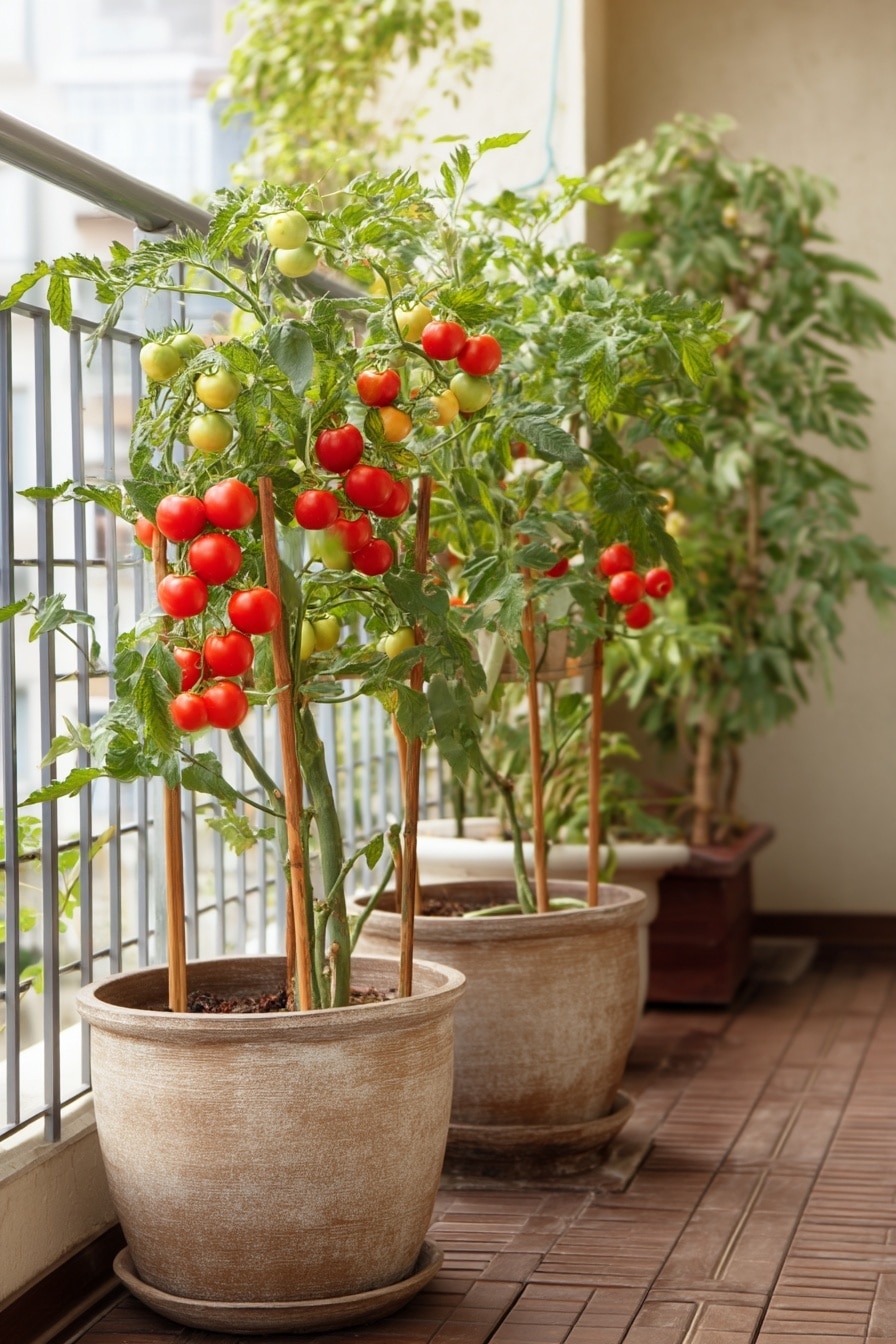
Garden ideas aren’t just for sprawling backyards—some of the most charming and innovative gardens thrive in tight spaces. Whether you have a small patio, balcony, or just a corner of your yard, a thoughtful design can transform even the tiniest area into a lush retreat. With a few smart choices, compact plants, and clever use of space, your small garden can feel spacious, vibrant, and full of personality. This guide brings you practical inspiration, expert design tips, and plant selections to help you create a garden that’s both beautiful and functional—no matter the size.
Table of Contents
Best Shrubs & Plants for Small Spaces

Choosing the right plants is key to making a small garden feel full without being cluttered. The best garden ideas for tight spaces revolve around selecting shrubs and perennials that offer more than just one feature—think color, texture, fragrance, and seasonal interest.
Top Plant Picks for Small Gardens:
- Dwarf Hydrangeas – Big blooms on compact plants that thrive in containers or narrow borders
- Boxwood – A classic evergreen that can be shaped, providing structure and year-round greenery
- Little Lime® Hydrangea – A smaller version of the popular Limelight variety, perfect for pots
- Spirea ‘Double Play®’ series – Offers vibrant foliage and long-lasting flowers in a petite package
- Japanese Holly – Great for formal looks, and ideal in small hedges or pots
When space is limited, look for multi-season interest and slower-growing varieties. A few well-chosen shrubs can anchor your design while leaving room for annual color or herbs.
🪴 Pro Tip: Use repeat planting to create rhythm and avoid visual chaos—three of the same shrub in a triangle pattern can make a small area feel intentional and cohesive.
Vertical Gardening Tips for Small Gardens
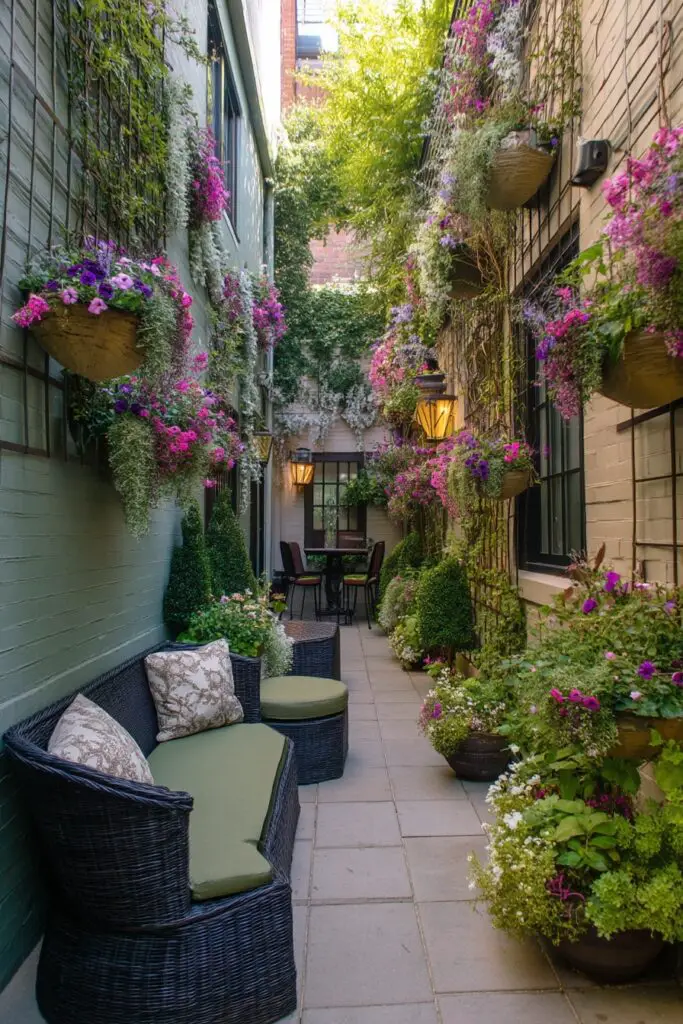
When horizontal space is limited, the best garden ideas look up. Vertical gardening maximizes your growing area without eating into precious square footage. It’s one of the most practical and stylish solutions for patios, balconies, and narrow side yards.
Smart Ways to Grow Vertically:
- Trellises & Arbors – Train climbing plants like clematis, jasmine, or sweet peas to add height and fragrance
- Wall Planters – Stack herbs or trailing flowers in modular wall pockets or mounted pots
- Hanging Baskets – Use railings, pergolas, or shepherd’s hooks to suspend flowering plants at varying levels
- Vertical Garden Frames – Pre-made or DIY frames let you grow greens and flowers in tight spaces
Vertical gardening doesn’t just save space—it also adds depth, texture, and a sense of privacy to compact areas. Vines and tall planters can soften fences or walls, making small gardens feel lush and immersive.
🌿 Pro Tip: Use a mix of upright growers and spillers (like sweet potato vine or trailing petunias) to create a layered, full look in vertical setups.
Compact Plants for Patios and Tabletops
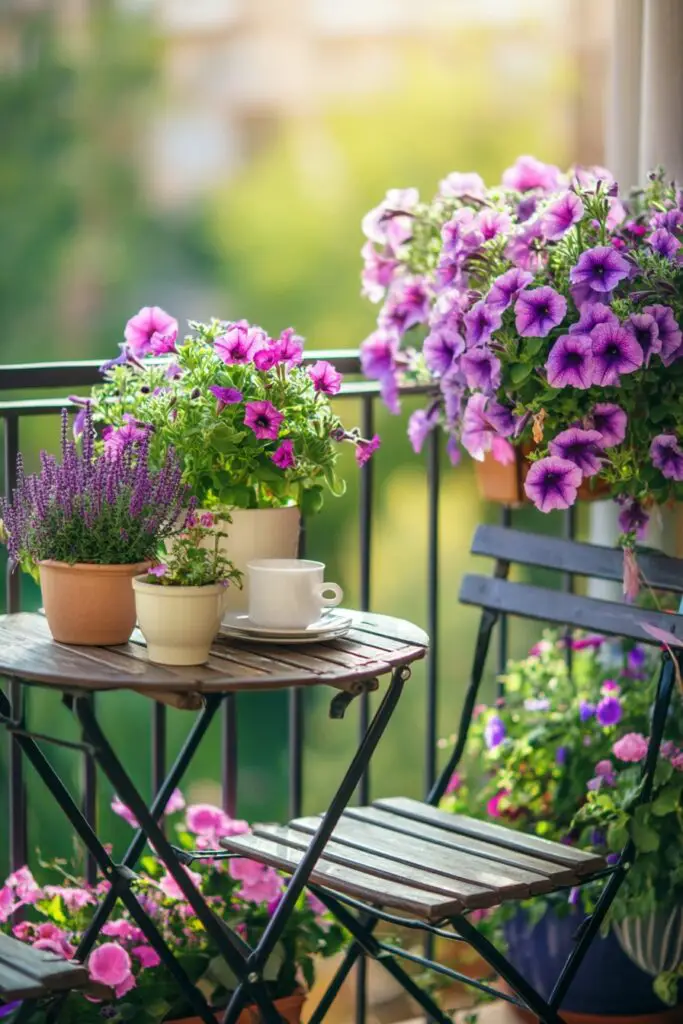
One of the most creative garden ideas for small spaces is using compact plants to bring color and interest to patios, decks, and even outdoor dining tables. These tidy varieties are perfect for containers and don’t overwhelm limited space.
Great Small Plants to Try:
- Supertunia® Mini Vista® Petunias – Bright blooms that stay compact and spill gently over container edges
- Calibrachoa (Million Bells) – Continuous flowers in vibrant colors, ideal for hanging pots and tabletop displays
- Heuchera (Coral Bells) – Colorful foliage that stays neat and tidy year-round
- Lavender ‘Mini Blue’ – A fragrant, pollinator-friendly plant with a naturally compact form
- Sedum ‘Little Miss Sunshine’ – A sun-loving, low-growing succulent with cheerful yellow blooms
These plants are especially great for entertaining areas where you want beauty without bulk. Grouping three small pots together with contrasting colors or textures is an easy way to elevate a table or balcony corner.
🌼 Pro Tip: Choose containers with good drainage and use high-quality potting mix to keep plants healthy in small pots.
Native Plants That Work in Urban Gardens
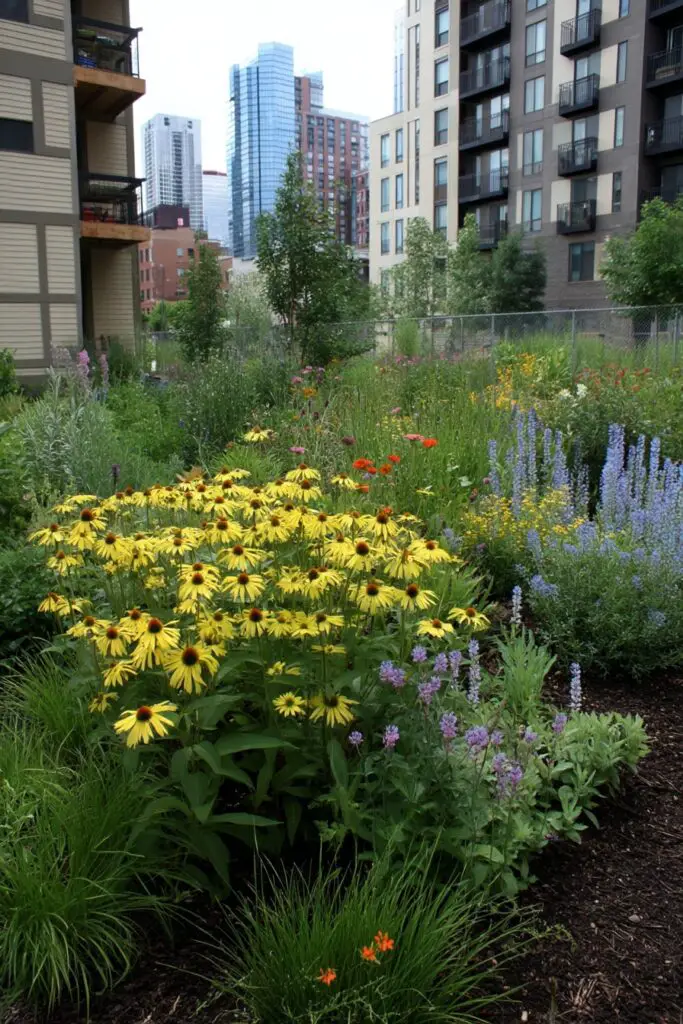
Incorporating native plants is one of the most sustainable and low-maintenance garden ideas—especially in small or urban spaces. These plants are adapted to your local climate and soil, which means they require less water, fertilizer, and care. Plus, they support local pollinators and wildlife.
Smart Native Choices for Small Gardens:
- Baptisia (False Indigo) – Compact cultivars like ‘Sparkling Sapphires’ offer bold color and structure without taking over
- Echinacea (Coneflower) – Dwarf varieties such as ‘PowWow Wild Berry’ provide blooms and attract pollinators
- Little Bluestem – A smaller ornamental grass with stunning fall color and minimal upkeep
- Coreopsis ‘Nana’ – A tiny, cheerful bloomer perfect for edging beds or tucking into containers
- Penstemon ‘Electric Blue’ – Compact and vibrant, great for sunny spots and drought-tolerant planting
Native plants can be both beautiful and practical in tight spaces. Many now come in scaled-down versions designed specifically for smaller gardens, patios, and balconies.
🌾 Pro Tip: Group 3–5 native plants together to mimic how they grow in the wild—it creates a more natural look and supports biodiversity.
Creative Planting Ideas for Tight Spaces
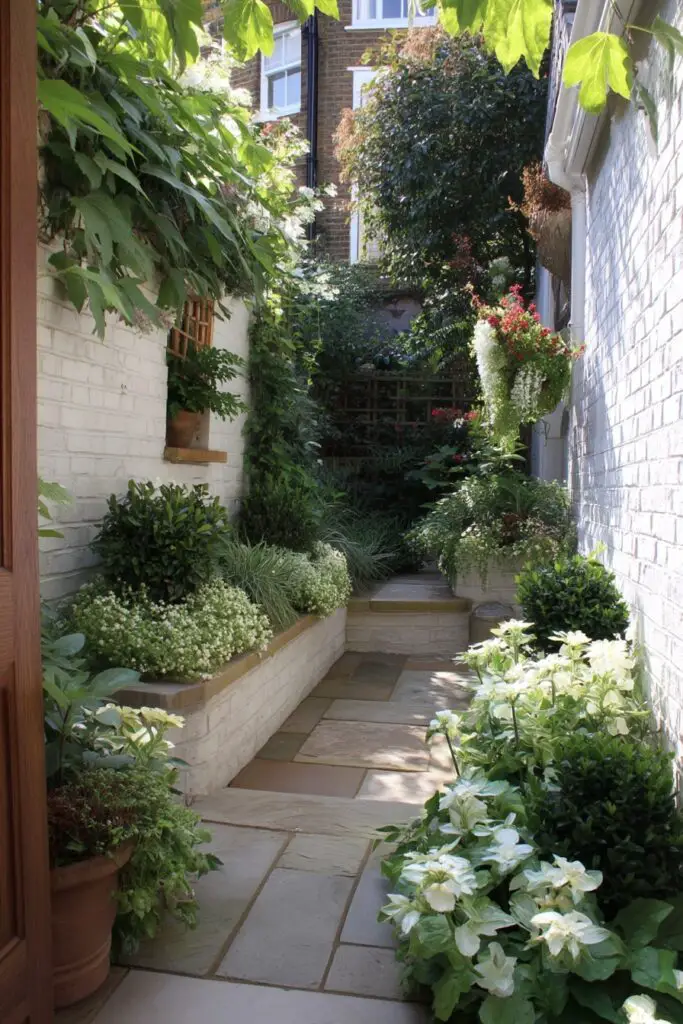
When square footage is limited, thoughtful design becomes essential. The best garden ideas for tight spaces involve using every nook effectively while keeping things visually balanced and uncluttered.
Clever Solutions for Narrow or Awkward Spots:
- Side Yard Passages – Line narrow walkways with slim plants like ornamental grasses, dwarf hostas, or fern varieties
- Corner Planters – Use triangular or tapered containers to soften corners and maximize soil space
- Retaining Wall Niches – Tuck in hardy groundcovers like creeping thyme or sedum into cracks and crevices
- Step & Stair Gardens – Place small potted plants on outdoor steps to create height and depth without taking up ground space
- Window Boxes – Add charm and greenery at eye level using compact herbs, trailing flowers, or small succulents
The goal in tight-space planting is to enhance flow and function without crowding. Go for simple color palettes and layer heights to create the illusion of more space.
🌿 Pro Tip: Stick with an odd number of plant groupings (3 or 5) to make arrangements feel more natural and balanced.
Container Gardening Tips for Small Spaces
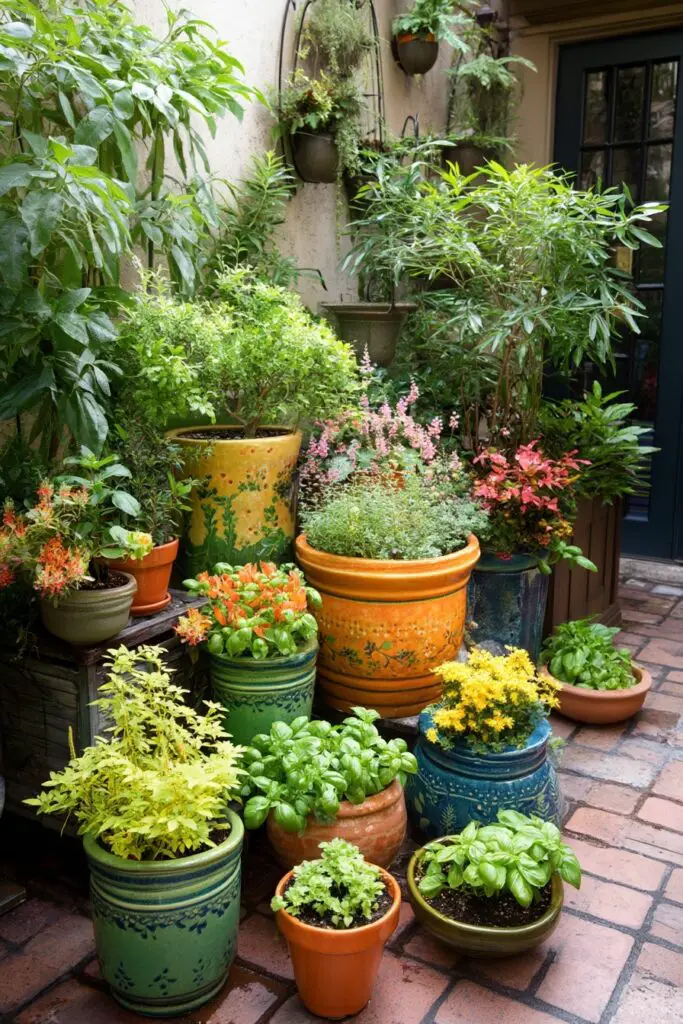
Container gardening is one of the most versatile garden ideas for anyone working with limited room. Whether you’re gardening on a balcony, patio, or tiny courtyard, pots and planters give you full control over layout, soil, and mobility.
How to Make the Most of Container Gardening:
- Choose the Right Containers – Use lightweight pots for balconies and deeper containers for root-heavy plants
- Match Plants by Needs – Group sun-lovers together and shade-lovers in separate zones to keep care simple
- Use the “Thriller, Filler, Spiller” Rule –
- Thriller: A tall focal plant (like ornamental grass)
- Filler: Midsize, bushy plant (like coleus or begonias)
- Spiller: Trailing plant that cascades over the sides (like sweet potato vine or lobelia)
- Don’t Skimp on Soil Quality – Always use a high-quality, lightweight potting mix with slow-release fertilizer
- Add Casters or Plant Caddies – These make it easy to move pots around for light or seasonal adjustments
Containers let you garden at any level—ground, table, wall, or railing—adding variety and flexibility to small spaces.
🪴 Pro Tip: Group containers in odd numbers and stagger their heights for a more dynamic, layered look.
Growing Hydrangeas in Pots
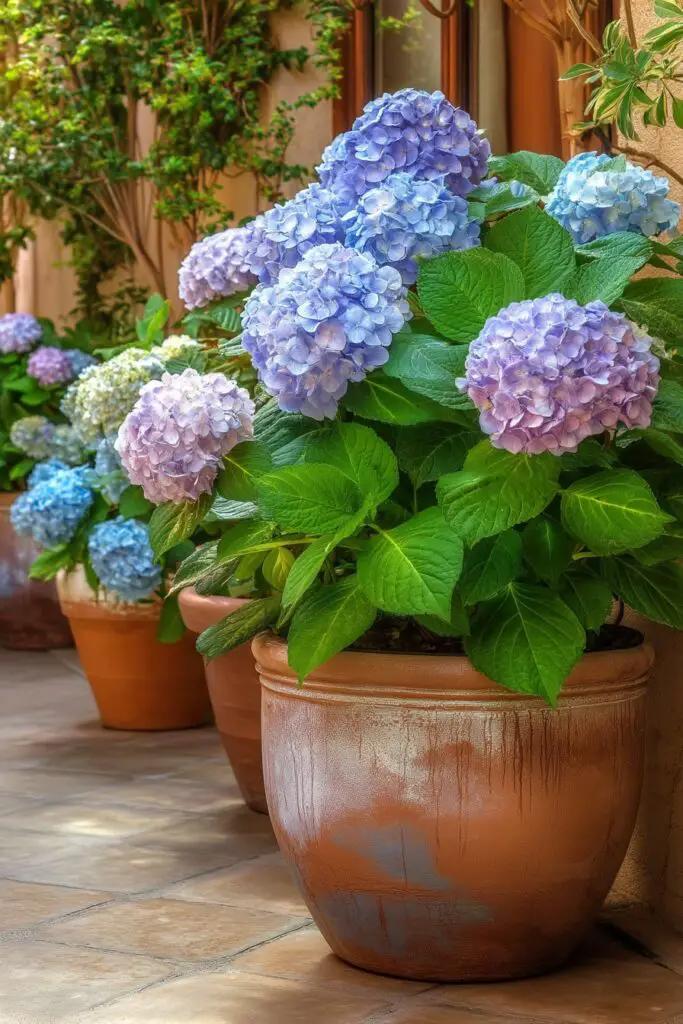
Hydrangeas are beloved for their bold blooms and classic appeal—and they’re a surprisingly smart choice for small gardens when grown in containers. These showy shrubs are one of the most elegant garden ideas for patios, balconies, or even entryways.
Tips for Success with Potted Hydrangeas:
- Choose Compact Varieties – Look for types like Little Lime®, Cityline®, or Tiny Tuff Stuff® bred specifically for containers
- Pick the Right Pot – Use a container at least 18 inches wide with good drainage holes
- Use Moisture-Retentive Soil – Hydrangeas like consistent moisture, so use potting mix with added organic matter
- Water Often – Potted hydrangeas dry out faster than those in the ground, especially in summer
- Feed Regularly – Use a balanced fertilizer every 4–6 weeks during the growing season
These plants thrive in morning sun and afternoon shade, making them ideal for partially shaded patios or decks. You can even move pots around to protect them from harsh afternoon heat or winter frost.
🌸 Pro Tip: The bloom color of certain hydrangeas (like Bigleaf) can be changed by adjusting soil pH—acidic for blue, alkaline for pink.
Growing Tomatoes in Pots
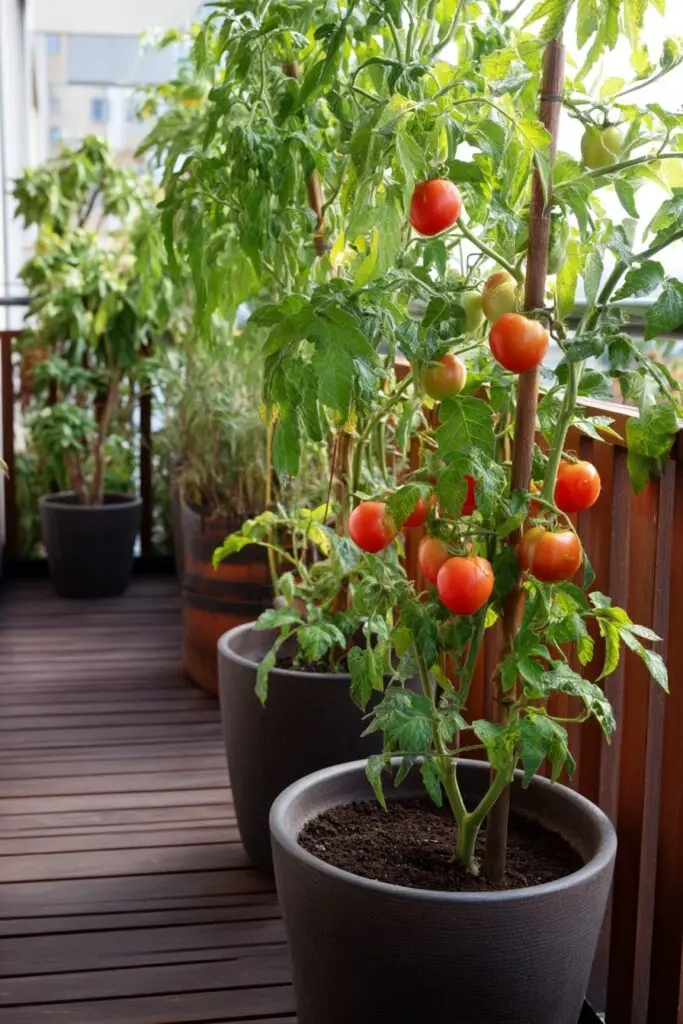
Edible gardening belongs in every space, no matter the size. Growing tomatoes in containers is one of the most rewarding garden ideas for small areas—delivering flavor, color, and satisfaction right from your patio or balcony.
How to Grow Tomatoes in Containers:
- Select the Right Type – Choose compact or determinate varieties like Bush Early Girl, Tiny Tim, or Patio Princess
- Pick a Large Pot – Use a container that’s at least 18–24 inches deep to support strong root growth
- Use Rich, Well-Drained Soil – A mix designed for vegetables is best, ideally with added compost
- Provide Support – Even compact tomatoes need a cage or stake to stay upright
- Water Consistently – Tomatoes in pots dry out quickly; water deeply and regularly
- Feed Often – Use a tomato-specific fertilizer or organic compost tea every 1–2 weeks during fruiting season
Container-grown tomatoes are ideal for renters or those with no in-ground garden space. You can even pair them with basil or marigolds in the same pot for natural pest control and aesthetic appeal.
🍅 Pro Tip: Place your tomato container where it gets at least 6–8 hours of sun daily—south-facing spots are best.
Conclusion
Creating a beautiful garden doesn’t require a sprawling yard—just smart planning, the right plants, and a few well-placed containers. With these garden ideas, you can transform even the smallest outdoor space into a vibrant, inviting retreat. Whether you’re growing lush hydrangeas in pots, using vertical space for color and texture, or harvesting fresh tomatoes from your patio, small gardens can be just as rewarding as larger ones. Start with a few thoughtful choices and watch your space come to life.