
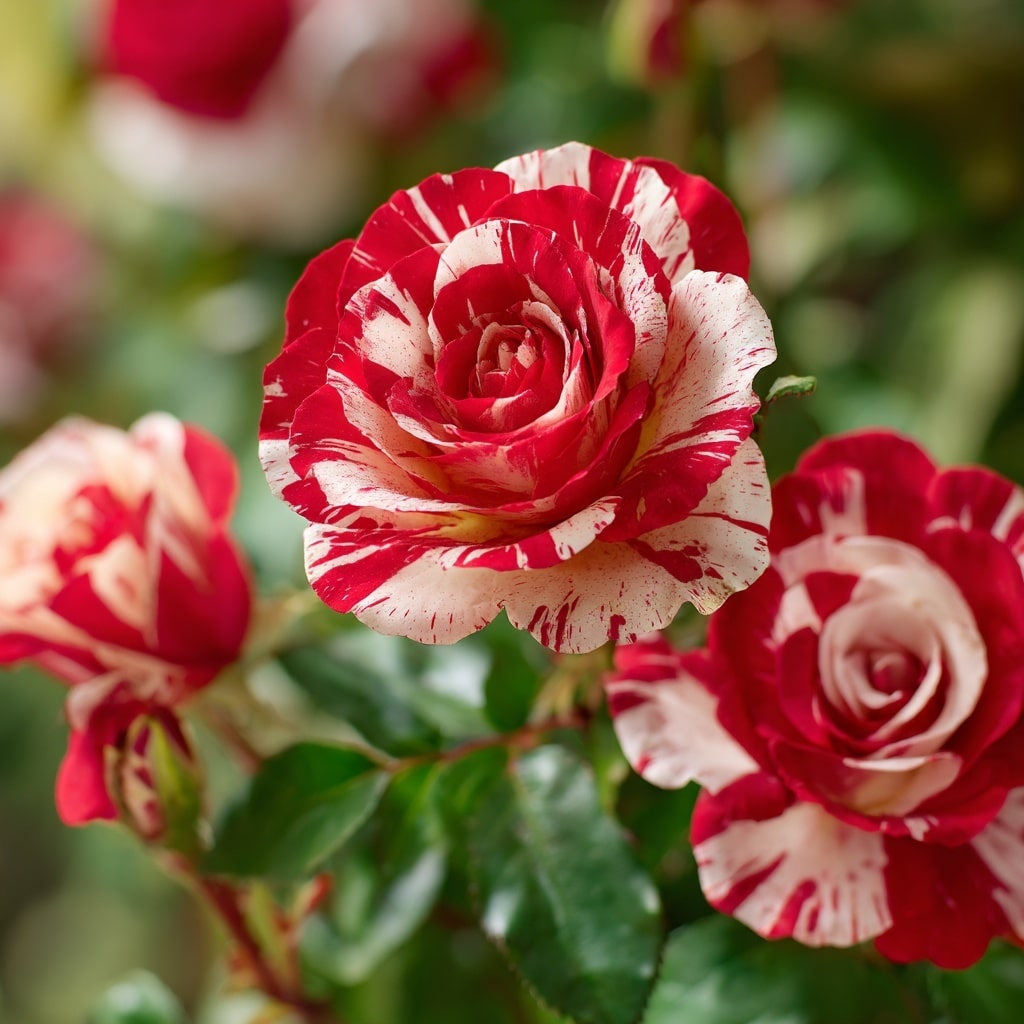
Red roses have long held a place of honor in gardens for their bold beauty and timeless symbolism. Whether you’re drawn to them for their romantic associations or simply love their striking color, red roses offer a dazzling range of options for gardeners. From velvety deep reds to unique burgundy and even red-and-white blends, these blooms bring elegance, fragrance, and structure to any landscape. But with so many varieties available, how do you choose the right ones for your space? In this guide, we’ll walk through standout red rose varieties and what it takes to grow them successfully, helping you plant with confidence and enjoy thriving blooms season after season.
Table of Contents
Best Red Rose Varieties for Your Garden

Choosing the right red roses for your garden depends on your space, climate, and the kind of beauty or fragrance you want. Below are some of the most admired varieties, each offering unique charm. Whether you prefer climbing types or compact bushes, there’s a red rose to match your garden’s personality.
Crimson Glory
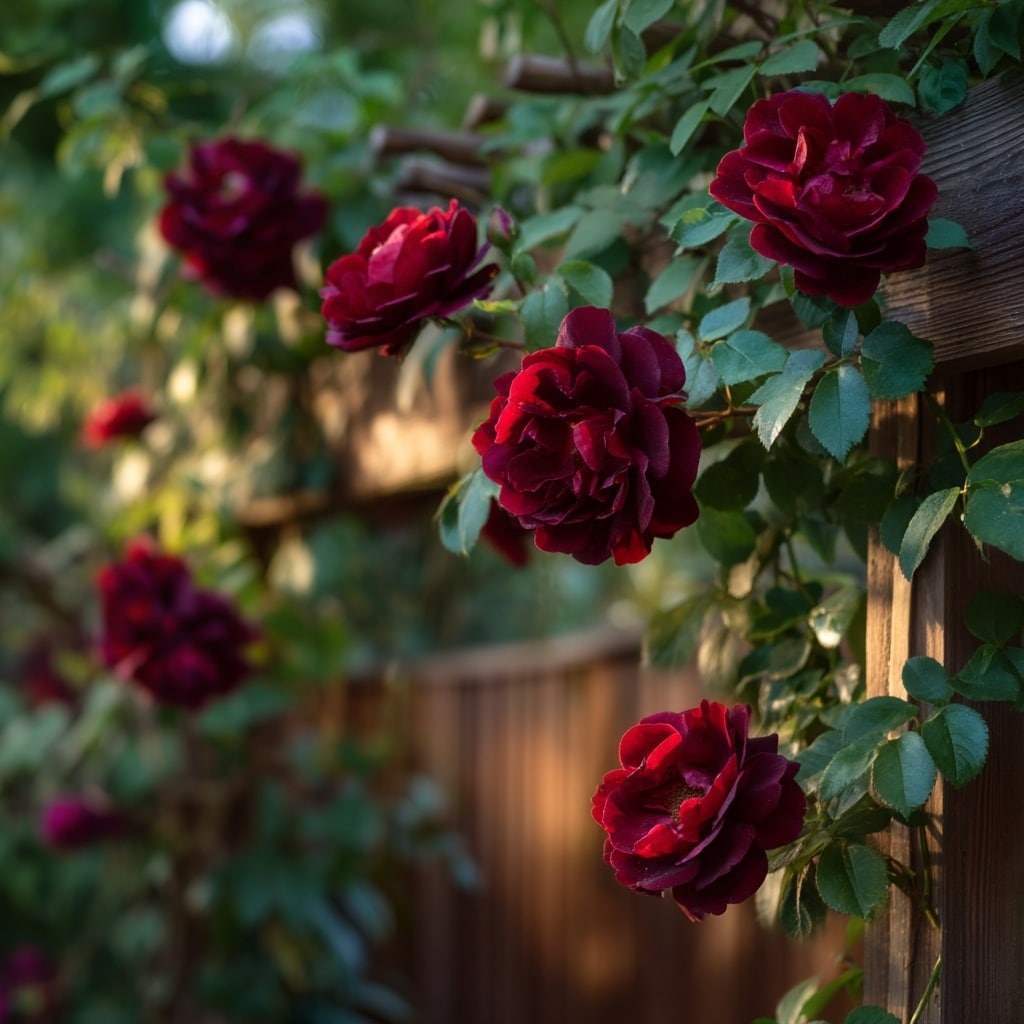
A classic favorite among climbing roses, Crimson Glory produces large, velvety blooms in a rich, dark red. This variety is ideal for training along trellises, fences, or arbors, making it a showstopper in vertical spaces. It’s not just about looks—its strong fragrance adds to its appeal, especially for those who love aromatic gardens.
Cherry Parfait
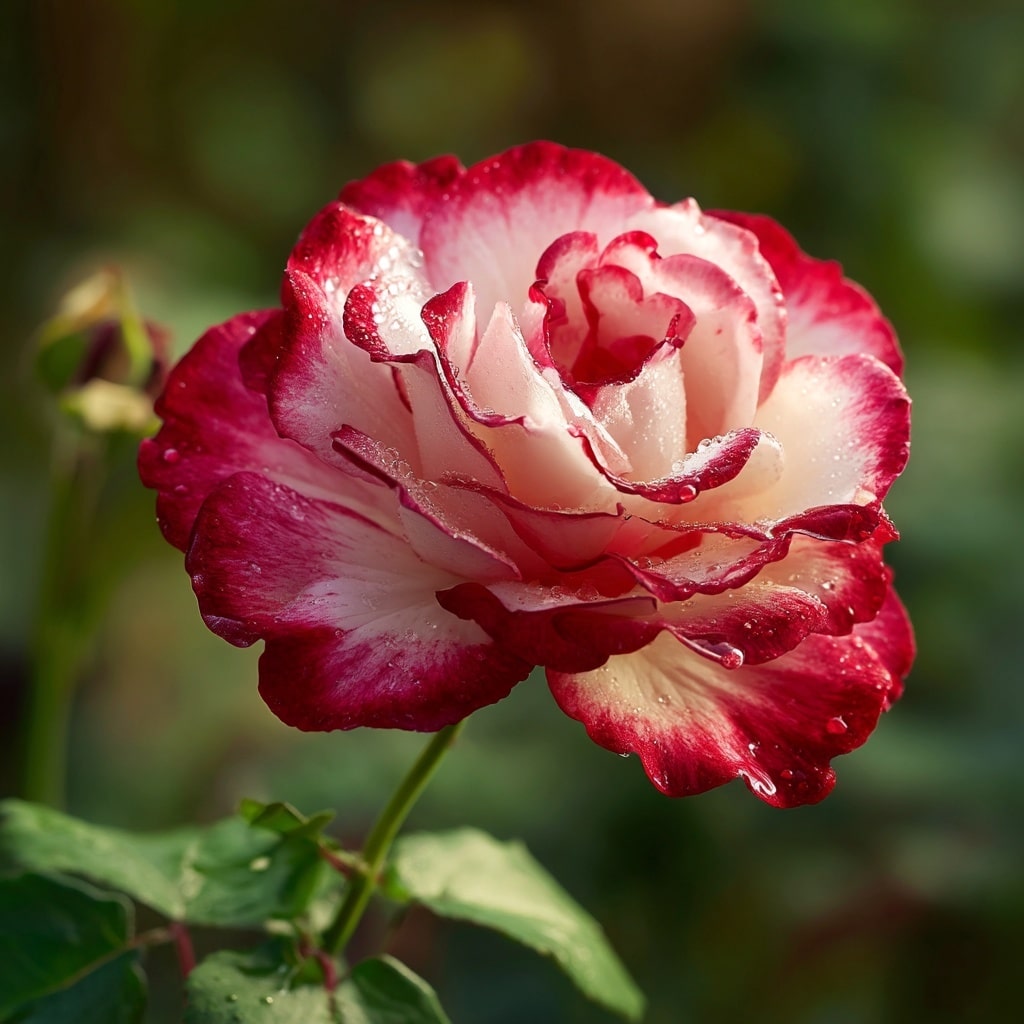
Although technically a two-tone rose, Cherry Parfait appears predominantly red from a distance. A closer look reveals creamy white bases at the petals, giving it a marbled appearance. It’s a hybrid tea-type rose that offers continuous blooms and excellent disease resistance, perfect for gardeners seeking both beauty and durability.
Falstaff
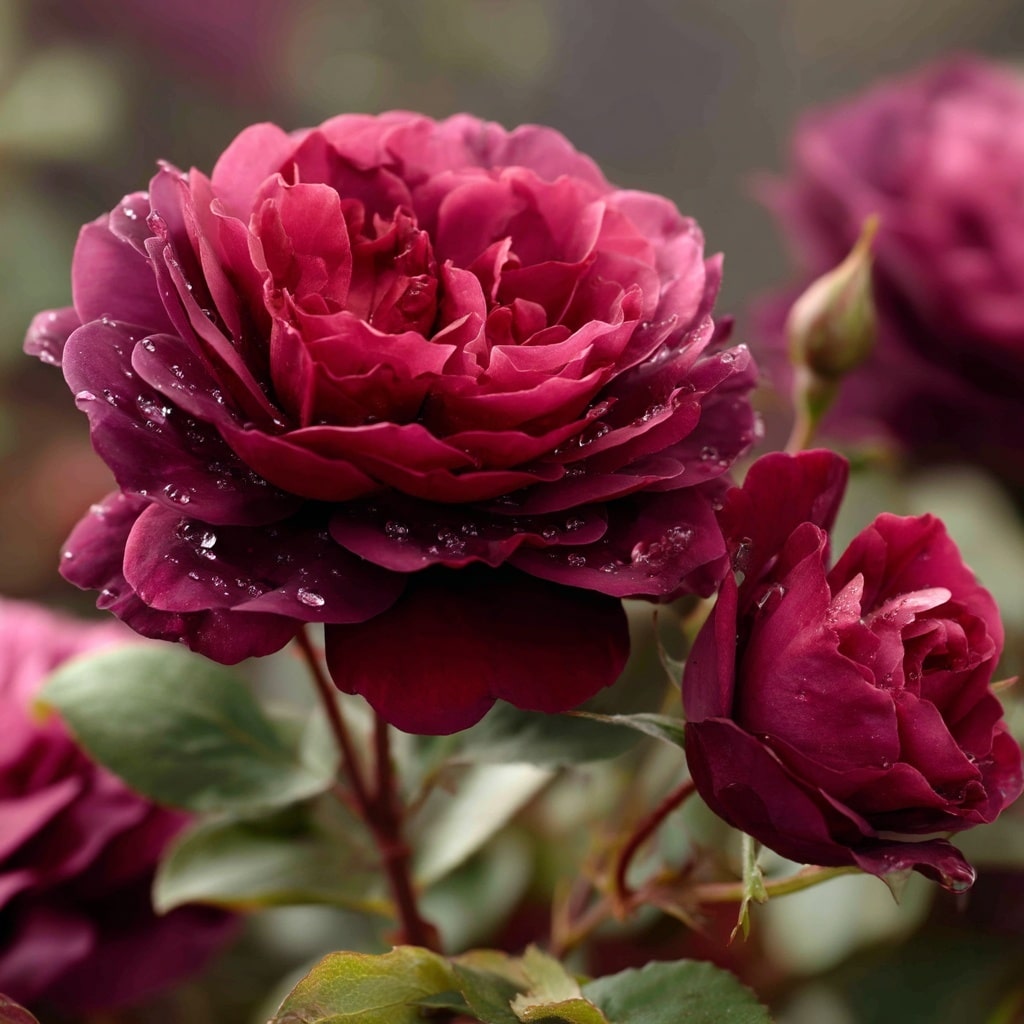
For those who love old-world charm, Falstaff is a deep purplish-red rose with full, double blooms. Bred by David Austin, this English shrub rose is beloved for its antique appearance and rich fragrance. It grows well in borders and mixed flower beds, adding a luxurious touch to your garden.
Thomas à Becket
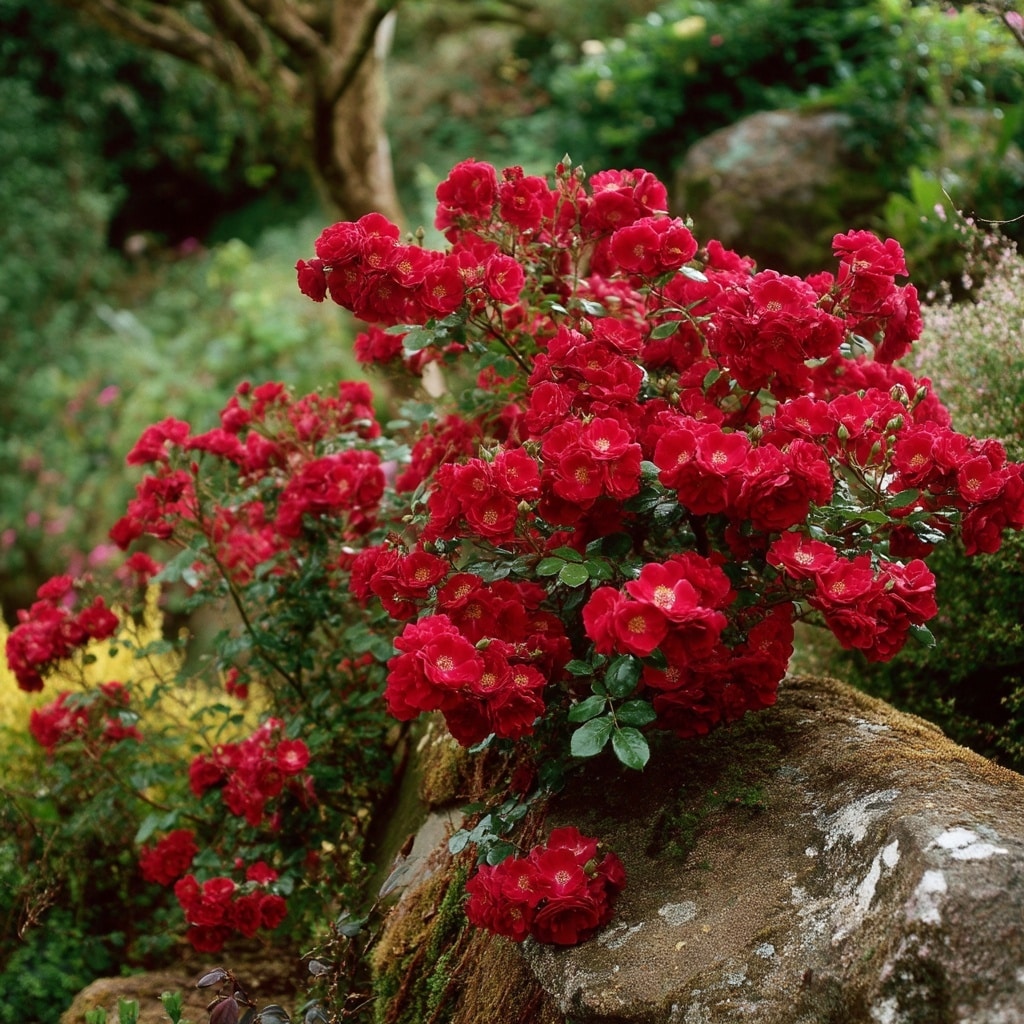
This variety offers a looser, more natural-looking growth habit, with flowers that range from medium to deep red. Thomas à Becket is another David Austin selection, favored for its adaptability and continuous flowering. Its relaxed style makes it great for cottage gardens or informal landscape designs.
Modern Fireglow
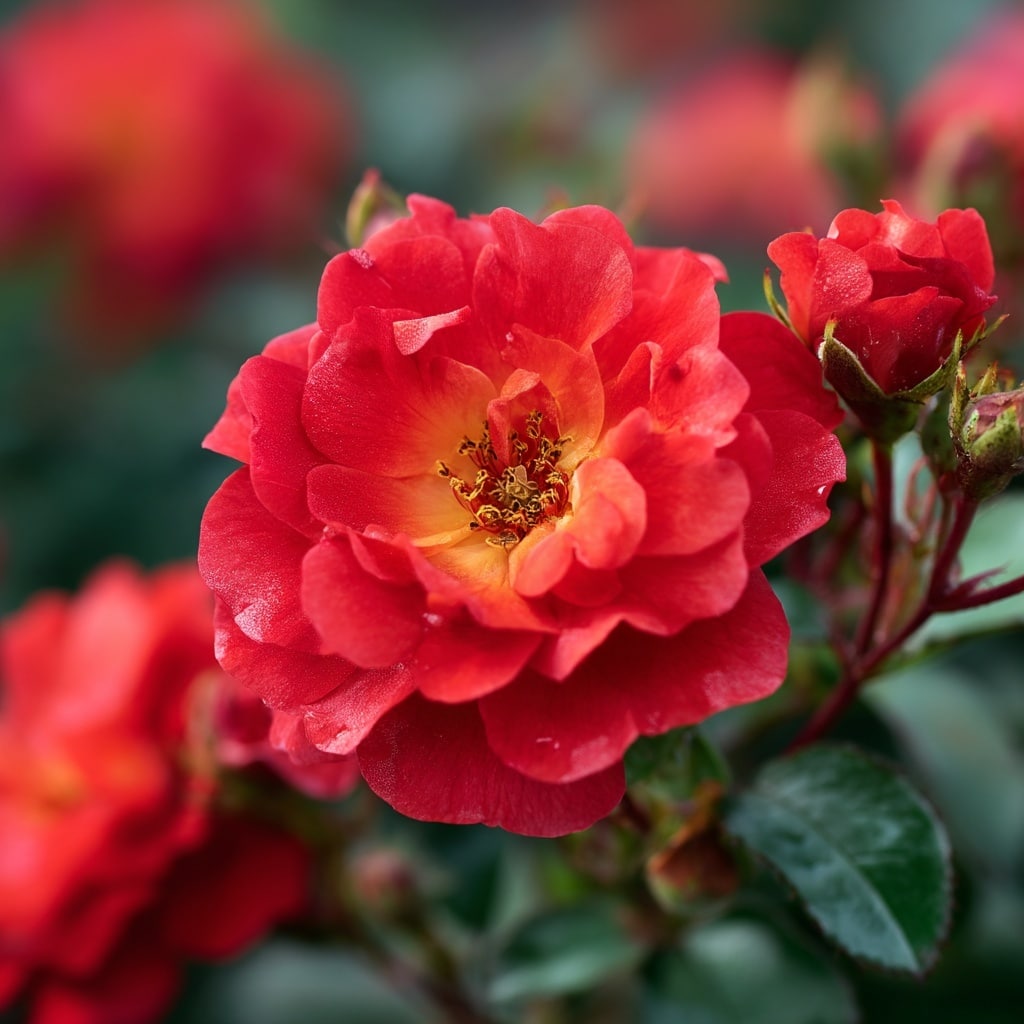
With bright red petals tinged with orange, Modern Fireglow brings energy and warmth to the garden. Its vivid coloring stands out in any planting scheme. Compact and bushy, it works well in containers or smaller garden beds.
Walko
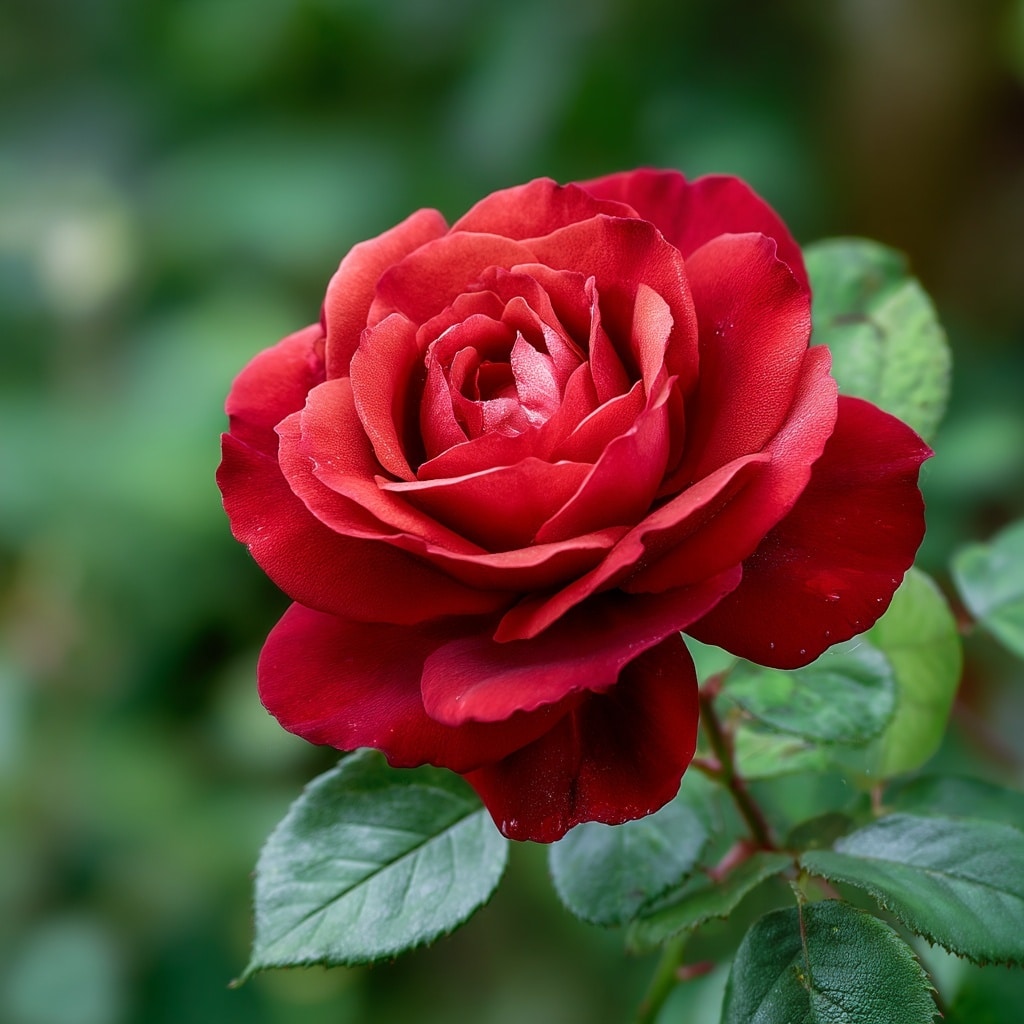
If fragrance is a top priority, Walko won’t disappoint. This stunning red rose is known for its intense scent and large, high-centered blooms. Ideal for cutting gardens and bouquets, its performance in-ground is just as impressive when given proper care.
Hot Cocoa
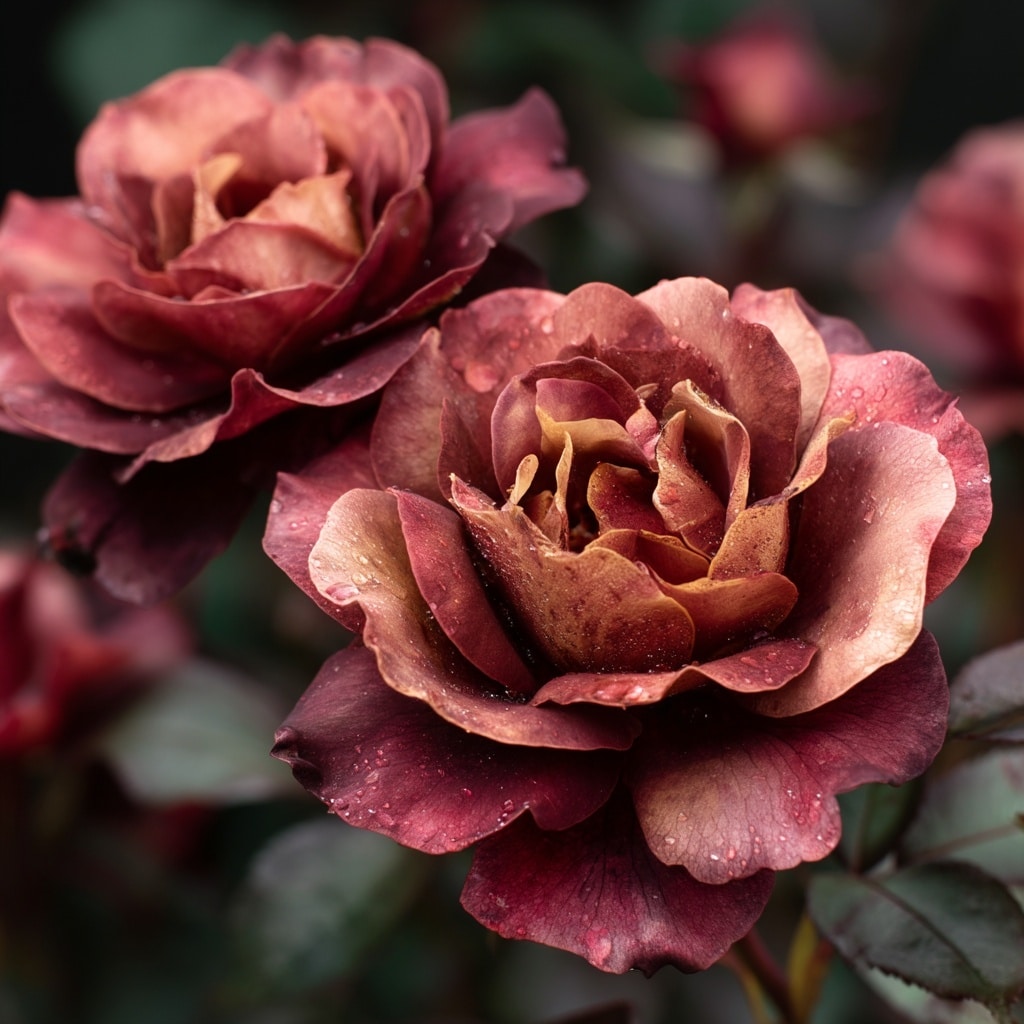
Truly unique among red roses, Hot Cocoa has an unusual reddish-brown hue with hints of smoky orange. This floribunda rose bush not only draws attention for its color but also offers a spicy, fruity fragrance. It’s a conversation starter in any rose collection.
Munstead Wood
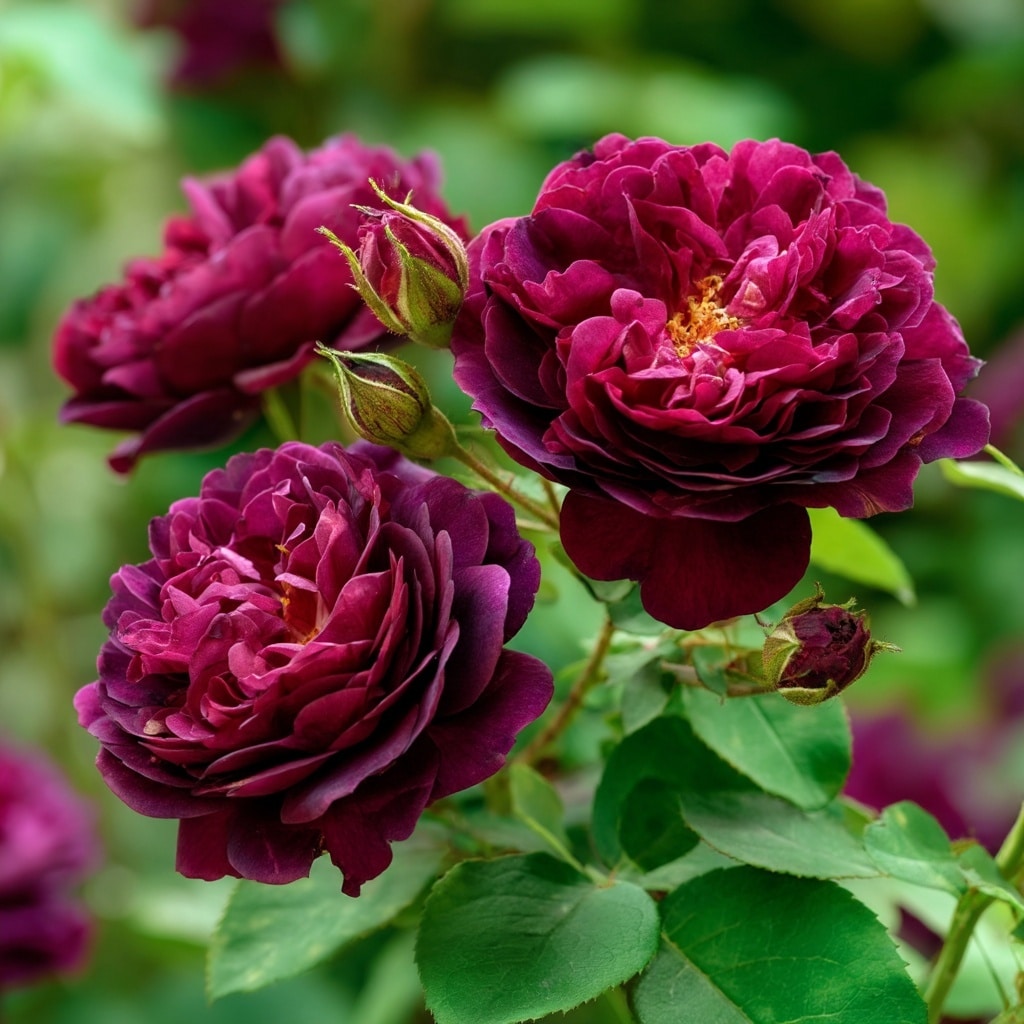
Dark and moody in the best way, Munstead Wood opens with pale red buds that deepen to a lush burgundy. Its blooms are large and heavily petaled, and its rich scent is a blend of fruity and old rose aromas. This variety thrives in well-drained soil and performs best with regular pruning.
Stars ‘n’ Stripes Forever
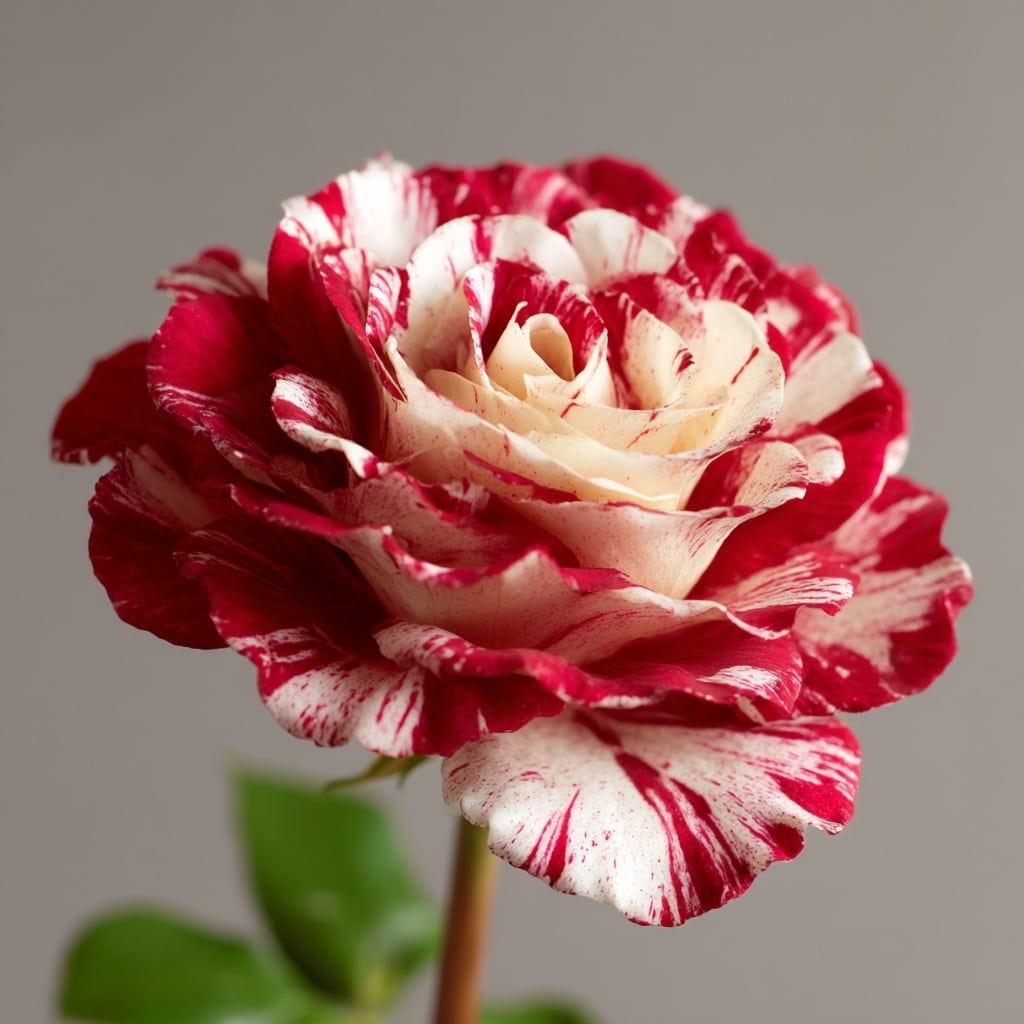
Patriotic and playful, Stars ‘n’ Stripes Forever features red petals streaked with white. This eye-catching variety is perfect for themed gardens or as a statement plant. Despite its dramatic appearance, it’s a hardy and easy-to-grow rose that blooms repeatedly through the season.
How to Grow and Care for Red Roses
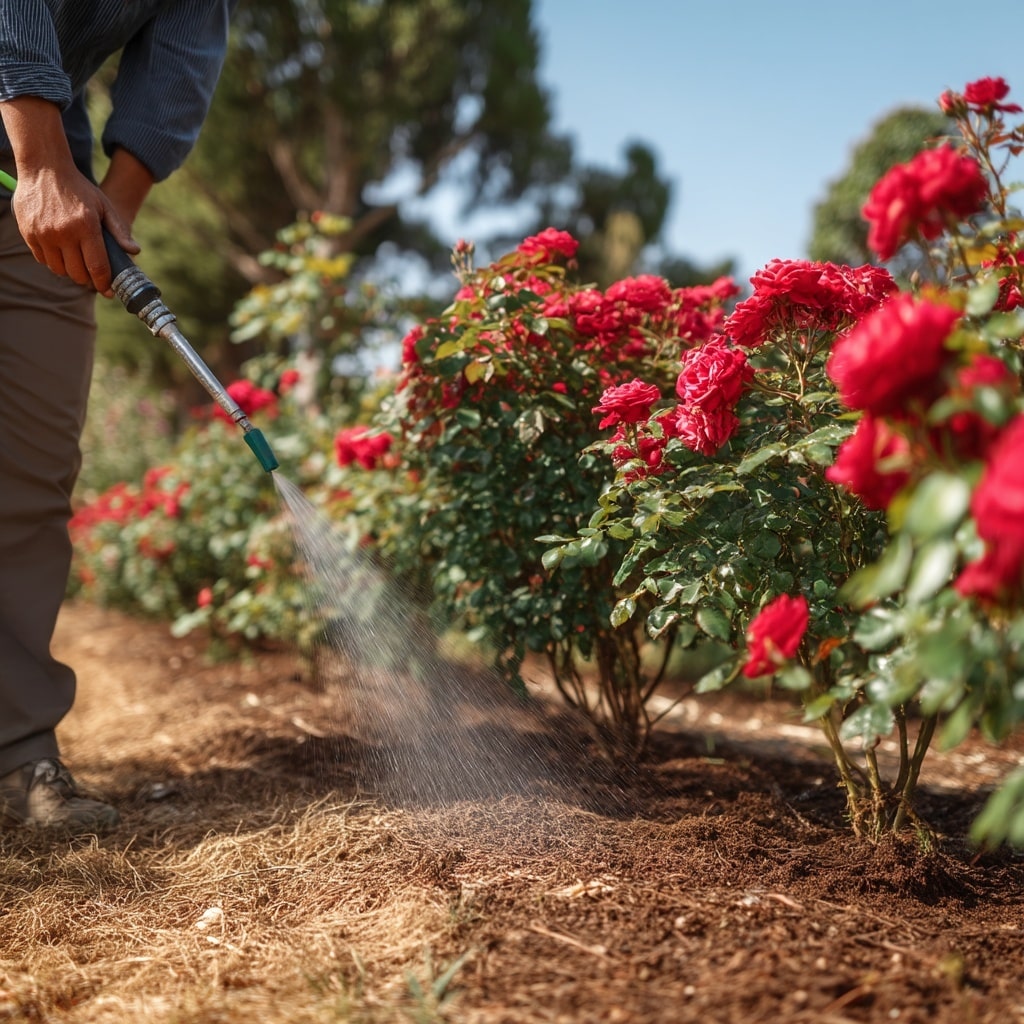
Red roses are not only beautiful but also surprisingly resilient when grown under the right conditions. Whether you’re a beginner or a seasoned gardener, following these core care principles will help your red roses thrive year after year.
Sunlight Requirements
Red roses need at least six hours of direct sunlight daily. Morning sun is especially beneficial as it helps dry moisture off the leaves early, reducing the risk of fungal disease. If your garden is shaded, choose varieties known to tolerate partial sun, but be aware that blooms may be fewer.
Soil Conditions
Healthy roses start with healthy soil. Red roses prefer well-drained, loamy soil that’s rich in organic matter. Before planting, mix compost or aged manure into the soil to boost fertility. Roses don’t do well in waterlogged areas, so if your soil is heavy clay, consider raised beds or amend it with sand and organic material to improve drainage.
Watering Tips
Roses require about one inch of water per week, more during hot, dry periods. To avoid disease, always water at the base of the plant using a soaker hose or drip system. Wet leaves can encourage black spot and other fungal problems, so early morning watering is best. Mulching around the base helps retain moisture and regulate soil temperature.
Feeding and Fertilizing
For vigorous blooms and strong growth, red roses benefit from regular feeding. Use a rose-specific fertilizer or a balanced 10-10-10 formula. Start feeding in early spring once new growth appears, and continue every 4–6 weeks until mid-summer. Avoid over-fertilizing, which can lead to excessive foliage at the expense of flowers.
Pruning Guidelines
Pruning keeps red rose bushes healthy, shapely, and productive. In early spring, just as buds begin to swell, remove dead or crossing branches, and cut back to strong, outward-facing buds. This opens the center of the plant to air and light, which helps prevent disease. Use clean, sharp tools to avoid crushing stems.
Disease and Pest Prevention
Roses can be prone to common pests like aphids and diseases like powdery mildew or black spot. Practice preventive care by:
- Choosing disease-resistant red rose varieties
- Spacing plants to allow airflow
- Cleaning up fallen leaves
- Spraying with neem oil or insecticidal soap if needed
If you have an article on your site about organic rose pest control or how to prune roses, now would be a great time to link to them for more detailed advice.
Conclusion
Growing red roses can be one of the most rewarding experiences for a gardener. With so many stunning varieties to choose from—each offering unique color tones, fragrances, and growth habits—there’s truly a red rose for every type of garden. By giving your roses the right mix of sunlight, soil, water, and care, you’ll enjoy season after season of vibrant blooms. Whether you’re creating a romantic rose bed or adding a bold accent to your yard, red roses bring timeless beauty and charm that never go out of style.