
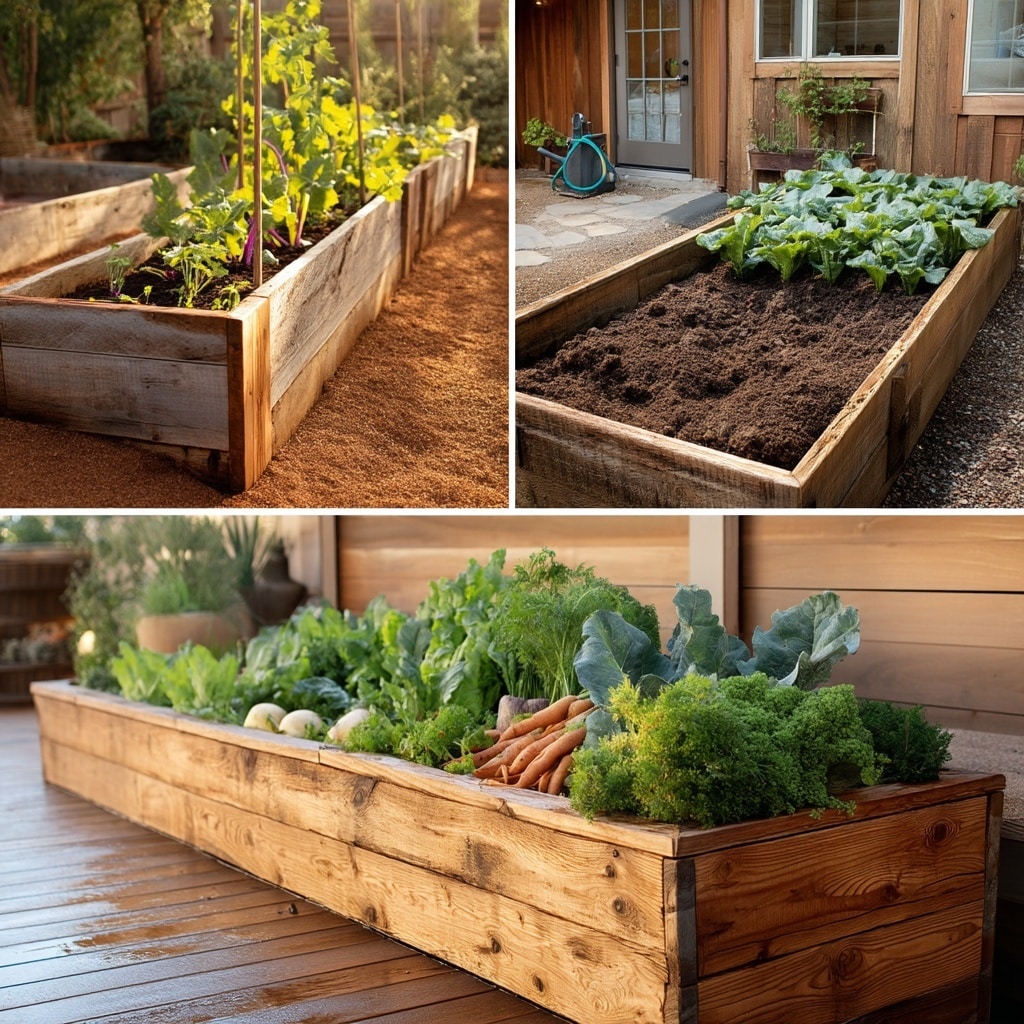
Raised garden beds DIY projects are a smart solution for anyone looking to grow vegetables, herbs, or flowers without the mess of traditional in-ground gardening. Whether you’re working with poor soil, limited space, or just want a more organized layout, building your own raised garden bed gives you more control and convenience. They improve drainage, reduce weeds, and make planting and harvesting easier on your back. Plus, when built correctly, a raised bed can last for years—saving time, money, and frustration in the long run.
Ready to make one that suits your space and skill level? Let’s walk through every step, from selecting tools to planting your first crop.
Table of Contents
🛠 Tools & Materials You’ll Need

Before you start building your raised garden beds DIY style, gathering all your supplies ahead of time will save multiple trips to the hardware store (we’ve all been there). This project doesn’t require fancy tools, just some basics and thoughtful material choices that can withstand years of outdoor weather.
Tools:
- Tape measure
- Power drill/driver
- Circular saw (or have the lumber cut at the store)
- Level
- Shovel or rake
Materials:
- Rot-resistant lumber (cedar or redwood are excellent long-lasting choices)
- 3-inch exterior deck screws or lag bolts
- Landscape fabric or plain cardboard (for weed suppression)
- Soil mix: topsoil, compost, and organic matter
- Mulch (optional, for top dressing)
- Metal corner brackets or rebar stakes (for added support)
- Optional trellis (for vertical crops like tomatoes or peas)
💡 Tip: Cedar and redwood naturally resist rot and pests, making them the best long-term options for your garden bed. If budget is tight, untreated pine is acceptable—but expect to replace it sooner.
☀️ Step 1: Choose the Best Spot for Your Raised Garden Bed
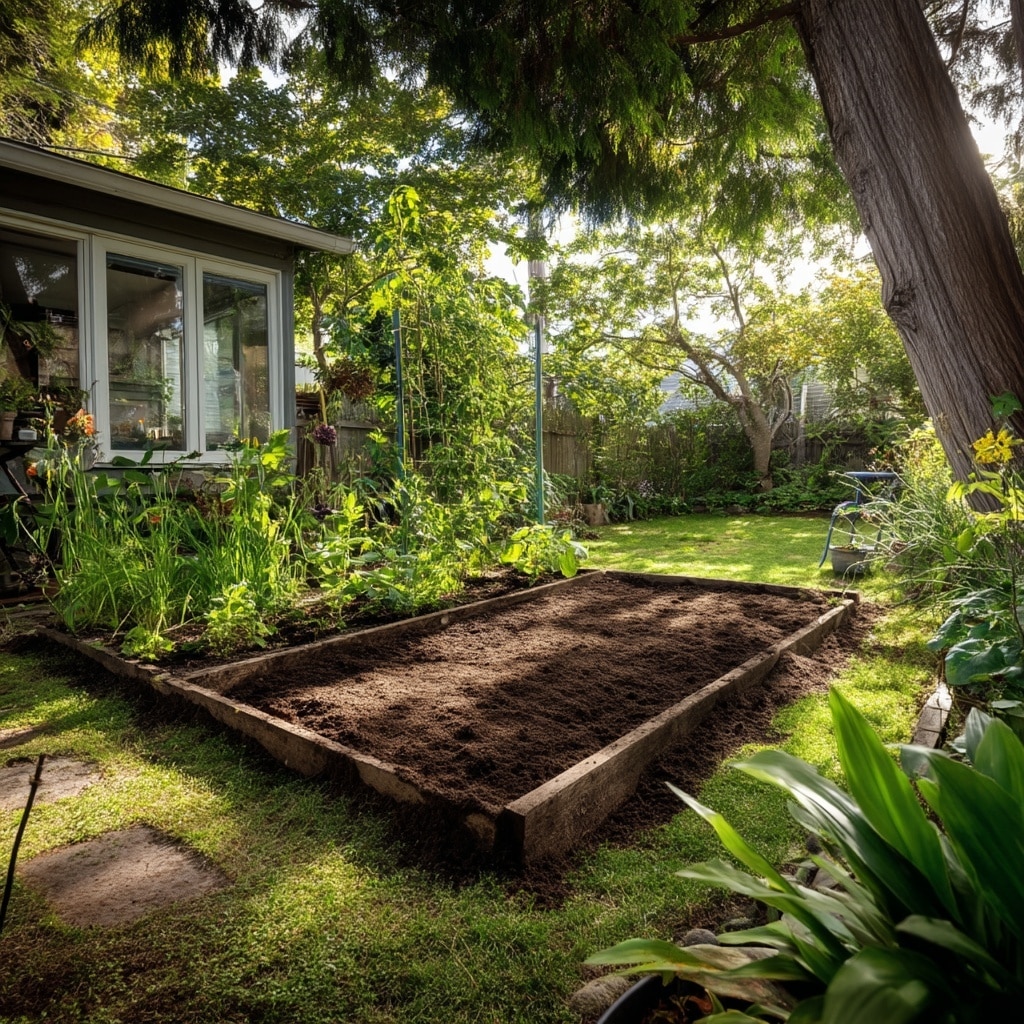
Placement is everything when starting your raised garden beds DIY project. Where you build your bed will directly impact how well your plants grow.
What to look for:
- Sunlight: Choose a location that gets at least 6 to 8 hours of full sun each day—essential for vegetables, herbs, and flowering plants.
- Level ground: Your spot should be as flat as possible to ensure even water distribution and structural stability. If the ground is uneven, level it with a shovel or rake before placing your bed.
- Access to water: Keep your bed close to a hose or irrigation line. This makes regular watering easier—especially in the hot summer months.
- Walkable space: Leave about 3 feet of clearance around all sides of the bed so you can move freely when planting, weeding, and harvesting.
Avoid placing your garden near trees or large shrubs—roots may compete for nutrients and water. Also, watch out for puddle-prone spots after rainfall; poor drainage can ruin a perfectly good growing season.
📐 Step 2: Design the Right Size Raised Garden Bed
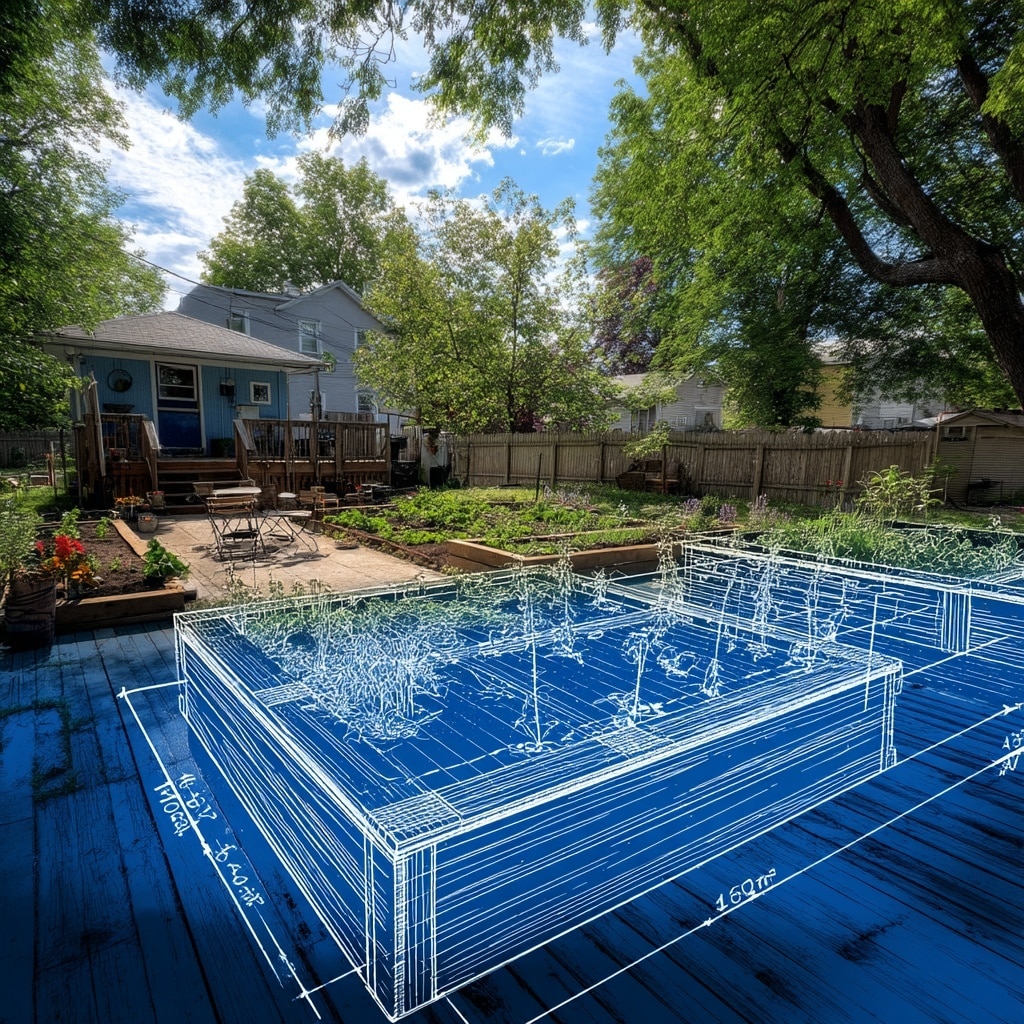
Designing the right size for your raised garden beds DIY project is more important than you might think. A well-sized bed not only makes gardening easier but also promotes healthier plants by preventing soil compaction and improving access.
Ideal dimensions:
- Width: Stick to 4 feet or less. This allows you to reach the center of the bed from either side without stepping into the soil—which keeps the soil loose and plant roots happy.
- Length: Anywhere from 6 to 8 feet is common, but feel free to go longer if you’ve got the space.
- Height: Aim for 12 to 24 inches. This depth gives most vegetable roots enough room to grow. For root vegetables like carrots or potatoes, go for at least 18 inches.
A few helpful design tips:
- Make sure your bed layout matches your yard’s shape and sun pattern.
- Use graph paper or a simple drawing app to sketch out your design before cutting any wood.
- If mobility or bending is a concern, consider going taller—up to 30 inches.
💡 Pro tip: Never make your bed so wide that you’re tempted to step in it. Once the soil is compacted, drainage and root development suffer.
🪚 Step 3: Cut and Prep Your Lumber
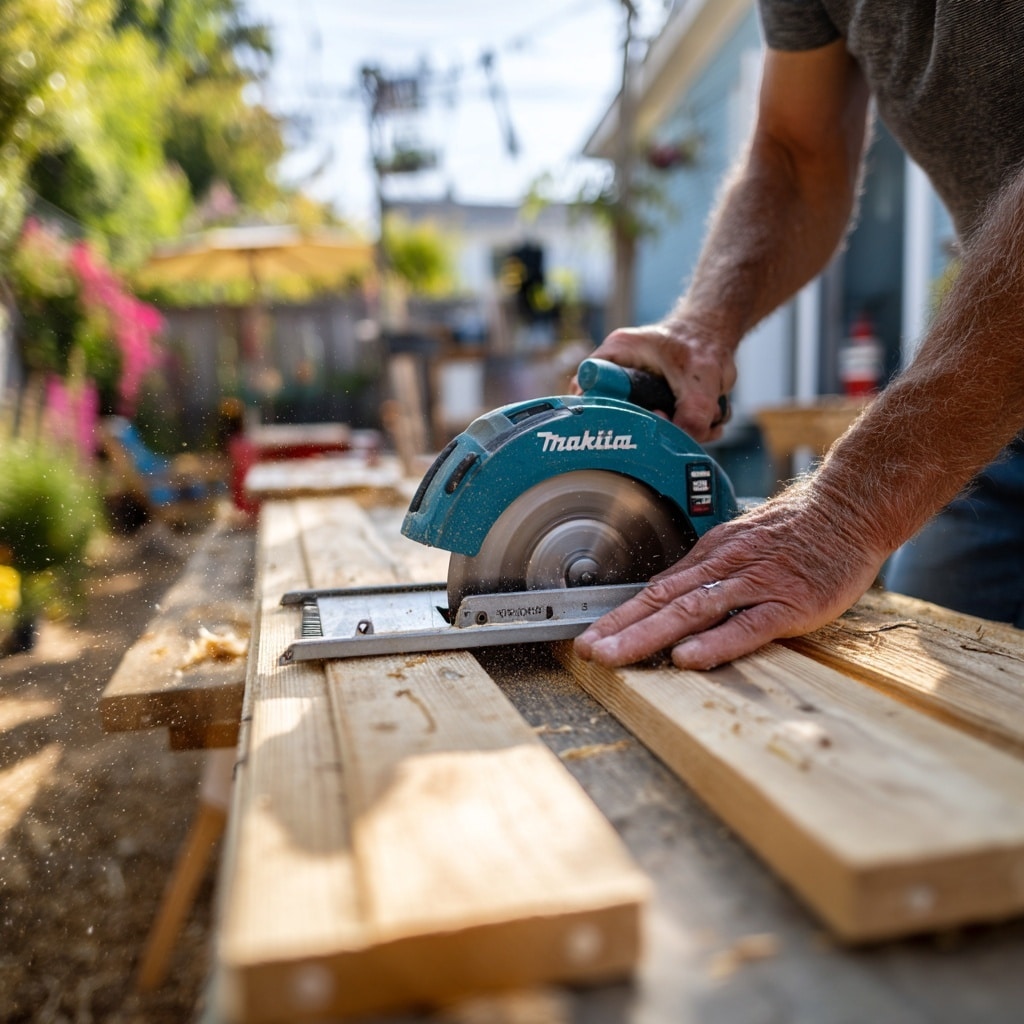
Once your design is finalized, it’s time to prep the materials. Cutting your boards accurately is key to making strong, square raised garden beds DIY gardeners can trust for years.
Cutting tips:
- Measure twice, cut once. Use a tape measure and pencil to mark each board according to your planned dimensions.
- A circular saw works well for most lumber types, but if power tools aren’t your thing, most home improvement stores (like Lowe’s or Home Depot) will cut boards for you at little or no extra cost.
- After cutting, sand the edges lightly to remove splinters—especially important if kids will be gardening with you.
Choosing the right wood:
- Cedar and redwood are naturally rot- and insect-resistant. These are ideal if you want beds to last up to a decade without chemical treatments.
- Untreated pine is more affordable but breaks down faster. Avoid pressure-treated wood for edible gardens unless it’s explicitly labeled safe for food use.
💡 Optional upgrade: Label each board piece (e.g., Side A, Side B) with chalk or marker so that assembly goes smoothly.
🔩 Step 4: Assemble the Frame

With your wood prepped, you’re ready to bring your raised garden beds DIY project to life by assembling the frame. This step is surprisingly simple, especially if you’ve taken time to cut and label your pieces ahead of time.
Step-by-step instructions:
- Lay out the boards on a flat surface in a rectangle, with shorter ends between the longer sides.
- Pre-drill holes at the ends of the long boards to avoid splitting the wood.
- Use 3-inch exterior deck screws or lag bolts to secure the corners. Drill through the face of the long board into the end grain of the short board.
- For added stability, use metal corner brackets or drive rebar stakes into the ground at each corner once installed.
Assembly tips:
- Work on a dry, flat surface — a patio or driveway is ideal.
- Keep a level handy to make sure your frame is square and flat before installing it in your garden.
- If your boards are warping slightly (common with untreated lumber), clamp them while screwing for tighter joints.
💡 Optional reinforcement: Add a crossbar in the middle for beds over 8 feet long to prevent bowing when filled with soil.
📍 Step 5: Place and Secure the Bed
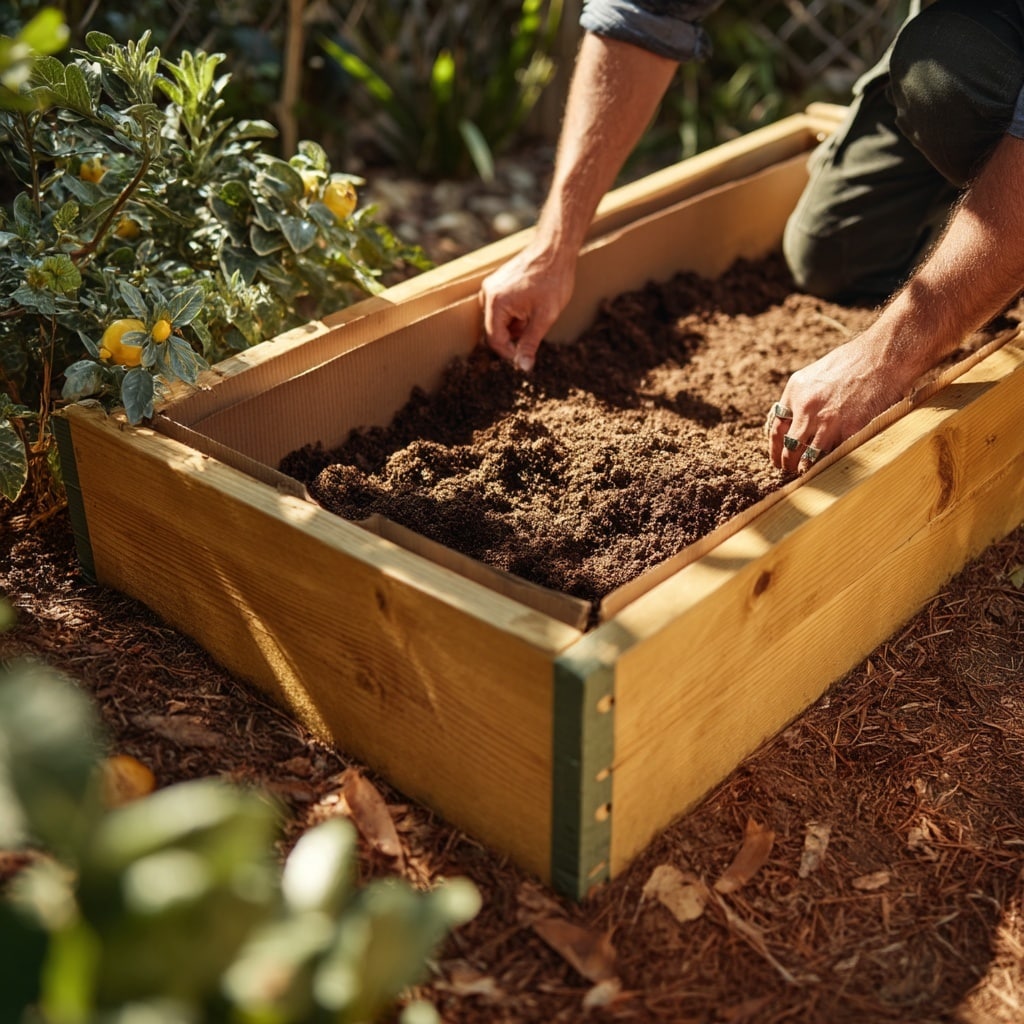
Now that your frame is built, it’s time to place it in your chosen garden spot. This is where your raised garden beds DIY work starts to look like a real garden!
Here’s how to get it right:
- Move the frame to your prepared site. You may need a second set of hands for longer beds.
- Use a level to make sure all sides sit flat and evenly on the ground. If needed, dig shallow trenches or add soil to stabilize the base.
- Line the bottom of the bed with biodegradable material:
- Cardboard (remove any glossy or printed areas)
- Newspaper (5–10 layers thick)
- Landscape fabric
This layer suppresses weeds while allowing water to drain and roots to grow.
Why cardboard works:
Cardboard is not only eco-friendly, but it breaks down naturally, adds organic matter to your soil, and attracts earthworms, which help aerate and fertilize the soil. Wet it slightly before adding soil to speed up decomposition and help it stay in place.
💡 Pro tip: Overlap cardboard pieces generously to avoid gaps where weeds might sneak through.
🌱 Step 6: Fill with Soil
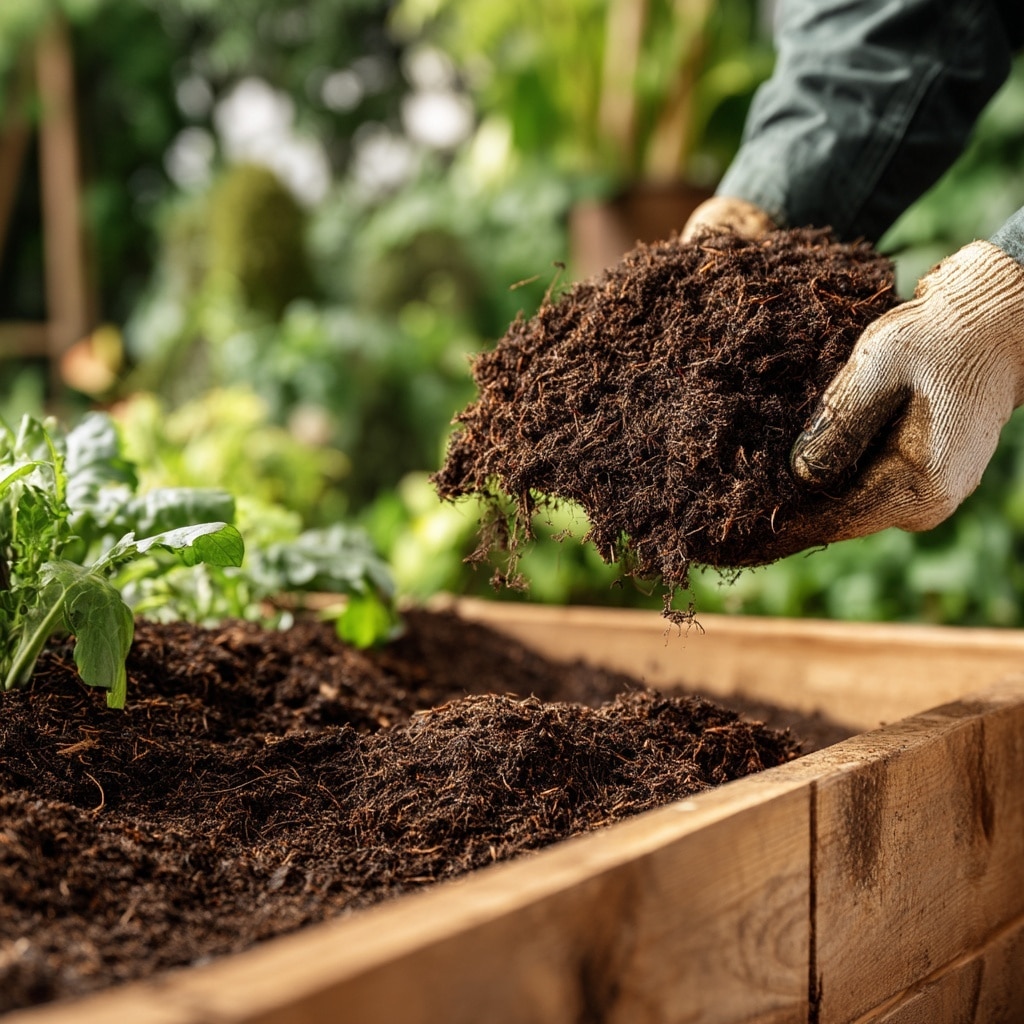
Now comes the foundation of every thriving garden: the soil. For successful raised garden beds DIY builds, the right mix makes all the difference. Healthy soil promotes root development, retains moisture, and supports nutrient absorption.
What to include in your soil mix:
- 60% topsoil – Provides structure and basic nutrients
- 30% compost – Adds rich organic matter and fertility
- 10% organic material – Think aged manure, shredded leaves, or decomposed mulch
This blend creates a loose, well-draining growing medium that supports everything from salad greens to root crops.
Optional base layer (for deeper beds):
Before adding your soil mix, consider placing a base layer of logs, sticks, or rough compost at the bottom—this mimics the Hügelkultur method, a centuries-old technique that improves drainage, adds long-term organic matter, and reduces how much soil you need to buy.
Final steps:
- Mix the soil thoroughly inside the bed.
- Water it well after filling to help the layers settle. Add more soil as needed.
- Let the soil rest for a day or two before planting, if possible.
💡 Budget tip: Save money on deeper beds by filling the lower half with cheaper organic debris (branches, twigs, dry leaves), then top with premium garden soil.
🌿 Step 7: Plant and Maintain Your Raised Bed
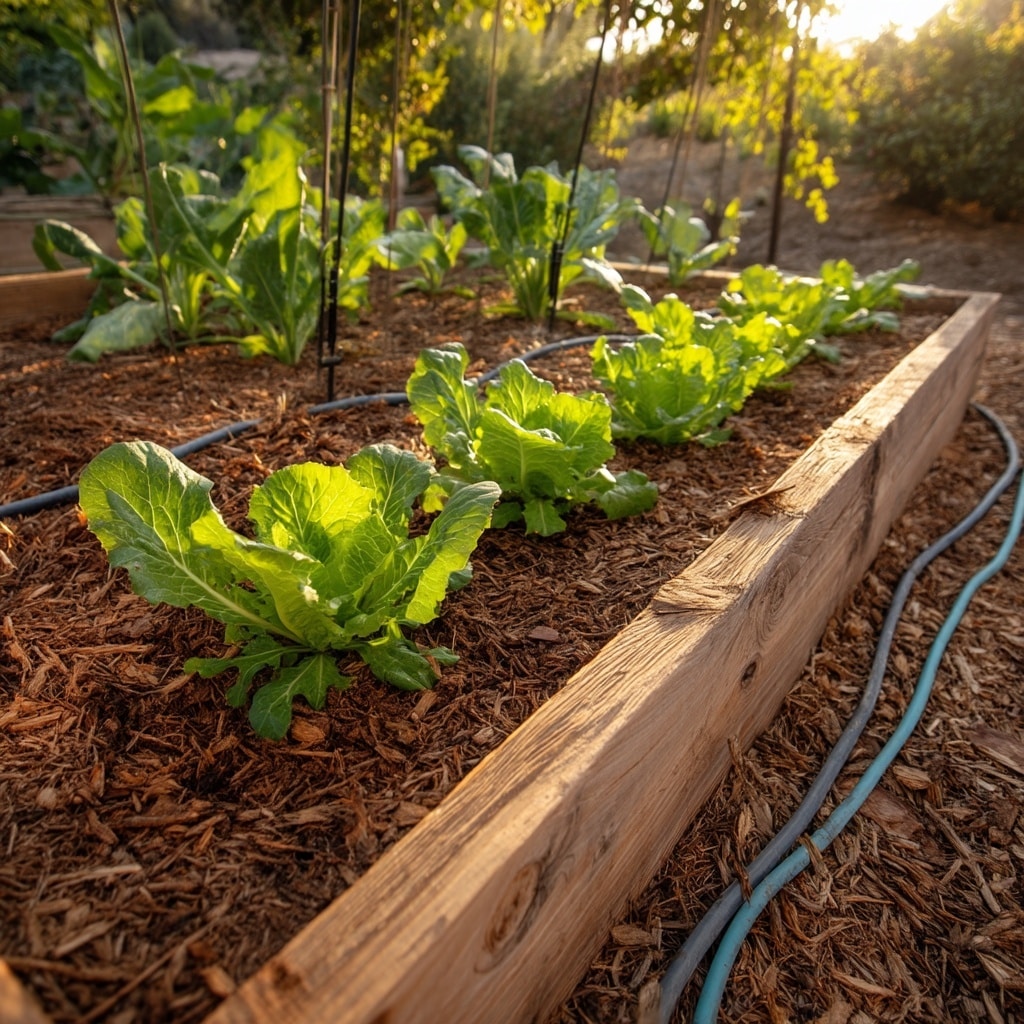
With your bed filled and soil ready, it’s time for the best part of any raised garden beds DIY project — planting! Whether you’re growing vegetables, herbs, or flowers, raised beds offer a more manageable, productive growing environment.
What to plant:
Raised beds are ideal for:
- Leafy greens like lettuce, kale, and spinach
- Root vegetables such as carrots, radishes, and beets
- Tomatoes, peppers, and cucumbers
- Herbs like basil, thyme, and parsley
- Edible flowers or pollinator-friendly blooms
Start with what you’ll actually eat or use. For beginners, choose easy-to-grow varieties and follow spacing guides on seed packets or plant tags.
Maintenance tips:
- Add mulch: A 2–3 inch layer of organic mulch (like straw or shredded bark) helps retain moisture and suppress weeds.
- Water consistently: Raised beds drain faster than in-ground gardens. During hot months, check moisture daily. Consider a soaker hose or drip irrigation system for hands-free watering.
- Fertilize wisely: Feed your plants with compost tea or organic fertilizer every few weeks, especially during heavy growing periods.
- Watch for pests: Use row covers or a mesh cloche to protect tender greens from critters.
💡 Seasonal tip: Rotate crops each year to prevent soil-borne diseases and to keep nutrients balanced.
❓ Frequently Asked Questions About Raised Garden Beds DIY
What type of wood lasts longest in a raised garden bed?
Cedar and redwood are top picks because they’re naturally rot- and insect-resistant. With proper care, they can last up to 10 years or more. If you’re on a budget, untreated pine works too, but expect to replace it sooner.
⚠️ Avoid pressure-treated wood for food-growing beds unless it’s labeled safe for edible gardens.
How deep should my raised bed be?
For most plants, 12 to 18 inches of soil depth is sufficient. For root crops like carrots or potatoes, aim for at least 18 to 24 inches. Deeper beds also retain moisture better and offer more root room.
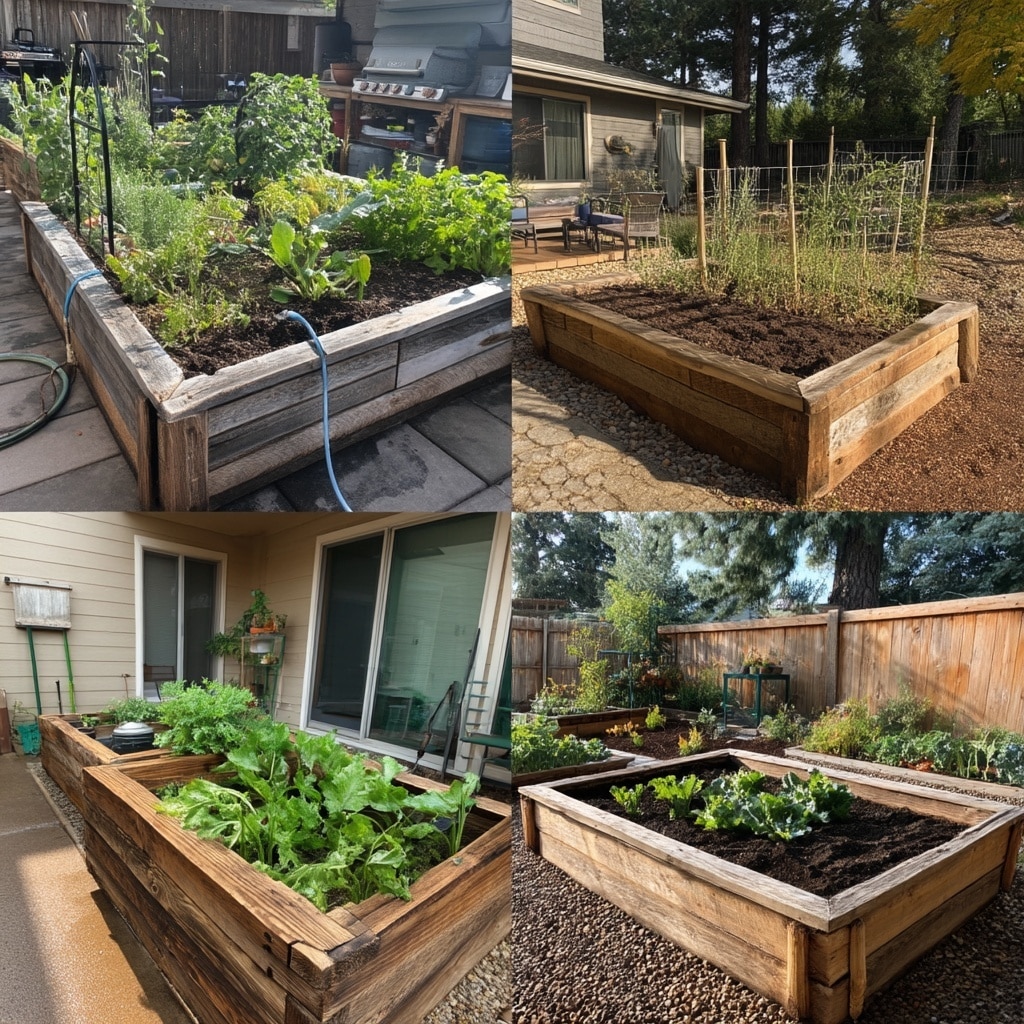
Can I place my raised garden bed on concrete or a patio?
Yes, you can build a raised garden bed on concrete, but you’ll need to make a few adjustments:
- Ensure adequate drainage by keeping the bottom open or drilling holes if using a box with a base.
- Use deeper soil (18+ inches) since plant roots can’t grow past the bed
How often should I water my raised bed?
Because they drain faster than in-ground beds, raised beds need more frequent watering—especially in warm, dry weather. A good rule: Check soil moisture daily. Use your finger to test the top few inches. If it’s dry, water deeply.
💡 Consider installing a drip irrigation system or self-watering setup to save time and reduce waste.
🌼 Conclusion
Building raised garden beds DIY style isn’t just about saving money — it’s about creating a long-lasting, productive space that makes gardening easier, more accessible, and even more enjoyable. With the right materials, thoughtful placement, and a quality soil mix, your raised bed can produce bountiful harvests season after season.
Whether you’re growing herbs on a patio or planting rows of vegetables in your backyard, this step-by-step guide gives you everything you need to build a bed that works for your space, skill level, and budget. And remember: the best gardens start with the beds you build yourself.