
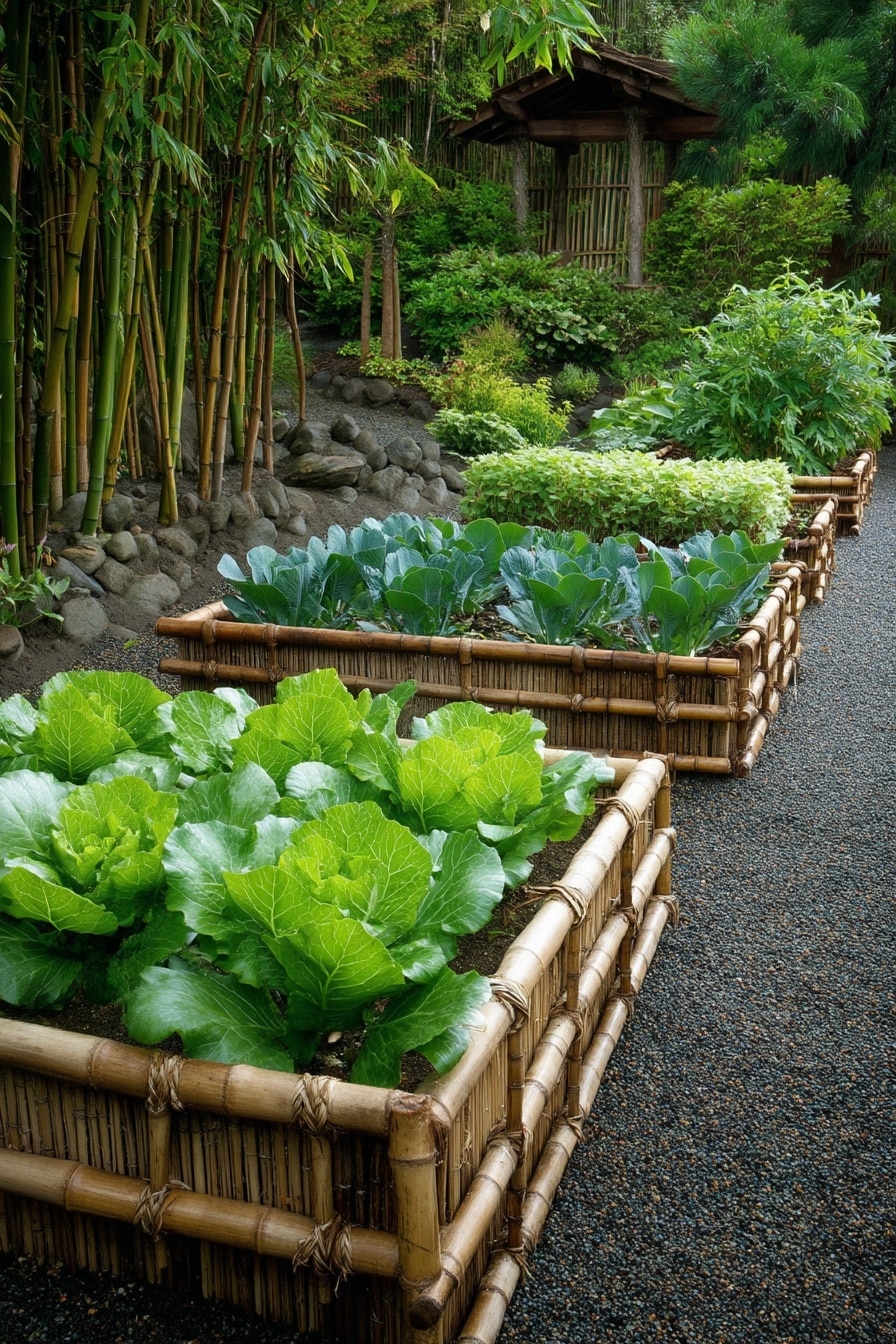
Raised garden beds are one of the smartest ways to grow a thriving garden in nearly any space. Whether you have a large yard or a compact balcony, this method brings flexibility, better soil control, and easier plant care into your hands.
What makes raised garden beds for small spaces and better drainage especially popular is how customizable they are. From rustic bricks to recycled containers, you can tailor the design to suit your style, needs, and even your seating plans.
This guide shares creative raised bed ideas—from multi-level beds to cozy combinations with benches—so you can grow healthier plants while keeping your space functional and beautiful.
Table of Contents
Raised Garden Bed That Doubles as a Bench

If you’re looking to save space without sacrificing comfort, raised garden beds that double as benches are a clever and practical solution. These dual-purpose designs provide a cozy seating area alongside a fully functional planter—perfect for patios, courtyards, or small gardens.
Built using sturdy materials like wood, bricks, or concrete blocks, these beds add structure to your landscape while offering a comfortable spot to relax or garden at waist height. They’re also ideal for families, giving kids and adults alike a place to rest between watering and weeding.
For a rustic feel, consider using reclaimed bricks. They blend beautifully with greenery and create a timeless farmhouse vibe.
💡 Tip: Line the interior with waterproofing fabric to protect your seating from soil moisture.
Square-Divided Raised Garden Beds
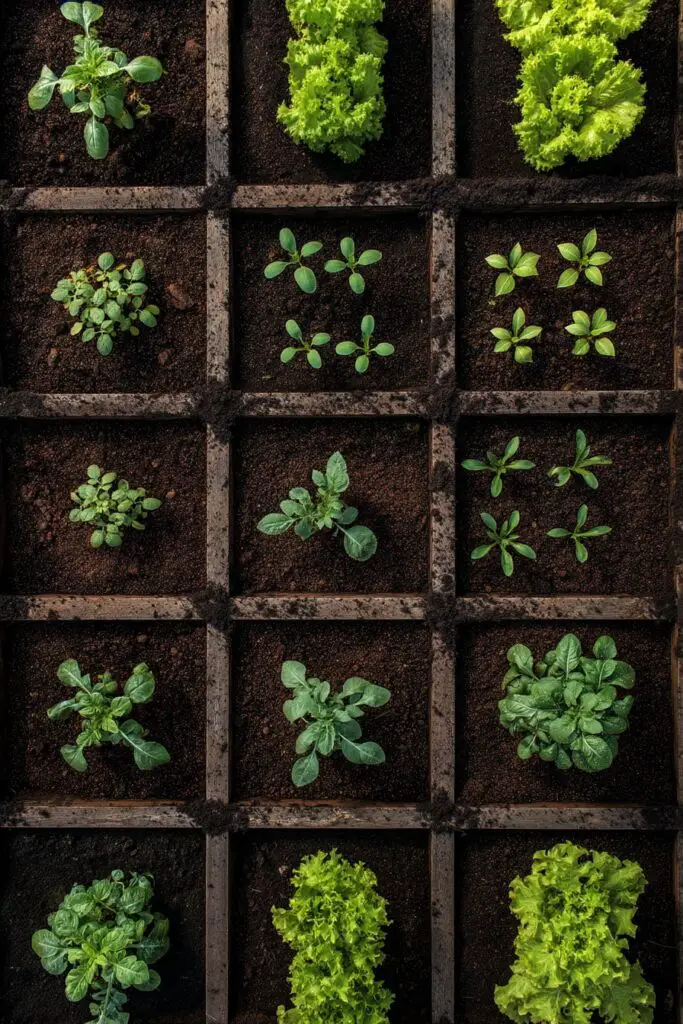
For gardeners who like a neat, efficient layout, square-divided raised garden beds are a top choice. This style is perfect for growing vegetables, herbs, and greens in a structured grid that makes planting, watering, and harvesting easier.
The concept is simple: divide your raised bed into 1-foot squares using wooden slats, twine, or even thin bamboo. Each square becomes its own mini-plot—ideal for rotating crops, companion planting, or managing plant spacing with precision.
This method works exceptionally well in both large and small-space raised garden beds, helping you maximize your harvest without overwhelming your layout.
🌱 Pro tip: Label each square with plant names and planting dates for easy tracking and seasonal planning.
Housed Raised Garden Beds for Sensitive Plants
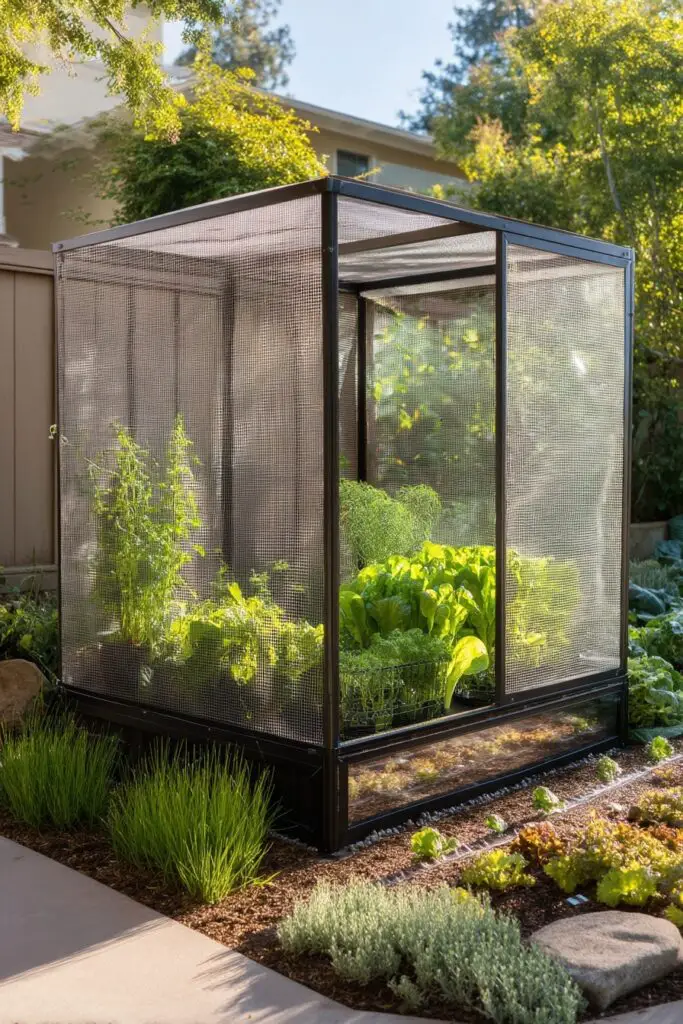
If you live in a region with harsh sun, heavy rain, or frequent pests, housed raised garden beds offer the ideal solution. These beds are built with a roof, netting, or partial walls to create a controlled environment—perfect for protecting delicate crops like lettuce, spinach, or herbs.
You can build the housing using materials like clear acrylic panels, garden netting, or polycarbonate roofing, depending on your climate. Some designs even include hinged lids or removable covers, making it easy to access your plants while shielding them from weather extremes and animals.
This design is especially helpful for beginner gardeners who want a bit more control over light, heat, and moisture.
☀️ Design idea: Add mesh ventilation panels to prevent overheating on warm days while still keeping pests out.
Cozy Raised Garden Beds Inspired by Japanese Landscaping
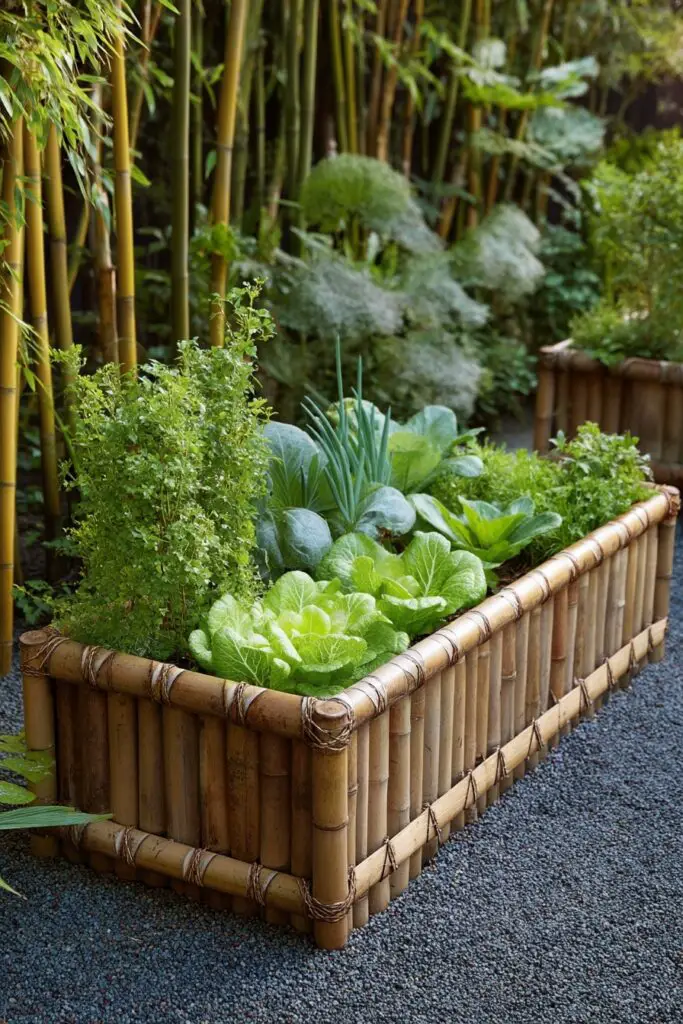
For those who want their garden to be both productive and peaceful, cozy raised garden beds inspired by Japanese landscaping are a beautiful option. These beds often feature clean lines, natural materials, and a minimalist layout that complements the surrounding space.
Use wood, river stones, or bamboo to frame your beds, and pair them with calming elements like gravel pathways or small water features. These raised garden beds are perfect for leafy greens, herbs, and compact flowering plants that thrive in tranquil environments.
The focus here is on serenity, so avoid overcrowding the bed. Instead, arrange plants with intention—leaving room for air, light, and visual flow.
🌿 Tip: Include a low bench or stepping stones nearby to create a meditative space you’ll want to return to daily.
Raised Garden Beds Made from Recycled Materials
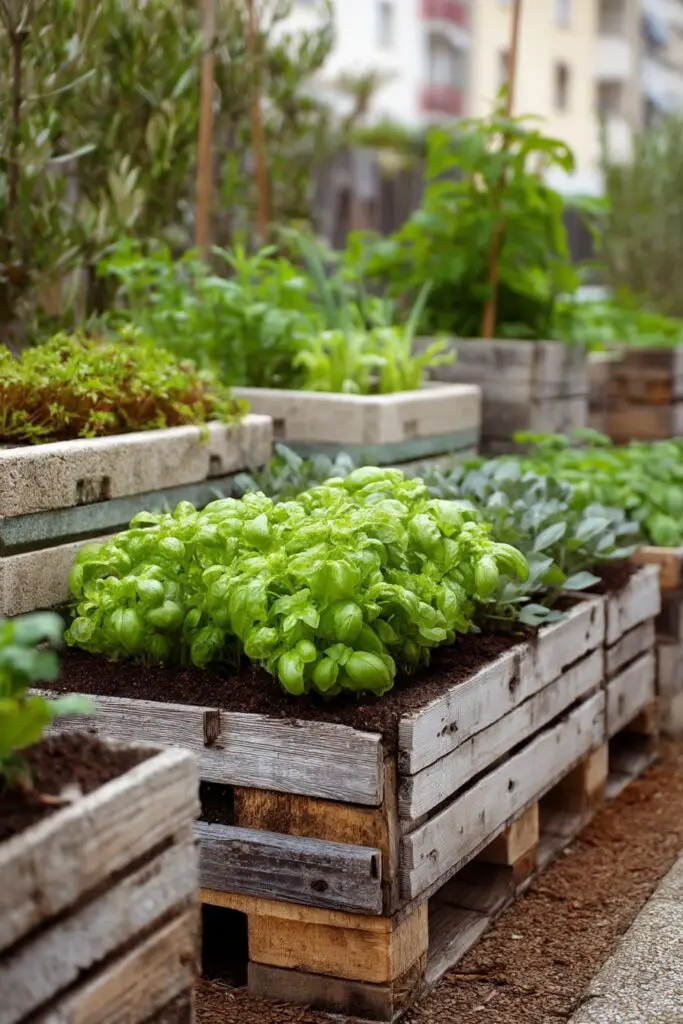
Building raised garden beds doesn’t have to be expensive or wasteful. In fact, some of the most creative and eco-friendly designs come from recycled materials. Think old wooden pallets, plastic tubs, crates, or even hollow concrete blocks—items that might otherwise end up in the landfill.
These beds are great for budget-conscious gardeners and DIY enthusiasts. You can repurpose materials to suit your available space, whether you’re creating a compact balcony planter or a larger backyard setup.
Not only do these beds support sustainable gardening practices, but they also add character and charm. Mismatched textures and aged finishes give each garden bed a unique story.
🔁 DIY Tip: Always clean and drill drainage holes in recycled containers before planting to prevent root rot and soil buildup.
Tiered Raised Garden Beds for Small Spaces
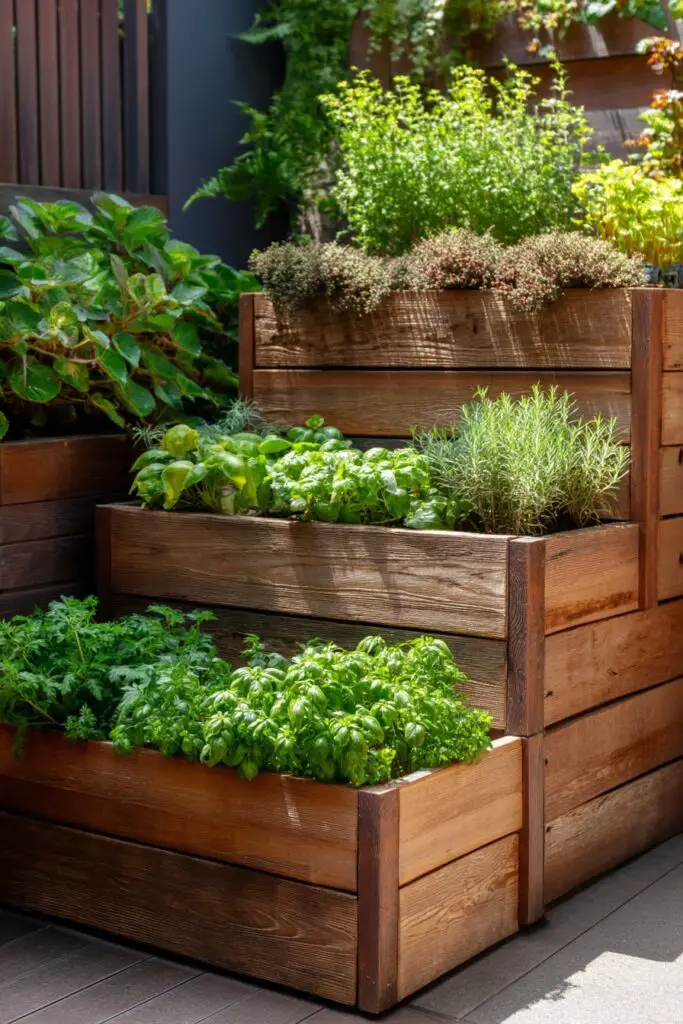
If you’re working with limited space, tiered raised garden beds offer a smart, vertical solution. Built in layers that rise like steps or a pyramid, these beds allow you to grow multiple types of plants in a compact footprint—without sacrificing soil depth or sunlight exposure.
Each tier can hold a different crop based on height, root needs, or sun preference. For example, place herbs and lettuce on the lower tiers, and taller plants like tomatoes or peppers on the upper ones.
Tiered raised garden beds are especially useful on patios, balconies, or small yards. Plus, they add a striking visual element to any garden layout.
🪴 Bonus idea: Use cascading flowers like nasturtiums on the edges of the top tier for added beauty and pollinator appeal.
Conclusion
From multi-functional benches to tiered vertical designs, raised garden beds bring style, structure, and practicality to your outdoor space. Whether you’re planting vegetables, herbs, or flowers, these beds help improve drainage, reduce weeds, and make gardening more accessible—even in tight or uneven spaces.
By choosing a layout that fits your space and needs, you can turn any area—big or small—into a productive, beautiful garden. And with so many design options, it’s easy to build raised garden beds that are both functional and uniquely yours.