
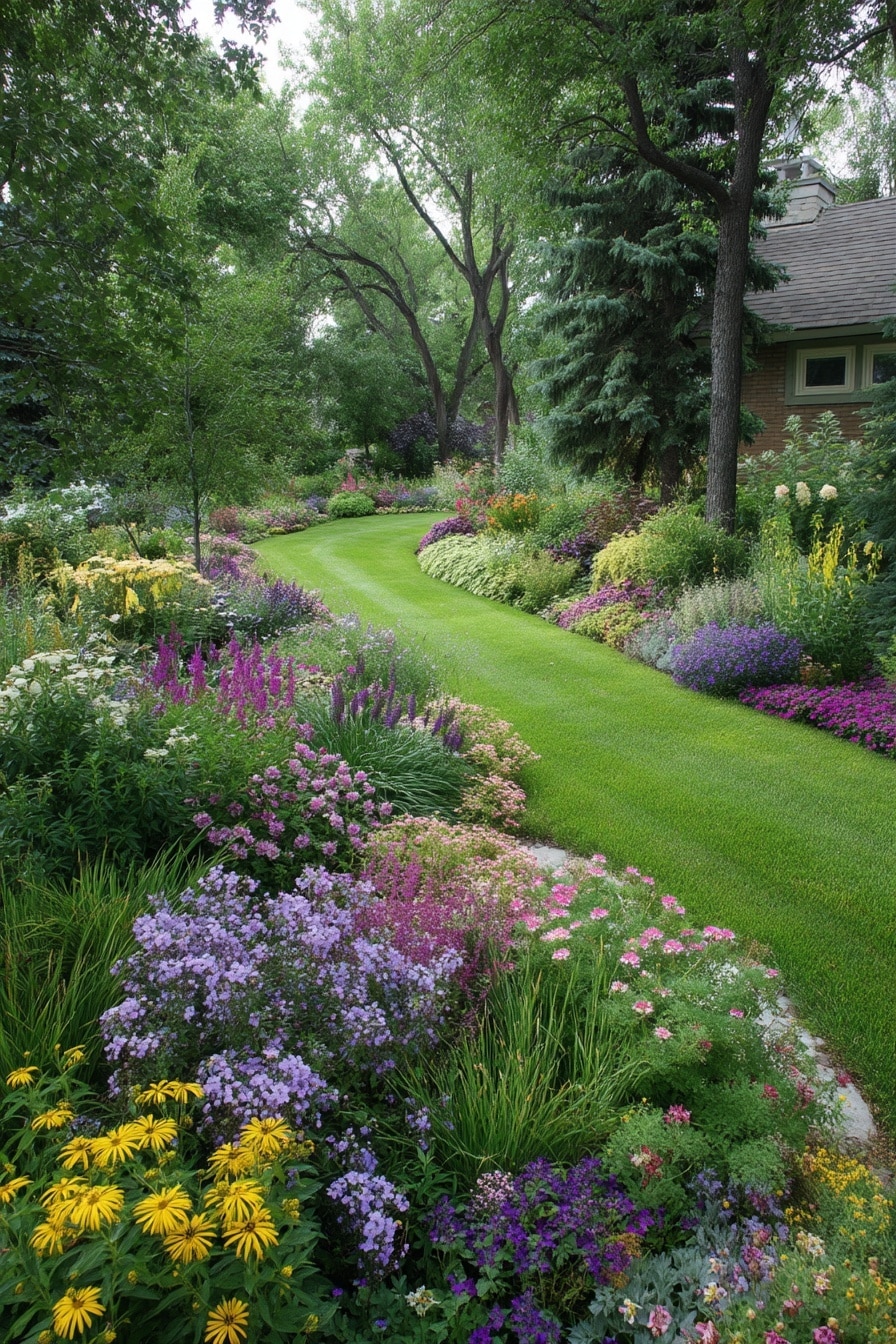
perennial garden beds offer one of the most rewarding ways to bring lasting beauty and structure to your outdoor space. Unlike annuals that need to be replanted each year, a well‑planned perennial garden returns season after season, giving you layers of color, texture, and life without the hassle of yearly reinstallation. From delicate blooms that herald spring to bold foliage that carries through summer and into fall, perennials create a dynamic landscape that evolves over time.
Establishing a perennial garden is both art and science. It starts with understanding your space—everything from sunlight and soil to climate and water availability plays a role in success. With thoughtful planning and proper care, you can design a garden that not only thrives but becomes easier to maintain as the years go by. Whether you’re drawn to cottage‑style borders, graceful drifts of flowers, or architectural foliage, the principles of site selection, correct planting technique, and ongoing care remain the same.
As we walk through how to build and nurture your perennial garden, you’ll gain the confidence to make choices that suit your style, location, and gardening goals.
Table of Contents
Choose the Right Location for Your Perennial Garden

Before planting a single flower, evaluate your outdoor space carefully. The success of your perennial garden depends heavily on choosing a site that supports long-term growth.
Consider Sunlight
- Most perennials need at least six hours of sunlight per day.
- Monitor how light moves through your yard to identify full sun, partial sun, and shaded areas.
- Shade-loving perennials like hostas and ferns can thrive under trees or in areas with morning sun and afternoon shade.
Evaluate Soil Quality
- Conduct a soil test to determine pH and nutrient levels.
- Amend heavy clay or sandy soil with compost to improve drainage and fertility.
- Ensure good drainage—standing water can rot perennial roots and kill plants.
Think About Drainage and Wind
- Avoid low spots where water collects.
- Choose areas protected from harsh winds, which can dry out soil and damage tender foliage.
Proximity to Water
- Position your perennial garden within reach of a hose or irrigation system for consistent watering, especially during the first growing season.
Choosing the right location helps your plants become well-established and more resilient in the long run.
Design with Purpose and Layer for Season-Long Interest
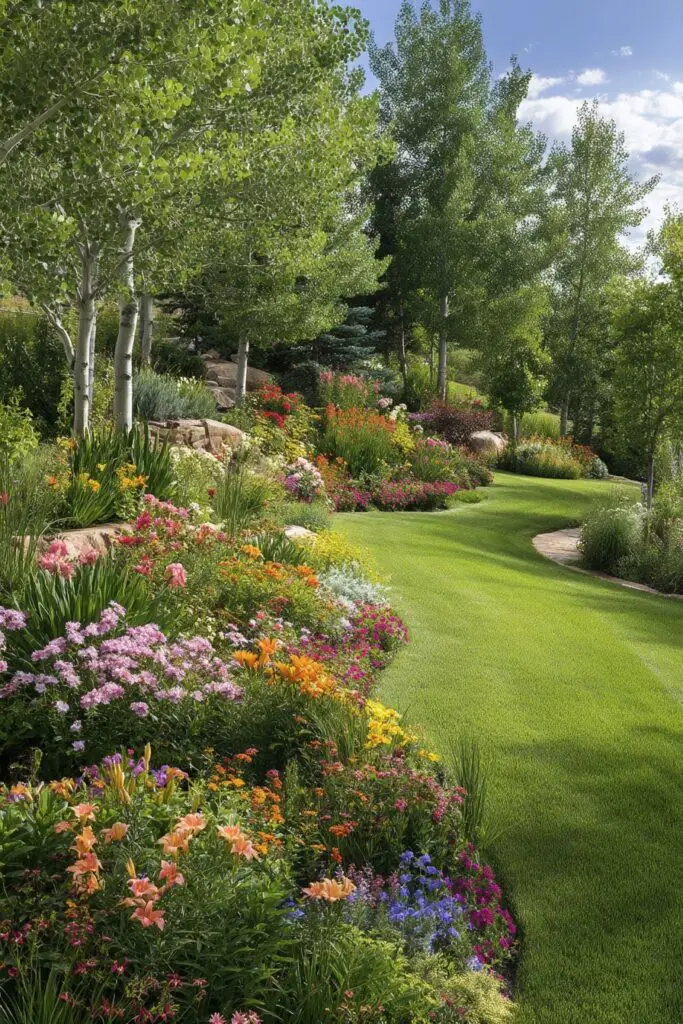
A successful perennial garden is as much about planning as planting. Designing with intention ensures your garden remains attractive from early spring through late fall.
Think in Layers
- Back row: Tall perennials like delphiniums or hollyhocks.
- Middle row: Medium-height bloomers such as coneflowers or phlox.
- Front row: Low-growing plants like creeping thyme or coral bells.
This layered approach adds depth and structure, making the garden visually engaging from every angle.
Plan for Continuous Bloom
- Stagger your plant selections so something is always in bloom.
- Combine early spring bloomers (e.g., bleeding hearts) with summer staples (e.g., black-eyed Susans) and fall stars (e.g., asters).
- Add plants with interesting foliage or seed heads to extend interest beyond flowering season.
Coordinate Colors and Textures
- Use color harmonies (e.g., purples and blues for calm; reds and oranges for energy) for a cohesive look.
- Mix textures—soft, airy plants with bold, architectural varieties—to create contrast.
Account for Growth and Spacing
- Read plant labels to understand mature size.
- Avoid overcrowding; proper spacing improves air circulation and reduces disease risk.
Intentional design transforms a collection of plants into a cohesive and visually stunning perennial garden that changes with the seasons.
Select the Right Perennials for Your Climate and Conditions
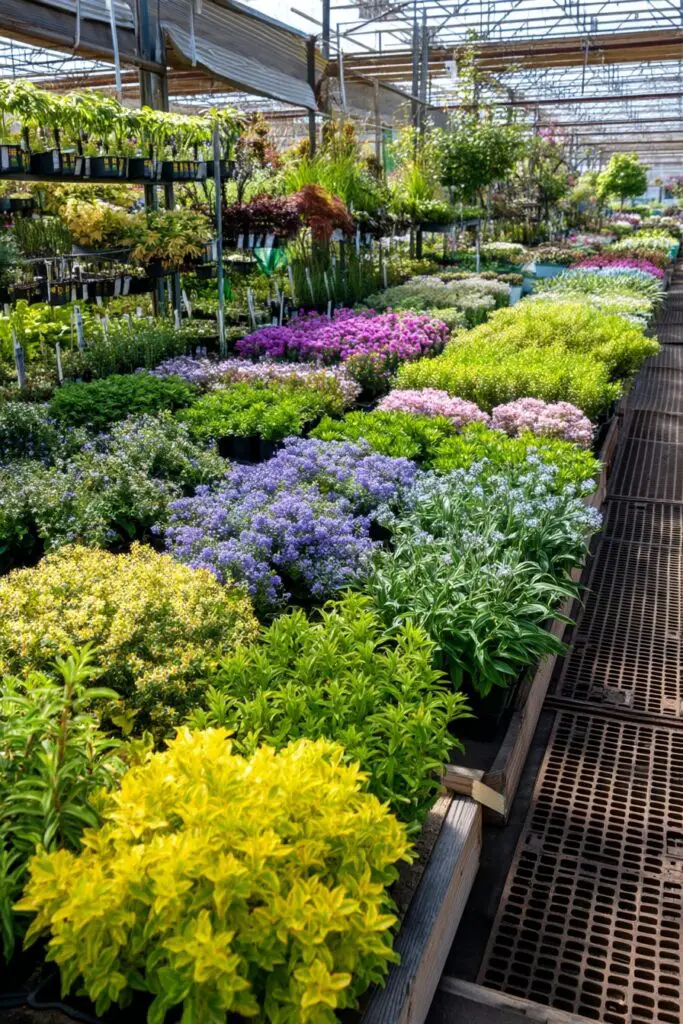
Choosing plants suited to your growing zone and site conditions is crucial to creating a resilient perennial garden that flourishes year after year.
Match Plants to Your USDA Hardiness Zone
- Use the USDA Hardiness Zone Map to identify which perennials will survive your winters.
- Choose hardy species that can withstand local temperature swings and seasonal shifts.
Choose Plants for Your Soil and Light Conditions
- For full sun, consider lavender, salvia, and daylilies.
- In partial shade, go for astilbe, columbine, or Japanese anemones.
- In moist soil, try Siberian iris or bee balm.
- For dry conditions, consider yarrow, sedum, or ornamental grasses.
Prioritize Low-Maintenance, Long-Lived Varieties
- Look for perennials known for their vigor and low upkeep, like black-eyed Susan, echinacea, or peonies.
- Native plants are often the best choice—they’re adapted to local soil, rainfall, and pests.
Include Foliage Plants
- Add plants with colorful or textured leaves (like hostas or heucheras) to provide interest even when flowers fade.
Tailoring plant selection to your garden’s conditions reduces the need for extra watering, fertilizing, and fuss, making your perennial garden more self-sustaining.
Prepare and Plant for Long-Term Success
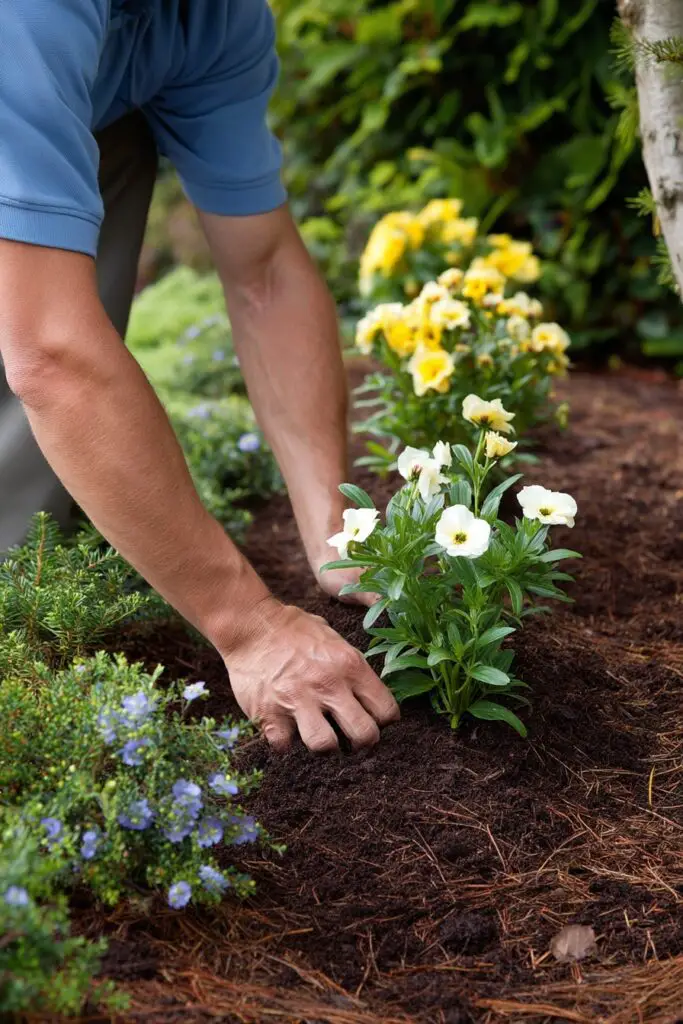
A thriving perennial garden starts with proper soil preparation and planting techniques. Investing time at the beginning pays off in years of healthy growth and reliable blooms.
Clear and Prep the Planting Area
- Remove grass, weeds, and debris from the planting site.
- Use a spade or tiller to loosen soil to a depth of 12–15 inches.
- Mix in compost or well-rotted manure to enrich the soil.
Lay Out Your Design Before Digging
- Arrange plants in their pots on the soil surface before planting to visualize spacing and layout.
- Group similar plants together for visual unity and easier maintenance.
Plant at the Right Depth
- Dig a hole twice as wide as the plant’s root ball.
- Position the plant so the crown (where stems meet roots) is level with the soil surface.
- Backfill with soil and gently firm it around the plant’s base.
Water Thoroughly After Planting
- Water deeply to settle roots and eliminate air pockets.
- Keep soil consistently moist (but not soggy) during the first growing season to help roots establish.
Mulch to Conserve Moisture and Suppress Weeds
- Apply a 2–3 inch layer of organic mulch around plants.
- Keep mulch a few inches away from plant crowns to prevent rot.
Proper planting sets your perennial garden up for strong root development and vigorous growth in future seasons.
Maintain Your Perennial Garden Year After Year
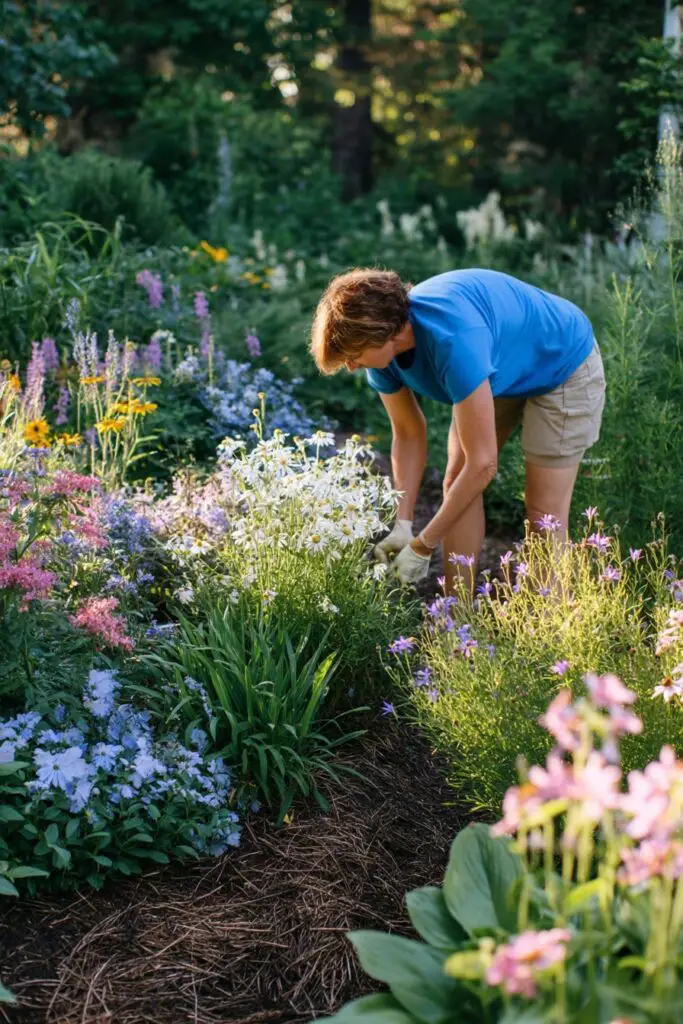
Once your perennial garden is established, regular maintenance keeps it looking beautiful and healthy through all seasons.
Watering and Feeding
- Most perennials prefer about 1 inch of water per week.
- Deep, infrequent watering encourages strong root systems.
- Fertilize in early spring with a balanced, slow-release fertilizer tailored to perennial needs.
Deadhead and Prune for Continued Blooms
- Remove spent flowers to encourage more blooms and maintain a tidy appearance.
- Cut back leggy or overgrown stems as needed to rejuvenate growth.
Divide Overgrown Plants
- Every 3 to 5 years, divide mature perennials like daylilies, hostas, and irises.
- Division prevents overcrowding, improves vigor, and allows you to expand your garden at no cost.
Control Weeds and Monitor Pests
- Hand-pull weeds regularly to reduce competition.
- Check for signs of pests or disease and treat early with organic or chemical controls as needed.
Winter Preparation
- After the first frost, cut back dead foliage unless it provides winter interest or shelter for wildlife.
- Apply mulch to insulate roots from extreme cold, especially for tender or newly planted perennials.
With seasonal care and attention, your perennial garden will return stronger and more beautiful each year.
Conclusion
Planting and maintaining a perennial garden is a rewarding endeavor that brings continuous beauty and structure to your outdoor space. With thoughtful planning, proper site selection, and consistent care, your garden will evolve into a vibrant, low-maintenance landscape that delights season after season. Whether you’re planting for pollinators, color, or texture, perennials offer enduring value with less effort over time.