
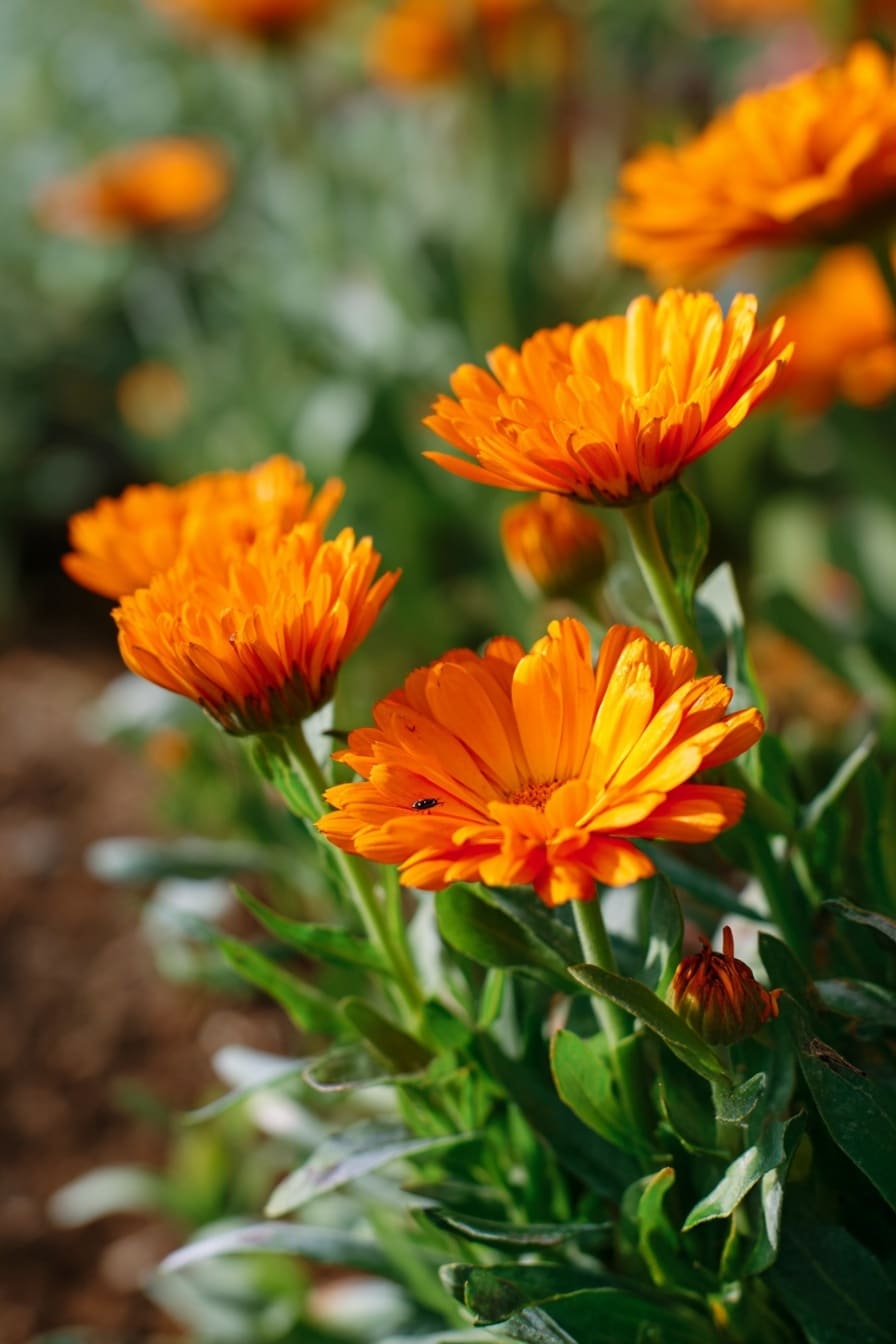
planting flowers alongside vegetables in spring does far more than add color to your garden beds. Flowers play a practical role in supporting healthy growth, stronger harvests, and a more balanced garden environment. When chosen carefully, they work quietly in the background—bringing in pollinators, helping manage pests, and improving the overall look of your space.
Spring is an ideal time for planting flowers because cooler temperatures and steady moisture help young plants establish quickly. Many early bloomers also provide vital nectar and shelter just as beneficial insects become active. By mixing flowers into vegetable beds, borders, or raised gardens, you create a system that supports both beauty and productivity.
Table of Contents
Why Planting Flowers Supports a Healthy Spring Garden

Incorporating planting flowers into your spring garden isn’t just about looks—it creates a more balanced and productive growing space. From attracting pollinators to managing pests naturally, flowers offer several key benefits when grown alongside vegetables.
Flowers Attract Pollinators Early in the Season
- Bees, butterflies, and hoverflies are essential for pollinating fruiting crops like tomatoes, squash, and cucumbers.
- Spring flowers offer a critical nectar source when other food is scarce, drawing beneficial insects to your garden early.
- Planting flowers such as snapdragons or violas helps ensure pollinators are present when your vegetables start to bloom.
Flowers Offer Natural Pest Protection
- Certain blooms, like calendula and chamomile, attract predatory insects such as ladybugs and parasitic wasps that feed on garden pests.
- Some flowers act as trap crops, luring harmful insects away from your vegetables.
- Interplanting these varieties reduces the need for chemical controls and supports organic gardening practices.
Flowers Add Beauty and Biodiversity
- Colorful flowers brighten the garden, making it more inviting and enjoyable to spend time in.
- A more diverse garden attracts a broader range of wildlife, helping create a natural balance.
- Visual interest from flowers makes gardening more fun and helps encourage kids and beginners to participate.
Planting flowers brings both function and charm to your garden, enhancing both productivity and your enjoyment of the space.
Best Flowers to Plant for Spring Companion Gardening
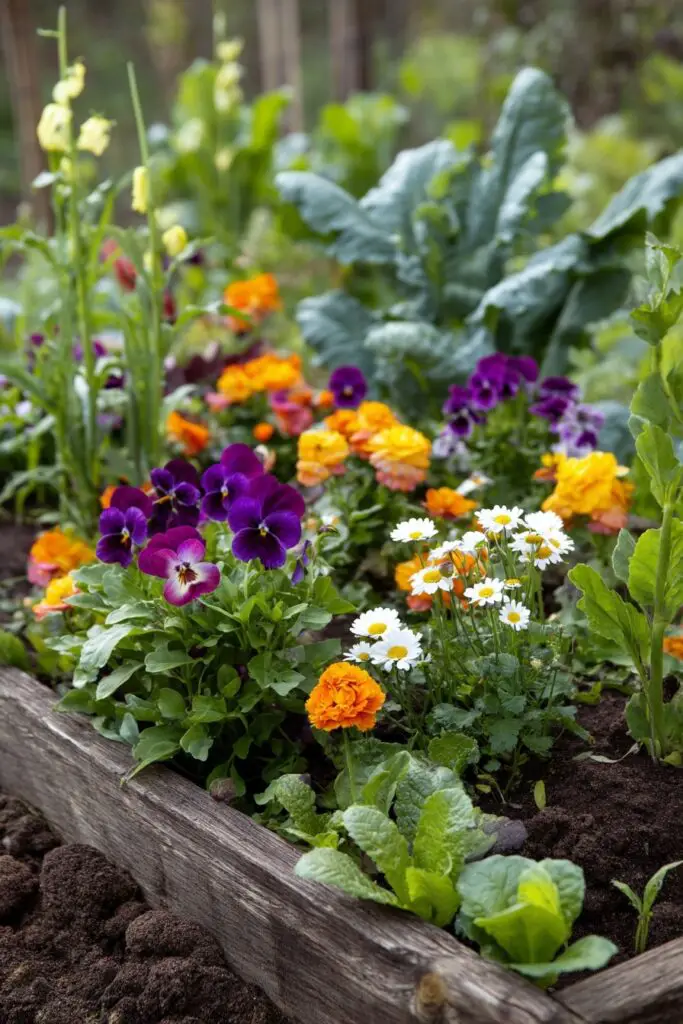
Choosing the right flowers to plant in spring helps maximize the benefits of companion planting. Each of the following blooms offers its own strengths—some attract pollinators, others deter pests, and a few do both.
Pansies: Reliable and Cold-Tolerant
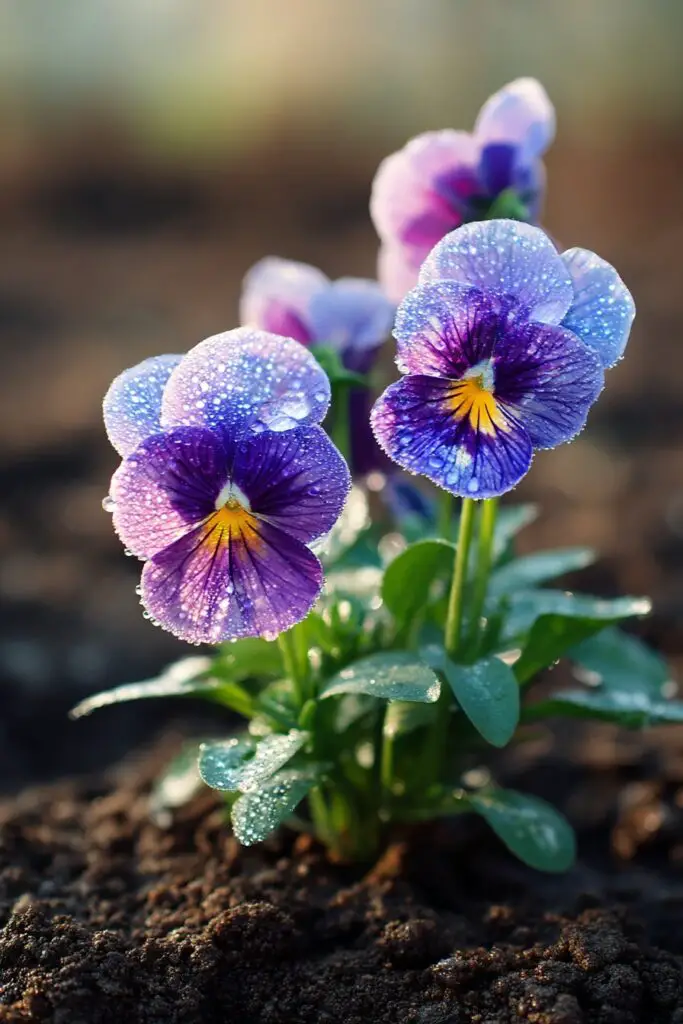
- Great for early spring planting, pansies thrive in cooler temperatures.
- Their vibrant blooms attract early pollinators while offering cheerful color.
- These flowers are compact and fit easily between vegetables in raised beds or containers.
Snapdragons: Bee-Friendly and Bold
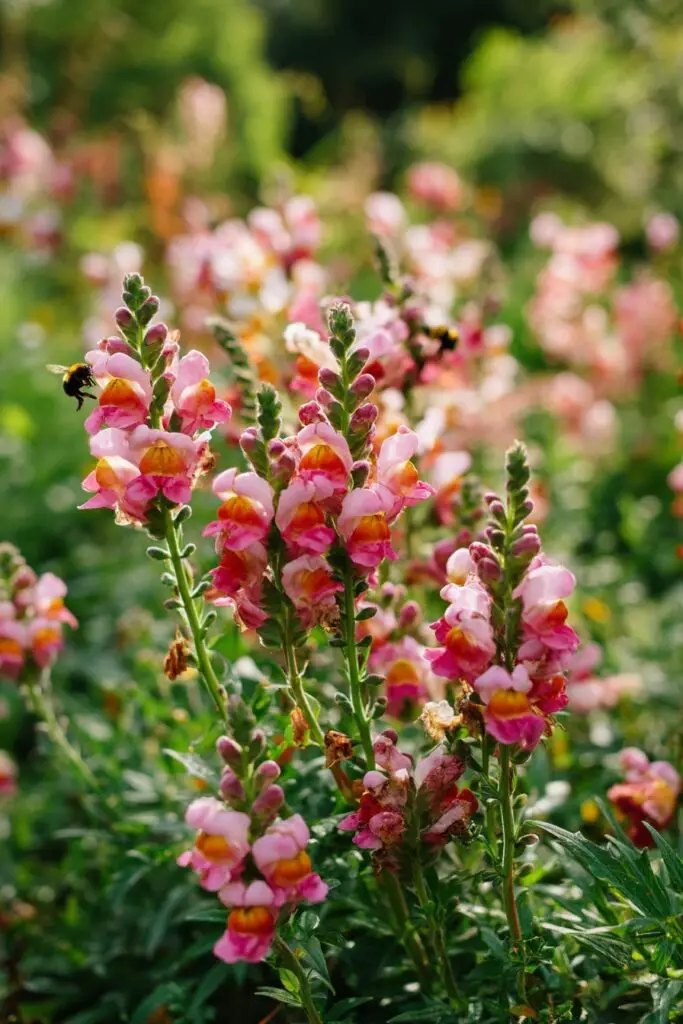
- Snapdragons bloom early and attract bees, especially bumblebees.
- Their vertical growth makes them ideal for the edges or corners of garden beds.
- Available in a wide range of colors, they also add height and structure.
Calendula: The Ultimate Trap Crop
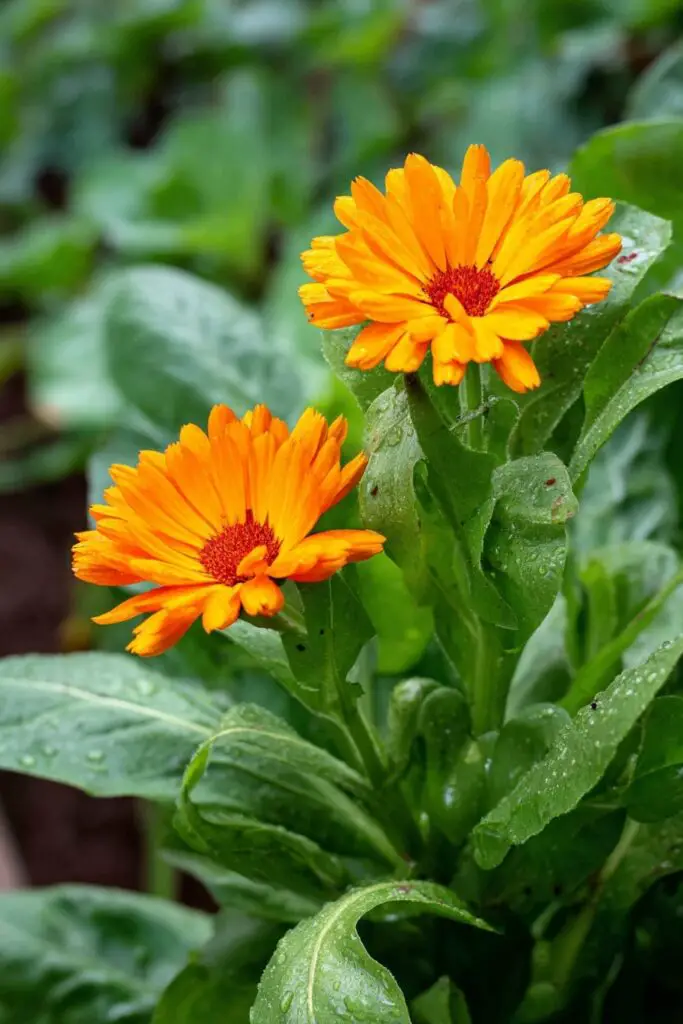
- Known for drawing aphids and whiteflies away from vegetables.
- Calendula also brings in ladybugs and lacewings that feed on pests.
- The edible petals make a lovely garnish, adding a dual purpose to this flower.
Chamomile: Flowering Herb with Pest-Fighting Power
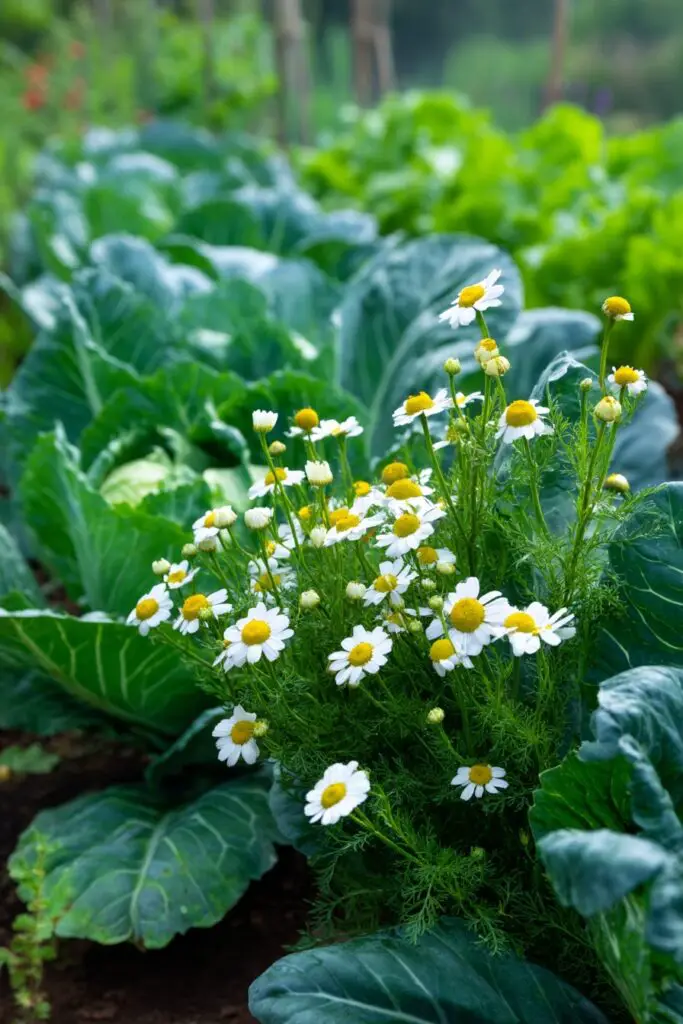
- Chamomile attracts beneficial insects and repels flies and mosquitoes.
- It’s a companion to brassicas like cabbage and kale, improving plant health.
- Plus, the dried flowers make a calming herbal tea, adding another layer of use.
Violas: Small But Mighty
- Violas are cold-hardy and bloom prolifically in early spring.
- They work well around the edges of beds and in containers.
- Their delicate appearance belies their strength as pollinator attractors.
These flowers aren’t just pretty faces—they’re powerful allies in creating a more productive and resilient spring garden.
Conclusion
Planting flowers in your spring garden is one of the simplest and most effective ways to boost vegetable yields, support pollinators, and create a more inviting growing space. Whether you’re tucking violas into the corners of raised beds or lining pathways with snapdragons and calendula, every bloom contributes to a healthier garden ecosystem.
Spring is the ideal season to begin integrating flowers into your layout. With thoughtful selection, you can enjoy both beauty and function as your vegetables and flowers grow side by side.