
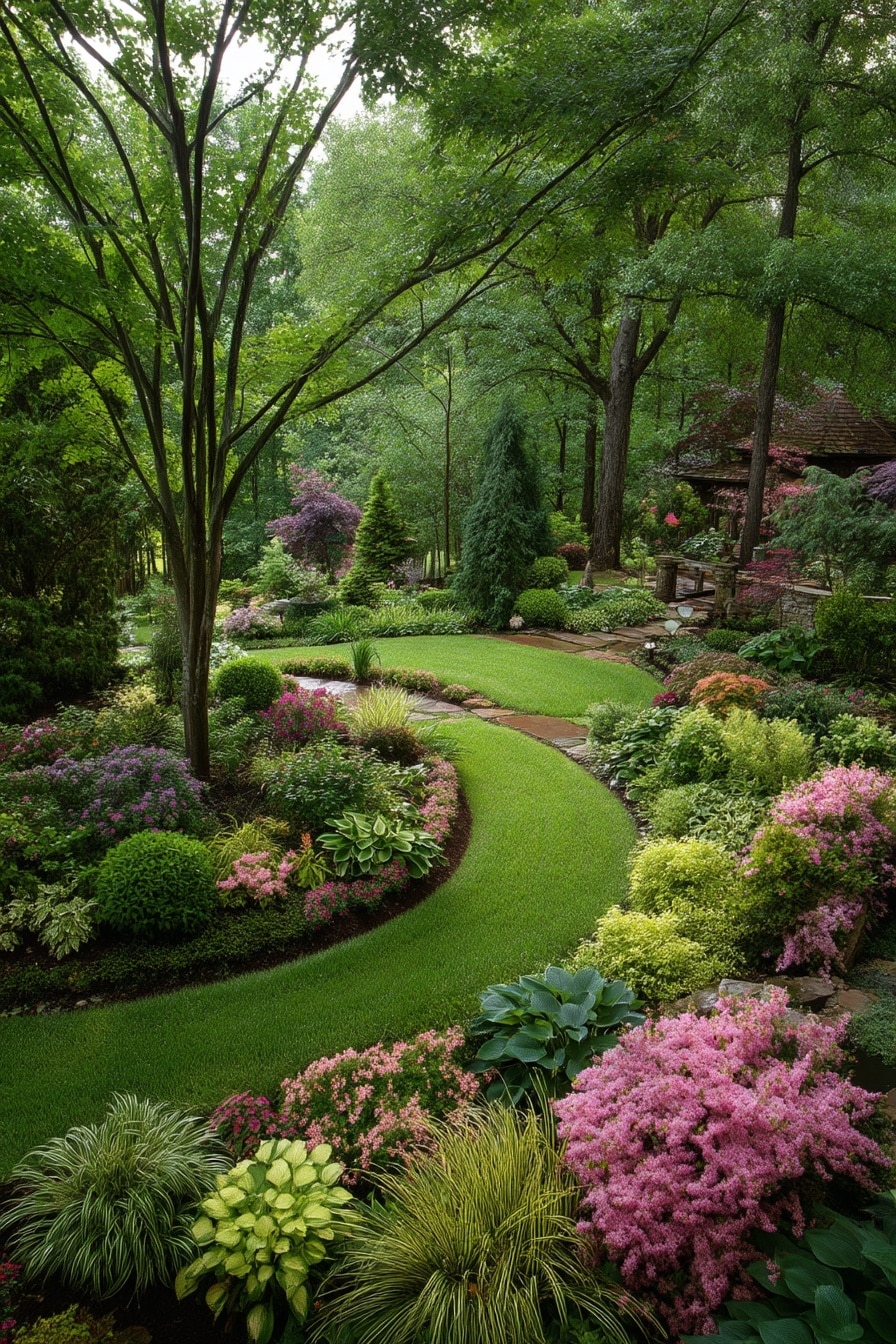
Landscape design is more than just planting flowers and mowing the lawn—it’s about shaping your outdoor space into something beautiful, functional, and uniquely yours. Whether you’re dreaming of a peaceful retreat, boosting your home’s curb appeal, or building a garden that thrives year-round, understanding the basics of landscape design is the first step.
For beginners, designing a landscape may feel overwhelming. But with a few foundational principles and a little planning, you can transform any yard—no matter the size—into a well-balanced, visually appealing outdoor space that complements your lifestyle and environment.
Table of Contents
Understanding Hardscape and Softscape

A successful landscape design balances two essential components: hardscape and softscape. These terms describe the non-living and living elements of your yard, and how they interact will determine both the beauty and usability of your outdoor space.
Hardscape refers to the structural features in your landscape—things like patios, walkways, retaining walls, fences, pergolas, and even decorative boulders. These elements shape the layout and flow of the garden, often forming the “bones” of your design.
Softscape, on the other hand, includes all the living parts of your yard: trees, shrubs, flowers, lawns, and groundcovers. These elements bring texture, color, and seasonal change to your design.
Getting the balance right between hardscape and softscape is crucial. Too much hardscape can make a yard feel cold or sterile, while too much softscape may lead to a messy or high-maintenance space. Think of hardscape as the structure, and softscape as the style that fills it in.
6 Core Principles of Landscape Design
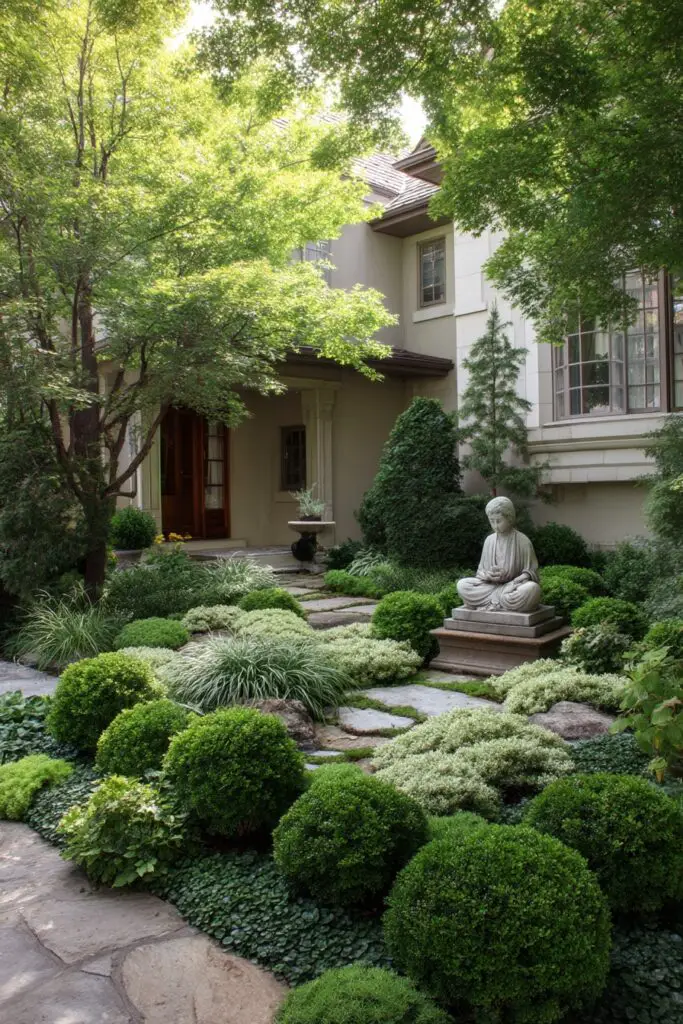
If you want your landscape to feel intentional and cohesive, it helps to follow a few time-tested design principles. These concepts guide everything from plant placement to visual flow, helping you create a space that feels balanced, inviting, and well thought out.
1. Proportion
Proportion is about scale—how each element relates in size to the others and to the overall space. A tall fence behind a small flower bed may look overwhelming, while a tiny tree in a wide open yard might feel out of place. Keep plant sizes, garden structures, and spacing consistent with the overall dimensions of your yard.
2. Transition
Smooth transitions help your eye move comfortably through the space. This can mean using medium-sized shrubs to bridge the gap between a tall tree and low-growing flowers, or creating curved walkways that gradually lead from one area to another. Abrupt changes in height or structure often feel jarring, so gradual layering is key.
3. Unity
A unified landscape has a clear theme or style that ties everything together. This could be as simple as repeating a certain plant type, color, or shape throughout your yard. For example, using similar materials for paths and patio edges, or flanking your walkway with matching trees, can create a harmonious look.
4. Rhythm
Rhythm in landscape design is created through repetition—placing similar elements at regular intervals. A row of evenly spaced shrubs or a line of stepping stones draws the eye naturally across the space. This kind of repetition builds flow and keeps the viewer engaged without overwhelming them.
5. Balance
Balance is about distributing visual weight evenly across your yard. This doesn’t always mean symmetry (though that’s one option), but rather a thoughtful arrangement of elements. For example, a large tree on one side of the yard might be balanced by a group of shrubs and a bench on the other.
6. Focalization
Every great landscape has a focal point—something that naturally draws the eye. This could be a sculptural tree, a water feature, or a flower bed with striking color. Focalization helps ground your design and prevents the space from feeling too scattered or chaotic.
Landscape Types: Know Your Environment
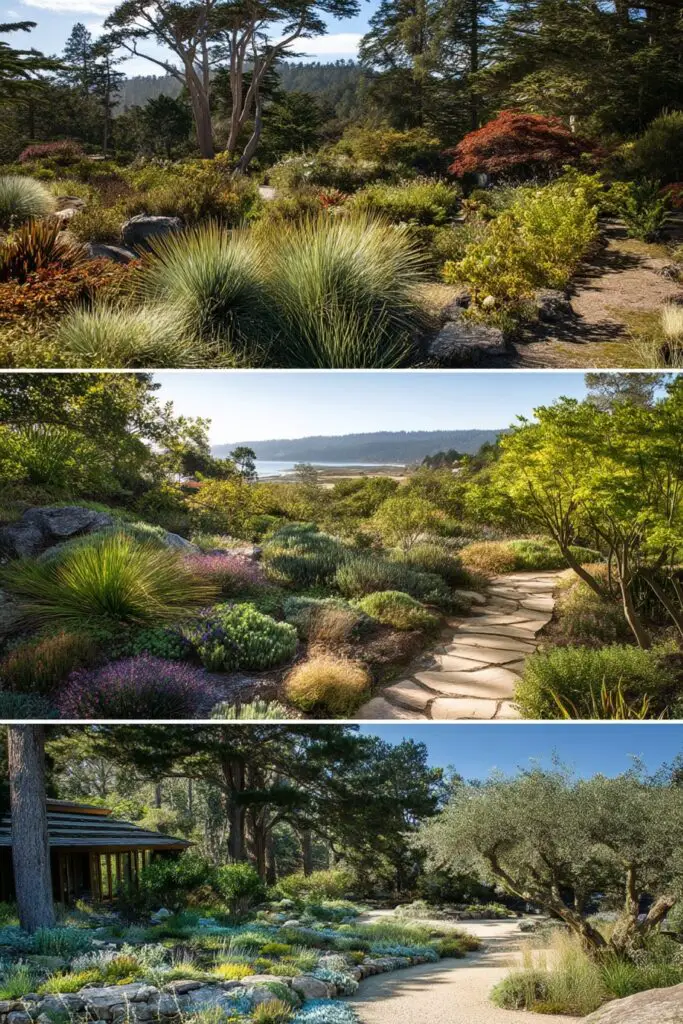
Before sketching out your landscape, it’s important to understand your environment. The region you live in plays a major role in what plants will thrive, how you should design your space, and how much maintenance your yard will need.
Start by checking your USDA Hardiness Zone, which tells you what plants can survive year-round in your climate. From there, think about the natural characteristics of your area—each landscape type comes with its own set of challenges and opportunities.
Mountain Landscapes
If you live at higher elevations, your landscape needs to handle extreme temperature swings, strong winds, and rocky soil. Choose hardy native plants, use terracing to manage slope and erosion, and consider windbreaks or sheltering evergreens to protect delicate areas.
Flat Landscapes
Flat, open land—such as meadows or rural properties—often lacks natural wind protection or shade. In this setting, your design might focus on creating structure with taller trees, hedges, or pergolas. Grouping plants in clusters and adding features like berms or fences can help shape the space and break up the openness.
Coastal Landscapes
Salt spray, sandy soil, and drought-like conditions are typical near the coast. For a healthy landscape here, stick with salt-tolerant, wind-resistant plants and drought-hardy grasses. Raised beds and smart irrigation systems can also help you manage the unique soil and moisture challenges of coastal living.
The 5 Essential Elements of Landscape Design
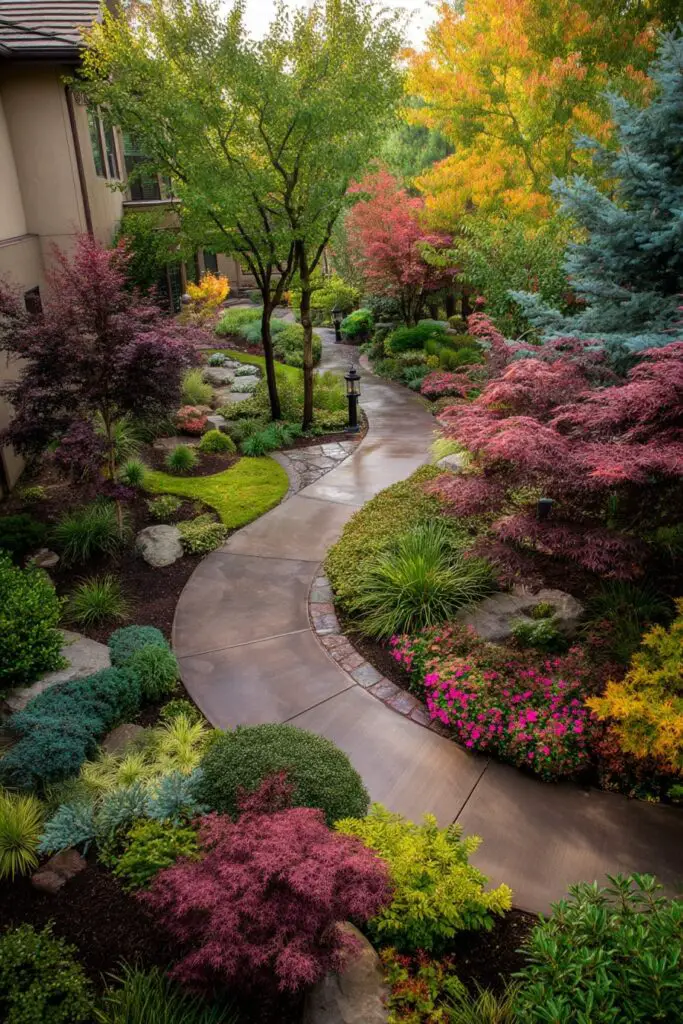
A well-designed landscape isn’t just about what you plant—it’s about how you arrange it. These five essential elements help shape the look, feel, and flow of your outdoor space. When used thoughtfully, they bring balance and beauty to any yard, no matter the size.
1. Color
Color sets the mood of your garden. Warm tones like red, orange, and yellow create energy and draw attention, while cool shades like blue, purple, and green are calming and recede into the background. Use color to highlight focal points, define garden zones, or unify different areas of your landscape.
For harmony, stick to a consistent color palette. Or create contrast by pairing warm and cool tones—just avoid using too many clashing colors at once, which can feel chaotic.
2. Form
Form refers to the shape and structure of plants and features in your yard. Rounded shrubs, upright trees, weeping branches, and columnar evergreens all contribute different forms to the design.
Mixing plant forms adds interest, but there should still be cohesion. Repeating similar shapes throughout your landscape—like a grouping of rounded shrubs alongside a curving pathway—can tie the space together.
3. Texture
Texture is about how things look and feel. In landscape design, this usually comes from leaf size, bark patterns, and plant density. Fine textures (like ferns or grasses) feel soft and delicate, while coarse textures (like large-leafed hostas or bold succulents) stand out more dramatically.
Combining textures adds depth and variety to your planting beds, especially when you layer them thoughtfully.
4. Line
Lines guide movement and define structure. Straight lines feel formal and direct, perfect for walkways or symmetrical layouts. Curved lines are more relaxed and natural, often used in cottage gardens or informal settings.
Use lines in your landscape to draw the eye—like a row of trees framing a path—or to create separation between garden zones.
5. Scale
Scale refers to size relationships between elements. A small fountain may get lost next to a large house, while a tall hedge might feel overpowering in a tiny yard.
Choose plants and structures that fit the size of your space and complement each other. Keeping scale in check ensures your landscape feels intentional rather than mismatched.
How Much Does Landscape Design Cost?
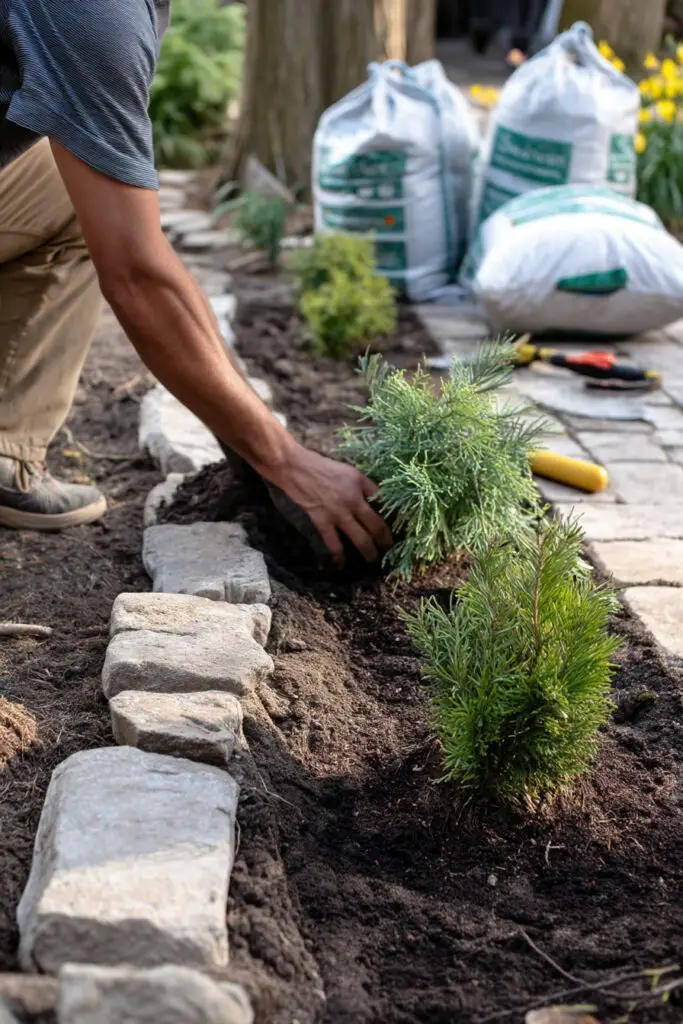
Budget is a key part of any landscape project, and understanding the cost breakdown can help you make smart, lasting choices—especially as a beginner. Whether you’re doing the work yourself or hiring a pro, the final cost depends on your yard size, material choices, and design complexity.
DIY Landscaping
If you’re willing to roll up your sleeves, a beginner-friendly landscape project can cost around $2,500–$3,000. This includes the basics: plants, mulch, edging materials, soil amendments, and possibly a few small hardscape features like stepping stones or a simple trellis.
You can save money by:
- Buying smaller plants that grow over time
- Choosing native or drought-tolerant varieties
- Reusing materials like bricks, pavers, or containers
- Doing the labor yourself, especially for planting and mulching
Hiring a Professional
Professional landscape designers typically charge between $50 and $150 per hour, or offer flat-rate packages depending on your project size. A fully designed and installed landscape from a pro might run anywhere from $5,000 to $15,000 or more.
If you’re hiring out, make sure to:
- Ask for itemized estimates
- Prioritize must-have features
- Phase your project over time to spread out costs
Why Visual References Help Shape Your Design
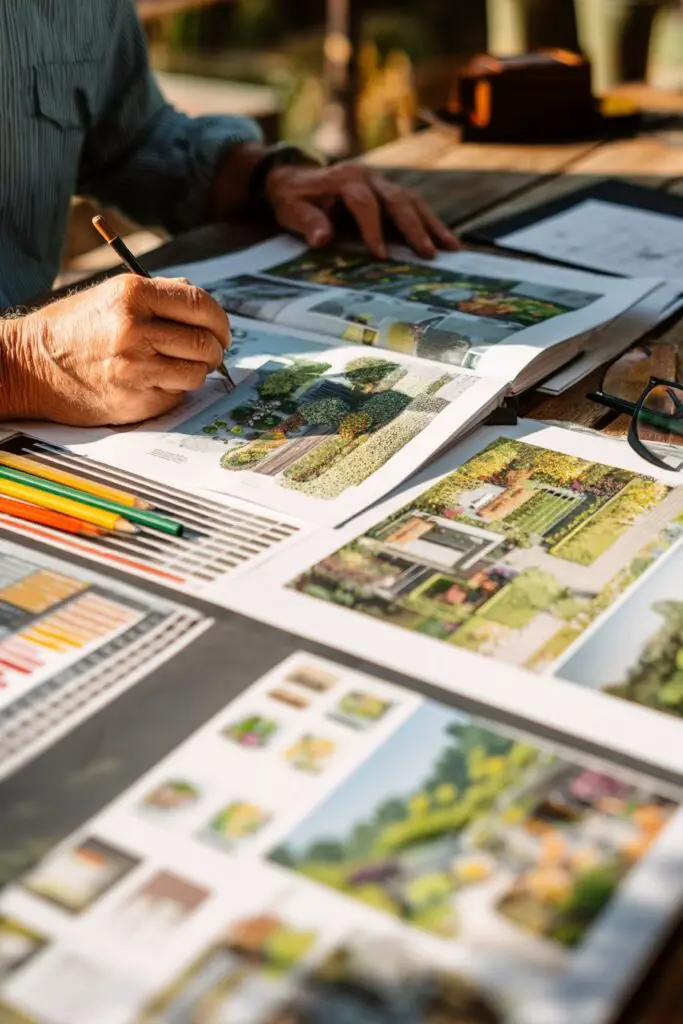
When you’re just starting out, one of the most helpful ways to build your landscape vision is by looking at real-life examples. Studying photos of finished gardens, patios, and outdoor spaces gives you a clearer sense of what styles you like—and just as importantly, what doesn’t appeal to you.
Create an inspiration board or digital folder filled with landscape images that catch your eye. Look for patterns: Are you drawn to natural stone paths? Do you prefer lush cottage-style planting or clean, modern lines? These visual cues help shape your personal style and give you a reference point when making design decisions.
Seeing completed projects also puts your ideas into context. You can better understand how different elements—like color, texture, and form—work together in a real landscape. Even small details, like edging or container placement, can spark creative ideas for your own space.
Beginner Tips, Tools, and FAQs
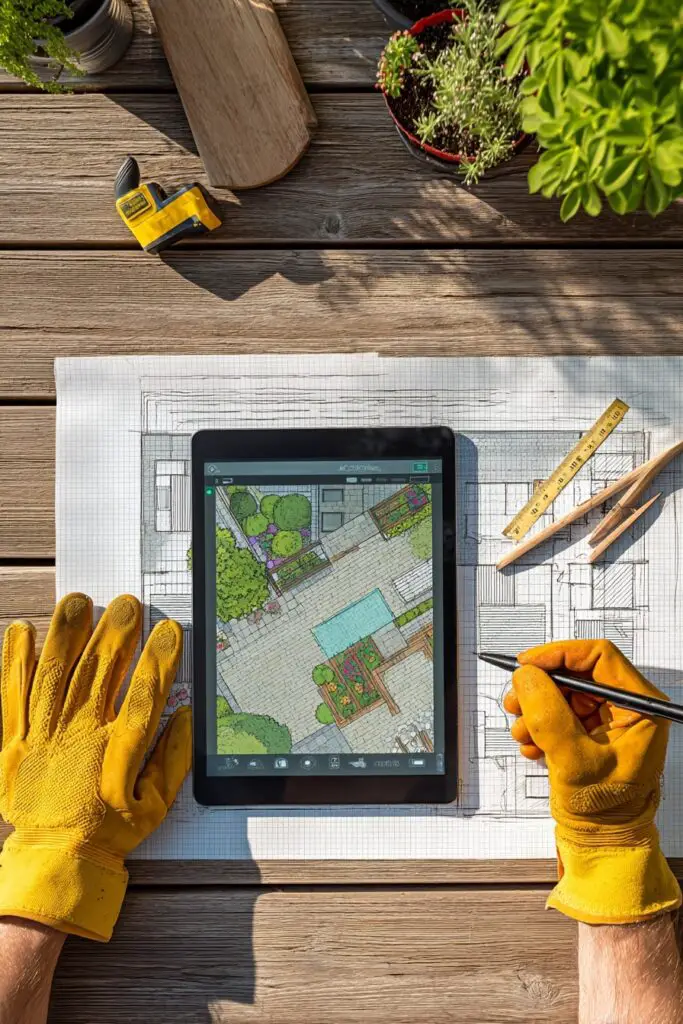
Starting a landscape project may feel intimidating at first, but with a few basic tools and some beginner-friendly planning, you’ll be well on your way to creating a yard you love.
Start with a Sketch
Measure your outdoor space and draw it to scale on graph paper. Use tracing paper over the top to experiment with layouts, plant placement, and garden zones. This simple process helps you visualize changes without committing right away.
Use Virtual Tools
Not into drawing? Try landscape design apps like iScape or websites such as Yardzen to create digital mockups of your yard. Many offer drag-and-drop features, plant libraries, and even virtual reality previews to help you plan effectively. For more advanced users, tools like SketchUp or PRO Landscape provide powerful design options.
Keep It Simple
As a beginner, avoid overcomplicating your design. Focus on a few key elements: define paths, create one or two focal points, and choose plants that suit your climate and maintenance level. It’s better to start small and expand over time than to take on too much and feel overwhelmed.
FAQ Quick Tips:
- Do I need a professional? Not necessarily—many homeowners design their own landscapes with great results.
- What’s the best time to start? Early spring or fall are ideal for planting.
- Can I learn as I go? Absolutely. Landscaping is a hands-on skill that improves with experience.
Conclusion
Designing a beautiful landscape doesn’t require years of experience or a massive budget—just a clear vision, a few core principles, and the willingness to start. By understanding your environment, using the right design elements, and planning your space with purpose, you can turn even the simplest yard into a personalized, balanced outdoor retreat.
Whether you tackle it all yourself or bring in some professional help, remember: great landscaping is a journey, not a race. Start with what you love, let your space evolve, and enjoy the process of building something that reflects both your lifestyle and your land.