
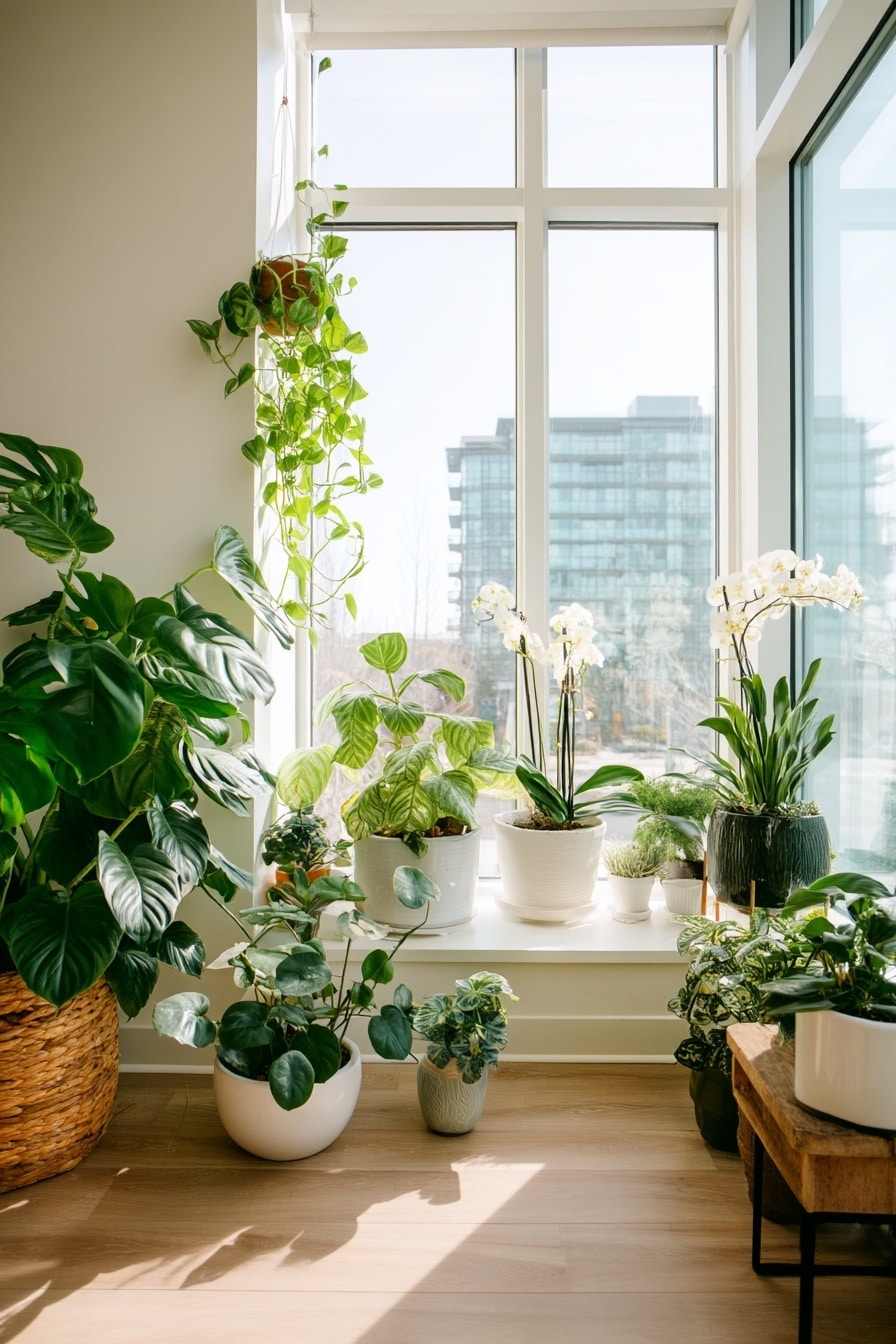
Indoor gardening is more than just a trendy home décor choice — it’s a powerful way to improve your well-being, even if you live in a small apartment or urban space without access to a yard. With more people spending time indoors due to work-from-home lifestyles or seasonal changes, the presence of greenery inside the home is proving to be a vital source of comfort and wellness. Whether it’s a cheerful pot of herbs on the kitchen windowsill or a collection of air-purifying plants in the living room, cultivating an indoor garden brings emotional, physical, and even economic benefits that can transform your everyday environment.
Table of Contents
1. Emotional Wellbeing

One of the most immediate and noticeable benefits of indoor gardening is the positive impact it has on emotional health. Being surrounded by greenery offers a sense of calm and comfort, especially during long winter months or when you’re stuck inside for extended periods. A vibrant bloom or a lush green leaf can do wonders for your mood, acting as a natural pick-me-up on gloomy days.
Strategically placing flowering plants in visible spots — like your windowsill or near your workspace — can help reduce stress, anxiety, and even symptoms of depression. The routine of tending to plants also offers a mindful break from screen time and daily distractions, allowing you to reconnect with something living and peaceful. It’s a simple, natural way to create a more uplifting atmosphere right at home.
2. Clean Air
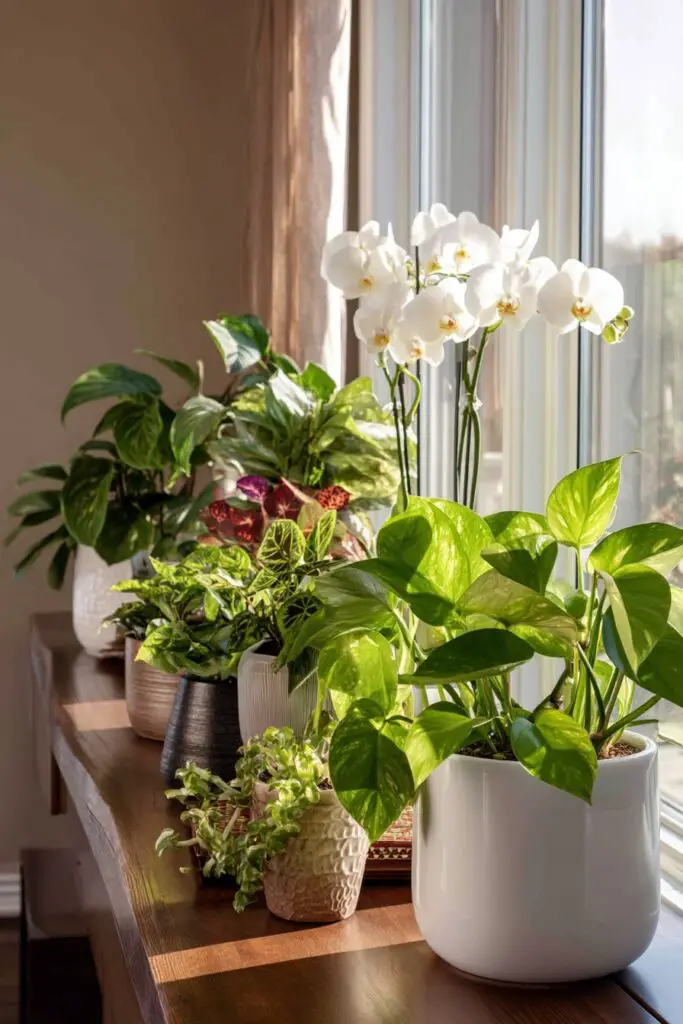
Another powerful reason to embrace indoor gardening is its ability to improve the air quality inside your home. Houseplants naturally absorb carbon dioxide and release oxygen — a process that refreshes the air and makes your living space healthier. But it doesn’t stop there. Some plants go a step further by filtering out indoor air pollutants like formaldehyde, benzene, and toluene, which are commonly found in household products and furniture.
Aiming for at least one plant in every room is a great rule of thumb. Easy-to-grow varieties like pothos, spider plants, and peace lilies are not only low-maintenance but also effective at purifying the air. You might also consider adding orchids or succulents for variety — they come in countless shapes, sizes, and colors to suit your aesthetic while contributing to a cleaner, fresher indoor environment.
3. Cooking with Herbs
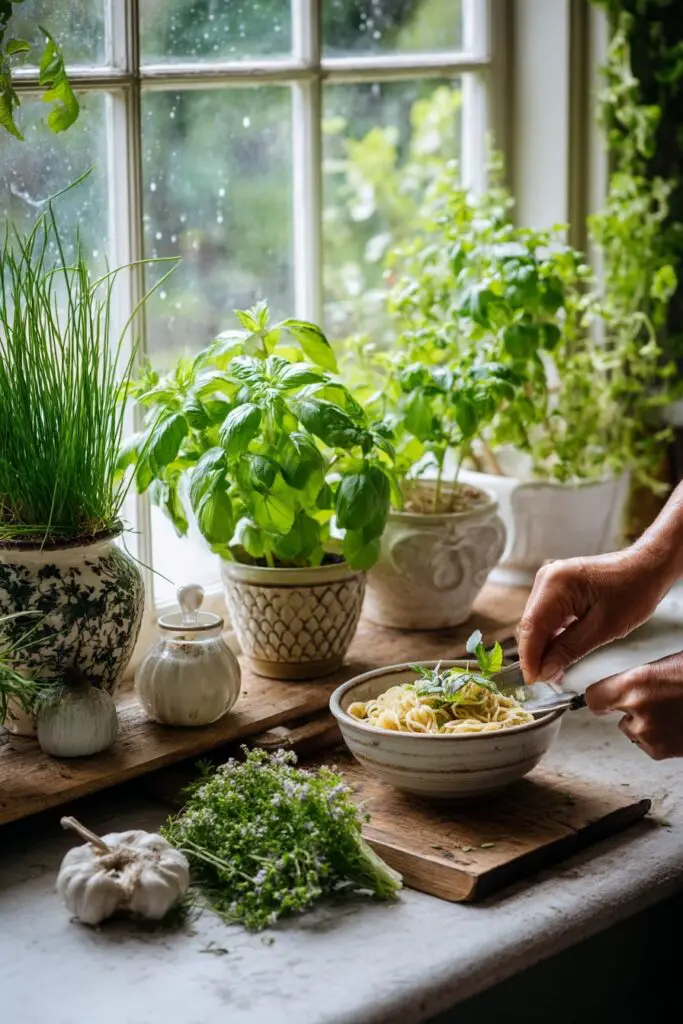
Indoor gardening isn’t just good for your home’s atmosphere — it can elevate your meals too. Growing herbs indoors gives you access to fresh, flavorful ingredients year-round. A simple pot of basil, mint, or chives on the windowsill can transform an ordinary dish into something vibrant and aromatic. Fresh herbs often carry more intense flavors than dried ones and can make even a quick meal feel gourmet.
Herb gardening is also a fun and educational experience for families. Kids can learn where food comes from by helping to pinch mint leaves or snip basil for pasta sauce. You’ll save money, reduce waste, and avoid unnecessary packaging by growing only what you need. Plus, fresh herbs add a healthy, natural touch to your diet — from mint in your tea to rosemary on roasted vegetables, the options are endless.
4. Flowering Plants Indoors
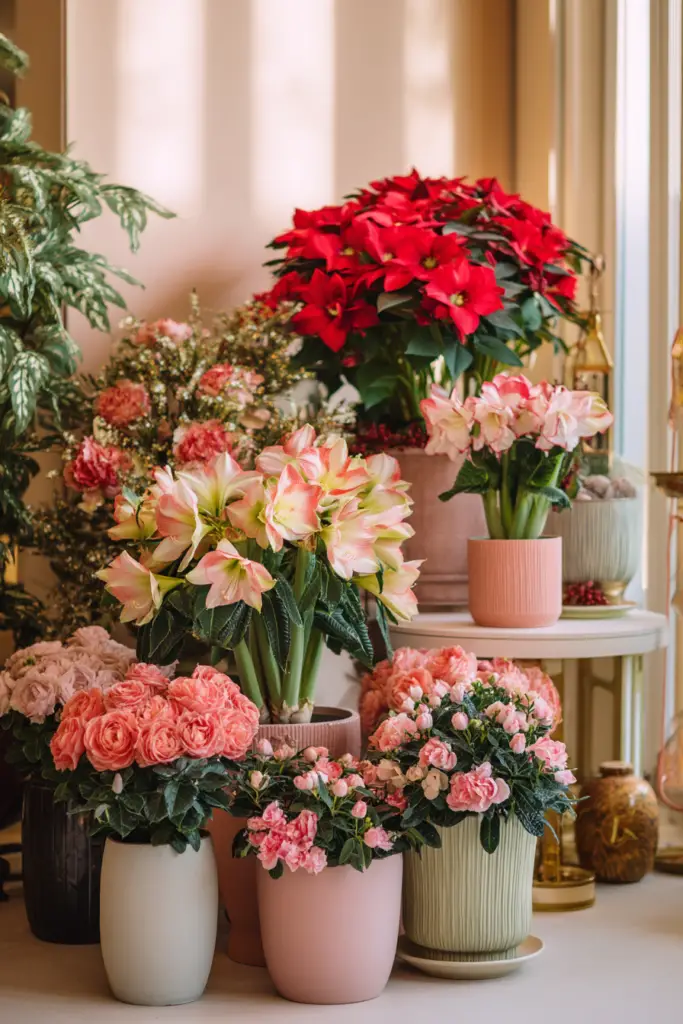
Adding flowering plants to your indoor gardening setup brings not only beauty but also a boost to your emotional space. The bright blooms and subtle fragrances of indoor flowers can lift your mood and add a refreshing pop of color during dreary months. In winter, popular choices like poinsettias and amaryllis thrive indoors and offer festive charm well beyond the holidays. Both are easy to maintain and come in a range of colors to complement your interior style.
Spring brings more floral variety — tulips, daffodils, hyacinths, and cyclamen all do well indoors before being moved outside. Miniature roses are another great option: they’re perfect for indoor display and can be transplanted outdoors when the weather warms up. Many of these flowering plants offer a dual purpose — beauty during the colder months and lasting life when replanted, making them a thoughtful alternative to cut flowers that fade within days.
5. Economical Gardening
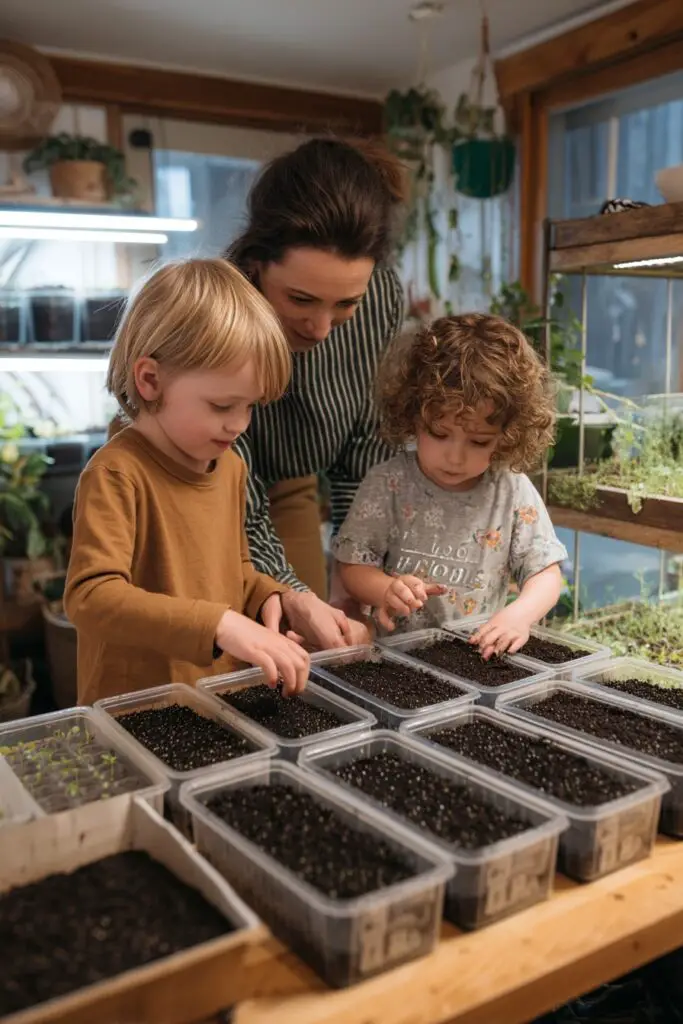
One of the most practical benefits of indoor gardening is how budget-friendly it can be, especially when you grow your own plants from seed. Starting vegetables, herbs, or flowers indoors gives you more control over what you grow — and how it’s grown. With a small investment in a seed-starting kit or a few pots and soil, you can skip overpriced nursery plants and cultivate a garden that fits your needs and space.
Planning your indoor garden allows you to choose organic seeds, reduce exposure to pesticides, and grow exactly the amount you’ll use — no more buying a bunch of kale only to toss half of it. It’s also a great family project that teaches kids about sustainability and food origins. Plus, most seed-starting supplies are reusable for several seasons, which stretches your dollar even further. With the right setup and a bit of patience, indoor gardening becomes an economical and rewarding hobby that pays off in health and harvest.
Conclusion
Whether you’re looking to boost your mood, improve your air quality, enhance your meals, or simply bring more beauty into your home, indoor gardening offers a simple and deeply rewarding solution. Even with limited space or experience, anyone can enjoy the physical, emotional, and practical benefits of tending to indoor plants. From cheerful herbs on your kitchen windowsill to vibrant flowers that brighten a winter day, growing indoors creates a stronger connection to nature and a healthier, more personalized living space.