
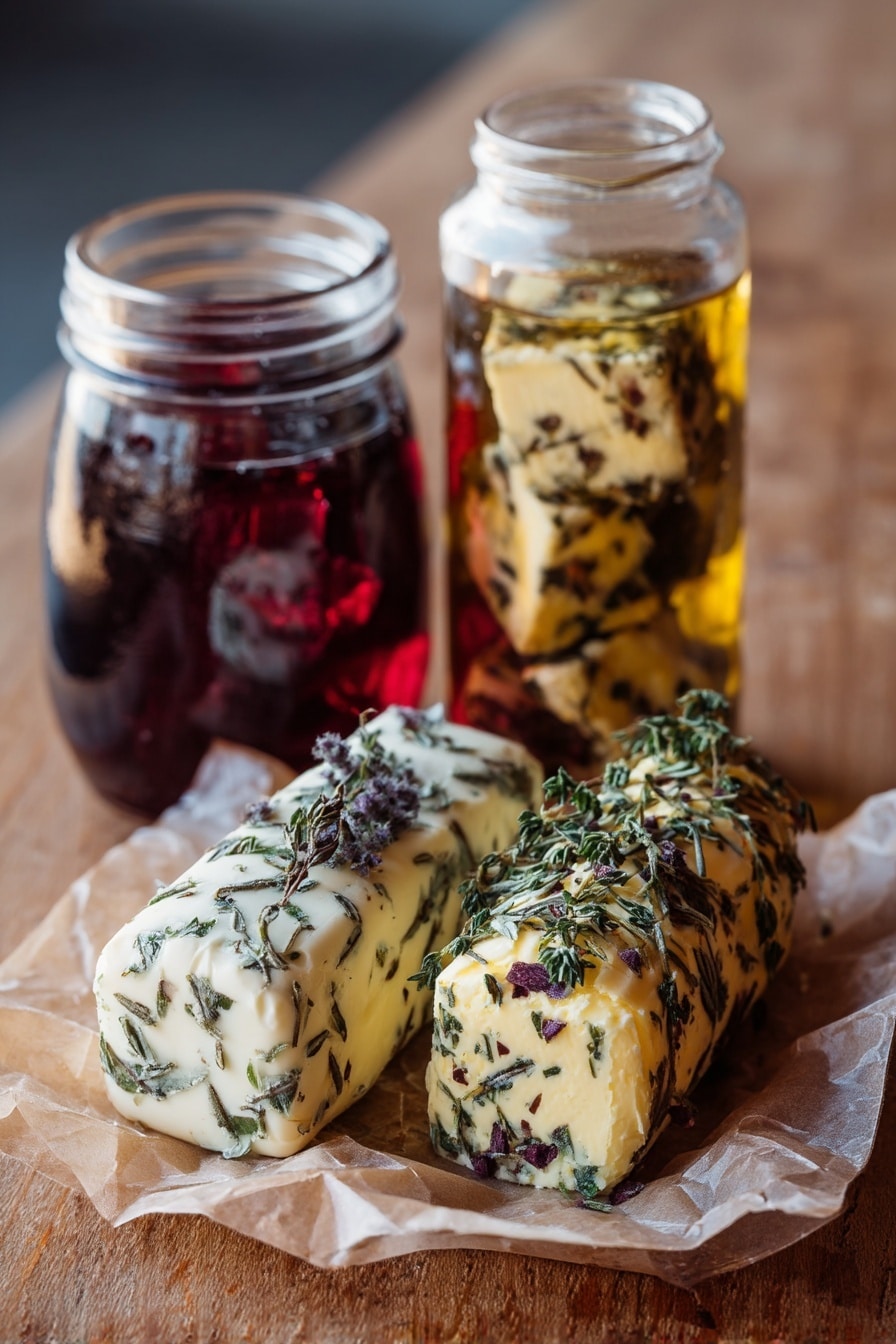
Herbs are among the most rewarding plants to grow, offering fresh flavor, fragrance, and nutrition straight from your garden. Whether you’re harvesting basil from a sunny windowsill or snipping rosemary from your backyard bed, having an abundance of herbs often leads to one important question: how do you store them without losing their freshness? Properly storing herbs not only extends their shelf life but also preserves their taste and potency for cooking, seasoning, or even gifting. In this guide, we’ll walk through the best ways to store fresh herbs so you can enjoy their benefits long after harvest.
Table of Contents
1. Drying Herbs

Drying is one of the most traditional and effective ways to store herbs long term. It removes moisture that can cause spoilage while concentrating the flavors, making dried herbs ideal for seasoning soups, stews, and marinades. This method works best with hearty varieties like thyme, oregano, rosemary, and marjoram, which retain their aroma and strength even after dehydration.
There are a few simple ways to dry herbs at home:
Microwave Drying
For a quick method, microwave drying preserves both color and flavor well.
- Rinse herbs and pat them completely dry
- Remove leaves from thick stems
- Place between layers of paper towels on a microwave-safe plate
- Microwave on high for 1 minute, then in 20-second intervals until crisp
- Store in a clean, airtight glass jar away from light and moisture
Oven Drying
This is another option, though it can cause a slight loss in flavor.
- Set your oven to the lowest setting (preferably under 180°F or 80°C)
- Spread herbs on a baking sheet lined with parchment paper
- Dry for 2 to 4 hours, checking regularly to avoid over-drying or browning
- Once brittle, cool and transfer to airtight containers
2. Freezing Herbs
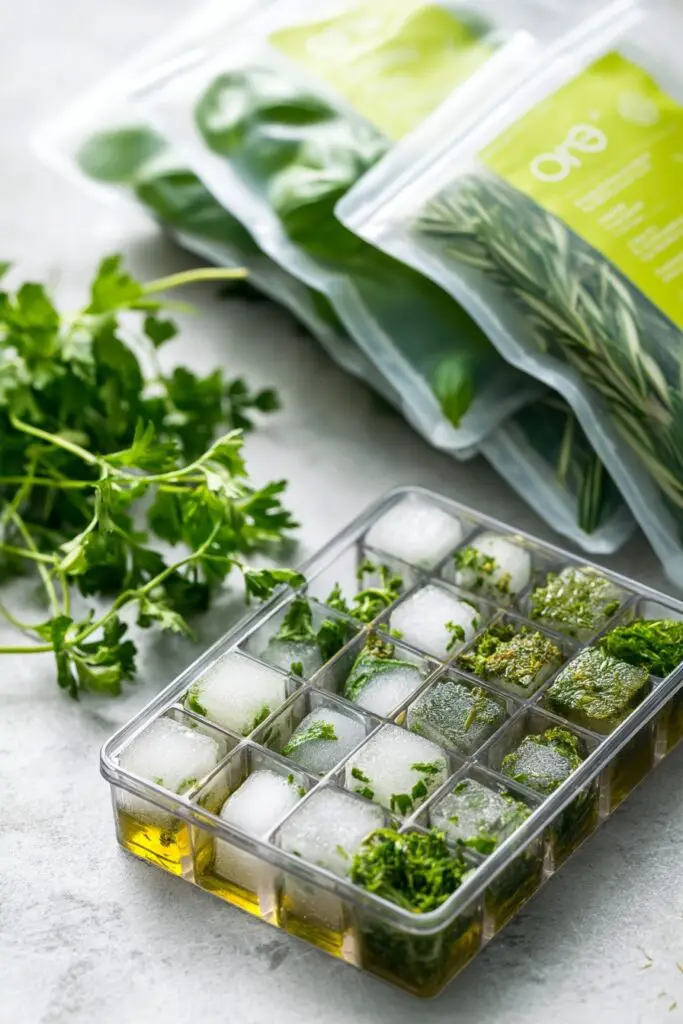
Freezing is an excellent method for preserving herbs when you want to maintain their fresh flavor and bright color. Unlike drying, freezing locks in moisture, making it ideal for tender herbs like basil, cilantro, parsley, dill, and chives. These are perfect for adding directly into cooked dishes, sauces, and soups without compromising taste.
You can freeze herbs in a few different ways depending on how you plan to use them:
Simple Freezing
- Rinse herbs thoroughly and pat dry
- Chop or leave whole, depending on preference
- Place in a single layer inside a zip-top freezer bag
- Gently press out the air before sealing and label with the date
Freezing in Ice Cubes
This method is great for portioning and easy use during cooking:
- Finely chop herbs and place into ice cube trays
- Fill trays with water or olive oil to cover the herbs
- Freeze, then pop out the cubes and store in a labeled freezer bag
- Use cubes directly in hot pans, soups, or sauces
Blanched Freezing (Optional)
Blanching helps preserve color and flavor:
- Dip herbs briefly in boiling water (just a few seconds)
- Immediately cool them in ice water
- Dry thoroughly and freeze using any of the methods above
3. Preserving Herbs in Oil, Vinegar, and More
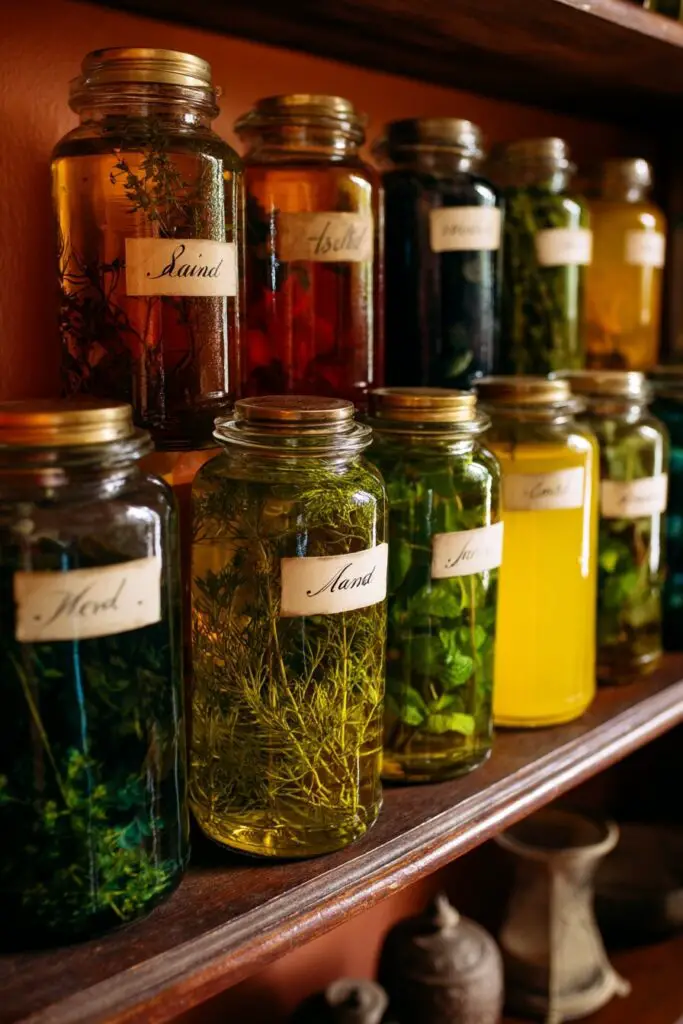
If you’re looking for flavorful, long-lasting ways to store your herbs beyond drying or freezing, preservation in oils, vinegars, and other kitchen staples offers both versatility and extended shelf life. These methods also make great homemade gifts and are perfect for infusing extra depth into your everyday cooking.
Oil Preservation
Storing herbs in oil not only helps retain their vibrant color but also intensifies their flavor over time.
- Choose a mild oil like extra virgin olive oil or canola
- Chop herbs finely and mix with oil in sterilized glass jars
- Store in the refrigerator for up to 2 weeks, or freeze in ice cube trays for longer storage
Note: Always refrigerate herb-infused oils to prevent bacterial growth
Vinegar Infusions
Herb vinegars are excellent for salad dressings, marinades, and sauces.
- Fill a clean glass bottle with fresh herbs (washed and dried)
- Cover completely with white or red vinegar
- Add optional flavorings like garlic or chili
- Seal and let steep in a cool, dark place for 2–4 weeks
- Strain and rebottle; label and refrigerate
Herbal Syrups
Sweet herb syrups can be used for cocktails, desserts, or iced drinks.
- Simmer equal parts sugar and water with fresh herbs
- Boil until sugar dissolves, then let herbs steep while cooling
- Strain and store in the fridge in a sealed bottle for up to a month
Salt Preservation
Salt draws moisture from herbs and acts as a natural preservative.
- Layer fresh, dry herbs and coarse salt in a sterilized jar
- Alternate layers until full, then seal and refrigerate
- After a week, stir and continue storing — the herb-infused salt is usable, too!
4. Preserving Herbs in Wine, Butters, and Cheeses
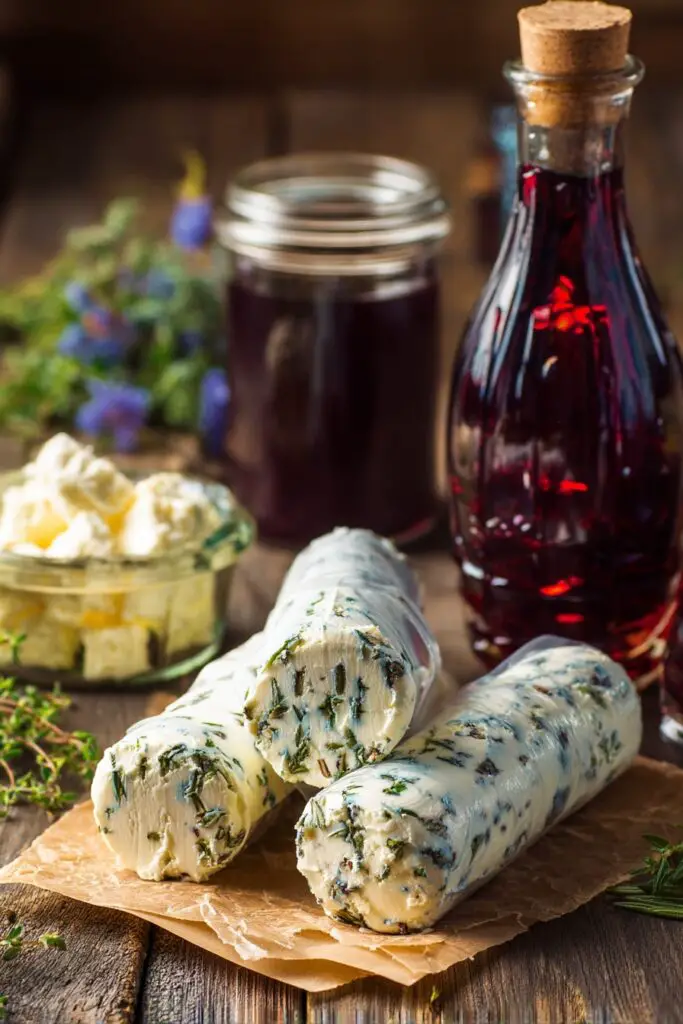
For a more gourmet approach to storing herbs, combining them with wine, butter, or cheese not only extends their shelf life but also enhances the richness of everyday dishes. These methods are especially useful for tender herbs and can turn simple meals into something memorable.
Herbal Wine
Herbal wines are a creative and flavorful way to preserve delicate herbs.
- Add washed herbs like basil, tarragon, or dill to a clean glass jar
- Pour in red or white wine until herbs are fully submerged
- Seal and let infuse for several days in a cool, dark place
- Strain and store the flavored wine in a bottle with a tight cap
Use this infusion for dressings, sauces, or even desserts.
Herb Butters
Herbed butters are perfect for finishing meats, vegetables, or spreading on fresh bread.
- Soften unsalted butter at room temperature
- Mix in finely chopped herbs like parsley, thyme, chives, or sage
- Add garlic, lemon zest, or salt to taste
- Roll into a log using wax paper or plastic wrap, chill, and slice as needed
Herbed Cheeses
Combining herbs with soft cheeses creates delicious spreads and snacks.
- Mix chopped fresh herbs into cream cheese, goat cheese, or feta
- For feta, store cubes in olive oil with herbs for added depth
- Pack into jars or ramekins, refrigerate, and use within a week
These are perfect for appetizers, sandwiches, or adding to pasta.
Conclusion
Storing herbs properly ensures you never let your garden’s bounty go to waste. Whether you prefer to dry, freeze, or preserve them in oil, vinegar, or cheese, each method offers a unique way to keep herbs fresh and flavorful. By understanding which techniques work best for different types of herbs, you can enjoy their taste and benefits all year round. With a little preparation, those fragrant leaves you harvested can continue to enhance your meals, save you money, and reduce waste — one jar, cube, or bottle at a time.