
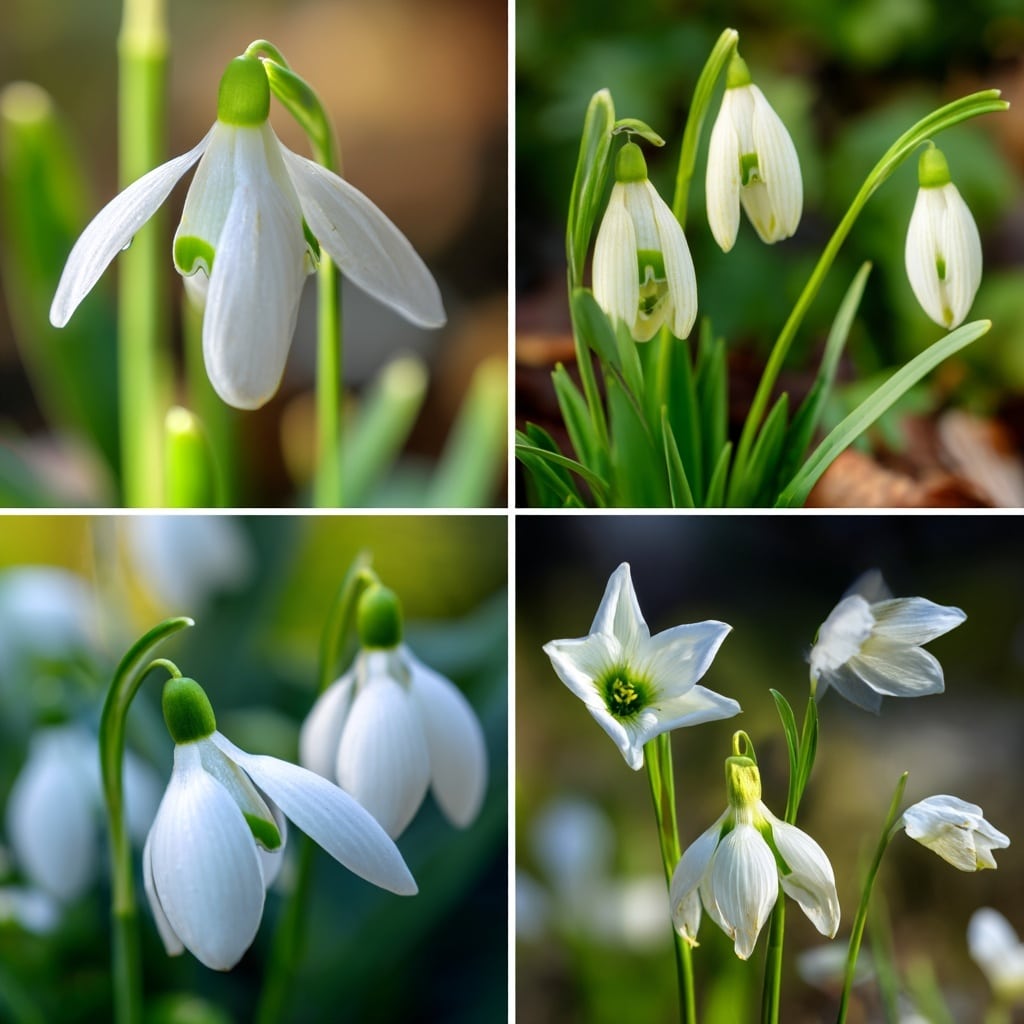
Snowdrop flower is one of the first signs that winter is fading and spring is on the horizon. These dainty white blooms, often pushing through patches of melting snow, bring hope and subtle beauty to gardens across colder climates. Beloved for their low-maintenance nature and ability to naturalize easily, snowdrops offer gardeners a reliable burst of charm when little else is blooming.
Despite their delicate appearance, snowdrop flowers are surprisingly hardy. They thrive under trees, along borders, and even in spots where other flowers may struggle. Whether you’re planning your first bulb garden or adding to an established landscape, snowdrops are a timeless choice that require minimal effort for reliable early-season color.
Table of Contents
🌿 Basic Snowdrop Flower Care Guide

Once planted correctly, the snowdrop flower is one of the easiest spring bulbs to care for. It needs very little attention to thrive, especially in temperate regions with natural winter chill and spring moisture. Here’s what you need to know to give your snowdrops a healthy start.
🧤 Planting Snowdrop Bulbs
- Plant in fall, ideally in September or October, before the first hard frost.
- Depth: Place bulbs about 3 inches deep, with the pointed end facing up.
- Spacing: For a naturalized look, plant in clusters of 10–25 bulbs, spaced just a few inches apart.
- Always loosen the soil before planting to allow easy root development.
Snowdrop bulbs dry out quickly, so plant them soon after purchasing.
💧 Watering Needs
In cooler climates, snowdrops typically don’t need extra watering—rainfall and snowmelt are often enough.
In warmer zones or during dry winters, give the bulbs an occasional deep watering to keep the soil slightly moist.
- Cool climates: Minimal watering
- Warm zones (6–7): Water during dry spells in winter and early spring
🌱 Drainage Is Essential
Like many bulbs, the snowdrop flower will not tolerate soggy soil. Good drainage prevents rot and promotes healthy root growth.
- Avoid planting in heavy clay unless you amend it with compost or sand.
- Raised beds or sloped areas are ideal planting spots.
☀️ Light & Location: Where Snowdrop Flowers Grow Best
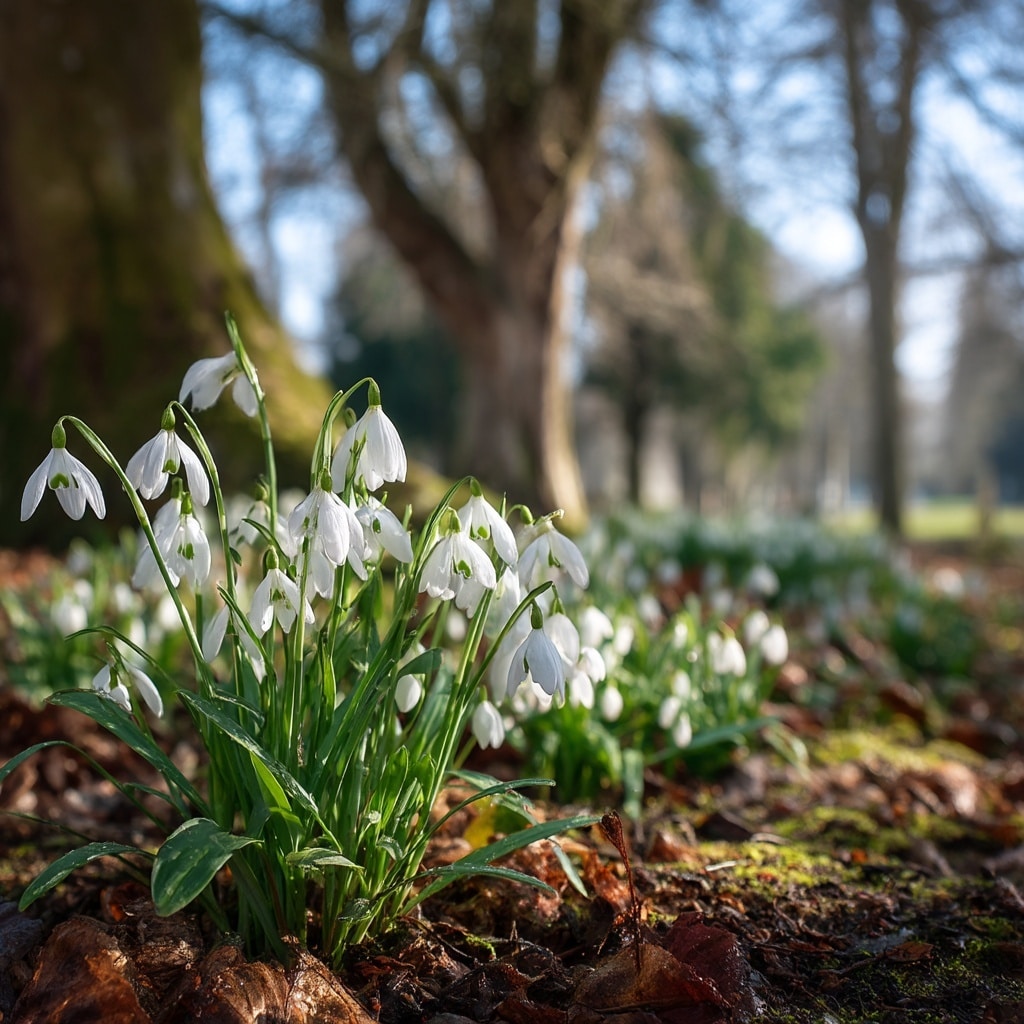
The snowdrop flower is wonderfully adaptable when it comes to sunlight. Its growth cycle is cleverly timed to bloom before trees leaf out, making it ideal for areas that might later be shaded.
🌳 Perfect for Under Trees
Snowdrops thrive beneath deciduous trees like maples and oaks. Since they bloom in late winter or early spring—before tree canopies form—they get plenty of light early on, even in spots that turn shady later.
- Great for using otherwise underutilized areas
- Companion well with other early bulbs like crocus and winter aconite
☀️ Sunlight Requirements
- Ideal: Full sun to partial shade
- Daily sunlight: Around 4–6 hours during early spring is usually enough
- Too much shade in early spring can reduce flowering, so avoid dense evergreen cover.
Even though snowdrops tolerate some shade, they do need that early-season sun to bloom at their best.
🌱 Soil & Fertilizing Tips for Healthy Snowdrop Flower Growth
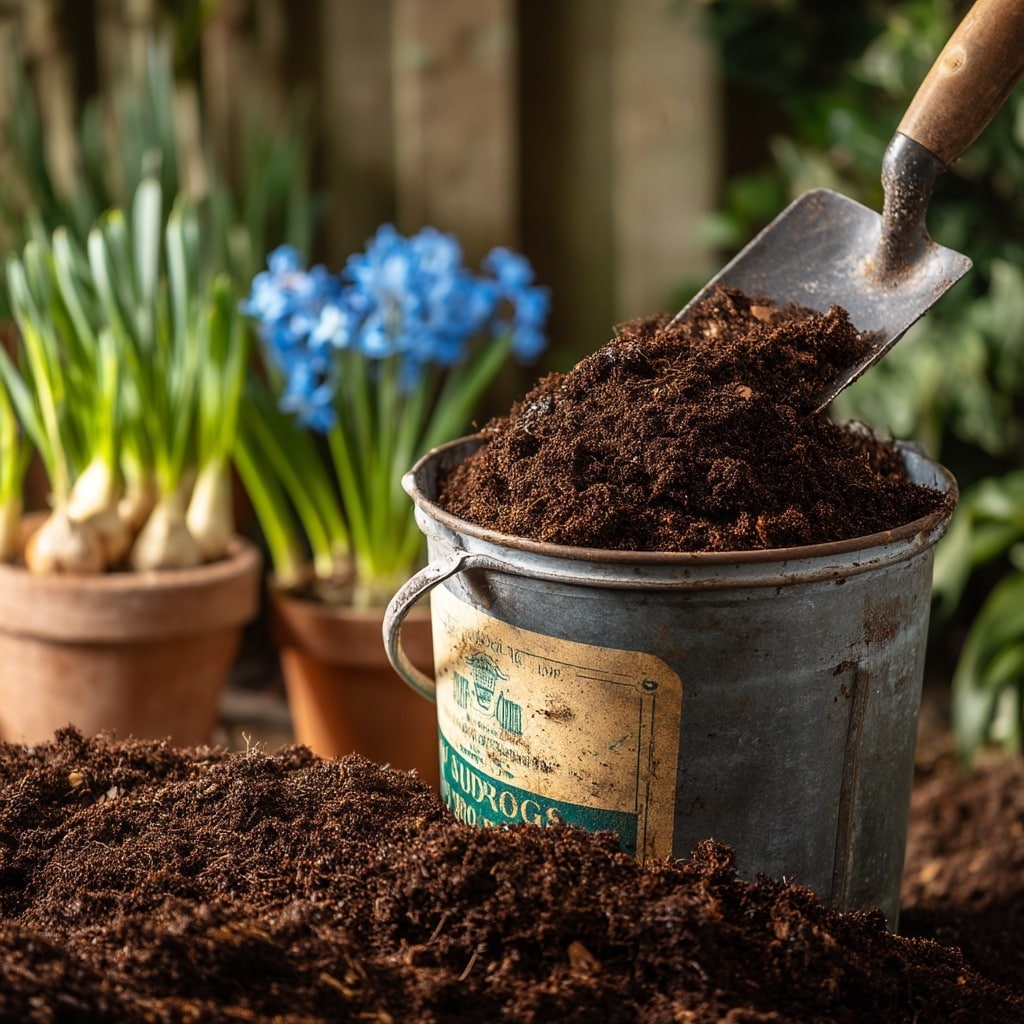
To thrive year after year, the snowdrop flower prefers soil that mimics its woodland origins—loose, moist, and rich in organic matter. The right soil ensures strong roots, consistent blooming, and long-term naturalization.
🧂 Soil Requirements
- Texture: Light, loamy, and well-draining
- pH level: Neutral to slightly acidic (around 6.5 is ideal)
- Amendments: Mix in compost, leaf mold, or aged manure before planting
Avoid compacted or heavy clay soils, which hold too much moisture and can lead to bulb rot. If planting in clay, improve drainage by adding sand or grit.
🌿 Fertilizing Snowdrops
Snowdrops are light feeders, but a little nourishment can support stronger growth:
- At planting: Use a balanced bulb fertilizer or bone meal in the fall
- Each year: Top-dress with compost or organic mulch in late autumn
- Avoid overfeeding: Too much nitrogen encourages leaves, not flowers
A healthy snowdrop patch needs more humus than high-powered fertilizer. Organic matter goes a long way.
🌡️ Temperature & Climate Zones for Snowdrop Flower Success
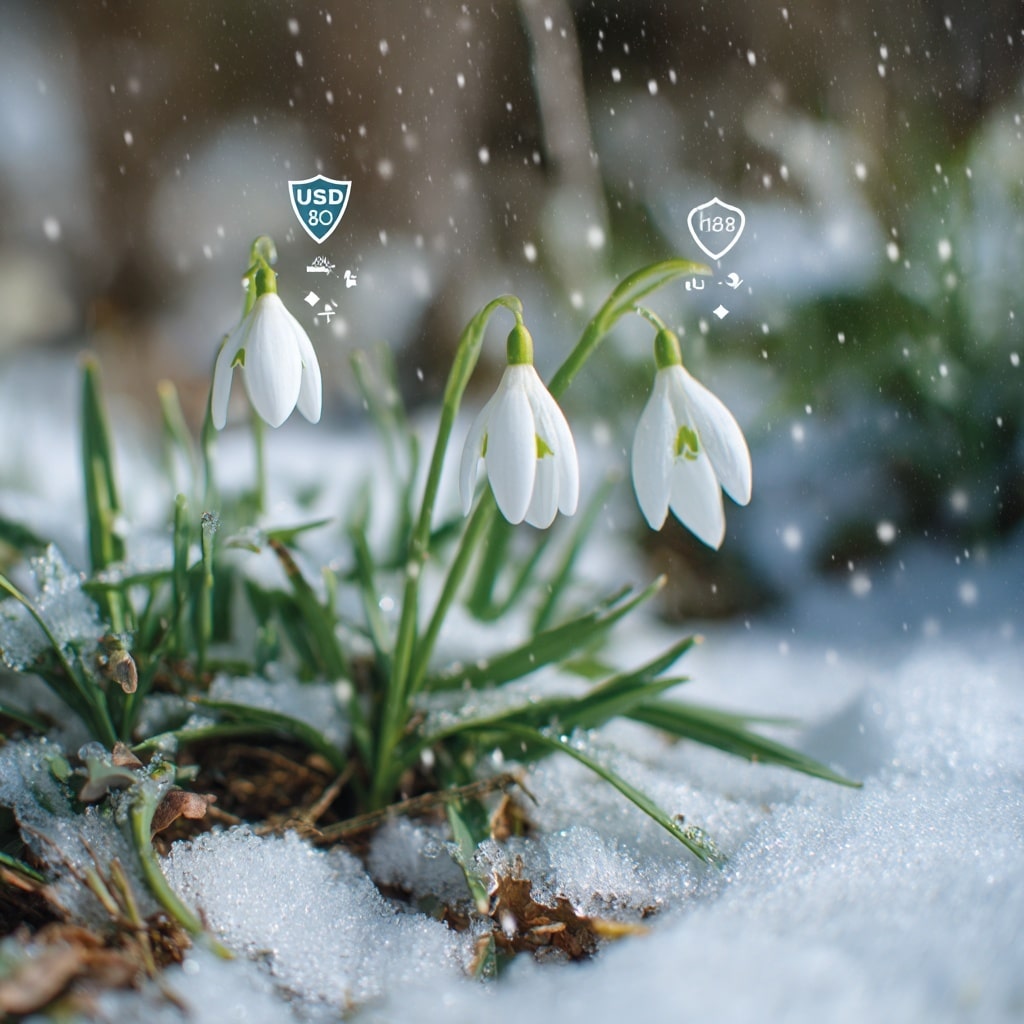
The snowdrop flower is built for cold climates. In fact, it thrives where winters are long and chilling temperatures are the norm. This early bloomer relies on a period of cold dormancy to trigger healthy flowering in spring.
🌍 Ideal USDA Hardiness Zones
- Best suited for zones: 3 to 7
- Too warm? In zones 8 and above, snowdrops may struggle or lose vigor
- In warmer climates, they may need extra shade and moisture to survive
❄️ Winter Chilling Is Essential
Snowdrop bulbs need a natural cold period (vernalization) in winter to break dormancy and stimulate spring flowering. This makes them an ideal choice for northern and temperate gardens.
If you live in a mild winter region and want to try growing snowdrops, consider pre-chilling bulbs in the fridge for 8–10 weeks before planting.
💧 Humidity Considerations
Snowdrops prefer cool, dry air during their active season. High humidity combined with heat (common in southern regions) can lead to rot or poor growth.
🌼 Varieties of Snowdrop Flower You Can Grow
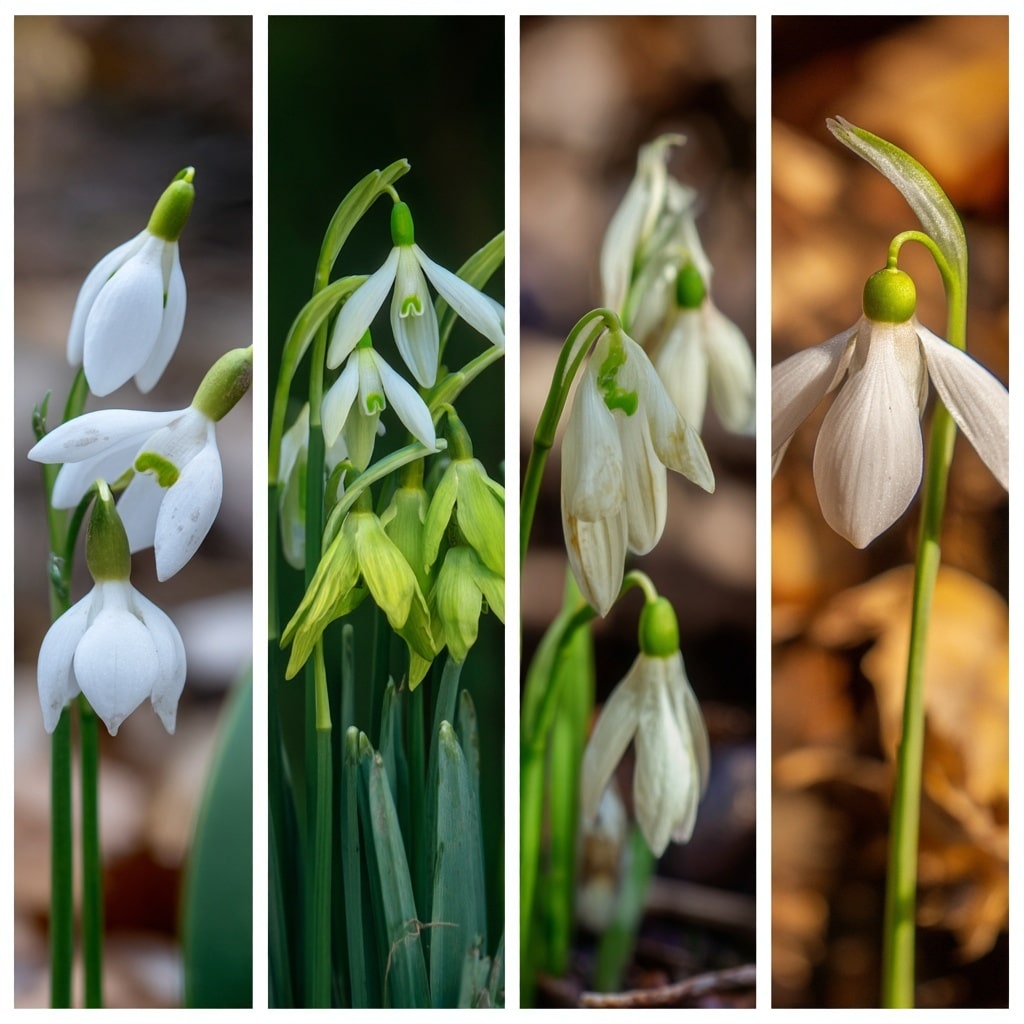
Though often thought of as a single type of plant, the snowdrop flower comes in several unique varieties. Each one shares the iconic white, nodding bloom—but with subtle differences in size, markings, and bloom time.
🌿 Popular Snowdrop Types
Galanthus nivalis
- The classic common snowdrop
- Grows 4–6 inches tall
- Blooms early, even through snow
- Very cold-hardy (zones 3–7)
Galanthus elwesii
- Known as the giant snowdrop
- Taller (up to 10 inches)
- Larger flowers with bold inner markings
- Slightly later blooming, but still early spring
Galanthus ‘Flore Pleno’
- A double-flowered variety
- Dense, ruffled petals
- Visually stunning but still dainty
Galanthus ‘Viride Apice’
- Notable for its green-tipped petals
- A unique twist on the classic look
🌸 Snowdrop vs. Snowflake: What’s the Difference?
It’s easy to confuse snowdrops with snowflakes (Leucojum spp.), but they’re different plants:
| Feature | Snowdrop (Galanthus) | Snowflake (Leucojum) |
|---|---|---|
| Petal Shape | Inner and outer petals differ | All petals same length |
| Bloom Time | Late winter to early spring | Spring to early summer |
| Flower Count | 1–2 per stem | Up to 6 per stem |
| Size | 4–10 inches tall | 12–18 inches tall |
If you like snowdrops but want a longer blooming cousin, snowflakes are a good addition.
✂️ Do You Prune or Deadhead Snowdrop Flowers?
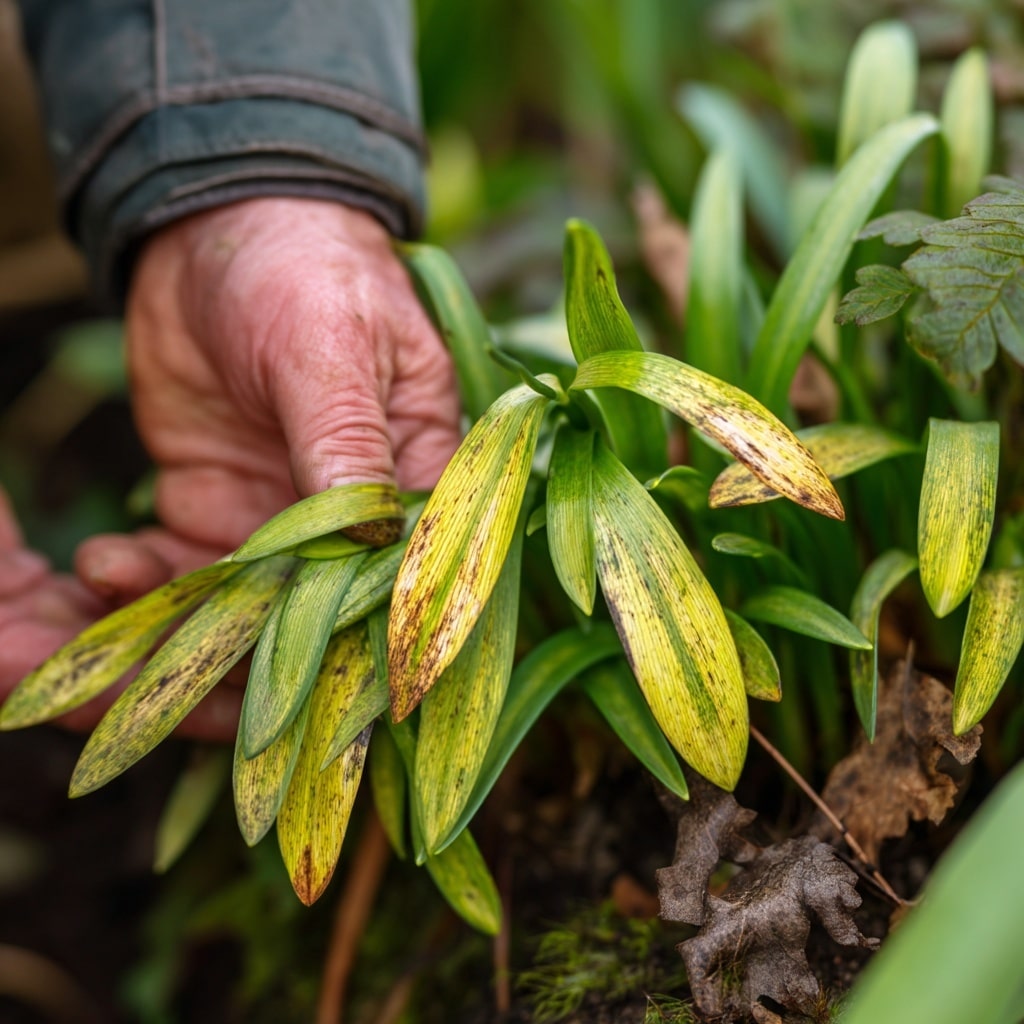
One of the best things about the snowdrop flower is how little maintenance it requires after blooming. In fact, pruning or deadheading is not only unnecessary—it’s discouraged.
🚫 No Need to Prune or Deadhead
- Don’t cut back the flowers or foliage after blooming
- The leaves continue to feed the bulb through photosynthesis
- Cutting them too early can weaken the bulb and reduce next year’s bloom
Allow the foliage to wither and yellow naturally, then either let it decompose into the soil or gently remove it when it detaches on its own.
🕓 When to Clean Up
- Wait until late spring or early summer, when leaves have fully died back
- If you’re planting over or near them, use plant labels to mark their location
- Once dormant, snowdrop bulbs stay underground and won’t appear again until next winter ends
Letting the plant complete its natural life cycle ensures a strong return the following year.
WebPilot said:
🌱 How to Propagate Snowdrop Flower Bulbs the Easy Way
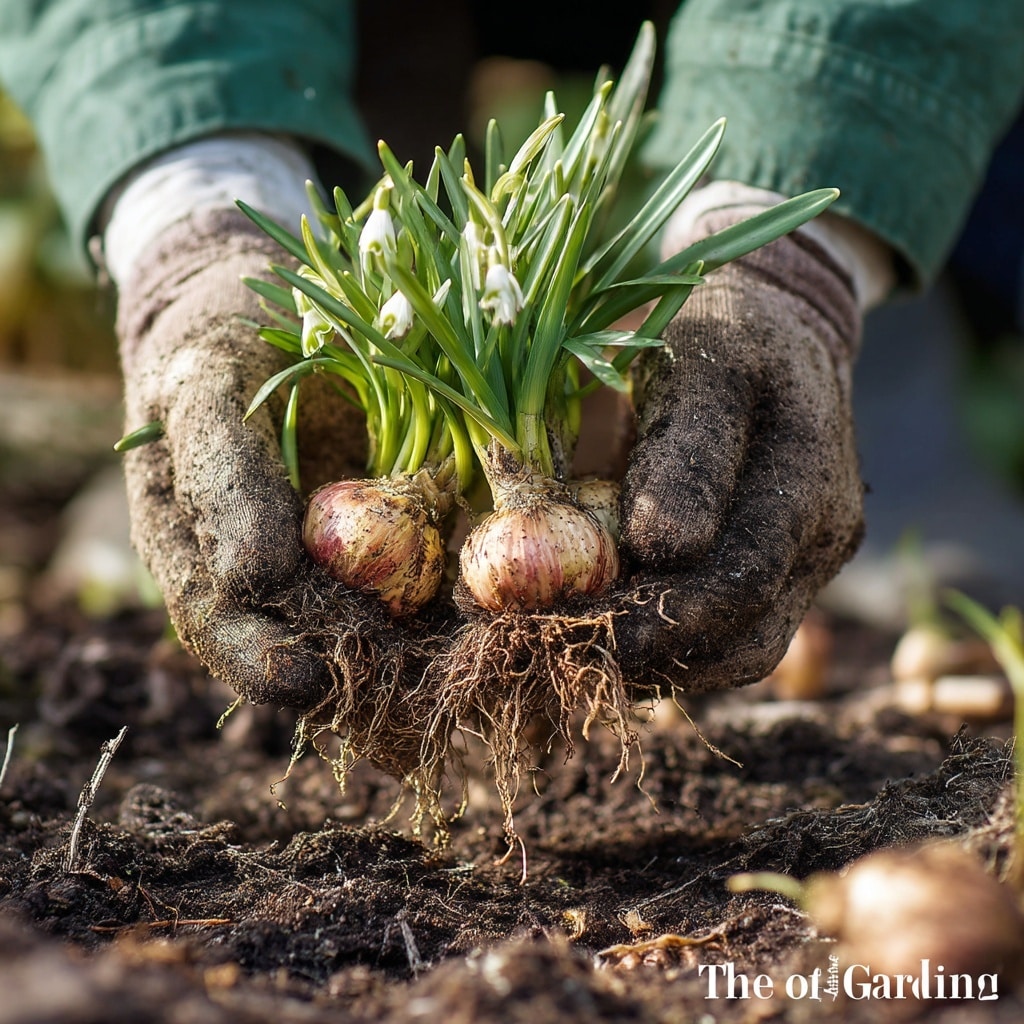
If your snowdrop flower patch is thriving, you’ll eventually notice it spreading on its own. That’s because snowdrops naturally multiply via bulb offsets. With a little help, you can speed up this process and expand your garden display with minimal effort.
🔄 The Division Method (Best Way to Propagate)
This is the most common and reliable way to propagate snowdrops:
- Wait until after flowering in early spring, while leaves are still green.
- Gently lift a clump using a garden fork or trowel.
- Separate the bulbs, keeping the roots attached if possible.
- Replant immediately at the same depth (around 3 inches).
- Water well to help them settle in and reestablish.
This method is often called “lifting in the green” and gives the new bulbs a head start for next season.
🐜 Natural Seeding (Low-Maintenance Option)
Snowdrops also spread by self-seeding, especially when left undisturbed in a woodland-style bed. Ants often help move the seeds underground—a natural gardening bonus!
However, this process is slow and less predictable, so most gardeners prefer bulb division for faster results.
🌸 Caring for Snowdrop Flower After It Blooms
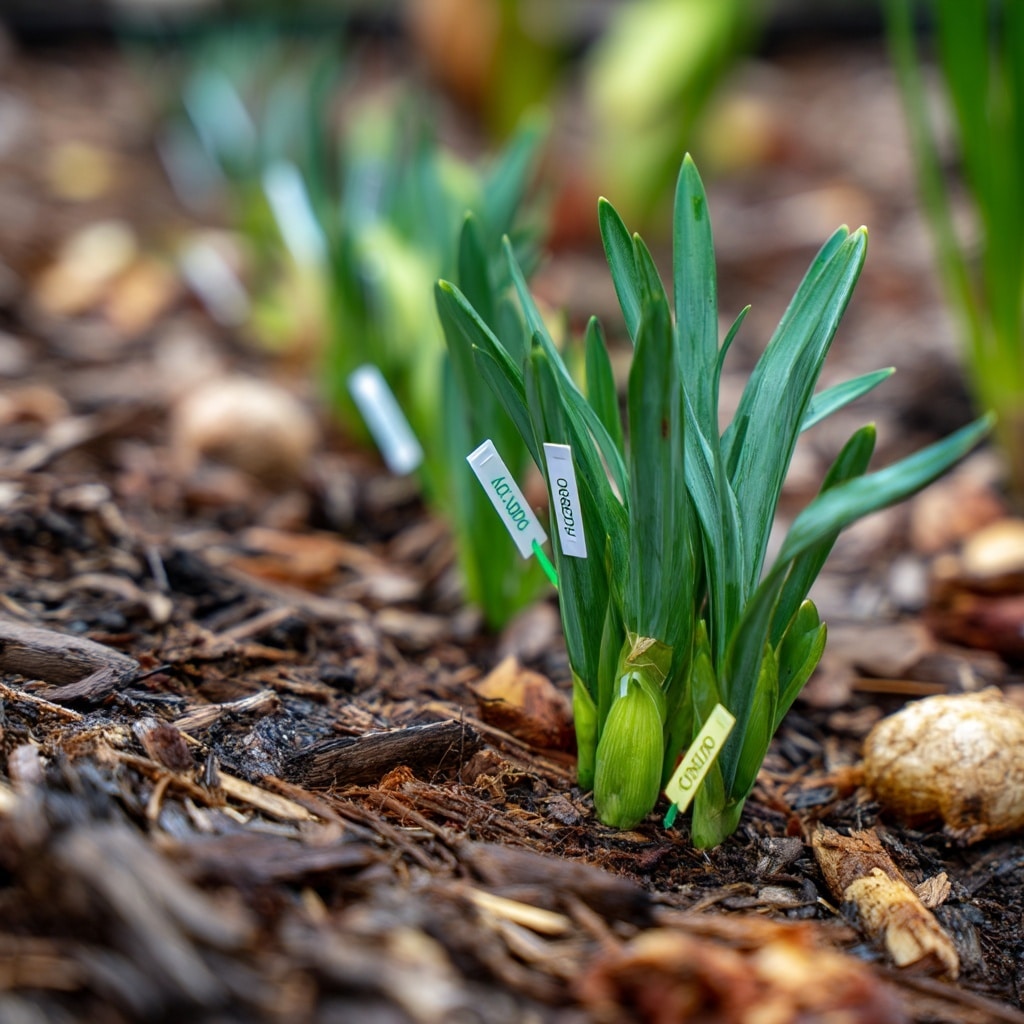
After their charming late-winter display, snowdrop flowers quietly fade back into the soil. What you do—or don’t do—after they bloom plays a big role in how well they return next season.
🍂 Let the Foliage Die Back Naturally
- Don’t cut the leaves immediately after blooming
- The green foliage feeds the bulb for next year’s growth
- Wait until the leaves turn yellow or brown before removing them
If you’re worried about bare spots, plant snowdrops near perennials that leaf out later in spring to cover the area.
🏷️ Mark the Spot
Since snowdrops go dormant by early summer, it’s easy to forget where they were planted. Use plant markers or garden labels to avoid disturbing the bulbs when digging or planting nearby.
🌾 Leave the Bulbs in Place
- No need to dig them up unless you’re dividing
- If left undisturbed in good soil, snowdrop bulbs will multiply year after year
🛡️ Pests, Diseases & Troubleshooting Tips for Snowdrop Flower
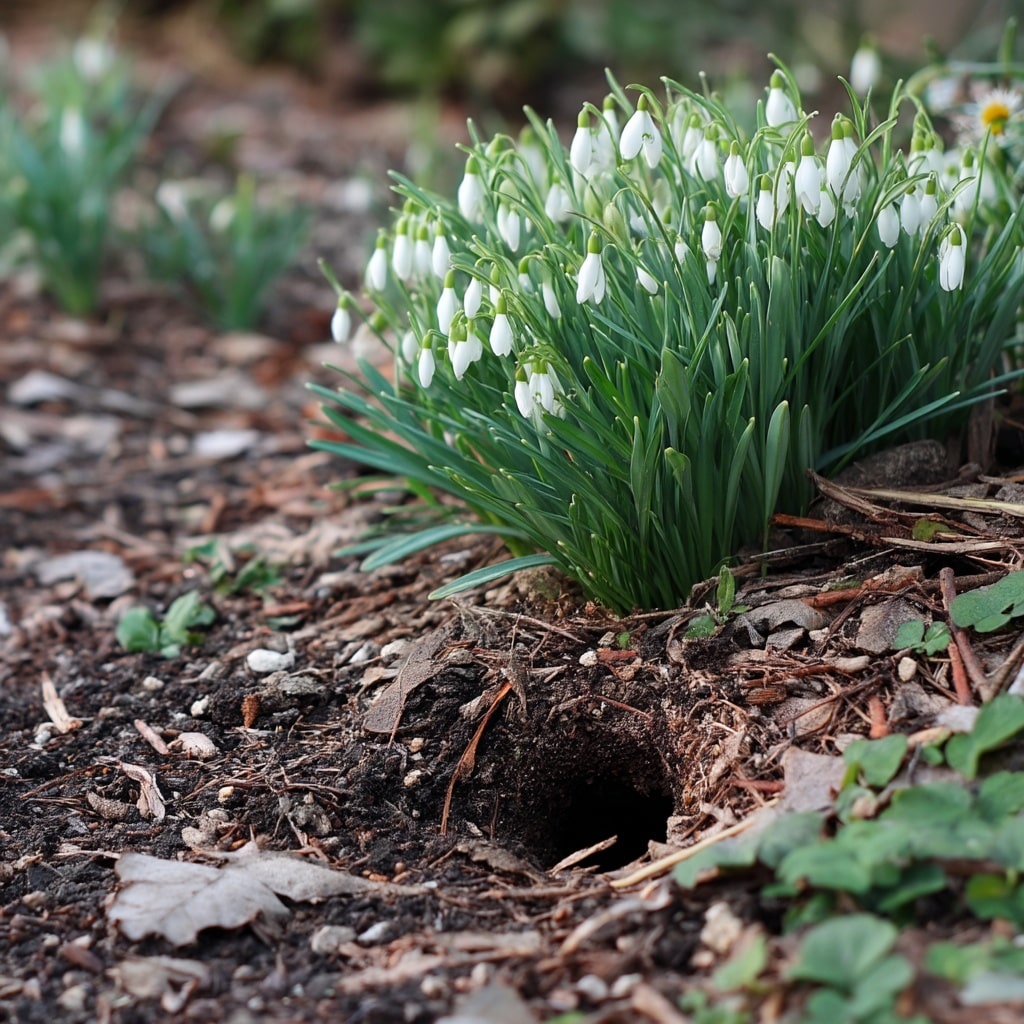
One of the biggest reasons gardeners love the snowdrop flower is its resilience. These bulbs are rarely bothered by pests or diseases and generally require no intervention to stay healthy.
🐌 Pests to Watch For
- Deer and rabbits: Usually ignore snowdrops due to their toxicity
- Moles: Don’t eat bulbs but may dislodge them while digging for insects
- Slugs and snails: Rarely a problem, but may nibble emerging foliage in damp conditions
🦠 Disease Concerns
- Bulb rot: The only real risk, typically caused by poor drainage or soggy soil
- To prevent this:
- Avoid overwatering
- Use well-draining soil
- Plant on slight slopes or raised beds in clay-heavy areas
⚠️ Troubleshooting Non-Blooming Snowdrops
If your snowdrops come up with leaves but fail to flower, consider:
- Bulbs planted too shallow or too deep
- Overcrowding — time to lift and divide
- Too much shade in early spring
- Bulbs didn’t get a proper cold period over winter
Healthy snowdrops in the right conditions almost always bloom without coaxing.
📅 When Do Snowdrop Flowers Bloom & How Long Do They Last?
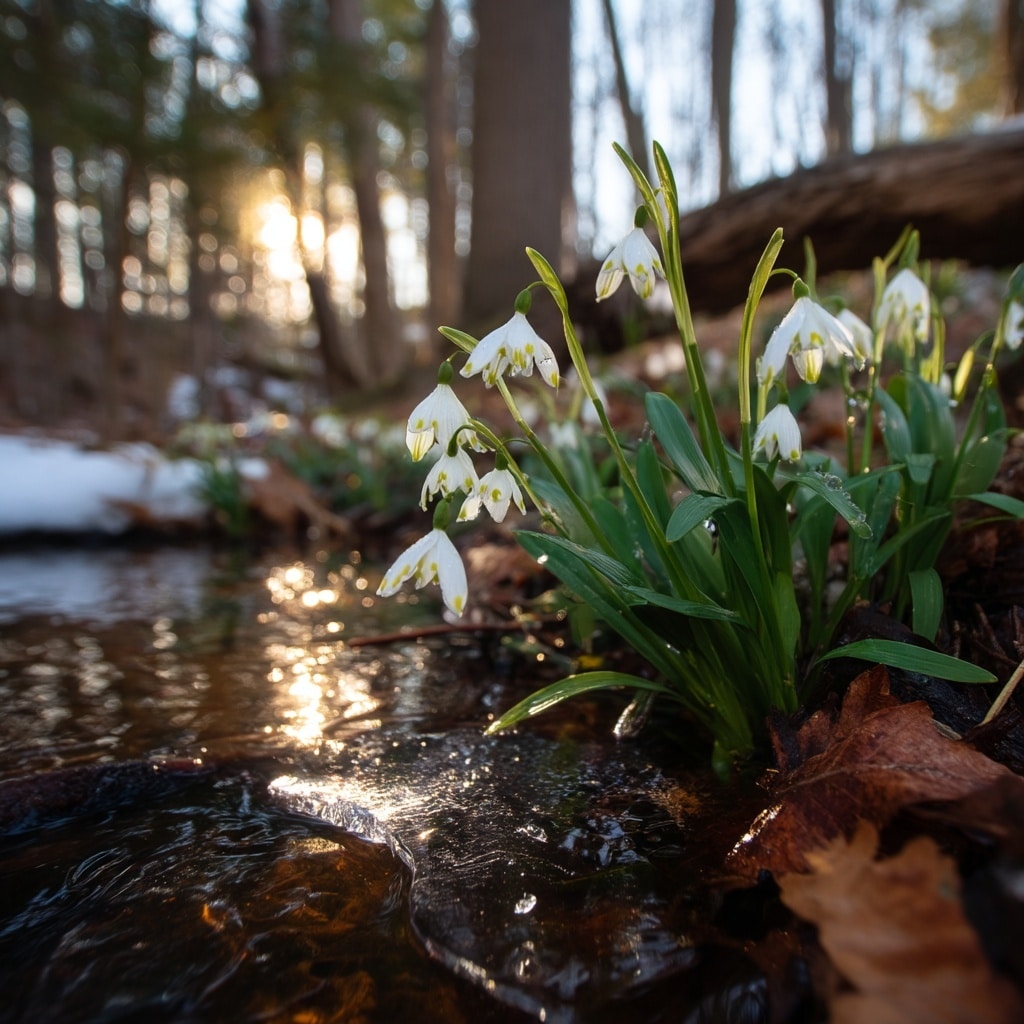
The snowdrop flower is one of the very first plants to bloom as winter fades—often appearing while snow is still on the ground. Their early arrival and delicate white blossoms make them a favorite among gardeners who long for signs of spring.
🗓️ Blooming Season
- Typical bloom time: Late winter to early spring
- Depending on your region, you may see flowers as early as February
- In colder zones, blooming might occur in March, just as snow begins to melt
⏳ How Long Do Snowdrops Bloom?
- Each flower typically lasts 2–3 weeks
- A healthy clump will bloom in succession, giving you up to a month of floral interest
- Cooler weather extends bloom time, while warm spells may shorten it
🌬️ Why They’re So Special
- Few flowers bloom so early in the season, making snowdrops a standout
- They provide early food for pollinators, especially bees emerging from hibernation
- Their stark white petals create beautiful contrast against dull, wintry backdrops
To extend bloom time across your garden, plant multiple varieties with slightly staggered bloom periods.
🌼 What Do Snowdrop Flowers Look Like? (+ Scent Info)
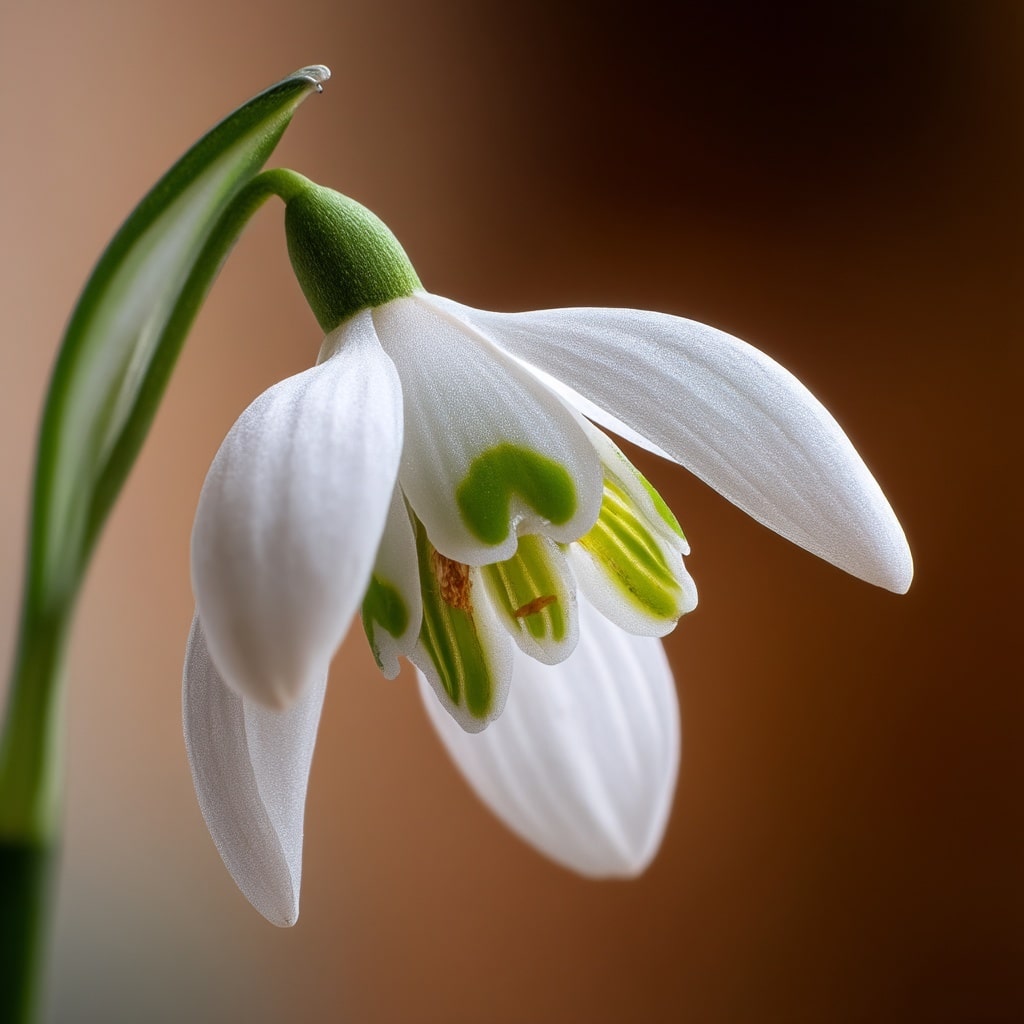
Though small in size, the snowdrop flower offers a striking presence in late winter. Its elegant, nodding shape and soft white petals give it a delicate charm that stands out against bare soil or melting snow.
🌸 Appearance
- Height: Typically 4 to 10 inches tall
- Flower shape: One bell-shaped flower per stalk, hanging like a teardrop
- Petals:
- 3 longer outer petals arch outward
- 3 shorter inner petals, often marked with green tips or dots
- Stem: Smooth and leafless, with narrow, grass-like foliage at the base
👃 Fragrance
- Snowdrop flowers have a mild, sweet scent
- Often compared to creamy almond or light honey
- The fragrance is subtle but noticeable when blooms are planted in masses
While their visual appeal is most prominent, their scent adds an extra touch of sensory delight—especially in early spring when few other flowers are blooming.
✅ Final Care Tips + Encouragement for Growing Snowdrop Flower
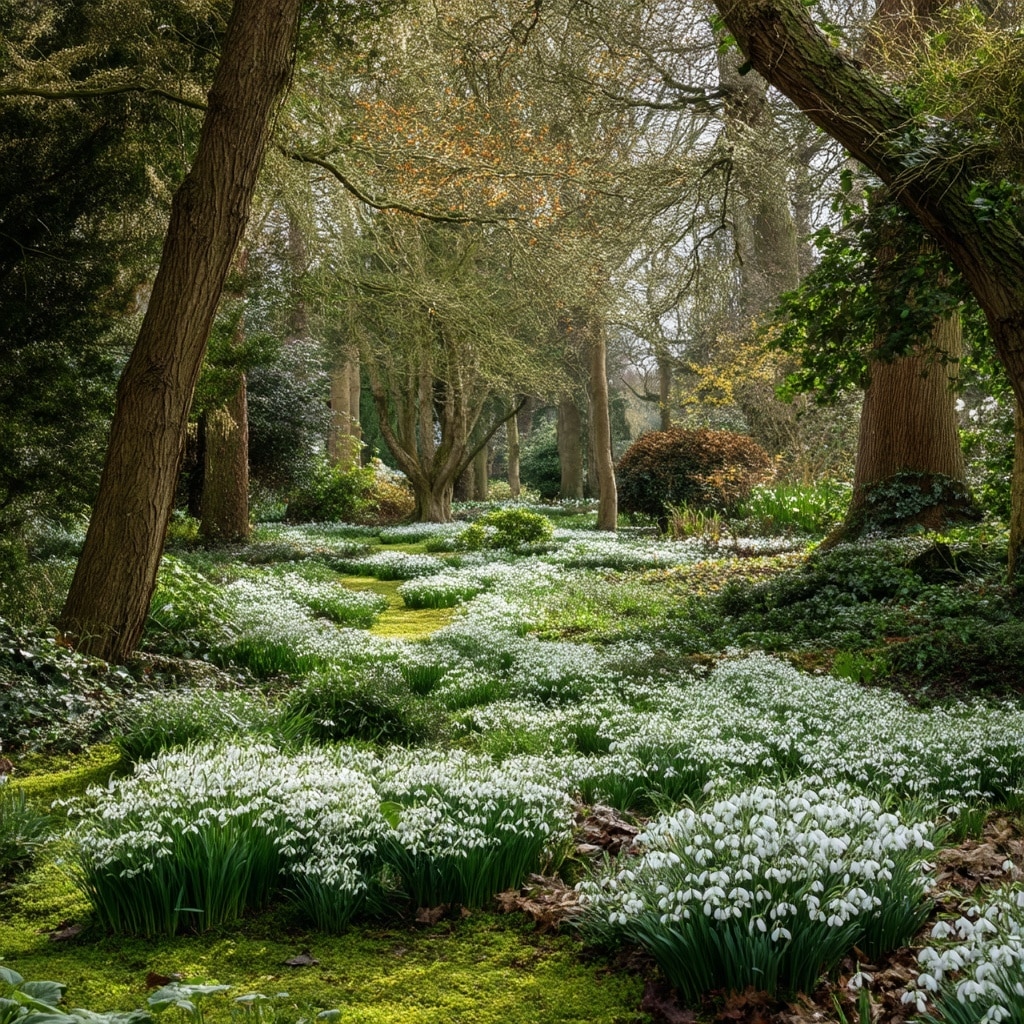
If you’re looking for a plant that brings quiet beauty, signals the end of winter, and asks for little in return, the snowdrop flower is the perfect choice. Once established, these bulbs can return and multiply for decades with minimal upkeep.