
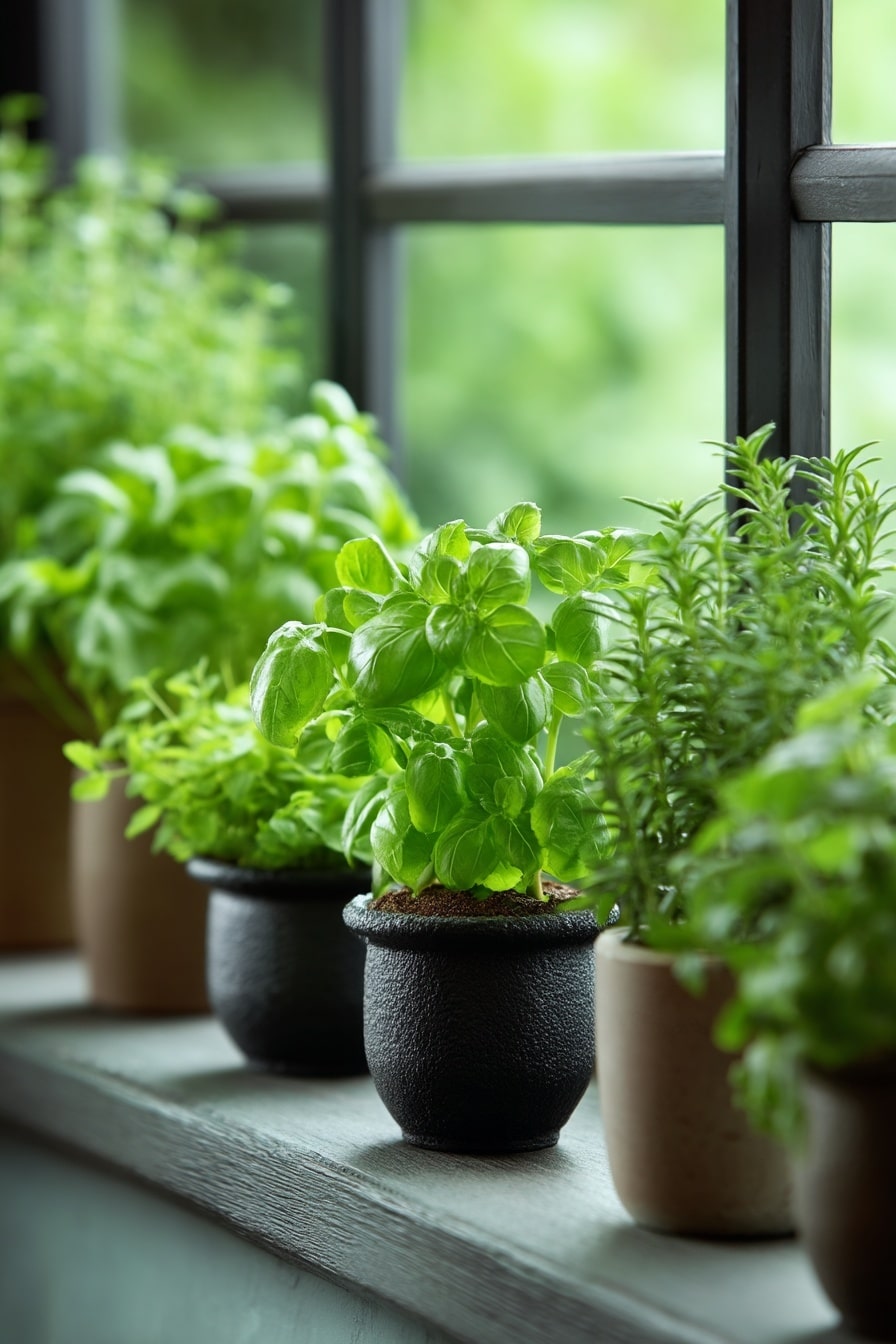
Herb gardening indoors allows you to enjoy fresh flavor and greenery all year long. Whether you live in an apartment or simply want easy access to fresh leaves near your kitchen, growing a herb indoors is practical and rewarding.
An indoor herb setup gives you control over light, soil, and watering conditions. With proper planning, a herb can thrive on a sunny windowsill, countertop, or under supplemental lighting.
Success depends on understanding how indoor conditions differ from outdoor gardens. Light levels, humidity, and container choices all influence how well each herb performs.
This guide explains how to grow a healthy herb indoors using simple, reliable methods that work for beginners and experienced gardeners alike.
Table of Contents
1. Light and Sunlight Needs

Light is the most important factor when growing a herb indoors. Without enough sunlight, a herb becomes weak, leggy, and pale.
Most types of herb require at least 6 hours of bright light daily. A south- or southwest-facing window usually provides the strongest natural exposure. East-facing windows can work well for a herb that prefers moderate light.
If natural sunlight is limited, supplemental grow lights can help maintain steady growth. Position lights 6 to 12 inches above each herb and keep them on for 12 to 16 hours per day.
Rotate containers weekly so every side of the herb receives even light. This prevents leaning stems and uneven growth.
Watch for signs of poor lighting:
- Thin, stretched stems
- Small leaves
- Faded color
Adjust placement quickly to keep your herb compact and productive.
If you have a guide on grow lights or improving indoor plant lighting, this would be an excellent place to link internally.
2. Temperature and Humidity
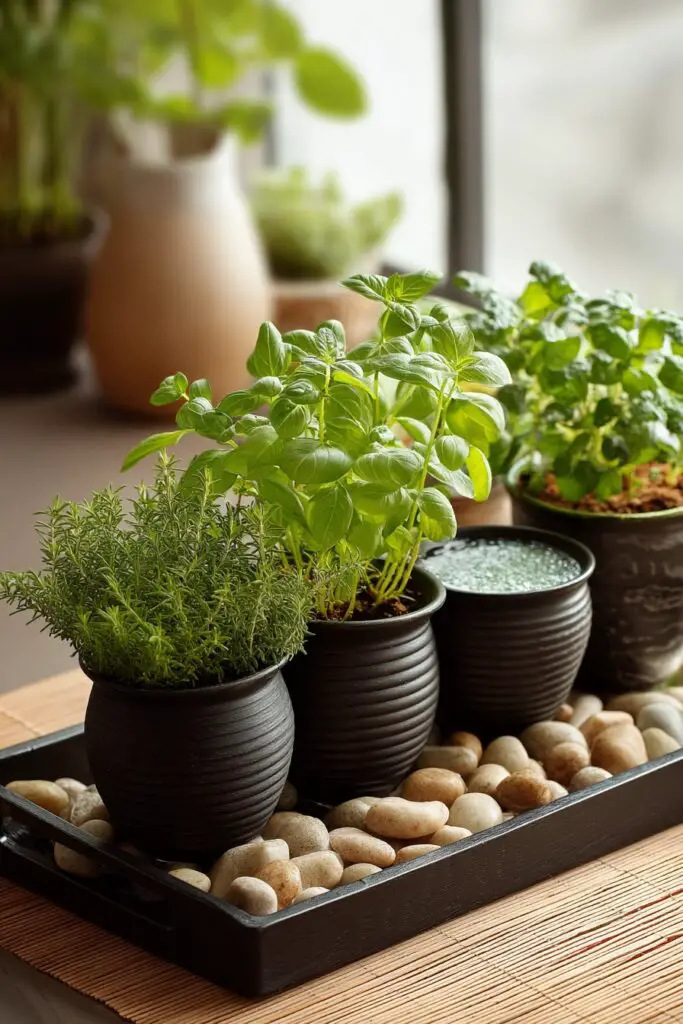
Temperature plays a key role in keeping each herb healthy indoors. Most culinary varieties grow best in temperatures between 65°F and 75°F (18°C to 24°C) during the day.
Night temperatures can drop slightly, but avoid placing a herb near cold drafts, air conditioners, or heating vents. Sudden fluctuations stress plants and slow growth.
Indoor air can also be dry, especially during winter. A herb may struggle if humidity levels fall too low.
To improve conditions:
- Group plants together to increase local humidity
- Place containers on a tray filled with pebbles and water
- Keep a herb away from direct heat sources
- Ensure gentle air circulation to prevent fungal issues
Good airflow helps strengthen stems and reduce disease risk. A small fan on low speed can improve circulation without drying out the herb.
If you have an article about indoor plant care during winter, linking it here would support readers maintaining their herb successfully year-round.
3. Containers and Potting Mix
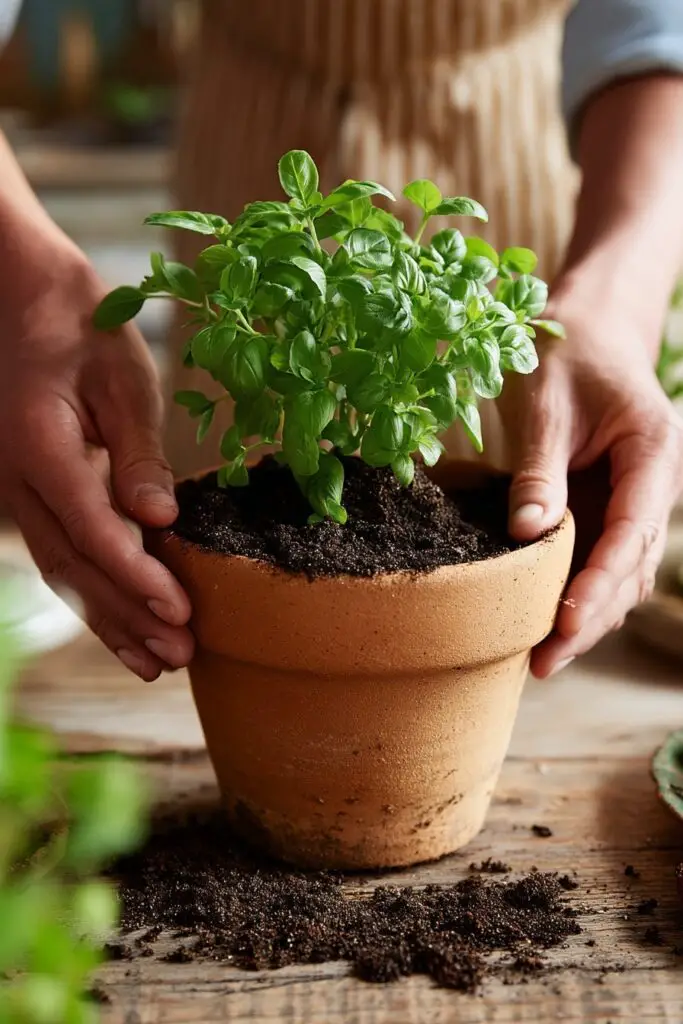
Choosing the right container is essential for a healthy herb indoors. Proper drainage prevents root rot and keeps the growing medium balanced.
Always select a pot with drainage holes. Even a hardy herb will decline if excess water collects at the bottom. Terracotta pots allow moisture to evaporate more easily, while plastic containers retain moisture longer.
Container size should match the mature growth of each herb. Small herbs like chives can grow in compact pots, while basil or rosemary require deeper containers for strong root development.
Equally important is the potting mix. Garden soil is too heavy for indoor use and may contain pests.
Use a lightweight, well-draining potting mix that:
- Retains moisture without becoming soggy
- Contains organic matter for nutrients
- Promotes good airflow around roots
Refresh the top layer of soil occasionally to maintain fertility and prevent compaction.
If you’ve written about choosing containers for indoor plants or improving potting soil, this section is a good opportunity for internal linking.
4. Watering and Care Routine
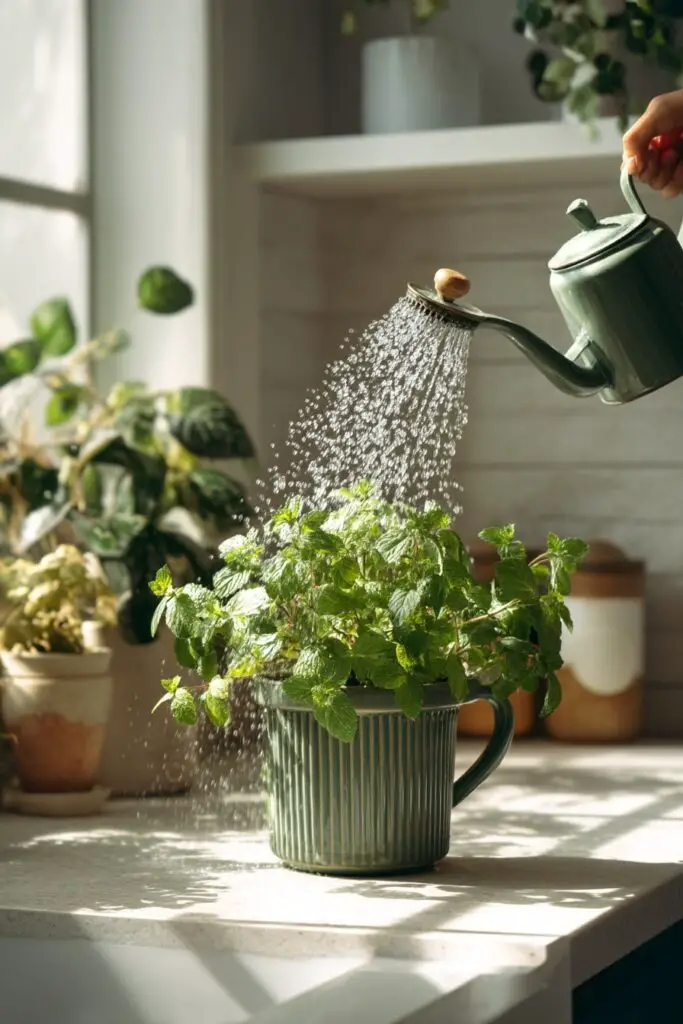
Proper watering keeps each herb healthy and productive indoors. Overwatering is the most common mistake, often causing yellow leaves and root problems.
Before watering, check the top inch of soil. If it feels dry, your herb likely needs moisture. If it still feels damp, wait another day.
Water thoroughly until excess drains from the bottom of the pot. Empty any saucers so the herb does not sit in standing water.
Indoor environments dry out differently depending on light and temperature. Monitor each herb individually rather than following a strict schedule.
For steady growth:
- Remove yellowing leaves promptly
- Pinch back tips to encourage bushier growth
- Rotate containers weekly
- Fertilize lightly once a month with diluted liquid feed
Regular trimming strengthens the herb and prevents it from becoming leggy.
If you have an article on pruning edible plants or natural fertilizers, linking it here would help readers care for their herb more effectively.
5. Best Herbs for Indoors
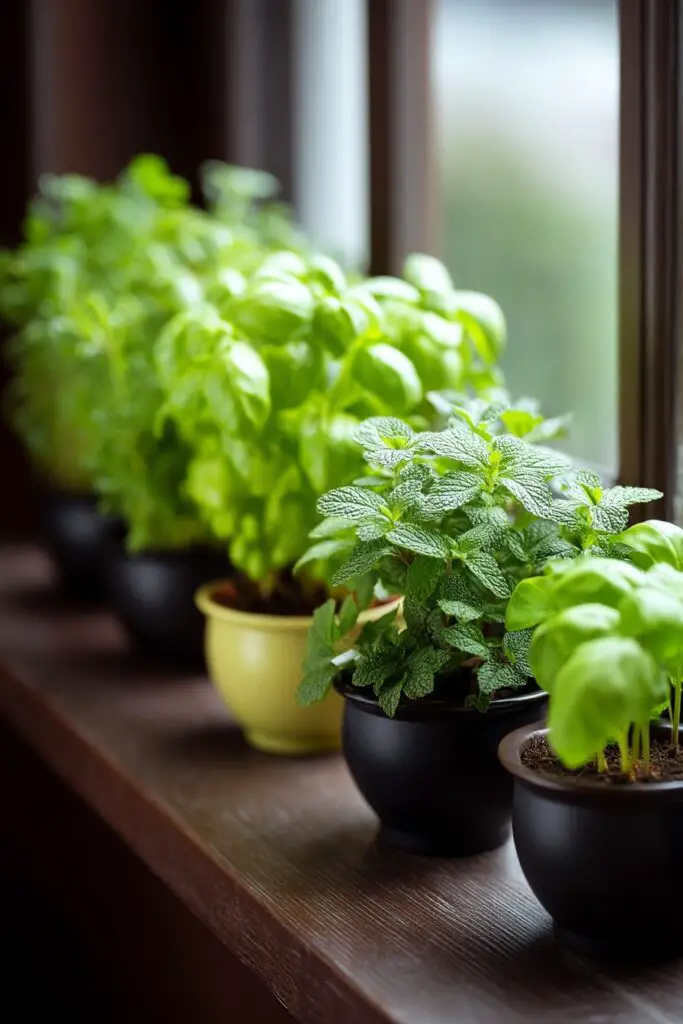
Not every herb adapts well to indoor conditions. Choosing suitable varieties increases your chances of success.
The best indoor herb options are compact, adaptable, and tolerant of container life.
Reliable choices include:
- Basil – Grows well in bright light and responds well to frequent trimming.
- Parsley – Tolerates moderate light and steady moisture.
- Chives – Compact and easy to maintain in small pots.
- Mint – Thrives indoors but should be kept in its own container.
- Thyme – Prefers well-drained soil and bright conditions.
- Oregano – Performs well with strong light and moderate watering.
Each herb has slightly different needs, so adjust light and watering accordingly.
Avoid overcrowding multiple types in a single pot. Giving each herb its own container improves airflow and reduces competition.
If you have individual plant care guides for basil, mint, or thyme, linking them here would strengthen your internal structure and help readers grow each herb successfully.
Tips for Year-Round Success
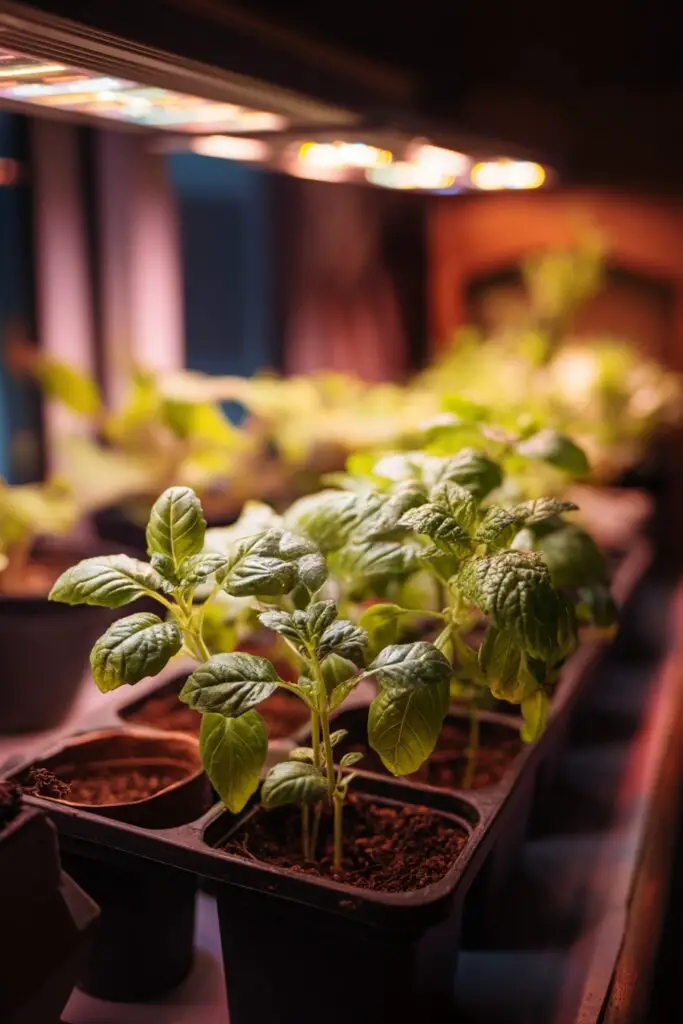
Keeping a herb productive throughout the year requires small, consistent adjustments. Indoor conditions change with the seasons, so regular monitoring helps maintain steady growth.
During winter, daylight hours decrease. You may need to extend artificial lighting to keep each herb from becoming weak. Rotate pots often so stems grow evenly toward the light source.
In warmer months, indoor temperatures may rise. Check soil moisture more frequently, as a herb can dry out faster in bright conditions.
For ongoing success:
- Harvest regularly to stimulate new growth
- Replace older plants when productivity declines
- Refresh potting mix annually
- Clean leaves occasionally to remove dust buildup
Pay attention to subtle changes. Yellowing leaves, drooping stems, or slow growth often signal minor adjustments are needed.
A well-maintained herb indoors can remain productive for many months with proper care.
Conclusion
Growing a herb indoors is a simple way to enjoy fresh leaves year-round. With proper lighting, suitable containers, balanced watering, and consistent care, each herb can thrive even in limited indoor space.
By selecting adaptable varieties and monitoring conditions regularly, your indoor herb setup will remain healthy and productive throughout the seasons.