
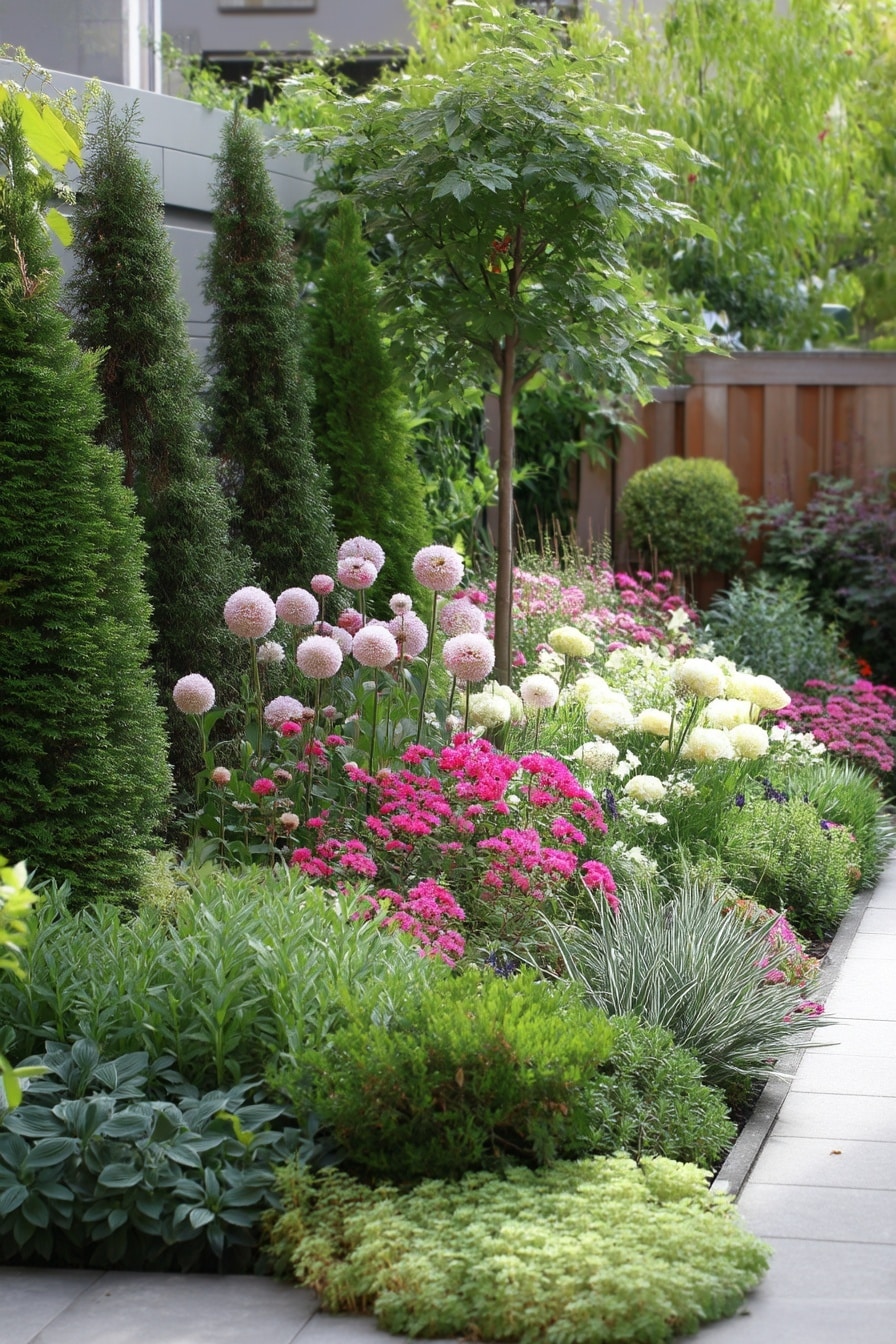
Small garden plan decisions can completely transform a compact outdoor area into a functional and beautiful retreat. With the right small garden plan, even the tiniest yard, courtyard, or patio can feel spacious, organized, and inviting.
Planning carefully is essential when space is limited. Every plant, pathway, and feature needs to serve a purpose. A thoughtful small garden plan helps you avoid overcrowding, improve flow, and create visual balance.
Whether you’re redesigning a narrow side yard or starting fresh with a compact plot, this guide will walk you through each step of building a practical and attractive small garden plan.
Table of Contents
1. Find Your Garden Style and Inspiration

A successful small garden plan begins with a clear vision. When space is limited, choosing a defined style prevents the garden from feeling cluttered or chaotic.
Start by deciding how you want your garden to feel. Do you prefer a modern look with clean lines? A cottage-style space filled with flowers? Or a practical kitchen garden with edible plants?
Your small garden plan should reflect:
- How you intend to use the space
- The amount of maintenance you can manage
- The architectural style of your home
- Your local climate
In small gardens, consistency is key. Repeating materials, colors, and plant types creates visual harmony and makes the area appear larger.
Collect ideas from magazines or photos, but adapt them to your own dimensions. A small garden plan works best when it focuses on simplicity rather than trying to fit too many features into a tight space.
If you have an article on garden design styles or low-maintenance landscaping ideas, this is an ideal place to link internally for readers refining their small garden plan.
2. Measure and Assess Your Space
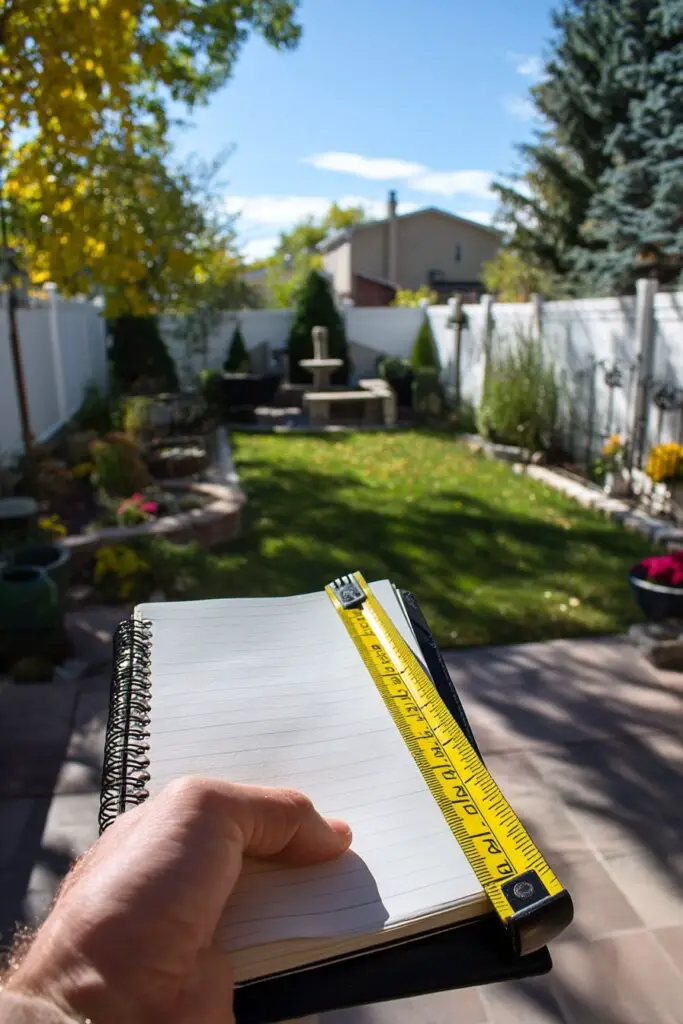
Before finalizing your small garden plan, take time to measure and evaluate your outdoor area carefully. Accurate dimensions prevent costly mistakes and help you design with confidence.
Start by recording:
- The exact length and width of your space
- The position of doors and windows
- Existing trees or permanent features
- Areas of shade and full sun
- Drainage patterns after rainfall
Understanding how light moves across the space is especially important. A small garden plan must account for sunlight exposure to ensure plants are placed where they will thrive.
Also consider privacy and views. Identify what you want to highlight and what you’d prefer to screen. Walls, fences, and neighboring buildings can influence layout decisions.
Take note of access points and pathways. Even in compact gardens, comfortable movement should be part of your small garden plan.
If you’ve written a guide on understanding garden soil or sunlight requirements, linking it here would support readers during this planning stage.
3. Choose the Right Layout for a Small Garden
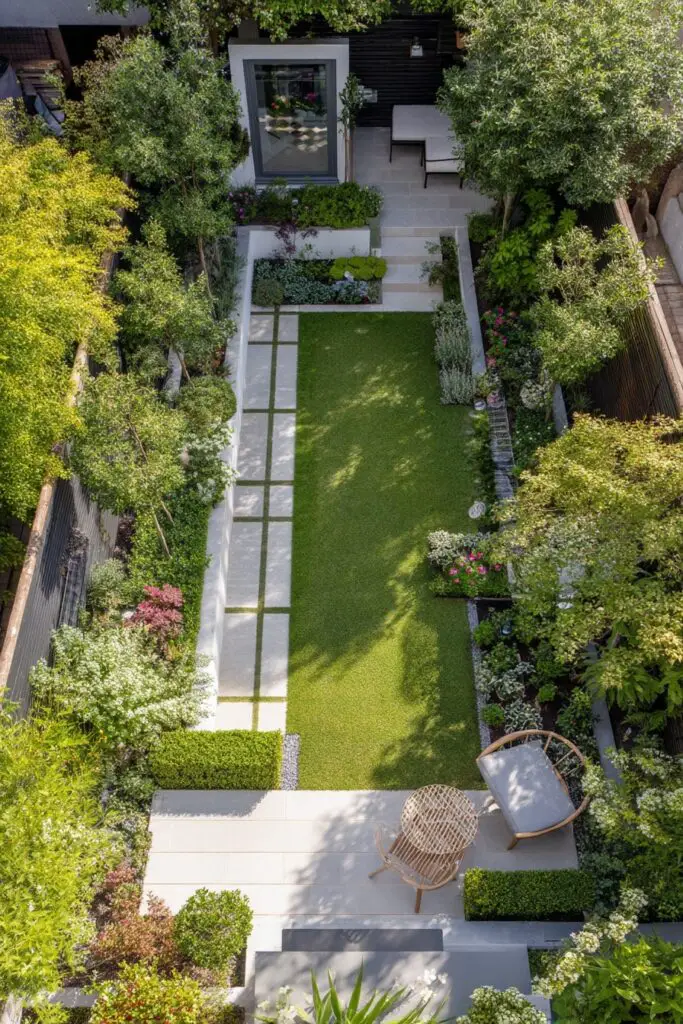
The layout is the foundation of a successful small garden plan. In a compact space, structure determines how open and functional the garden feels.
Start by dividing the area into simple zones. Even a small garden plan can include:
- A seating area
- A planting zone
- A pathway for movement
- A focal point such as a container or feature plant
Straight lines create a modern look, while gentle curves soften sharp boundaries. Diagonal pathways can make a narrow space appear wider by drawing the eye across the garden.
Keep pathways proportionate. In a small garden plan, oversized paving can overwhelm the space. Narrow but comfortable walkways maintain balance.
Vertical elements also improve layout efficiency. Trellises, wall planters, or tall pots use upward space without crowding the ground.
If you have an article on vertical gardening or patio layouts, linking it here would strengthen your internal structure and help readers refine their small garden plan.
4. Put Your Small Garden Plan on Paper

Turning your ideas into a clear drawing makes your small garden plan practical and achievable. Even a simple sketch helps you visualize proportions and spacing before you start planting or building.
Begin by drawing your garden to scale on graph paper. Mark permanent features such as walls, fences, trees, and doors. Then add proposed elements from your small garden plan, including:
- Seating areas
- Pathways
- Raised beds or borders
- Containers or focal points
Working on paper allows you to adjust spacing without physical effort. You can test different layouts and refine your small garden plan until everything feels balanced.
Keep measurements accurate. In a compact space, even small miscalculations can affect comfort and flow.
Consider creating a second sketch for planting placement. Separating structural features from planting details keeps your small garden plan organized and easier to follow during installation.
If you’ve published a guide on garden design tools or planning software, linking it here would help readers confidently finalize their small garden plan.
5. Create Beautiful Boundaries
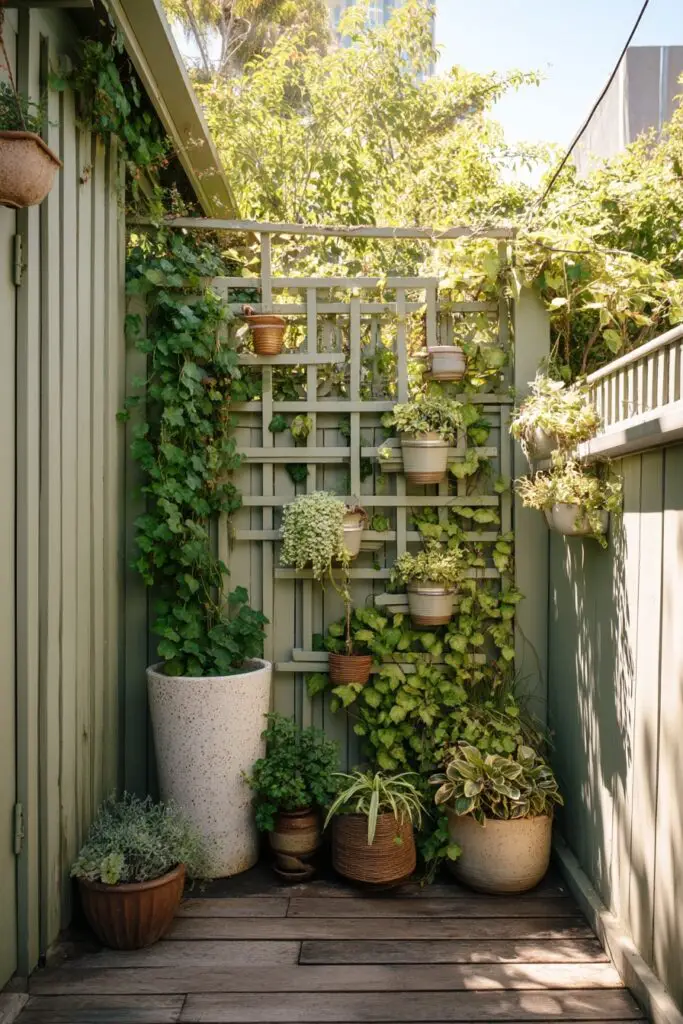
Boundaries play a powerful role in any small garden plan. Walls, fences, and hedges frame the space and influence how large or enclosed it feels.
In a compact garden, plain boundaries can make the area seem smaller. Instead, treat vertical surfaces as design features within your small garden plan.
Consider:
- Painting fences in light, neutral tones to reflect light
- Adding climbing plants to soften hard surfaces
- Installing slim wall planters for layered greenery
- Using mirrors carefully to create depth
Vertical planting is especially effective. Climbers and espaliered plants add interest without taking up ground space.
You can also vary texture along boundaries. Mixing wood, greenery, and subtle lighting enhances visual depth in your small garden plan.
Avoid overcrowding walls with too many decorative elements. A simple, cohesive approach helps maintain balance and keeps the small garden plan feeling open.
If you have an article on vertical trellises or climbing plants, this is an ideal place for an internal link to support readers refining their small garden plan.
6. Prepare a Planting Plan
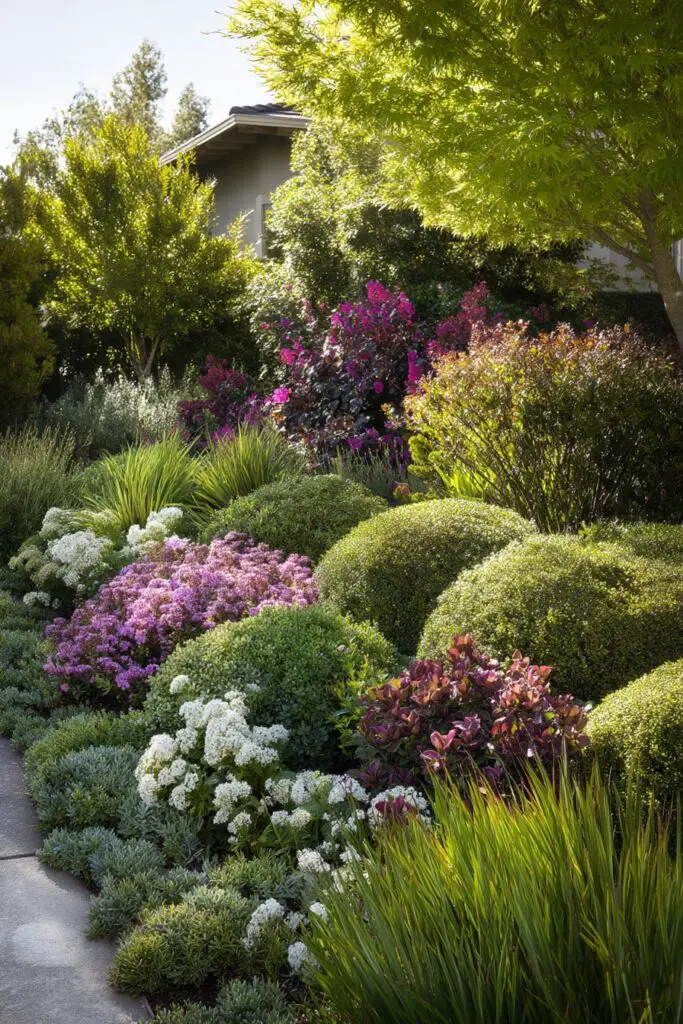
A thoughtful planting strategy is essential for a balanced small garden plan. In limited space, every plant should serve a purpose, whether adding height, color, texture, or seasonal interest.
Start by choosing a simple plant palette. Too many varieties can make a small garden plan feel busy. Repeating key plants creates rhythm and unity.
When selecting plants, consider:
- Mature size to avoid overcrowding
- Seasonal interest for year-round appeal
- Light and soil requirements
- Maintenance level
Layering works well in compact gardens. Place taller plants toward the back or along boundaries, medium plants in the middle, and low-growing varieties at the front.
Evergreens provide structure, while flowering plants add color. Ornamental grasses can introduce movement without overwhelming the space.
Container planting also supports flexibility. Pots allow you to adjust your small garden plan easily and refresh the design each season.
If you’ve written guides on low-maintenance plants or container gardening, linking them here would help readers implement their small garden plan effectively.
Conclusion
A well-designed small garden plan turns even the tiniest outdoor space into a functional and inviting retreat. By defining your style, measuring carefully, choosing the right layout, and preparing a thoughtful planting scheme, your small garden plan becomes both practical and visually balanced.
When every feature has a purpose and proportions are carefully considered, a compact garden can feel open rather than restricted. With a clear small garden plan in place, you can move forward confidently and create a space that works beautifully year after year.