
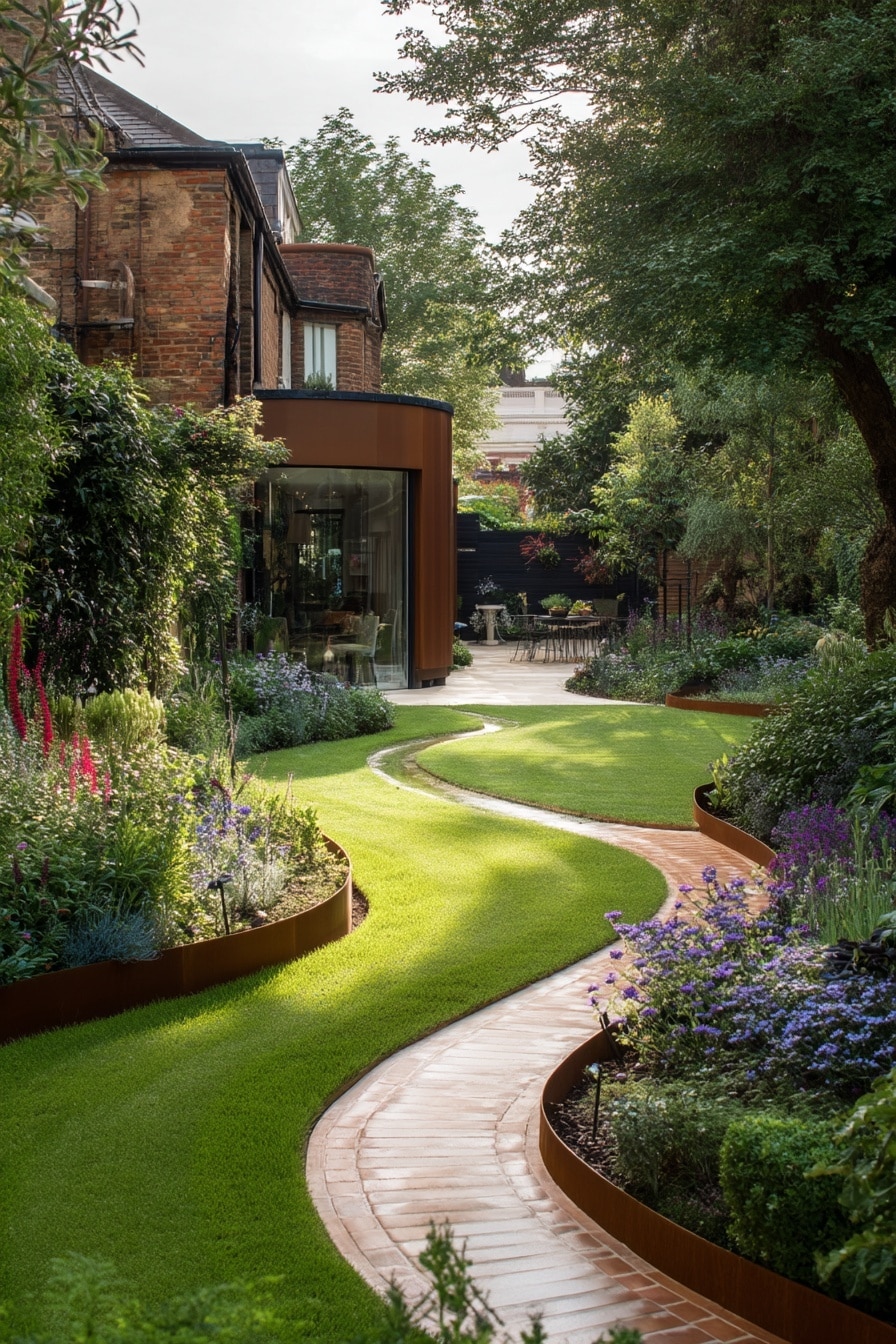
garden edging ideas are essential for creating clean lines, defining spaces, and giving your landscape a polished, professional look. Whether you’re planning a tidy lawn edge or a more artistic flowerbed border, the right edging elevates your garden’s design while adding practical structure.
Good garden edging controls plant spread, keeps pathways clear, and adds visual rhythm to outdoor spaces. With so many material and style options available—from classic stone to modern metal—you can easily find edging solutions that suit your garden’s theme and maintenance level.
This guide highlights expert-approved garden edging ideas used by professional landscape designers to add elegance and order to any outdoor setting.
Table of Contents
Why Edging Matters

In garden design, edging is more than just a finishing touch—it shapes the entire layout. Thoughtful edging creates boundaries between lawn, beds, and pathways, which helps guide the eye and organize the space.
Without defined edges, grass can creep into flowerbeds, mulch can scatter onto walkways, and the whole garden may feel untidy. Edging brings clarity and control, reducing maintenance while enhancing visual impact.
Professional designers use edging to:
- Highlight focal points like specimen plants or sculptures
- Maintain symmetry and structure in formal gardens
- Add contrast between hardscaping and soft planting zones
- Prevent soil and mulch from washing out during rain
By integrating edging into your plan from the start, you lay the groundwork for a neat, cohesive garden that ages gracefully.
Materials for Garden Edging
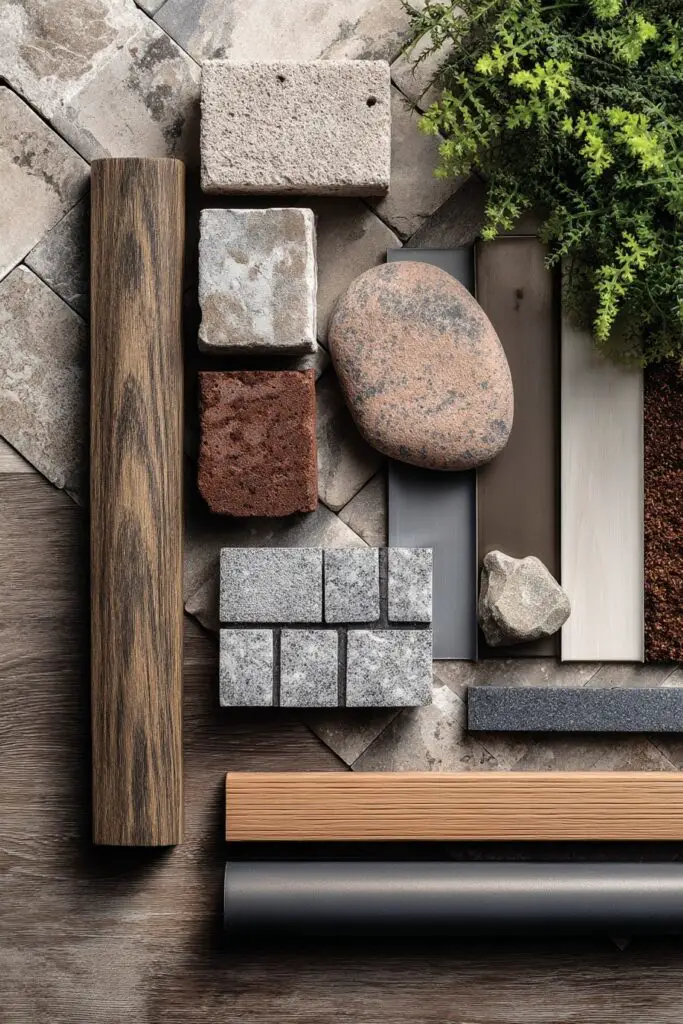
Choosing the right material is key to creating edging that not only looks great but also performs well over time. The best garden edging ideas take into account style, durability, cost, and ease of installation.
Popular Garden Edging Materials:
- Stone – timeless and durable; great for classic or rustic gardens
- Brick – adds warm texture and suits traditional or cottage-style landscapes
- Metal (steel or aluminum) – sleek, modern, and precise; ideal for minimalist designs
- Timber – natural and flexible, perfect for informal or woodland settings
- Plastic or rubber edging – cost-effective and easy to install, especially in curved layouts
- Concrete edging units – practical for long-lasting structure and strong visual lines
Each material brings its own personality to the garden. Consider the overall theme and how visible or subtle you want your edging to be. Combining materials can also work well—for example, metal edging with gravel paths or brick borders next to lawn.
Classic Stone and Brick Borders
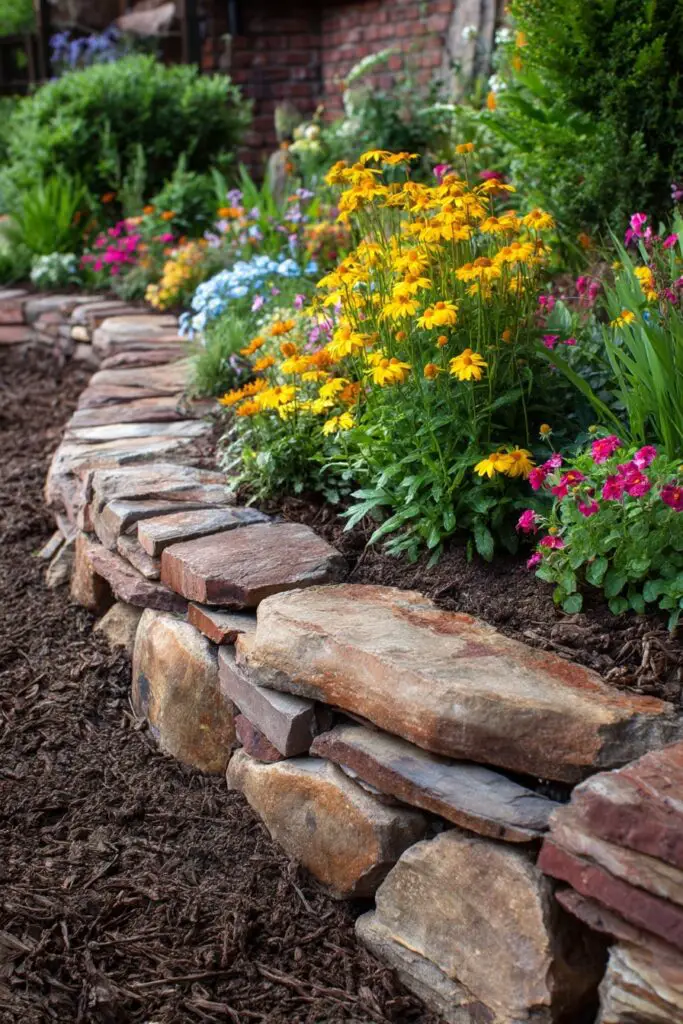
For timeless charm and long-term durability, stone and brick remain among the most trusted garden edging ideas. These materials work beautifully in both traditional and contemporary settings, offering strong definition and natural texture.
Benefits of Stone and Brick Edging:
- Stone creates a rugged, organic feel that blends well with cottage gardens and mature landscapes.
- Brick delivers uniformity and warmth, ideal for formal layouts or vintage-inspired beds.
Both materials can be laid flush with the soil for a subtle look or slightly raised for visual emphasis. Dry-laid methods (without mortar) are flexible and easier to adjust, while mortared options provide permanent structure.
Install them along curved or straight lines depending on your garden’s shape. The natural hues and weathered patina of these materials only improve with age, making them a stylish and low-maintenance choice.
Modern Metal and Steel Edging
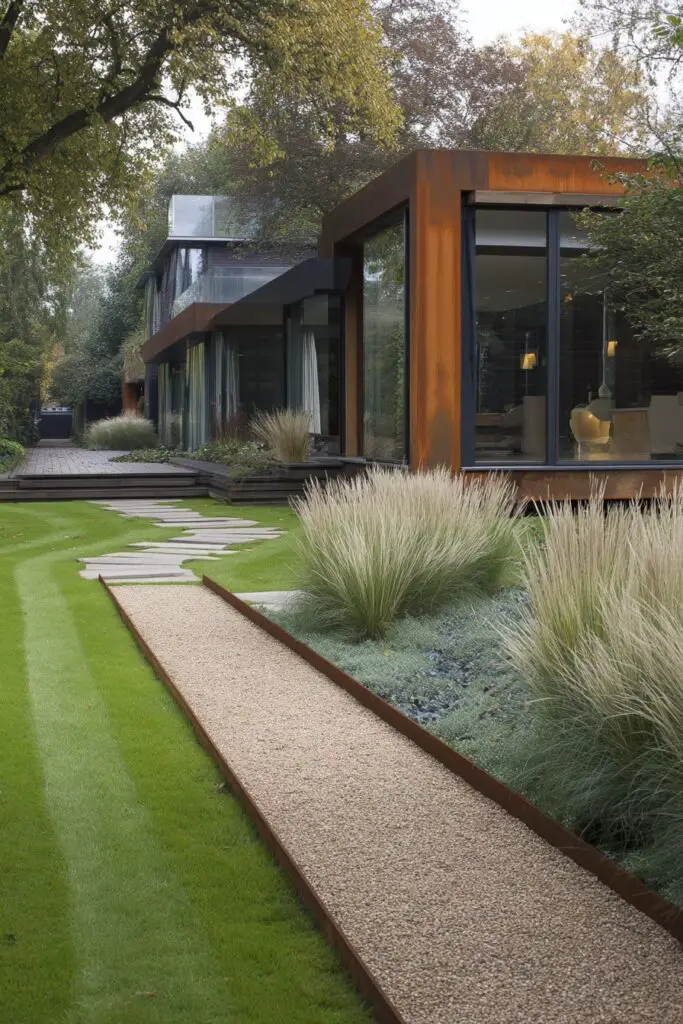
For a clean, contemporary finish, metal edging stands out as one of the most precise and minimalist garden edging ideas. Commonly used by professional designers, materials like corten steel, galvanized steel, and aluminum offer strength, flexibility, and modern style.
Why Choose Metal Edging:
- Thin profile allows for crisp, almost invisible lines between materials
- Flexible enough to form curves yet strong enough for straight lines
- Low maintenance and weather-resistant—ideal for long-term durability
- Suits modern, architectural gardens or neat lawn-and-gravel transitions
Corten steel develops a rich rust-like patina over time, blending beautifully with natural tones. Aluminum and powder-coated steel offer sleek, corrosion-resistant alternatives for clean edge definition.
Installed properly, metal edging keeps grass and gravel in place while creating a professional look with minimal visual clutter.
Natural and Plant-Based Edging
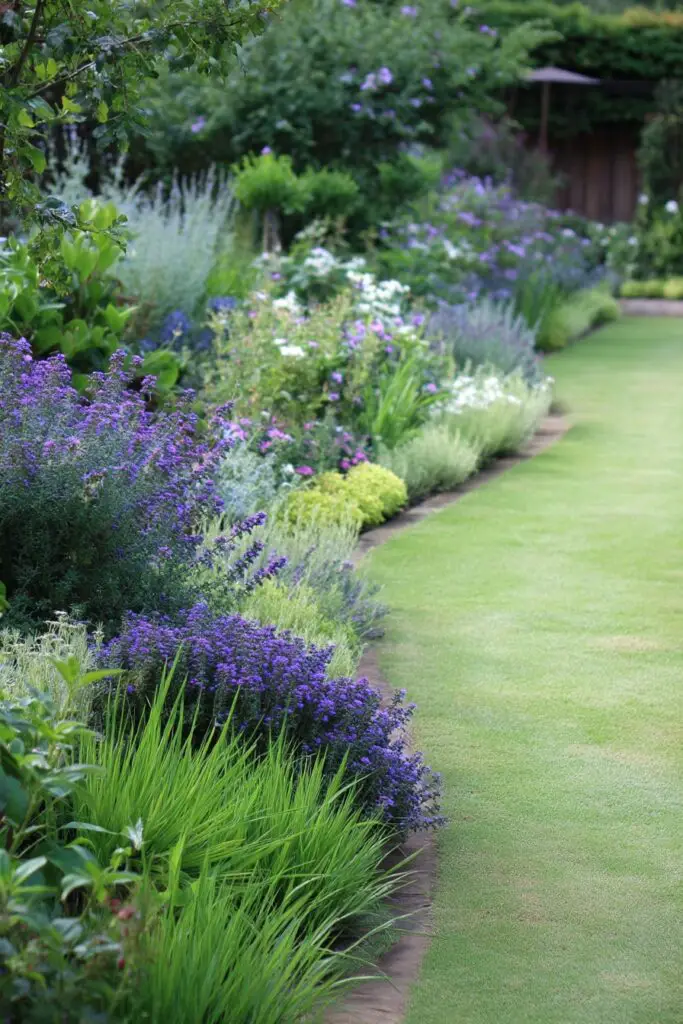
For a softer, more organic approach, plant-based borders and natural materials offer a beautiful alternative to hard edging. These garden edging ideas are perfect for relaxed, wildlife-friendly, or cottage-style gardens.
Living Edging Options:
- Low-growing plants like thyme, lavender, and alyssum create scented, flowering edges
- Grasses such as blue fescue or carex provide gentle texture and motion
- Boxwood or dwarf hedges offer formal, evergreen structure at a low height
Natural materials like stacked logs, small boulders, or driftwood also work well in informal settings. These choices blend into the garden seamlessly, encouraging biodiversity and softening the transitions between spaces.
Living edges require some maintenance to keep them tidy, but they bring seasonal interest and ecological benefits that static materials can’t match.
Curved Edges and Creative Shapes
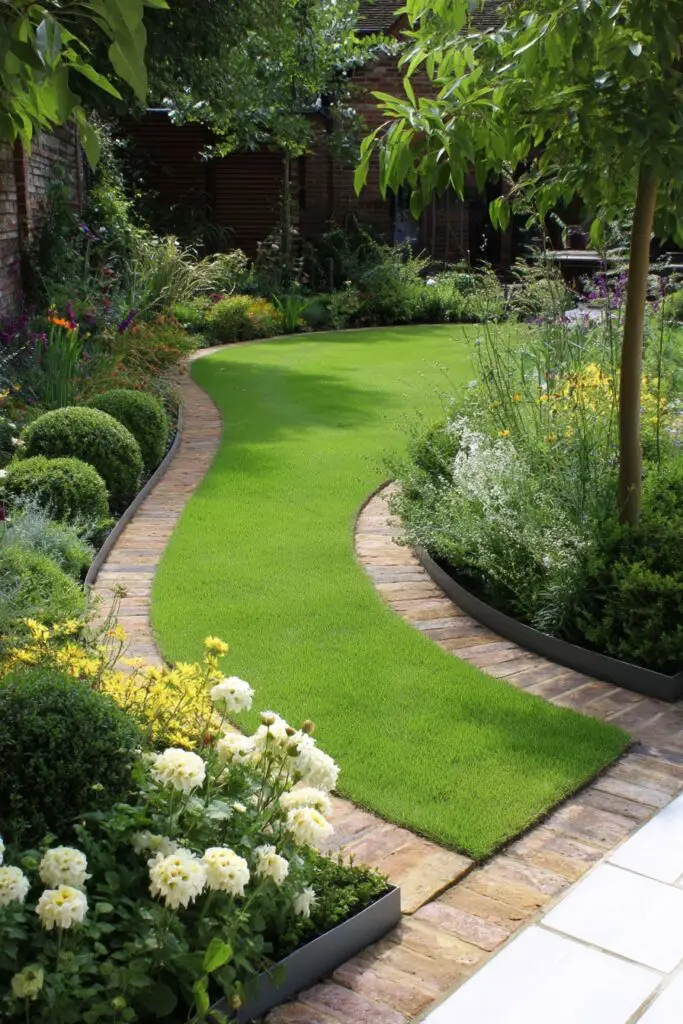
Straight lines offer order, but curves add rhythm and movement to a garden. Some of the most striking garden edging ideas come from creative shapes that flow with the land, rather than fight against it.
Benefits of Curved Edging:
- Softens hardscape elements and adds a natural feel
- Encourages exploration by gently guiding the eye or footpath
- Works especially well with mixed planting beds and informal garden styles
Use flexible materials like metal strips, rubber edging, or brick set on curves to define organic borders. Raised beds can also be designed with rounded corners for a softer visual transition.
In formal gardens, symmetry and repeated curves bring elegance, while in wilder settings, irregular arcs help mimic natural contours. Let the shape of your space and the types of plants you’re using dictate the flow.
Installation Tips and Finishing Touches
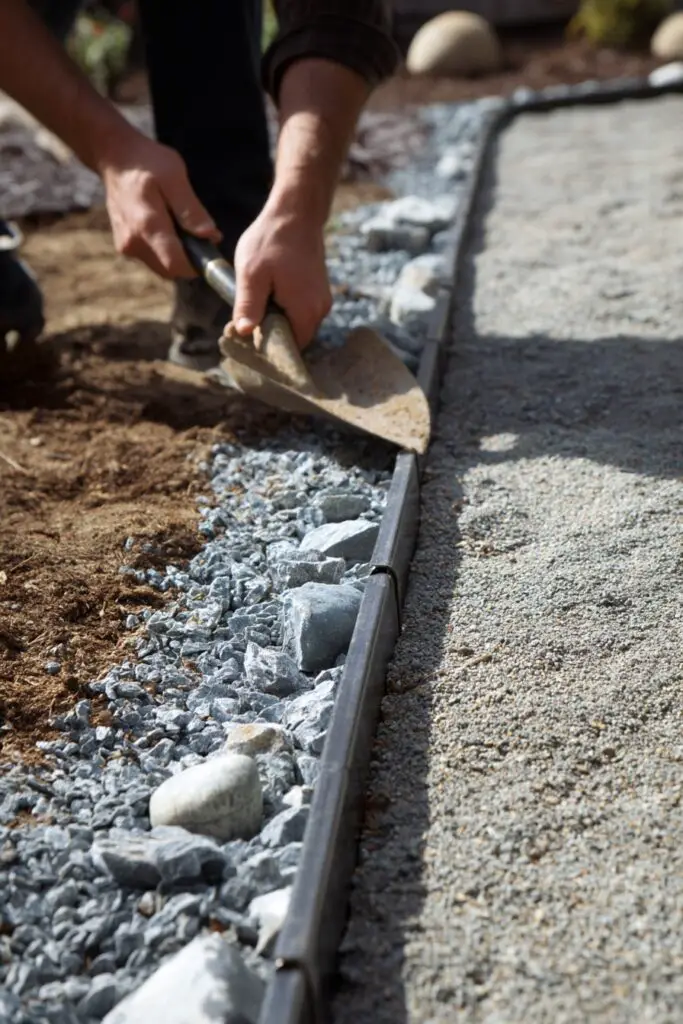
Well-installed edging is what separates a polished garden from a patchy one. Regardless of the material, precise placement and preparation ensure your borders look good and function well over time.
Professional Installation Tips:
- Mark your layout with a hose or spray paint before cutting or digging
- Excavate a shallow trench to anchor edging and keep it level
- Use a base layer of sand or gravel for stability (especially with stone or brick)
- Secure metal or plastic edging with proper stakes spaced evenly
- Check for drainage—edging should not block water flow across beds
Once installed, finish by backfilling soil and smoothing out transitions. Mulch along the inside edge to reduce weed growth and give a clean, consistent look.
Adding touches like lighting, gravel infill, or decorative top edging caps can elevate the design even further.
Conclusion
garden edging ideas help transform ordinary spaces into well-defined, visually striking gardens. Whether you prefer the clean precision of metal, the timeless beauty of stone, or the charm of plant-based borders, edging brings structure and style to your outdoor design.
By choosing materials and shapes that suit your space and learning proper installation techniques, you’ll enjoy a more organized, low-maintenance garden that looks professional and inviting year-round.