
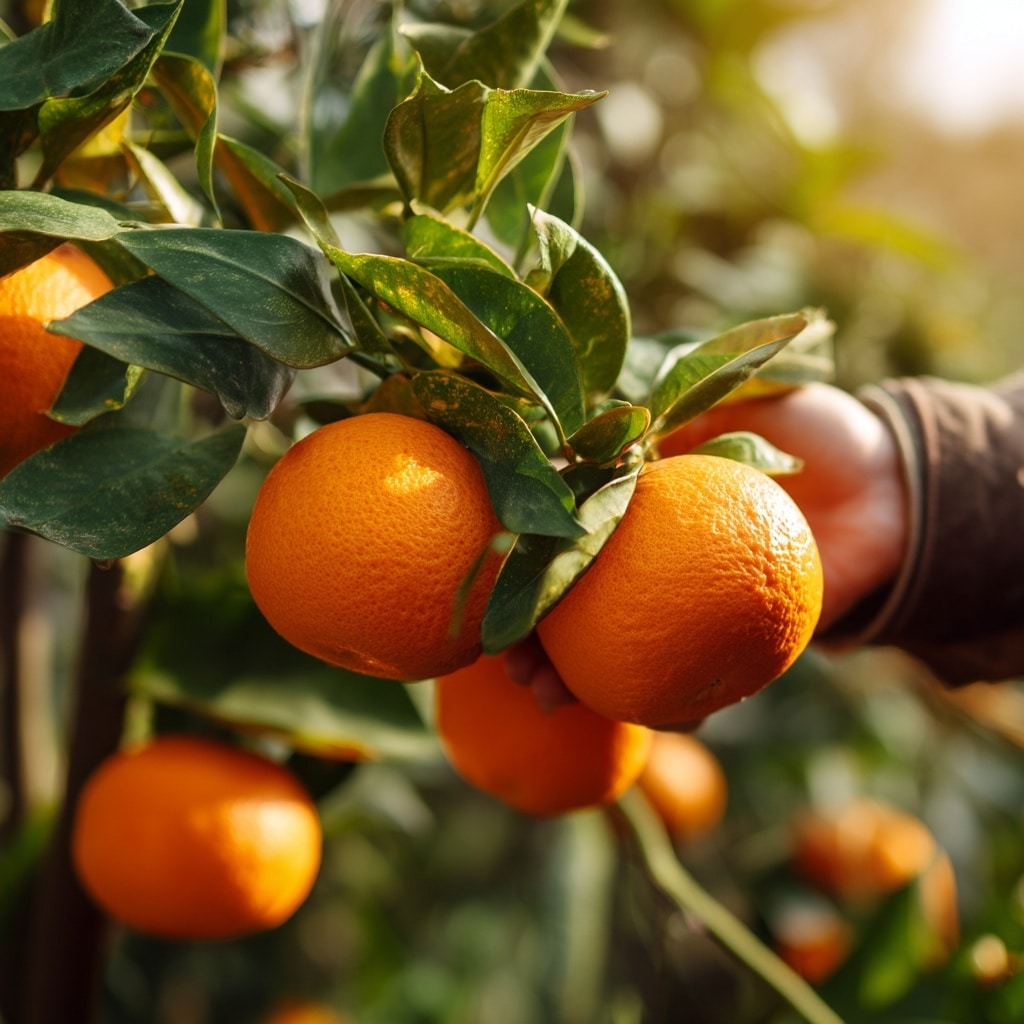
Orange tree care is essential for growing healthy, fruit-bearing trees that thrive year after year. Whether you’re starting with a sapling or maintaining a mature tree, knowing how to properly water, fertilize, prune, and harvest will make all the difference. These practices not only improve fruit quality but also enhance the tree’s longevity and resilience in your garden. In this guide, you’ll find simple, actionable tips that make orange tree care easier—whether you’re growing one tree or creating a backyard citrus grove.
Table of Contents
1. Give Your Orange Tree the Right Amount of Water

Watering is one of the most important parts of orange tree care—especially during the first year after planting. Young orange trees need consistent moisture to develop strong roots. For best results, water newly planted trees twice a week, ensuring the soil stays evenly moist but not soggy. Creating a soil basin around the tree’s base can help retain water where it’s needed most.
As your orange tree matures, its water needs will change. A healthy adult tree typically requires about 1.5 inches of water per week, depending on rainfall and climate. Be careful not to overwater—excess moisture can affect fruit flavor, while underwatering can lead to drooping leaves and stress. Water deeply in the spring, but reduce irrigation in the fall to avoid root issues and poor fruit development.
2. Fertilize Your Orange Tree for Better Growth and Fruit
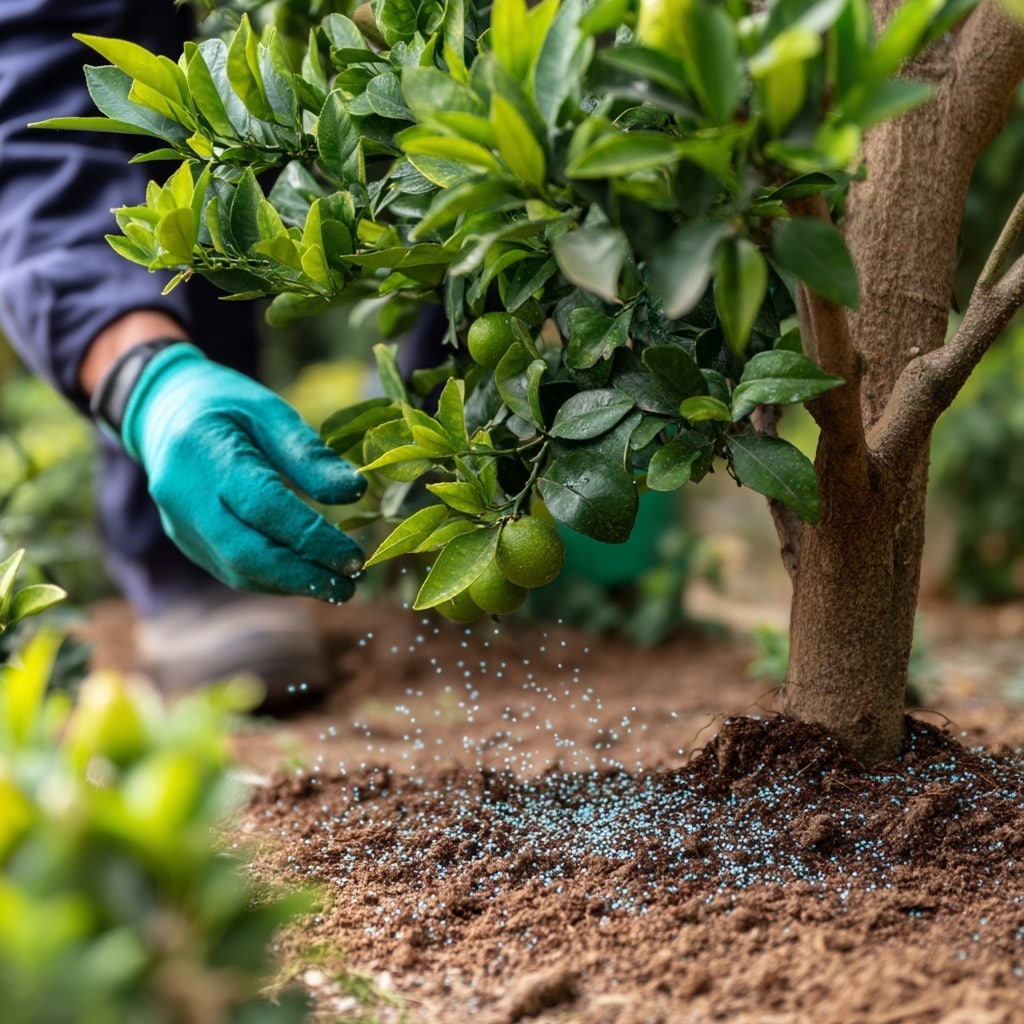
Feeding your orange tree with the right fertilizer ensures healthy foliage and flavorful fruit. During the first year, it’s especially important to apply a high-nitrogen fertilizer, which supports strong leaf growth and helps set the foundation for future harvests. Nitrogen also enhances the production of oils in the peel and contributes to better fruit texture.
As the tree matures, its nutritional needs become more complex. A well-balanced citrus fertilizer should include nitrogen (N), phosphorus (P), potassium (K), and trace minerals like magnesium, iron, and zinc. These nutrients work together to support flowering, fruiting, and overall vitality.
If you’re unsure which fertilizer blend to use, conducting a soil test is a smart step. It reveals deficiencies and helps tailor your feeding schedule to your tree’s specific needs. For most home growers, feeding two to four times per year—especially in spring and early summer—is ideal.
3. Prune Your Orange Tree to Encourage Healthy Growth
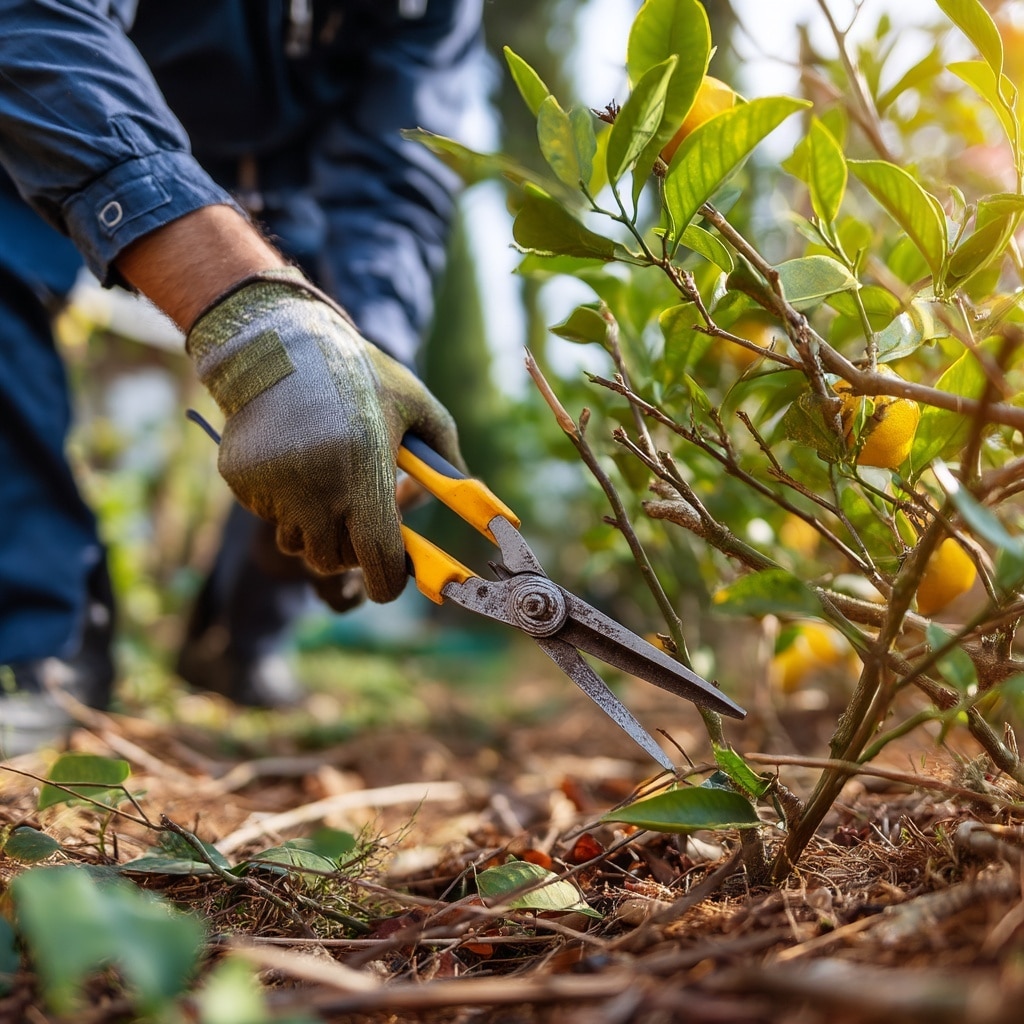
While orange trees don’t require heavy pruning, some strategic trimming goes a long way in maintaining tree health and maximizing fruit production. The main goal is to remove any dead, damaged, or crossing branches, especially those touching the ground. This improves airflow and allows more sunlight to reach the inner canopy, reducing the risk of pests and disease.
Pruning is best done after the harvest, especially if you’re concerned about fruit yield. This timing helps avoid cutting off branches that might produce fruit in the current season. Some gardeners also thin out the tree’s interior lightly to encourage better fruit distribution and easier harvesting.
Remember—less is more. Over-pruning can stress the tree and reduce orange production. Keep your cuts clean, use sterilized tools, and always avoid pruning during extreme weather.
4. Harvest Your Orange Tree at the Right Time
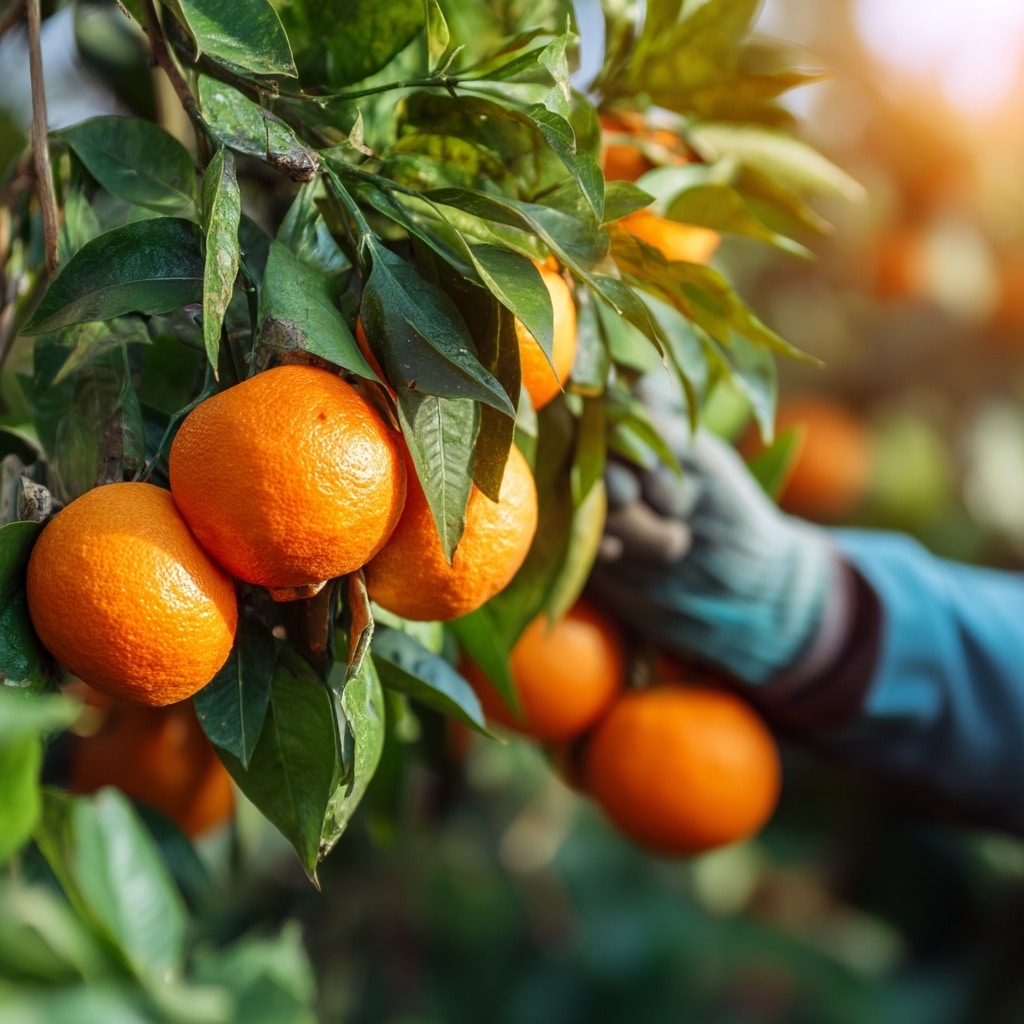
Knowing when to harvest your orange tree is key to enjoying sweet, juicy fruit. While oranges begin to change color in the fall, color alone isn’t a reliable sign of ripeness. The best way to know if your fruit is ready? Taste it. A ripe orange should be juicy, flavorful, and slightly soft to the touch.
In most climates, the ideal harvest window falls in the winter months. Picking fruit too early results in sour, underdeveloped oranges, while waiting too long can cause them to dry out or split on the tree.
Avoid harvesting when freezing temperatures are in the forecast, as cold weather can damage the fruit. Once picked, oranges don’t continue to ripen off the tree—so timing is everything. Check your tree weekly during the ripening season to ensure you harvest at peak flavor.
Final Thoughts on Orange Tree Care
Caring for your orange tree doesn’t have to be complicated. With the right watering schedule, proper fertilization, light pruning, and well-timed harvesting, you’ll enjoy healthy trees and delicious fruit for years to come. Start small, stay consistent, and always pay attention to what your tree is telling you—it’s the best way to grow a thriving citrus garden.