
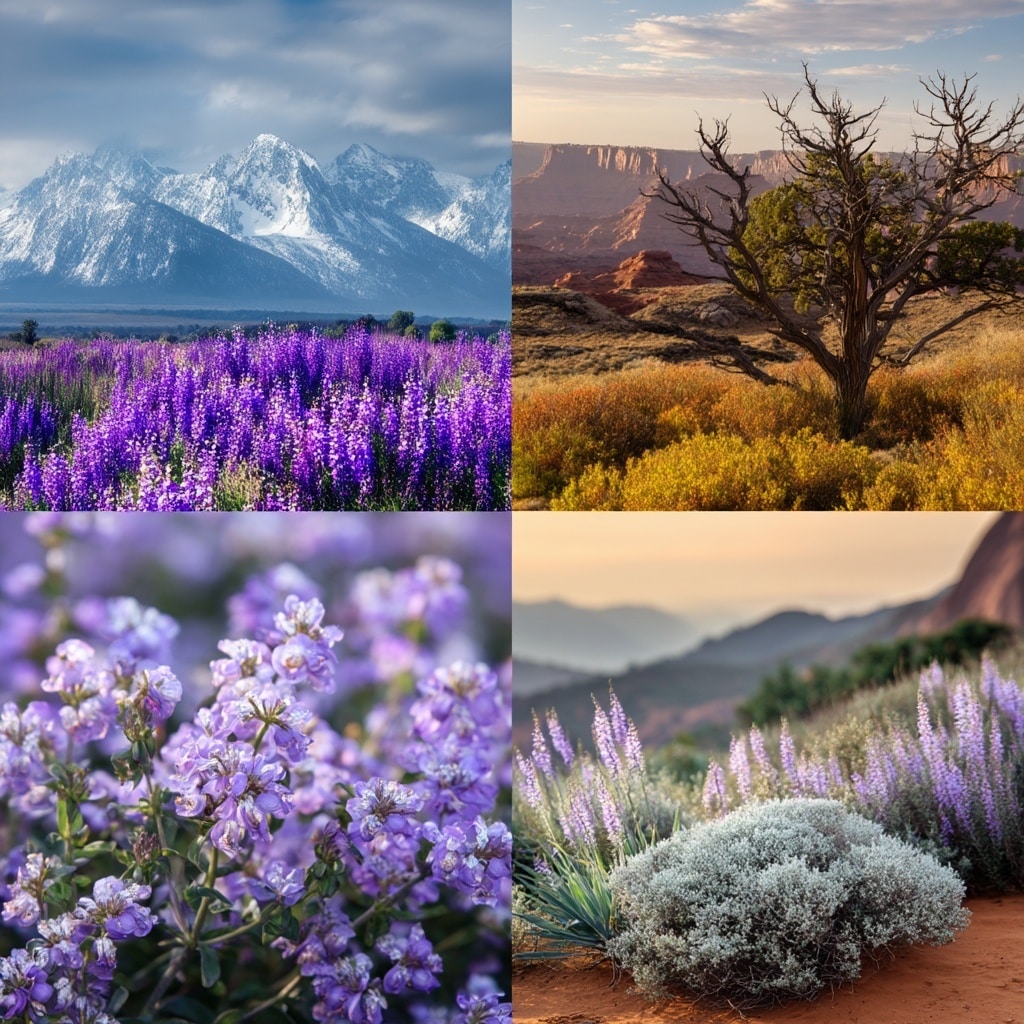
Purple flowers are a timeless choice for gardeners who want to add elegance, depth, and vibrant color to their outdoor spaces. From soft lilac to deep violet, these blooms offer a wide range of shades that pair beautifully with greenery and attract beneficial pollinators like bees and butterflies. Whether you’re working with sunny borders or shaded corners, there’s a purple-flowering plant that fits just right. Beyond beauty, many varieties are hardy, low-maintenance, and bloom through multiple seasons. In this guide, you’ll discover ten stunning plants with purple flowers that will bring long-lasting charm and structure to your garden.
Table of Contents
🌿 10 Beautiful Plants with Purple Flowers for Your Garden

1. Allium (Ornamental Onion)
If you’re looking to make a bold statement with purple flowers, Allium is a fantastic choice. Known for its spherical clusters of tiny star-shaped blooms, this plant adds an architectural element to garden beds and borders. Typically flowering in late spring to early summer, Alliums thrive in well-drained soil and full sun.
Why Allium Works in Your Garden:
- Majestic globe-like blooms in rich shades of purple
- Great for cutting gardens and dried arrangements
- Deters pests like deer and rabbits
- Loved by bees and butterflies
- Low-maintenance and drought-tolerant once established
These striking flowers grow tall and proud, making them ideal for the back of garden beds or mixed into ornamental landscapes for height and drama.
2. Alpine Betony (Stachys monieri)
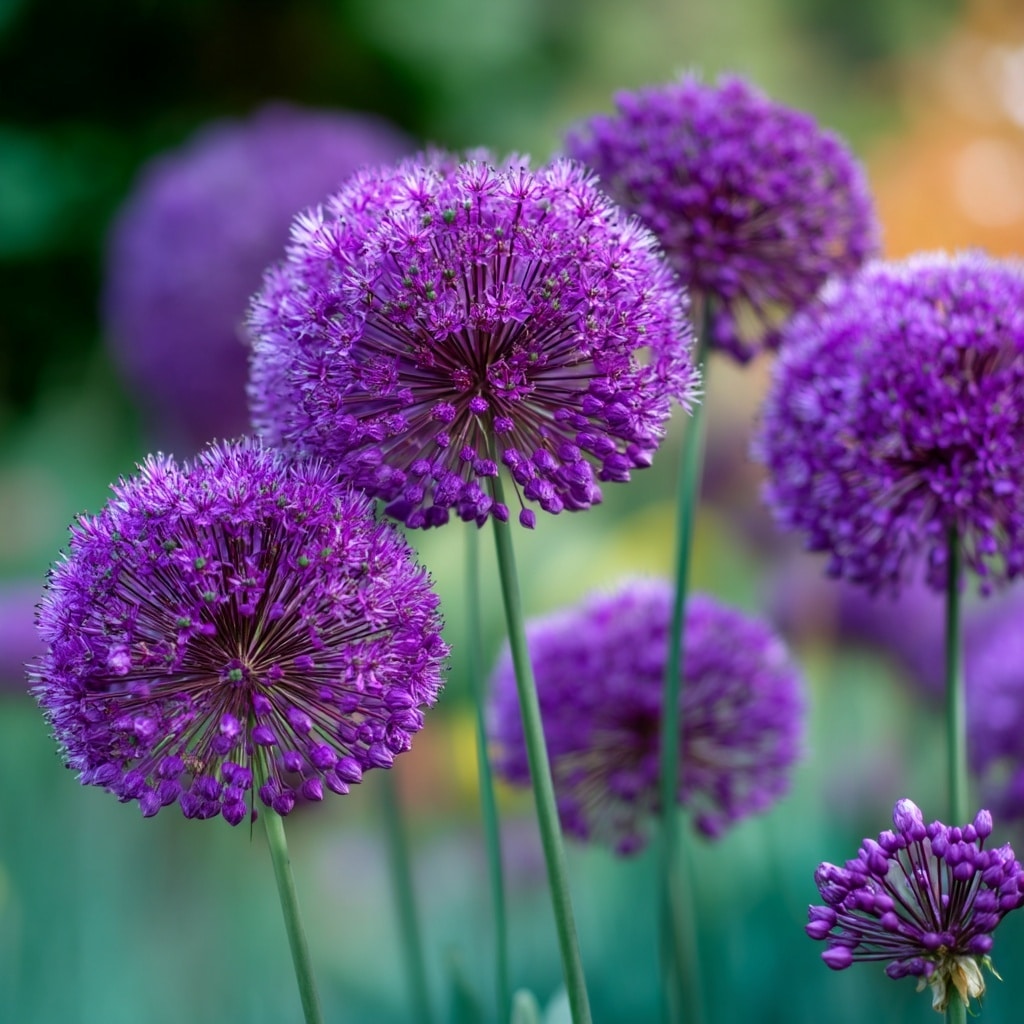
Alpine Betony brings a cottage-garden charm with its textured foliage and vivid purple flowers that bloom from spring to fall. Compact and tidy, it works beautifully in borders, containers, or along pathways.
Alpine Betony Highlights:
- Grows up to 20 inches tall
- Deep purple spikes add a whimsical touch
- Thrives in full sun to part shade
- Low-water needs once established
- Resistant to deer and rabbit browsing
This perennial is a favorite for pollinators and gardeners alike. Its easy-care nature and consistent bloom time make it a standout choice for busy gardeners seeking long-lasting color.
3. Purple Anemone
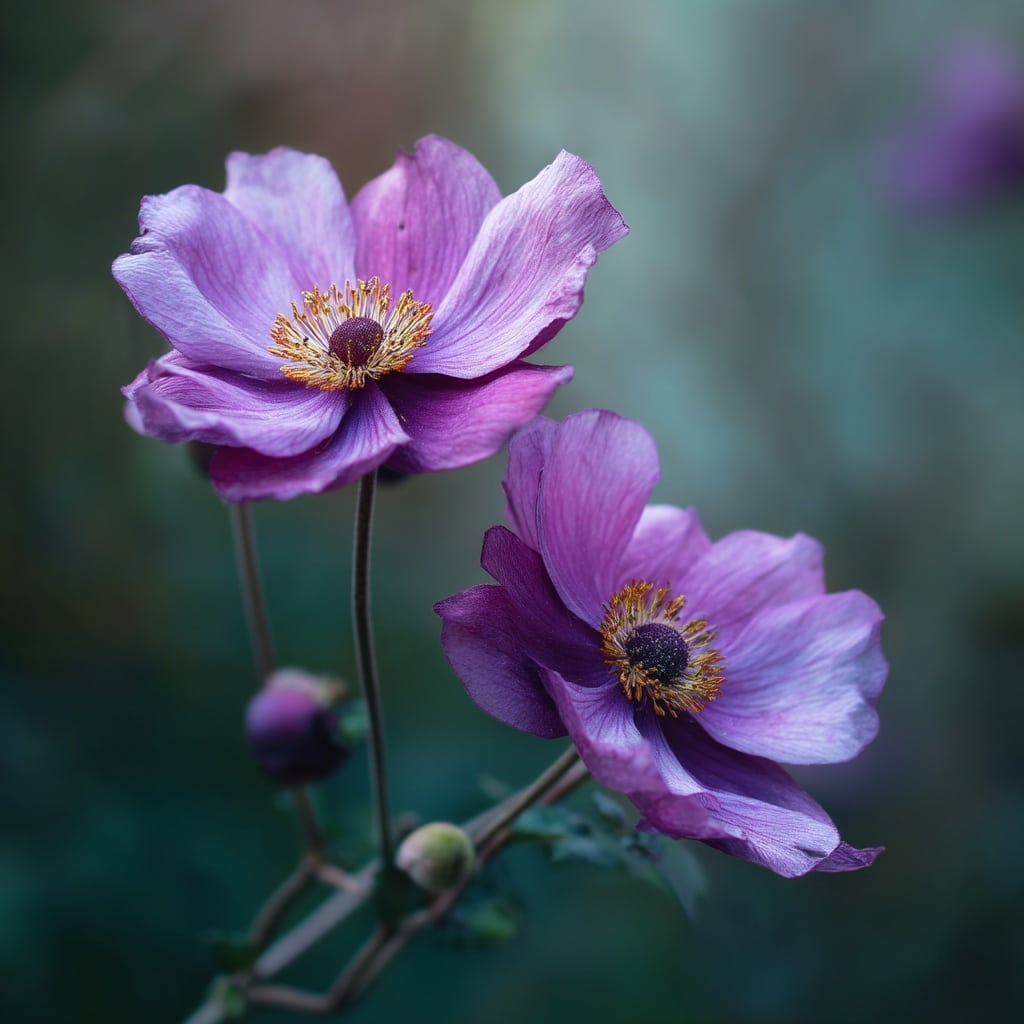
Delicate yet eye-catching, Purple Anemone features cup-shaped purple flowers that open wide in spring. Belonging to the Buttercup family, it brings early-season interest and a touch of softness to shaded or woodland gardens.
Why Choose Purple Anemone:
- Blooms in hues of lilac, mauve, and violet
- Prefers partial shade and rich, well-drained soil
- Compact, rarely exceeding 12 inches tall
- Tolerates dry spells once dormant
- Ideal for mass planting under trees or shrubs
While it starts slow, patience pays off—once established, this plant naturalizes beautifully.
4. Anise Hyssop (Agastache foeniculum)
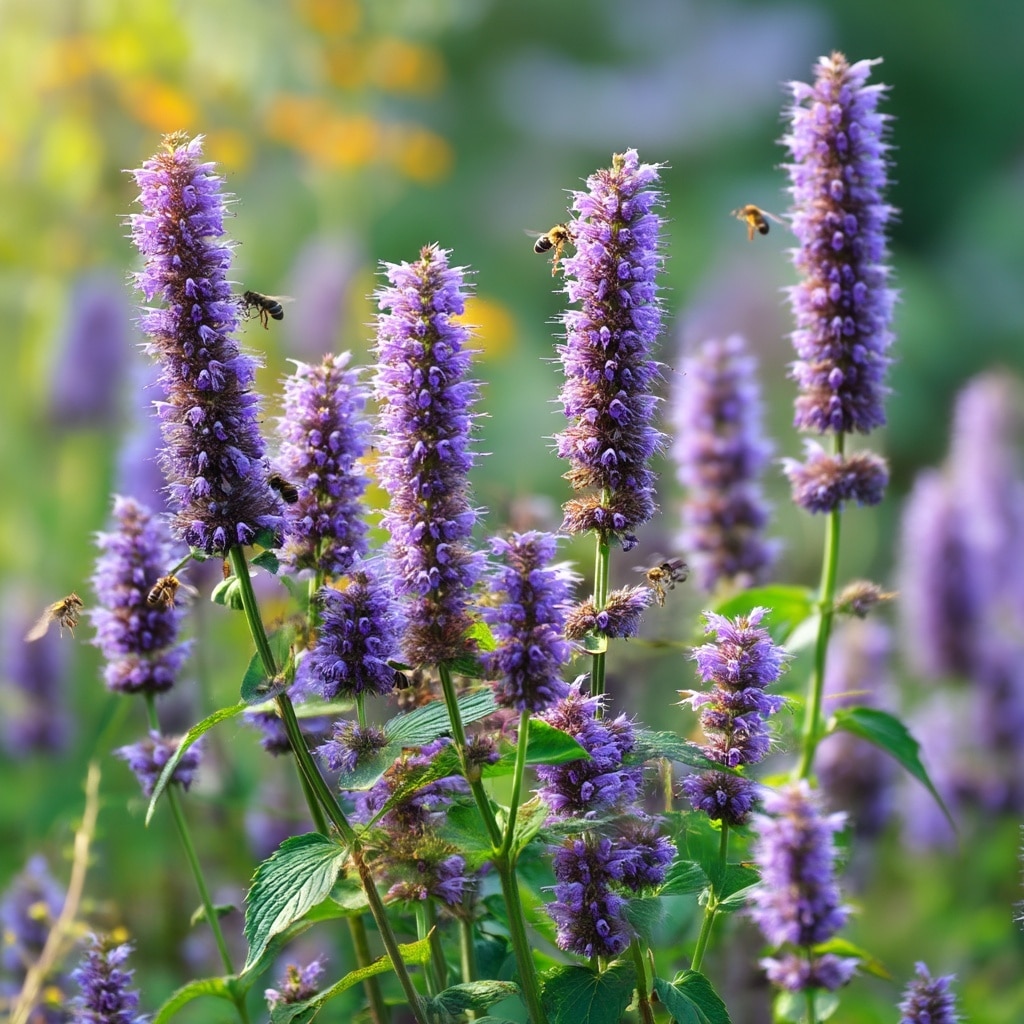
Anise Hyssop is a tall, aromatic beauty with lavender-purple spires that rise above minty-scented foliage. It’s not just pretty—it’s also highly functional, drawing pollinators in droves while offering edible flowers and leaves.
Anise Hyssop Features:
- Grows up to 4 feet tall
- Thrives in full sun and well-drained soil
- Drought-tolerant and deer-resistant
- Licorice-scented leaves add fragrance to the garden
- Blooms all summer long
This upright grower is perfect for adding height and scent to herb gardens or sunny borders.
5. Purple Aster (Symphyotrichum spp.)
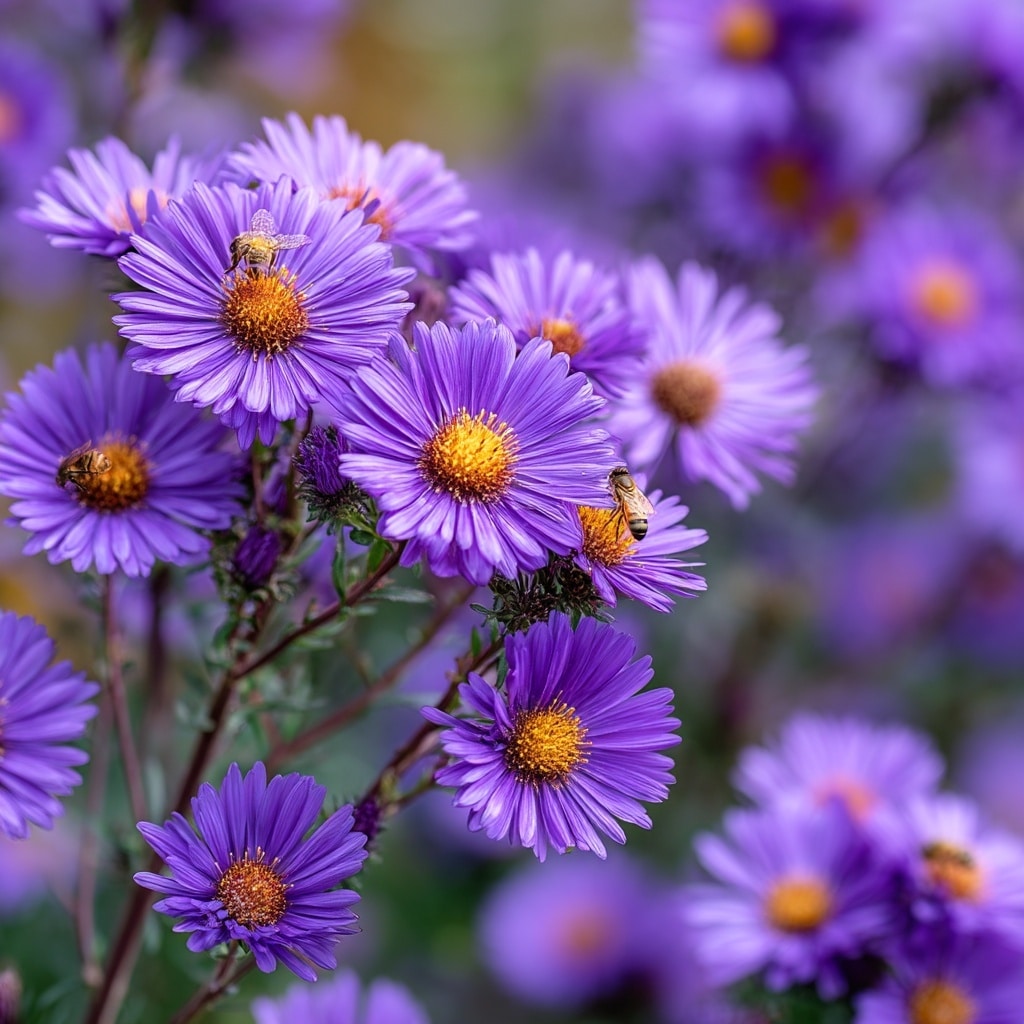
When other plants start to fade, Purple Asters step in to steal the show. These fall bloomers offer daisy-like purple flowers that attract late-season bees, butterflies, and even hummingbirds.
Top Benefits of Purple Asters:
- Blooms in autumn when gardens need color most
- Available in shades from lavender to deep violet
- Suitable for zones 5–8
- Grows 18–24 inches tall
- Tolerant of drought and partial shade
Perfect for naturalistic landscapes, cottage gardens, or pollinator patches.
6. Balloon Flower (Platycodon grandiflorus)
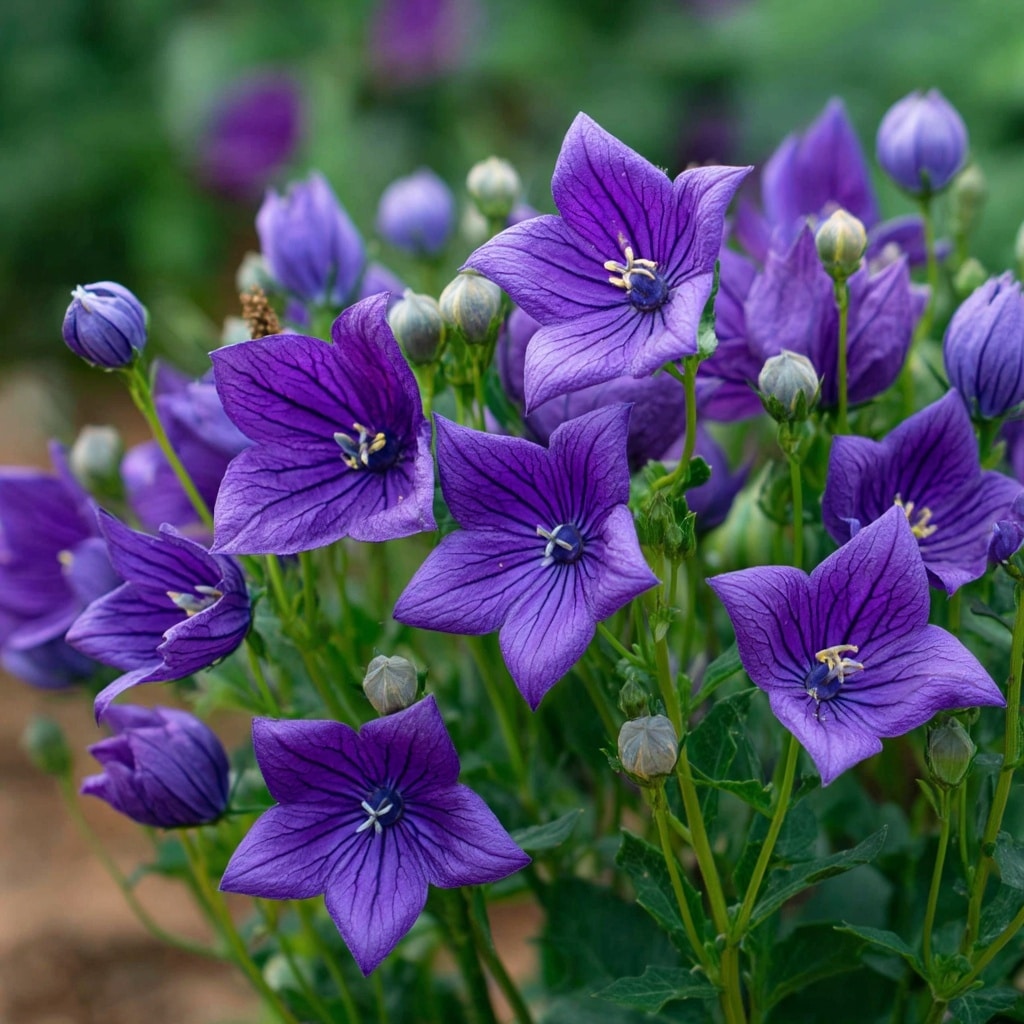
The Balloon Flower gets its name from its whimsical, balloon-like buds that pop open into star-shaped purple flowers. Native to East Asia, it adds a playful yet elegant feel to perennial borders.
Why Gardeners Love Balloon Flower:
- Unique balloon-shaped buds open into five-pointed blooms
- Grows well in zones 3–8
- Prefers full sun to part shade and rich, well-drained soil
- Drought-tolerant once established
- Easy to grow and long blooming
Its tidy growth habit makes it suitable for small gardens, borders, or rockeries. Pair it with lighter-colored flowers for beautiful contrast.
7. Bear’s Breeches (Acanthus mollis)
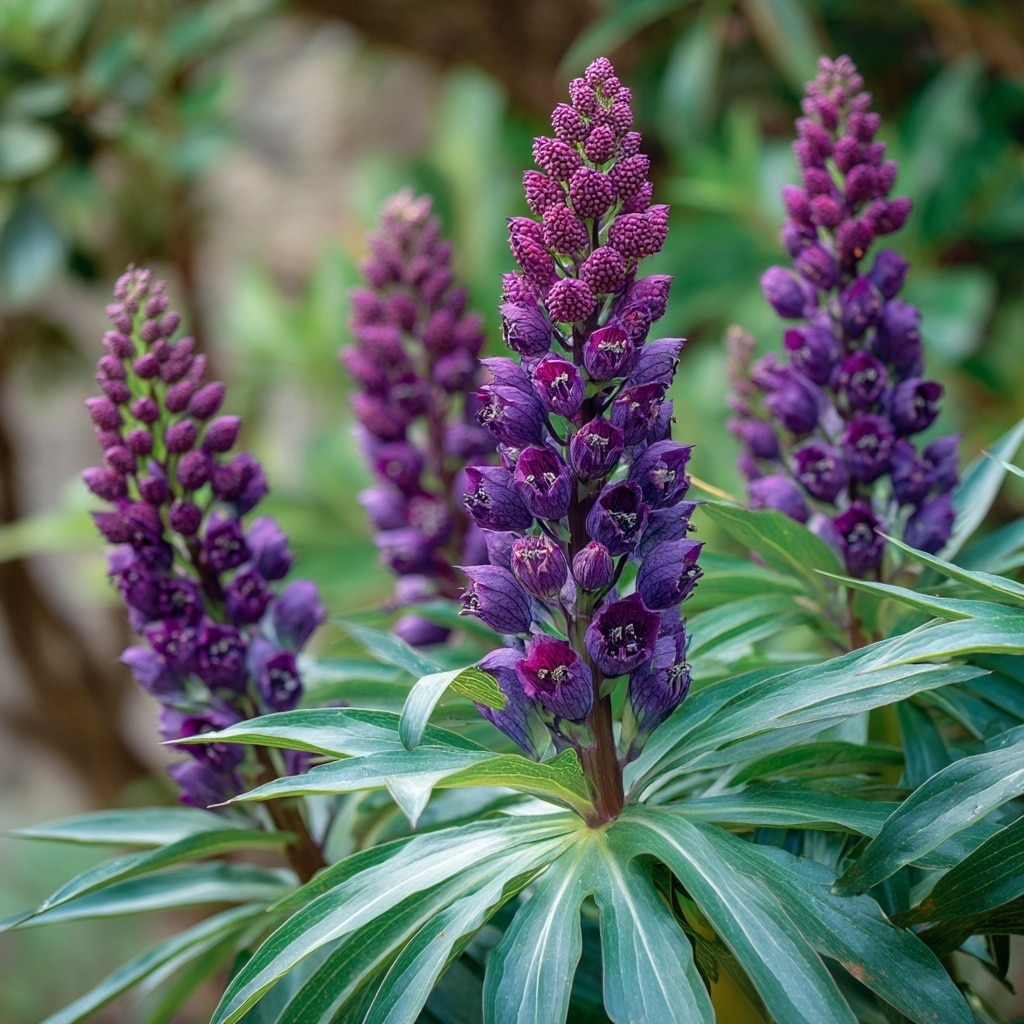
Known for its bold form and striking flower spikes, Bear’s Breeches is a dramatic addition to any landscape. Its tall stalks are adorned with hooded purple flowers, offering both visual interest and structure.
Standout Features:
- Large, deeply lobed leaves and tall flowering spikes (up to 5 feet)
- Hardy to cold weather (down to -20°F)
- Thrives in full sun with moderate water
- Deer and rabbit-resistant
- Blooms for several weeks in summer
Ideal for adding height and texture to perennial beds, especially in Mediterranean-style gardens.
8. Bee Orchid (Ophrys apifera)
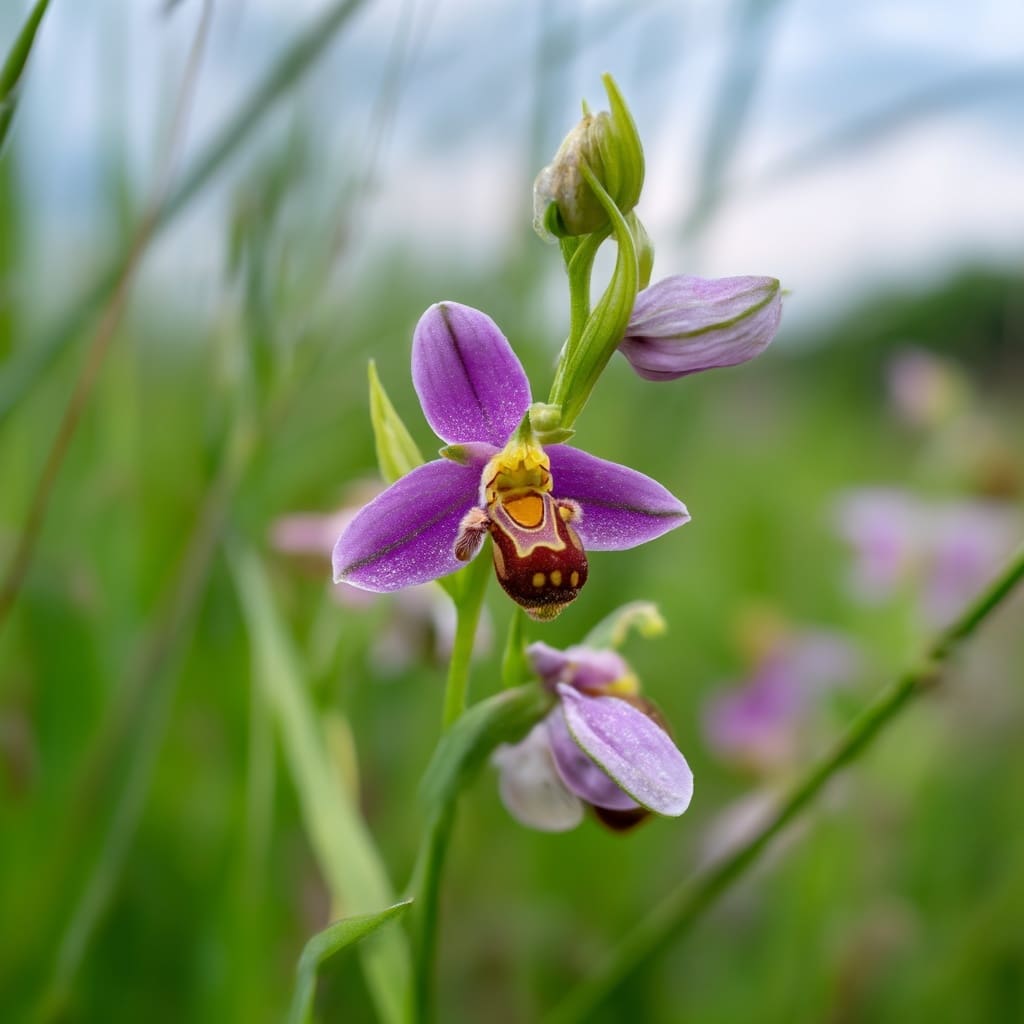
The Bee Orchid is a conversation starter in any garden. Its delicate purple flowers are designed to mimic a bee, which attracts real pollinators in the wild.
What Makes It Special:
- Deep purple petals with a realistic “bee” pattern
- Prefers moist, well-drained soil and light shade
- Hardy in zones 6–9
- Symbolizes beauty, elegance, and rarity
- Best suited to wildflower gardens or naturalistic settings
It requires patience and the right conditions but rewards with truly fascinating blooms.
9. Bell Heather (Erica cinerea)
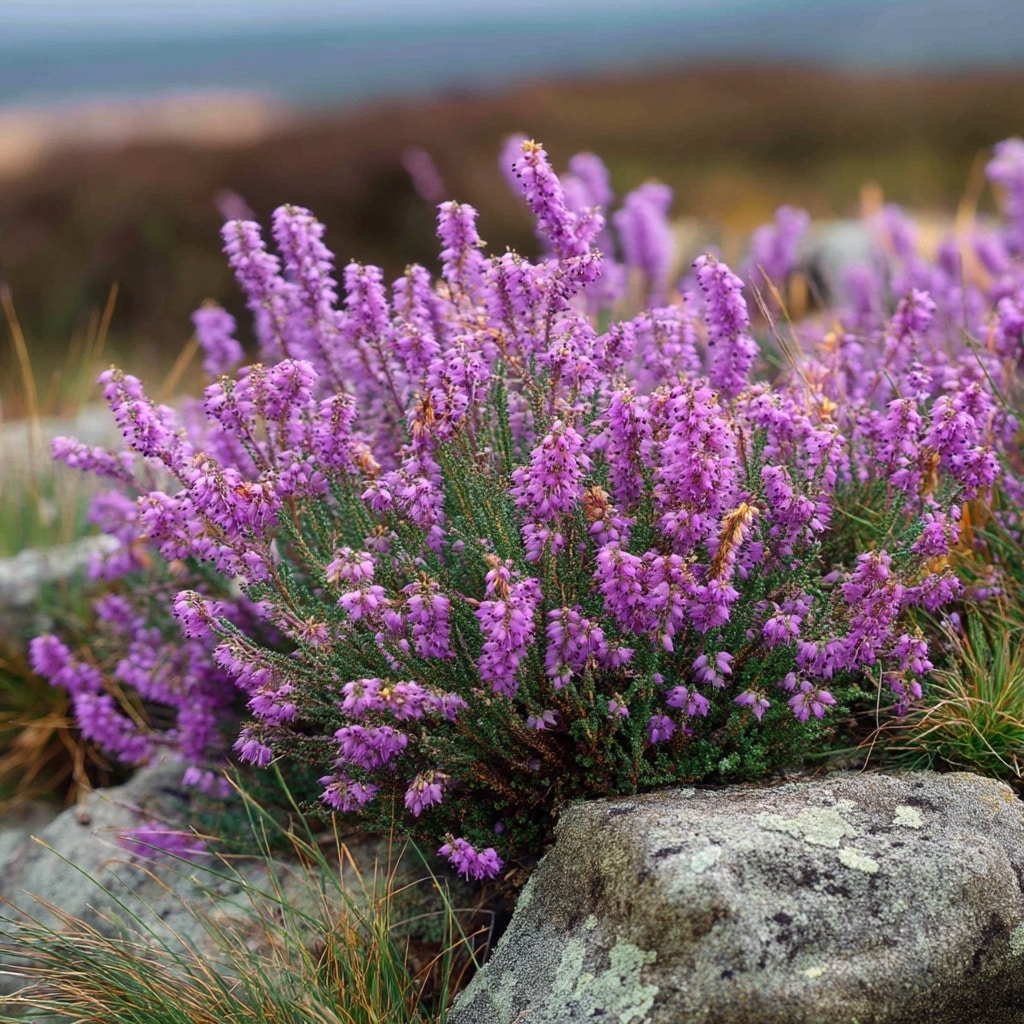
Bell Heather is a low-growing shrub that thrives in poor soil and harsh conditions, bringing small bell-shaped purple flowers to life from spring through fall.
Key Bell Heather Attributes:
- Reaches about 20 inches in height
- Loves full sun and sandy, well-drained soil
- Extremely drought-resistant
- Deer-resistant and pest-tolerant
- A favorite for rock gardens and coastal areas
This low-maintenance option is perfect for gardeners seeking continuous color without the hassle.
10. Purple Cosmos (Cosmos bipinnatus)
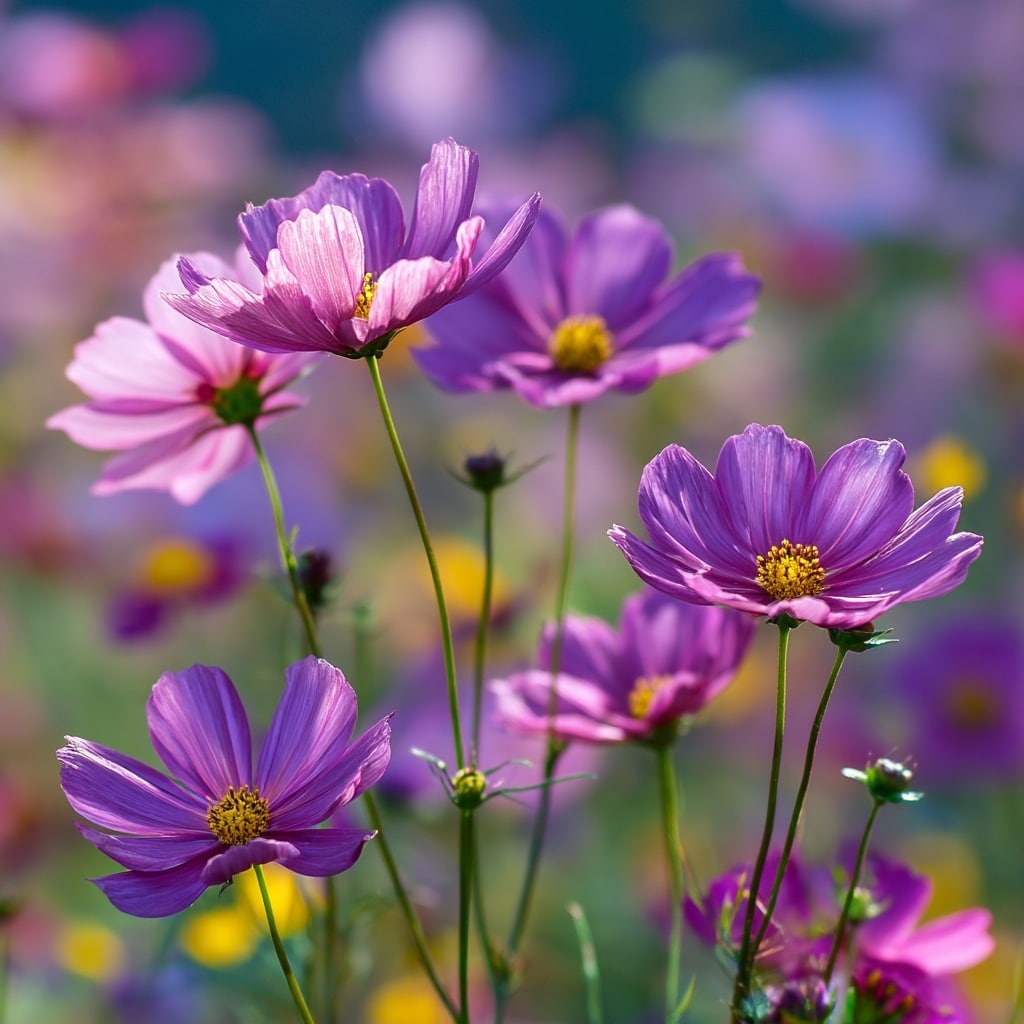
A favorite among pollinators and gardeners alike, Purple Cosmos produce airy, daisy-like blooms on slender stems. Their bright purple flowers bring life to the garden from summer into late autumn.
Why Choose Purple Cosmos:
- Self-seeding annual for long-term blooms
- Grows well in poor soil and full sun
- Attracts birds, bees, and butterflies
- Drought-tolerant once established
- Adds vibrant color with minimal care
Use Cosmos in wildflower meadows, borders, or container gardens for a burst of purple charm that returns year after year.
🌸 Benefits of Having Purple Flowers in Your Garden
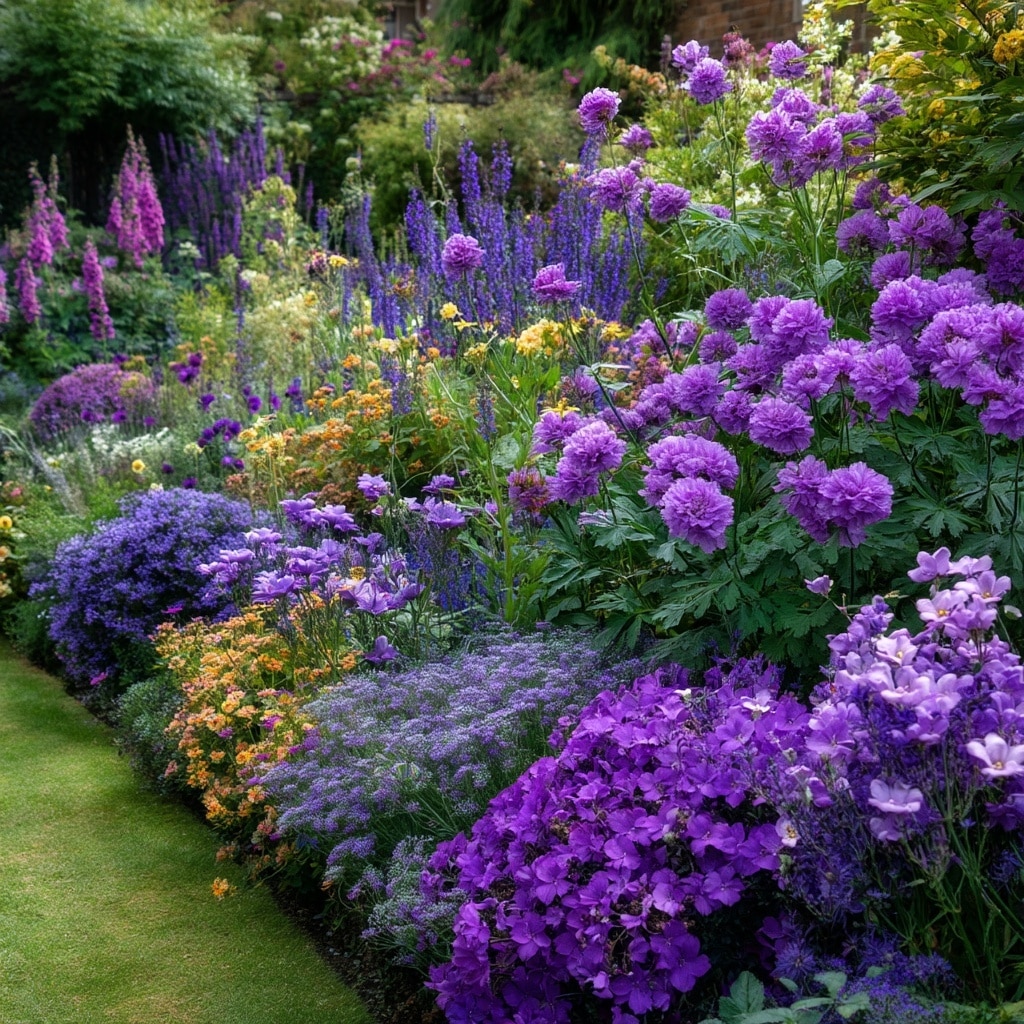
1. Purple Flowers Add Elegance and Visual Drama
Purple flowers bring a sense of luxury and richness that few other colors can match. Whether you prefer the soft lavender of lavender or the deep jewel tone of clematis, these blooms add depth, contrast, and visual harmony to garden beds.
- Create bold borders by pairing purple with white, yellow, or silver
- Mix various purple tones for layered texture and interest
- Use them as focal points to anchor garden designs
Their regal tone evokes beauty and creativity, making any outdoor space feel more refined and peaceful.
2. Pollinator Magnets for a Healthy Garden
Many purple flowers are rich in nectar, making them irresistible to bees, butterflies, and even hummingbirds. These pollinators are vital for fruit and seed production and overall ecosystem health.
- Purple hues stand out, attracting pollinators from afar
- Species like lavender, allium, and aster support biodiversity
- The sweet fragrance of many purple blooms adds another layer of appeal
A pollinator-friendly garden isn’t just beautiful—it’s functional and thriving.
3. Season-Long Color and Variety
There’s a purple flower for every season. From early-blooming crocus to late-season asters, you can design a garden that maintains color and interest all year long.
- Spring: Columbine and purple hyacinth
- Summer: Cosmos, salvia, and agapanthus
- Fall: Purple asters and ornamental kale
- Winter: Hellebores (Lenten rose) for subtle winter color
With smart planning, purple flowers can ensure your garden never feels dull or empty.
4. Available in a Wide Range of Shapes and Sizes
Whether you want towering spires, dainty clusters, or trailing vines, purple flowering plants offer endless form diversity:
- Allium and delphinium for height
- Anemones and violets for ground cover
- Clematis and wisteria for vertical interest
- Cosmos and asters for mid-border fullness
This variety helps you create layered, visually balanced planting schemes with ease.
5. Hardy and Easy to Grow
Many purple flowers are incredibly low-maintenance, thriving with minimal care once established. Whether you’re a novice gardener or a seasoned pro, these plants are reliable performers.
- Most prefer well-drained soil and full sun
- Drought-tolerant options like lavender and salvia
- Pest-resistant varieties help reduce the need for intervention
Their resilience makes them ideal for busy gardeners or challenging environments.
6. Enhance Garden Design and Landscaping
Purple pairs well with nearly every garden style, from modern to traditional to wildflower meadows. Use them strategically to add dimension and emotion:
- Cool shades create a calming effect
- Deep purples add drama and structure
- Pair with whites and blues for a soft look, or yellows and oranges for bold contrast
You can also use purple plants to define pathways, highlight focal points, or complement hardscapes.
7. Emotional and Symbolic Impact
Historically, purple flowers have been linked with royalty, wisdom, and mystery. They carry emotional weight, making them perfect for commemorative or meditative garden spaces.
- Symbolize creativity, dignity, and admiration
- Offer calming, stress-relieving properties through color therapy
- Represent success, transformation, and feminine strength
By planting purple, you’re cultivating more than beauty—you’re creating emotional resonance.
🌱 Tips for Growing and Caring for Purple Flowering Plants
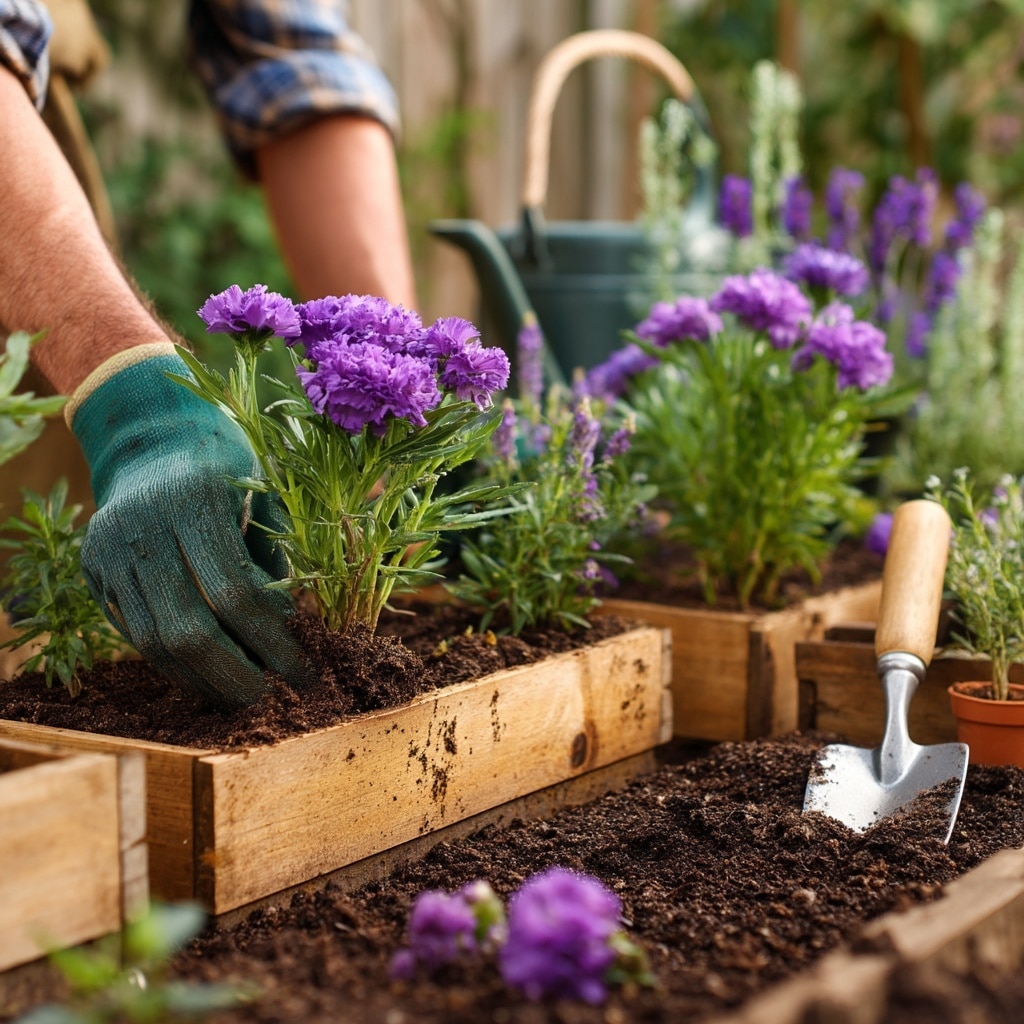
Proper care is the secret to getting the most vibrant, long-lasting purple flowers. While many varieties are low-maintenance, knowing their basic needs will help them thrive in your garden year after year.
🌿 Well-Drained Soil is Essential
The majority of purple flowers dislike soggy conditions. Poor drainage can lead to root rot and other issues that stunt growth or kill the plant.
How to improve soil drainage:
- Mix in compost, bark, or sand to loosen heavy clay
- Raise beds or create mounds for better water flow
- Use containers with drainage holes for sensitive plants
Lavender and salvia, for instance, flourish in sandy, well-drained soils that mimic their native environments.
☀️ Understand Sunlight and Shade Needs
Not all purple flowers need the same light levels. Some love full sun, while others prefer a bit of shade.
Full sun lovers:
- Cosmos
- Allium
- Anise Hyssop
Partial shade fans:
- Anemones
- Bee Orchids
- Bell Heather
Check each plant’s label or botanical info to choose the right spot, ensuring healthy growth and abundant blooms.
💧 Get the Watering Right
Overwatering is a common mistake, especially with drought-tolerant purple varieties. On the flip side, some types need consistent moisture.
Watering tips:
- Water early in the morning or late evening
- Let soil dry slightly between waterings for most perennials
- Group plants with similar watering needs together
Using mulch around the base of your purple flowers can help retain moisture and reduce watering frequency.
🌸 Feed for Better Blooms
Fertilizer isn’t always necessary, but the right nutrients can encourage stronger stems and more vibrant purple flowers.
Best practices:
- Use a balanced fertilizer (10-10-10) at planting time
- Reapply mid-season for perennials
- Avoid high-nitrogen fertilizers, which promote leaves over blooms
Organic compost or worm castings also make great soil enhancers for flower production without the risk of overfeeding.
🐛 Watch for Pests and Diseases
Although many purple flowers are naturally pest-resistant, they can still face occasional threats like:
- Aphids on tender new growth
- Powdery mildew in humid weather
- Root rot in poorly drained soils
Prevention tips:
- Space plants properly for airflow
- Inspect regularly, especially under leaves
- Use neem oil or insecticidal soap for pest control
Avoid overhead watering to reduce the risk of fungal diseases.
🌼 Choose the Right Purple Flower for Your Climate
Pick purple flowers that are well-suited to your local weather patterns and soil type.
- Cool climates: Asters, violas, lupines
- Mediterranean climates: Lavender, sage, rosemary
- Tropical zones: Orchids, bougainvillea, tibouchina
- Dry areas: Desert sage, purple prickly pear
Matching plant needs to your zone reduces stress and improves blooming success.
🧑🌾 Companion Planting and Garden Design
Use purple flowers to enhance the visual balance of your garden while boosting plant health.
Good companion ideas:
- Pair with white or yellow flowers for contrast
- Grow near herbs like thyme and oregano for pest control
- Use taller purple varieties as a backdrop for low-growing ground covers
In formal designs, use symmetry and repetition. In naturalistic gardens, scatter them organically for a wildflower effect.
☀️ Purple Flowers That Thrive in Different Climates
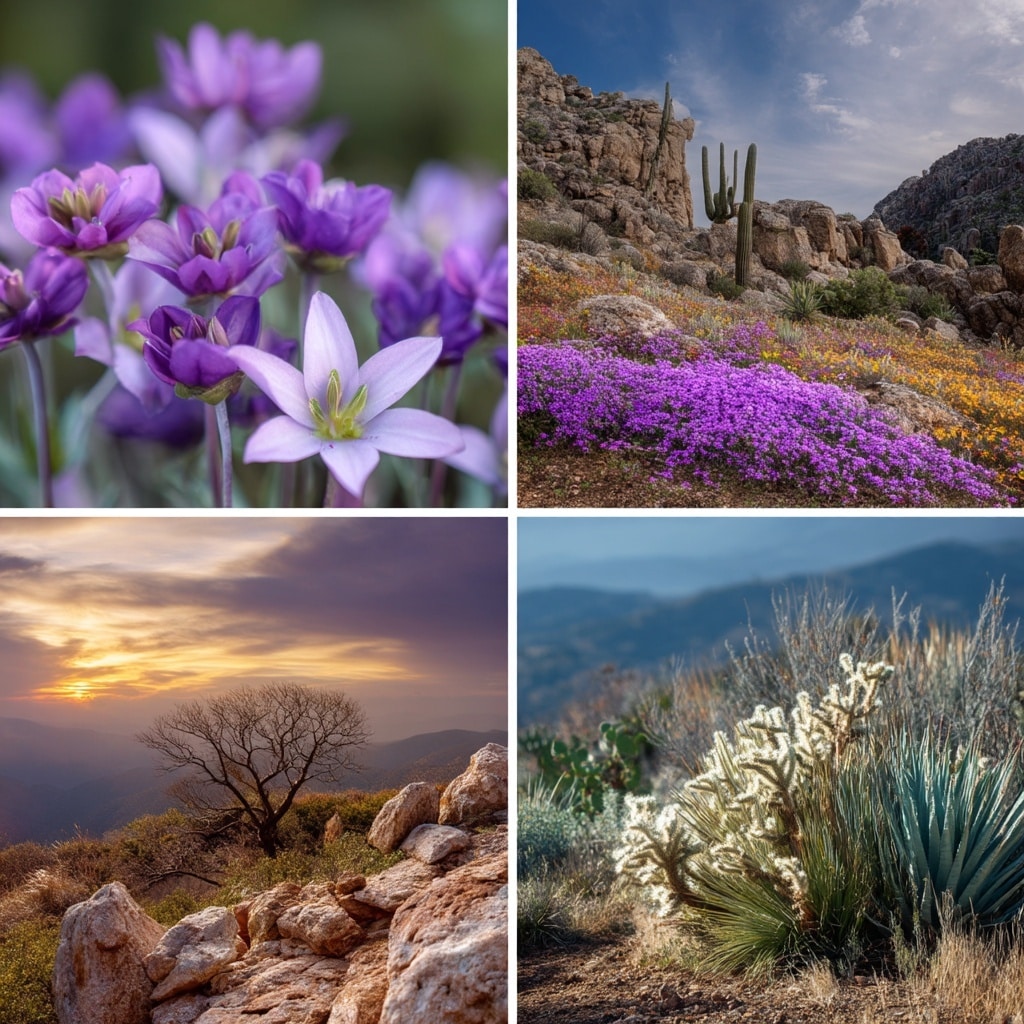
No matter where you live, there’s a selection of purple flowers that can flourish in your specific climate. The key is choosing the right species that match your temperature range, sunlight levels, and rainfall.
🏔️ Cool Temperate & Alpine Climates
If your area experiences cold winters and short summers, look for hardy, frost-tolerant blooms.
Top picks:
- Lupine (Lupinus): Tall spires of purple flowers, perfect for cottage gardens
- Delphinium: Elegant spikes in shades of blue-purple, great for borders
- Viola: Low-growing and cold-hardy, ideal for spring color
These varieties tolerate cold and often bloom early, adding life to chilly gardens.
🌿 Mediterranean Climates
Regions with hot, dry summers and mild winters are ideal for sun-loving, drought-tolerant purple flowers.
Great options:
- Lavender (Lavandula): Iconic fragrance and silvery foliage
- Salvia (Sage): Long-lasting purple blooms with pollinator appeal
- Rosemary: Some varieties produce tiny purple flowers and add culinary value
These plants thrive in full sun with minimal water, making them excellent for low-maintenance gardens.
🌴 Tropical & Subtropical Climates
Warm temperatures and high humidity support lush, exotic purple flowers with bold forms and vibrant hues.
Top choices:
- Orchids (Orchidaceae): Many tropical orchids feature stunning purple tones
- Bougainvillea: Vigorous climber with papery purple bracts
- Tibouchina (Princess Flower): Vivid purple blooms with velvety leaves
Plant these in well-draining soil with filtered light or partial sun for best performance.
rid & Desert Climates
Even the driest regions can support striking purple flowers, especially those adapted to retain water and resist heat.
Desert-friendly picks:
- Purple Prickly Pear (Opuntia violacea): Unique purple pads and occasional flowers
- Desert Sage (Salvia dorrii): Silvery leaves and deep purple-blue blooms
- Penstemon: Many desert species produce long-lasting purple flower spikes
These resilient plants are ideal for xeriscaping and low-water gardens.
🌧️ Wet or Marshy Climates
If your garden stays damp or includes ponds, look for moisture-loving purple flowers that won’t rot in soggy soil.
Ideal choices:
- Water Hyacinth (Eichhornia): Floating aquatic plant with lavender blooms
- Pickerelweed (Pontederia): Great for pond edges, with spiky violet flowers
- Purple Loosestrife (Lythrum salicaria): Beautiful but invasive in some areas—check local guidelines
Perfect for rain gardens or water features, these plants bring color to wet spaces.
🌦️ Temperate Climates (Most Common)
If your region experiences four distinct seasons, you have a wide range of purple flowers to choose from.
Versatile options:
- Aster: Fall bloomer with daisy-like purple petals
- Purple Coneflower (Echinacea): Great for summer color and pollinator appeal
- Lilac (Syringa): Fragrant springtime favorite for hedges or shrub borders
These classics are tried-and-true performers that blend well with most garden styles.
🌼 Conclusion
Adding purple flowers to your garden is one of the simplest ways to introduce elegance, texture, and long-lasting seasonal color. From hardy perennials to exotic bloomers, there’s a perfect purple plant for every garden style and climate. Whether you’re attracting pollinators, designing a color-themed border, or simply enhancing your outdoor space, these 10 beautiful options offer both beauty and practicality. Choose varieties that suit your conditions, and you’ll enjoy waves of vibrant blooms for years to come.