
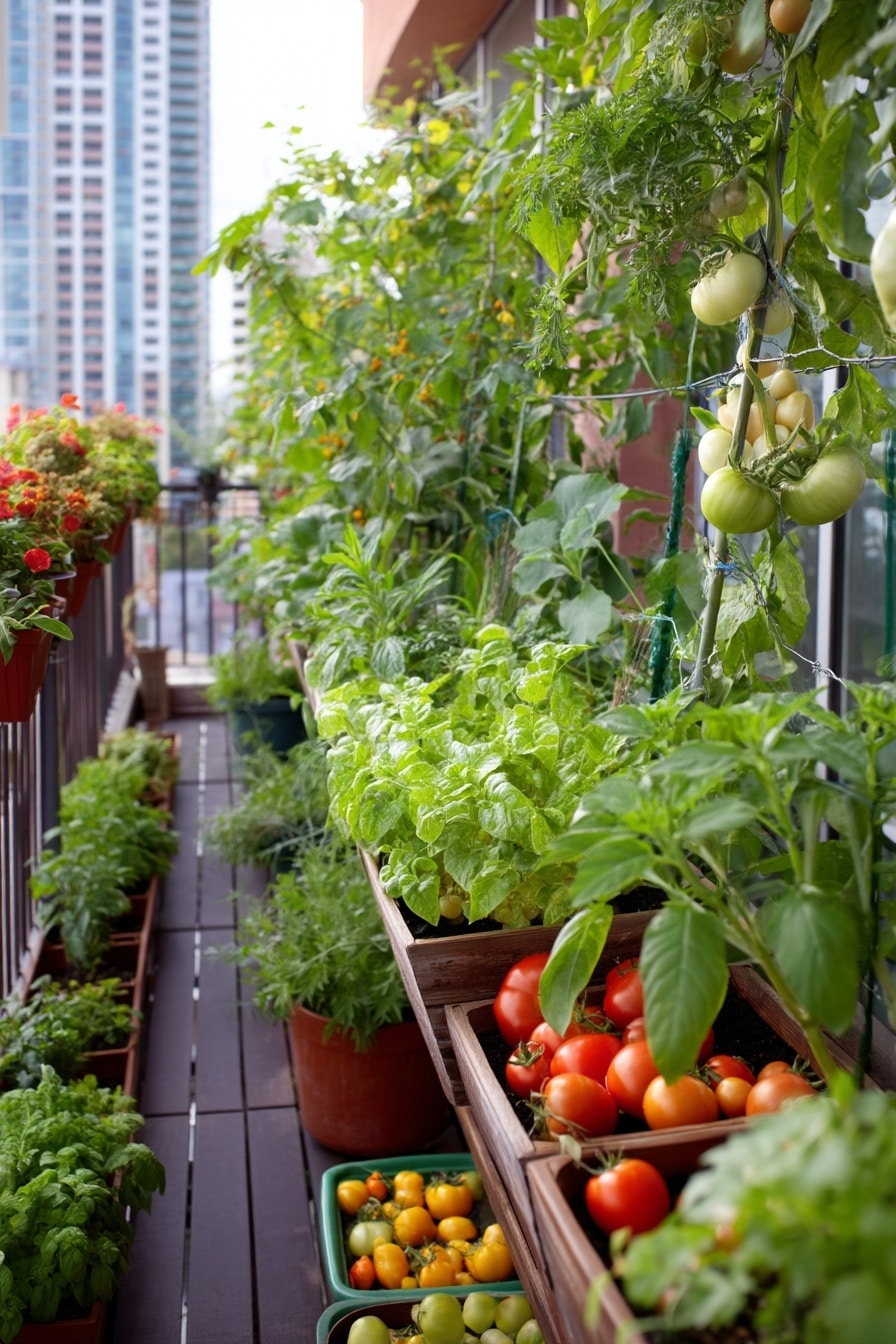
Vegetable garden projects aren’t just for those with sprawling backyards—they’re thriving on balconies, too. Whether you live in a city high-rise or a small apartment, your outdoor space holds the potential to grow fresh, healthy produce right at home.
A balcony vegetable garden lets you reconnect with nature, reduce your grocery bill, and enjoy the unbeatable flavor of homegrown herbs and veggies. With the right containers, soil, and sunlight, even a modest patio can turn into a productive mini-farm.
In this guide, you’ll learn everything you need to know to get your balcony vegetable garden off to a successful start—from setup to harvest.
Table of Contents
1. Assess Your Balcony Conditions

Before you plant a single seed, it’s important to understand the growing conditions of your balcony. Every vegetable garden—no matter how small—relies on matching the right plants to the right environment.
Start by observing how much sunlight your balcony gets. Most vegetables need 6–8 hours of full sun daily. If your balcony faces east or west, you’ll likely get enough light for leafy greens and herbs. A south-facing spot is ideal for tomatoes, peppers, and cucumbers. If you’re working with shade, don’t worry—lettuce, spinach, and parsley can still thrive.
Also, take note of the wind. Balconies, especially on upper floors, can be breezy. Strong gusts dry out soil quickly and can damage delicate plants. Use walls, screens, or tall containers to act as windbreaks and keep your vegetable garden protected.
2. Be Mindful of Weight Limits

When starting a balcony vegetable garden, safety matters just as much as sunlight and soil. Balconies are engineered to hold a specific amount of weight, and overloaded structures can become a serious risk.
Keep in mind that containers filled with soil and water get heavy fast—especially after rainfall. Before setting up your garden, review your building’s guidelines or ask your property manager about the weight capacity per square foot.
To reduce weight without sacrificing plant health, use lightweight plastic or fabric pots instead of heavy terracotta. You can also place trays under containers to prevent water runoff, which adds extra moisture (and weight) to your space.
Pro tip: Arrange your heaviest containers near walls or support beams, where the structure is strongest. This allows your vegetable garden to stay safe and stable throughout the growing season.
3. Choose the Right Containers
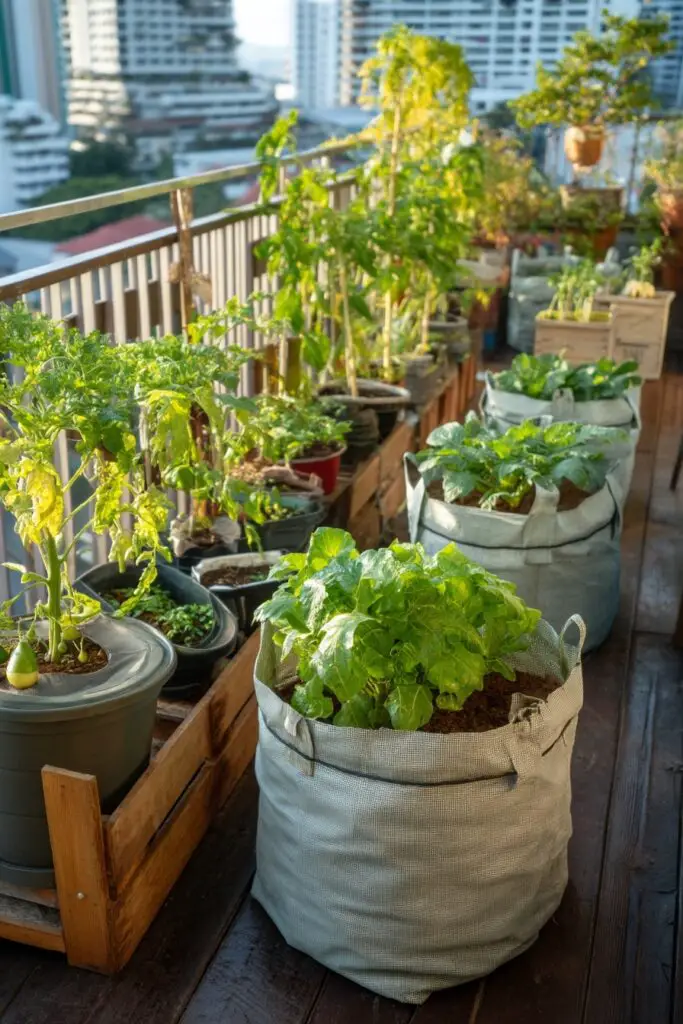
The foundation of any container-based vegetable garden is, of course, the container. Choosing the right ones can make a big difference in how well your vegetables grow—and how easy it is to care for them.
Look for containers that offer good drainage, enough depth, and are made of weather-resistant materials. For most vegetables, pots should be at least 10–12 inches deep. Shallow pots dry out quickly and limit root growth, which stunts plant productivity.
Fabric grow bags, plastic pots, and lightweight resin containers are ideal for balconies since they’re durable and easy to move. Avoid glazed ceramic or unsealed terracotta unless they’re placed in sheltered areas, as they can crack in extreme weather or retain too much moisture.
Also, consider container shape. Square or rectangular pots make better use of tight spaces and let you group vegetables together for companion planting—an efficient strategy in a small vegetable garden.
4. Use the Right Soil Mix
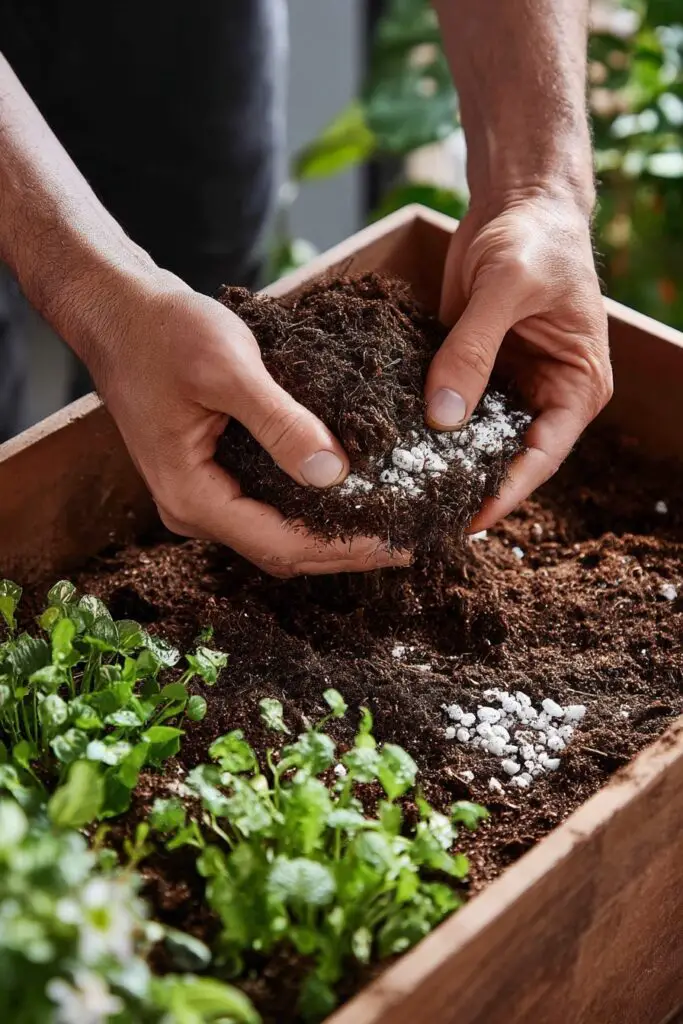
Healthy soil is the backbone of a thriving vegetable garden, especially when you’re growing in containers. Regular garden soil is too dense for pots—it compacts easily and can suffocate roots. Instead, use a high-quality potting mix designed specifically for vegetables or container gardening.
The ideal mix should be light, well-draining, and rich in organic matter. Look for blends that include ingredients like peat moss or coco coir for moisture retention, perlite for aeration, and compost for nutrients. Some mixes even contain slow-release fertilizers to give your vegetables a solid start.
You can also create your own custom mix with:
- 40% compost
- 30% coco coir or peat moss
- 30% perlite or vermiculite
Don’t forget to top off your containers with a light layer of mulch. It helps retain moisture and keeps the soil temperature stable—two critical factors for a successful vegetable garden on a sun-exposed balcony.
5. Best Vegetables for a Balcony Garden
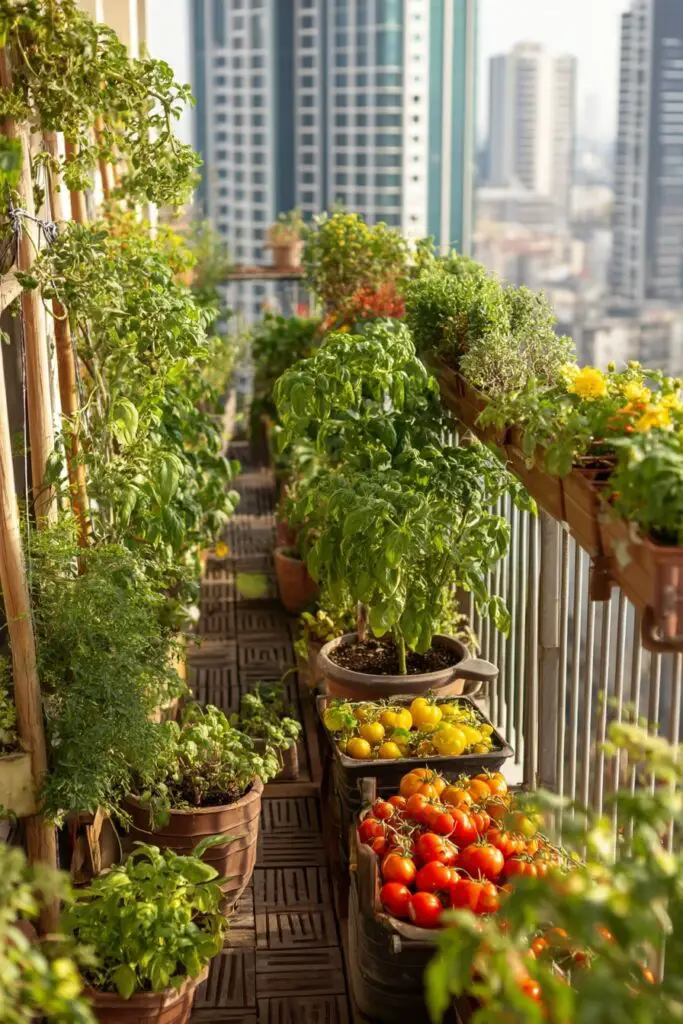
When space is tight, plant selection matters. The best crops for your balcony vegetable garden are compact, quick-growing, and productive in containers. These plants don’t need sprawling beds or deep roots to thrive—they just need a bit of care and the right setup.
Top choices for balcony gardening include:
- Leafy greens: Lettuce, spinach, arugula, and kale grow fast and do well in shallow pots.
- Herbs: Basil, parsley, cilantro, mint, and chives are perfect for small containers and regular harvesting.
- Tomatoes: Choose determinate (bush) or cherry tomato varieties for limited space. Use a cage or stake for support.
- Peppers: Bell, chili, and sweet mini peppers grow well in deep containers with full sun.
- Radishes and carrots: Quick to mature and ideal for medium-depth pots.
- Bush beans or peas: These stay compact and can be grown vertically with support.
Stick to 2–3 types of plants to start with, based on your space and how often you plan to tend your vegetable garden. Success with a few easy crops will give you the confidence to grow more in future seasons.
6. Watering and Care Tips
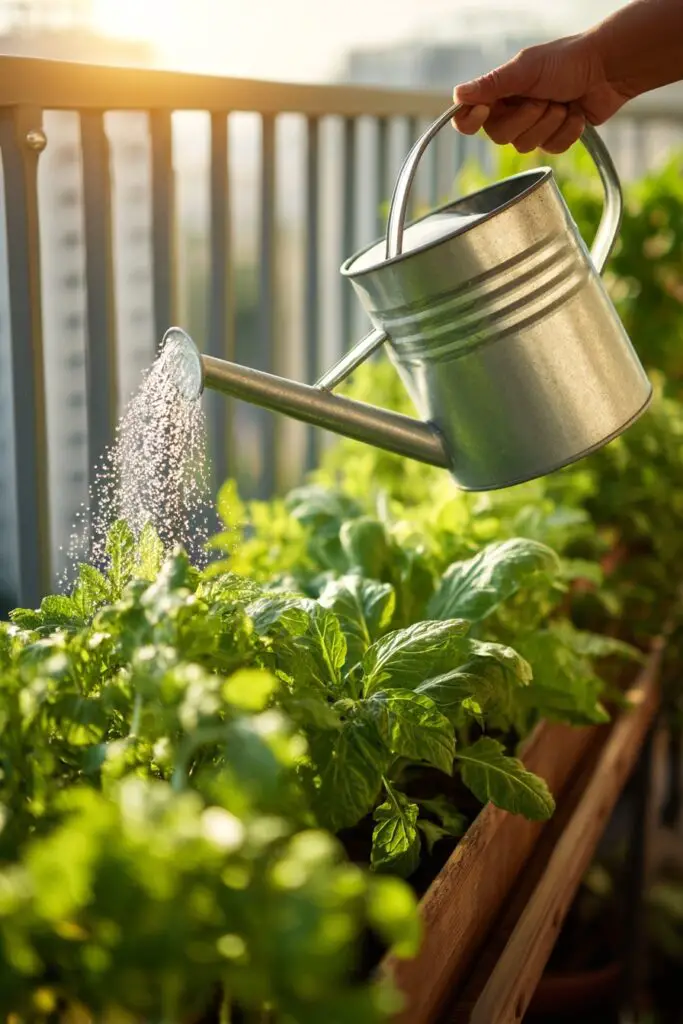
Caring for a balcony vegetable garden is all about consistency. Containers dry out more quickly than ground soil, especially in full sun or windy conditions, so regular watering is key to keeping your plants healthy and productive.
As a general rule, check your soil daily. If the top inch feels dry, it’s time to water. Mornings are best to avoid evaporation and fungal issues. Use a watering can with a narrow spout or a drip irrigation system for better control in small spaces.
In hot weather, you may need to water twice a day—especially for leafy greens and fruiting crops like tomatoes or peppers.
Smart care habits include:
- Using self-watering containers or trays to extend moisture
- Adding mulch to container surfaces to slow evaporation
- Removing yellowing leaves or spent flowers to keep plants focused on growth
- Rotating pots occasionally to ensure even sunlight exposure
Keeping up with these simple practices will help your vegetable garden stay healthy and productive throughout the growing season.
7. Fertilizing Your Balcony Garden
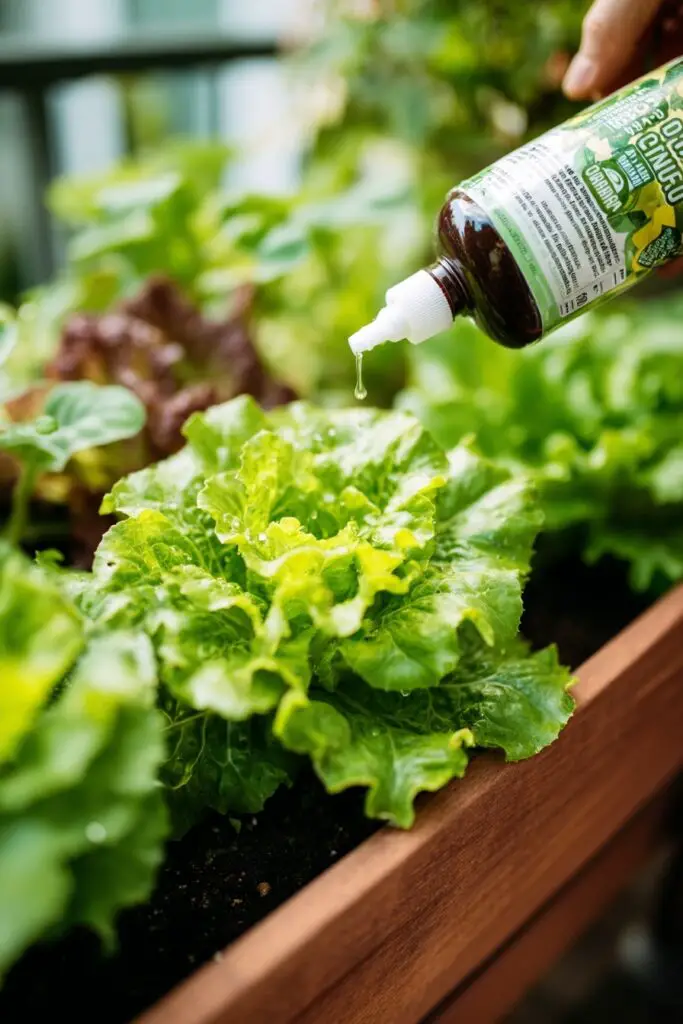
Even the best potting mix runs low on nutrients over time, so regular feeding is essential to maintain a productive vegetable garden in containers. Since potted plants can’t access nutrients from the ground, what you give them directly affects their growth and yield.
Choose a balanced, organic fertilizer or one formulated specifically for vegetables. Liquid fertilizers are great for quick absorption and easy application—just dilute and water every 2–3 weeks. Granular or slow-release options work well too, especially for busy gardeners who prefer a “set it and forget it” method.
Always follow label instructions to avoid overfeeding, which can damage roots or cause leaf burn.
Fertilizing tips:
- Feed leafy greens with nitrogen-rich blends
- Use balanced (e.g., 10-10-10) fertilizers for fruiting plants like tomatoes and peppers
- Apply in the morning or late afternoon to reduce stress on the plants
- Avoid fertilizing dry soil—always water before feeding
With the right nutrition, your vegetable garden will produce flavorful, healthy crops that keep coming back week after week.
8. Keep Pests Under Control

Even in a balcony vegetable garden, pests can show up when you least expect them. Aphids, spider mites, whiteflies, and even caterpillars may find their way to your plants, especially during warm months or if nearby greenery attracts them.
The good news? You don’t need harsh chemicals to manage these issues. Natural methods can keep your garden healthy and safe to harvest.
Start by inspecting your plants regularly. Flip leaves over, check stems, and look for signs of damage like holes, sticky residue, or yellowing. Early detection makes control much easier.
Safe pest control strategies:
- Spray leaves with a mix of water and mild soap to deter soft-bodied insects
- Introduce beneficial bugs like ladybugs, if possible
- Use neem oil or garlic spray as natural repellents
- Remove infected leaves or entire plants if infestations spread
- Keep your vegetable garden clean by removing dead leaves and trimming overgrowth
With consistent monitoring and gentle care, you can keep pests in check and enjoy a productive, chemical-free growing space.
9. Harvest and Replant with the Seasons

The beauty of a balcony vegetable garden is that it can produce fresh crops throughout much of the year—if you plan around the seasons. Most vegetables grow quickly in containers, which means you can enjoy multiple harvests with a little timing and rotation.
Start by picking vegetables at their peak. Regular harvesting actually encourages more growth, especially for leafy greens, herbs, beans, and cucumbers. Use clean scissors or pruners, and avoid pulling plants to prevent root disturbance.
As one crop finishes, clear out the container, refresh the soil mix, and replant with something suited for the next season. For example, after summer tomatoes and peppers, fall is perfect for radishes, spinach, and kale.
Seasonal tips for replanting:
- Track planting and harvest dates in a small garden journal
- Choose short-season or fast-maturing crops for tight windows
- Store seeds in a cool, dry place between plantings
- Use crop rotation even in containers to prevent soil fatigue
A seasonal approach keeps your vegetable garden productive and exciting all year long.
Conclusion
Starting a balcony vegetable garden is one of the most rewarding ways to turn your outdoor space into something fresh, green, and useful. With the right setup—sunlight, containers, soil, and consistent care—you can grow a surprising amount of food, even in a small area.
Whether you’re new to gardening or just looking for a more sustainable lifestyle, your balcony can become a thriving little farm in the sky. Start simple, grow what you love, and enjoy the process of tending to your own edible oasis.