
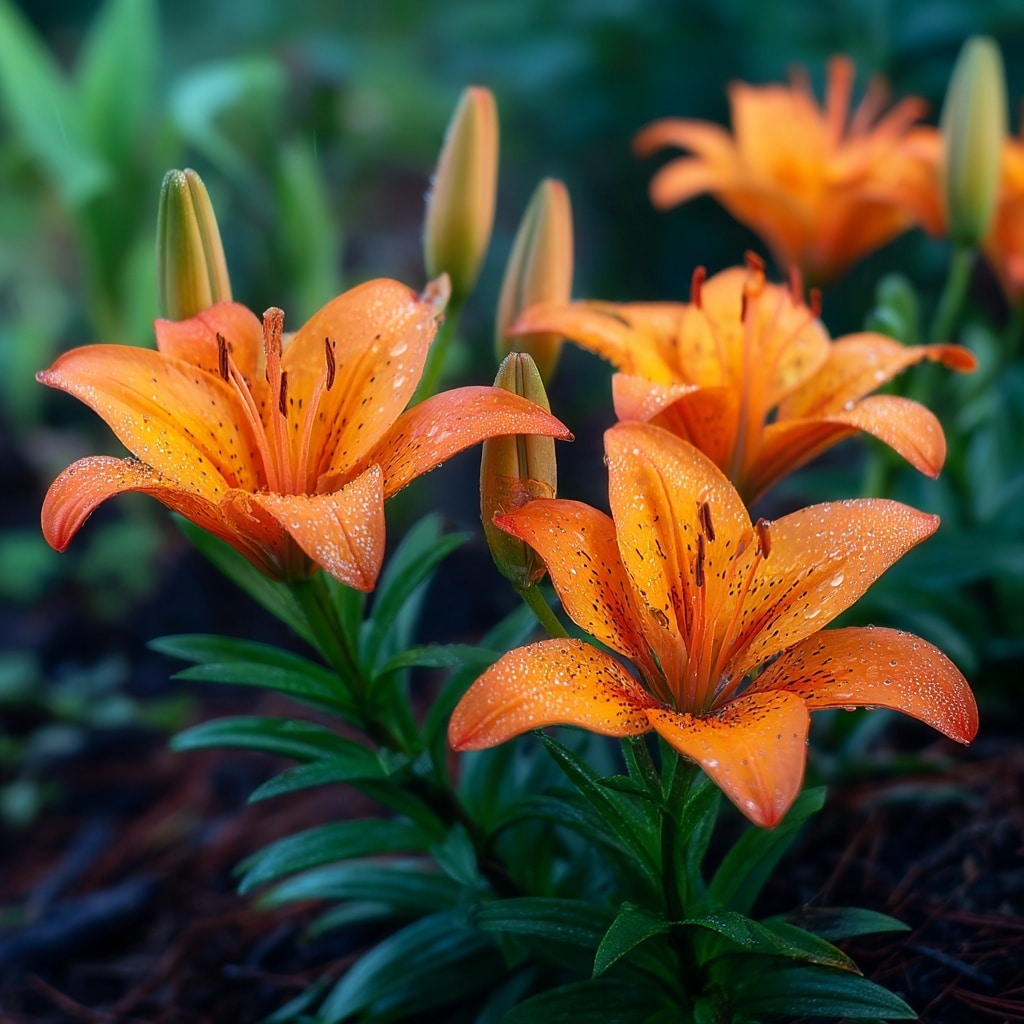
Lily flower lovers often wonder how best to grow and care for tiger lily bulbs so they bloom in vibrant glory.
Tiger lilies (Lilium lancifolium) are among the showiest members of the lily family, offering bold colors, dramatic presence, and relatively simple maintenance. With the right soil, light, and routine care, your tiger lily flower beds can shine reliably year after year.
In this guide, you’ll discover the steps to plant, nurture, and protect your tiger lily flower bulbs from pests and disease — all in a friendly, expert tone that’s easy to follow.
Table of Contents
Tiger Lily Quick Care Tips

The lily flower thrives when provided with the right balance of sunlight, water, and well-draining soil. These vibrant blooms are known for their hardiness, but a few key care habits make all the difference in how long they last and how beautifully they bloom.
Here’s a quick summary to keep your tiger lilies happy:
- Sunlight: Full sun to partial shade — at least 6 hours of direct sunlight daily.
- Soil: Well-draining, loamy soil rich in organic matter. Avoid heavy clay or soggy areas.
- Watering: Keep the soil consistently moist during the growing season but never waterlogged.
- Fertilizer: Apply a balanced, slow-release fertilizer in early spring to boost growth and flowering.
- Spacing: Allow 12–15 inches between bulbs for proper air circulation and healthy roots.
- Pruning: Remove spent blooms to encourage new flower production and maintain neatness.
When you combine these elements, your lily flowers will reward you with large, bright-orange blooms that stand tall and proud in your summer garden.
Lily Flower Care: Success Starts With Good Soil Preparation

Healthy, long-lasting lily flowers begin with properly prepared soil. Before planting tiger lily bulbs, make sure the ground is loose, fertile, and drains well. Lilies dislike standing water — it causes bulb rot and weakens growth.
Start by digging about 12 inches deep and working in compost or aged manure to enrich the soil. Adding a bit of coarse sand or perlite helps improve drainage, especially in heavy soils. Aim for a slightly acidic to neutral pH level between 6.0 and 7.0 — the sweet spot for tiger lilies.
For gardeners growing lilies in containers, choose a high-quality potting mix with organic matter and ensure the pot has drainage holes. A layer of small stones or gravel at the bottom prevents excess water buildup.
When the foundation is right, tiger lilies establish strong roots, absorb nutrients efficiently, and deliver those dramatic, speckled blooms that make this lily flower a true standout in any landscape.
What Does a Tiger Lily Look Like?

The lily flower family is known for elegance, but the tiger lily stands out with its wild beauty. Its bright orange petals are covered with dark speckles, resembling the coat of a tiger — hence the name. Each flower measures about 4 to 6 inches wide and blooms on tall, upright stems that can reach 3 to 5 feet in height.
The petals of this lily flower curve backward gracefully, creating a striking, star-shaped appearance. Long stamens with dark anthers extend outward, adding drama and texture to the plant’s silhouette. When planted in groups, tiger lilies create a bold vertical accent in garden beds or along fences.
The foliage is equally attractive — slender, lance-shaped leaves grow alternately along the stem, maintaining a lush green backdrop even after the flowers fade. When in bloom from mid to late summer, tiger lilies become a magnet for butterflies and hummingbirds, filling your garden with motion and color.
Plant Bulbs of Tiger Lilies in Late Fall or Very Early Spring

For the strongest, healthiest lily flowers, timing is everything. Tiger lily bulbs should be planted in late fall or very early spring, depending on your local climate. This allows the bulbs to establish roots before the growing season begins.
Choose a sunny location with good drainage. Dig holes about 6 to 8 inches deep and place the bulbs with their pointed ends facing upward. Cover them gently with soil and water thoroughly to settle them in place. If planting multiple bulbs, space them 12 to 15 inches apart to prevent overcrowding and promote airflow.
In colder regions, consider adding a layer of mulch after planting to protect the bulbs during winter. As temperatures warm up in spring, remove excess mulch to allow new shoots to emerge freely.
With proper planting and seasonal timing, your lily flowers will reward you with a burst of orange brilliance year after year, transforming your garden into a summer showcase.
Trim Spent Blossoms Diligently
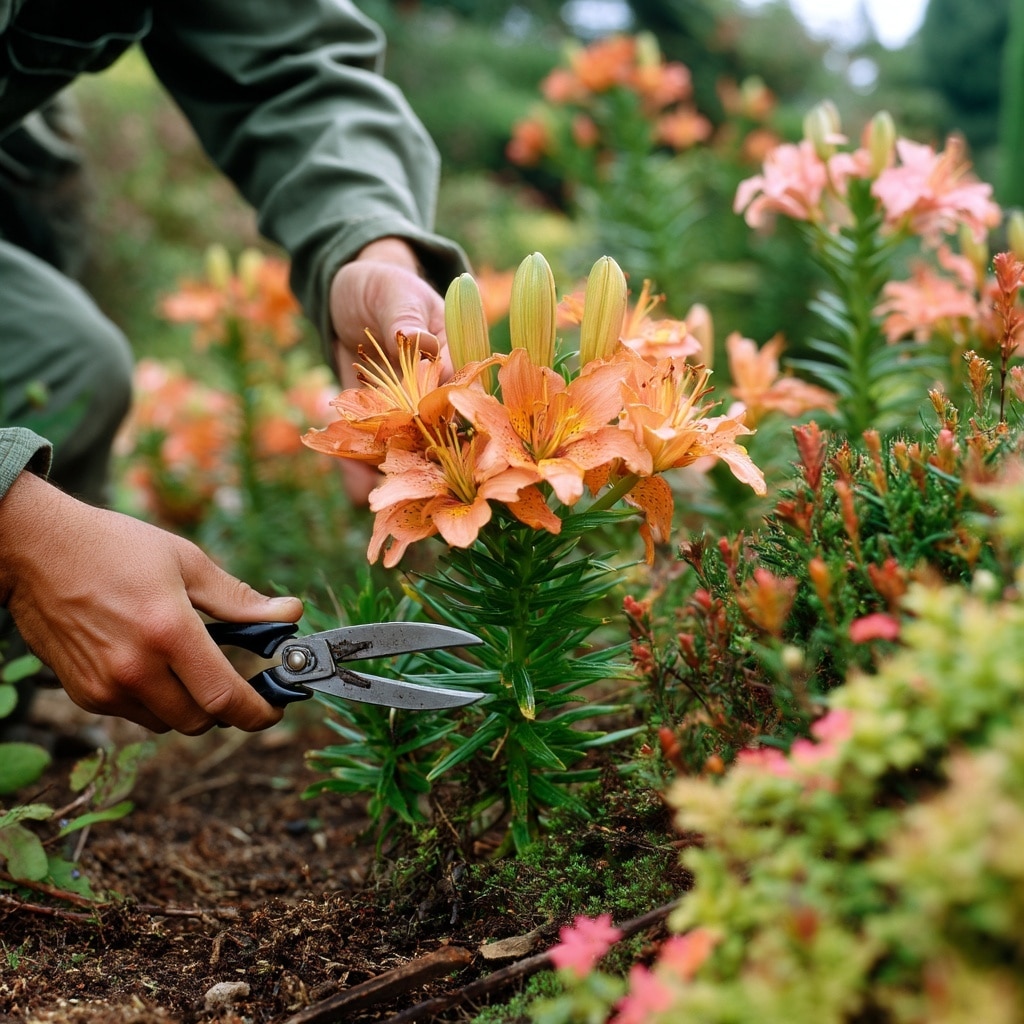
Deadheading — the removal of faded blooms — is essential to keep your lily flowers vibrant and healthy. Once the blossoms begin to wilt, they start channeling energy into seed production rather than bulb strength. By trimming these spent flowers promptly, you help redirect nutrients back into the bulb, promoting stronger growth and even more impressive blooms next season.
Use clean, sharp scissors or pruning shears to cut just below the spent bloom, leaving the stem and leaves intact. The foliage continues to photosynthesize and feed the bulb through late summer, so avoid removing green leaves until they naturally turn yellow and die back.
For gardeners who love a tidy garden, deadheading also enhances visual appeal. It keeps your lily flower beds looking fresh and reduces the risk of fungal diseases that thrive on decaying petals. Regular trimming is a small task that yields big rewards — fuller bulbs and a cleaner, healthier garden.
Propagation, Divide & Feed in Autumn
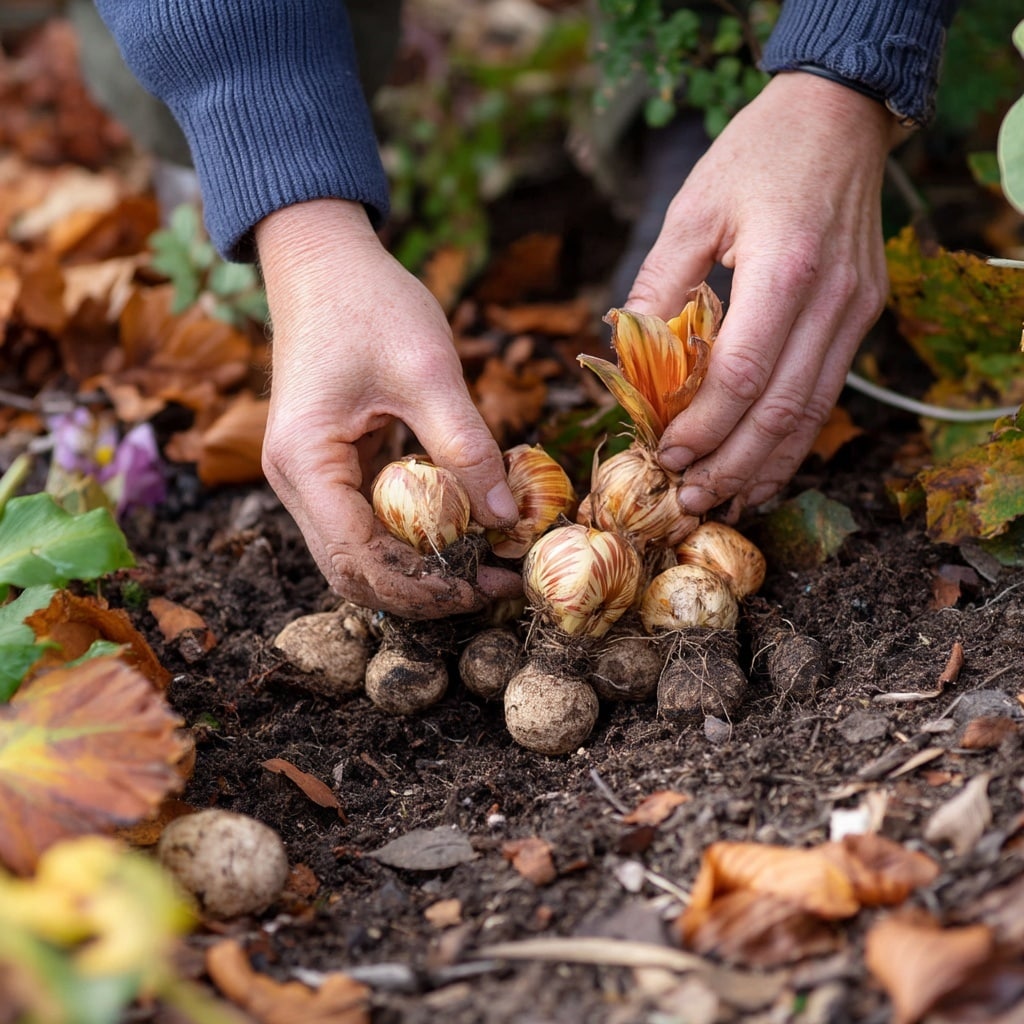
Autumn is the perfect time to rejuvenate your lily flowers and prepare them for another season of spectacular blooms. After the flowering period ends and the foliage begins to yellow, focus on dividing, propagating, and feeding your tiger lilies.
Dividing the Bulbs
Every 3 to 4 years, tiger lily clumps may become overcrowded, leading to smaller or fewer blooms. To fix this, gently dig up the bulbs using a garden fork and separate the offsets (small baby bulbs) from the main cluster. Replant these divisions in fresh, well-prepared soil to encourage vigorous new growth.
Feeding for Stronger Blooms
Once divided, enrich the soil with compost or a balanced slow-release fertilizer (10-10-10). Feeding in fall strengthens the bulbs and prepares them for strong root development before winter sets in.
Propagation Tips
Tiger lilies can also be propagated from bulbils, small black bulbs that form along the stem’s leaf axils. Collect these bulbils in autumn and plant them in shallow trays or garden beds. Within a year or two, they’ll mature into flowering plants, expanding your lily flower display naturally.
By caring for your lilies each autumn, you ensure they continue to produce healthy, show-stopping blooms season after season.
Mulch in Springtime
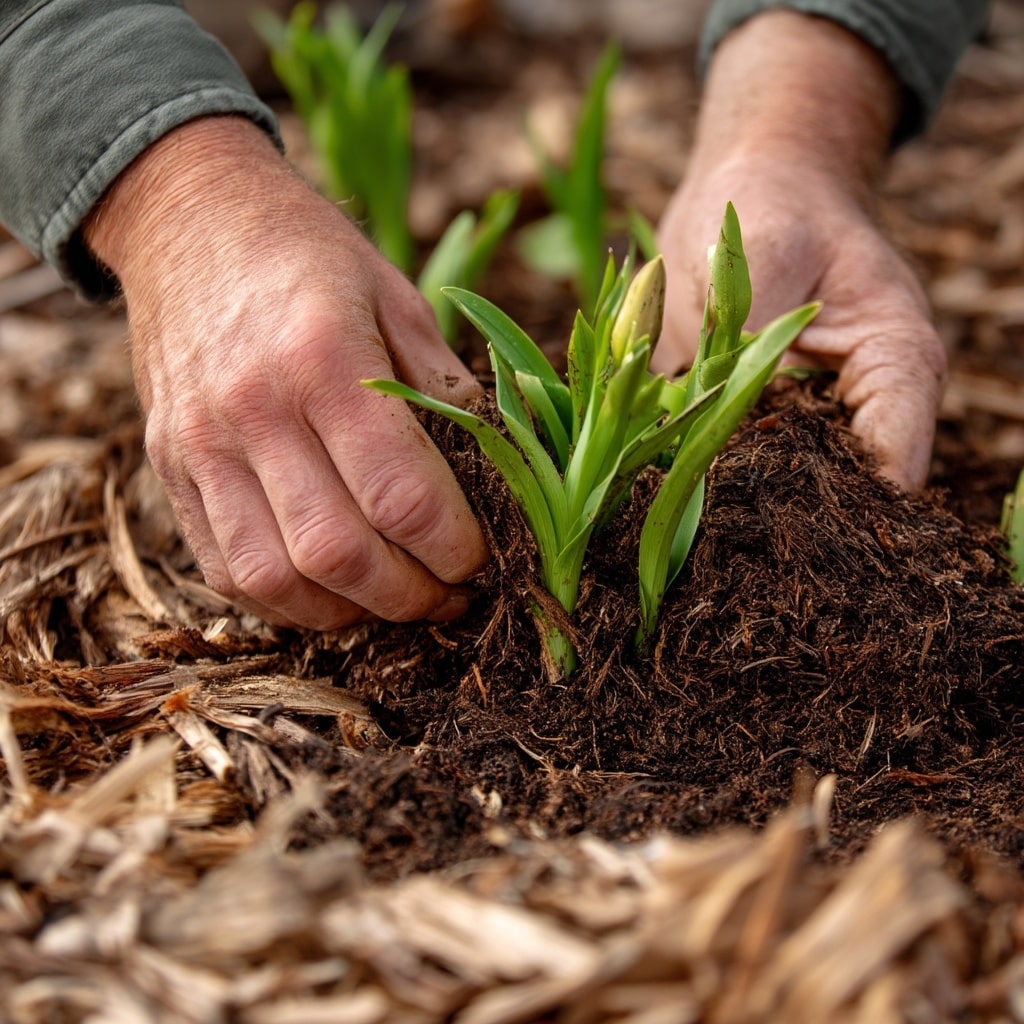
When spring arrives, one of the easiest ways to protect and nourish your lily flowers is by applying a fresh layer of mulch. Mulching helps retain soil moisture, regulate temperature, and prevent weeds from competing with your lilies for nutrients.
Use organic mulch such as shredded bark, straw, pine needles, or compost. Spread a 2–3 inch layer around the base of the plants, but keep it a few inches away from the stems to avoid excess moisture buildup. This barrier not only conserves water but also keeps the bulbs cooler as the weather warms.
As mulch decomposes, it naturally enriches the soil with organic matter, improving texture and fertility over time. For gardeners in hot climates, this step is especially important — it keeps your lily flowers from drying out too quickly and helps them thrive throughout the blooming season.
When and How to Plant Tiger Lily Seeds?

While most gardeners grow lily flowers from bulbs, tiger lilies can also be grown from seeds if you’re patient. This method takes longer but can be rewarding when you see the first blooms from your own hand-raised plants.
When to Plant
Collect seeds from mature pods in late summer or early fall once they begin to dry and split open. For best results, plant them immediately or store them in a cool, dry place until early spring.
How to Plant
Start the seeds indoors in seed trays filled with light, well-draining soil. Press them gently into the surface and cover lightly with soil. Mist with water and keep the tray in a warm, bright location — ideally around 70°F (21°C). Germination may take several weeks.
When the seedlings develop two to three true leaves, transplant them carefully into larger pots or garden beds. Continue to water regularly, keeping the soil moist but not soggy. It may take two to three years for these lily flowers to produce their first blooms, but the wait is worth it for gardeners who love growing from scratch.
Pests and Diseases on Tiger Lilies

Even the most resilient lily flowers can face problems with pests and diseases. By identifying these early, you can prevent lasting damage and keep your plants strong all season long.
Common Pests
- Aphids: These tiny insects feed on the sap of leaves and stems, causing distortion and stunted growth. Spray with neem oil or a mild insecticidal soap to control infestations.
- Red Lily Beetles: Bright red beetles and their larvae chew through leaves quickly. Handpick them or apply an organic pesticide safe for ornamental plants.
- Slugs and Snails: These pests feed at night, leaving irregular holes in foliage. Use natural deterrents like crushed eggshells, diatomaceous earth, or beer traps around the base of the plants.
Common Diseases
- Botrytis Blight (Gray Mold): Appears as fuzzy gray mold on leaves and flowers, especially in humid conditions. Remove affected parts and improve airflow between plants.
- Basal Rot: This fungal disease attacks bulbs in overly wet soil. Prevent it by ensuring good drainage and avoiding overwatering.
- Mosaic Virus: Causes yellow streaks and deformed leaves. Infected lily flowers should be removed immediately to stop the spread.
Regular inspections and maintaining clean garden beds are the best defense against these issues. Healthy soil, balanced watering, and proper spacing go a long way in keeping your tiger lilies pest-free and thriving.
Why Choose Tiger Leopard Lilies?

The lily flower family offers countless varieties, but tiger lilies stand out for their striking looks, durability, and adaptability. They’re a perfect choice for gardeners who want bold color with minimal maintenance.
These hardy lily flowers thrive in a wide range of conditions — from cottage gardens to modern landscapes. Their tall stems and vivid orange blooms speckled with dark spots make them an instant focal point. Plus, they’re incredibly resilient to pests, poor soil, and temperature swings compared to many other ornamental plants.
Tiger lilies also multiply naturally through bulbils, meaning once planted, they’ll reward you with more flowers each season without extra effort. Their long-lasting blooms attract pollinators like butterflies and hummingbirds, bringing life and movement to your garden.
If you’re seeking a flower that combines beauty, strength, and effortless growth, the tiger lily flower is one of the most rewarding choices you can make.
Where Does the Tiger Lily Grow Wild?

The lily flower known as the tiger lily (Lilium lancifolium) has a fascinating natural history. Native to parts of Asia, particularly China, Japan, and Korea, this species was later introduced to Europe and North America, where it quickly adapted to different climates.
In the wild, tiger lilies often grow along roadsides, forest edges, and meadows, thriving in sunny areas with moist but well-drained soil. Their hardy bulbs allow them to survive cold winters and return year after year without special care.
In North America, wild tiger lilies can sometimes be found naturalized in rural fields and old gardens, where they continue to bloom beautifully even with little human attention. Their resilience and self-spreading habit make them a favorite for naturalized gardens and wildflower meadows.
Wherever they grow, these lily flowers symbolize confidence, positivity, and strength — qualities that mirror their ability to flourish almost anywhere they’re planted.
Conclusion
Growing and caring for lily flowers, especially the stunning tiger lily, is a truly rewarding experience. With just a bit of attention to soil, watering, and pruning, you’ll enjoy vibrant blooms that return year after year. These hardy, eye-catching flowers bring structure, color, and elegance to any garden — whether you’re planting them in beds, borders, or containers.
If you’re new to lilies, start with tiger lilies. Their resilience and low-maintenance nature make them perfect for beginners, while their bold beauty continues to captivate even seasoned gardeners.