
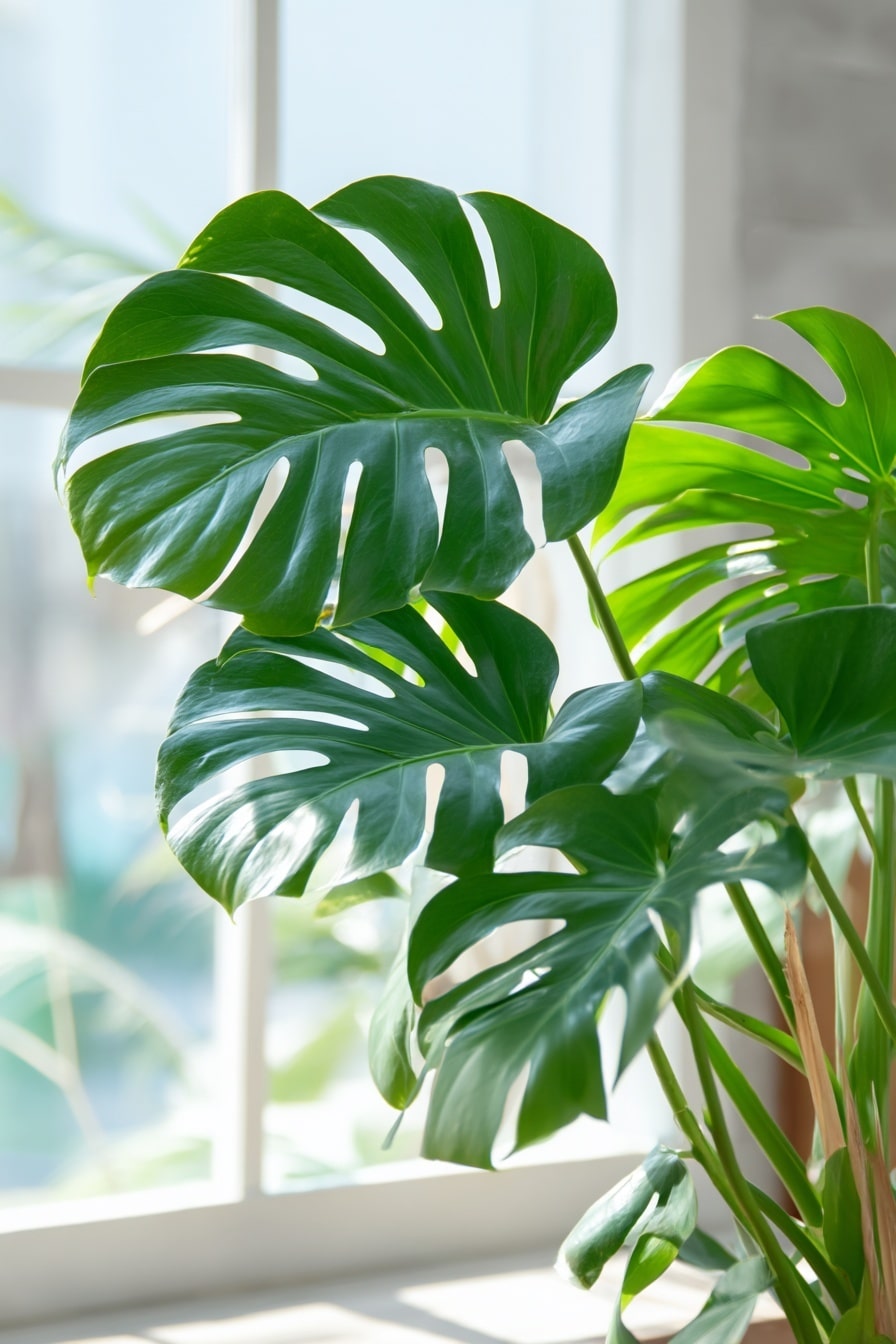
The monstera leaf is one of the most iconic and instantly recognizable features in the world of indoor plants. With its dramatic, split foliage and lush tropical vibe, it brings a bold, sculptural presence to any room. Often called the Swiss cheese plant or split-leaf philodendron (though it’s not a true philodendron), Monstera deliciosa has earned a loyal following among plant lovers for its beauty, resilience, and low-maintenance care.
Native to the rainforests of Central and South America, this vining plant climbs trees with aerial roots in its natural habitat. Indoors, it thrives in containers and can grow impressively large, adding a jungle-inspired touch to home or office spaces. But to get those famous fenestrated leaves looking their best, it’s important to know how to properly care for this stunning plant.
In this guide, we’ll walk you through everything you need to know to keep your monstera leaf healthy, glossy, and thriving.
Table of Contents
Why Monstera Leaf Plants Are So Popular

There’s a reason the monstera leaf shows up in everything from home décor to fashion prints—it’s bold, beautiful, and undeniably trendy. But this plant is more than just a pretty face. Monstera deliciosa offers a combination of striking aesthetics and surprisingly easy care that makes it a favorite for beginners and seasoned plant lovers alike.
The large, glossy green leaves develop dramatic splits and holes—called fenestrations—as the plant matures. These natural patterns not only make the plant look exotic but also help it survive in dense rainforests by allowing light and water to pass through to the lower leaves.
Beyond its beauty, Monstera is adaptable. It tolerates a range of indoor conditions, grows steadily with minimal fuss, and rewards your care with ever-larger leaves. Whether you’re styling a modern living room or creating a tropical corner in your office, the monstera leaf instantly adds life, texture, and an upscale botanical feel.
How to Plant and Pot a Monstera Leaf
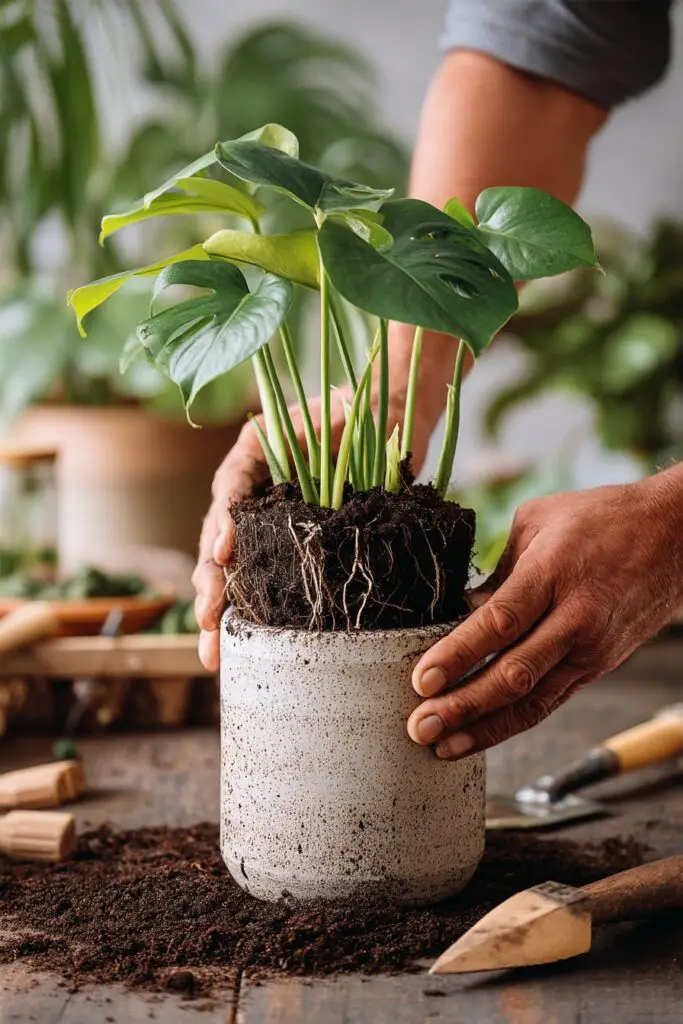
Getting your monstera leaf off to a strong start begins with the right soil and container setup. While Monstera is a hardy plant, proper planting ensures healthy roots and steady growth.
🪴 Choose the Right Soil
Use a high-quality commercial potting mix designed for houseplants. Look for soil that’s light, well-draining, and rich in organic matter. Avoid using garden soil—it’s too dense and can lead to root rot.
🪴 Select a Container with Drainage
Monstera doesn’t like soggy roots. Always choose a container with one or more drainage holes. If your pot doesn’t have any, drill a few yourself or use it only as a decorative cover for a functional grow pot.
🪴 Potting Your Monstera
- Fill the container about two inches from the top with potting mix.
- Gently remove the plant from its nursery pot, being careful not to damage the roots.
- Create a hole slightly larger than the root ball.
- Place the Monstera in the hole and firm the soil around it.
- Water thoroughly to settle the soil.
🔄 Repotting Tips
Your monstera leaf will need repotting every 1–2 years as it grows. When roots start circling the bottom of the pot or pushing through the drainage holes, it’s time to upgrade to a container that’s 2–3 inches wider.
Proper planting is the foundation for healthy leaves, strong roots, and future fenestration. Set it up right, and your Monstera will reward you with lush growth for years.
Watering Your Monstera Leaf the Right Way
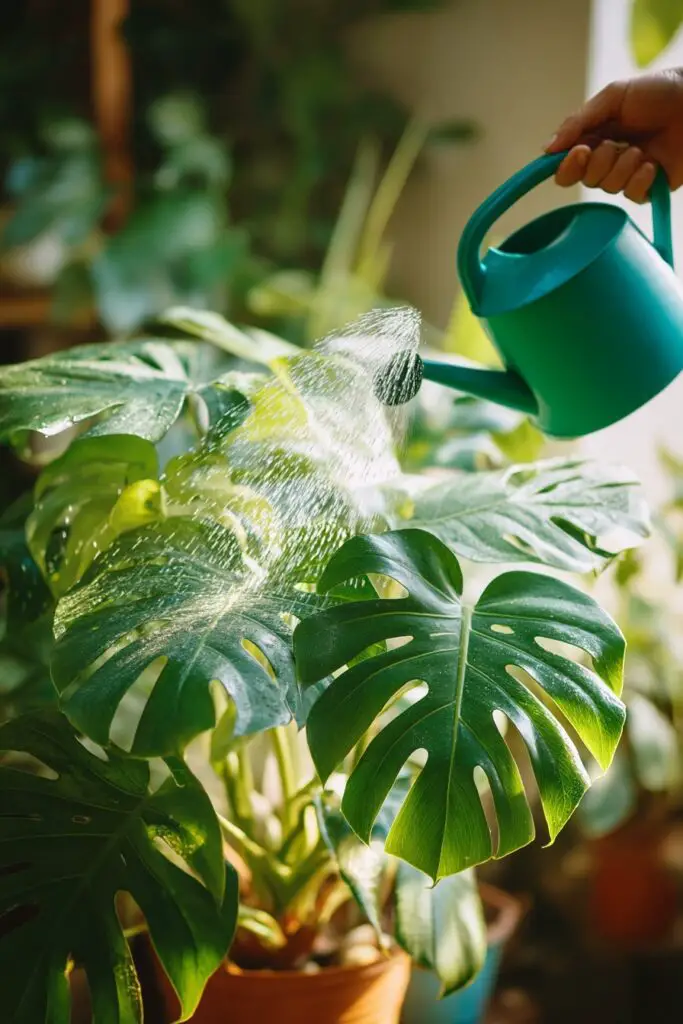
Watering is one of the most important aspects of caring for your monstera leaf, and fortunately, it’s also one of the easiest once you understand the plant’s rhythm. While Monsteras enjoy consistent moisture, they don’t tolerate soggy soil—which can quickly lead to root rot.
💧 Check Before You Water
Use your finger to test the soil. If the top 2–4 inches feel dry, it’s time to water. In warmer months, you might water weekly; during winter, less often. Stick to this “feel before you water” method rather than following a rigid schedule.
💧 How to Water Properly
- Water slowly and deeply at the soil level, not over the leaves.
- Continue watering until it runs out of the drainage holes—this ensures the entire root zone is hydrated.
- Always empty any excess water from saucers to prevent the roots from sitting in standing water.
🌿 Avoid Common Mistakes
- Don’t mist the leaves heavily—this can encourage fungal issues.
- If your monstera leaf begins to yellow, check for overwatering.
- Drooping leaves? That can signal both under- or overwatering. Check the soil to be sure.
Consistency is key. A well-hydrated monstera leaf will stay plump, glossy, and continue producing those beautiful split leaves you’re growing it for.
Pruning Tips to Keep It Lush and Manageable
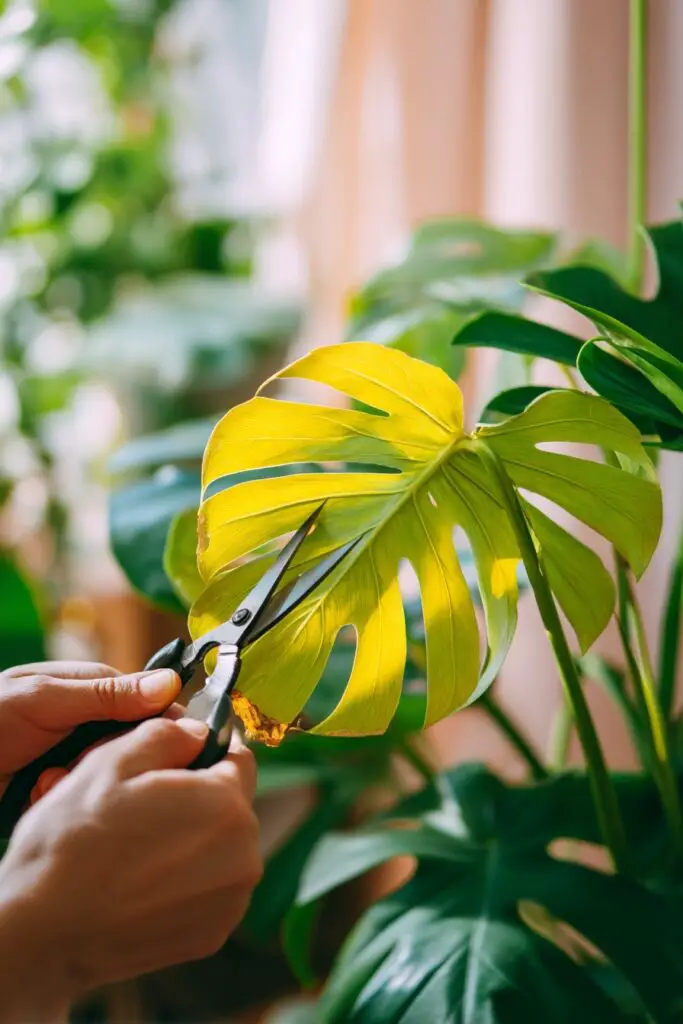
Your monstera leaf might start out small, but with the right care, it can quickly turn into a sprawling, dramatic houseplant. Regular pruning not only keeps its size in check—it also encourages healthier, fuller growth.
✂️ When and Why to Prune
- Prune in spring or early summer when the plant is actively growing.
- Remove dead, yellowing, or damaged leaves to direct energy to new growth.
- Trim back leggy vines to promote bushier foliage and control the shape of the plant.
✂️ How to Prune Safely
- Use clean, sharp scissors or pruning shears.
- Cut just above a leaf node (where a leaf meets the stem) to encourage branching.
- For overgrown aerial roots, you can trim them back slightly or guide them into the soil or a moss pole.
🌿 Benefits of Pruning
- Keeps your monstera leaf looking neat and sculptural
- Encourages new side shoots and more fenestrated leaves
- Reduces stress on the root system in smaller pots
Don’t be afraid to give your Monstera a little haircut—pruning is an easy way to maintain its beauty and manage its size, especially in indoor spaces.
Fertilizing for Healthy Monstera Leaf Growth
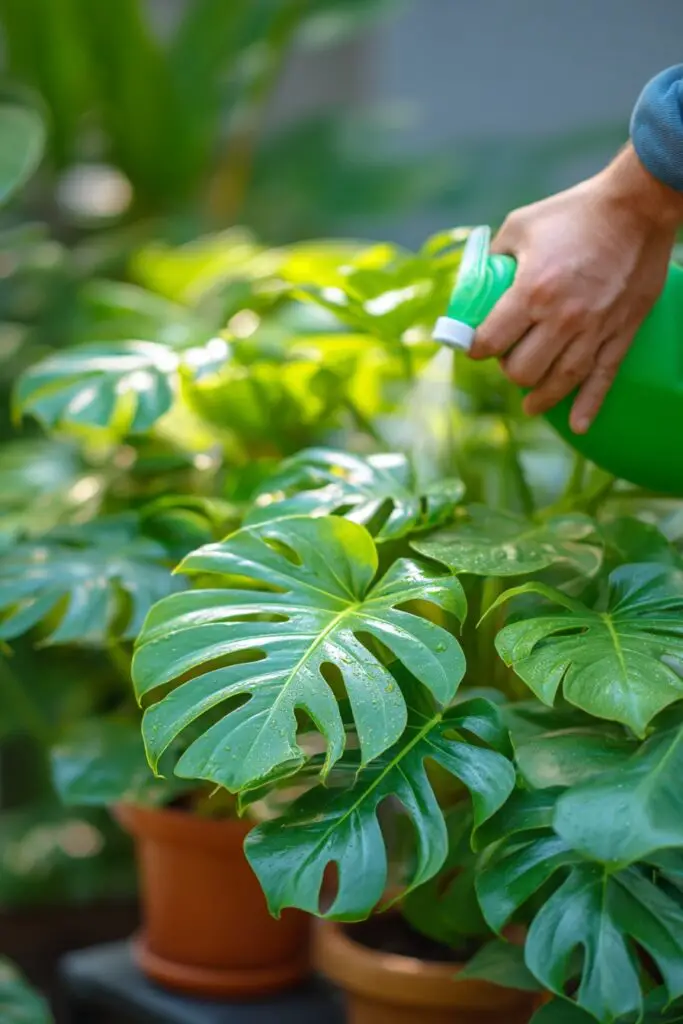
To keep your monstera leaf thriving year-round, regular feeding is key—especially during the active growing season. A well-fed Monstera will reward you with faster growth, larger leaves, and more pronounced fenestrations.
🌿 Choose the Right Fertilizer
Use a balanced, water-soluble fertilizer designed for foliage plants (such as a 20-20-20 or 10-10-10 ratio). You can also opt for organic options like fish emulsion or seaweed extract.
If you prefer low-maintenance care, slow-release fertilizers are a great choice—they feed your Monstera gradually over several months with just one application.
🧴 How Often to Fertilize
- During spring and summer: Feed once a month with liquid fertilizer or apply slow-release pellets at the start of the season.
- During fall and winter: Cut back or stop feeding entirely, as growth slows down.
⚠️ Fertilizing Tips
- Always water the plant before applying fertilizer to avoid root burn.
- Don’t overfeed—too much fertilizer can cause salt buildup and damage the roots.
- If your monstera leaf looks healthy and continues to grow, keep your routine light and consistent.
With the right feeding schedule, your Monstera will keep pushing out bold, vibrant leaves that bring a lush, tropical feel to your home.
Final Thoughts
Few houseplants can rival the bold beauty of a mature monstera leaf. Its unique shape, manageable care needs, and fast growth make Monstera deliciosa a favorite among indoor gardeners of all experience levels. With the right potting mix, watering routine, light conditions, and occasional pruning and feeding, this plant can flourish for years—bringing tropical vibes and sculptural flair to any space.
Whether you’re starting with a young plant or nurturing an established monster, giving your Monstera the attention it deserves will reward you with dramatic foliage and a true indoor jungle feel. It’s not just a plant—it’s a statement piece.