
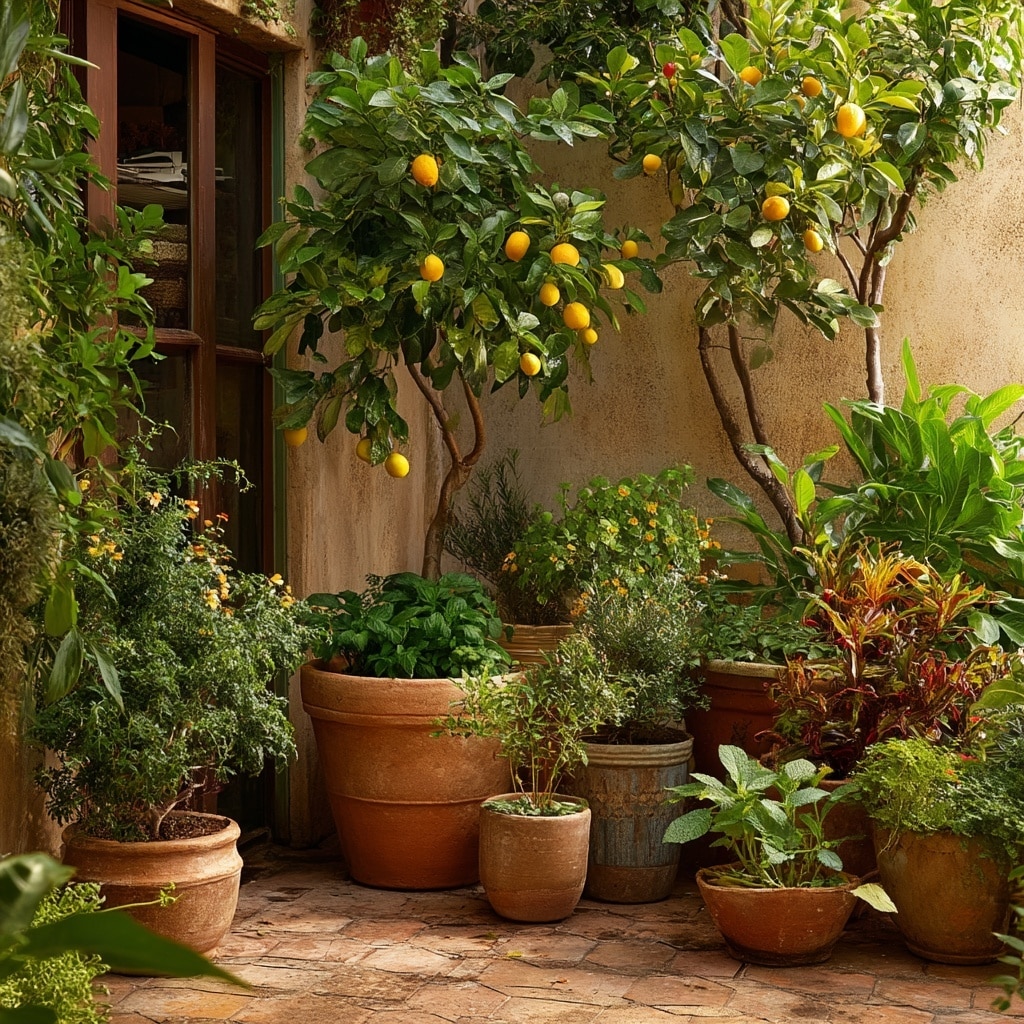
Garden ideas don’t have to be limited to rows of vegetables or simple flower beds. With a bit of creativity and planning, your garden can become a stunning, functional space that feeds the body and delights the eye. Whether you have a large backyard or a modest patio, the right design choices can turn any edible garden into a beautiful, living work of art. In this article, we’ll explore seven inspiring garden ideas that combine structure, texture, and productivity — all with the goal of helping your garden feel as good as it grows.
Table of Contents
🎨 1. Lavish Layers: Use Color and Texture Like a Designer

One of the most effective garden ideas for making your vegetable space more visually appealing is layering with intention. Think of your garden as a canvas — the more you play with color temperature and texture, the more depth and beauty you can achieve.
Start by choosing a color direction: warm hues like orange poppies, golden grasses, and chocolate cosmos bring energy, while cool tones such as blue penstemons, silver fescue, and rosemary create calm. Pick one palette to lead the design rather than trying to balance both equally.
Then add textural contrast. Use a staircase effect: place low-growing herbs or groundcovers at the front, mid-sized flowering perennials in the middle, and taller shrubs or small fruit trees in the back. Mixing leaf shapes — from rounded to spiky — creates movement and catches the light in different ways.
Layering not only looks lush but also maximizes your space, making even a modest garden feel rich and abundant.
🧱 2. Structural Statements: Add Features That Frame Your Garden
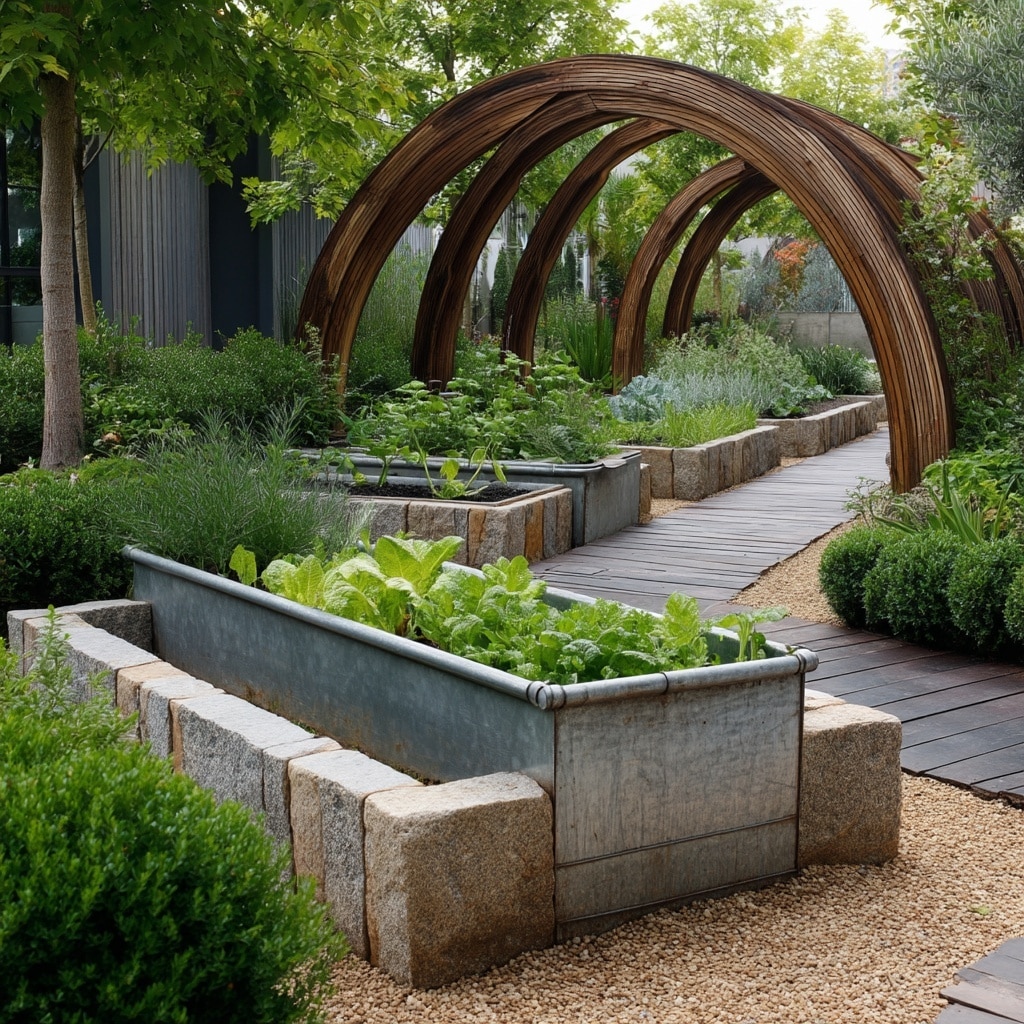
If you’re looking for bold garden ideas that transform your space from ordinary to unforgettable, consider adding structure. A well-designed vegetable garden isn’t just about the plants — it’s also about how the elements around them shape the experience.
Incorporate features like stone pathways, metal troughs, or wooden arches to guide the eye and provide definition. These structures create rhythm and help divide your garden into functional areas, such as seating zones, planting beds, or pathways.
Water features, like shallow bowls or small fountains, serve a dual purpose: they support pollinators and bring calm, ambient sound to your space. Even raised beds can act as sculptural elements if they’re built with materials that match your garden’s aesthetic.
A beautiful garden engages all the senses — and thoughtful structural accents are a key part of that design.
🍓 3. Fun with Foraging: Blend Wild and Cultivated Edibles
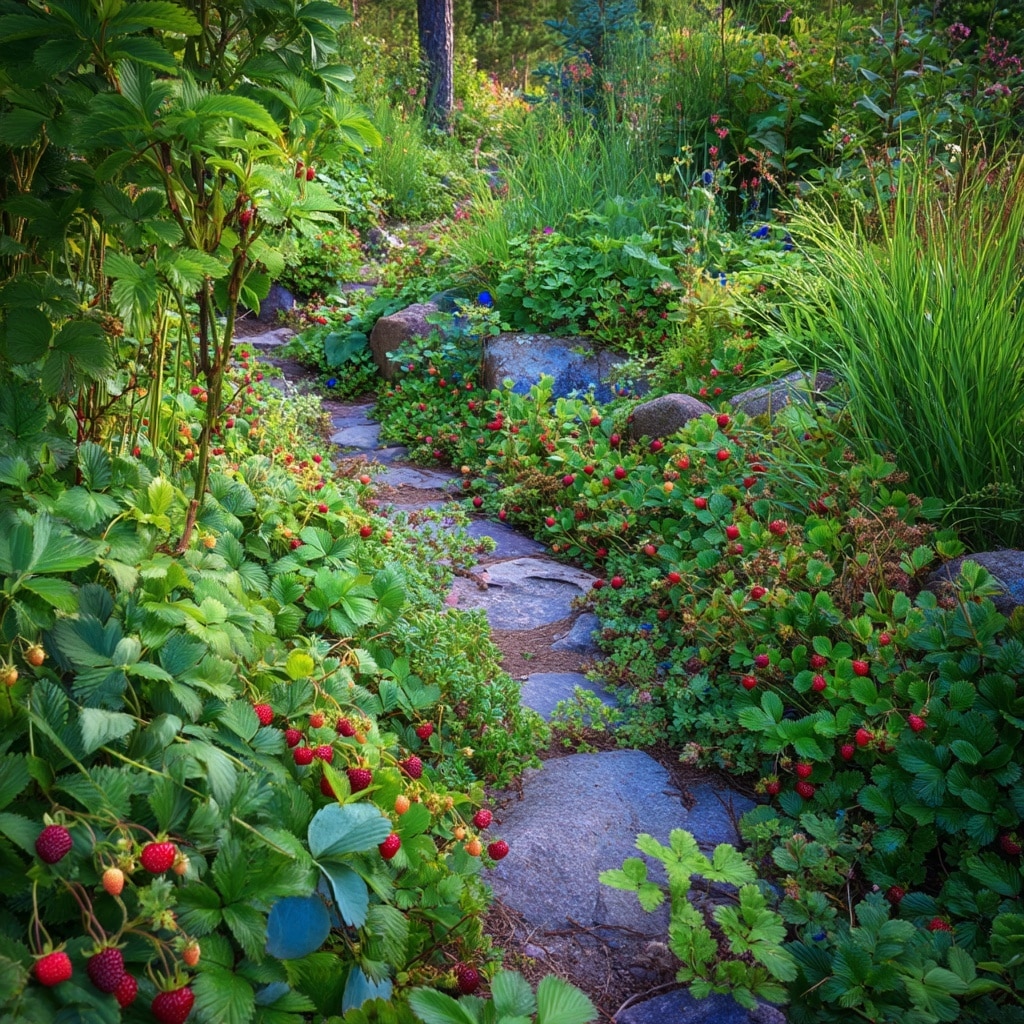
For those who want truly unique garden ideas, blending foraged and cultivated plants brings both beauty and a sense of adventure. Instead of separating wild edibles from your traditional crops, try weaving them throughout your space to create a more natural, abundant feel.
Imagine stepping through your garden and casually snacking on alpine strawberries, blackberries, or huckleberries nestled along a path. These plants don’t just taste great — their flowers and fruits add visual interest, and their irregular growth patterns enhance the garden’s informal charm.
To keep it practical, strike a balance. Use wild edibles as accents within structured beds or borders. Plant berry-producing shrubs at the edges or near seating areas, where they invite interaction without getting in the way.
This mix of design and function turns your garden into a living pantry — one that’s as beautiful as it is bountiful.
🐝 4. More Than a Meadow: Support Biodiversity with Purposeful Planting
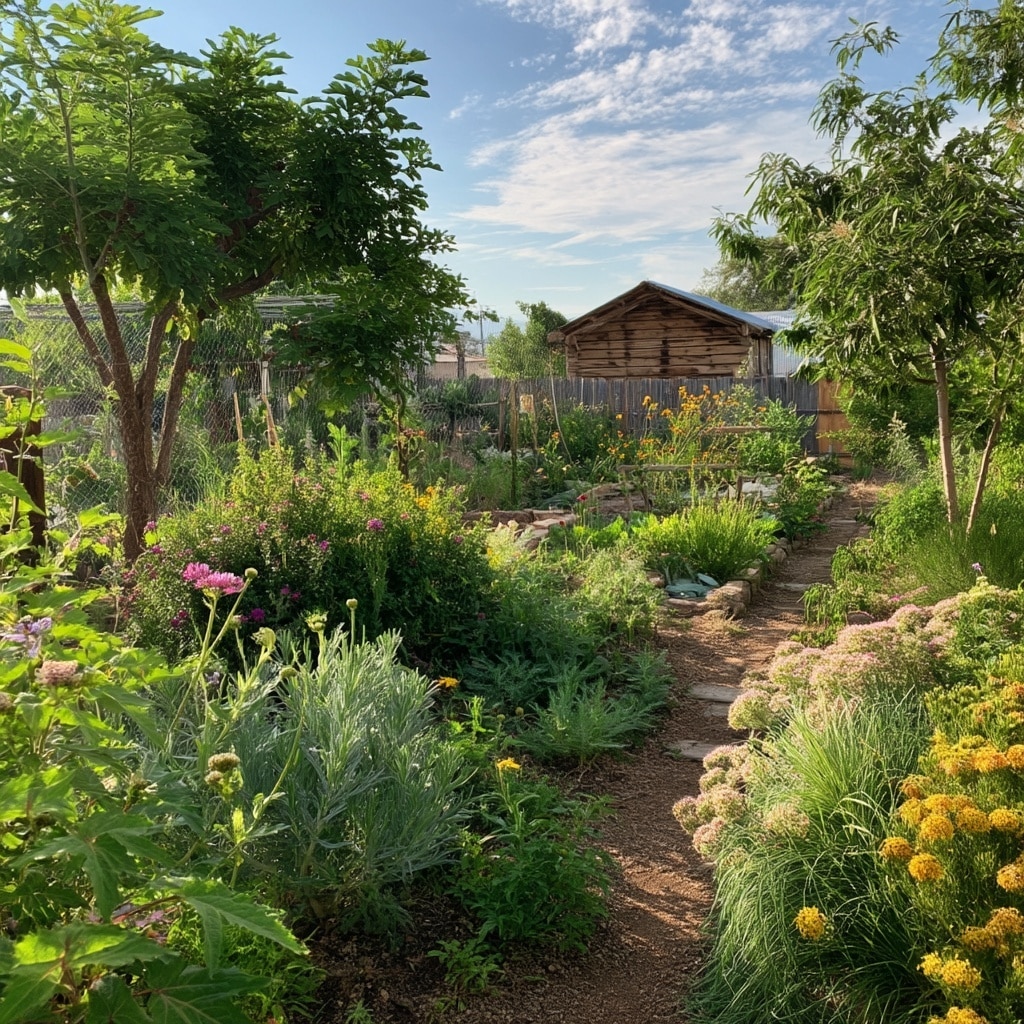
One of the smartest garden ideas for a thriving vegetable space is to design with pollinators and local ecosystems in mind. Beyond looking good, your garden should be a living, breathing part of the environment.
Integrate native plants and edible perennials to build a biodiverse landscape. Start with fruiting shrubs like elderberries, huckleberries, and wild strawberries, then layer in native wildflowers that attract bees, butterflies, and beneficial insects. These pollinators are essential for most of your food crops to flourish.
In drier climates, Mediterranean edibles like pomegranate, artichoke, and rosemary serve double duty — they’re productive and adapted to low-water conditions.
This type of planting isn’t just sustainable; it creates movement, texture, and seasonal color shifts. The result? A garden that hums with life and grows stronger with each passing season.
🌿 5. Not-So-Boring Gardens: Design Borders That Work Hard and Look Beautiful
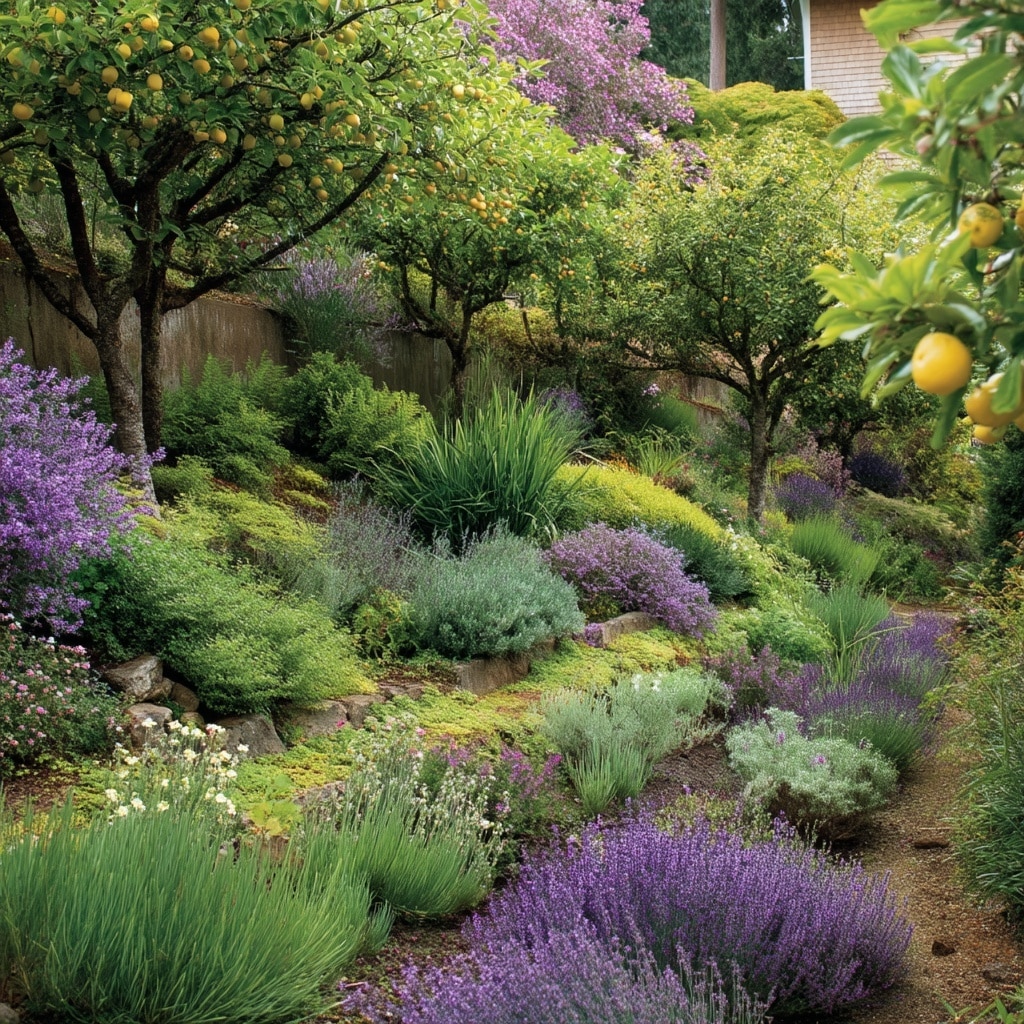
Too often, garden borders are left as an afterthought. But with the right approach, these edges can become one of your garden’s strongest design elements. If you’re searching for garden ideas that bring both function and beauty, start with your perimeters.
Begin with an overstory layer, such as a small fruit tree or ornamental shrub to anchor the area. Then layer in mid-height plants like echinacea, berry bushes, or flowering herbs such as lavender and yarrow. Finally, fill in the base with groundcovers or low-edible plants like thyme or alpine strawberries.
If your space is on a slope, consider using raised beds or retaining walls to manage elevation and prevent erosion, while also creating built-in structure for planting. These features help your garden flow visually while carving out “rooms” that feel purposeful.
When designed well, your borders become seamless transitions that tie the entire garden together — not just empty space between beds.
🌼 6. Narrow in on Nooks: Make the Most of Small, Overlooked Spaces
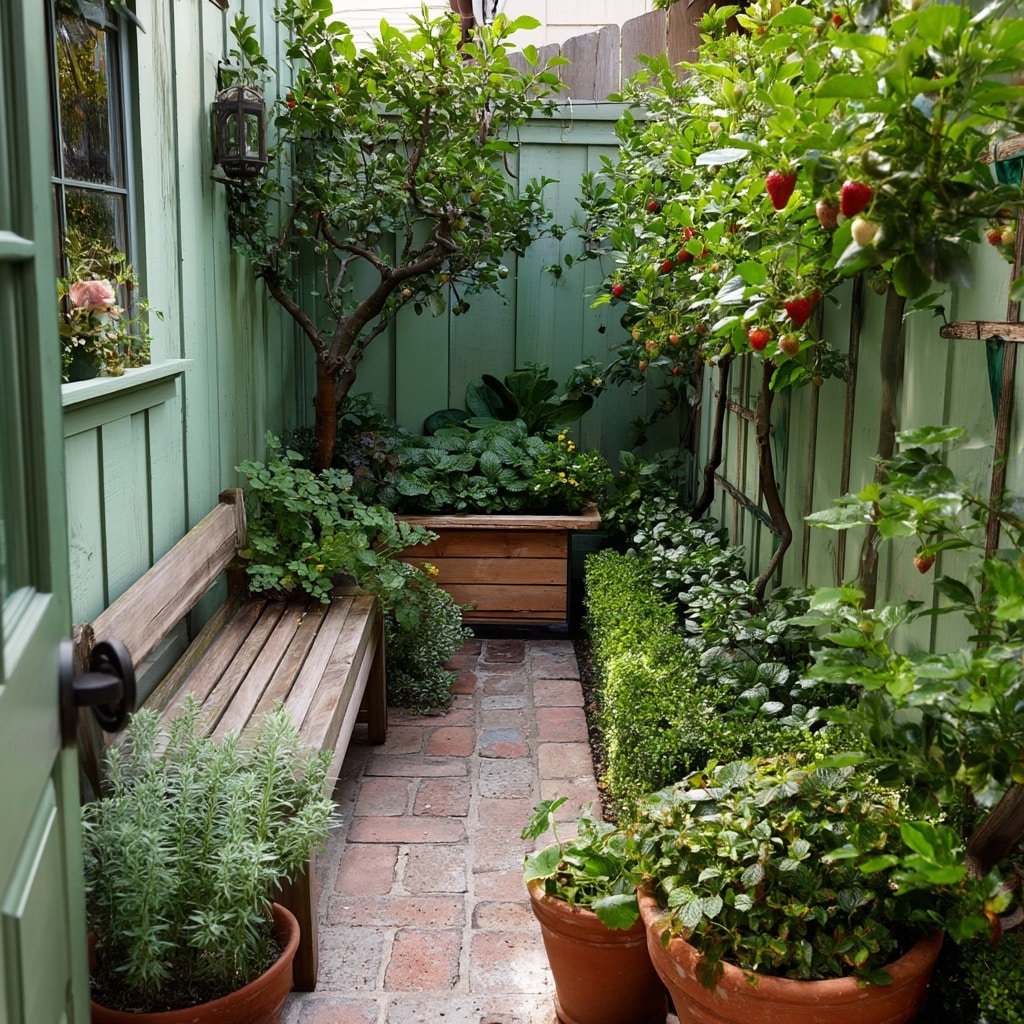
Some of the most inspiring garden ideas come from reimagining what’s often ignored — the narrow side yard, the space between a fence and a path, or that awkward strip by the garage. These small nooks can become some of the most charming and productive spots in your garden.
Start by assessing the light, traffic, and size of the space. Choose plants that stay compact, avoid anything with thorns, and focus on creating a layered look that softens hard edges. Alpine strawberries, yerba buena, and low-growing herbs make excellent choices for lining stepping stones or hugging narrow borders.
Add vertical interest with a small fruiting tree or espaliered plant placed where the eye naturally lands. Even a corner can shine with the right plant combination — think color, shape, and seasonal interest.
These tucked-away areas may be small, but with thoughtful planting, they can make a big impact.
🪴 7. Petite Patios and Pots: Small-Space Gardening with Big Style
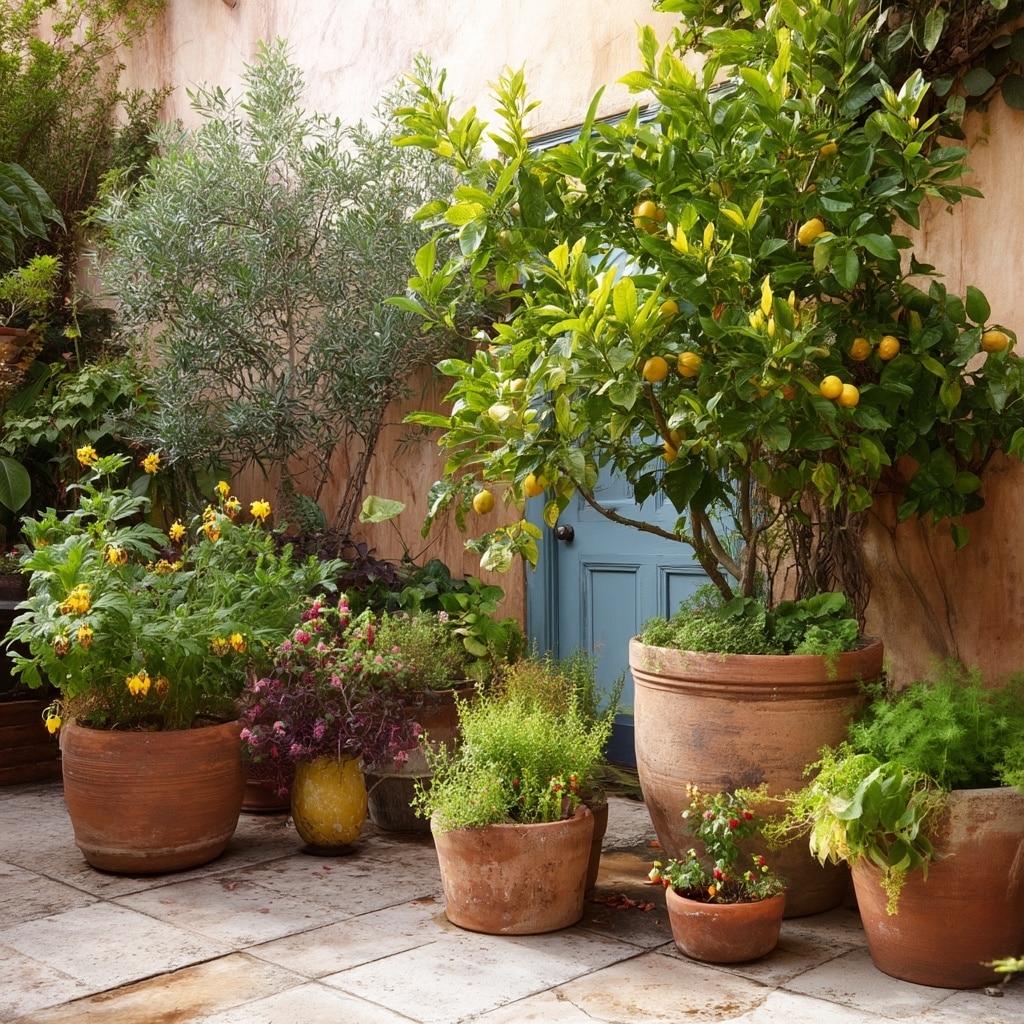
Don’t underestimate the power of small-space garden ideas. With the right approach, even a balcony, patio, or single pot can become a stunning display of edible beauty. The key is intentional layering and smart plant choices.
Start with container combinations that blend form and function. A compact citrus or cordon-trained fruit tree offers height and structure without taking up too much room. Around the base, plant herbs, everbearing strawberries, or even trailing thyme to fill space and add texture.
If you have a sunny wall or fence, consider training an espalier apple or pear tree vertically. Pair it with potted berries, colorful greens like rainbow chard, or aromatic herbs for visual impact.
Planters are also a great way to add seasonal flair or test new varieties. Even one beautiful pot can create a focal point, turning your smallest outdoor area into a personal garden sanctuary.
🌾 Conclusion
Transforming your edible garden into a visual masterpiece doesn’t require a massive budget or acres of land. With thoughtful garden ideas, layered textures, smart plant pairings, and intentional design, any space — from a sprawling yard to a sunny patio — can become both productive and beautiful. Whether you’re working with native plants, pots, or hidden corners, the key is to blend practicality with creativity. Let your garden be a place that nourishes your table and delights your senses every single day.