
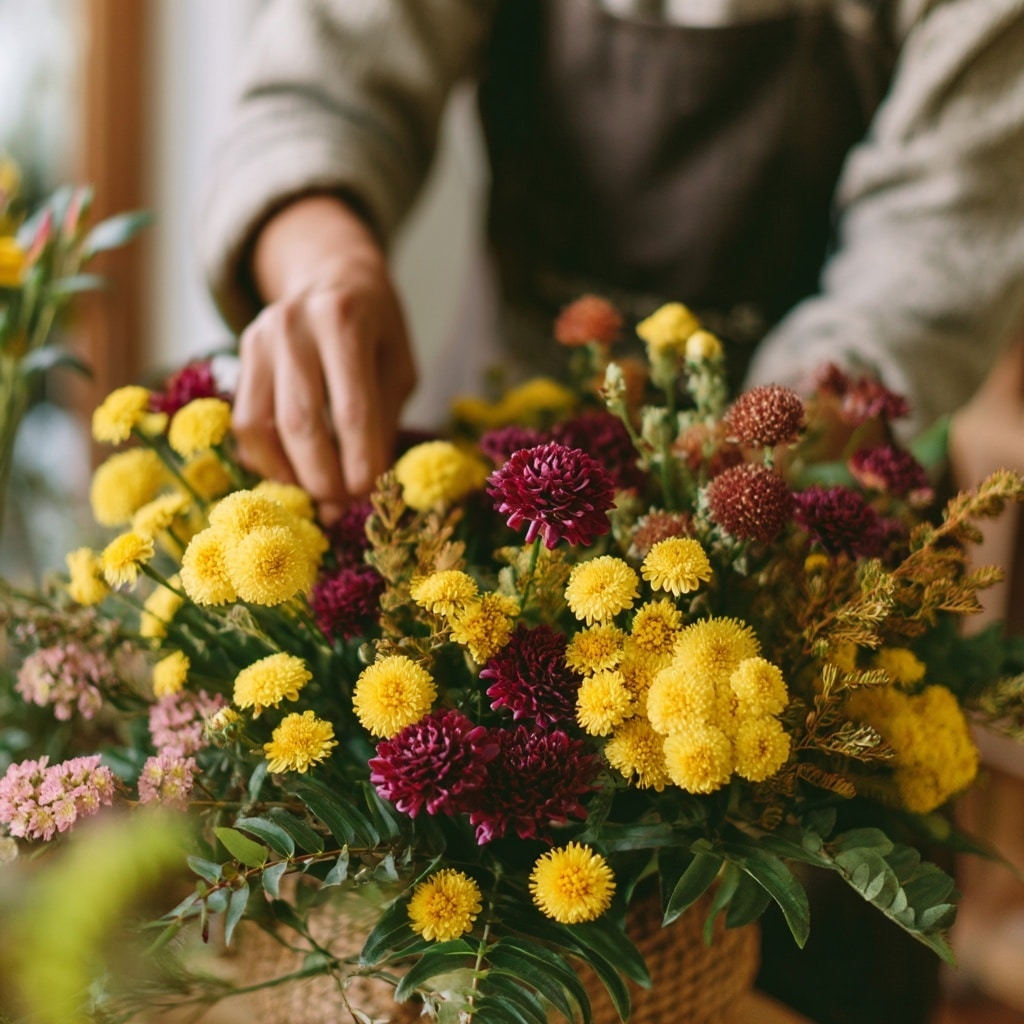
Modern flower arrangement has become a favorite among home decorators and gardening enthusiasts for its fresh, natural aesthetic and low-profile charm. Unlike traditional vertical bouquets, these arrangements are designed to be wide, organic, and slightly wild — creating a stunning centerpiece without overwhelming a space. Whether you’re setting a table for a dinner party or simply bringing beauty indoors, mastering this new style offers both elegance and creativity. In this guide, I’ll walk you through how to create a gorgeous modern flower arrangement that feels professional, yet approachable — perfect for your next gathering or quiet morning at home.
Table of Contents
🐸 Using a Flower Frog for Stability and Style

One of the essential tools for building a successful modern flower arrangement is a flower frog. This simple yet incredibly effective device helps keep each stem exactly where you want it, especially in shallow, wide vessels where flowers would otherwise topple or clump together.
A flower frog sits at the bottom of your container and provides structure for positioning stems at different angles, which is key to achieving that relaxed, asymmetrical look. It’s especially helpful when working with delicate or hollow-stemmed blooms like ranunculus, as it allows them to stay upright while maximizing water uptake.
You can find flower frogs at craft stores, online, or even at antique shops — vintage metal or ceramic versions add a charming touch to your toolkit. Whether you’re new to arranging or have some experience under your belt, using a flower frog makes it easier to design with confidence and get that signature modern look.
🏺 Choosing the Right Vessel for a Modern Look
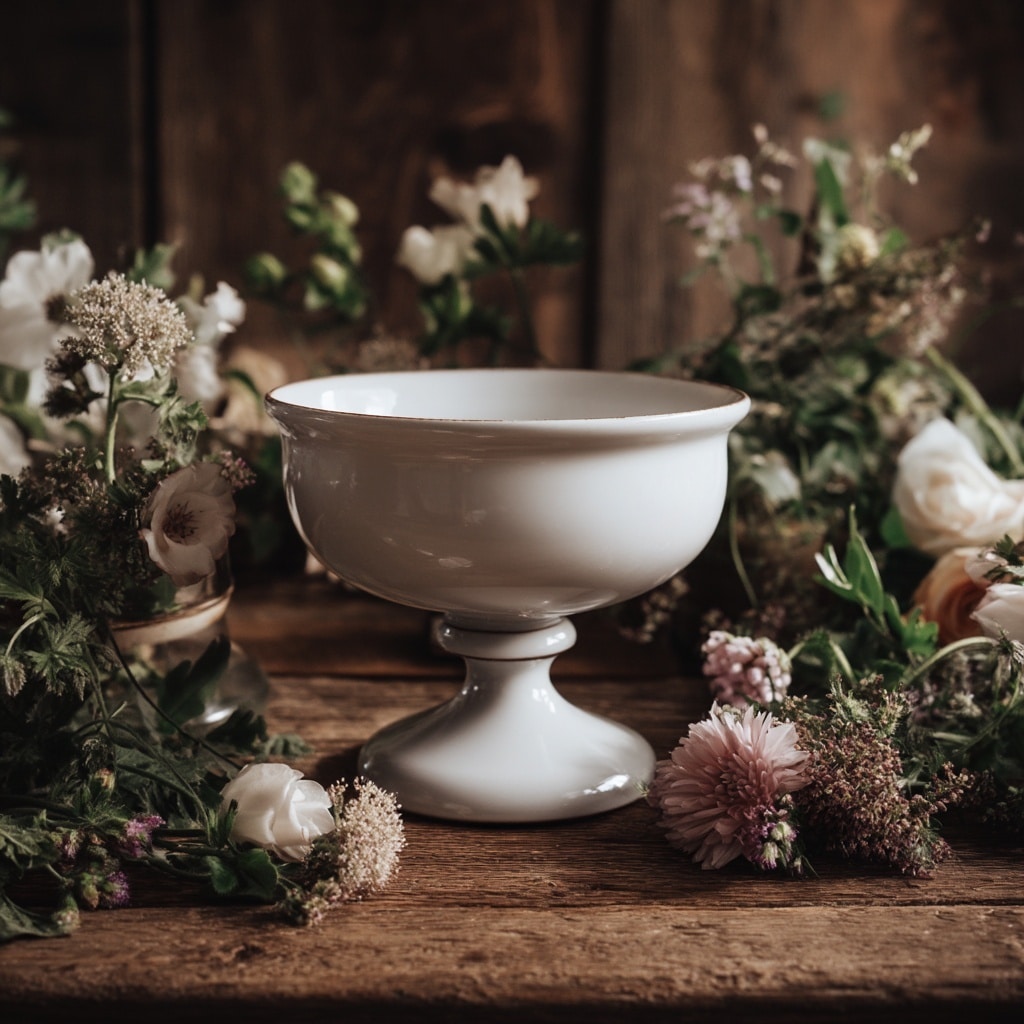
The foundation of a well-balanced modern flower arrangement starts with your choice of vessel. Instead of the traditional tall glass vases, opt for a low, wide container with a footed or pedestal base. These types of vessels naturally support the flowing, horizontal design that defines modern arrangements.
A vintage milk glass compote, ceramic bowl, or footed pottery piece adds visual interest and provides the shallow depth ideal for this style. The wide opening gives your flowers room to breathe and spread, helping you achieve that “unruly” but intentional silhouette. If you’re after something with a bit of character, antique markets and handmade pottery shops often carry unique vessels that feel both modern and timeless.
Just remember: the goal is to let the flowers do the talking — the container should support the design without stealing the spotlight.
🌿 Starting with Greenery to Shape Your Arrangement
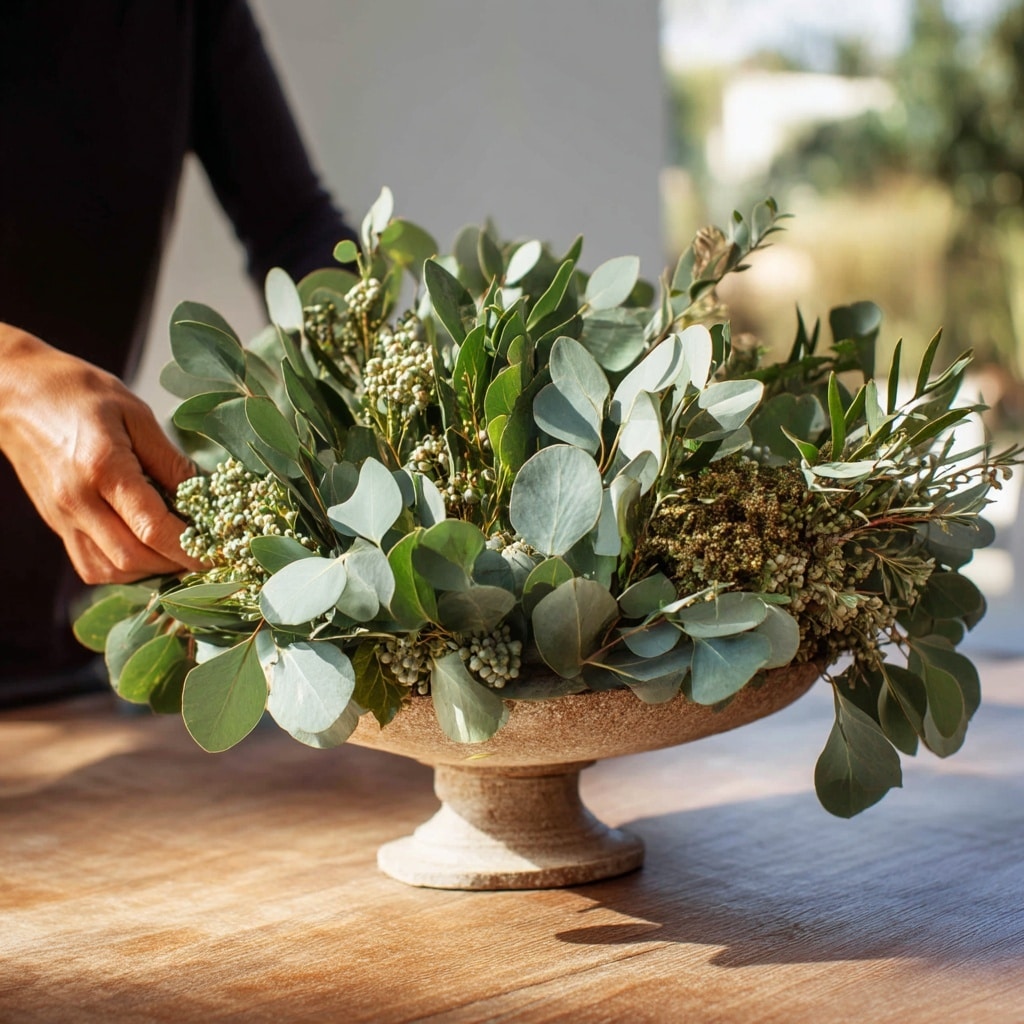
Every modern flower arrangement needs a strong base — and that starts with greenery. Begin by selecting a mix of textures: something soft and leafy like eucalyptus pairs beautifully with more structured stems like pepperberry or ruscus. Start by placing the longest pieces toward the outer sides of your vessel, letting them extend beyond the rim to create a wide, open shape.
Keep the vertical stems in the center slightly shorter to avoid a dome-like appearance. Visualize a kidney-shaped silhouette from the top — this guides the overall flow and helps maintain balance as you work. Place a few stems, step back, adjust, and repeat until the base shape feels full but not crowded.
Greenery not only gives your flowers something to rest against, but it also adds dimension and creates negative space — which is a signature element of modern, airy floral design.
🌸 Adding Base Flowers for Structure and Softness
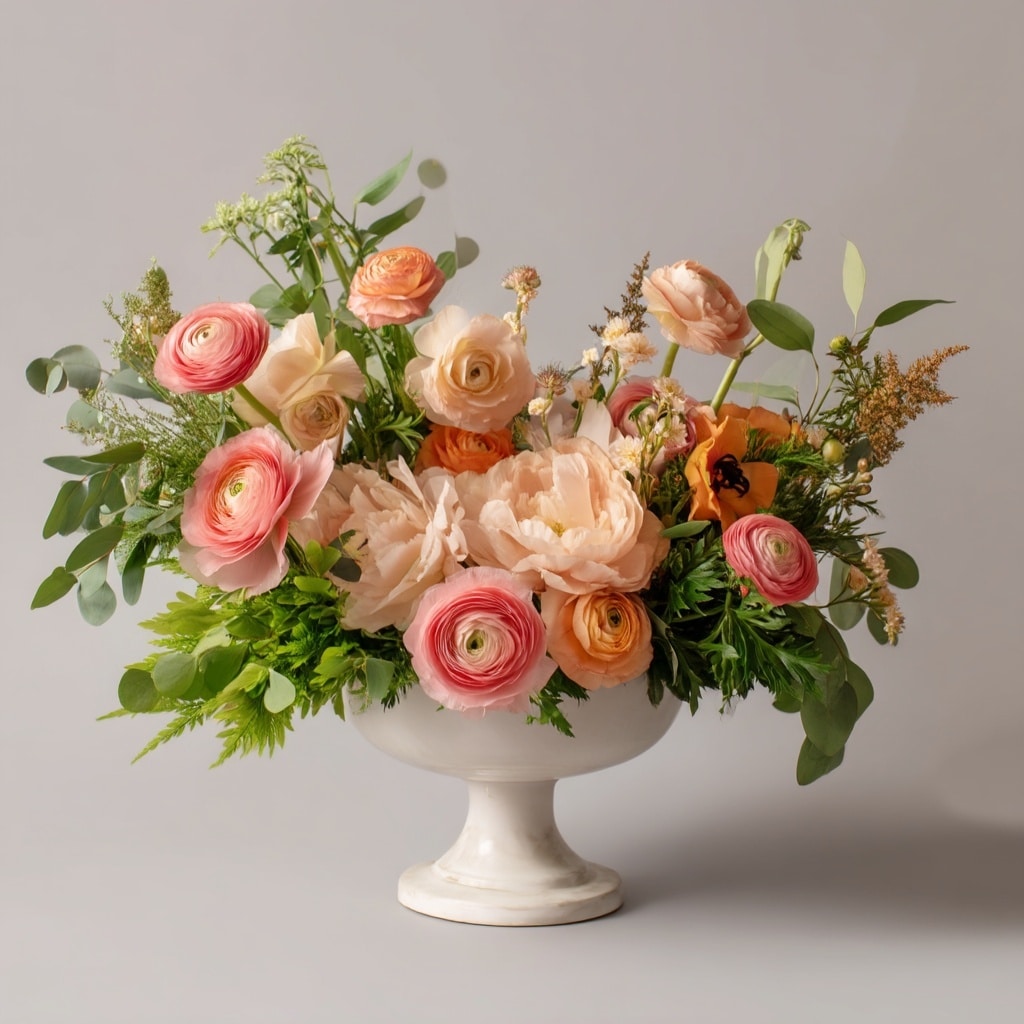
Once your greenery sets the stage, it’s time to introduce your base blooms — the core of your modern flower arrangement. Choose flowers with soft, rounded shapes like ranunculus, garden roses, or tulips. These blooms bring fullness and a touch of elegance, creating a contrast against the more angular greenery.
Place your base flowers at slightly varied heights within the center section of the arrangement. This natural variation keeps the look from feeling too “arranged” while still giving it a cohesive structure. Keep the kidney shape in mind — avoid crowding the center too much and let some blooms gently spill out at the sides.
Don’t be afraid to let a few stems lean outward or tilt at an angle. Modern arrangements celebrate imperfection and movement, so resist the urge to make everything perfectly symmetrical.
Tip: Insert each stem securely into the flower frog to keep your base layer steady while you build the rest of the design.
🌼 Incorporating Focal Flowers for Texture and Visual Interest
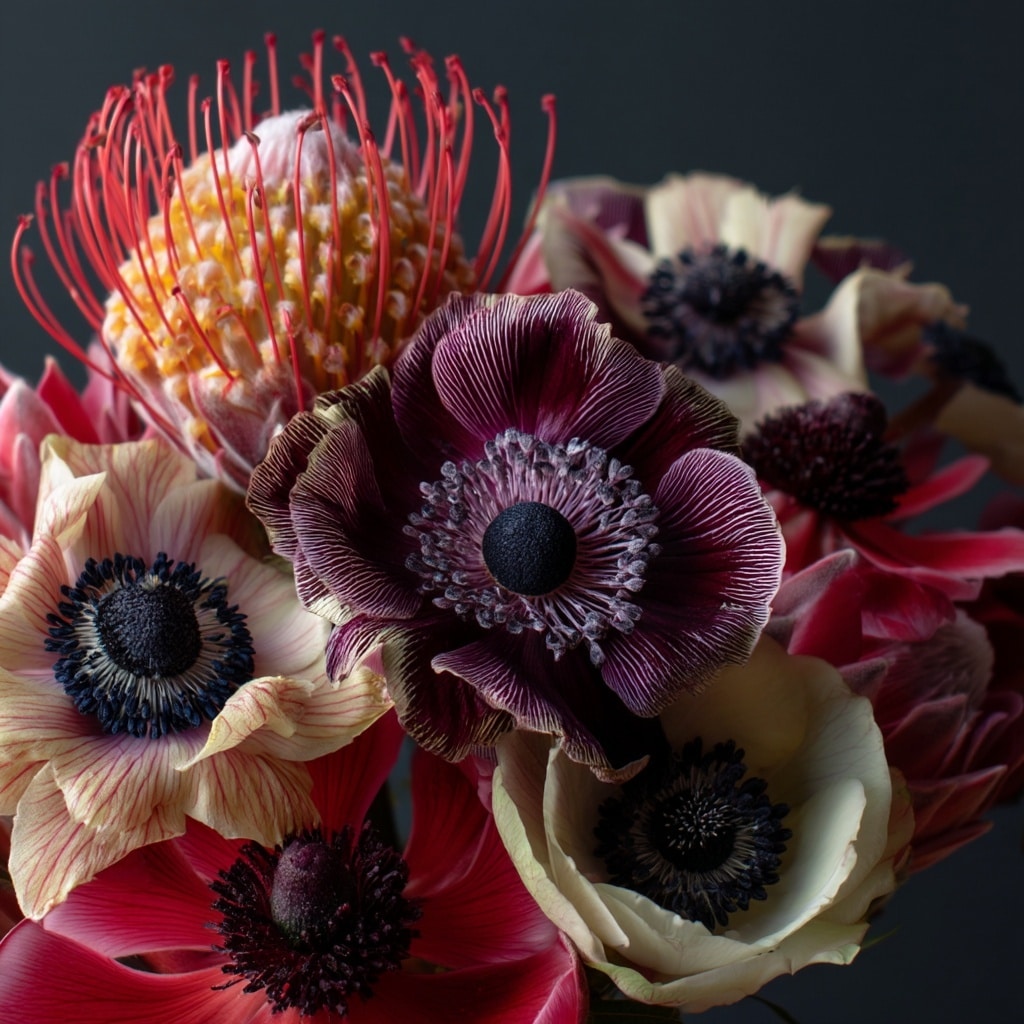
With your base blooms in place, it’s time to bring in the stars of your modern flower arrangement — focal flowers. These are the blooms that draw the eye and create texture contrast within your design. Think pincushion protea, anemones, or any flower with an unusual shape or striking center.
Place focal flowers sparingly. One or two well-placed stems can shift the mood of the whole arrangement. For example, anemones with their dark, dramatic centers should be positioned so that their faces are visible from multiple angles — no more than three should be directly visible at once, to avoid overwhelming the composition.
This step is where your personal style really shines. Use focal flowers to create points of visual tension or movement, drawing the viewer’s eye across the arrangement in a gentle arc. Their bold forms help break up the softness of the base blooms and reinforce that effortless, natural look that defines modern florals.
🪷 Filling In and Making Final Adjustments

At this stage, your modern flower arrangement is taking shape — but it’s the subtle tweaks that pull it all together. Step back and observe from different angles. Are there any gaps? Do some sections feel heavy or too dark? Use softer, textural elements to fill in empty spots without overcrowding the design.
Delicate filler flowers like yellow aster or button mums are great for this. They add movement and soften any hard lines left by focal blooms or greenery. You can also add more greenery if needed, especially in areas that feel too open. The goal is to maintain the overall shape — typically low and airy — while enhancing fullness and visual balance.
This is also the time to edit. If a flower’s color feels off-theme (like a deep burgundy in an otherwise soft peach and white palette), don’t hesitate to remove it. Trust your eye. Modern arrangements celebrate spontaneity, but intentional choices make the final product feel polished.
The final result should feel fresh, slightly wild, and unmistakably modern — like it grew into the vessel on its own.
💐 Flowers Used in This Modern Flower Arrangement
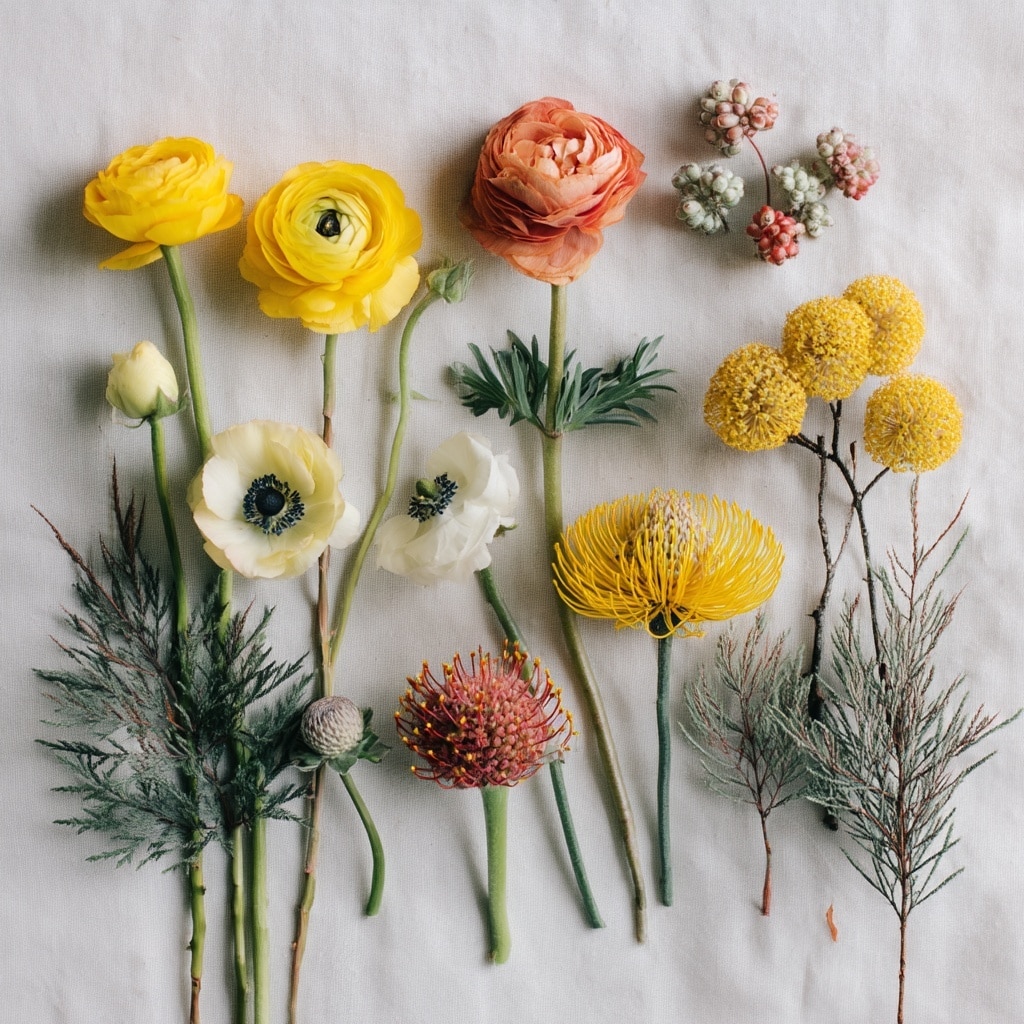
To create a lush and visually dynamic modern flower arrangement, here’s a breakdown of the flowers and greenery that work beautifully together. This mix balances color, texture, and structure for a rich, layered effect without feeling overly styled.
🌸 Base Flowers:
- Ranunculus – soft, rounded blooms in shades of peach, pink, and white
- Garden Roses (optional alternative for more fragrance and fullness)
🌼 Focal Flowers:
- Anemones – white petals with bold black centers add contrast and depth
- Pincushion Protea – large, spiky yellow blooms for texture and drama
🌿 Greenery:
- Eucalyptus – soft, dusty leaves create an airy base
- Pepperberry – trailing berry stems for dimension and movement
🌻 Fillers:
- Yellow Aster – soft texture for filling gaps and lightening darker spots
This combination creates a garden-inspired look that feels both natural and intentional. Of course, you can always customize the palette based on the season or your preferred color scheme — just aim for variety in shape and texture to keep it interesting.
🌺 Conclusion
Creating a modern flower arrangement doesn’t require formal training — just an eye for balance, a few design tricks, and a willingness to play with color and texture. By starting with greenery, layering in soft base blooms, and finishing with eye-catching focal flowers, you can build an arrangement that feels artful yet effortless. Whether you’re dressing up a dining table or simply enjoying the process of working with your hands, this low, wide style offers beauty from every angle — without blocking a single view.