
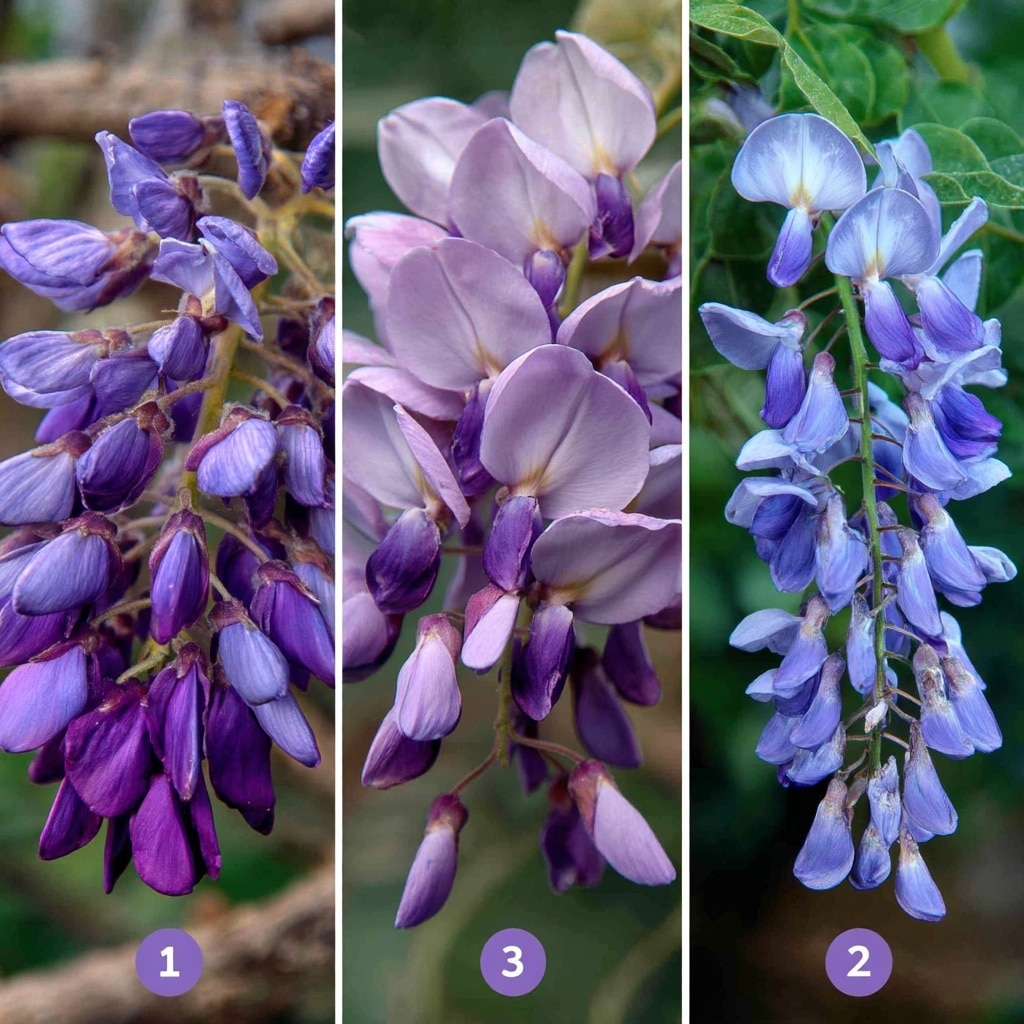
Wisteria flower is one of the most breathtaking additions to any garden, offering cascading blooms in shades of violet, lavender, pink, or white each spring. Its whimsical, vine-like growth and sweet fragrance have made it a favorite among gardeners for generations. However, while wisteria’s beauty is undeniable, managing its vigorous growth requires careful planning and consistent upkeep.
Many gardeners fall for the exotic charm of Japanese and Chinese varieties, only to discover they can become aggressive invaders. Fortunately, native options like American and Kentucky wisteria provide a more garden-friendly alternative with all the floral drama and far less hassle.
In this guide, you’ll learn how to grow, train, and care for wisteria flower—whether you’re planting it in the ground, training it into a small tree, or growing it in a container. With the right approach, you can enjoy a lush, flowering display without letting your garden get overrun.
Wisteria Flower Care Basics

Planting and caring for wisteria flower can be incredibly rewarding, but it’s important to start with the right type and a solid care plan. While many are drawn to the dramatic growth of Asian varieties like Wisteria sinensis (Chinese wisteria) and Wisteria floribunda (Japanese wisteria), these species are considered invasive in several U.S. states due to their aggressive root systems and unchecked climbing habits.
Instead, opt for native options like American wisteria (Wisteria frutescens) or Kentucky wisteria (Wisteria macrostachya). These are more restrained, easier to manage, and still offer an abundant floral display.
Key Considerations for Success:
- Growth habit: Wisteria is a woody vine that can climb up to 30 feet or more. It needs a strong support structure like a metal trellis, pergola, or arbor.
- Maintenance needs: Routine pruning is essential to keep vines in check and promote flowering.
- Toxicity alert: While the wisteria flower itself is edible in small amounts, all other parts of the plant are toxic to humans and pets. Keep children and animals away from seed pods and roots.
- In-ground planting tip: To prevent the roots from spreading aggressively, consider planting your wisteria inside a bottomless plastic container sunk into the ground. This creates a barrier that helps control root expansion.
By choosing the right variety and understanding how to manage its growth, you’ll be well on your way to enjoying the elegance of wisteria flower season after season—without letting it take over your garden.
Light Requirements for Wisteria Flower
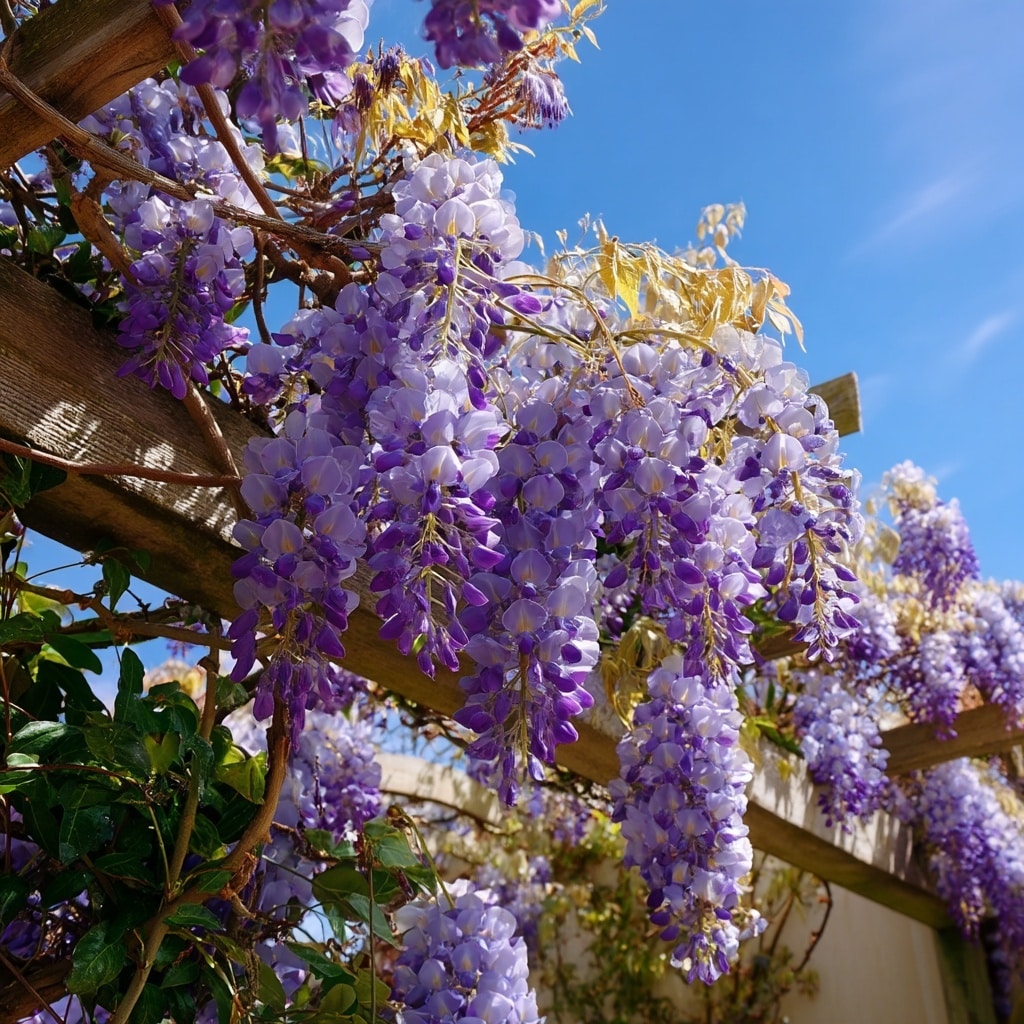
To get the most blooms from your wisteria flower, sunlight is non-negotiable. Wisteria thrives in full sun, which means at least 6 hours of direct light per day. While it can tolerate partial sun—especially native varieties like American wisteria—it may produce fewer or less vibrant blooms under these conditions.
Best Placement Tips:
- Avoid shaded areas under trees or next to tall buildings. The vines will stretch aggressively toward the light, often overtaking nearby structures in the process.
- South- or west-facing fences, trellises, or pergolas offer ideal lighting conditions and encourage maximum flower production.
- Container-grown wisteria flower should be moved seasonally to chase full sun exposure if needed.
Light is the engine behind flower production. Without enough of it, you may get healthy green foliage—but no flowers. If your wisteria has failed to bloom in past years, insufficient light is often the first culprit to investigate.
Soil Preferences for Wisteria Flower
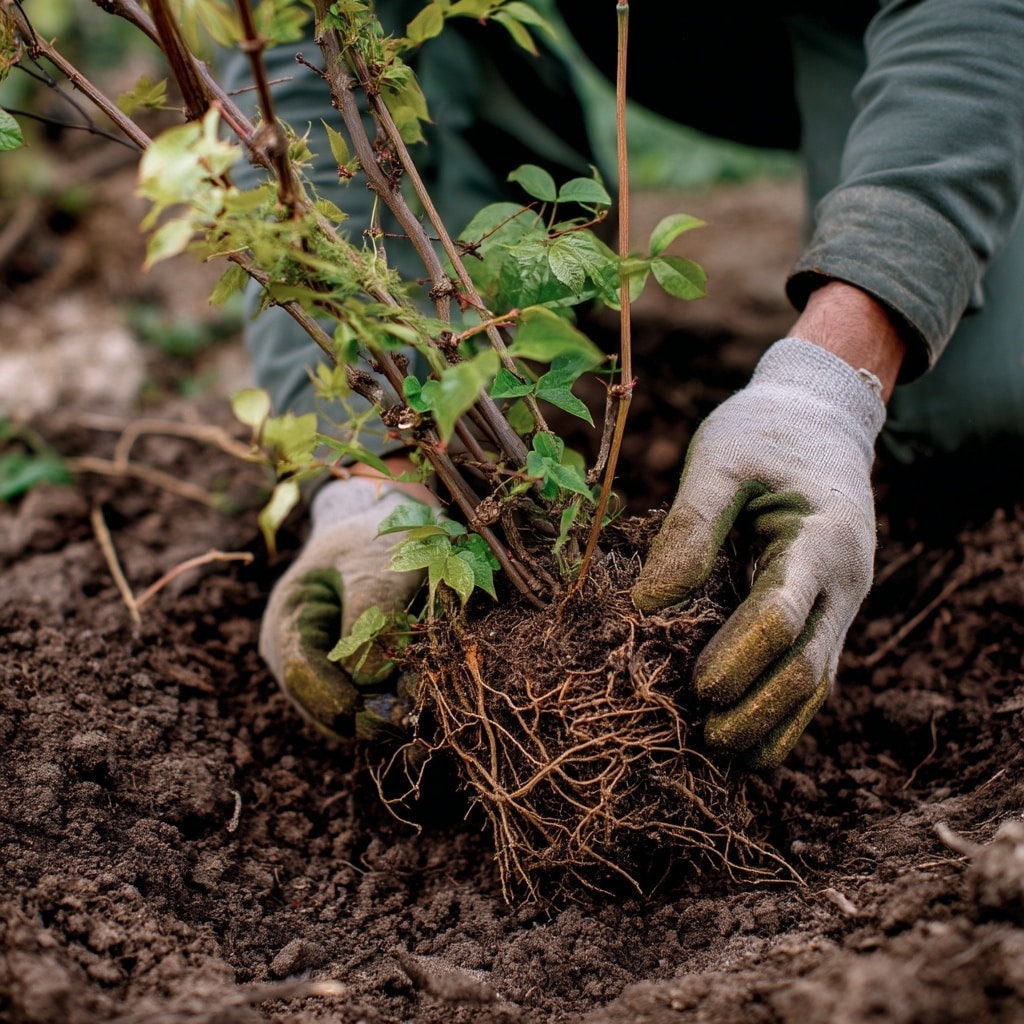
Healthy soil is key to growing a vibrant wisteria flower, but the good news is that this plant isn’t particularly fussy. It adapts well to a variety of soil types, as long as a few essential conditions are met.
Ideal Soil Conditions:
- Well-drained: Wisteria dislikes soggy roots. Poor drainage can lead to rot and nutrient issues.
- Slightly acidic pH: Aim for a pH between 5.8 and 6.5, which supports optimal nutrient absorption.
- Loamy or clay soils: American and Kentucky wisteria perform well in these heavier soil types, provided they’re not waterlogged.
- Avoid highly alkaline soils, which can lead to yellowing leaves and poor flower performance.
While wisteria flower will tolerate less-than-perfect soils, adding organic matter like compost at planting time will improve root establishment and overall growth. If your garden has heavy clay or sandy soil, amending it with compost or peat moss can help balance moisture retention and drainage.
For best results, test your soil before planting. Knowing your pH and texture upfront ensures your wisteria flower gets off to the strongest start possible.
Watering Needs for Wisteria Flower
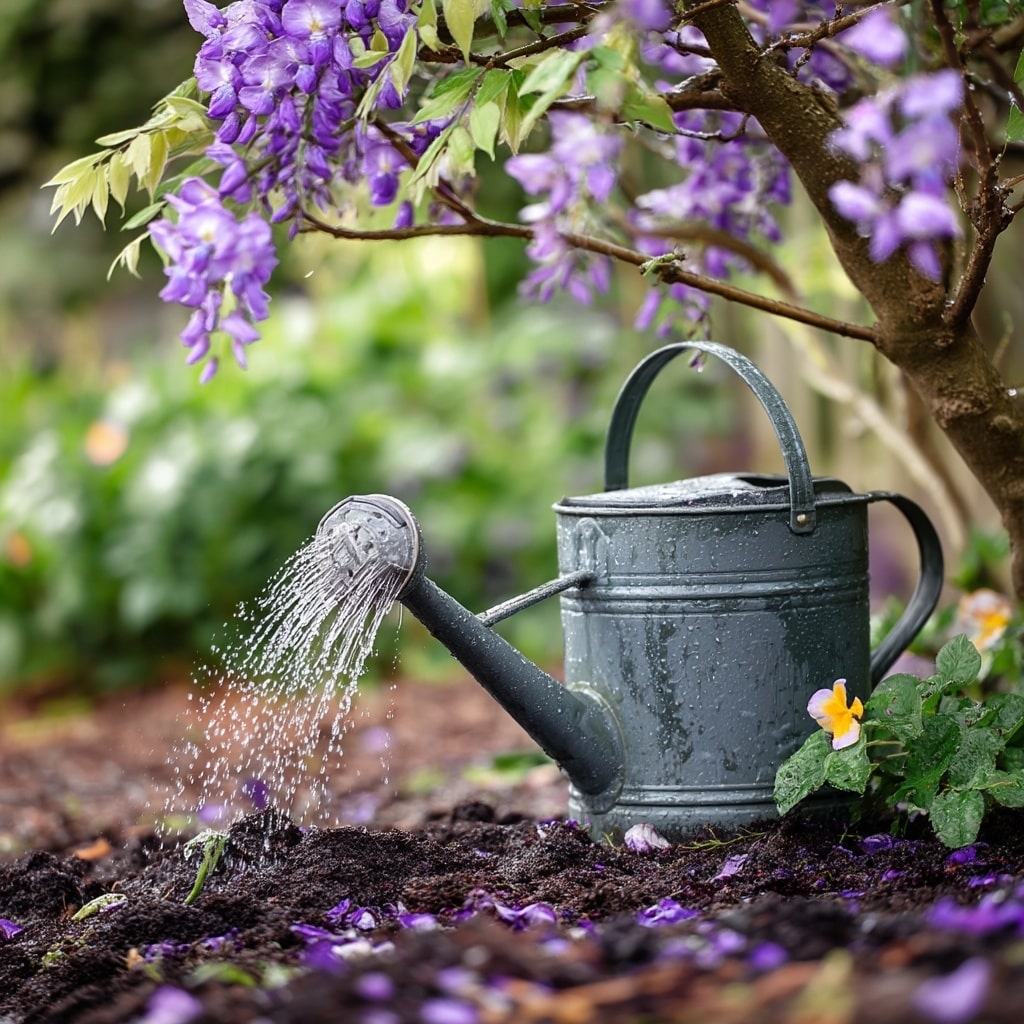
Establishing a strong wisteria flower begins with consistent watering, especially during the first growing season. Once mature, wisteria becomes relatively drought-tolerant, but young vines need extra attention to develop deep, resilient roots.
Watering Guidelines:
- First Year: Keep the soil evenly moist, especially during dry spells. Water deeply at the base to encourage roots to grow downward.
- Established Plants: Water once a week during hot, dry weather. A thorough soak is better than frequent, shallow watering.
- Container-grown wisteria flower: Potted plants dry out faster. Check soil moisture regularly and water when the top inch feels dry.
Overwatering can cause root rot, yellowing leaves, and lackluster blooms. Make sure your soil drains well, especially in clay-heavy areas. For most climates, one inch of water per week (from rain or irrigation) is sufficient once the plant is established.
By giving your wisteria flower the right balance of moisture—neither too dry nor waterlogged—you’ll set the stage for vigorous growth and abundant blooms each season.
Temperature and Humidity Tolerance for Wisteria Flower
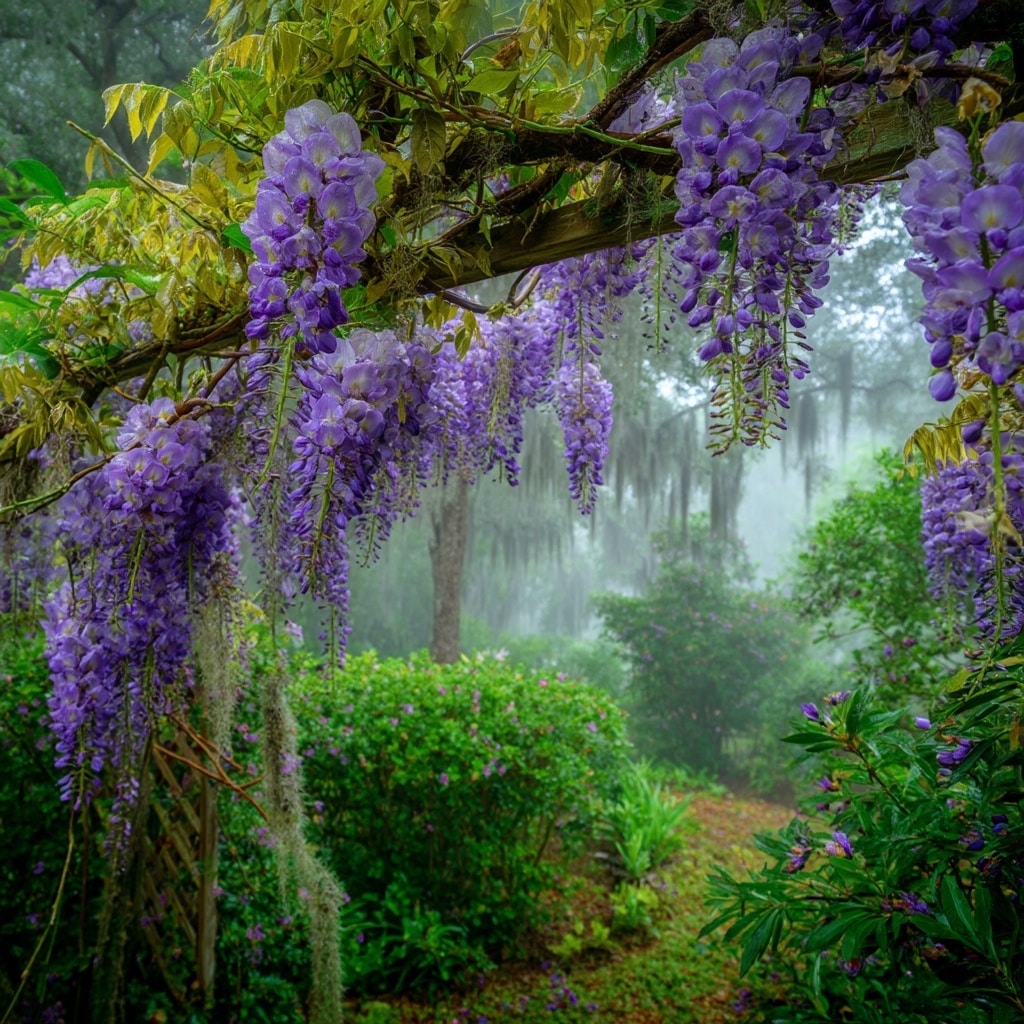
The wisteria flower is remarkably adaptable when it comes to temperature and humidity, making it a strong performer in many U.S. growing zones. However, choosing the right variety for your region is key to long-term success.
USDA Hardiness Zones:
- American wisteria (Wisteria frutescens): Zones 5–9
- Kentucky wisteria (Wisteria macrostachya): Hardy to Zone 4
- Chinese and Japanese wisteria: Generally thrive in Zones 5–8, though Chinese wisteria can also tolerate more heat and humidity (including Florida)
Climate Preferences:
- Humidity: Wisteria loves moisture in the air and thrives in humid climates. Regular watering helps compensate in drier regions.
- Cold Tolerance: Native varieties like ‘Blue Moon’ are bred for colder areas and can handle winter chill without damage.
- Heat Tolerance: With proper watering, the wisteria flower holds up well even during intense summer heat, especially native cultivars.
Wisteria is a hardy vine, but choosing a variety well-suited to your climate ensures consistent blooming and better disease resistance. Regardless of where you grow it, your wisteria flower will appreciate some protection from extreme weather while it’s getting established.
Fertilizing Wisteria Flower for Maximum Blooms
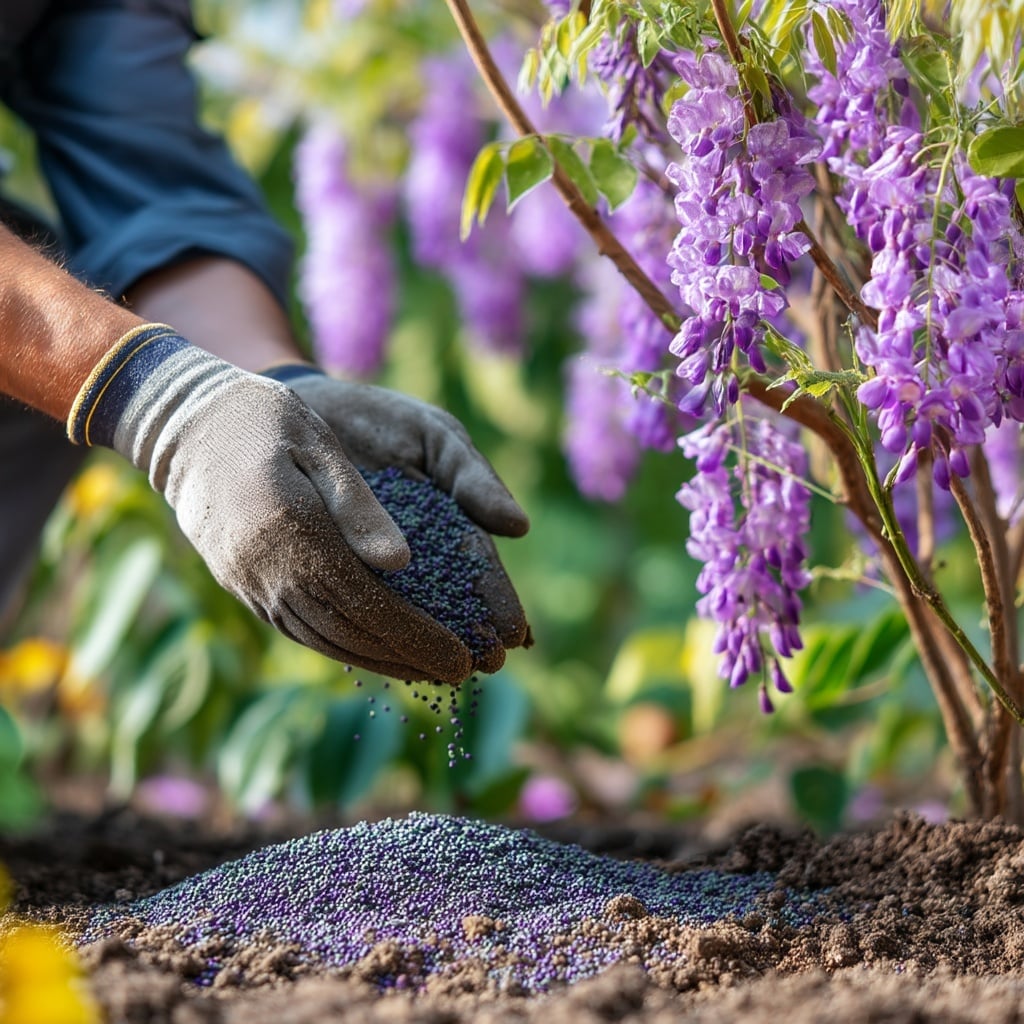
If you’re growing wisteria flower for its stunning, fragrant blooms, fertilizer can help—but only when used wisely. Many gardeners make the mistake of overfeeding their wisteria, especially with nitrogen-rich products, which leads to leafy vines and no flowers.
Best Fertilizer Practices:
- Skip the nitrogen: Wisteria is a member of the legume family and naturally fixes its own nitrogen. Extra nitrogen encourages foliage at the expense of blooms.
- Choose high phosphorus: To encourage flowering, use a bloom-boosting fertilizer with a high middle number (like 10-30-10).
- Apply once in spring: One feeding per year is typically enough, applied when new growth begins.
For Container Plants:
Potted wisteria flower may benefit from light monthly feedings in spring and early summer with a diluted liquid fertilizer. Always water before and after feeding to avoid burning the roots.
Using the right fertilizer at the right time can make a big difference in how many blossoms your wisteria produces. If your plant is growing well but failing to bloom, adjusting your fertilizer strategy may be the key.
Types of Wisteria Flower: Native and Cultivated Varieties
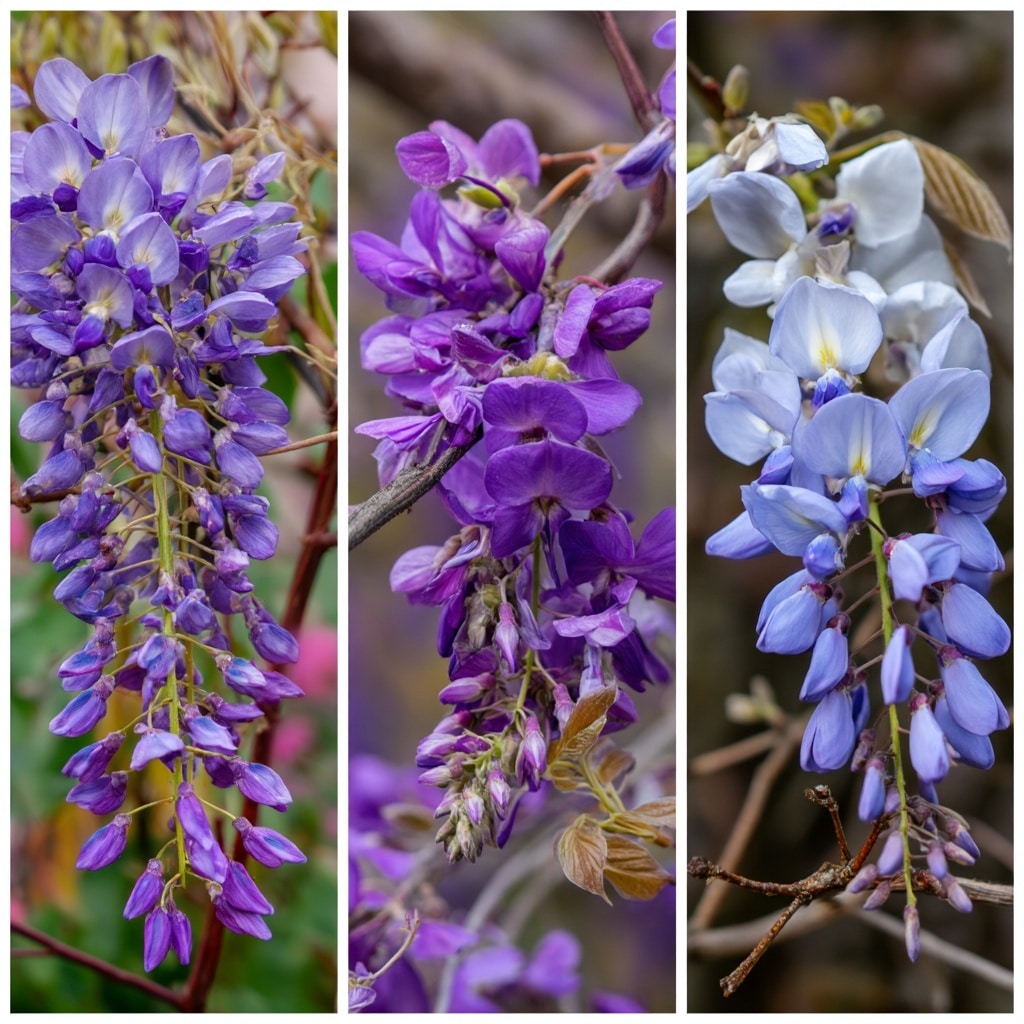
Not all wisteria flower types are created equal. While the Asian varieties (Wisteria sinensis and Wisteria floribunda) are known for their spectacular blooms, they can quickly become invasive and unmanageable. For a better balance of beauty and control, native and cultivated types offer standout alternatives.
🌿 American Wisteria (Wisteria frutescens)
- Amethyst Falls: Compact and non-invasive, with lightly fragrant lavender blooms. Great for containers or small gardens. Blooms later than Asian types—avoiding late frost damage.
- Nivea: Produces elegant white flowers and grows up to 25 feet. Needs a strong support structure and thrives in moist, fertile soil.
- Longwood Purple: Deep purple blooms with bushier foliage. Grows to about 10 feet—ideal for tighter spaces.
🌾 Kentucky Wisteria (Wisteria macrostachya)
- Blue Moon: A cold-hardy superstar that can survive winters in Zone 4. Blooms up to three times per year, providing a longer season of color.
- Clara Mack: A fast-growing white variety with heat and drought tolerance. Can be trained into a small tree form with proper staking and pruning.
⚠️ Avoid These (If Possible)
- Chinese Wisteria (W. sinensis)
- Japanese Wisteria (W. floribunda)
Both are known for their aggressive growth and tendency to choke out native plants and structures.
Choosing a non-invasive wisteria flower variety gives you all the seasonal charm without years of battling runaway vines. Native cultivars are also better for local ecosystems and often require less maintenance over time.
How to Prune Wisteria Flower for Health and Blooms
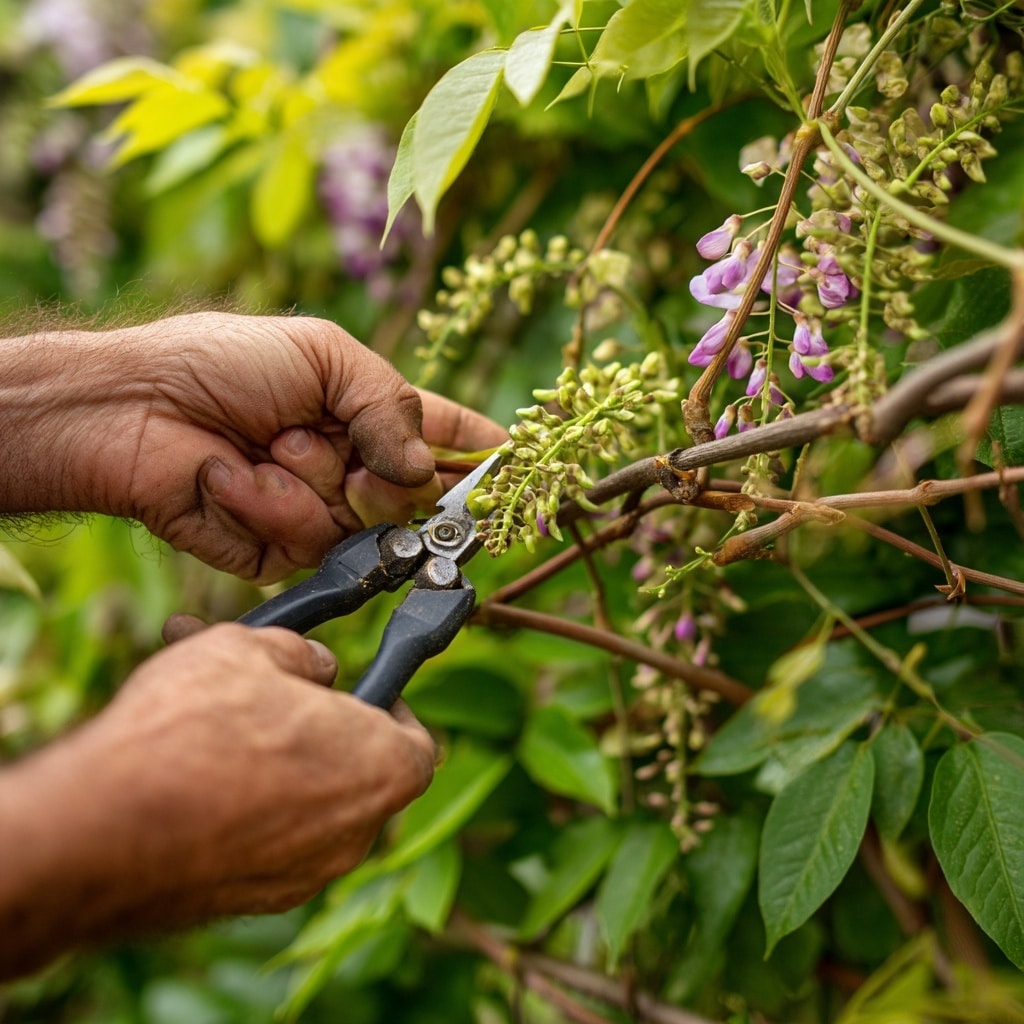
Pruning is one of the most important tasks when caring for wisteria flower. Without it, the vine can quickly become tangled, heavy, and bloom-less. Done correctly, pruning keeps your plant healthy, well-shaped, and covered in flowers season after season.
Why Prune?
- Encourages blooming by redirecting energy to flower production
- Prevents overgrowth on porches, gutters, and nearby trees
- Controls shape whether grown as a vine, tree, or on an arbor
When to Prune:
- Summer (after flowering): Trim new growth back to about 6 inches. This keeps the vine neat and encourages flower bud formation for next year.
- Winter (dormant season): More aggressive pruning can be done now to manage size or structure. Cut back long shoots and remove suckers.
Pruning by Variety:
- Asian wisterias bloom on older wood, so avoid heavy winter pruning that removes one-year-old stems.
- American and Kentucky types, such as ‘Amethyst Falls’ or ‘Blue Moon,’ bloom on new wood and tolerate harder winter cuts.
💡 Tip: If your wisteria flower isn’t blooming, improper pruning may be to blame. Timing is critical—too early or too late, and you risk cutting off developing buds.
With consistent pruning, your wisteria will stay under control and reward you with fuller blooms and a more polished look.
How to Train Wisteria Flower on Structures
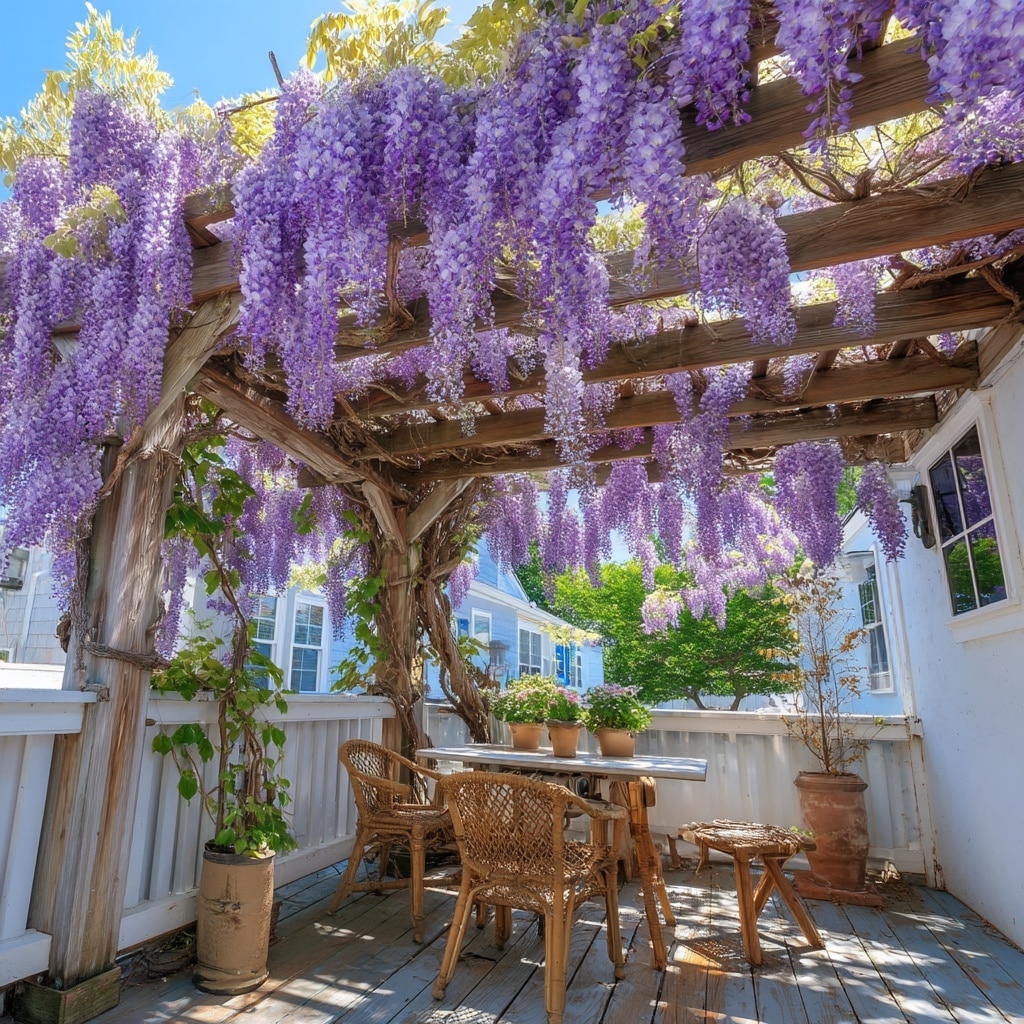
A well-trained wisteria flower is a showstopper. Whether draped over an arbor or shaped into a small tree, training helps guide its vigorous growth into a controlled, beautiful form. Left unmanaged, wisteria can twist around anything in its path — fences, gutters, even nearby trees.
Training Wisteria on a Porch or Arbor
- Use sturdy supports: Wisteria vines become heavy with age. Choose metal or pressure-treated wood for long-term durability.
- Guide new growth: Start by tying young stems loosely to horizontal wires or poles with garden tape or soft ties.
- Keep it elevated: For porches, suspend a strong metal rod about 18 inches below the roof beam. Let vines twine around the rod—not the structure itself.
- Prune regularly: After flowering, trim wandering shoots to maintain clear sightlines and prevent overgrowth.
Training Wisteria as a Tree (Standard Form)
- Select one strong stem: Remove all side shoots and stake it upright using a sturdy pole.
- Top it at the desired height: Once the stem reaches 4–6 feet, pinch or prune the tip to encourage branching.
- Shape the canopy: Over time, shorten and thicken branches for a full, rounded look.
- Ongoing maintenance: Rub off buds below the “head” to prevent suckers from forming.
Proper training helps your wisteria flower remain a garden centerpiece rather than a tangled mess. Whether cascading over a pergola or standing alone as a blooming tree, it will reward your patience with elegance and color year after year.
Propagating Wisteria Flower (Cuttings & Tips)
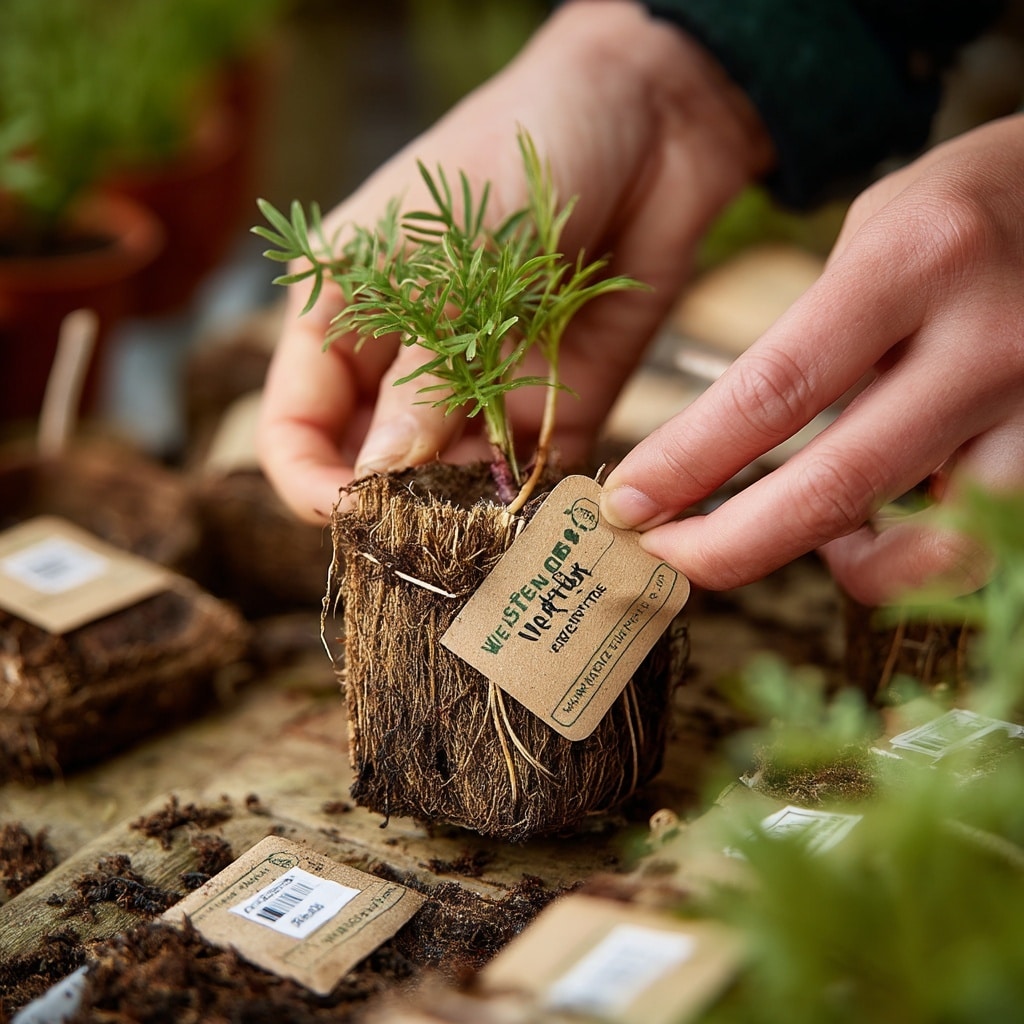
If you want to grow more wisteria flower plants without buying new ones, propagation is the way to go. While growing from seed is possible, it can take 10 to 15 years for seedlings to bloom. That’s why most gardeners prefer softwood cuttings for faster, more predictable results.
How to Propagate Wisteria by Cuttings
- Choose the right stem: In late spring or early summer, select a healthy, green shoot from the current year’s growth.
- Take your cutting: Cut a 4–6 inch section just below a leaf node.
- Remove lower leaves: Strip off the bottom leaves, keeping only the top 2–3.
- Dip in rooting hormone (optional): This helps speed up root development.
- Plant in rooting mix: Use a sterile blend of half peat moss and half perlite or sand. Insert at least one-third of the cutting into the soil.
- Cover and care: Place a clear plastic bag over the pot to hold in moisture. Set it in bright, indirect light and keep the mix moist.
After Rooting:
Once your wisteria flower cutting has developed strong roots (usually in 4–6 weeks), repot it into a larger container with well-draining soil. Gradually acclimate it to outdoor conditions before planting it in the ground.
While propagation takes time, it’s a cost-effective way to expand your wisteria collection or gift a piece of your garden to someone else.
Growing Wisteria Flower in Containers
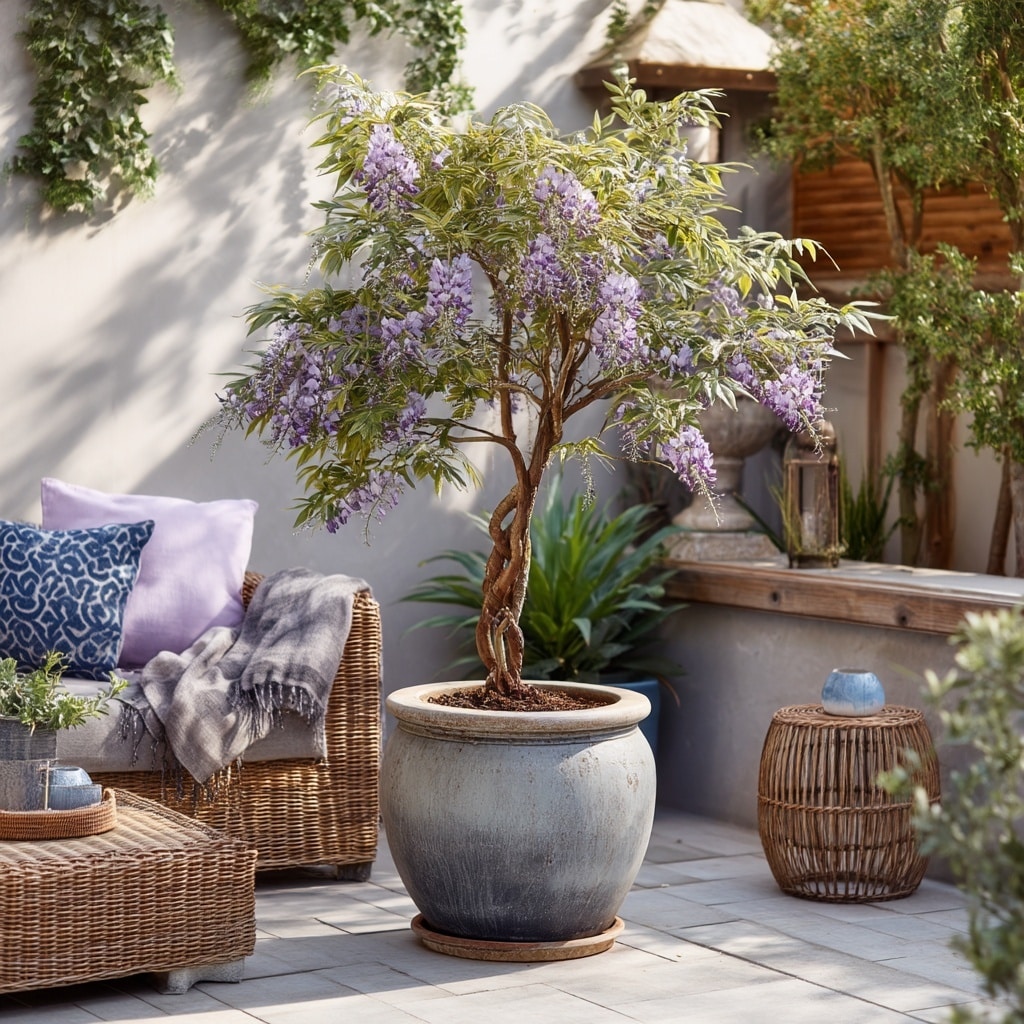
While typically grown in the ground, wisteria flower can also thrive in containers—especially if you’re short on space or want to keep the vine more controlled. Container growing is ideal for training wisteria into a tree form or showcasing it on patios and balconies.
Choosing the Right Container:
- Size matters: Use a pot at least 18 inches wide and deep to support the vine’s extensive root system.
- Material: Choose heavy, durable pots like ceramic or resin that won’t tip over as the vine matures.
- Drainage: Ensure the pot has several drainage holes to prevent root rot.
Soil and Watering Needs:
- Use a high-quality well-draining potting mix with compost.
- Water regularly—potted wisteria flower dries out faster than in-ground vines.
- In summer, check moisture daily, especially during hot spells.
Support and Pruning:
- Install a strong stake or small trellis in the pot to train the vine or form a small tree.
- Prune frequently to maintain size and encourage blooming.
- Fertilize each spring with a low-nitrogen, high-phosphorus fertilizer to support flower production.
Container growing keeps wisteria flower more manageable and allows for creative placement around your garden or outdoor space. Just remember—it’s still a vigorous grower, so regular care is key to keeping it beautiful and in bounds.
Common Pests and Diseases of Wisteria Flower
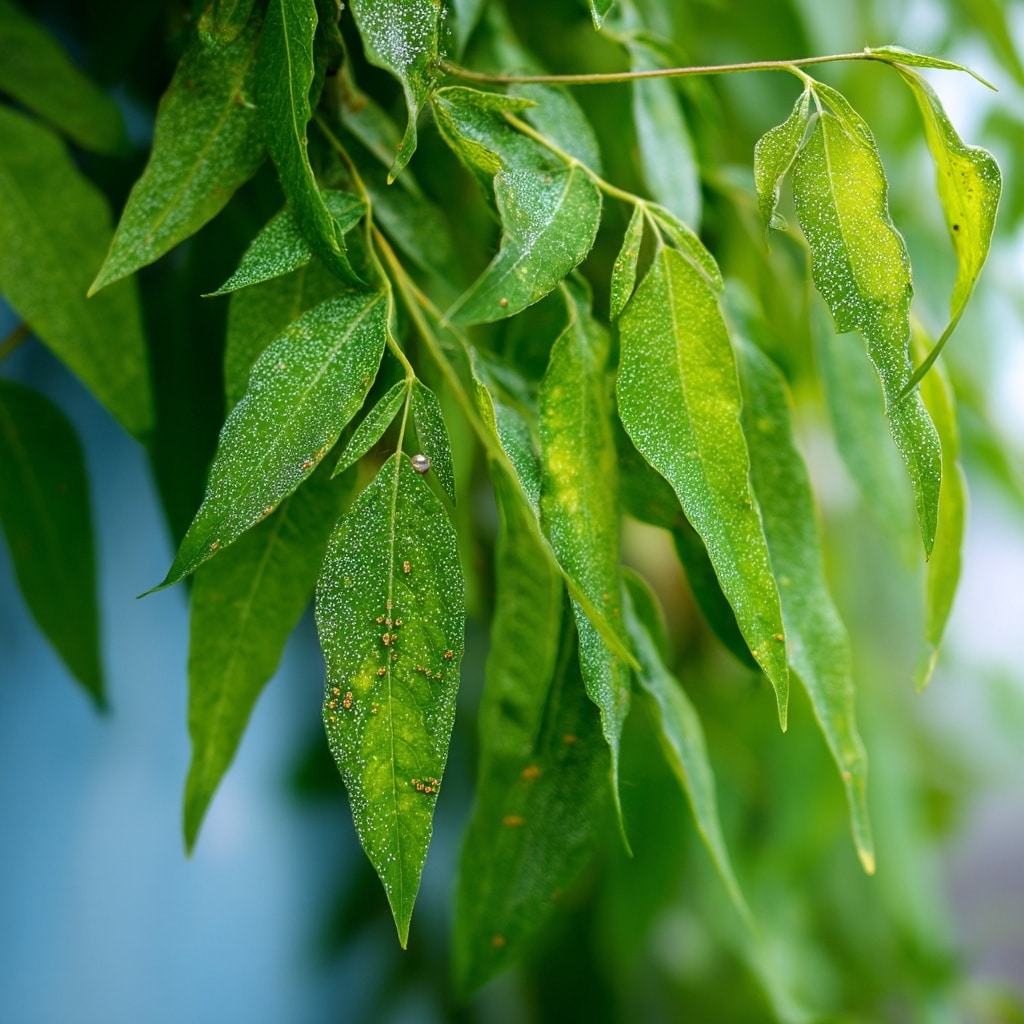
Although wisteria flower is generally low-maintenance, it’s not immune to pest and disease issues. Recognizing problems early can help prevent long-term damage and keep your plant healthy and flowering.
🐛 Common Pests:
- Aphids: Tiny sap-suckers that cluster on new growth. Spray with water or use insecticidal soap.
- Japanese beetles: Feed on leaves and flowers. Hand-pick or use traps if infestation is heavy.
- Mealybugs & scale: Appear as white or brown bumps on stems. Remove with cotton swabs dipped in alcohol.
- Leaf miners: Cause trails in leaves; remove affected foliage to prevent spread.
🍄 Common Diseases:
- Powdery mildew: Appears as a white, dusty coating on leaves. Usually cosmetic but treatable with fungicides if severe.
- Leaf spot: Causes discolored patches on leaves. Remove and discard affected leaves to limit spread.
- Crown gall: Gnarled, woody lumps at the base of stems—caused by bacteria. No cure; affected young plants should be discarded.
- Honey fungus: Signs include white fungal growth at the base and gradual dieback. Sadly, there’s no effective treatment once established.
Prevention Tips:
- Keep air circulation high by pruning overcrowded stems.
- Avoid overhead watering to limit fungal issues.
- Sterilize pruning tools if cutting diseased parts of the wisteria flower.
Most pest or disease issues can be managed with routine care. Keeping your wisteria flower healthy through proper watering, spacing, and pruning is your best line of defense.
Troubleshooting Common Wisteria Flower Problems
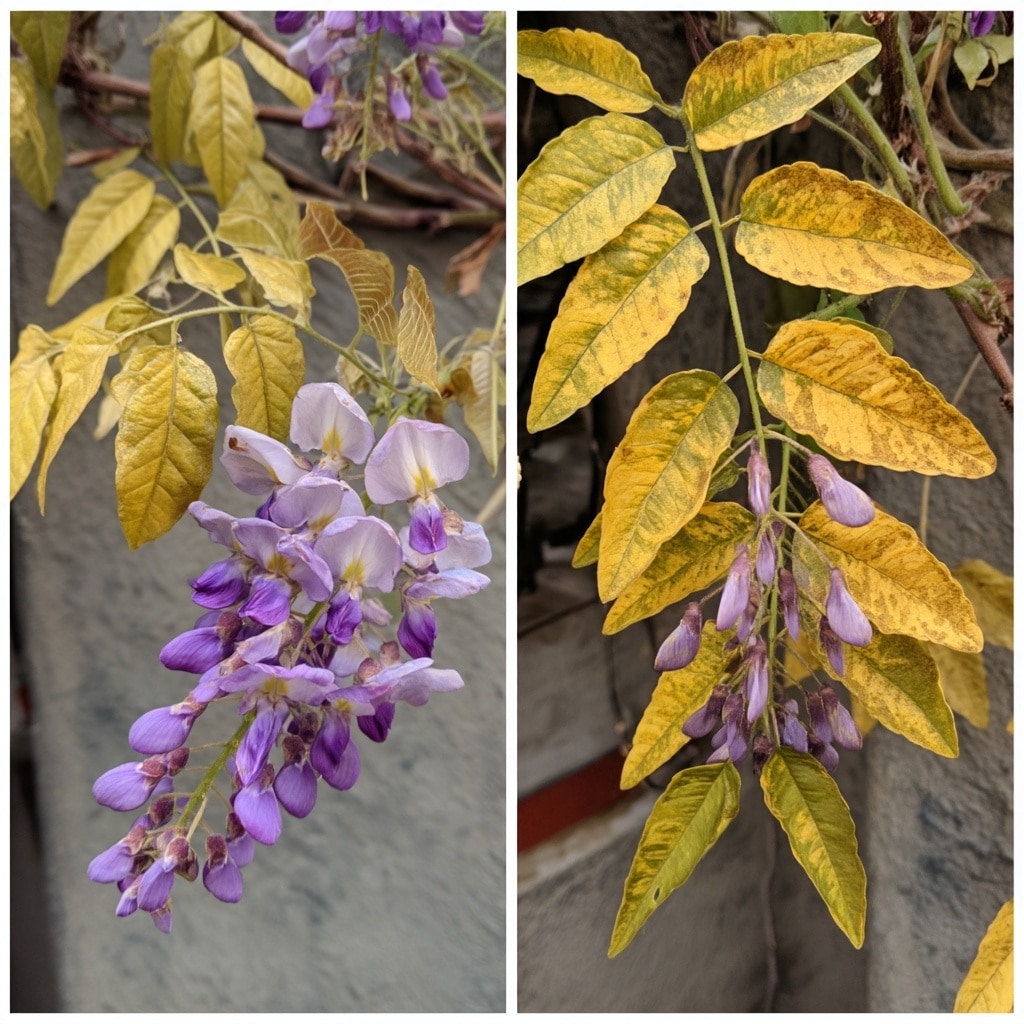
Even experienced gardeners can run into issues with wisteria flower—from yellowing leaves to a stubborn lack of blooms. Thankfully, most problems have simple solutions once you understand the underlying cause.
🌿 Curling or Drying Leaves
Possible Causes:
- Underwatering or drought stress
- Excessive heat
- Nutrient deficiency
- Pest infestation (especially aphids or spider mites)
- Root rot from poor drainage
🛠️ What to Do:
Check soil moisture and drainage. If leaves are dry or curling despite watering, inspect for pests and consider a soil test to check nutrient balance.
🍃 Yellowing Leaves
Possible Causes:
- Overwatering (most common)
- Iron deficiency (especially in young leaves)
- Seasonal leaf drop (normal in fall)
- Poor drainage or compacted soil
🛠️ What to Do:
Ensure proper drainage and avoid heavy watering. If young leaves are yellowing at the tips, apply an iron supplement and check soil pH.
🌸 Wisteria Flower Won’t Bloom
This is the #1 frustration for many gardeners.
Common Reasons:
- Too much nitrogen fertilizer (promotes leaves, not flowers)
- Insufficient sunlight
- Improper or untimely pruning
- New plant still maturing
- Frost damage to buds
🛠️ Fixes That Work:
- Use a high-phosphorus fertilizer
- Ensure 6+ hours of direct sunlight
- Prune at the right time: after bloom and again in winter if needed
- Try root pruning in fall—cut a circle around the base to stress the plant slightly, which may trigger blooming next spring
With a little patience and care, your wisteria flower will bounce back from most of these problems and reward you with stunning blooms.
Conclusion
Growing wisteria flower can be one of the most rewarding experiences in the garden. With its lush, trailing blooms and sweet fragrance, it brings drama and elegance to any space—whether climbing an arbor, framing a porch, or standing tall as a trained tree.
Success with wisteria comes down to three things: choosing the right (non-invasive) variety, providing enough sun, and staying on top of pruning. From the first tender shoots to full-blown spring bloom, a well-cared-for wisteria flower will give back for decades.
If you’re ready to bring a bold, blooming statement to your garden, wisteria just might be the perfect fit.