
Perennial flowers are the ultimate garden investment—plant them once, and they’ll return each year with even more color and charm. April is the perfect time to get these long-lasting beauties into the ground, especially while the soil is warming and spring rains provide natural nourishment. Whether you’re refreshing your garden beds or starting from scratch, adding a selection of hardy, vibrant perennials can ensure blooms that thrive season after season.
In this guide, we’ll highlight 9 of the best perennial flowers to plant in April. These varieties not only bring color and texture to your garden but also reward your efforts with reliable performance year after year.
Table of Contents
Sweet Peas

Known for their delicate petals and delightful fragrance, sweet peas are a charming addition to any garden. These climbing perennials thrive in cooler spring temperatures, making April an ideal month for planting.
Why Plant Sweet Peas in April:
- They prefer cool soil to germinate and establish strong roots.
- Early planting gives them a head start before summer heat slows growth.
- Their vines grow quickly, filling trellises and fences with color.
Sweet peas need full sun and rich, well-drained soil. Because they’re natural climbers, planting them near a support structure like a trellis or garden fence ensures they reach their full potential. Water regularly but avoid waterlogging the soil.
With hues ranging from soft pastels to vibrant purples and pinks, sweet peas add vertical interest and a cottage-garden feel to your backyard beds or borders.
Dahlias
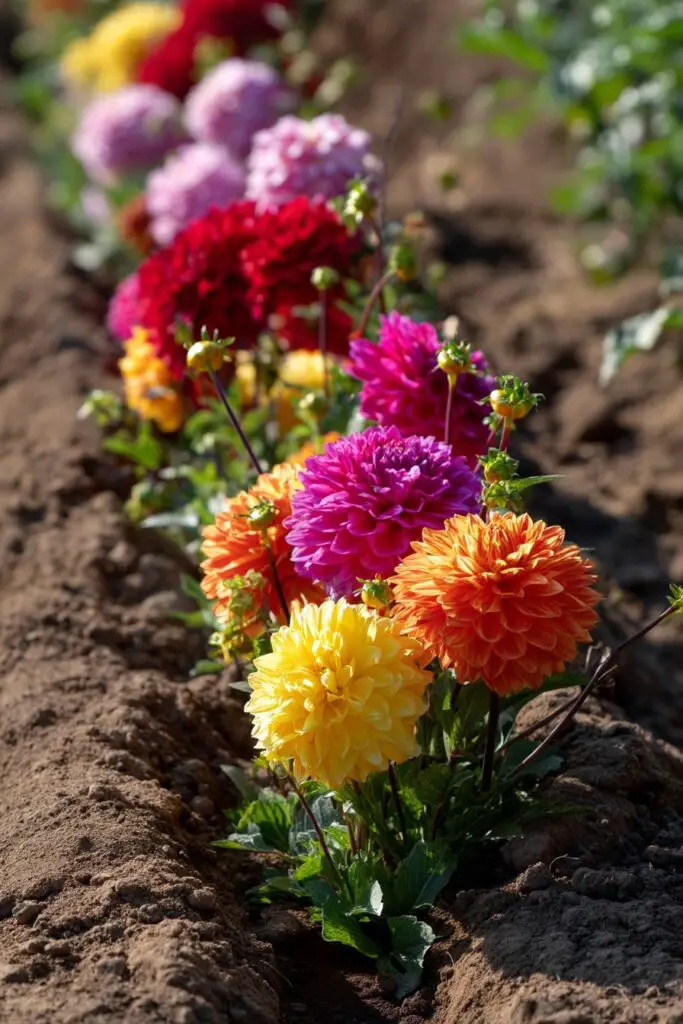
Bursting with bold, symmetrical blooms, dahlias are tuber-based perennial flowers that offer a spectacular floral display throughout summer and into early fall. While often treated as annuals in colder regions, they can return reliably in USDA zones 8 and above—or be dug up and stored for reuse in colder zones.
Why Plant Dahlias in April:
- The soil has warmed enough for tubers to root without rotting.
- Early planting encourages stronger growth and earlier blooms.
- They’ll have time to establish before the heat of midsummer.
Choose a sunny, sheltered location with rich, well-draining soil. Space the tubers 18 to 24 inches apart, and plant them about 4 to 6 inches deep. Stake taller varieties early to support their growth as they develop.
Dahlias come in every color except true blue and vary in bloom shape from dinner-plate size to delicate pom-poms. With consistent watering and deadheading, they’ll provide a vivid, nonstop show in your garden.
Delphiniums
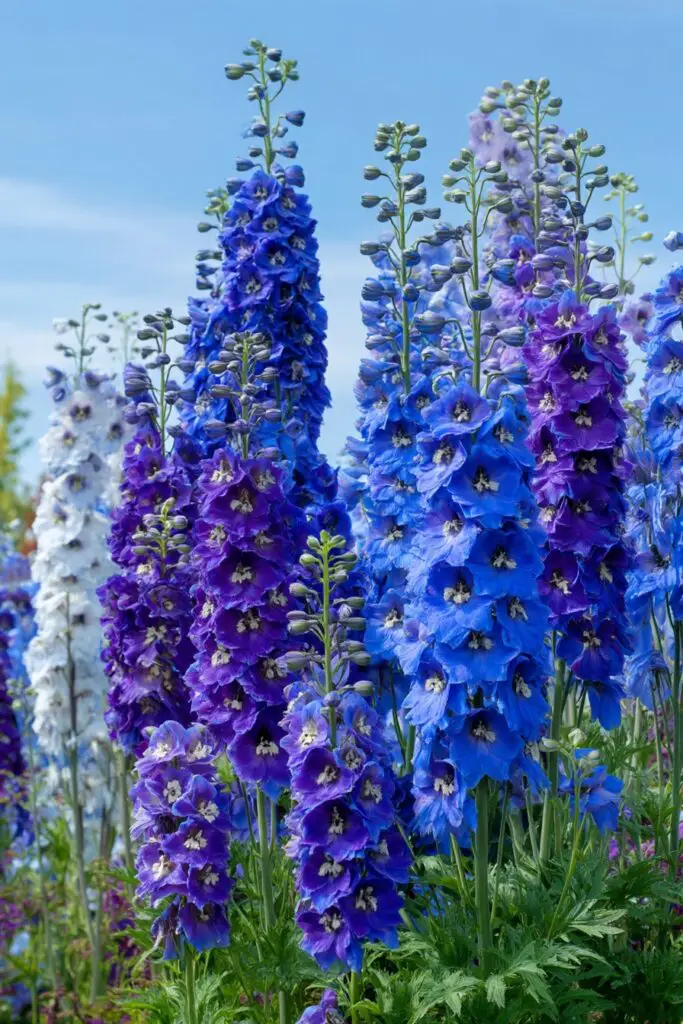
With their striking vertical spikes and rich blue, purple, pink, or white blooms, delphiniums are among the most dramatic perennial flowers you can plant in April. These statuesque plants bring height and elegance to flower beds and cottage-style gardens.
Why Plant Delphiniums in April:
- They prefer cooler weather to establish strong roots before summer heat.
- Early planting ensures a full blooming cycle by early summer.
- Hardy enough to tolerate light frost, making them ideal for spring planting.
Delphiniums thrive in full sun but appreciate some afternoon shade in hotter regions. They prefer rich, well-drained soil and need shelter from strong winds. Due to their height, most varieties require staking to prevent leaning or snapping.
To keep them blooming into summer, remove spent flower spikes after the first flush. Delphiniums are perfect for borders, backdrops, or as focal points in garden beds where vertical interest is needed.
Black-Eyed Susans
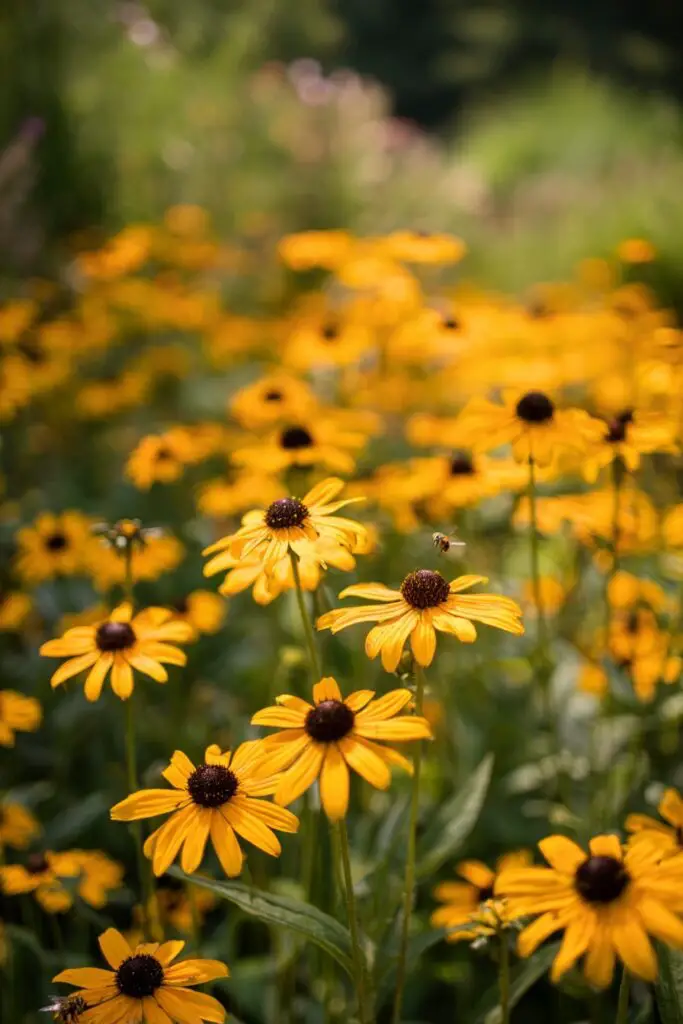
Bright, cheerful, and low-maintenance, Black-eyed Susans (Rudbeckia hirta) are standout perennial flowers that bring warm golden hues to any garden. Their daisy-like blooms and dark central cones attract pollinators and are perfect for creating a natural, meadow-inspired look.
Why Plant Black-Eyed Susans in April:
- Early planting gives them a longer growing season and stronger blooms.
- They establish quickly in spring’s moist soil.
- Ideal for borders, wildflower gardens, and pollinator-friendly spaces.
These flowers flourish in full sun and adapt well to a range of soil types, including dry and rocky conditions. They are drought-tolerant once established and require minimal care aside from occasional deadheading to prolong flowering.
Black-eyed Susans bloom from mid-summer into fall, offering a long-lasting burst of color. They also make excellent cut flowers and often reseed, ensuring a return year after year even in less-than-ideal conditions.
Columbine
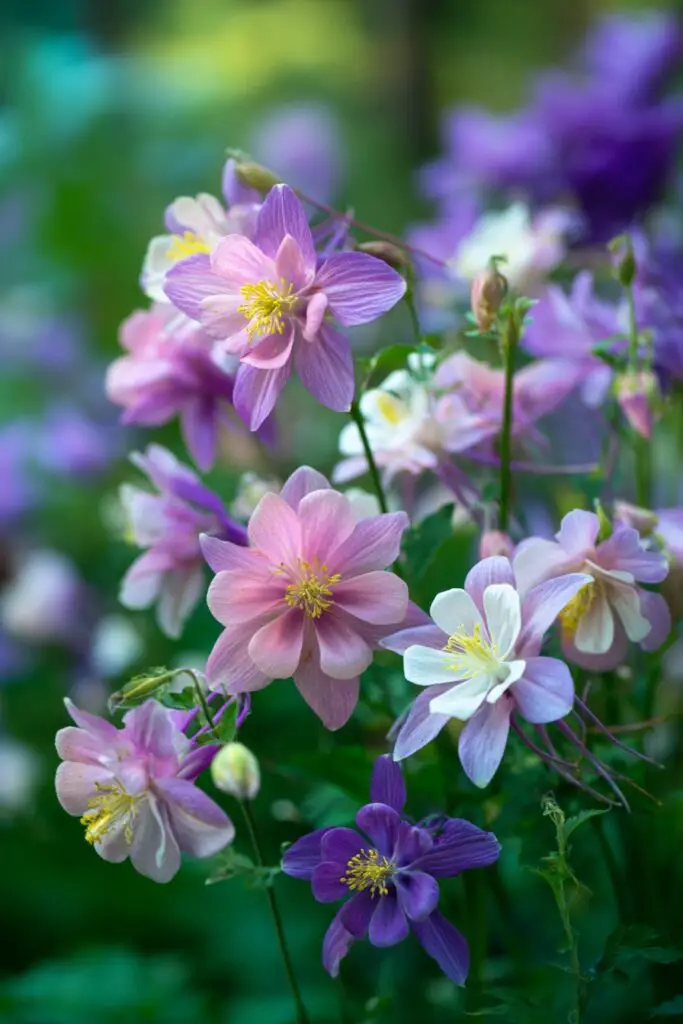
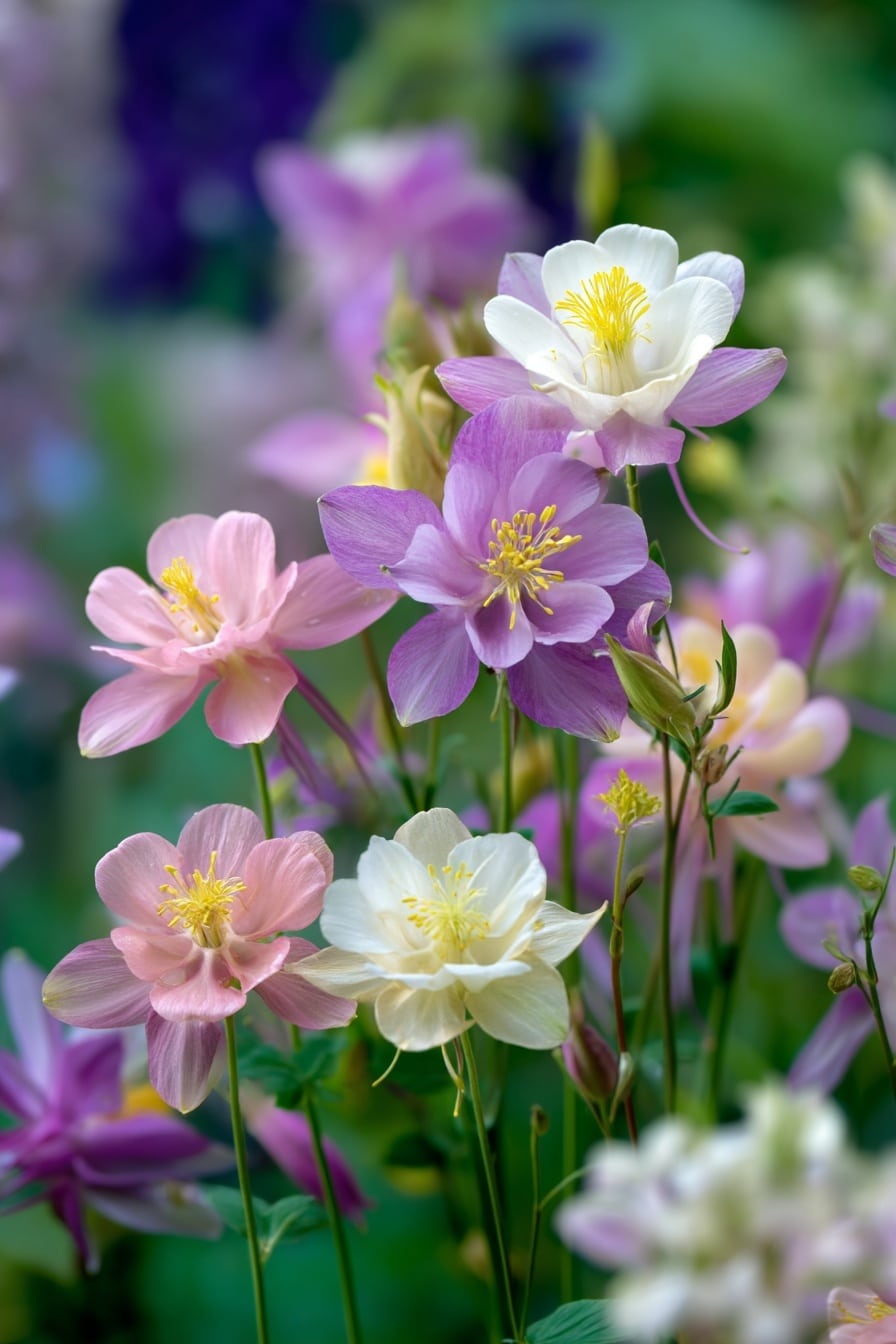
Delicate, nodding flowers with uniquely shaped spurred petals make columbine a standout among perennial flowers. Blooming in a variety of soft pastels and bold tones, this spring favorite is perfect for woodland gardens, shaded borders, or cottage-style beds.
Why Plant Columbine in April:
- Cool soil encourages germination and early growth.
- Early planting supports strong roots before summer heat arrives.
- Flowers appear quickly, often by late spring.
Columbine thrives in part shade but can tolerate full sun in cooler climates. It prefers well-drained, moist soil and benefits from a light mulch to maintain soil moisture. These flowers are relatively low-maintenance and self-seed readily, which means they can naturalize and spread over time.
Hummingbirds and butterflies are drawn to columbine, making them a valuable addition to pollinator-friendly spaces. With their graceful form and long bloom period, columbine adds elegance to any spring planting.
Strawflowers
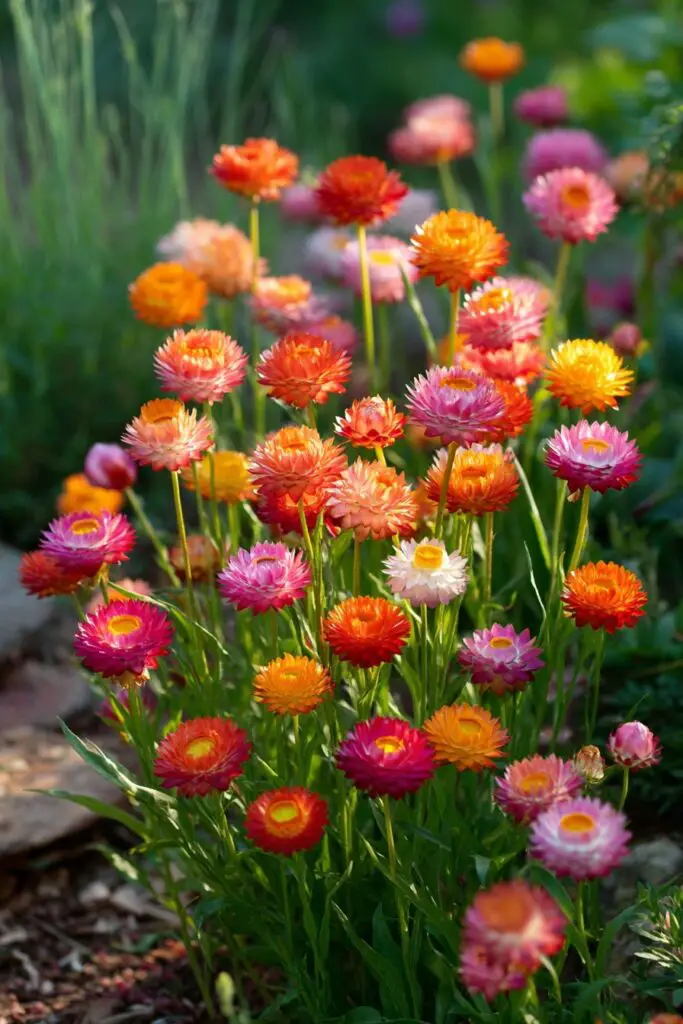
Though often mistaken for annuals, strawflowers (Xerochrysum bracteatum) can behave like short-lived perennial flowers in warmer climates. Their stiff, papery petals and vivid colors make them ideal for cut flower gardens and long-lasting dried arrangements.
Why Plant Strawflowers in April:
- They thrive in warming spring soil and full sun.
- Early planting gives them time to bush out and bloom profusely.
- Their resilience makes them excellent for beginner gardeners.
Strawflowers prefer well-drained soil and sunny spots. Once established, they’re extremely drought-tolerant and rarely bothered by pests or diseases. Regular deadheading promotes continuous blooming from late spring into fall.
Thanks to their bold hues—ranging from fiery oranges to soft pinks and sunny yellows—strawflowers add vibrant texture and color to flower beds, borders, and containers. Their unique, papery blooms also dry beautifully, making them a favorite for decorative crafts.
Daylilies
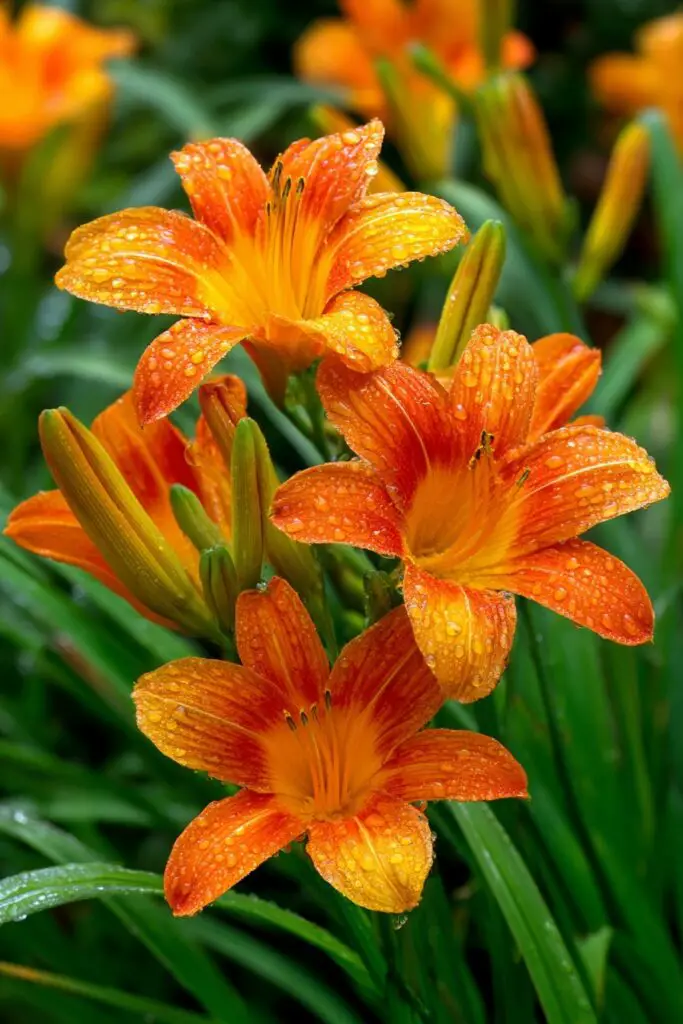
Beloved for their resilience and adaptability, daylilies are among the most reliable perennial flowers to plant in April. Their trumpet-shaped blooms come in a spectrum of colors and are ideal for gardeners who want a fuss-free, long-blooming option.
Why Plant Daylilies in April:
- Cooler soil helps roots establish before summer’s stress.
- Early planting leads to earlier blooming and better clump formation.
- Perfect timing for division and transplanting of existing clumps.
Daylilies thrive in full sun but tolerate light shade, especially in hot climates. They perform best in well-drained, fertile soil but are forgiving of poor conditions once established. Space plants about 18 inches apart to allow for spreading.
Though each flower only lasts a day, mature plants produce hundreds of blooms over the season. With minimal care, daylilies will multiply over time, making them a long-term staple in any landscape.
Evening Primroses
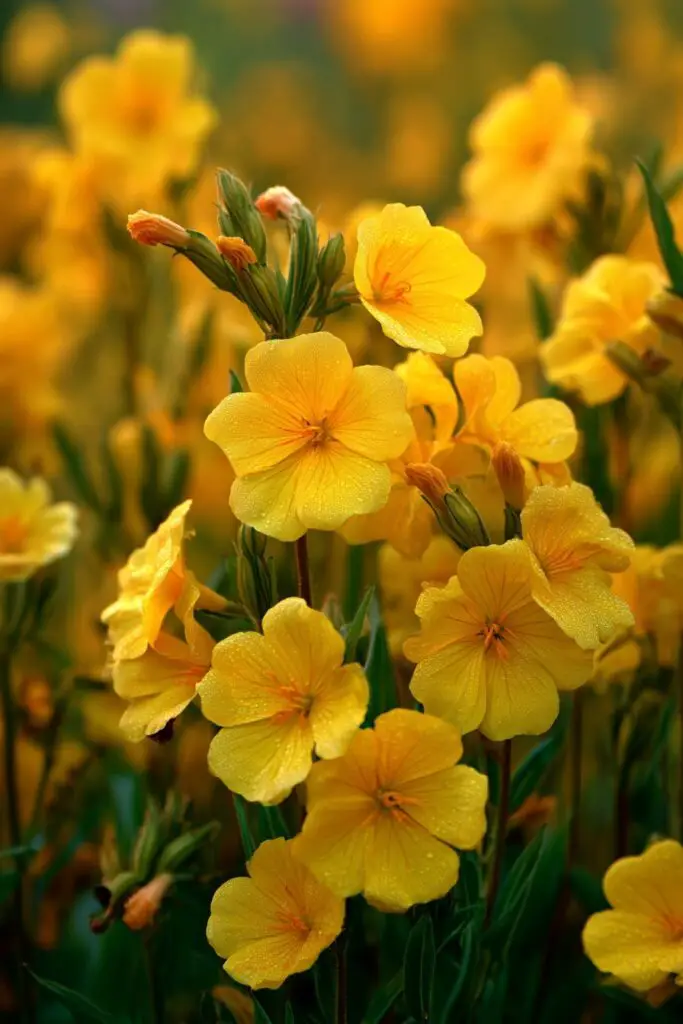
If you’re looking to extend your garden’s color into the twilight hours, evening primroses are the perennial flowers to plant in April. These delicate, cup-shaped blooms open in the late afternoon and glow through dusk, offering a subtle charm that few other plants provide.
Why Plant Evening Primroses in April:
- Spring soil temperatures are ideal for root establishment.
- Early planting ensures full bloom by summer evenings.
- Their self-seeding nature allows them to spread naturally.
Evening primroses thrive in full sun and well-drained soil. They are drought-tolerant once established and require minimal care. Their pale yellow or pink flowers are highly attractive to moths and nighttime pollinators, contributing to biodiversity in your garden.
These hardy plants can adapt to rock gardens, borders, and wildflower meadows. Once they take hold, they’ll return reliably each year and may even expand into larger clusters over time.
Heleniums
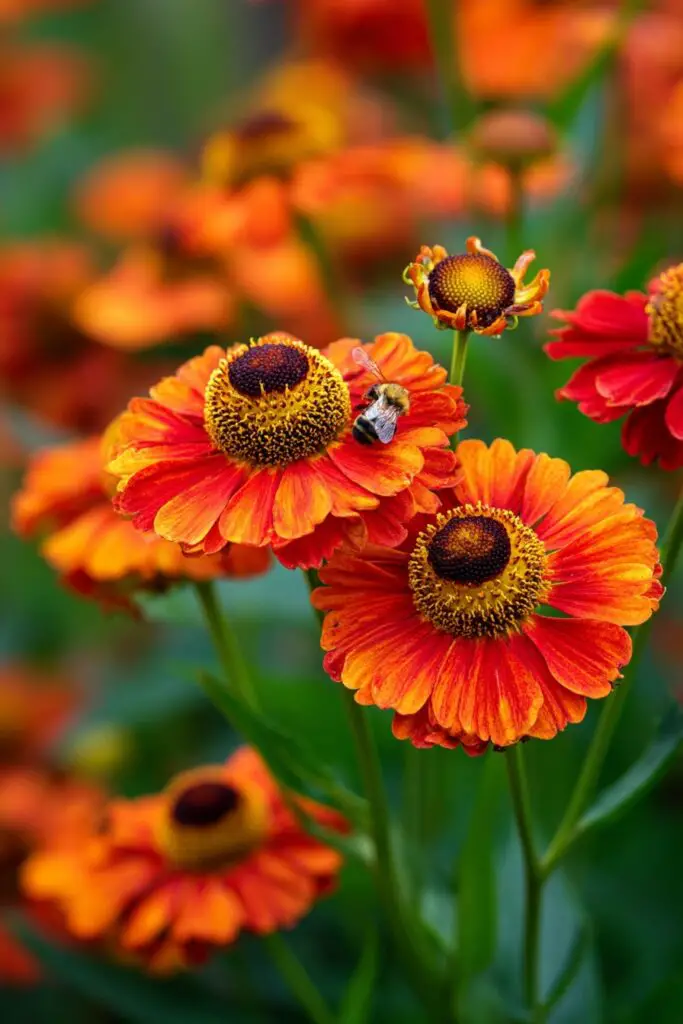
Also known as sneezeweed, heleniums are vibrant, daisy-like perennial flowers that bring rich autumnal color to your garden, often blooming from late summer through fall. Planting them in April gives them a strong start and ensures a long, healthy bloom season.
Why Plant Heleniums in April:
- Early planting supports root development before hot weather hits.
- Provides time to establish sturdy stems to support tall blooms.
- Ensures full bloom potential by late summer.
Heleniums thrive in full sun and moist, fertile soil. They benefit from regular watering and deadheading to prolong flowering. Taller varieties may need staking to prevent flopping, especially in windy areas.
Their vivid colors—reds, oranges, and yellows—add warmth and structure to garden beds. Heleniums are also excellent for attracting butterflies and bees, making them a valuable addition to pollinator-friendly spaces.
Conclusion
Planting perennial flowers in April sets your garden up for a season—and future seasons—full of color, texture, and life. From the early fragrance of sweet peas to the late-season glow of heleniums, each of these blooms brings its own charm and reliability to your outdoor space. By getting them in the ground now, you’re ensuring strong root development and long-lasting success for years to come.
Choose the varieties that suit your climate, sunlight, and style, and you’ll build a garden that grows more beautiful every year.