
Spring garden planning is one of the most rewarding parts of the gardening year. As winter fades and the days get longer, plants, flowers, and lawns begin to awaken—ready for a season full of color, growth, and fresh produce. But to enjoy a thriving landscape, a little preparation goes a long way.
Knowing how to prepare a spring garden means more than just planting seeds. It’s about nurturing the soil, caring for your lawn, supporting new growth, and setting up your space for success. In this guide, we’ll walk through seven essential steps to help you create a vibrant, healthy spring garden that shines from the ground up.
Table of Contents
🌱 Step 1: Soil Preparation and Mulching

The foundation of any successful spring garden begins below the surface. Healthy soil supports everything from root development to flower production, so starting with strong soil care gives your entire garden a head start.
Begin by clearing out any remaining weeds or debris from winter. If you haven’t already, mix in organic compost or well-rotted manure to enrich the soil with nutrients. For gardeners who prefer a no-dig option, liquid compost or organic soil conditioners can improve microbial activity and moisture retention without heavy turning.
Once the soil is prepped, apply mulch to lock in moisture and regulate temperature. Organic options like sugar cane, pea straw, or bark mulch work well depending on your plant types.
Quick Tips:
- Keep mulch a few inches away from plant stems
- Use fine mulch for veggie beds; coarse mulch for trees and shrubs
- Avoid synthetic weed mats—they can restrict airflow and water penetration
Taking care of the soil early helps your spring garden thrive through every stage of growth.
🌿 Step 2: Lawn Care and Feeding
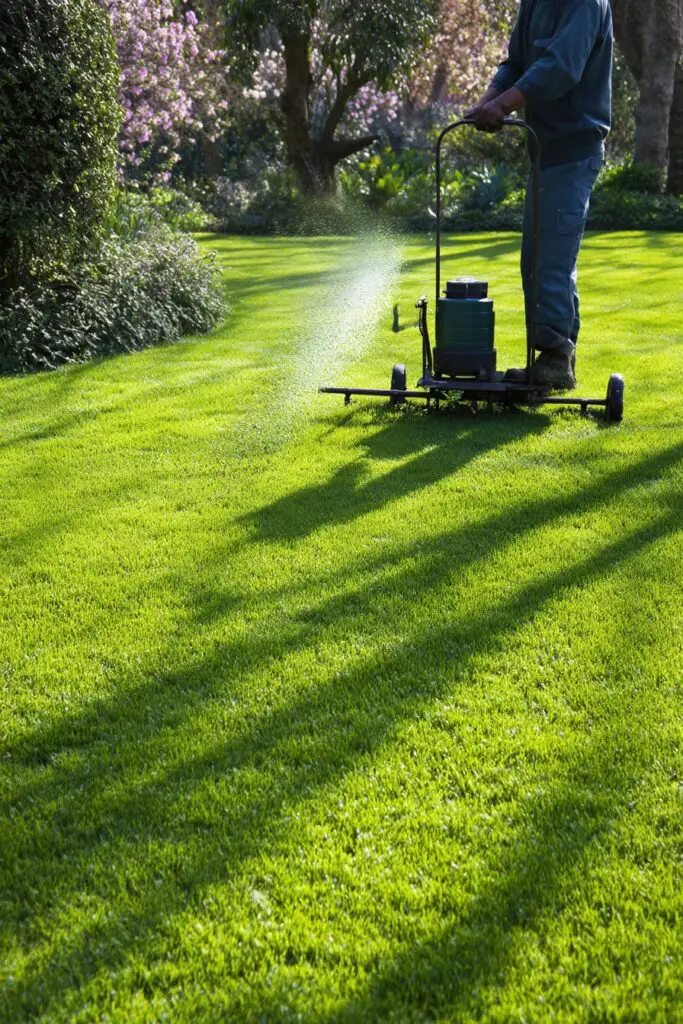
A lush, green lawn brings unity and polish to your spring garden, but winter can leave behind compacted soil, bare patches, and stubborn weeds. Early lawn care sets the tone for healthy growth as temperatures rise.
Start by walking your lawn to inspect for trouble spots. Use a garden fork or lawn aerator to open up compacted areas and allow air, water, and nutrients to reach the roots. If weeds have crept in, pull them by hand or use a spot-safe organic treatment.
Follow with a high-quality lawn feed formulated for spring. Choose one that contains both nitrogen and trace minerals to encourage fresh green growth. Water thoroughly after applying, and begin mowing only once the grass is actively growing—never cutting more than one-third of the blade height.
Lawn Boosting Tips:
- Aerate first, then feed
- Apply lawn fertilizer every 4–6 weeks in spring
- Mow regularly, but avoid scalping
- Water deeply rather than frequently
A well-fed lawn enhances the overall look of your spring garden and makes the space feel full, balanced, and inviting.
🌸 Step 3: Plant Care and Flower Support
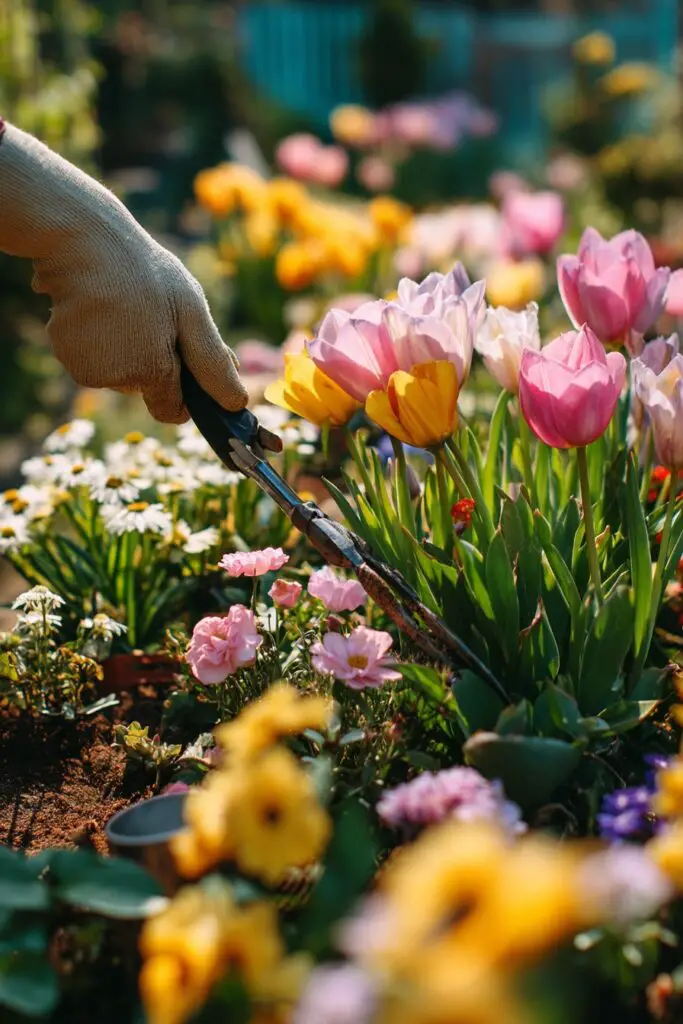
One of the highlights of any spring garden is seeing flowers bloom and new foliage emerge—but healthy plants need a little help after winter. Now is the time to refresh, prune, and feed your garden beds so everything grows strong and vibrant.
Begin by removing dead or damaged branches from shrubs and perennials. This not only improves plant health but also allows more light and airflow. Add seasonal color with annuals or transplant perennials that have outgrown their space.
To encourage new growth and longer-lasting blooms, apply a liquid fertilizer designed for flowering plants every two weeks. Water in new plants with a gentle seaweed-based tonic to reduce transplant shock and improve root development.
Flowering Plant Tips:
- Deadhead spent blooms to promote more flowers
- Cut flowers for vases early in the morning when they’re most hydrated
- Mix compost into beds before planting to enrich soil
- Feed regularly with a flower-friendly liquid fertilizer
With just a few thoughtful touches, you’ll set up your spring garden to burst with color and life all season long.
🪴 Step 4: Caring for Pots and Containers
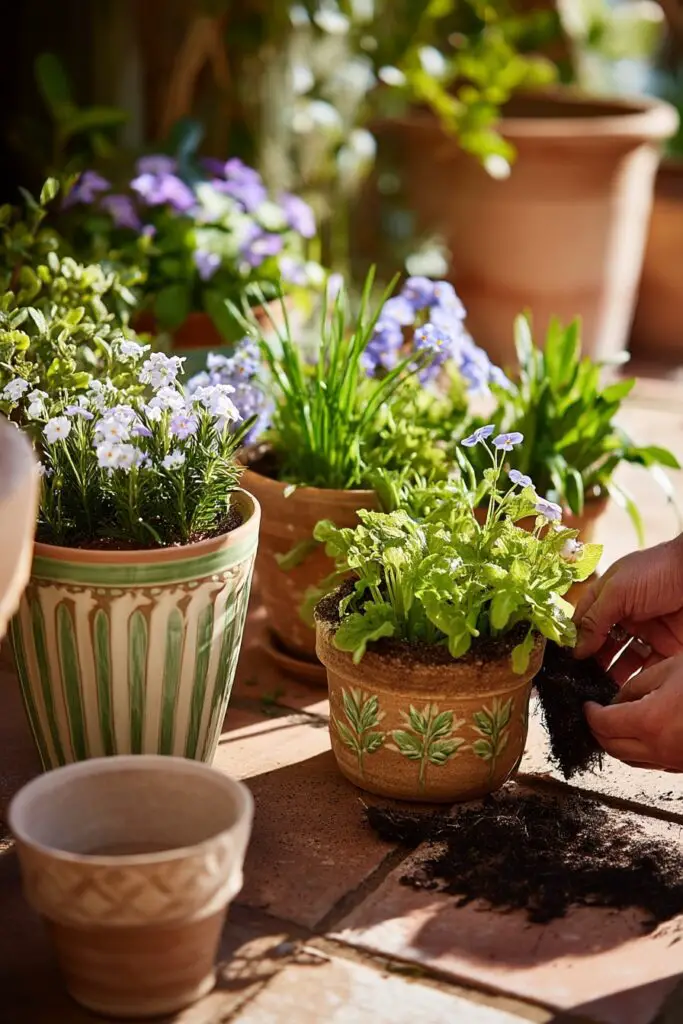
Pots and containers are often the unsung heroes of a spring garden, adding height, flexibility, and color to patios, balconies, and garden paths. But after a long winter, potted plants need a refresh to thrive in the new season.
Start by removing any dead foliage and checking for root crowding. If a plant has outgrown its container, repot it into a slightly larger one with fresh, high-quality potting mix. For plants that stay in the same pot, top up the soil and mix in a slow-release fertilizer to support steady growth.
Move indoor plants outside for a few hours of filtered light and fresh air—just be sure to protect them from wind and strong midday sun. Clean the leaves to help them breathe, and check for any early signs of pests.
Container Plant Care Tips:
- Use premium potting mix for better drainage
- Repot root-bound plants before they become stressed
- Wipe down pots and saucers for a fresh look
- Water thoroughly and let excess drain out
Healthy, well-maintained pots are an easy way to extend your spring garden into every corner of your outdoor living space.
🥕 Step 5: Vegetable Garden Maintenance
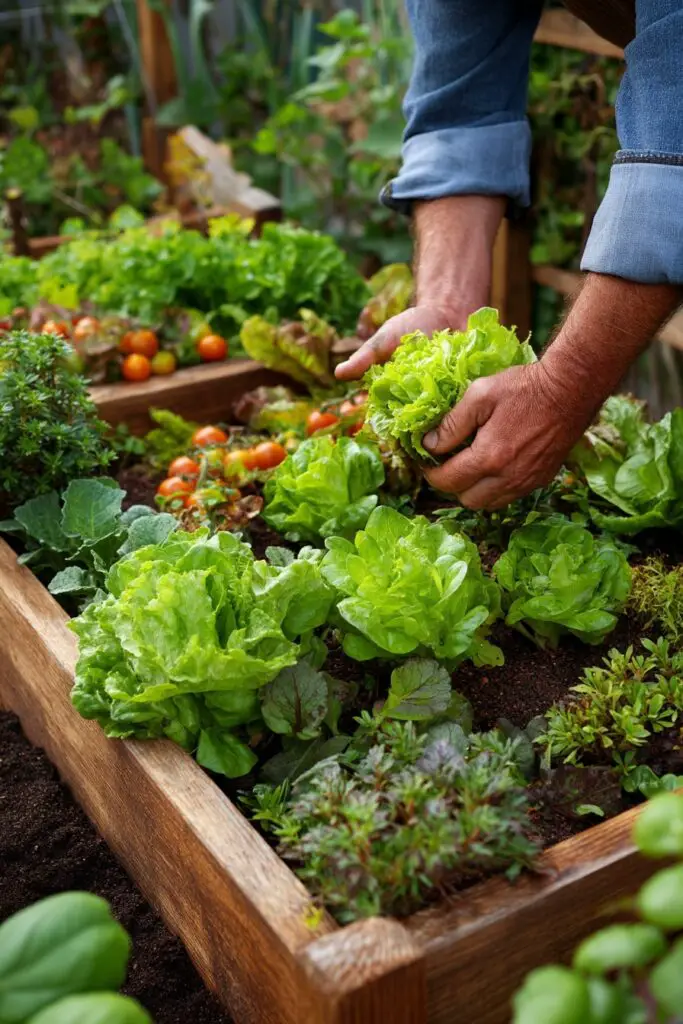
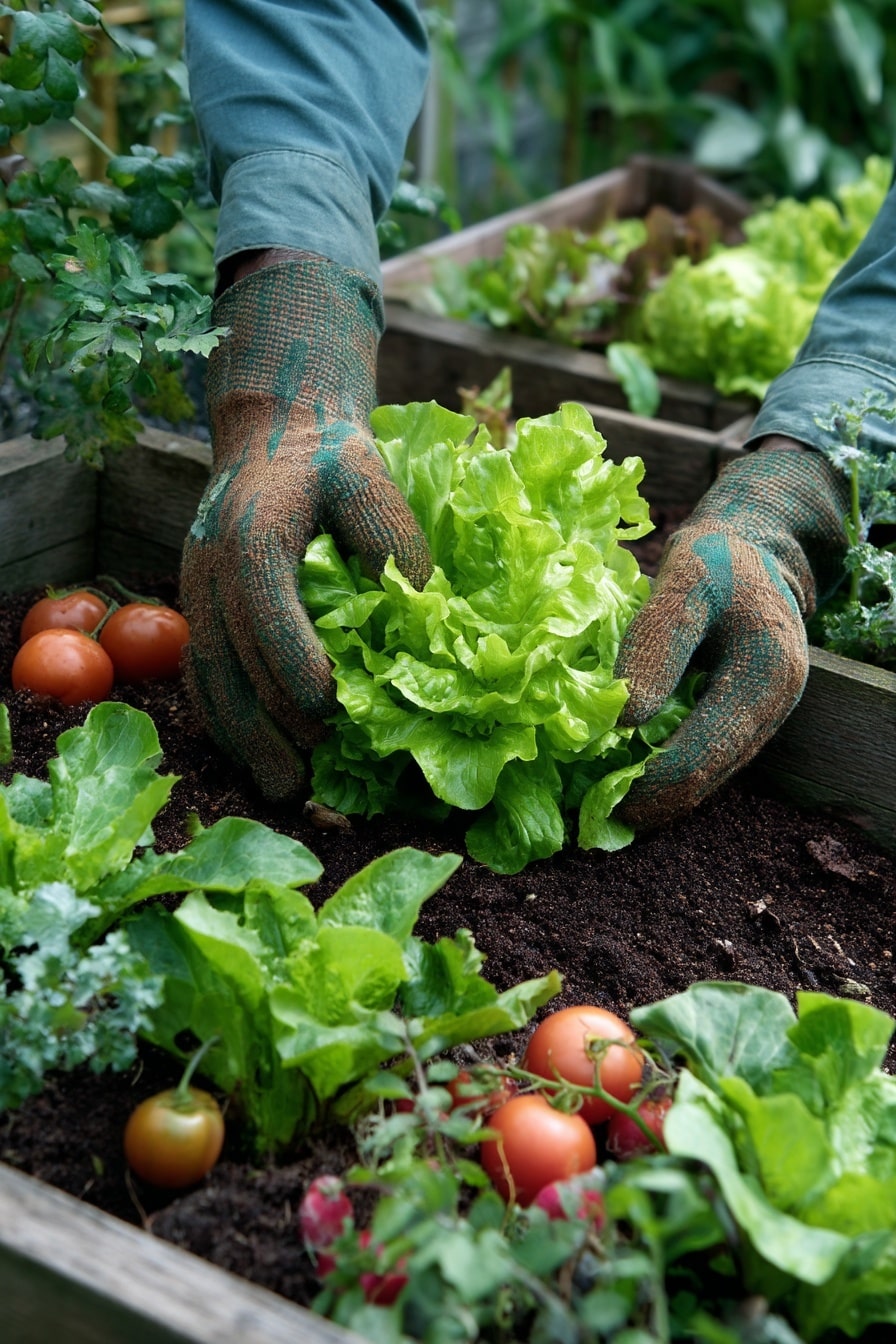
A thriving veggie patch is one of the most rewarding parts of a spring garden. Whether you’re growing leafy greens, tomatoes, or herbs, spring is the time to prepare your garden beds for a productive and delicious season.
Start by harvesting any lingering winter crops to make room for new plantings. Clear out spent plants, prune damaged foliage, and check for pests or diseases. Enrich the soil with compost or a balanced organic fertilizer to give your veggies the nutrients they need.
Plant quick-grow crops like lettuce, rocket, and radishes for early harvests. Use stakes or cages for climbers like beans or tomatoes, and keep a watering schedule to avoid dry spells or overwatering.
Spring Veggie Garden Tips:
- Choose varieties suited to your local climate
- Plant in succession for continuous harvests
- Water deeply and mulch to retain soil moisture
- Feed weekly with a vegetable-specific liquid fertilizer
A well-maintained veggie patch not only adds fresh produce to your meals but also brings practical beauty to your spring garden.
💧 Step 6: Watering and Irrigation Essentials
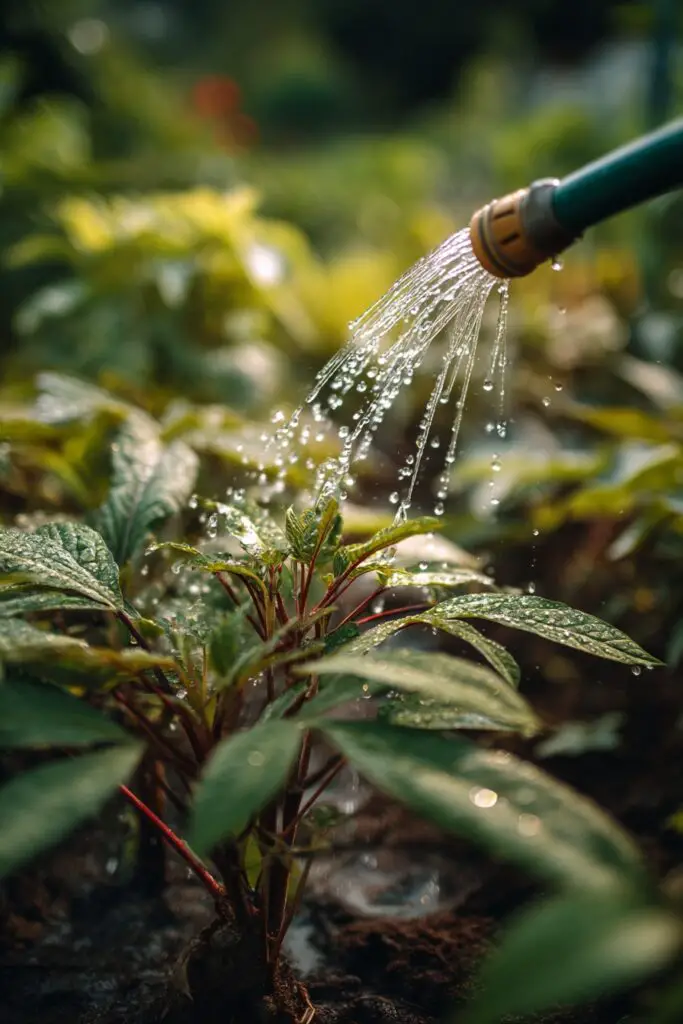
Proper watering is vital to keeping your spring garden lush, healthy, and resilient. As temperatures rise, your plants will demand more moisture—but it’s not just about frequency. How and when you water matters just as much.
Start by checking all your watering tools—hoses, nozzles, drip lines, or sprinkler systems—to ensure they’re in good working order. Replace cracked hoses or clogged emitters before the season gets into full swing.
Aim for deep, infrequent watering to encourage strong root systems. Early morning is the best time to water, reducing evaporation and preventing disease. In areas where water runs off or pools, apply a soil wetting agent to help moisture penetrate evenly.
Watering Tips for Spring Success:
- Water early in the day to avoid fungal issues
- Use mulch to retain soil moisture and reduce surface evaporation
- Adjust irrigation zones as the weather warms
- Focus on the root zone—leaves don’t need watering
A thoughtful watering plan supports every part of your spring garden, helping plants grow stronger while conserving water.
🧹 Step 7: Spring Clean-Up and Seasonal Tasks
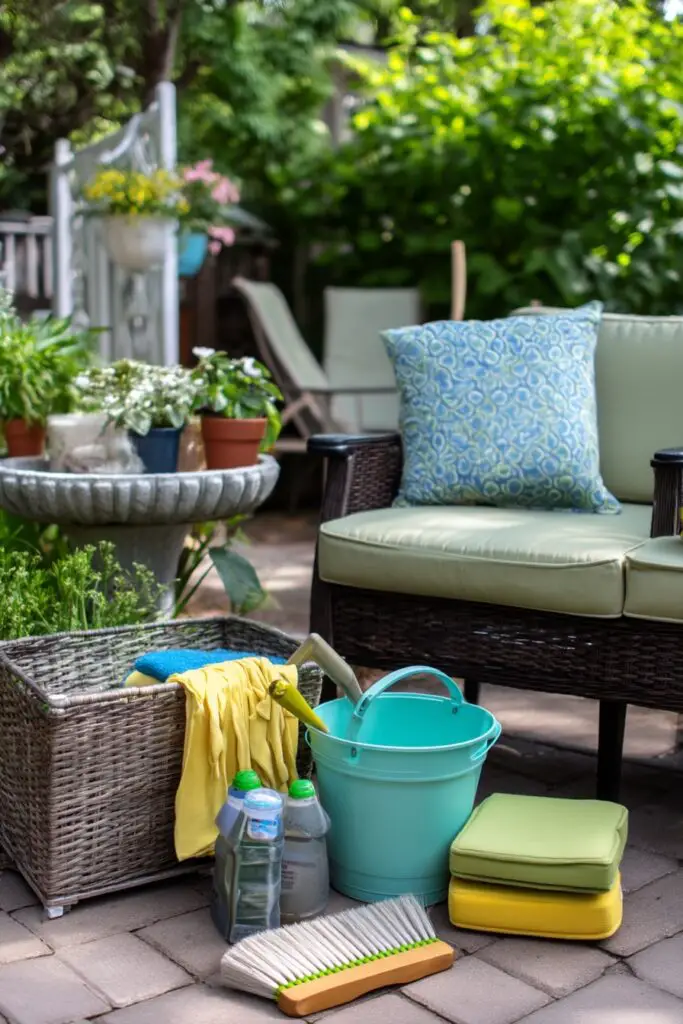
With your soil prepped, plants fed, and lawn revived, it’s time to bring the finishing touches to your spring garden. A thorough seasonal clean-up not only makes your space more enjoyable—it also helps prevent problems later in the growing season.
Start by cleaning garden tools, outdoor furniture, and containers. Wipe down or power wash surfaces like decks, patios, and walkways to remove dirt and mold. Replace worn-out cushions and add a few fresh touches—like a new planter or hanging basket—for a quick visual upgrade.
Support wildlife by refreshing birdbaths and planting flowers that attract pollinators like bees and butterflies. If you have fruit trees, begin regular watering and feeding routines as they enter flowering and fruiting stages.
End-of-Season Must-Dos:
- Prune overgrown shrubs and hedges
- Clean and disinfect pruning tools to prevent disease spread
- Refresh mulch around new plantings
- Add flowers that support pollinators and beneficial insects
A clean, well-organized space brings your spring garden together—ready for enjoyment, entertaining, and healthy growth all season long.
🌿 Conclusion
Creating a vibrant spring garden doesn’t require perfection—it just needs thoughtful care, consistent effort, and a little seasonal know-how. By following these seven essential steps, you’re setting your garden up for healthier soil, thriving plants, productive veggie patches, and beautiful spaces you’ll enjoy all spring long. Whether you’re starting fresh or reviving existing beds, every task adds value to your outdoor sanctuary.