

Raised garden beds offer one of the simplest ways to improve plant health, increase yields, and make gardening more enjoyable. Whether you’re working with limited space or struggling with poor soil, raised garden beds create a controlled growing environment that gives plants a strong start.
Gardeners of all experience levels appreciate how raised garden beds reduce common problems like weeds, drainage issues, and soil compaction. They also make planting, maintaining, and harvesting crops much easier on the body.
If you’re considering upgrading your vegetable patch or starting fresh, understanding the advantages of raised garden beds will help you decide if they’re the right fit for your garden.
Table of Contents
1. Space Efficiency

One of the biggest advantages of raised garden beds is how efficiently they use space. Instead of spreading plants across wide rows, raised garden beds allow you to grow intensively in a compact, organized layout.
Because you don’t need walking paths between every row, more soil is dedicated to growing plants. This makes raised garden beds ideal for:
- Small backyards
- Urban gardens
- Courtyards and patios
- Community garden plots
With careful spacing, crops can be planted closer together without overcrowding. The improved soil conditions inside raised garden beds support stronger root systems, allowing plants to thrive even in tighter arrangements.
You can also design raised garden beds in various shapes and sizes to suit your space. Rectangular beds are common, but square or narrow beds can fit alongside fences or pathways.
If you have an article on small garden layouts or square-foot gardening, this would be a strong internal linking opportunity to help readers plan their raised garden beds effectively.
2. Enhanced Soil Quality

Another major reason gardeners choose raised garden beds is the ability to control soil quality from the start. Instead of working with compacted, rocky, or nutrient-poor ground, raised garden beds allow you to fill the space with a rich, well-balanced growing mix.
This control makes a noticeable difference in plant performance.
With raised garden beds, you can:
- Blend compost, topsoil, and organic matter
- Improve drainage in heavy clay areas
- Create loose soil that supports strong root growth
- Maintain consistent fertility year after year
Because the soil isn’t walked on, it stays aerated and less compacted. Healthy roots spread easily, absorbing nutrients and moisture more efficiently.
Raised garden beds also warm up faster in spring. The elevated soil drains quickly and retains warmth, allowing you to plant earlier in the season. That head start often results in stronger seedlings and a longer growing window.
If you’ve written a guide on composting or improving garden soil naturally, this section is a great place to link internally and support gardeners building healthy raised garden beds.
3. Maximized Harvest Potential
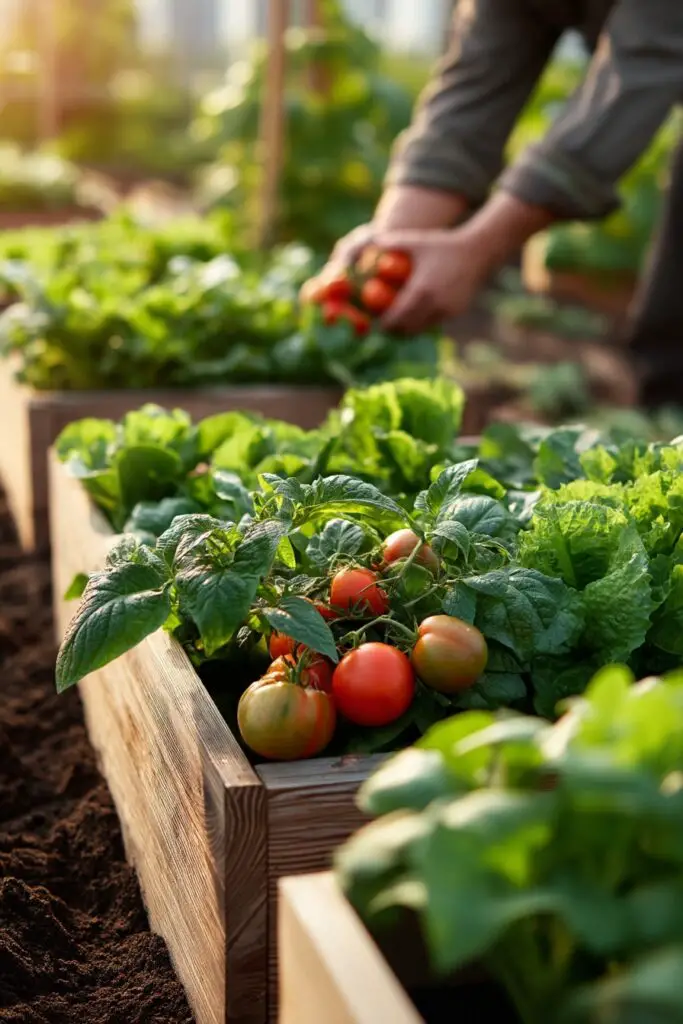
One of the most rewarding benefits of raised garden beds is the increase in productivity. When soil quality, spacing, and drainage are optimized, plants grow stronger and produce more.
Because raised garden beds allow for closer planting, you can grow a higher number of crops in a smaller footprint. This method reduces wasted space and creates a dense canopy that helps retain moisture and shade the soil.
Improved growing conditions in raised garden beds often lead to:
- Faster root development
- Healthier foliage
- More consistent watering
- Higher yields per square foot
Another advantage is succession planting. Once one crop finishes, you can quickly refresh the soil and replant without disturbing surrounding areas. This keeps raised garden beds productive throughout the season.
The combination of better soil structure and easier access makes monitoring plant health simple. When problems are caught early, harvest losses are reduced.
If you’ve written about crop rotation or succession planting strategies, linking to that guide here would help readers maximize the performance of their raised garden beds.
4. Weed Control
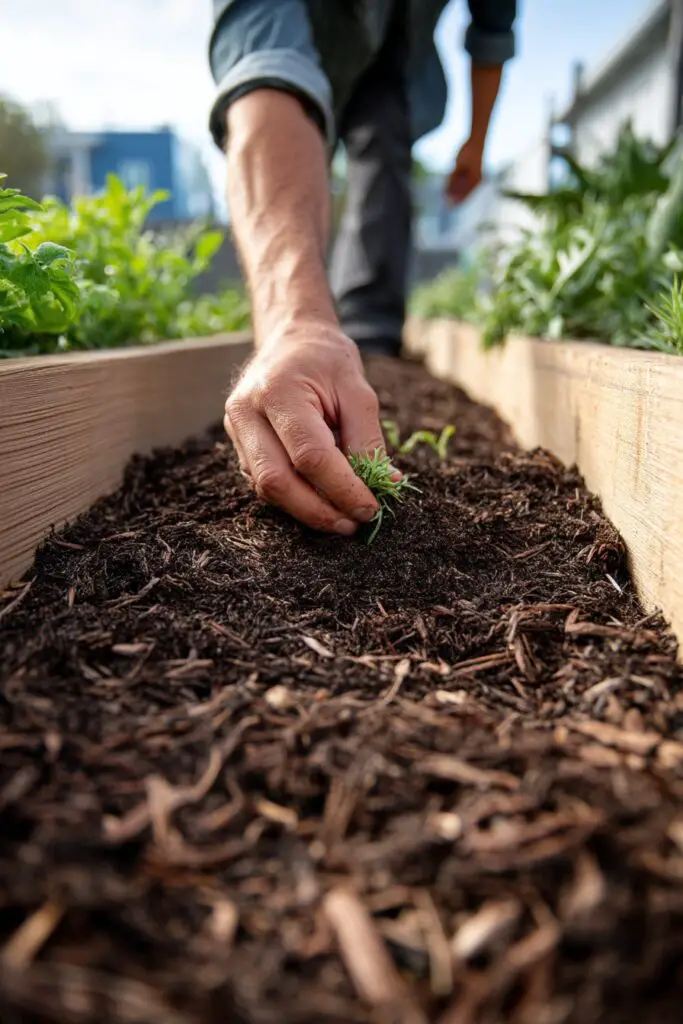
Weeds are a constant frustration in traditional garden plots, but raised garden beds make weed management far more manageable. By starting with fresh, high-quality soil, you significantly reduce the number of weed seeds introduced at planting time.
This cleaner beginning gives crops a competitive advantage.
Raised garden beds also create clear boundaries between growing areas and surrounding ground. Installing landscape fabric or cardboard beneath the bed further blocks invasive weeds from creeping up through the soil.
Additional weed-control benefits of raised garden beds include:
- Dense planting that shades soil and suppresses weed growth
- Easy access for quick hand-pulling
- Defined pathways that prevent unwanted spreading
Because the soil is not compacted by foot traffic, weeds are often easier to remove with minimal disturbance.
Mulching the surface of raised garden beds adds another protective layer. Organic mulch reduces light exposure to weed seeds while helping the soil retain moisture.
If you have an article on natural weed prevention or organic mulching techniques, linking it here would provide practical next steps for gardeners managing raised garden beds.
5. Pest Protection
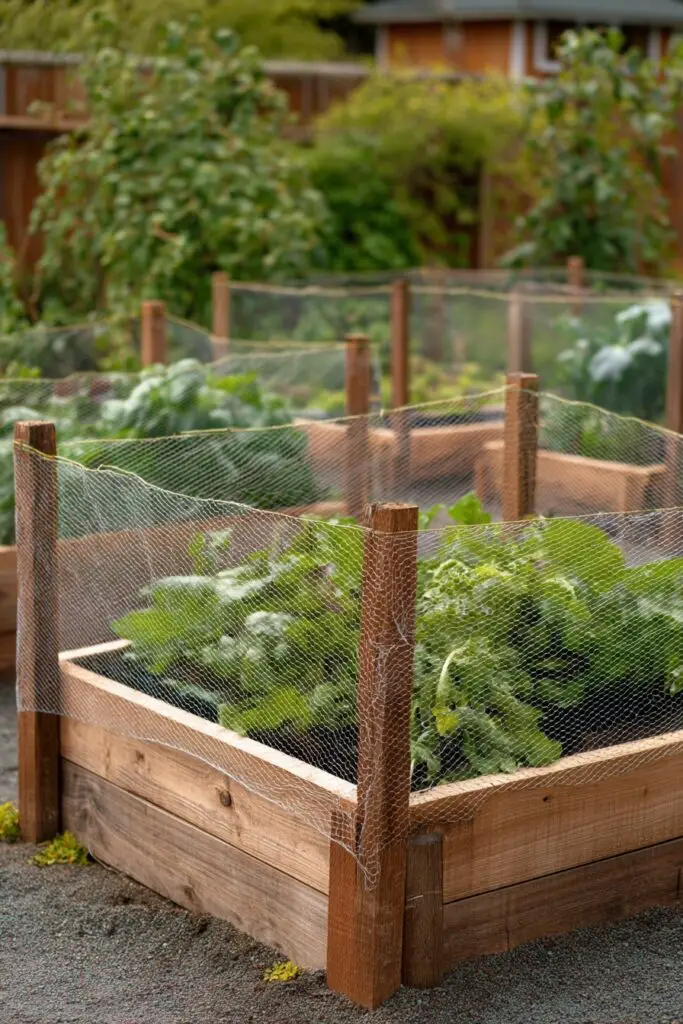
Another strong advantage of raised garden beds is improved pest management. Elevating your growing area creates a natural barrier that helps limit certain ground-dwelling pests.
While raised garden beds won’t eliminate all problems, they do make protective measures easier to install and maintain.
For example, you can:
- Attach fine mesh or hardware cloth beneath the bed to deter burrowing animals
- Install hoop supports for row covers
- Add netting to protect crops from birds
- Use removable covers during peak insect seasons
Because raised garden beds have defined edges, it’s simple to secure protective materials tightly around the frame.
The improved drainage in raised garden beds also discourages slugs and fungal issues that thrive in damp, compacted soil. Healthier plants are naturally more resilient against minor pest pressure.
Monitoring crops becomes easier too. Since raised garden beds bring plants closer to eye level, you’re more likely to notice early signs of insect damage and act quickly.
If you’ve published a guide on organic pest control methods, this section offers a valuable opportunity for internal linking to help readers safeguard their raised garden beds.
6. Easier Gardening with Less Work

Comfort and convenience are often overlooked benefits of raised garden beds, but they make a noticeable difference over time. The elevated design reduces the need for constant bending and kneeling, making routine tasks easier on your back and knees.
For many gardeners, this alone is reason enough to choose raised garden beds.
Because the soil stays loose and well-structured, digging and planting require less effort. You won’t struggle with compacted ground or heavy clay when working in raised garden beds.
Other labor-saving advantages include:
- Faster planting and harvesting
- Simplified irrigation setup
- Easier soil amendments
- Clear organization of crops
Maintenance becomes more manageable when everything is contained within defined borders.
Raised garden beds also help keep pathways clean and dry. Instead of stepping into muddy areas after rainfall, you can work comfortably around the edges.
If you’ve written about ergonomic gardening tools or low-maintenance garden design, this is an excellent place to internally link and support readers who want raised garden beds that are both productive and easy to manage.
Conclusion
Raised garden beds provide a practical solution for gardeners who want healthier plants, higher yields, and easier maintenance. By improving soil quality, reducing weeds, increasing productivity, and simplifying pest protection, raised garden beds create a controlled growing space that supports consistent success.
Whether you’re gardening in a small backyard or upgrading a larger space, raised garden beds offer long-term benefits that make planting, caring, and harvesting more efficient. With proper planning and soil preparation, raised garden beds can transform the way you grow vegetables and herbs season after season.