
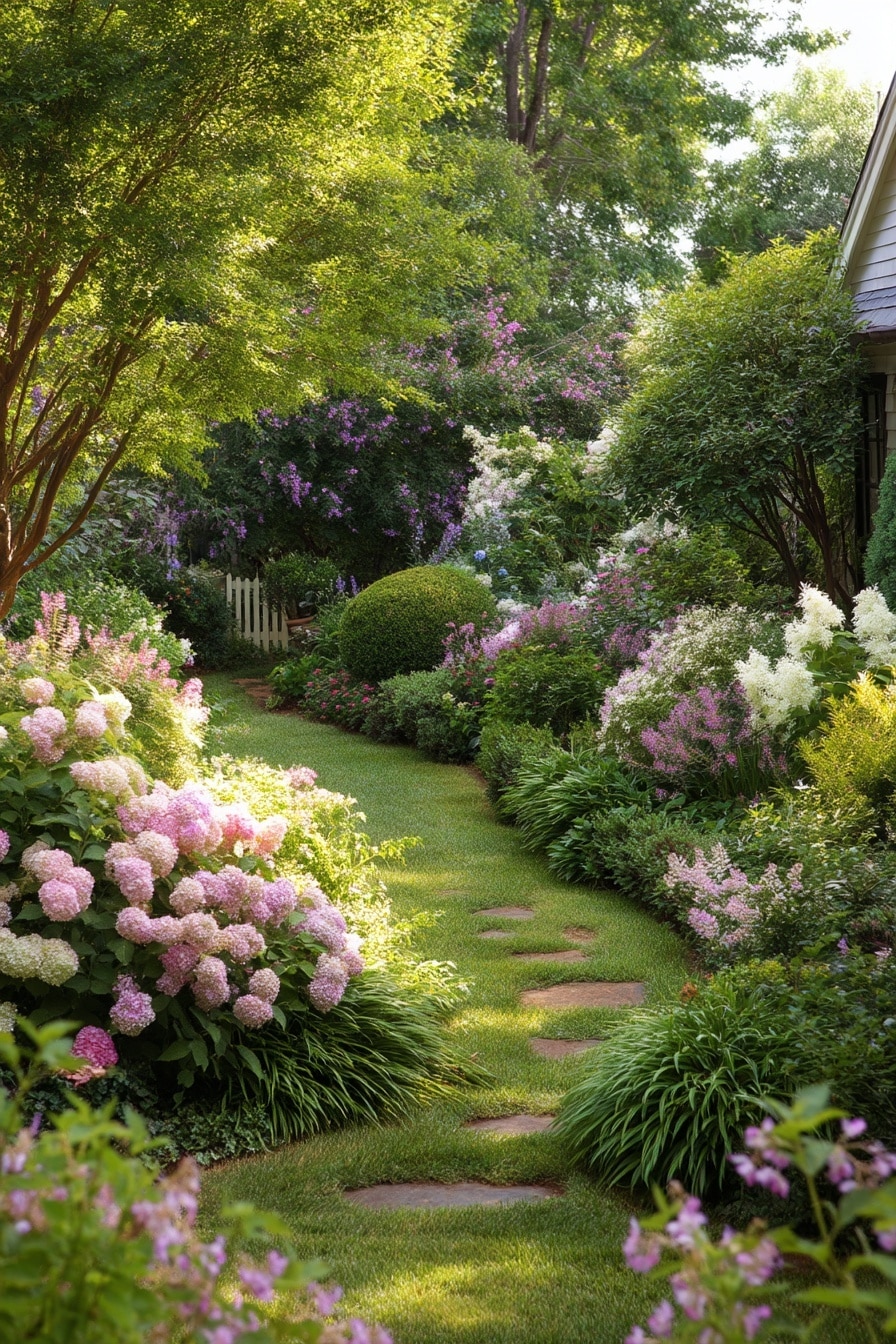
Cottage garden design has made a charming comeback, blending romantic blooms, informal layouts, and modern-day practicality. Whether you’re working with a balcony, battling dry weather, or seeking a year-round backyard haven, there’s a cottage garden style for every space and lifestyle. This timeless approach isn’t just about beauty—it’s about balance, function, and low-maintenance joy. In this guide, we’ll explore five creative ways to make the cottage garden trend work for you, no matter your climate, space, or experience level.
Table of Contents
🌼 1. Cottage Garden Containers

Not everyone has sprawling garden beds, but that doesn’t mean you have to miss out on the cottage garden charm. For apartment dwellers or those with limited outdoor space, container gardening offers a flexible and impactful solution. By grouping a variety of containers on patios, balconies, or porches, you can create your own mini-cottage paradise.
The key is layering texture, color, and height in each pot. Start with a showstopper plant in the center—like a blooming perennial or a small rose bush. Surround it with trailing herbs such as thyme or oregano, then fill gaps with fillers like petunia, coleus, or leafy greens like lettuce for contrast. Vines such as sweet pea or morning glory add vertical interest.
To keep your cottage garden containers vibrant through all seasons, swap out plants as the months change. Use long planter boxes or tiered stands for visual appeal and easy access. And remember, consistent watering and drainage are crucial for success in pots.
Quick Tips for Cottage Garden Containers:
- Choose a mix of flowering plants, herbs, and foliage
- Use high-quality potting mix for better moisture retention
- Group containers in odd numbers for natural flow
- Rotate plants seasonally for year-round charm
🌵 2. Xeriscape Cottage Gardens
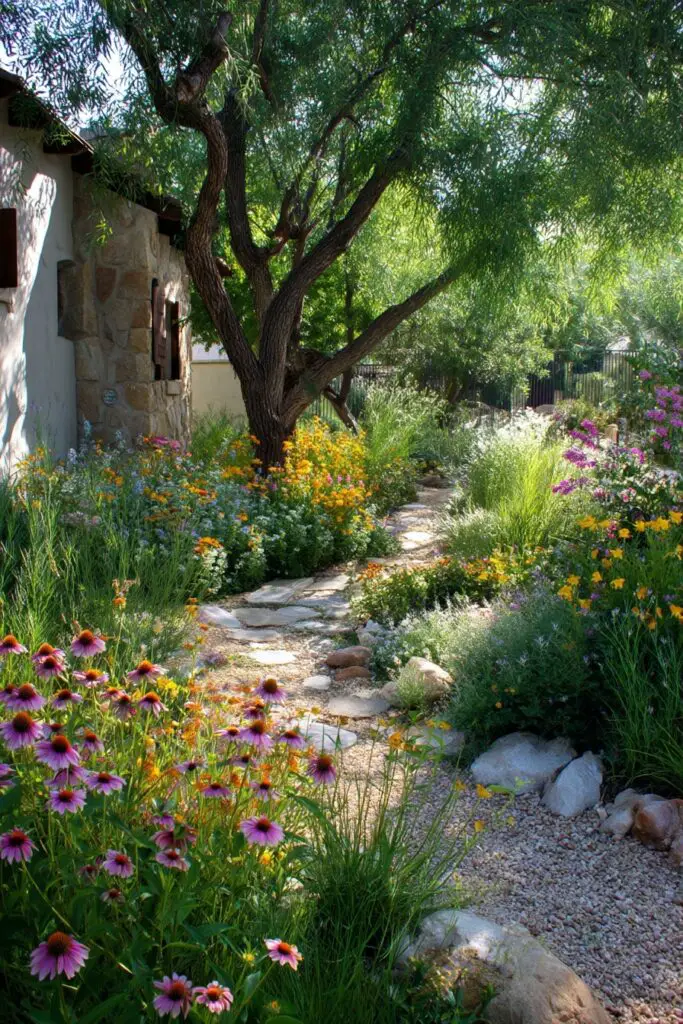
If you love the lush look of a cottage garden but live in a dry climate or want a lower-maintenance yard, a xeriscape approach could be the perfect fit. Xeriscape cottage gardens combine the whimsical, overflowing look of traditional English gardens with hardy, drought-tolerant plants that thrive with less water.
The secret lies in smart plant selection. By choosing native or drought-resistant flowers and shrubs, you can reduce watering needs while keeping the colorful, layered look intact. Some ideal choices include coneflower, black-eyed Susan, autumn sage, and butterfly weed. For shrubs and trees, look to rose of Sharon, desert willow, or Ceanothus, which offer structure and seasonal blooms.
Planting densely not only mimics the natural abundance of a traditional cottage garden, but it also helps suppress weeds and retain soil moisture. Be sure to water young plants consistently until they’re established, then let them flourish with minimal care.
Low-Water Plants for a Xeriscape Cottage Garden:
- Flowers: Bearded iris, cosmos, gomphrena
- Shrubs: Chaste tree, butterfly bush
- Perennials: Salvia, yarrow, coreopsis
A xeriscape cottage garden proves that beauty doesn’t have to come at the cost of time or water—just thoughtful planning and a love of texture and bloom.
🌳 3. Shrub Cottage Gardens
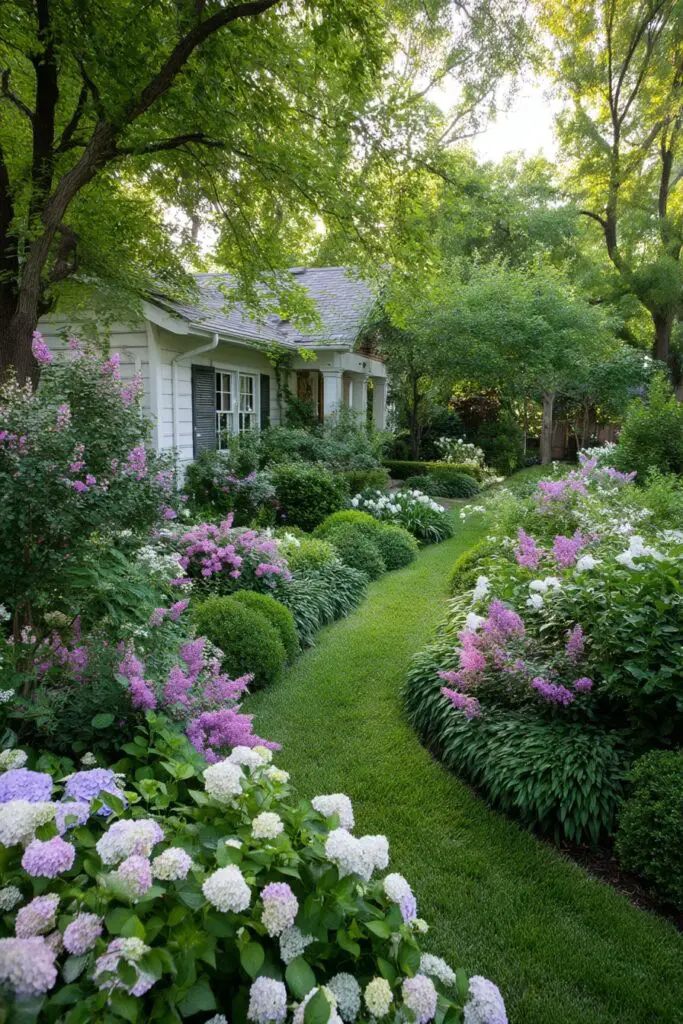
Adding shrubs and small trees is a smart way to give your cottage garden both structure and seasonal interest. These plants offer more than just height—they attract pollinators, anchor the garden visually, and reduce the need for frequent replanting.
Shrubs like hydrangeas, with their large, showy blooms, are a staple in many cottage garden layouts. Pair them with native options such as Ceanothus for a lilac-like scent, or the chaste tree, which blooms with soft spikes of color all summer. Want something truly eye-catching? A flowering redbud tree brings vibrant color in spring and draws in bees and butterflies.
Perennials that mature into shrub-like forms—like Cleveland sage or autumn sage—are excellent choices for filling in space without overwhelming the garden. They require little pruning and add depth with their aromatic foliage and extended bloom times.
Shrubs That Shine in Cottage Gardens:
- Hydrangea (classic cottage appeal)
- Butterfly bush (pollinator magnet)
- Redbud tree (spring blooms)
- Cleveland sage (fragrant foliage)
By blending flowering shrubs with soft perennials and herbs, you create a cottage garden that feels full and romantic, but also manageable in the long run.
❄️ 4. Winter Cottage Gardens
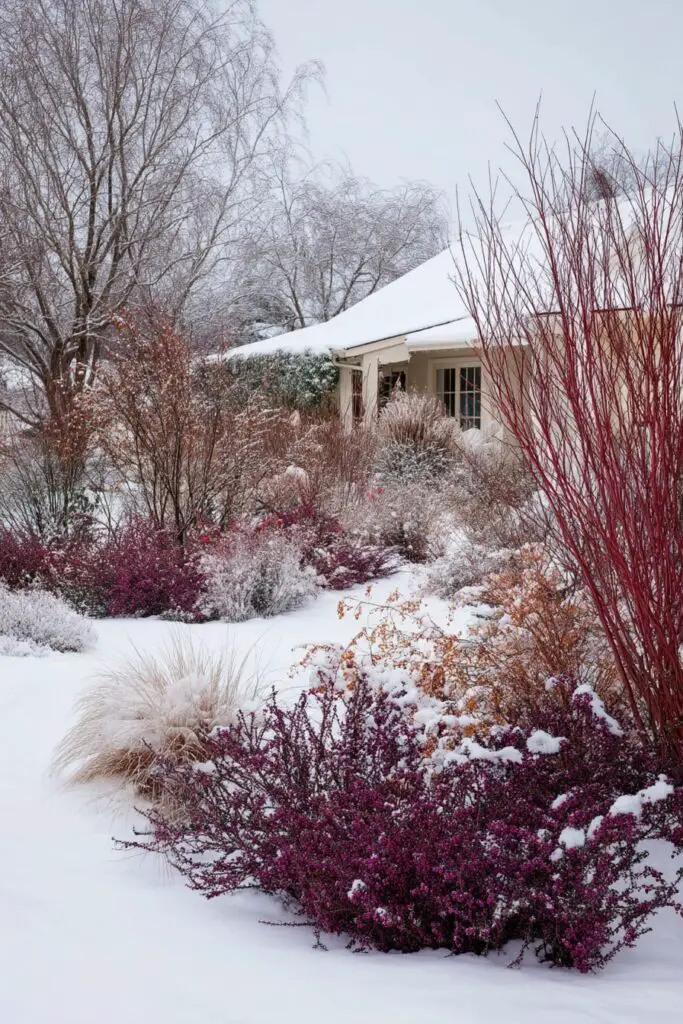
A well-designed cottage garden doesn’t have to fade when the growing season ends. With the right plant choices, you can maintain visual interest and structure throughout the winter months. Think evergreen foliage, colorful berries, striking seed heads, and unique branch textures.
Start by incorporating evergreen shrubs like boxwood, rhododendron, or sweetbox, which keep their lush appearance all year. For a softer touch, try ornamental grasses like blue oat grass or fescue, which sway in the winter wind and add gentle movement to your garden.
Deciduous shrubs like red twig dogwood and Japanese kerria offer bright stems that stand out against snow or bare soil. Add perennials such as sedum or coneflower that hold their seed heads into winter, providing food for birds and a sculptural element to your garden beds.
Berry-producing plants like viburnum or beautyberry add seasonal color and attract wildlife, all while keeping your cottage garden looking lively even in the coldest months.
Winter-Friendly Elements to Include:
- Evergreens: Yew, camellia, juniper
- Berries: Beautyberry, holly, viburnum
- Seed heads: Rudbeckia, sedum, hydrangea
- Stems: Red twig dogwood, kerria
Designing with winter in mind ensures your cottage garden brings beauty and purpose all year long, not just during bloom season.
🌸 5. Cottagecore Gardens

The cottagecore aesthetic takes the traditional cottage garden to the next level—emphasizing intentional design, soft romance, and a harmonious blend of nature and lifestyle. It’s not just about plants; it’s about creating a space that feels nostalgic, calming, and deeply connected to the natural world.
A cottagecore cottage garden typically includes a mix of colorful perennials, reseeding annuals, evergreens, fruiting plants, and ornamental trees. Balance is key. You’ll want to think in terms of layers—tall shrubs in the back, mid-sized flowers in the center, and groundcovers or herbs near the edges.
Roses, wildflowers, lilies, and passionflower vines are just a few of the dreamy blooms that define this style. Edibles like strawberries, blueberries, or even a tucked-away pumpkin patch help blend beauty with function. Herbs such as lavender, rosemary, and mint complete the look while attracting pollinators and adding fragrance.
Design principles matter here: composition, color harmony, and soft curves guide the layout. Think winding paths, cozy seating nooks, and focal points like a weathered trellis or birdbath.
Key Elements of a Cottagecore Garden:
- Flowers: Wildflowers, roses, lilies, hollyhocks
- Edibles: Strawberries, blueberries, pumpkins
- Structure: Arches, rustic paths, repurposed furniture
- Design Tips: Prioritize flow, softness, and a natural feel
A well-thought-out cottagecore space brings a dreamy yet grounded vibe to your cottage garden, blending form and function in the most charming way.
🌿 Conclusion
A thoughtfully planned cottage garden can fit any lifestyle, climate, or space—from lush cottagecore yards to compact container setups. With just a bit of planning and the right plant combinations, you can enjoy year-round color, pollinator-friendly blooms, and a garden that truly feels like home. Whether you’re starting small or reimagining your entire landscape, these five styles offer practical, beautiful ways to embrace the cottage garden trend—on your own terms.