
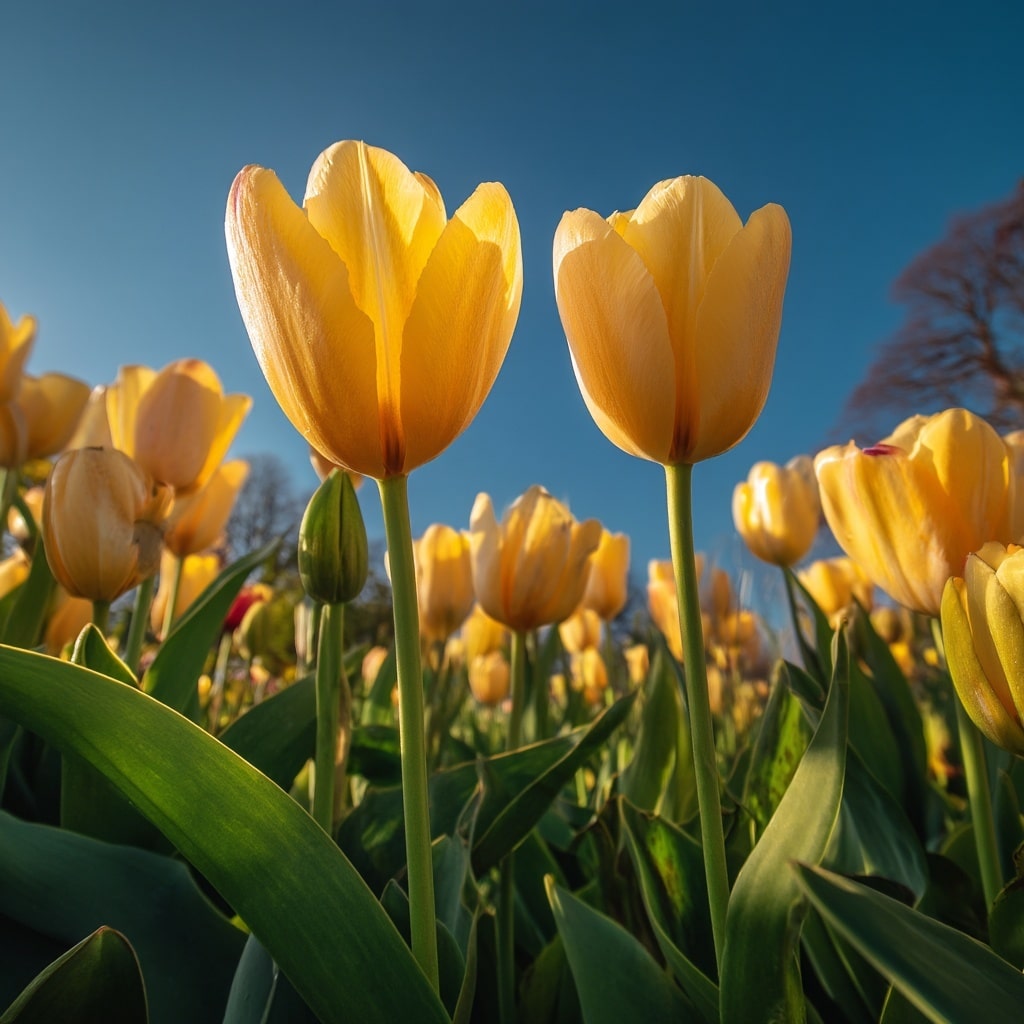
Yellow tulips are one of spring’s brightest and most cheerful blooms, signaling the end of winter with their vivid color and graceful form. As one of the most beloved perennial flowers, yellow tulips bring warmth and beauty to garden beds, borders, and containers alike. Whether you’re a beginner gardener or a seasoned tulip grower, understanding how to care for these radiant flowers is key to enjoying their return year after year.
In this guide, we’ll cover everything you need to know about growing and maintaining yellow tulips, from planting tips and sunlight requirements to where they thrive best.
Table of Contents
What Is a Yellow Tulip?

A yellow tulip is a spring-blooming perennial from the Tulipa genus, prized for its sunny hue and elegant, cup-shaped petals. These flowers are part of the broader tulip family but stand out with their golden color, which symbolizes happiness, friendship, and new beginnings.
Yellow tulips vary in size, shape, and shade—ranging from pale lemon to deep, almost orange-toned yellow. Some varieties even feature softly ruffled petals or subtle color gradients. Their graceful appearance makes them a favorite for spring gardens, bouquets, and landscape borders.
Originally native to parts of Europe and Central Asia, yellow tulips have become a garden classic, especially in zones with cold winters and cool springs.
How to Take Care of Yellow Tulips
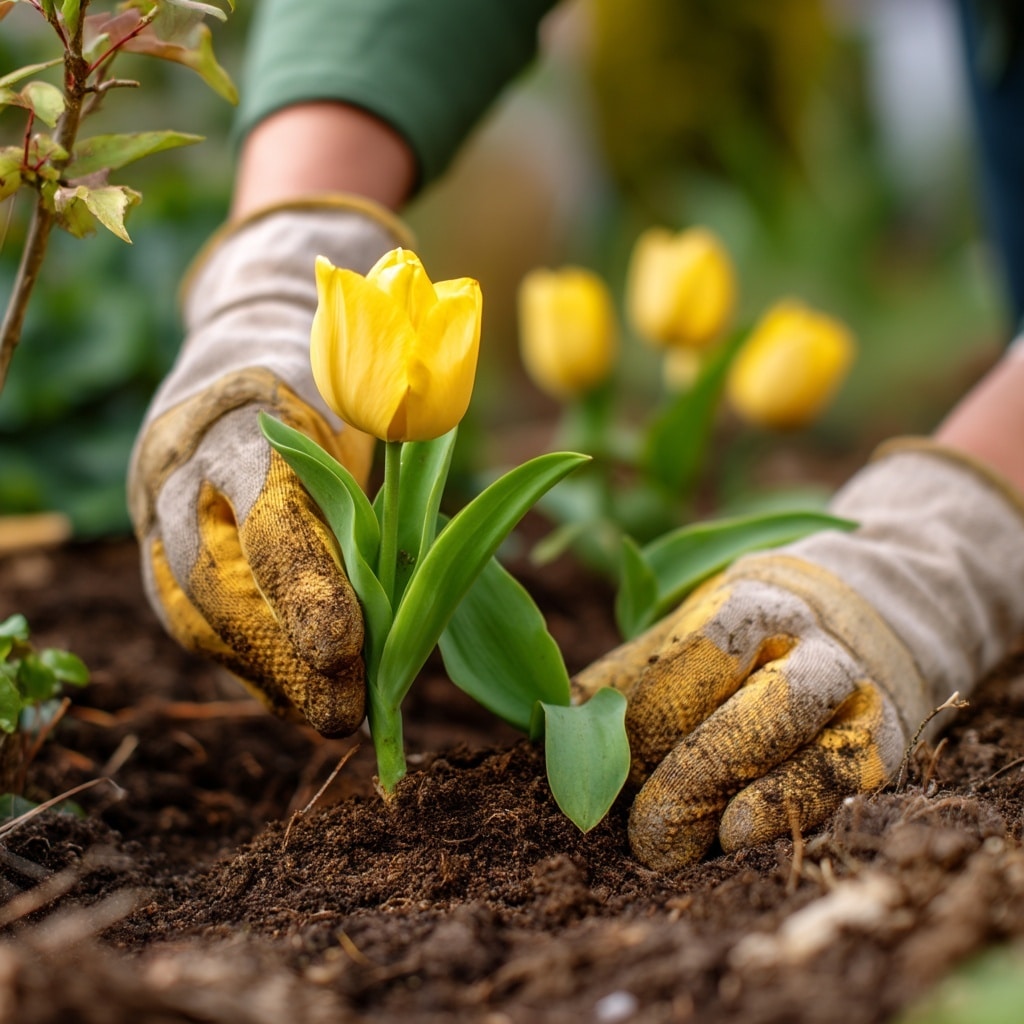
Caring for yellow tulips starts well before the first bloom. These perennials grow from bulbs, which should be planted in the fall—about 6 to 8 weeks before the ground freezes. Choose a spot with full sun and well-drained soil, as soggy ground can cause bulbs to rot.
Plant bulbs 3 to 6 inches deep, with the pointed end facing upward. Space them 4 to 6 inches apart to allow for airflow and light between plants. Once planted, water them thoroughly and apply a light mulch layer to insulate them over winter.
In spring, as shoots emerge, water only when the soil is dry. Tulips don’t like wet feet. After blooming, allow the foliage to die back naturally—this helps the bulb store energy for next year’s flowers.
With just a bit of planning and care, yellow tulips will return brighter each season.
How Much Sunlight Do Yellow Tulips Need?
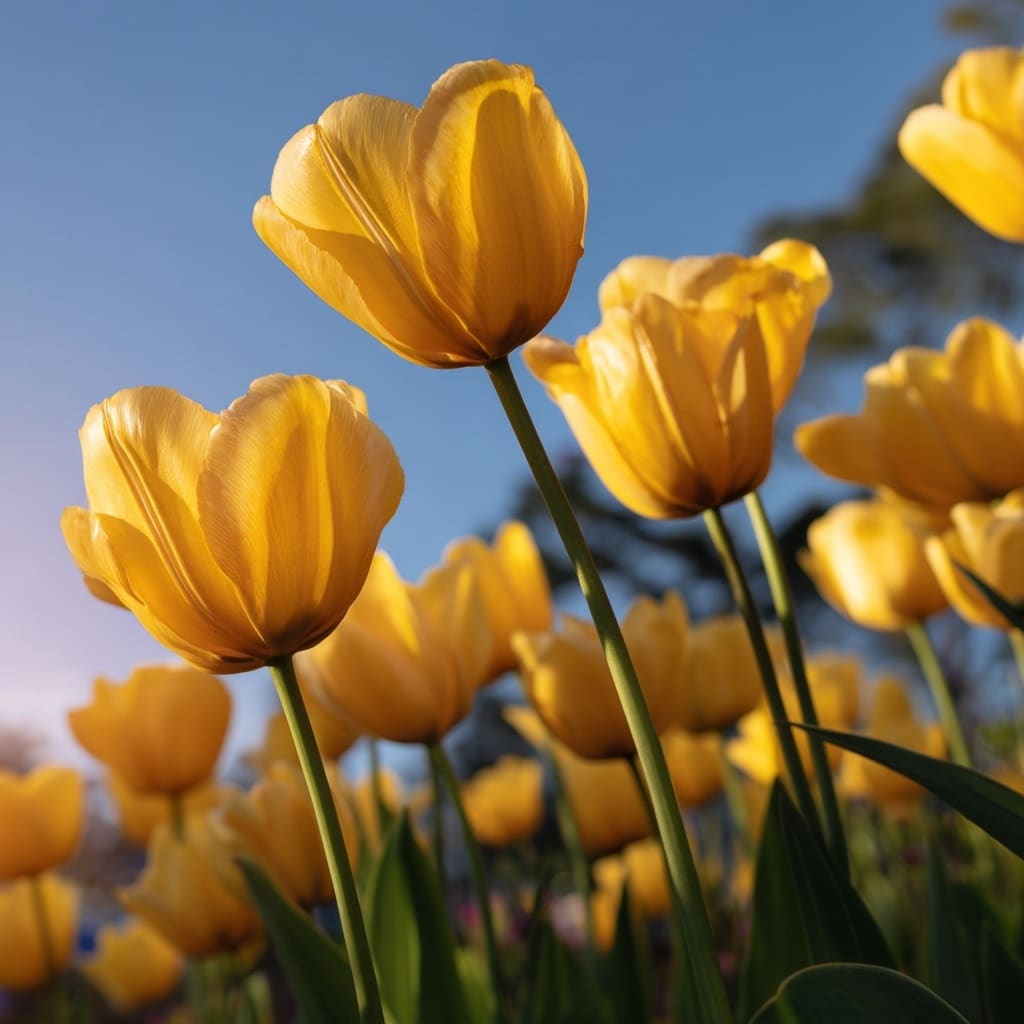
Yellow tulips thrive in full sun and need a minimum of six hours of direct sunlight each day. Sunlight not only encourages healthy growth but also ensures vibrant color and strong stems. In cooler climates, they can tolerate even more sunlight without stress, making them ideal for bright garden beds or open spaces.
However, in regions with intense afternoon heat, partial shade during the hottest part of the day can help prevent wilting or premature fading. Morning sun combined with light afternoon shade often provides the perfect balance.
If you’re growing tulips in containers, position them where they’ll get the most light throughout the day. Adequate sun exposure directly impacts how well they bloom—and how long their flowers last.
Do Yellow Tulips Come Back Every Year?
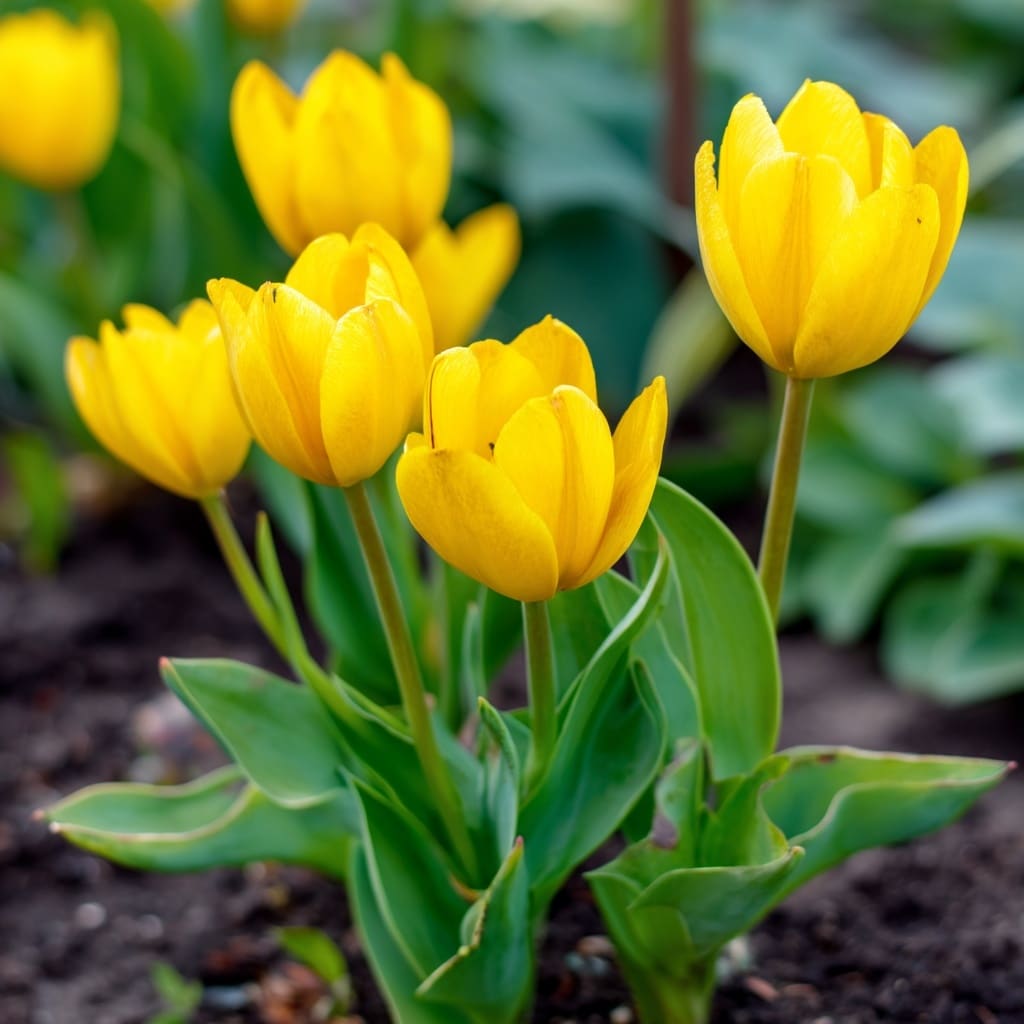
Yes, yellow tulips are perennials, meaning they can return year after year—if cared for properly. After blooming in spring, the plant’s energy shifts from flower production to replenishing the bulb underground. This is why it’s important to leave the foliage in place until it turns yellow and withers naturally.
While many gardeners treat tulips as annuals, especially in warmer climates where the winters aren’t cold enough for proper dormancy, you can encourage them to rebloom by mimicking their natural cycle. Make sure bulbs experience a cold period of at least 12–16 weeks during winter.
In zones 3–8, tulips typically overwinter successfully. If you live in a warmer zone, lifting and chilling the bulbs before replanting in fall can help ensure they bloom beautifully again the following spring.
What Do Yellow Tulips Look Like?
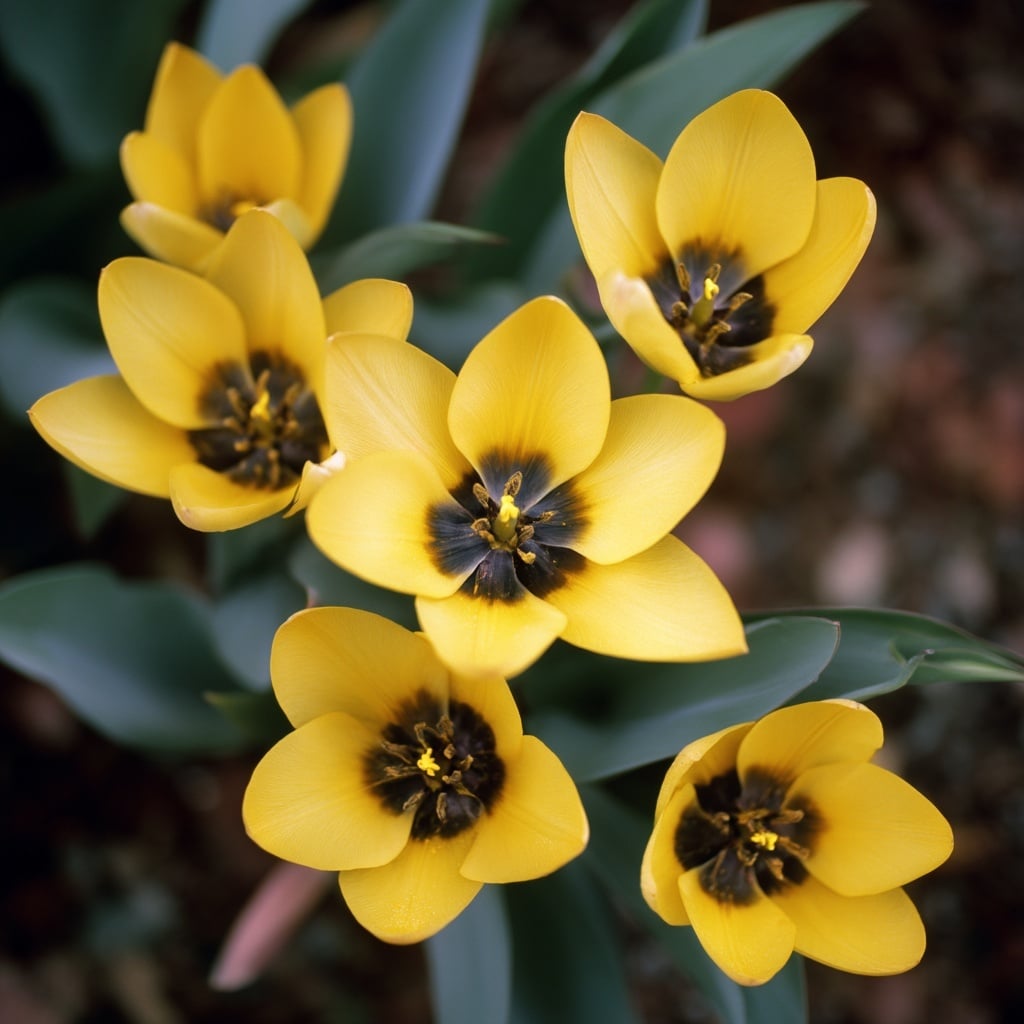
Yellow tulips are known for their smooth, cup-shaped blooms that sit atop strong, upright stems. Each flower typically features six petals—three inner and three outer—that open wide in full sunlight and gently close at night or on cloudy days. From above, they often appear symmetrical and elegant, with a candle-like glow when light filters through.
The shade of yellow varies by variety. Some tulips bloom in soft, buttery hues, while others flaunt intense golden tones or even orange-tinged edges. Many have a darker center or base, adding visual depth to the bloom.
Their height can range from short, compact types (under 10 inches) to tall, showy varieties that grow up to 24 inches—perfect for mass plantings, borders, or cut flower arrangements.
No matter the variety, yellow tulips bring brightness, warmth, and structure to spring gardens.
Where Do Yellow Tulips Grow Best?
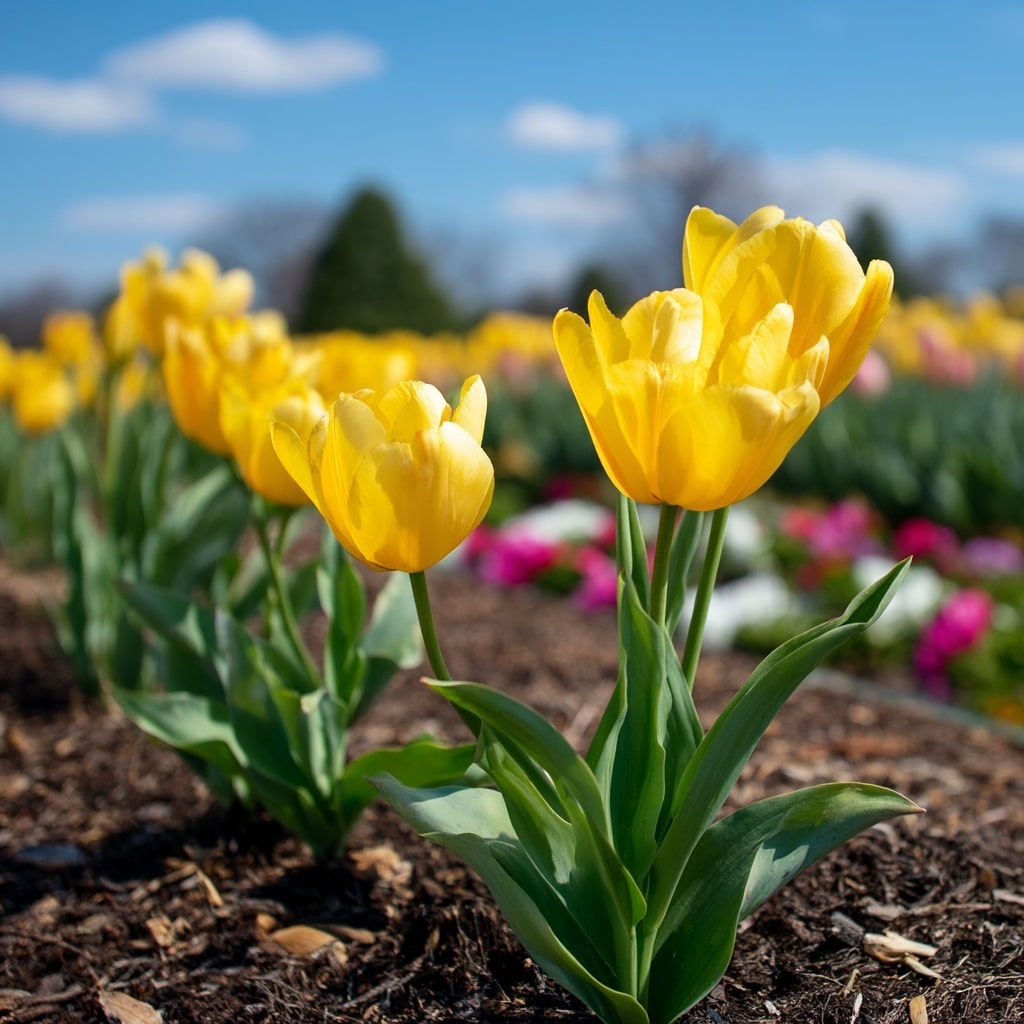
Yellow tulips grow best in USDA hardiness zones 3 through 8, where they can experience the cold winters they need for dormancy and spring blooming. These zones cover a wide range of climates—from the cooler northern states to parts of the mid-Atlantic and Pacific Northwest.
The ideal growing location offers:
- Cold winters for proper bulb development
- Cool to mild springs to extend bloom time
- Full sun and good drainage to prevent rot
In warmer regions (zones 9–10), tulip bulbs often struggle unless they’re pre-chilled for 12–16 weeks before planting. Gardeners in these areas can mimic winter by storing bulbs in a refrigerator and planting them in late fall.
Whether planted in raised beds, containers, or flower borders, yellow tulips thrive when their environment supports strong root development and seasonal temperature shifts.
Ideal Growing Conditions for Yellow Tulips
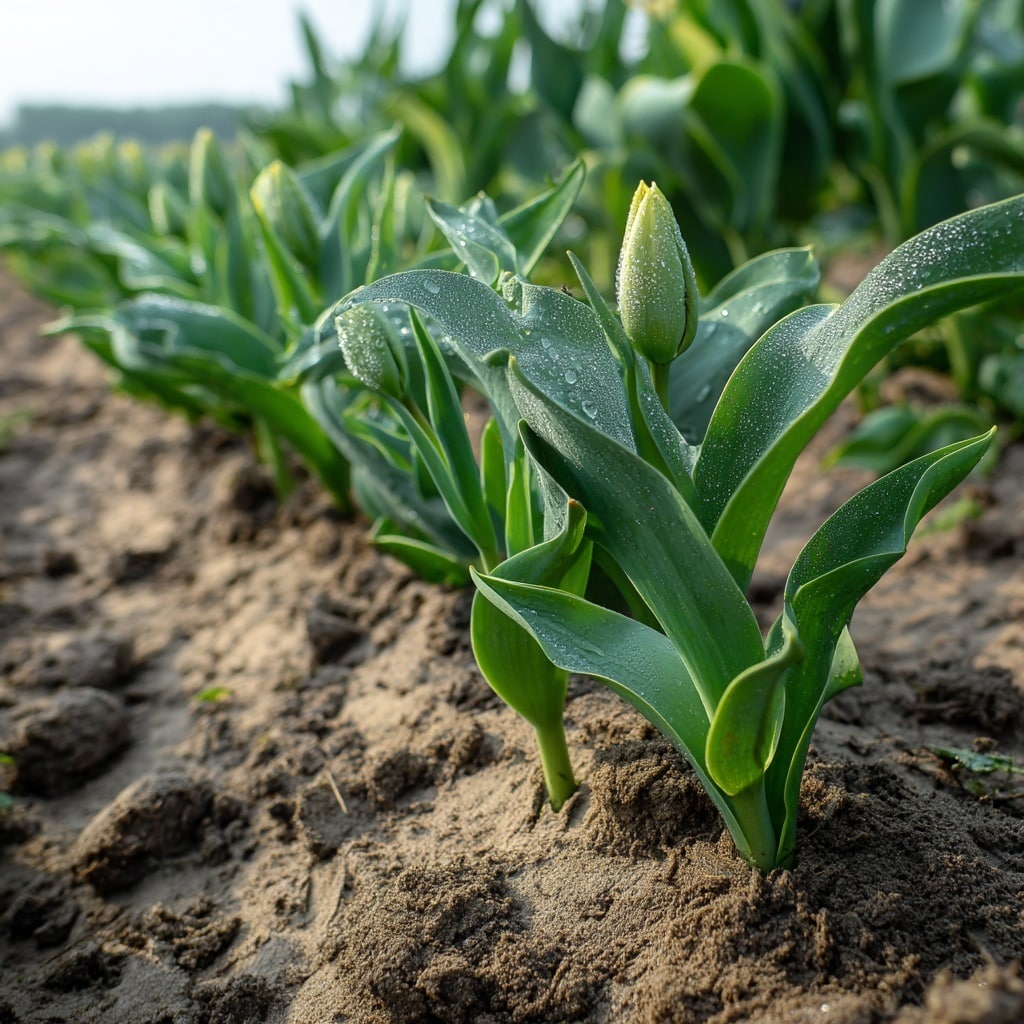
To thrive, yellow tulips need the right balance of soil, sunlight, and seasonal temperatures. While they’re hardy and adaptable, giving them the best possible growing environment ensures stronger blooms and healthier plants year after year.
Here’s what yellow tulips need to grow well:
- Soil: Loose, well-drained soil with good organic content. Sandy loam is ideal. Avoid heavy clay or waterlogged spots.
- Sunlight: At least 6 hours of direct sun daily. More is welcome, as long as temperatures aren’t scorching.
- Moisture: Tulips prefer moist—not soggy—soil during growth. Once blooming is over, reduce watering to prevent bulb rot.
- Temperature: Ideal growth happens in cool to mild temperatures between 50°F and 60°F. They require a cold dormancy to flower again.
- Spacing: Leave at least 4 inches between bulbs to prevent overcrowding and encourage airflow.
Creating the right conditions helps yellow tulips bloom brightly each spring—and return reliably every year.
Are Yellow Tulips Toxic?
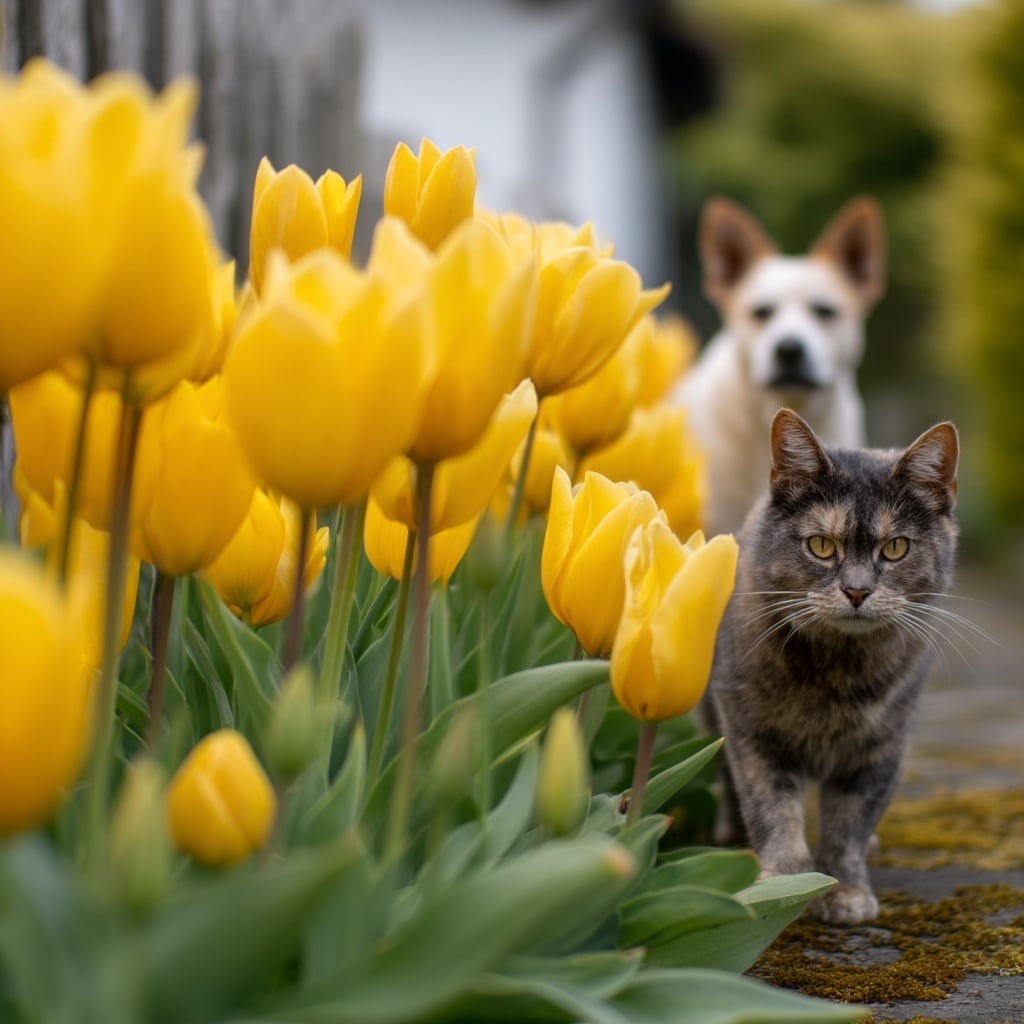
Yellow tulips, like all tulip varieties, are generally safe to enjoy in your garden—but there are a few cautions to keep in mind. While they are not toxic to humans, the bulbs do contain mild irritants that can cause skin sensitivity in some people, especially during planting or handling.
For pets, however, the situation is different. Tulip bulbs, stems, and leaves can be toxic to dogs, cats, and horses if ingested in large amounts. Symptoms may include drooling, nausea, vomiting, or gastrointestinal upset. Most cases are mild, but it’s still wise to plant tulips out of reach of curious pets.
If you’re sensitive to pollen or plant materials, wearing gloves while planting or cutting yellow tulips can help prevent allergic reactions or skin irritation.
With a few simple precautions, yellow tulips remain a safe and joyful addition to your spring garden.
How Do You Plant Yellow Tulips?
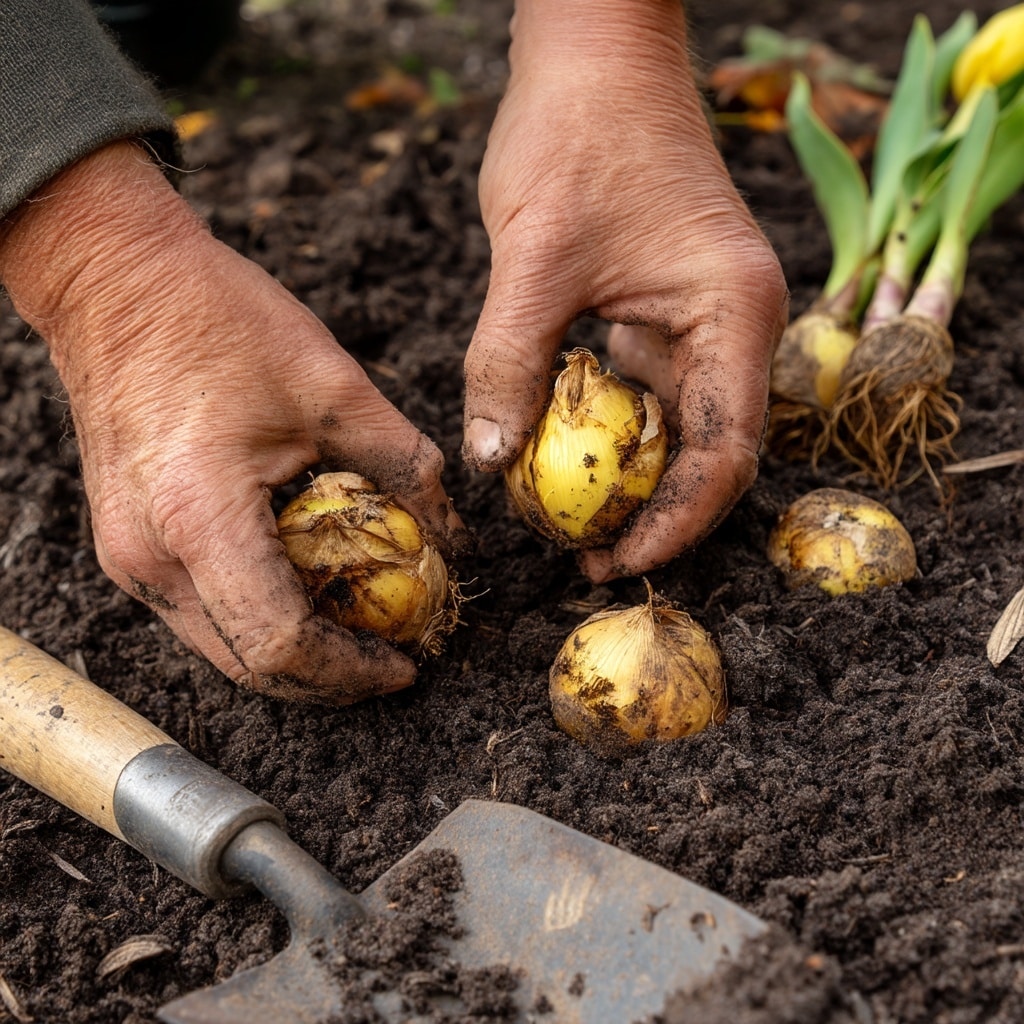
Planting yellow tulips is a simple and rewarding task that sets the stage for a vibrant spring display. The best time to plant tulip bulbs is in the fall, about 6 to 8 weeks before the first hard frost. This gives the bulbs time to establish roots before winter.
Step-by-step planting guide:
- Choose a sunny spot with well-drained soil
- Dig holes 3 to 6 inches deep, spacing bulbs 4 to 6 inches apart
- Place bulbs with the pointed end facing up
- Cover with soil and water well to settle the ground
- Mulch lightly to insulate during cold months (optional)
If planting in containers, ensure they have proper drainage and are kept in a cool location through winter. In warmer climates, chill bulbs in the refrigerator for 12–16 weeks before planting.
With just a little effort, yellow tulips will reward you with cheerful blooms as soon as spring arrives.
How Did Yellow Tulips Get Their Name?

The name “tulip” has an interesting origin rooted in history and culture. It comes from the Turkish word “tulbend,” which translates to “turban.” This is because the flower’s rounded, layered shape was thought to resemble the folds of a traditional turban worn in the Ottoman Empire.
When tulips were first introduced to Europe in the 16th century, they quickly became a symbol of wealth, elegance, and botanical fascination—especially in the Netherlands, where “tulip mania” briefly swept the country.
As for yellow tulips specifically, the color became associated with happiness, renewal, and cheerful springtime energy. While red tulips symbolize love and white ones purity, yellow tulips are widely known to represent friendship, joy, and hope—making them perfect for gardens, gifts, and floral arrangements alike.
Conclusion
Yellow tulips are more than just a cheerful spring flower—they’re a symbol of optimism, a gardener’s perennial favorite, and a reliable performer year after year. With proper planting, the right growing conditions, and a bit of seasonal care, these golden blooms will return each spring to brighten your garden and your mood.
Whether you’re starting a fresh flower bed, designing a container garden, or adding bursts of color to a landscape, yellow tulips are a timeless choice that brings beauty and joy to any space.