
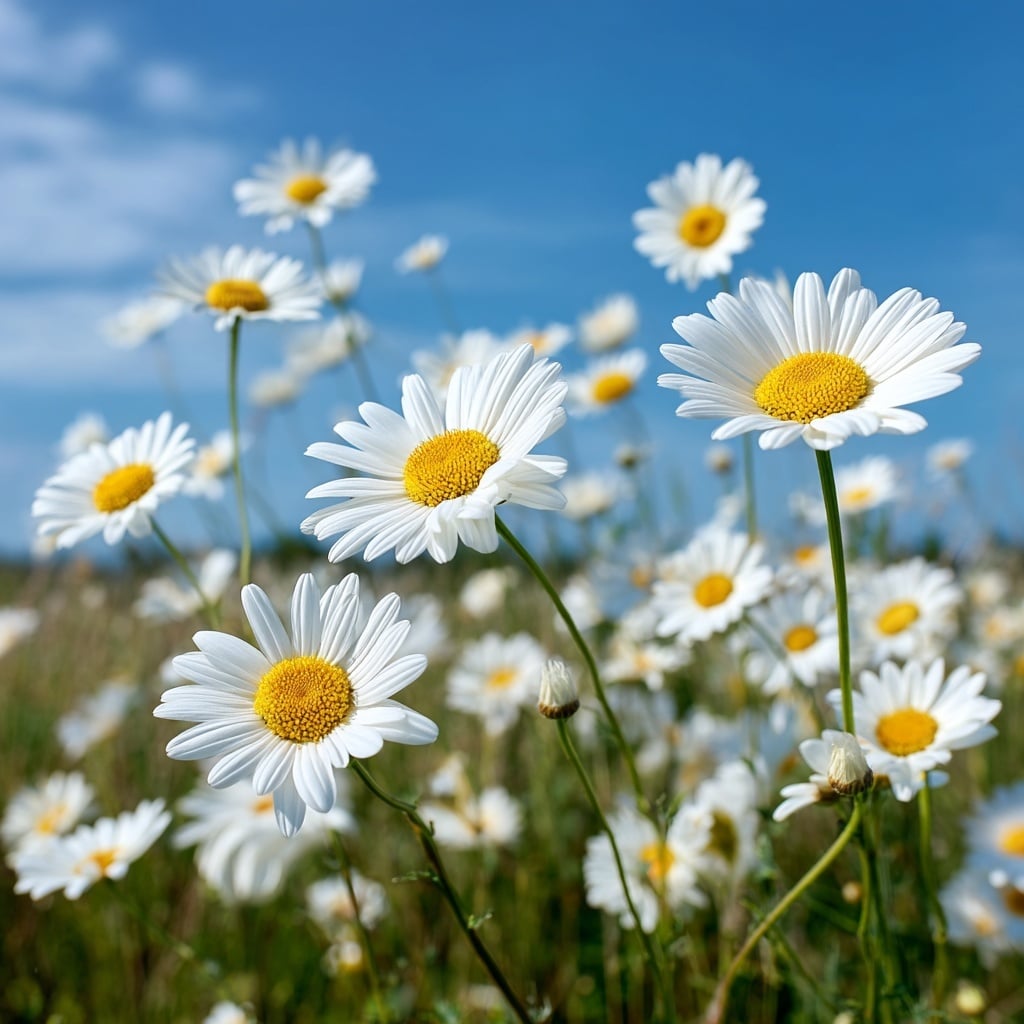
Wild flowers are one of the simplest yet most stunning ways to bring vibrant life to your summer garden. These natural beauties offer a rainbow of color, attract beneficial pollinators, and require far less maintenance than many traditional ornamentals. Whether you’re looking to fill a large meadow or a small backyard bed, wild flowers can thrive with minimal care—especially when you choose varieties suited to your local climate. From classic natives to non-invasive favorites, planting wild flowers is a smart and sustainable way to keep your garden blooming all season long.
In this guide, you’ll discover twelve types of wild flowers perfect for summer gardens, each offering unique color, form, and growing habits that suit a range of garden styles and conditions.
Table of Contents
1. New England Aster (Symphyotrichum novae-angliae)

One of the showiest wild flowers for late summer gardens, the New England aster offers a rich splash of purple, pink, or white petals with bright yellow centers. Native to the northeastern United States, it thrives in full sun and well-drained soil enriched with compost. Its tall, bushy habit makes it ideal for borders and naturalized areas, where it attracts butterflies and bees in abundance.
Growing Tips:
- USDA Zones: 4–8
- Sun: Full sun
- Soil: Moist, well-drained with compost
- Water: Prefers moist soil but tolerates short dry spells
- Maintenance: Divide clumps in spring to promote vigor and control spread
With its bold color and pollinator appeal, the New England aster is a standout choice for gardeners wanting a native wild flower that shines late into the season.
2. Blanket Flowers (Gaillardia aristata)
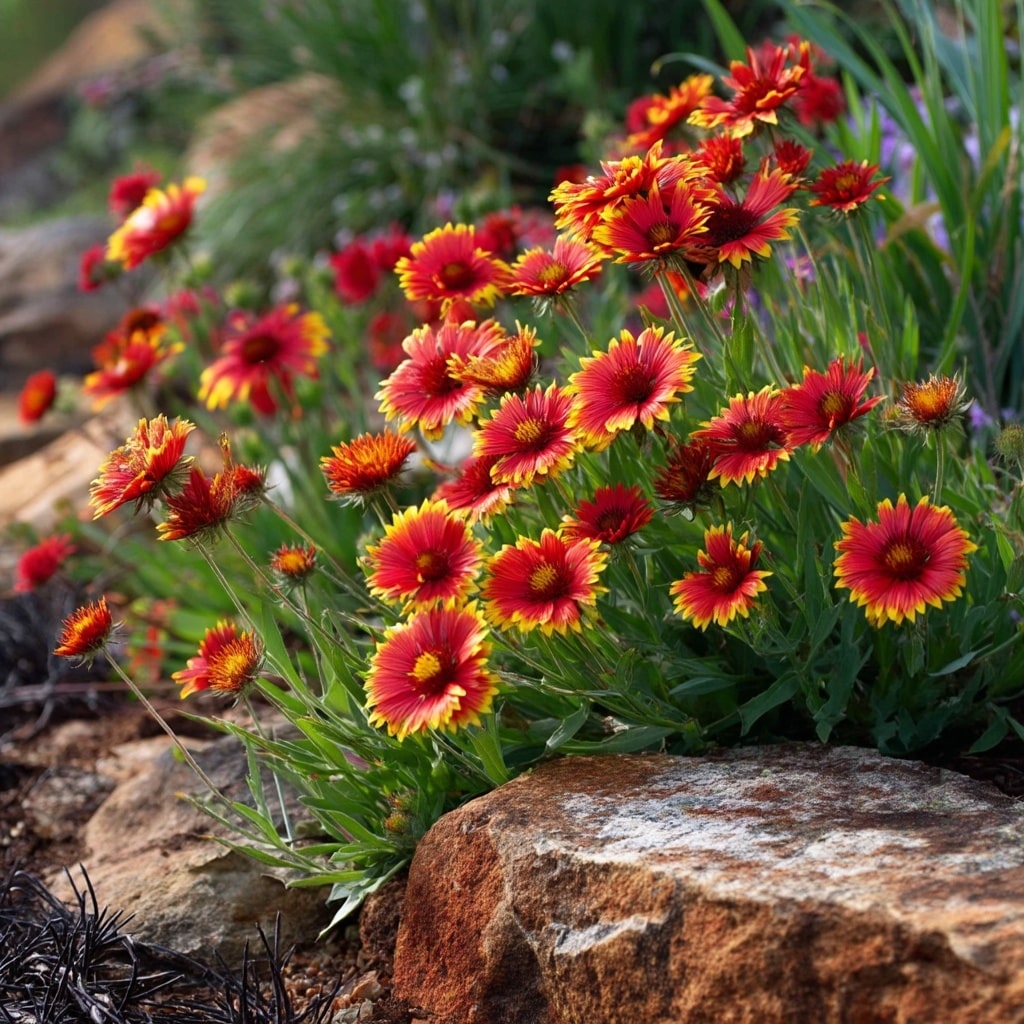
Blanket flowers are a bold and cheerful addition to any sunny summer garden. These drought-tolerant wild flowers are native to the North American plains and are named for their vibrant, blanket-like patterns of red, orange, yellow, and peach tones. Their long blooming period and ability to thrive in poor soil make them an easy choice for gardeners looking for both color and resilience.
Growing Tips:
- USDA Zones: 3–10
- Sun: Full sun
- Soil: Well-draining; avoid heavy clay
- Water: Tolerates dry conditions once established
- Maintenance: Divide in spring to rejuvenate older plants
Ideal for borders, rock gardens, or wildflower meadows, blanket flowers are a top pick among wild flowers for creating a hot, sun-soaked splash of summer color with very little effort.
3. Queen Anne’s Lace (Daucus carota)
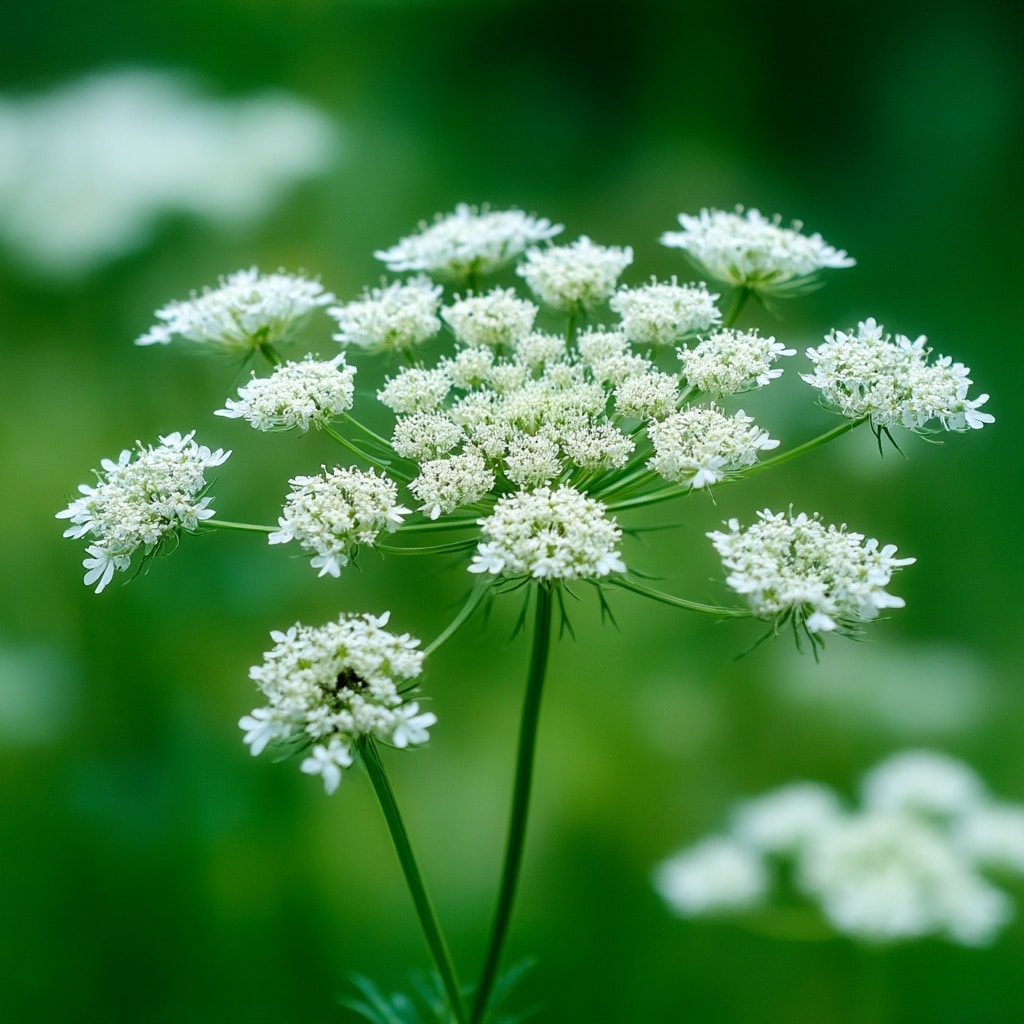
Delicate yet surprisingly tough, Queen Anne’s lace is a classic wild flower with finely divided foliage and umbrella-shaped white flower clusters. Related to the carrot, it even shares a similar earthy scent when the roots are bruised. Though beautiful, this plant can spread aggressively, so it’s best suited for informal wildflower plantings where containment isn’t a concern.
Growing Tips:
- USDA Zones: 3a–11a
- Sun: Full sun to partial shade
- Soil: Neutral to mildly alkaline
- Water: Prefers moist soil but is drought-tolerant
- Note: Wear gloves when handling, as the sap may irritate sensitive skin
Queen Anne’s lace is a striking choice if you’re building a naturalistic garden filled with wild flowers, though its self-seeding habit means it’s best kept away from tightly controlled garden beds.
4. Bachelor Buttons (Centaurea cyanus and Centaurea montana)
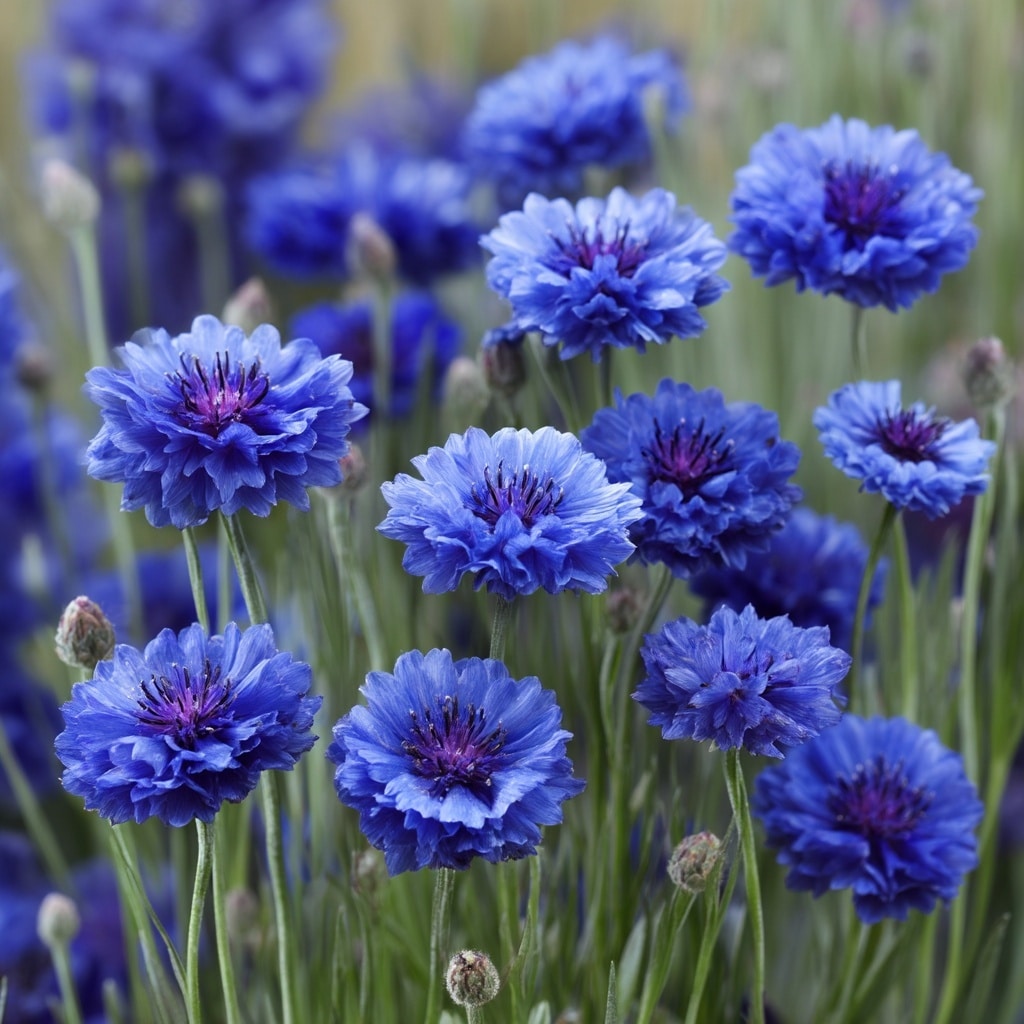
With their charming, frilly blooms and soft, silver-green foliage, bachelor buttons are a nostalgic favorite among wild flowers. Often called cornflowers or bluebottles, these plants come in annual and perennial forms, making them a versatile option for summer gardens. Their vibrant blue petals also attract pollinators, adding both beauty and ecological value to your space.
Growing Tips:
- USDA Zones: 2–11 (varies by type)
- Sun: Full sun
- Soil: Average, well-drained
- Water: Prefers regular watering but can handle some drought
- Maintenance: Deadhead to extend blooming season
Easy to grow and reliably cheerful, bachelor buttons are a low-maintenance wild flower that add a soft, cottage-garden feel to borders, beds, and wildflower mixes.
5. Plains Coreopsis (Coreopsis tinctoria)
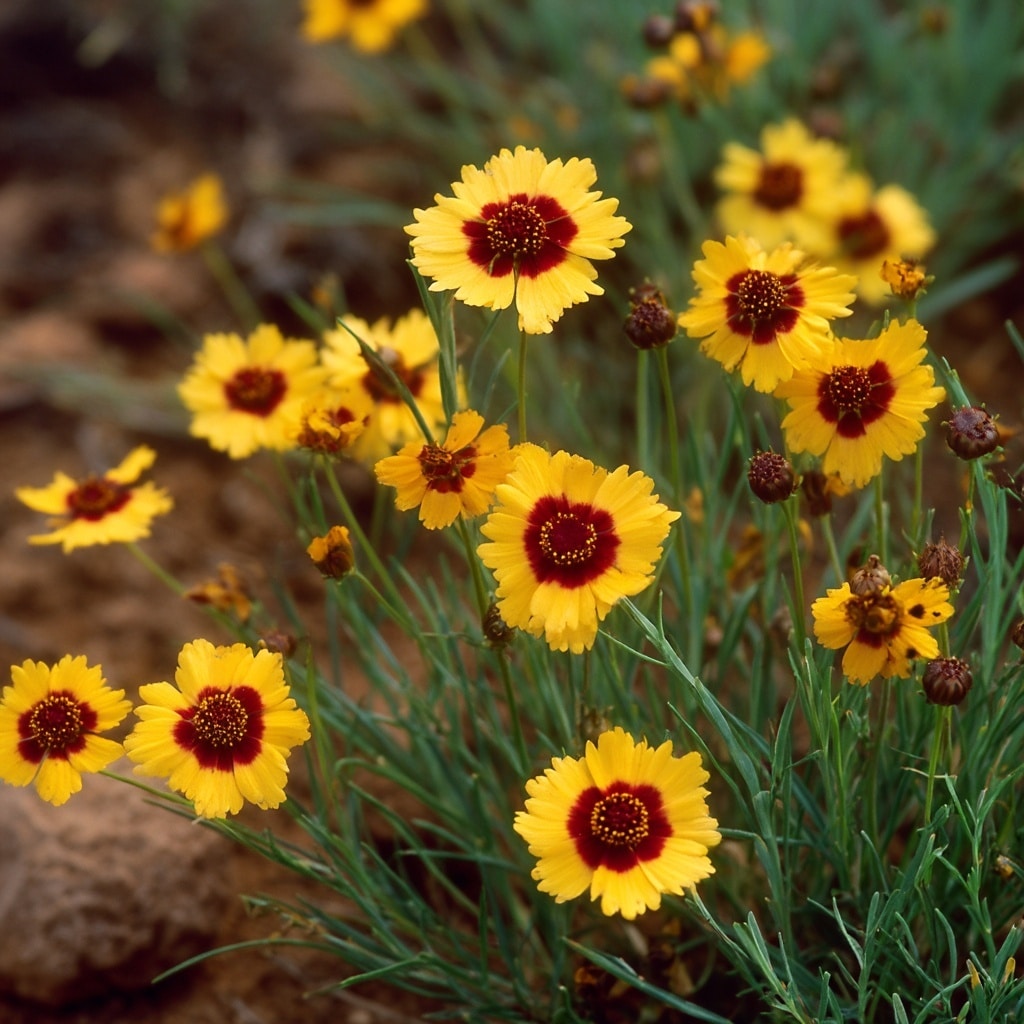
Bright and airy, plains coreopsis brings a burst of sunshine to any garden with its golden-yellow petals and reddish-brown center disks. Native to the North American prairies, this annual wild flower is extremely drought-tolerant, making it an excellent choice for xeriscapes and low-maintenance beds. It readily reseeds, ensuring blooms return year after year with little effort.
Growing Tips:
- USDA Zones: 2–11
- Sun: Full sun
- Soil: Tolerates clay, dry, or shallow-rocky soils
- Water: Minimal; thrives in dry conditions
- Maintenance: Thin seedlings if grown from seed to avoid overcrowding
Plains coreopsis is one of the easiest wild flowers to grow, making it ideal for large plantings, pollinator gardens, and areas with poor or dry soil.
6. Coneflower (Echinacea purpurea)
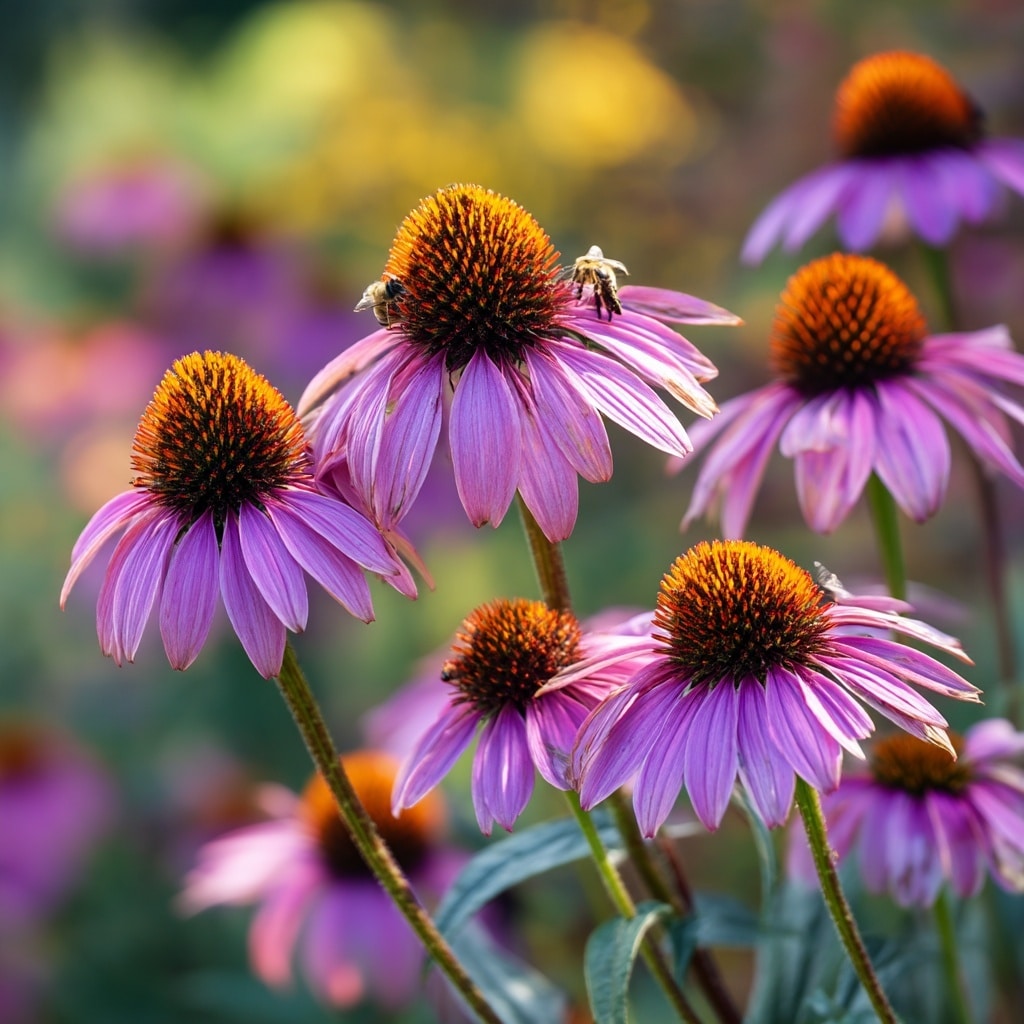
Known for its medicinal uses and resilience, coneflower is a standout among North American wild flowers. With its large, daisy-like blooms and prominent central cones, this perennial adds structure and color to any summer garden. Its purplish-pink petals are a magnet for bees, butterflies, and even birds, making it both a visual and ecological asset.
Growing Tips:
- USDA Zones: 3–8
- Sun: Full sun to partial shade
- Soil: Adaptable; prefers enriched, well-drained soil
- Water: Prefers moist conditions but tolerates dry spells
- Maintenance: Divide clumps in spring to encourage growth and prevent overcrowding
Coneflowers are reliable, tough, and long-blooming wild flowers that suit everything from formal borders to informal native plant gardens.
7. Cardinal Flower (Lobelia cardinalis)
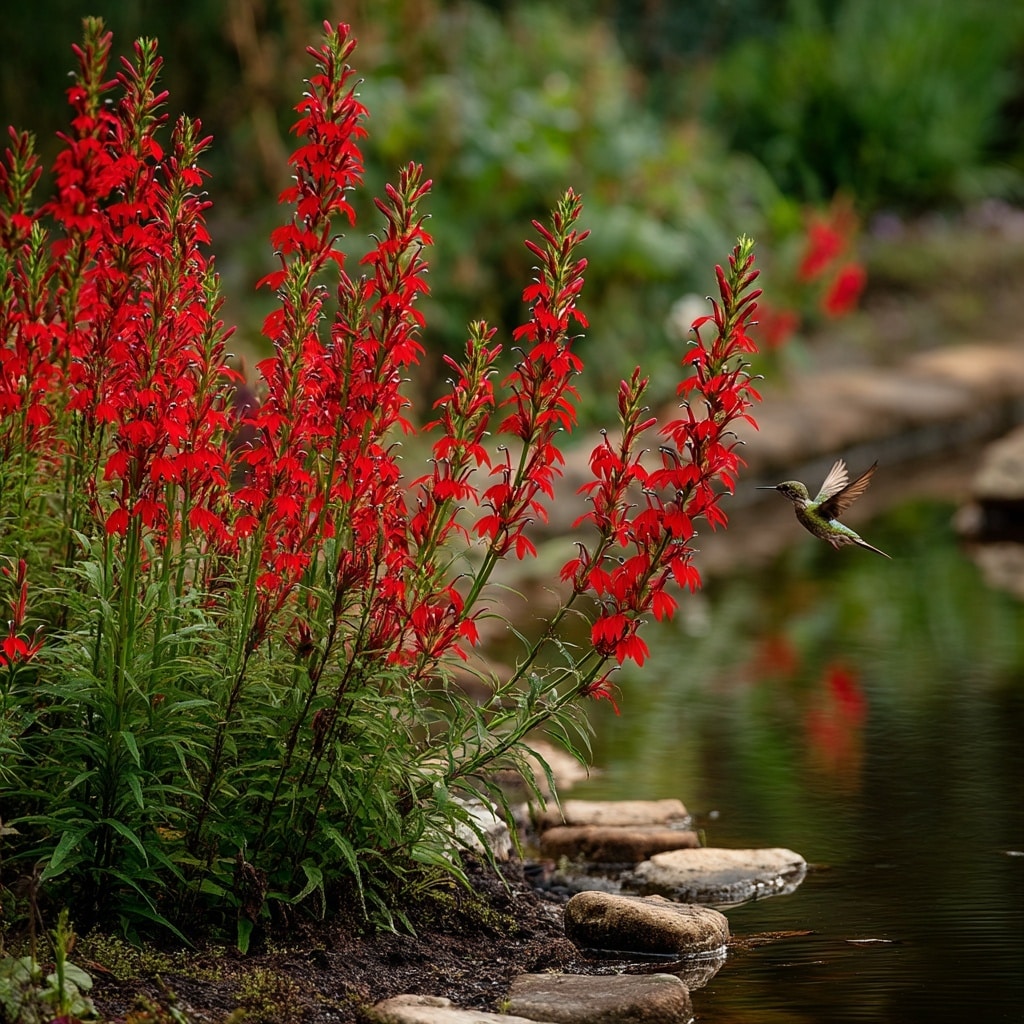
If you’re looking to bring hummingbirds into your garden, the cardinal flower is one of the best wild flowers to plant. Its tall spikes of scarlet red blooms are not only eye-catching but also irresistible to pollinators. Native to eastern North America, this perennial thrives in moist environments, making it ideal for rain gardens, pond edges, or other wet areas.
Growing Tips:
- USDA Zones: 3–9
- Sun: Full sun to partial shade
- Soil: Rich, medium to wet soils
- Water: Requires consistent moisture; does not tolerate drought
- Maintenance: Mulch to retain soil moisture and protect roots in cold zones
The cardinal flower’s vivid color and upright habit make it a showpiece among moisture-loving wild flowers, especially when planted in clusters for a bold impact.
8. Rudbeckia (Rudbeckia hirta) – Black-eyed Susan
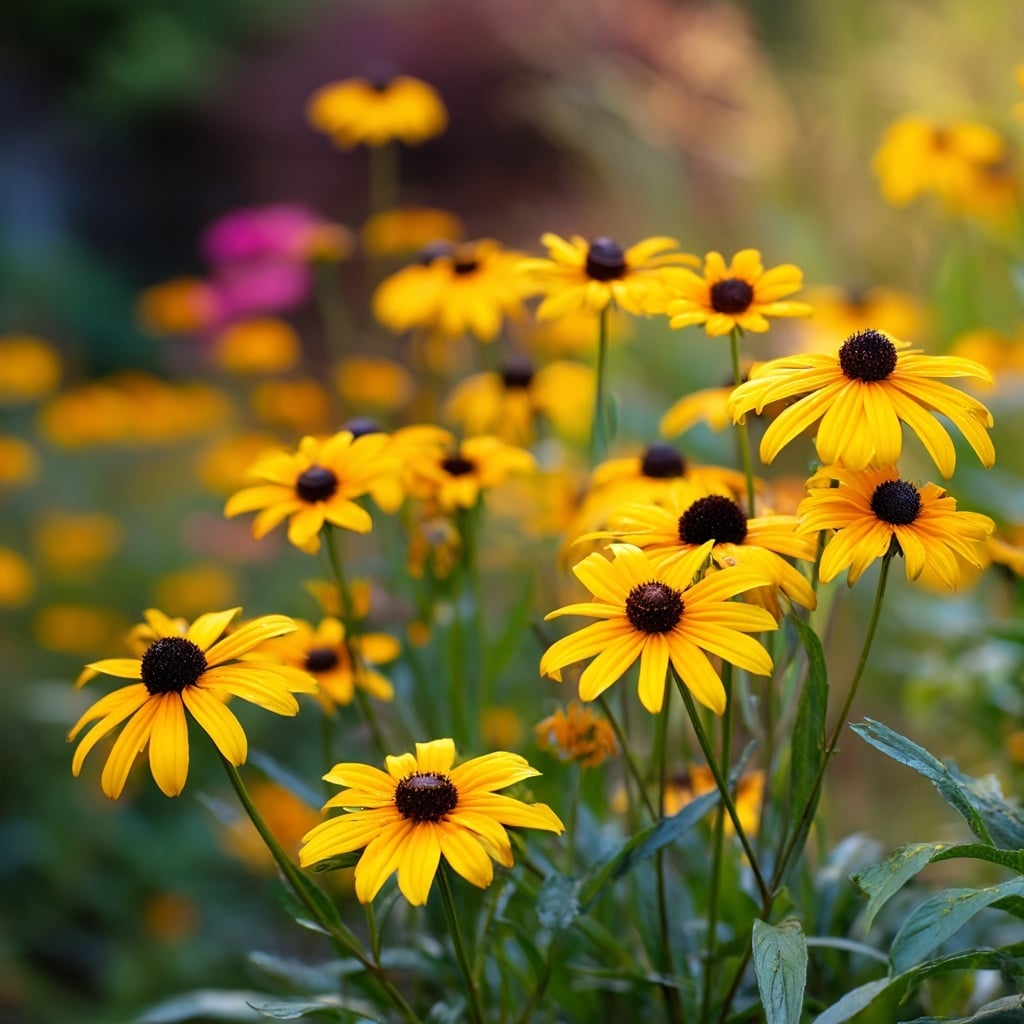
Bright, bold, and undeniably cheerful, black-eyed Susans are among the most recognized wild flowers in North America. Their golden-yellow petals and dark brown centers make them a standout in any sunny bed or wildflower mix. These hardy perennials or biennials are known for their adaptability and long bloom period, often flowering from mid-summer well into fall.
Growing Tips:
- USDA Zones: 3–8
- Sun: Full sun
- Soil: Average, well-drained
- Water: Prefers moist soil but tolerates drought once established
- Maintenance: Deadhead spent flowers to encourage reblooming
As one of the most reliable and low-maintenance wild flowers, Rudbeckia adds a classic cottage feel and works well alongside ornamental grasses and other summer bloomers.
9. White Water Lily (Nymphaea odorata or Nuphar luteum)
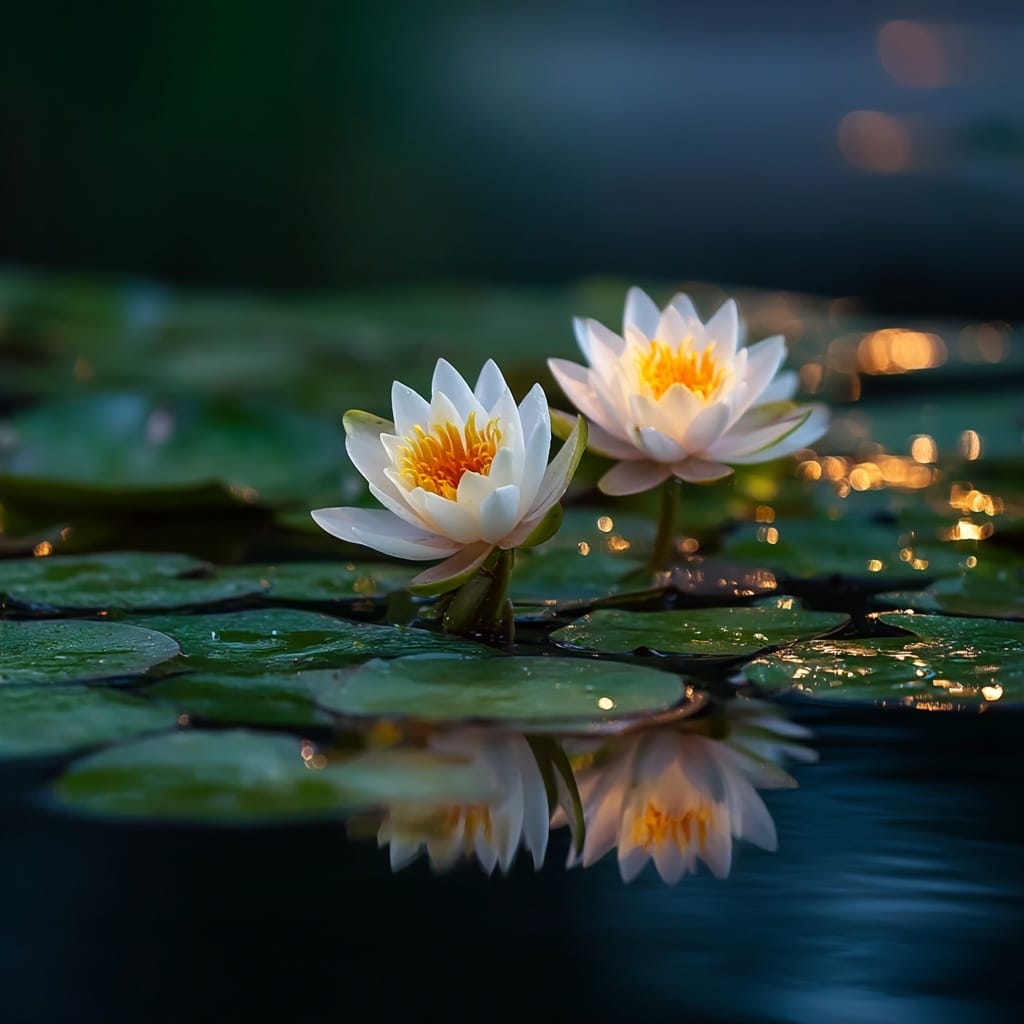
For gardeners with ponds or water features, the white water lily is a truly stunning wild flower that brings elegance to aquatic settings. With broad, floating lily pads and fragrant blooms in white, yellow, or pink, these native aquatic perennials add beauty and ecological balance to still waters. They also provide shade and cover for aquatic life.
Growing Tips:
- USDA Zones: 4–11 (varies by species)
- Sun: Full sun to partial shade
- Soil: Wet, sandy or mucky soils
- Water: Must be submerged in still or slow-moving water
- Maintenance: Thin plants if overcrowded; plant in submerged containers for control
While not suited to dry gardens, white water lilies are some of the most unique wild flowers available to those cultivating natural water habitats.
10. Wild Cosmos (Cosmos bipinnatus)
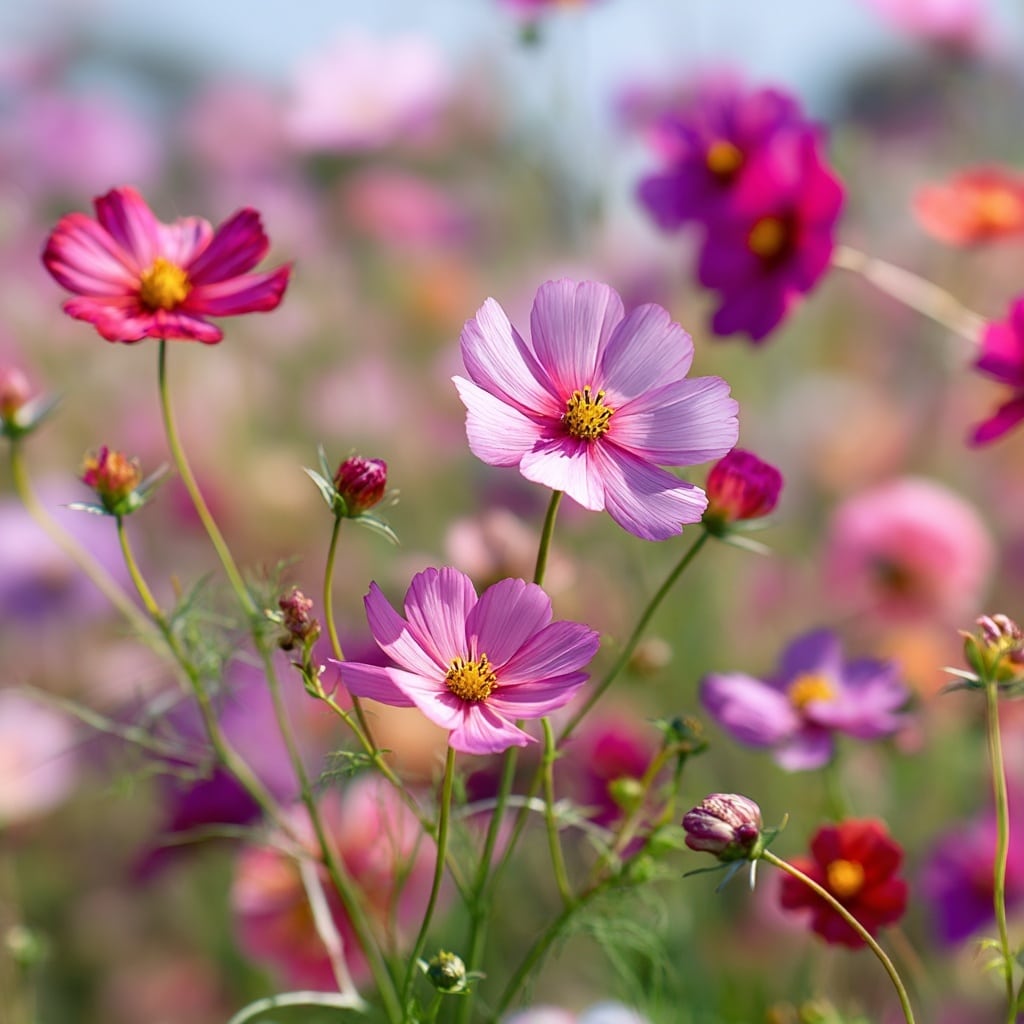
With their feathery foliage and cheerful daisy-like blooms, wild cosmos are a popular annual wild flower that thrives in hot, dry conditions. Native to Mexico, they’re ideal for wildflower meadows, borders, or neglected areas where color and pollinator appeal are still desired. These plants bloom continuously throughout summer and reseed freely for years of enjoyment.
Growing Tips:
- USDA Zones: 2–11 (as an annual)
- Sun: Full sun
- Soil: Well-draining; not overly rich
- Water: Very drought-tolerant once established
- Maintenance: Avoid over-fertilizing to prevent excessive leaf growth
Wild cosmos are a favorite among wild flowers for their low care needs and generous flowering, especially in tough or dry spots where other plants may struggle.
11. Chicory (Cichorium intybus)
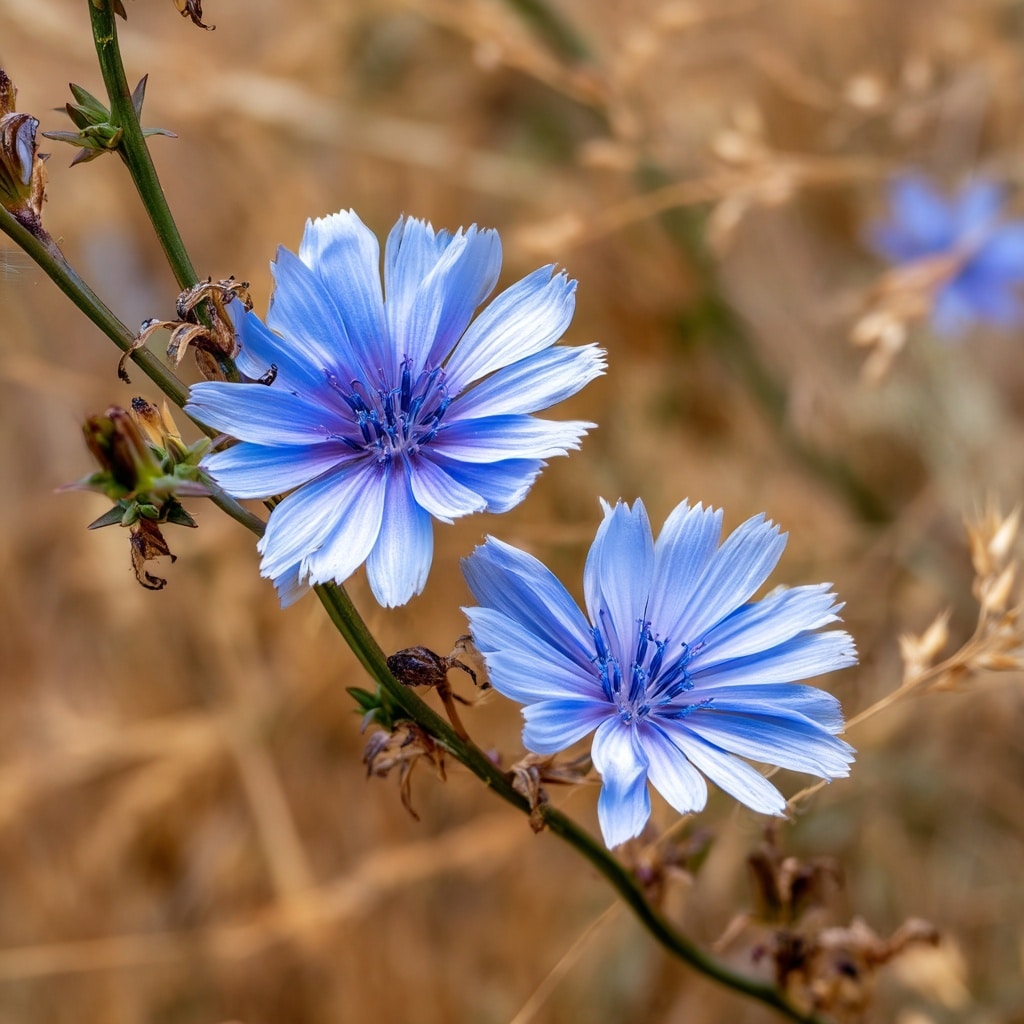
With its striking blue petals and roadside charm, chicory is a hardy wild flower that often pops up in fields, pastures, and even cracks in the pavement. Introduced from Europe and naturalized across much of North America, it’s both ornamental and functional—its roasted root has long been used as a coffee substitute.
Growing Tips:
- USDA Zones: 3–8
- Sun: Full sun
- Soil: Well-drained, neutral to alkaline
- Water: Drought-tolerant once established
- Maintenance: Minimal; self-seeds easily
Chicory is a resilient addition to wildflower gardens or pollinator strips and stands out among wild flowers for its uniquely colored blooms and practical history in herbal use.
12. Oxeye Daisy (Leucanthemum vulgare)
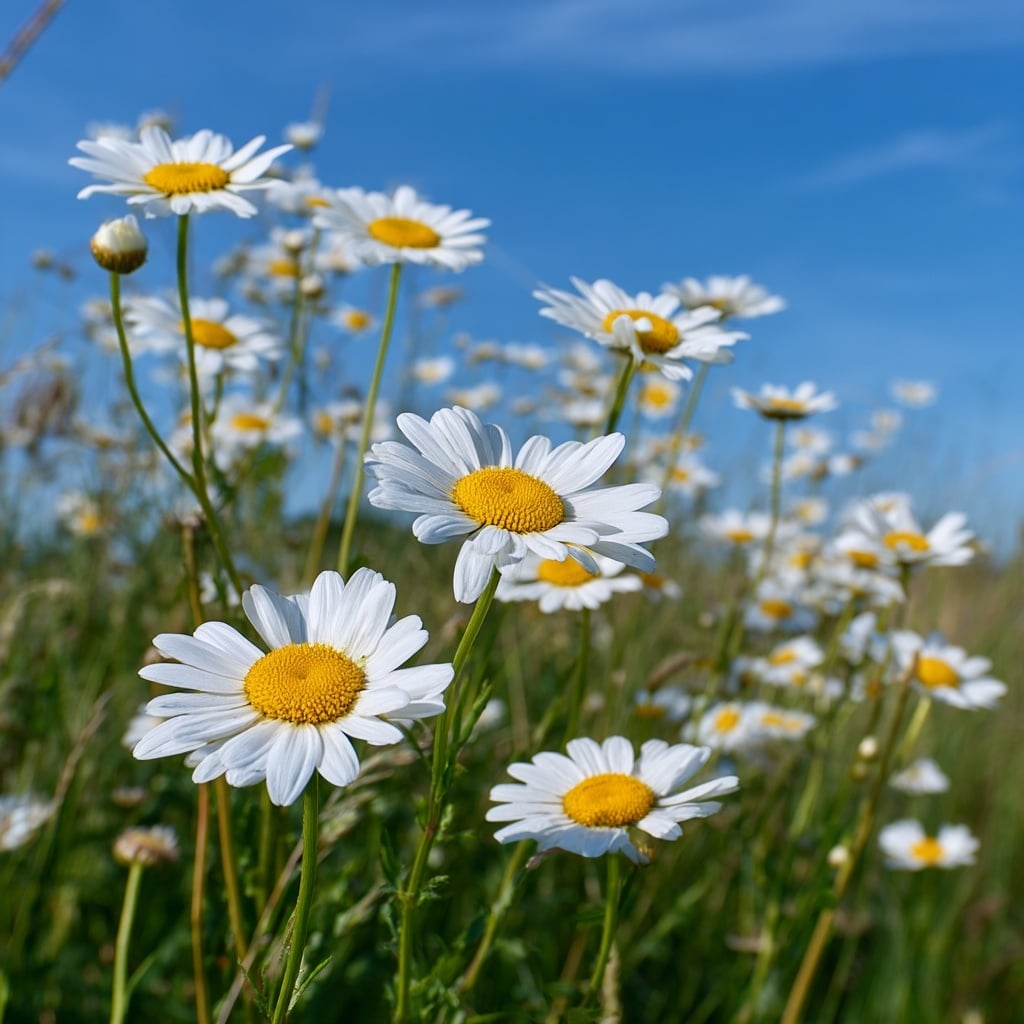
Oxeye daisies bring a classic meadow look to summer gardens with their white petals and sunny yellow centers. These cheerful wild flowers may look innocent, but they’re known for spreading rapidly and can become invasive in some regions. Still, when used with care, they add a timeless charm to open spaces, naturalized areas, and cottage-style plantings.
Growing Tips:
- USDA Zones: 4–9
- Sun: Full sun to partial shade
- Soil: Rich, moist, well-drained
- Water: Tolerates some drought once established
- Maintenance: Monitor spread; deadhead to limit reseeding
Though oxeye daisies aren’t native to North America, they remain a popular wild flower for their classic form and adaptability. For a more controlled alternative, consider the Shasta daisy (Leucanthemum × superbum), a hybrid bred for gardens.
Conclusion
Planting wild flowers is one of the most rewarding ways to add natural beauty, biodiversity, and seasonal color to your summer garden. From moisture-loving cardinal flowers to drought-tolerant cosmos and chicory, there’s a wildflower for nearly every growing condition. By selecting the right mix for your region and soil, you’ll enjoy long-lasting blooms that attract pollinators and require minimal upkeep. Whether you’re new to gardening or an experienced grower, wild flowers offer a low-maintenance, high-impact solution that keeps your outdoor space buzzing with life.