
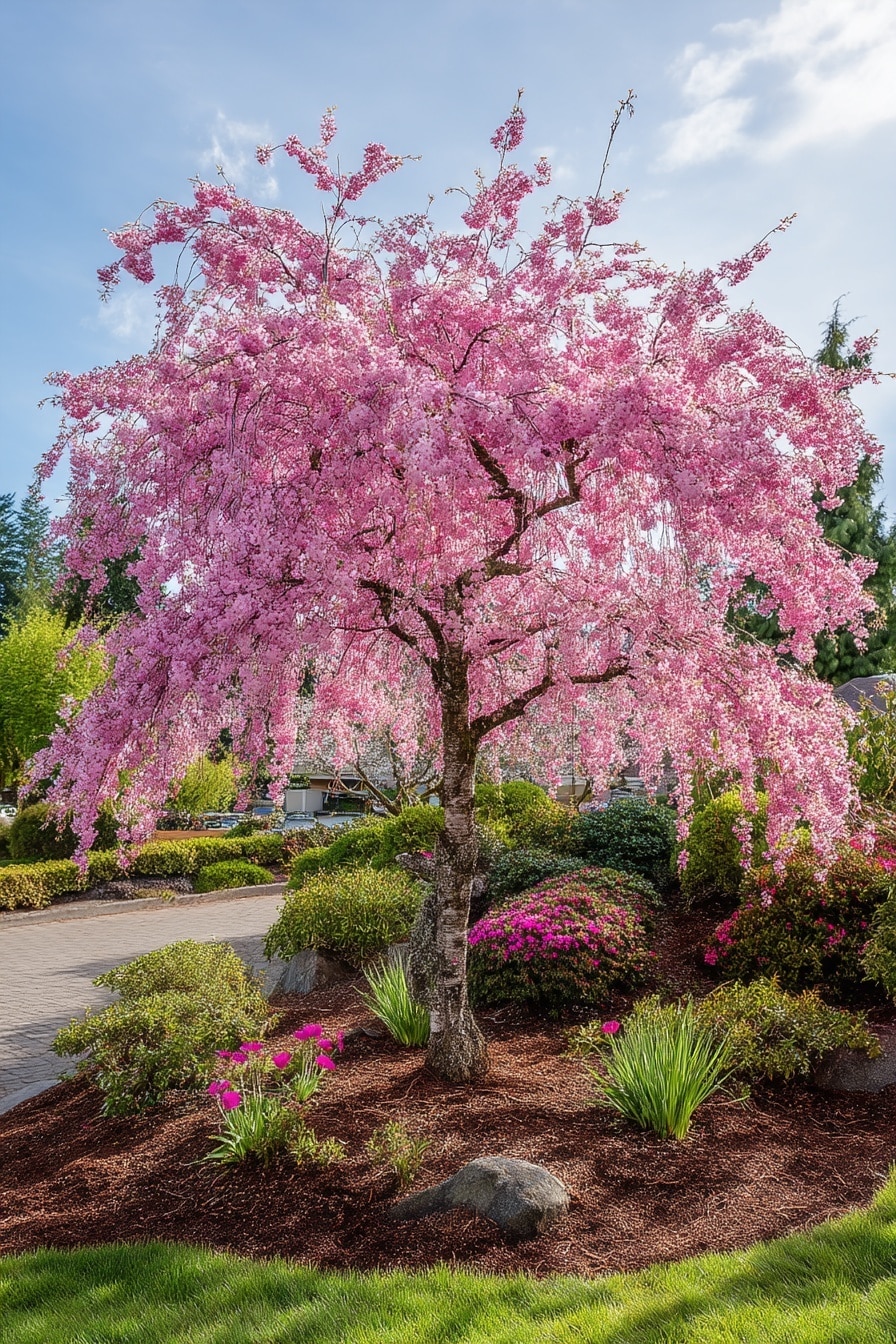
Weeping cherry tree care is essential if you want to enjoy its graceful, cascading branches and stunning spring blossoms year after year. Known for its elegant shape and soft pink or white flowers, this ornamental tree can become a true centerpiece in any garden.
With the right conditions and maintenance routine, a weeping cherry tree can thrive and provide long-lasting beauty. However, it does require specific care, from proper planting to pruning and watering.
Below are five practical growing tips to help you maintain a healthy and vibrant tree while enhancing your landscape.
Table of Contents
1. Choose the Right Location for Healthy Growth

Selecting the ideal spot is the first step in successful weeping cherry tree care. These trees prefer full sun and well-draining soil.
Planting in the right location ensures strong growth and better flowering.
Key considerations:
- At least 6 hours of direct sunlight daily
- Good air circulation to prevent disease
- Space for branches to spread naturally
Avoid areas with standing water, as poor drainage can damage the roots.
2. Plant Your Weeping Cherry Tree Properly
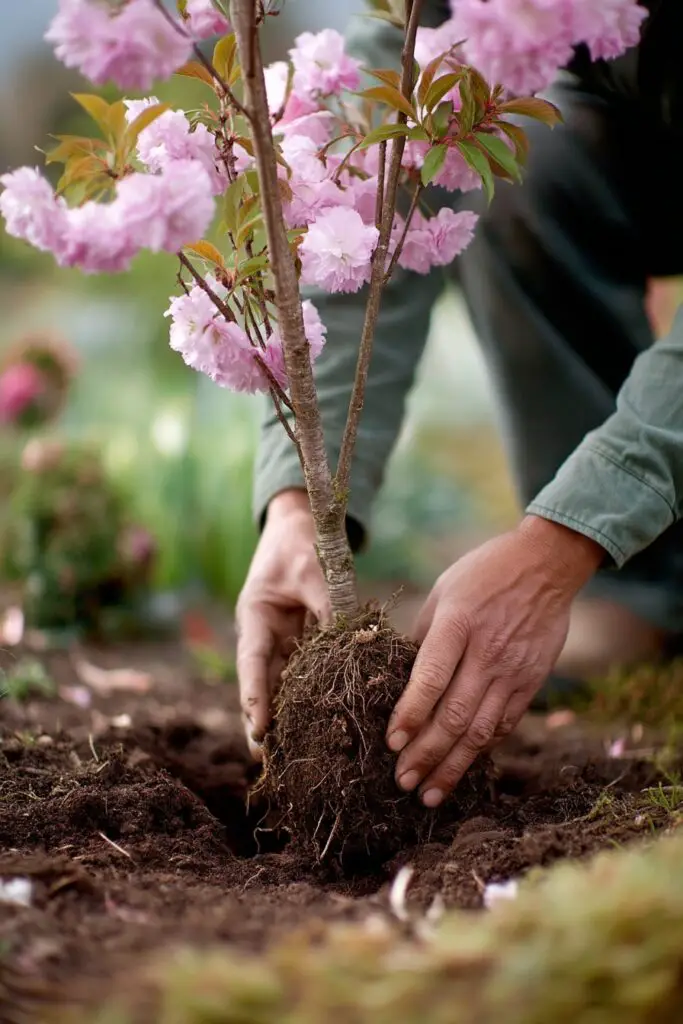
Proper planting plays a major role in the long-term success of your weeping cherry tree.
Start by digging a hole twice as wide as the root ball but not deeper. This allows roots to spread easily.
Planting tips:
- Keep the root crown level with the soil surface
- Backfill with native soil
- Water thoroughly after planting
Adding mulch around the base helps retain moisture and regulate soil temperature.
3. Water Consistently but Avoid Overwatering
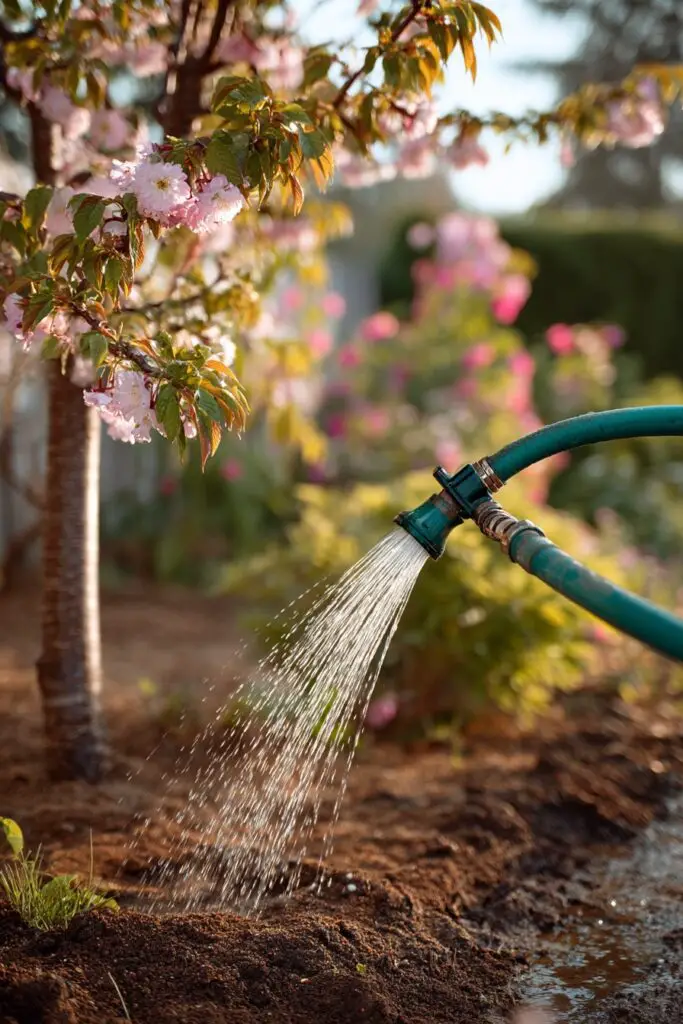
Watering is crucial, especially during the first few years of growth. A young weeping cherry tree needs consistent moisture to establish strong roots.
Watering guidelines:
- Keep soil evenly moist, not soggy
- Water deeply once or twice a week
- Adjust frequency based on weather conditions
Overwatering can lead to root rot, so always check soil moisture before watering again.
4. Prune to Maintain Shape and Health
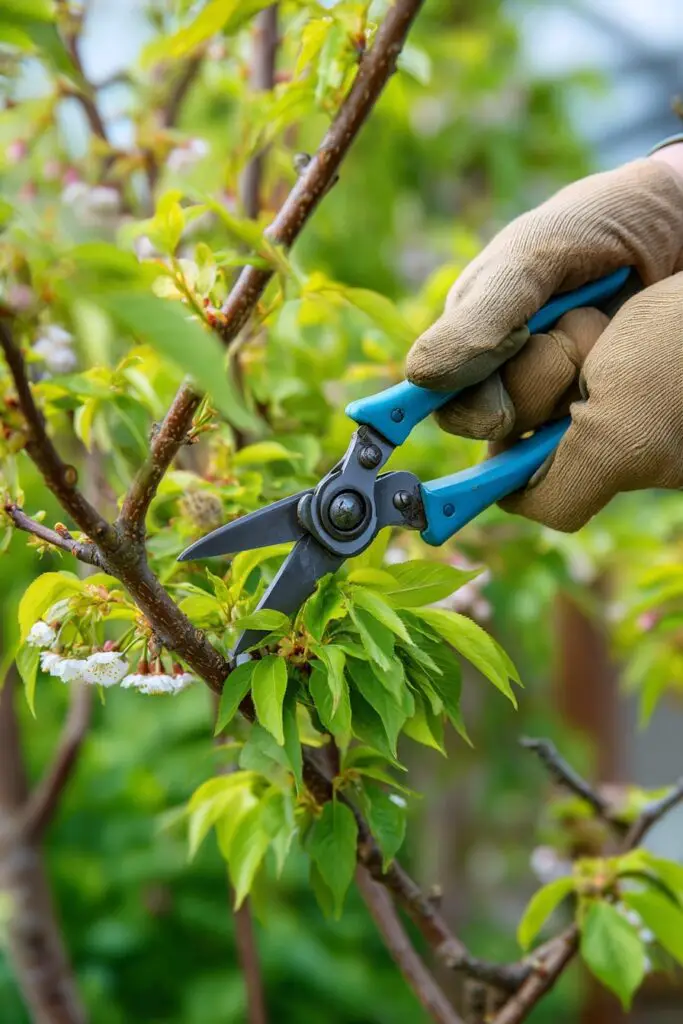
Pruning helps your weeping cherry tree maintain its graceful form and encourages better airflow.
The best time to prune is after flowering or during dormancy.
Pruning tips:
- Remove dead or damaged branches
- Trim overcrowded areas
- Shape lightly to maintain structure
Avoid heavy pruning, as it can reduce blooming in the following season.
5. Protect Against Pests and Diseases
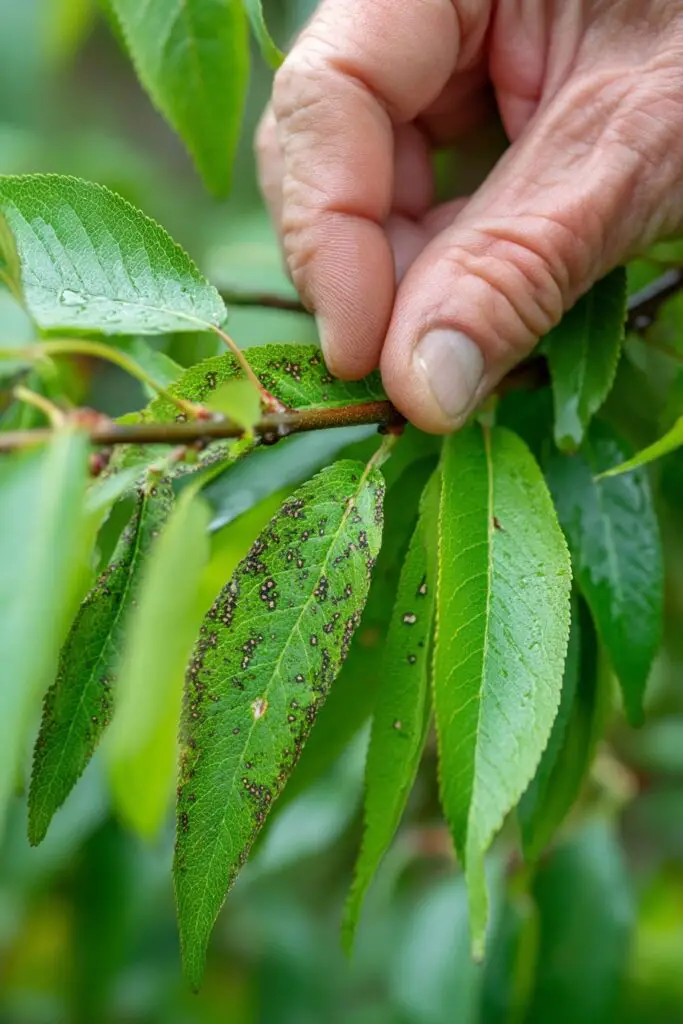
Like many ornamental trees, the weeping cherry tree can be affected by pests and diseases if not properly maintained.
Common issues include:
- Aphids
- Borers
- Fungal diseases
Prevention methods:
- Inspect regularly for signs of damage
- Maintain good air circulation
- Avoid overhead watering
Early detection makes it easier to manage problems before they spread.
Additional Care Tips for Long-Term Success

To keep your weeping cherry tree thriving, follow these general care practices:
- Fertilizing: Apply a balanced fertilizer in early spring
- Mulching: Maintain a layer of mulch to conserve moisture
- Sunlight: Ensure consistent exposure for better blooms
Conclusion
Weeping cherry tree care doesn’t have to be complicated when you focus on the basics. By choosing the right location, planting correctly, and maintaining proper watering and pruning habits, you can enjoy its elegant beauty for years.
With consistent care and attention, this tree will reward you with stunning seasonal blooms and a graceful presence in your garden.