
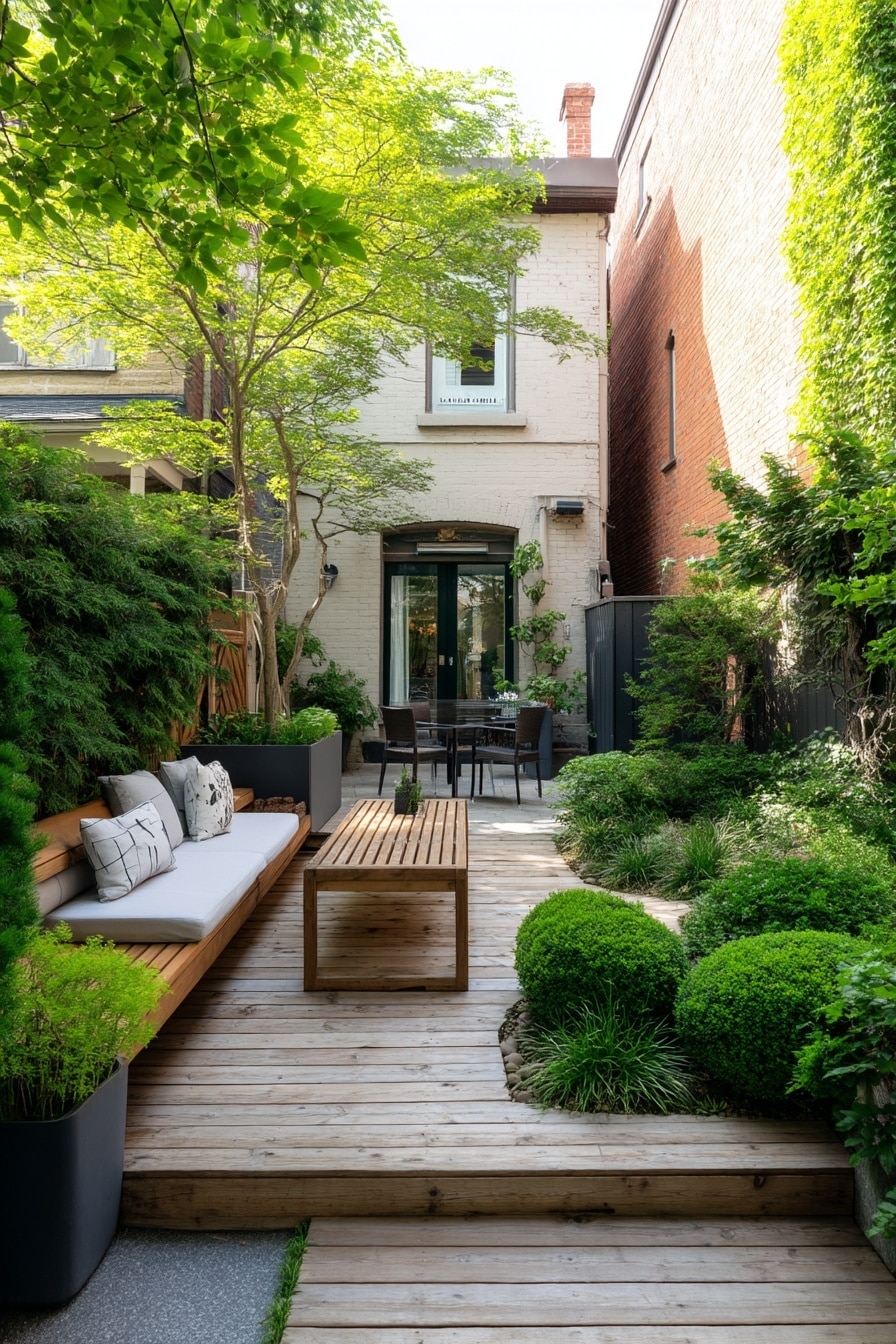
Garden design isn’t limited by size. Even the smallest outdoor space can be turned into a beautiful, functional area with the right planning and layout. A well-designed garden adds life, texture, and a place of peace—whether you’re working with a compact backyard, a narrow side yard, or even a small patio.
With thoughtful choices in layout, plants, and structure, a small garden can feel larger than it is. It’s not about cramming in more—it’s about choosing smarter. The right approach allows you to enjoy the same sense of beauty and calm found in larger landscapes, all while using less space and fewer resources.
Here are five layout and garden ideas that will help you turn your small outdoor space into a lush, inviting retreat.
Table of Contents
1. Choose Plants That Fit Your Space

The foundation of any successful garden—especially a small one—is selecting the right plants. In tight spaces, every plant matters. Instead of squeezing in large or fast-spreading varieties, focus on species that match the scale of your layout and thrive in your local conditions.
Native plants are often the best place to start. They’re naturally adapted to your climate and soil, making them more resilient and lower maintenance. They also tend to attract local pollinators, which adds life and movement to your garden.
If your space is shaded, look for shade-loving varieties like ferns, hostas, or impatiens. For sunny corners, compact lavender, dwarf citrus trees, or succulents can bring color and scent without taking over.
Plant Selection Tips:
- Choose compact or dwarf plant varieties
- Prioritize native species for better resilience
- Mix textures (grasses, shrubs, flowers) for visual interest
- Use containers to control growth and rearrange easily
- Consider seasonal rotation to keep your garden interesting year-round
2. Build Your Garden Vertically
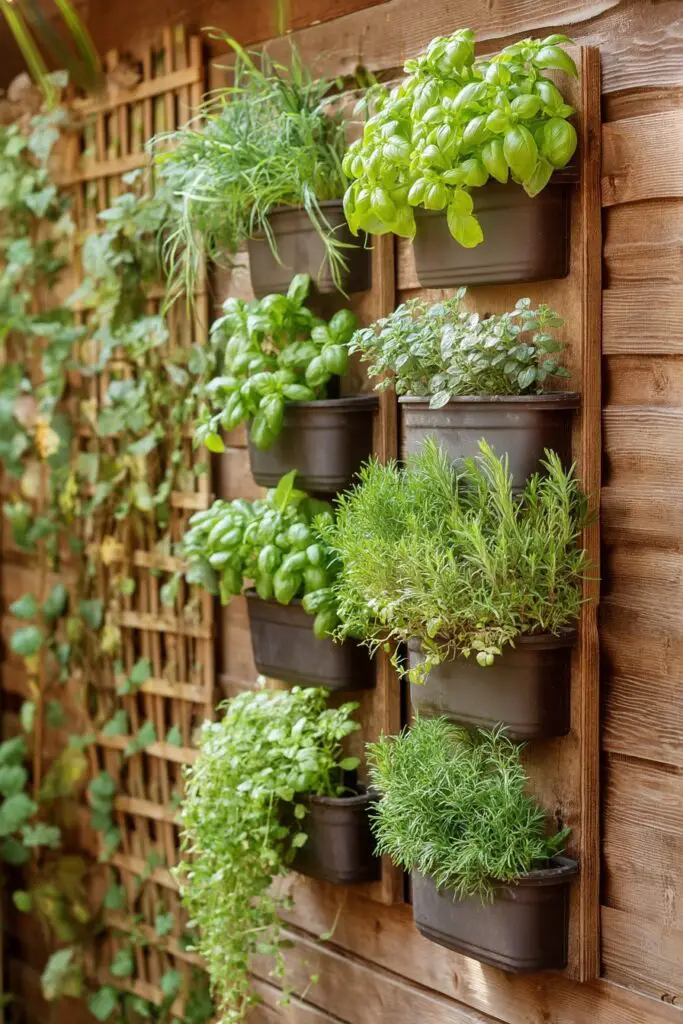
When floor space is limited, one of the smartest ways to expand your garden is to think upward. Vertical gardening is not only space-efficient, but it also adds depth and visual interest to small outdoor areas.
From trellises and wall planters to stacked pots and repurposed ladders, vertical features allow you to grow herbs, flowers, or even vegetables without sacrificing ground space. They’re perfect for narrow side yards, balconies, or any small garden corner that needs a visual lift.
You can also create living walls using mounted planters or modular panels filled with leafy greens or trailing plants like ivy or creeping jenny. Vertical structures help define your space while still keeping it open and breathable.
Vertical Garden Ideas:
- Install a wooden trellis or wire frame for climbing plants
- Use hanging baskets for trailing flowers or herbs
- Repurpose items like shoe organizers or pallet wood for vertical planting
- Grow leafy greens in stacked planter towers
- Frame a section of wall with a vertical herb garden near your kitchen door
3. Keep Your Garden in Scale

In a small garden, proportion is everything. Oversized plants or furniture can quickly overwhelm the space, making it feel crowded or unbalanced. Keeping scale in mind helps your garden look thoughtfully designed rather than cluttered.
Start with compact plants that stay in harmony with their surroundings. Look for dwarf varieties of trees and shrubs, or low-growing perennials that won’t dominate the space. This allows you to fit more greenery without blocking light or airflow.
The same rule applies to garden furniture and decor. Choose pieces with clean lines and narrow profiles—think slim benches, bistro tables, or foldable chairs. These help maintain open sightlines and leave more room for planting or movement.
Smart Scale Tips:
- Choose small or columnar trees suited for tight spaces
- Use lightweight, stackable furniture for flexibility
- Limit the number of focal points to avoid visual chaos
- Leave breathing space between planting zones and seating areas
- Let the scale of each element support the overall balance of your garden
4. Simplify the Layout
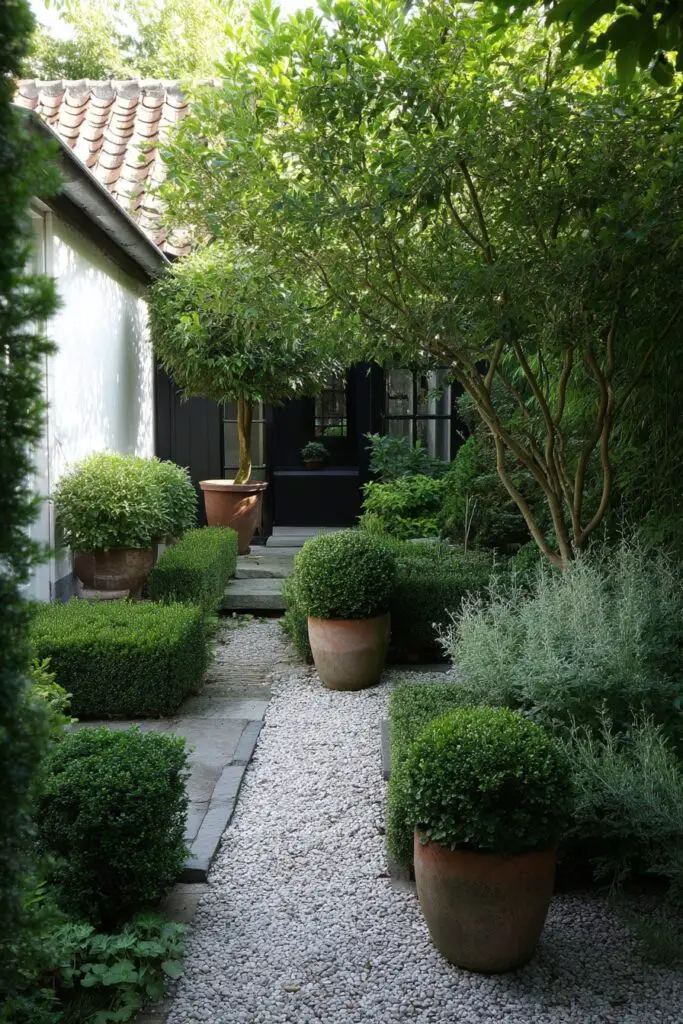
In a small garden, simplicity is key. Too many features, colors, or textures can make the space feel cramped or chaotic. A clean, intentional layout creates a sense of calm and allows each element to shine without competing for attention.
Start with a basic structure: clear pathways, a seating area, and a few thoughtfully placed planting zones. Stick to a limited color palette to keep the space cohesive. For example, repeating shades of green with a few bold floral accents can have a greater impact than trying to include every plant that catches your eye.
Use simple shapes—like circles or rectangles—for beds, pots, and furniture arrangements. Avoid overdecorating. Even a few well-placed terracotta pots or evergreen shrubs can bring harmony and charm to your garden.
Simple Layout Tips:
- Choose a consistent plant color theme or leaf texture
- Limit the number of plant species to avoid visual clutter
- Use repetition—matching pots or mirrored plantings—for structure
- Design in layers: tallest in the back, mid-size in the middle, ground cover in front
- Let materials like stone, gravel, or brick frame the garden naturally
5. Add Movement and Layers
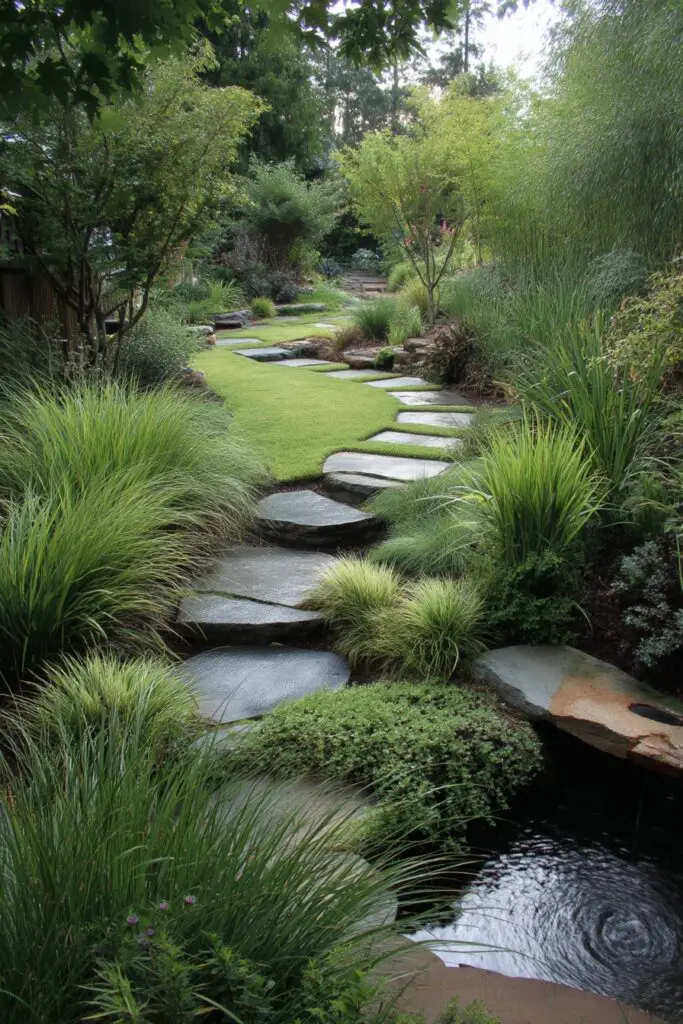
To make a small garden feel dynamic and immersive, focus on adding subtle layers and elements that bring motion and variety. These details can transform a flat, static space into one that feels alive and thoughtfully curated.
Start by layering your plants by height—placing taller varieties at the back or along a wall, mid-sized shrubs in the middle, and low-growing ground covers near the front. This creates depth and helps guide the eye through the space.
Incorporating movement can be as simple as planting ornamental grasses that sway in the breeze or adding a small water feature that creates gentle sound. Even a trellis with a climbing vine can create shifting shadows that change throughout the day.
Don’t overlook structure. Raised beds, sunken seating areas, or staggered planters can create levels within your garden that add interest and function without needing more square footage.
Ways to Add Movement and Depth:
- Use plants like fountain grass or bamboo for natural motion
- Add a small bubbling fountain or wall-mounted water feature
- Include curved pathways or stepping stones
- Mix textures with gravel, mulch, wood, and living foliage
- Use elevation: hanging planters, stacked beds, or tiered displays
Conclusion
A small garden can be just as beautiful and rewarding as a larger landscape—with the right design. By choosing suitable plants, thinking vertically, maintaining scale, simplifying the layout, and adding layered movement, you can create a space that feels peaceful, spacious, and uniquely yours.
No matter the size of your yard, balcony, or patio, these five layout and garden ideas prove that great design comes from smart planning—not square footage.